.png)
Spanish Government Invests Another $7.4M In Animation, Backing Canary Studio Amuse Animation
Stay informed with free updates
Sign up to get our news digest — delivered directly to your inbox twice a week.
Less than two months after committing €25 million ($28.8 million) to Canary Islands animation studio Anima Kitchent, the Spanish government has announced another major investment in the country’s animation industry, this time putting €6.4 million ($7.4 million) into Las Palmas-based children’s producer Amuse Animation.
The latest investment comes through the Spanish Society for Technological Transformation (SETT), a public investment vehicle operating under Spain’s Ministry for Digital Transformation, as part of the government’s Spain Audiovisual Hub initiative.
On its own, the Amuse deal is a noteworthy move. Coming so quickly after the Anima Kitchent investment (and a separate €7 million commitment to Canary Islands-based KAG Group), it sends a clear message that Spain is increasingly backing its animation industry with direct public investment, not just generous tax incentives.
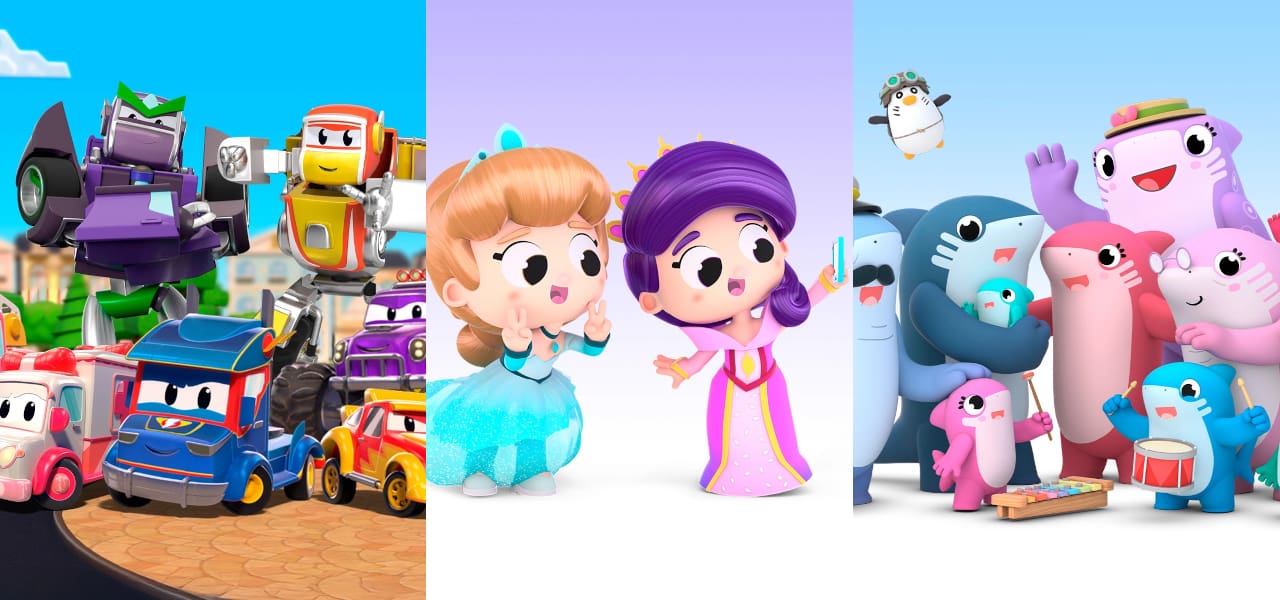
Founded in 2014, Amuse Animation, which also has offices in Paris and Shanghai, has quietly become one of the Canary Islands’ biggest players in preschool entertainment. The studio has built a portfolio of more than 30 original IPs, including Car City, Shark Academy, and Increditales, while also producing service work for third parties. According to the company, its content reaches more than 600 million monthly views across digital platforms and is distributed in 27 languages.
According to the government, the funding will help Amuse expand internationally while creating 40 direct jobs and another 150 indirect positions. “Spain is strengthening its leadership in audiovisual production, with the Canary Islands serving as a strategic engine,” said Ángel Víctor Torres, Spain’s minister of territorial policy and democratic memory.
Under the deal, SETT will acquire a 48% stake through a €13.2 million capital increase backed by both public and private investors. The goal is to transform Amuse into a studio that owns and exploits its IP, developing children’s franchises from concept through licensing and merchandising that can make an impact worldwide.
The investment is also expected to benefit the broader and rapidly growing Canary Islands production ecosystem through increased demand for post-production, sound, localization, legal services, and partnerships with local universities and vocational training programs.
For Spain, the Amuse deal is another indication that animation is becoming a central part of its state-backed audiovisual growth strategy, on par with live-action.
Pictured at top: Car City, Increditales, and Shark Academy