.png)
AfroAnimation Summit Is Quickly Emerging As A Major Talent Pipeline
Stay informed with free updates
Sign up to get our news digest — delivered directly to your inbox twice a week.
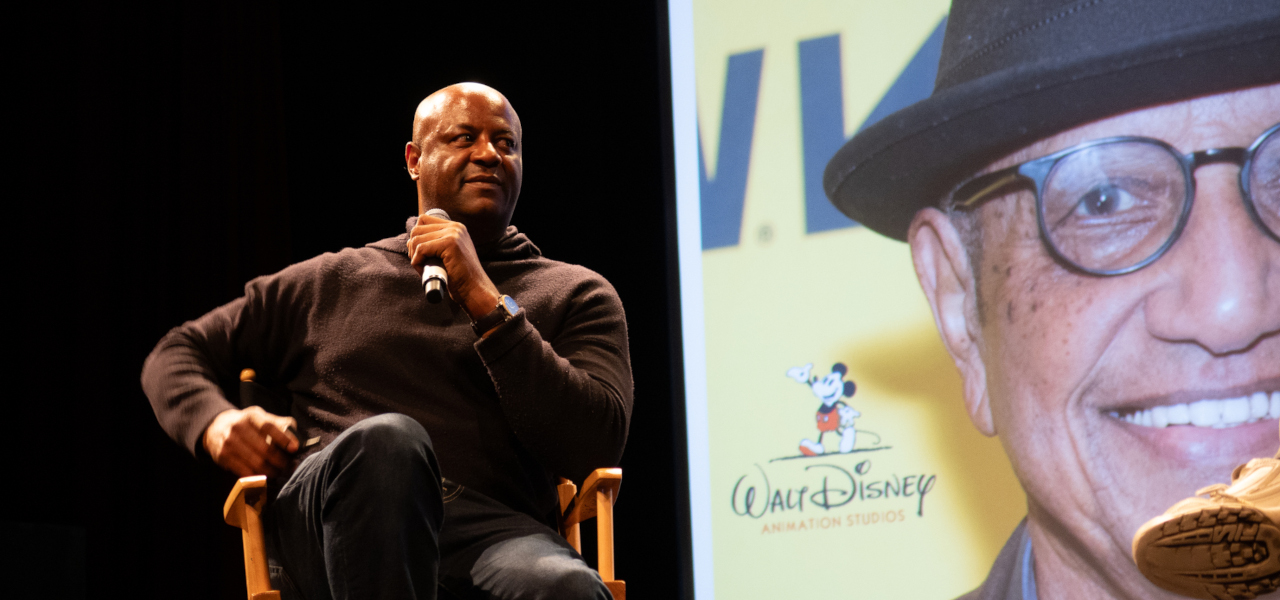
Launched in 2021 during the pandemic, the AfroAnimation Summit has quickly grown into a major hub for animation, gaming, and digital media talent. Founded by marketing executive Keith White, the Burbank-based event connects a global community of artists with studios, recruiters, and industry decision-makers, while also reflecting the rise of independent creators working outside traditional pipelines.
AfroAnimation’s next edition runs April 23–26 in Burbank, with a mix of panels, workshops, and recruiting-focused programming. The summit will again feature its Creative Job Fair, where studios and companies meet directly with candidates for portfolio reviews and hiring conversations, alongside competitions and awards highlighting emerging talent. New additions this year include a Digital Graphics Lab and expanded programming around gaming and adjacent fields, reflecting the event’s broader push beyond traditional animation and into areas where those skills are increasingly in demand.
White recently caught up with Cartoon Brew to discuss how AfroAnimation came together, how it has evolved, and where he sees both the summit and the industry heading.
Cartoon Brew: You didn’t come from a traditional animation background. How did AfroAnimation get started?
Keith White: I’m a marketing guy. My talents are not necessarily in the animation pipeline, but more around business development and sales. I’ve built digital platforms, short-form video apps, peer-to-peer apps, e-commerce. I’m the guy who sees the void in the marketplace and rallies the troops to go from concept to development and then to product-market fit. During the pandemic, I was working on a short-form video platform and looking for a creator community. I started seeing a lot of really strong illustration work from Black and Brown creators online. So I Googled to see if there was an animation conference focused on that community, and there was none. I thought, if I’m going to ask creators to put content on my platform, I need to do something for them first. That’s really how AfroAnimation started.
You launched the first event without major studio backing. Did that freedom and lack of corporate oversight in the early days help or hurt?
I actually thought it hurt. As a marketer, I tend to think big brands provide credibility and connectivity. So I thought there would be an enormous advantage in having them involved. But they didn’t really know who we were or whether we could execute, so they sat on the sidelines. We still had 1,700 creators show up in year one and proved the concept. By year two, we had 4,700 attendees, and most of the major studios came on board. So in hindsight, we didn’t need them at the beginning, but I didn’t think of it that way at the time.
What’s the core goal of AfroAnimation today?
It’s really about connection and outcomes. If we can bring studios and creators together to talk about important subject matter, provide insights through workshops, and create networking opportunities, then people can walk away with something tangible. If that happens, then maybe I’ve earned the right to ask them to put their content on the platform I’m building. We’re very focused on making sure attendees get value, which is why we’ve leaned into things like the job fair, portfolio reviews, and workshops.
You’ve had a front row seat to the rise of independent creators, including many who have participated at AfroAnimation. What are you seeing?
A big shift. Creators are building their own ecosystems and their own fan bases. From when we started our short film competition in 2021 to now, the quality has gone way up. I’m seeing studio-quality work being put out in short form, and it’s amazing. I think creators need more platforms to distribute and monetize their work. There’s a gap for professional content that doesn’t really have a single destination right now.
Does AfroAnimation still function as a pipeline into studios, or is that changing?
It’s both. There are still people who want to work at Disney or Pixar, and those opportunities are important. But we’re also trying to show that these skills are transferable. You can use them in aerospace, healthcare, education, AI, gaming. There are a lot of adjacent industries that need the same skill sets. At the same time, we’re seeing more creators build their own IP and monetize independently, so we’re supporting both paths.
How do you think AfroAnimation impacts representation in the industry?
Before AfroAnimation, this community wasn’t really organized, and when you’re not organized, you can easily be forgotten. Now we’ve created a space where thousands of creators come together, and the studios are present. Even if the people who greenlight projects aren’t always in the room, the conversations are happening. I like to think that when executives go back into those rooms, diversity is talked about a little bit more. It’s not guaranteed, but it’s more powerful than not having that presence at all.
AfroAnimation has grown quickly. Where do you see it expanding next?
Definitely internationally. We’ve had attendees from the Caribbean, France, the U.K., Africa, even Japan. We’ve also done smaller activations in places like Cannes and London. We’re also looking at expanding into adjacent verticals, especially gaming. We did a small version of that last year, and now people are asking for more. So it’s really about growing the brand beyond just Burbank and beyond just traditional animation.
Who should be paying attention to AfroAnimation that maybe isn’t yet?
People in graphic design, illustration, and gaming, for sure. A lot of students don’t realize how many different paths there are within these fields. If you’re creative and you’re a storyteller, there’s probably a place for you in this ecosystem.
What makes AfroAnimation feel different from other industry events?
One of the things I hear all the time is that it’s the most friendly animation conference. The speakers are accessible, they come off stage and talk to people, and that’s important. You cannot become what you cannot see. If young creators can see people in these roles and have real conversations with them, that can change their trajectory.
What’s next for AfroAnimation?
Every year, we try to be responsive to what the needs are. We’re adding new elements like a digital graphics lab and continuing to build out the job fair. We’re also expanding the job platform we launched recently, which aggregates opportunities across animation, gaming, and related industries. The goal is to keep evolving as the industry changes and make sure we’re staying relevant to what creators actually need.