
.png)

Director Alex Woo On The Visual Guidelines That Hold ‘In Your Dreams’ Together Through Its Most Surreal Turns (EXCLUSIVE)
In In Your Dreams, hitting Netflix tomorrow, writer–director Alex Woo invites audiences into a semi-autobiographical landscape where subconscious anxieties, childhood imagination, and visual experimentation collide.
The film follows siblings Stevie and Elliot as they journey through the surreal realm of their own dreams. It’s an odyssey that lets Woo and his team build a wildly elastic world without losing emotional or aesthetic cohesion. For Woo, that balance between chaos and clarity was the core visual challenge of the project.
Because the story hinges on a crossover between reality and dreams, Woo knew early that the film’s visual language needed a clear set of internal rules.

“When I thought about what the design of this movie should be, I always ask, what does the movie need? What is the movie asking for?” he told us in a recent interview. The real world, he decided, “needed to be really grounded in its design so that we had somewhere to go when we got to the dream world.”
That grounding was also crucial for the emotional nuance at the film’s center. As Woo put it, the human characters couldn’t be “so pushed design-wise that it took you out of the nuanced emotions that they were feeling.”
The dream worlds, on the other hand, offered permission to go big. Sometimes, extremely big.
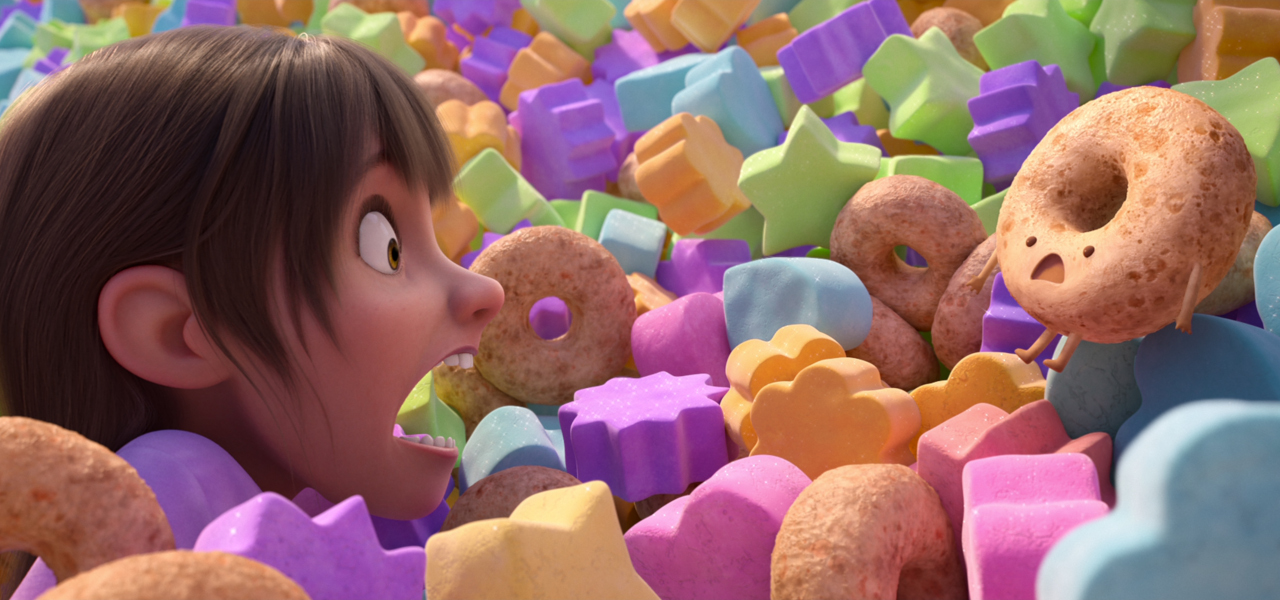
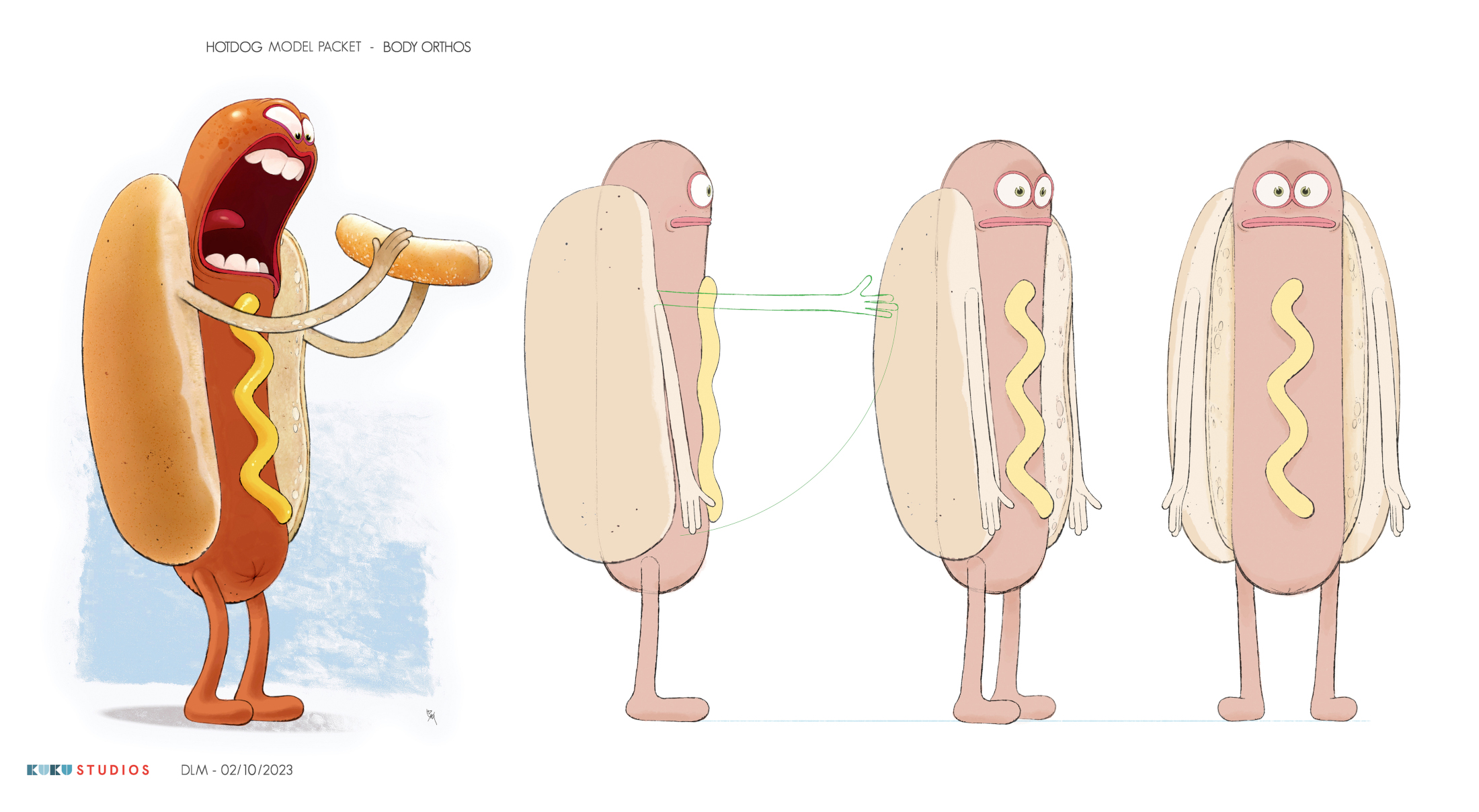
“Going into the dream world allowed me the license to really push the designs,” Woo said. He points to examples ranging from anthropomorphic breakfast foods to ultra-cartoonish hot dog characters to full anime transformations of the film’s protagonists. “Breakfast Town… you can’t do that in live action. That would just be creepy and weird,” he laughed.

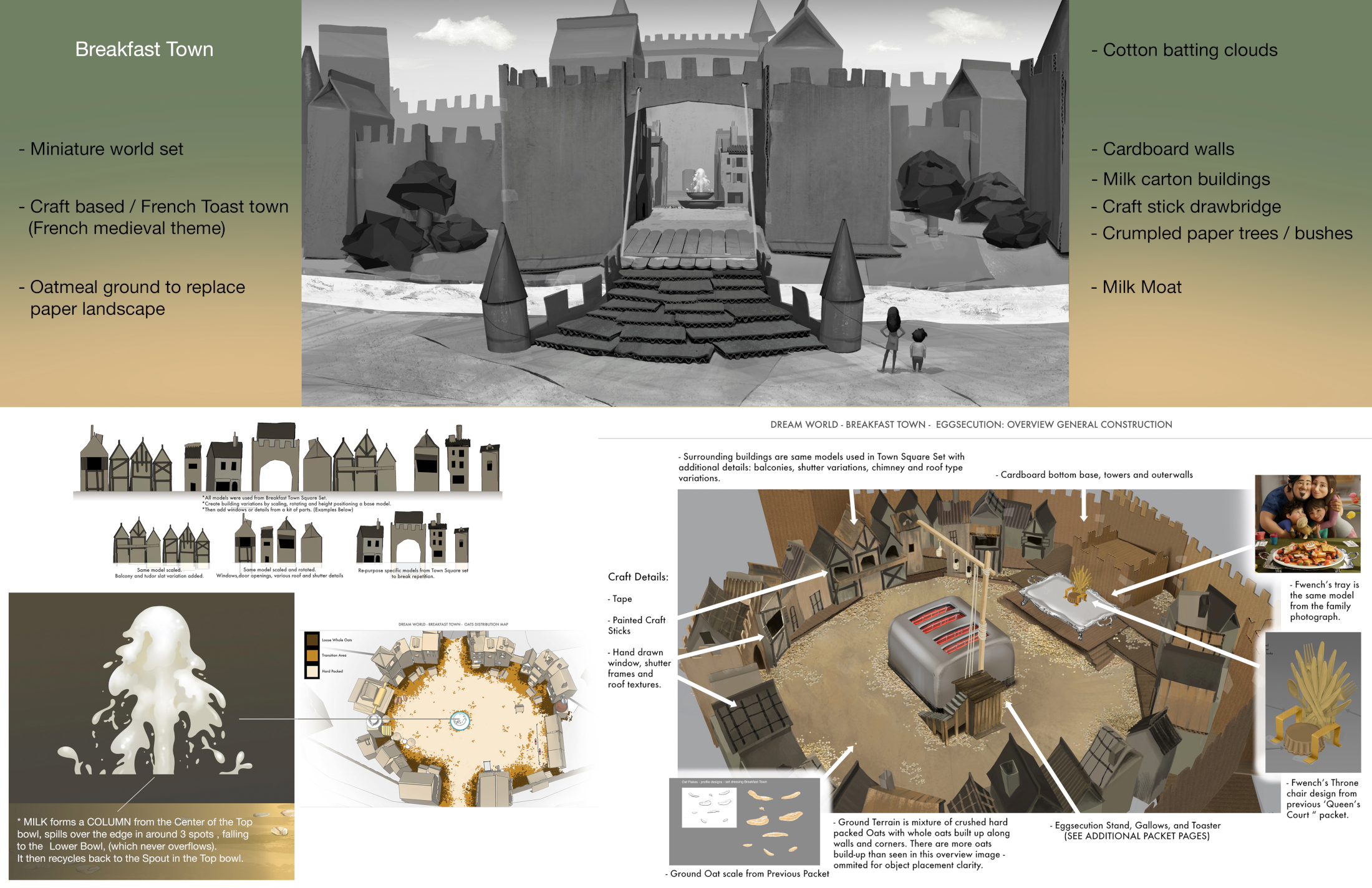


In the film, Stevie and Elliot’s journey into the dream world is sparked by their parents’ announcement that a major job relocation will temporarily split the family. Desperate to keep everyone together, the siblings set out to find the Sandman, a mythical figure said to make any dream a reality. While the storyline draws from Woo’s own childhood experience with a temporary parental separation, that semi-autobiographical foundation also shaped the film’s dream sequences, many of which come directly from Woo’s recurring dreams.
The film’s dreamscapes, while fantastical, emerge from anxieties and subconscious visions he’s carried since childhood. “A lot of the dreams in the film are directly from my subconscious,” he shared. These include “the naked dream… I’ve had like way too many times,” he said, chuckling. “Always set, inexplicably, in a department store. A classic teeth-falling-out dream, which he experienced frequently during the stress of production, and a terrifying recurring moment in which “the steering wheel doesn’t work and the brakes don’t work… the car just keeps going faster and faster.” Woo laughed at the accidental metaphor: perhaps filmmaking feels a bit like that runaway bus.
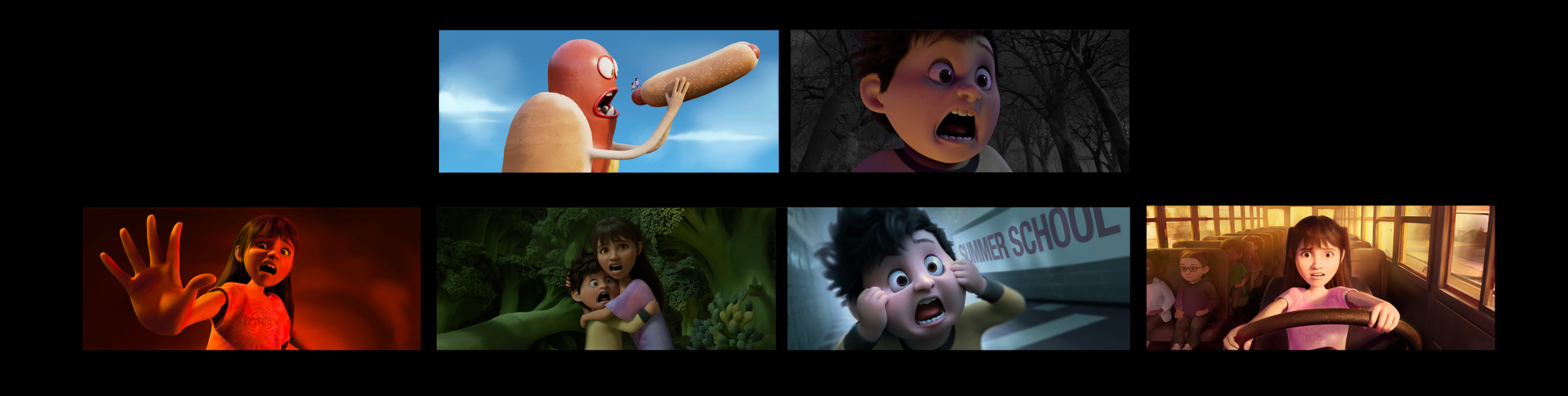
But Woo didn’t rely solely on his personal dream dictionary. Early in production, the story team received dream journals, and everyone was asked to jot down whatever dream experiences they were willing to share.
“Not every dream is appropriate to share,” he joked, “but a lot of others worked their way in.” Among his favorites: a surreal hot-dog nightmare contributed by filmmaker Michael Rianda. “We’re like, that’s weird, but it’s funny and it’s cool. Let’s do it.”
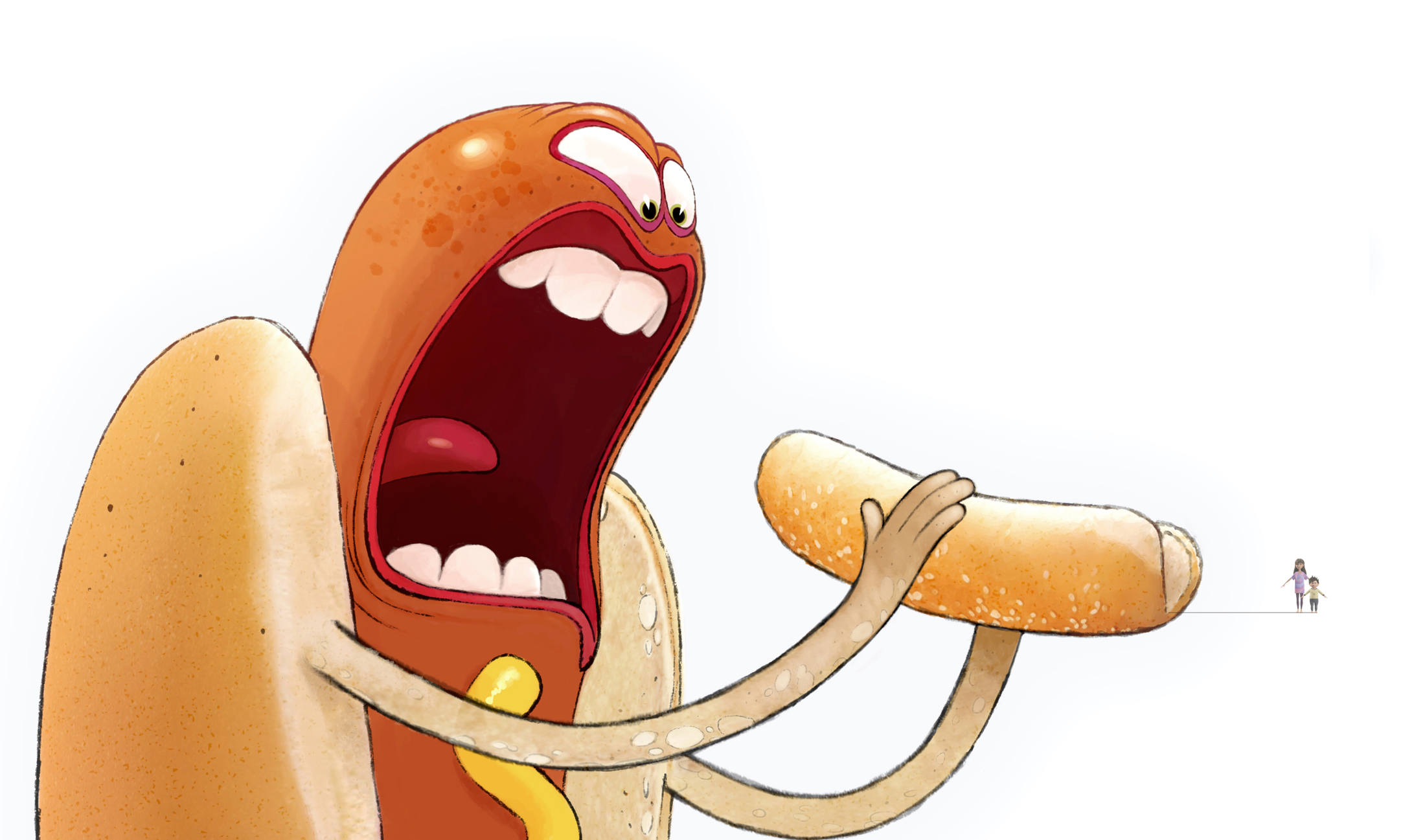
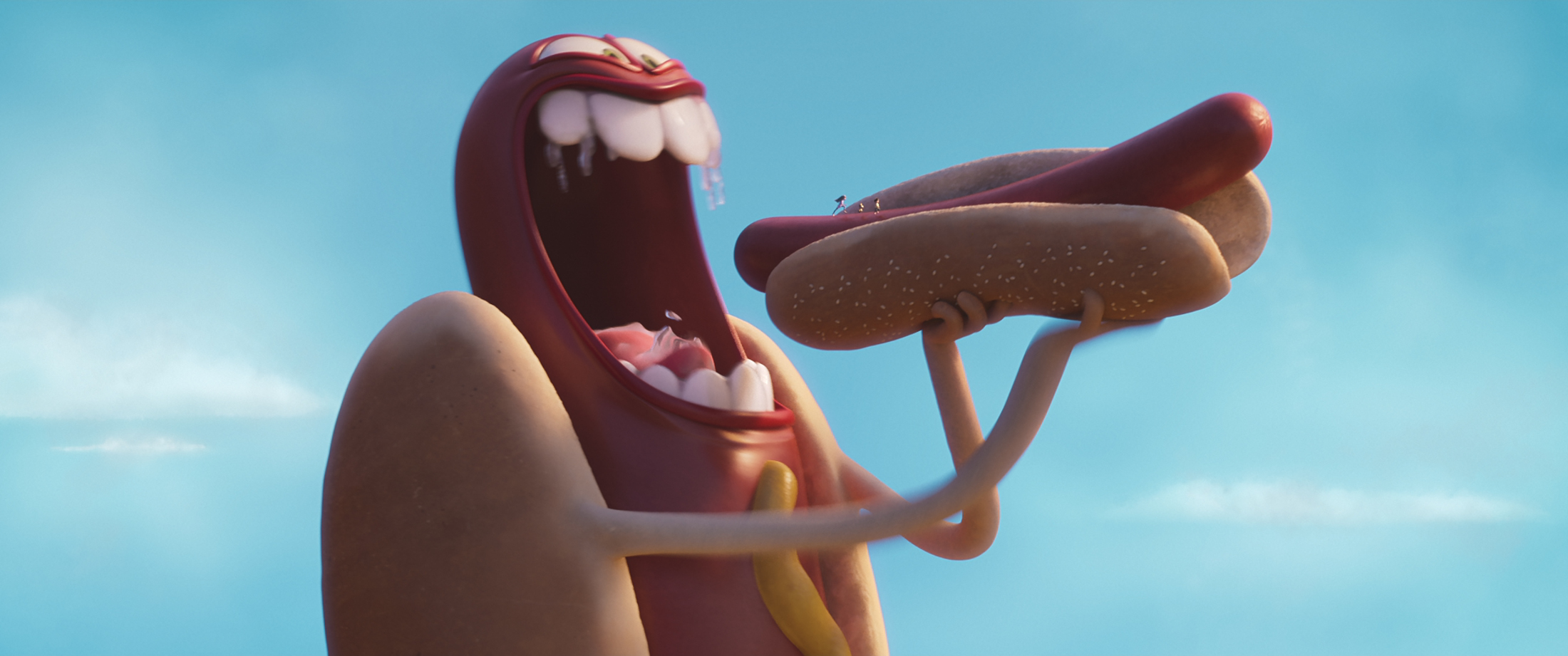
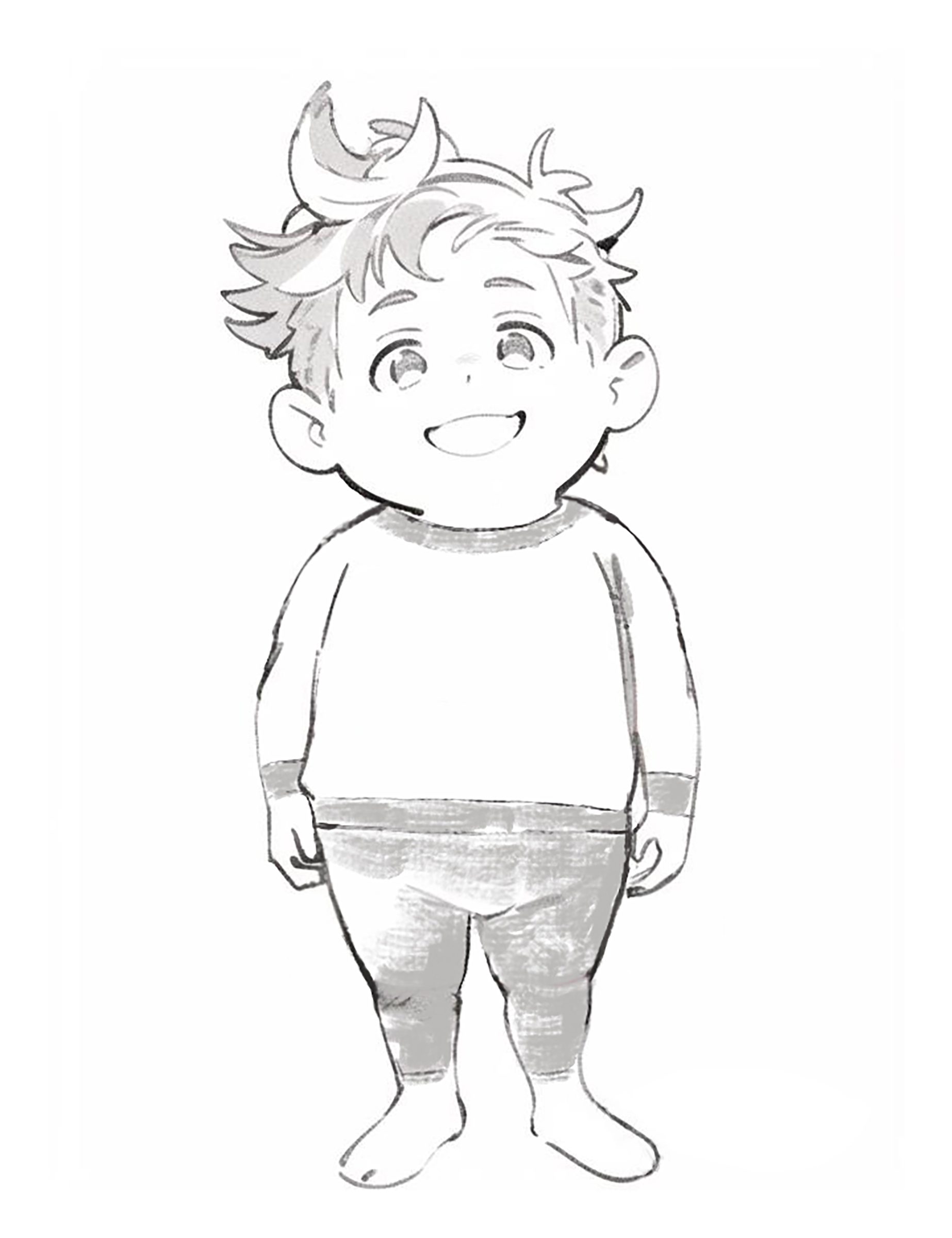
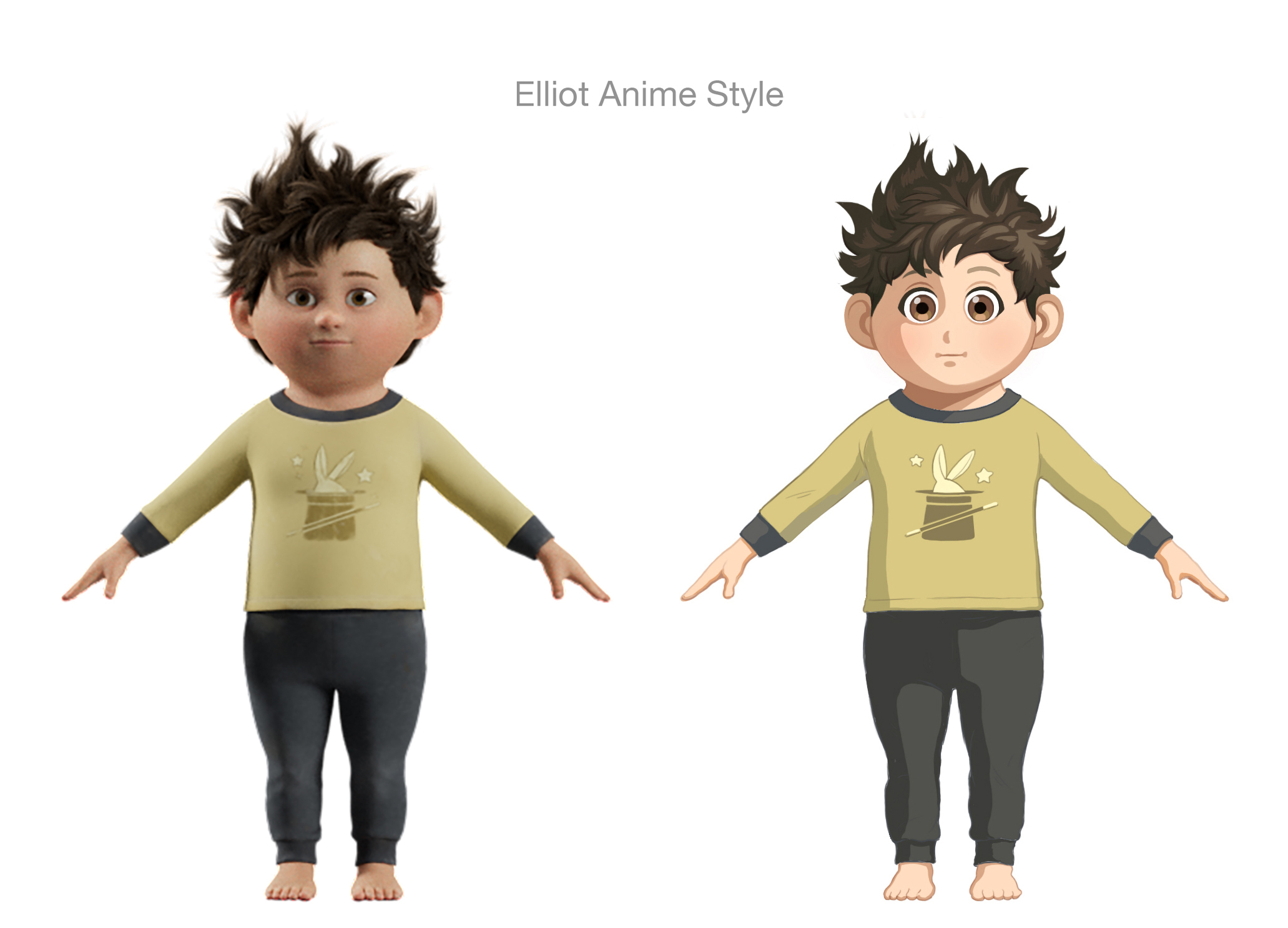
One of the film’s most dramatic stylistic departures comes in the anime-inspired sequences, which feature heightened, expressive, and visually distinct yet still maintain an overall coherence within the film’s design language.
Woo originally hoped to outsource those moments to a Japanese 2D studio – “I even offered… that I would animate it myself” — but production timelines made that impossible. Still, he was confident the pipeline at Sony Animation could emulate the textured, expressive aesthetic he wanted.
“Of all the studios, of all the pipelines in the world, Sony is the best at doing something like that,” he said, citing Spider-Verse’s multistyle mastery. “I was convinced [Peni Parker] was actually hand-drawn.” The anime versions of Stevie and Elliot were ultimately achieved through toon-shaded 3D designed to simulate traditional 2D animation.
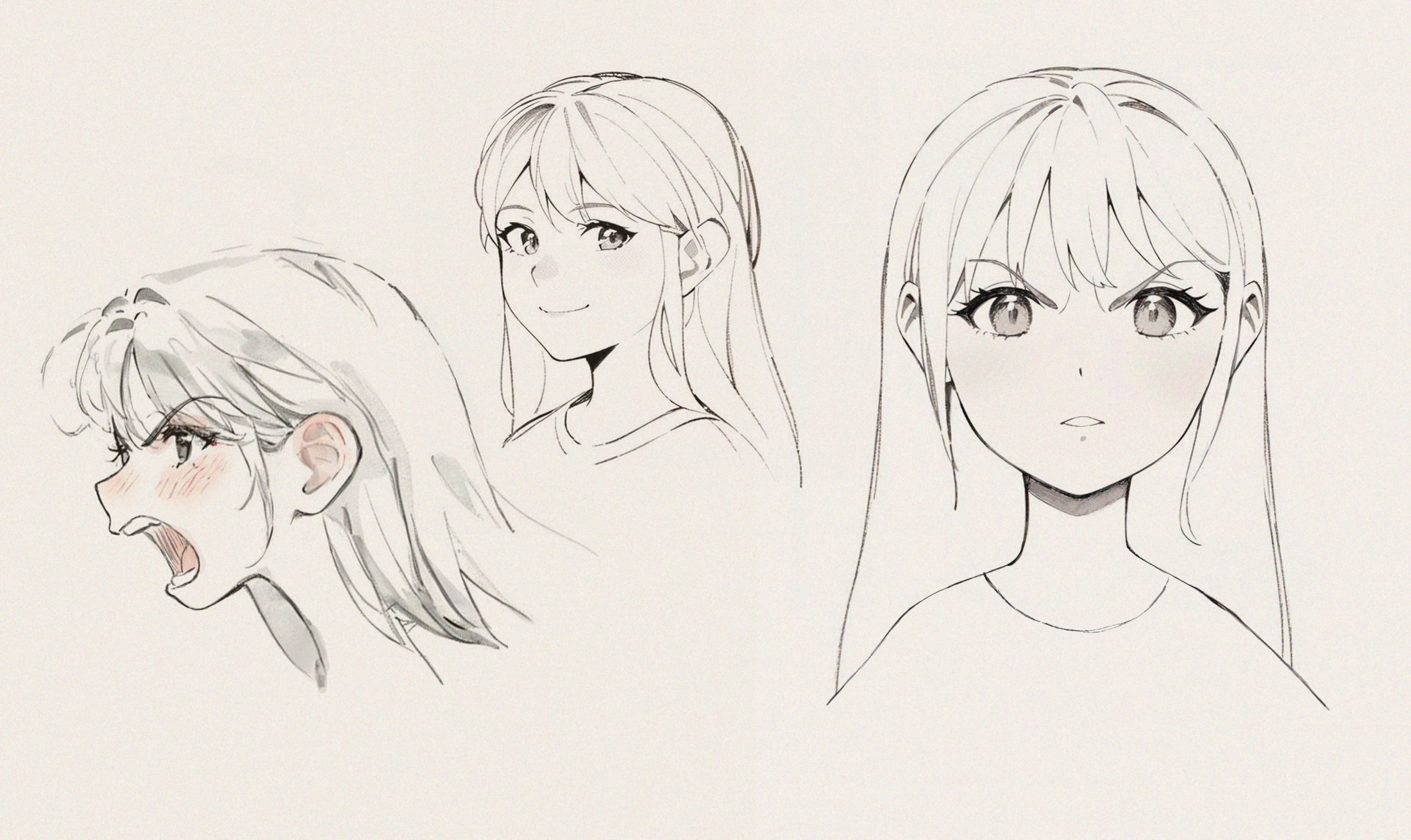
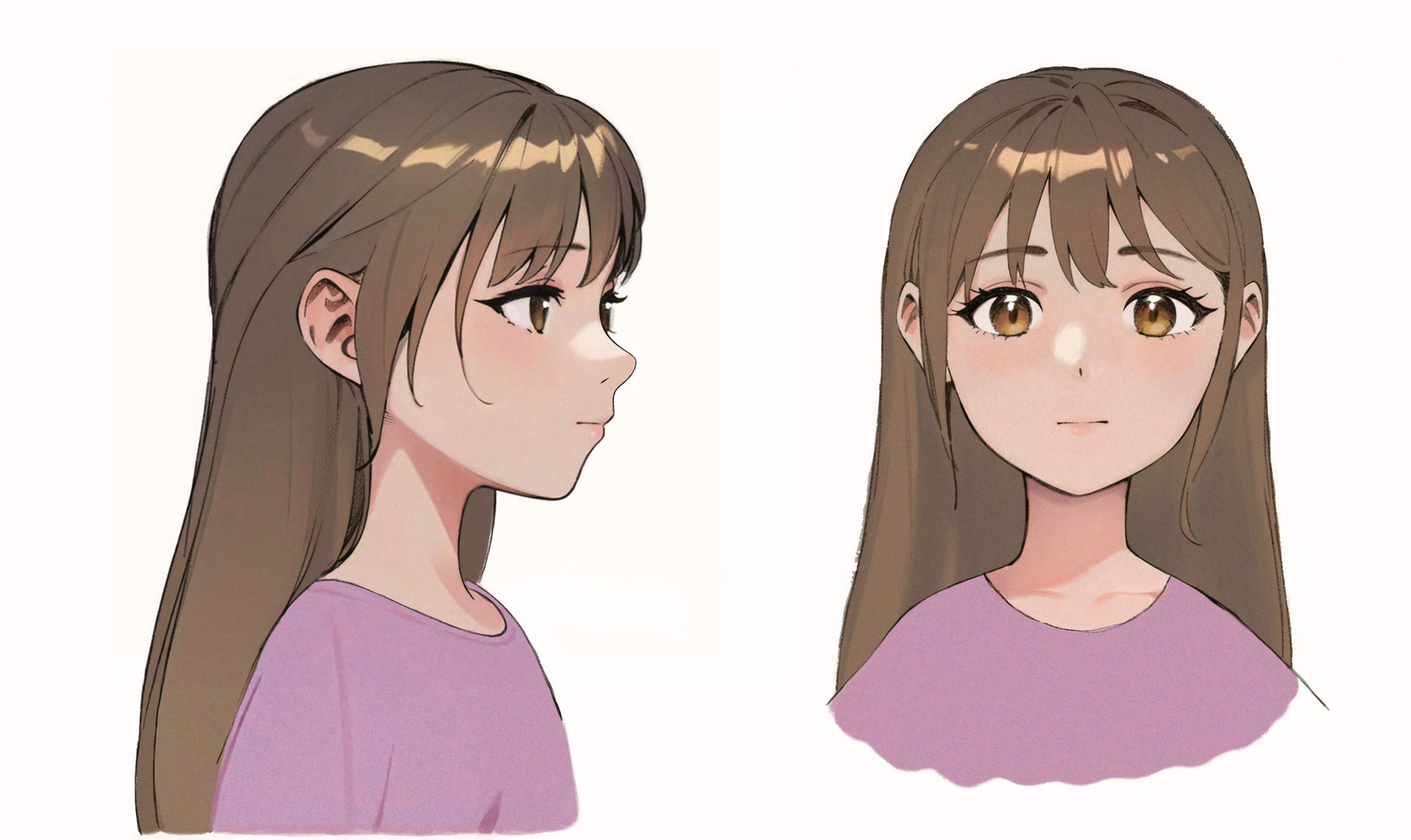


All visual development for the film originated at Kuku, Woo’s studio, under production designer Steve Pilcher. Pilcher’s track record — notably his work on Soul, another film that navigates multiple visual realities — informed his approach to maintaining consistency across wildly divergent dream environments.
“It was important to both of us that the film felt integrated, even though we were taking these stylistic liberties,” Woo explained. Pilcher’s meticulousness ensured that even the strangest worlds still felt like extensions of Stevie and Elliot’s reality. “You can do that in a really smart way and still make it feel like it’s part of… the overall aesthetic language or rules of this film.”

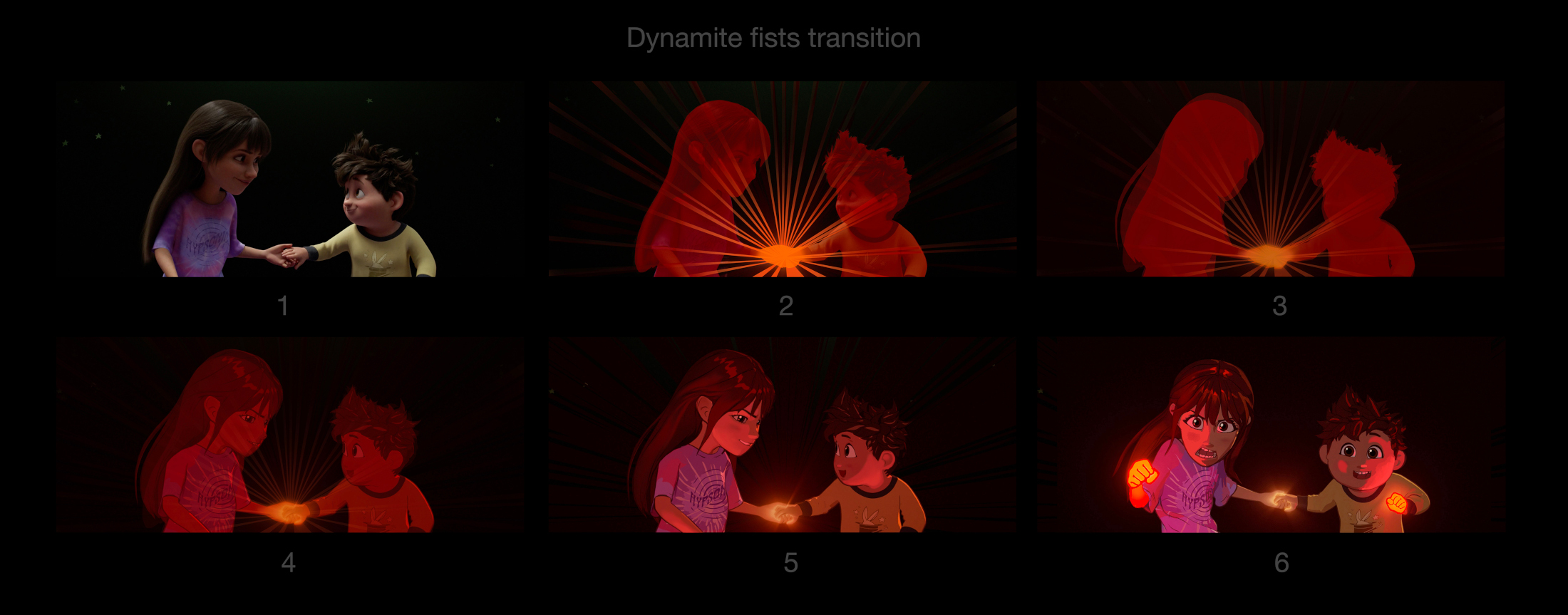
This integration is a distinguishing feature of In Your Dreams. Despite its narrative license to shapeshift, the film retains visual continuity grounded in character identity. The kids always look like themselves, even when transformed into anime-style heroes, preserving emotional stakes and narrative clarity. And while the worlds shift dramatically in color, texture, and exaggeration, they still echo motifs, shapes, and visual sensibilities introduced in the family’s real world.
Getting everything lined up right took a long time, nearly a decade. The film’s long gestation included pitch cycles in which studios gravitated toward the whimsical dream sequences but hesitated at the film’s emotional core. Some executives pushed Woo to make “Breakfast Town the Movie,” but he refused to compromise on the family narrative at the heart of the film. Only once Netflix greenlit the project in 2020 did full production begin.
Now, after years of development, experimentation, and countless dream interpretations, Woo and his colleagues are eager to share the finished film with the world. He described the final approach to the film’s Netflix release this weekend as bittersweet: “It’s like raising a kid… when they have to go to school, you’re a little bit nervous… but you’re also excited for them to go out into the world. It’s finally done… It’s almost out there.”
