.png)
Chaos, Camerawork, And Cartoon Influence: Adult Swim’s Latest Smalls Short – ‘3, 2, 1… Chachipistachi’
Stay informed with free updates
Sign up to get our news digest — delivered directly to your inbox twice a week.
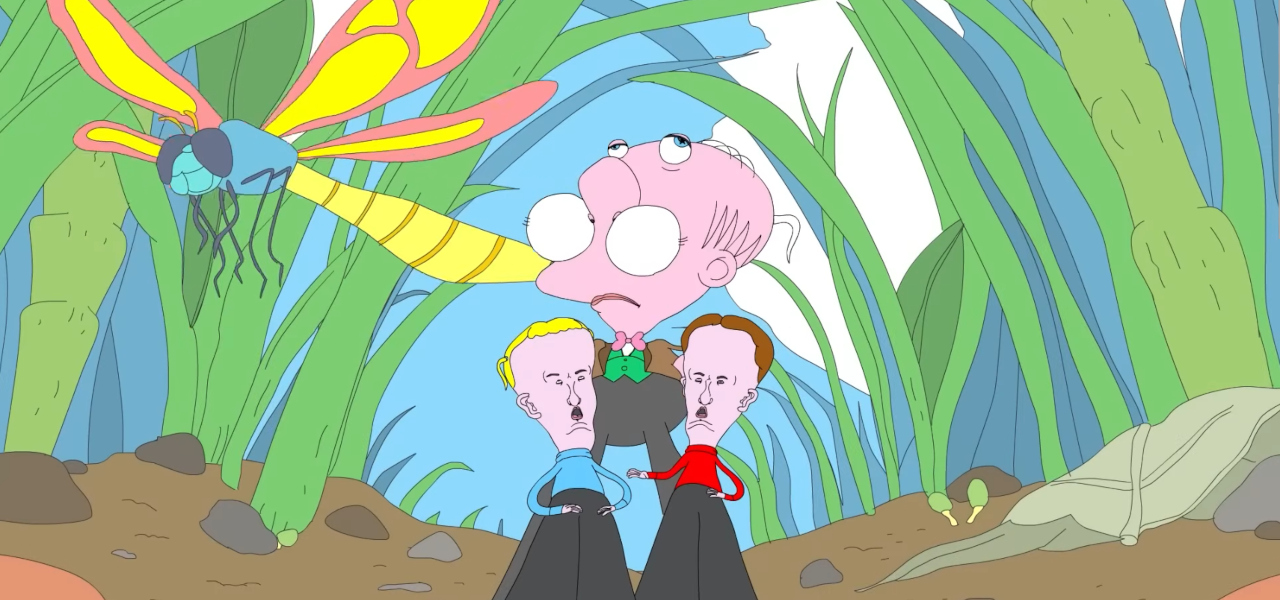
Adult Swim’s Smalls program has become a dependable source for animation that thrives on risk and idiosyncrasy, and its latest entry leans fully into that spirit. Premiering last Friday, 3, 2, 1… Chachipistachi is a Spanish-language (the first for Smalls) whirlwind from independent animator Rafael Esteban Trujillo, better known as Rafillo.
The short drops viewers, along with a pair of excitable alien onlookers, into the chaotic lessons of Professor Chachipistachi, an “educator” whose take on the world is as imaginative as it is completely unhinged.
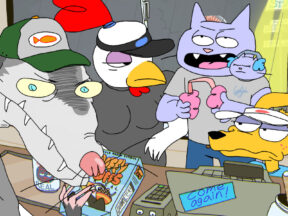
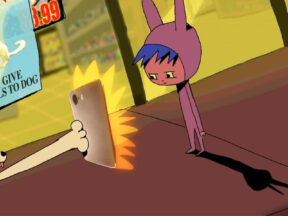
The short relies heavily on a distinctly ’90s-inspired visual language and pushes it somewhere even stranger. Rafillo has built a following online with work that feels raw but intentional, packed with restless camera movement, dense dialogue, and a sense of humor that borders on the absurd. His Querida Conchi series is particularly popular.
Like his other work, Chachipistachi is disorienting, fast-paced, and deliberately a little hard to parse, especially if you don’t speak Spanish, but that friction is part of the appeal.
We spoke with Rafillo about the origins of the short, the influence of educational media and The Simpsons, and why he’s drawn to storytelling that lives somewhere between clarity and chaos.
Where did the inspiration for this Chachipistachi show/character come from? This episode is about the internet, but it could have been almost any topic. Is it something you might revisit, as you’ve done with other characters?
The origin of the idea lies in the aesthetics of my old schoolbooks. Those classic-style illustrations left a deep impression on me, especially the ones where a mentor would guide students through historical and literary journeys.
My creative process builds on that foundation, whether it’s real or something reinvented over time, to construct the universe of these adventures.
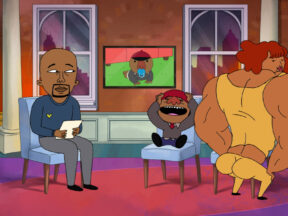
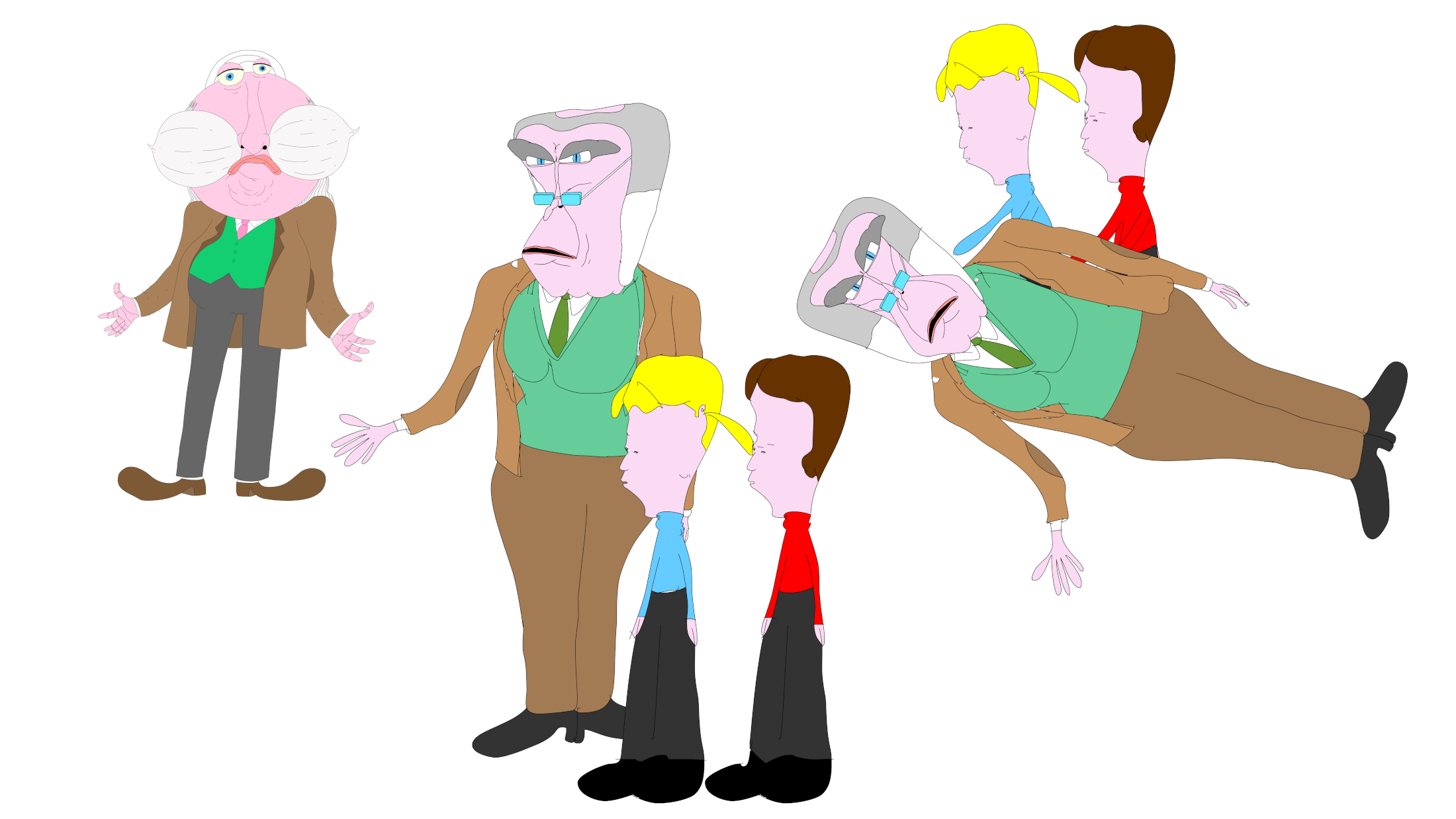
I also wanted to capture the essence of Troy McClure from The Simpsons. I’m fascinated by that idea of an institutional character presenting basic educational documentaries, but in this case, the tutor is an absolutely absurd being. He explains the world in his own way, filtering reality through an overflowing, chaotic imagination.
As you pointed out, the format of this series is completely flexible and adaptable to any subject, which gives it infinite continuity. I love the idea of tackling topics as bizarre as explaining to children what the film Pretty Woman is about, or narrating the arrival of man on the Moon. The concept would repeat in each installment, and Chachipistachi would interpret everything through his own peculiar and unhinged perspective.
What visual influences shaped this short?
The influences range from the bootleg style of early The Simpsons, which you can see in the professor’s physical design, to my previous work on Querida Conchi. I wanted this short to feel like a “sibling” to Conchi, adapting its aesthetic to a more contained structure.
In fact, I imagine the professor as Conchi’s cousin. It’s a symbolic connection that allows me to build a much richer and more curious universe of my own.
I speak Spanish fluently, but I still struggled to understand much of the dialogue, given the thick dialect and incredible pace with which they speak. The version I saw didn’t have subtitles either. Was that intentional? Will there be English subtitles? How important is dialogue to you?
Honestly, I’m not entirely convinced by the decision to keep it only in Spanish. My initial idea was for the short to include English subtitles, but in the end, that didn’t happen. I think the project would have had much more reach and longevity if it had been dubbed into English, or at least localized for an international audience.
Dialogue is a fundamental part of the short. For me, the fact that it’s only “half understood” is everything. I’m very interested in playing with that sense of ambiguity, where the viewer grasps the essence of what’s being said but is left uncertain about the details. That sonic and linguistic texture is what gives it its unique and bizarre character.
Can you talk a bit about your animation technique? Do you work alone or with a team? What software do you use?
My technique is traditional animation, practically frame-by-frame, to achieve that fluidity you mentioned. However, it’s something I’d like to start moving away from a bit in order to optimize resources. It takes up valuable time that I’d rather spend creating new stories.
I work with Adobe Animate, which gives me total freedom to bring any crazy idea I come up with to life. I know it has its limitations and that many professionals would throw their hands up in horror, but I love the results I get. I don’t think I’ll ever abandon it, especially now that Adobe has decided to keep supporting it… thank goodness they’ve realized its potential!
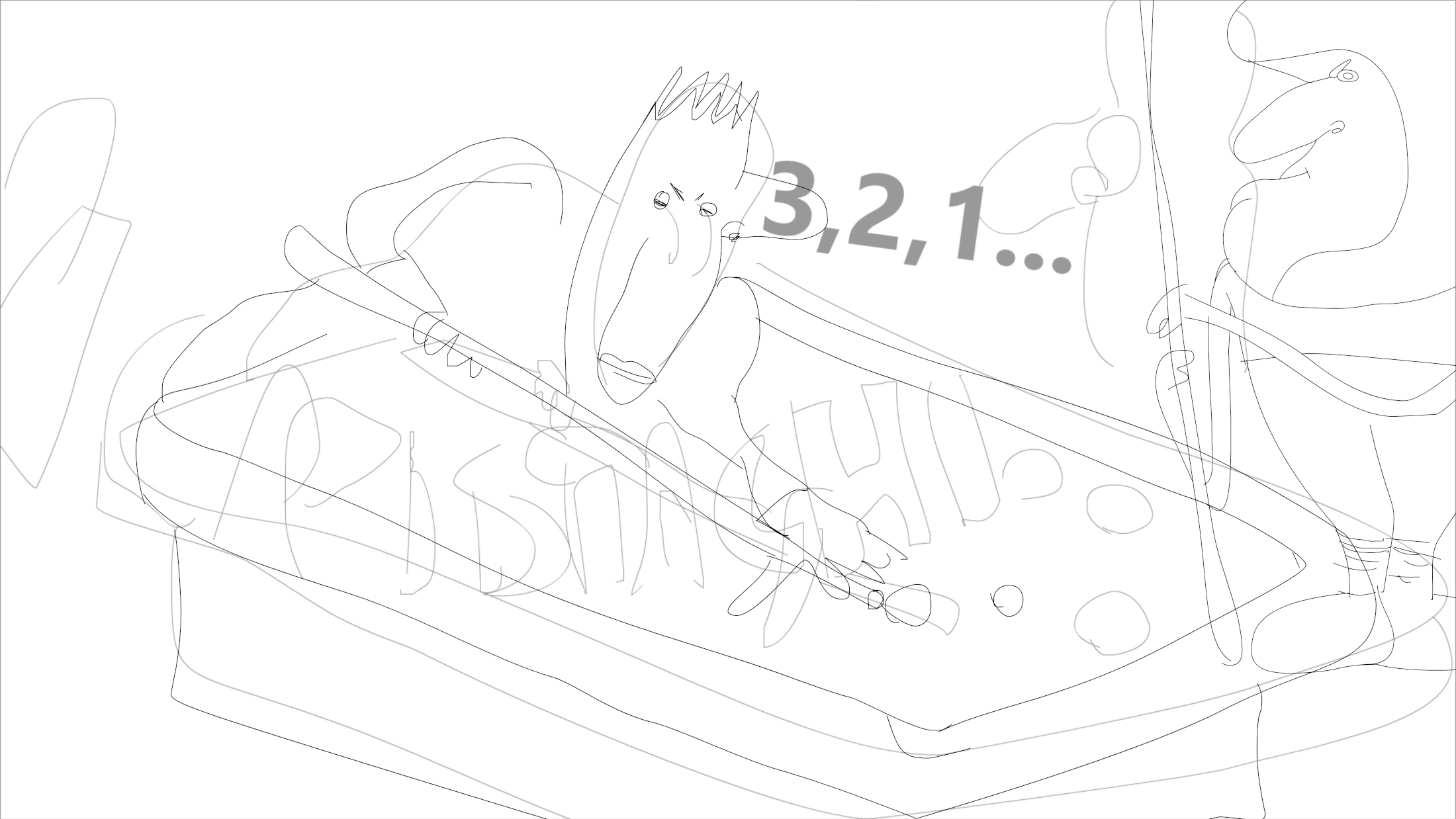
The camera work in this short, like in much of your work, is incredible. What challenges come with that much movement? How does the final animation compare to your storyboards? Are you constantly thinking about camera motion?
In terms of planning, almost everything begins in the storyboard, although a large part of the short lives and evolves in my head over the months the process takes.
The zooms and camera changes aren’t just technical; they allow me to distort settings, characters, and shapes however I want. My goal is to embellish the piece with scenes that are so dynamic they become engaging simply by existing, creating a constant visual stimulus.