.png)
Obscure Hungarian Comics, Mid-Century Aesthetics, And Analog Charm: Behind The Viral Work Of KiwisBurntToast
Stay informed with free updates
Sign up to get our news digest — delivered directly to your inbox twice a week.
For an animator who never went to art school and (as of yet) cannot/has not monetized his work, Keegan the Animator has built an impressive indie following on social media with his distinct European comic strip aesthetic and classic Hollywood flair.
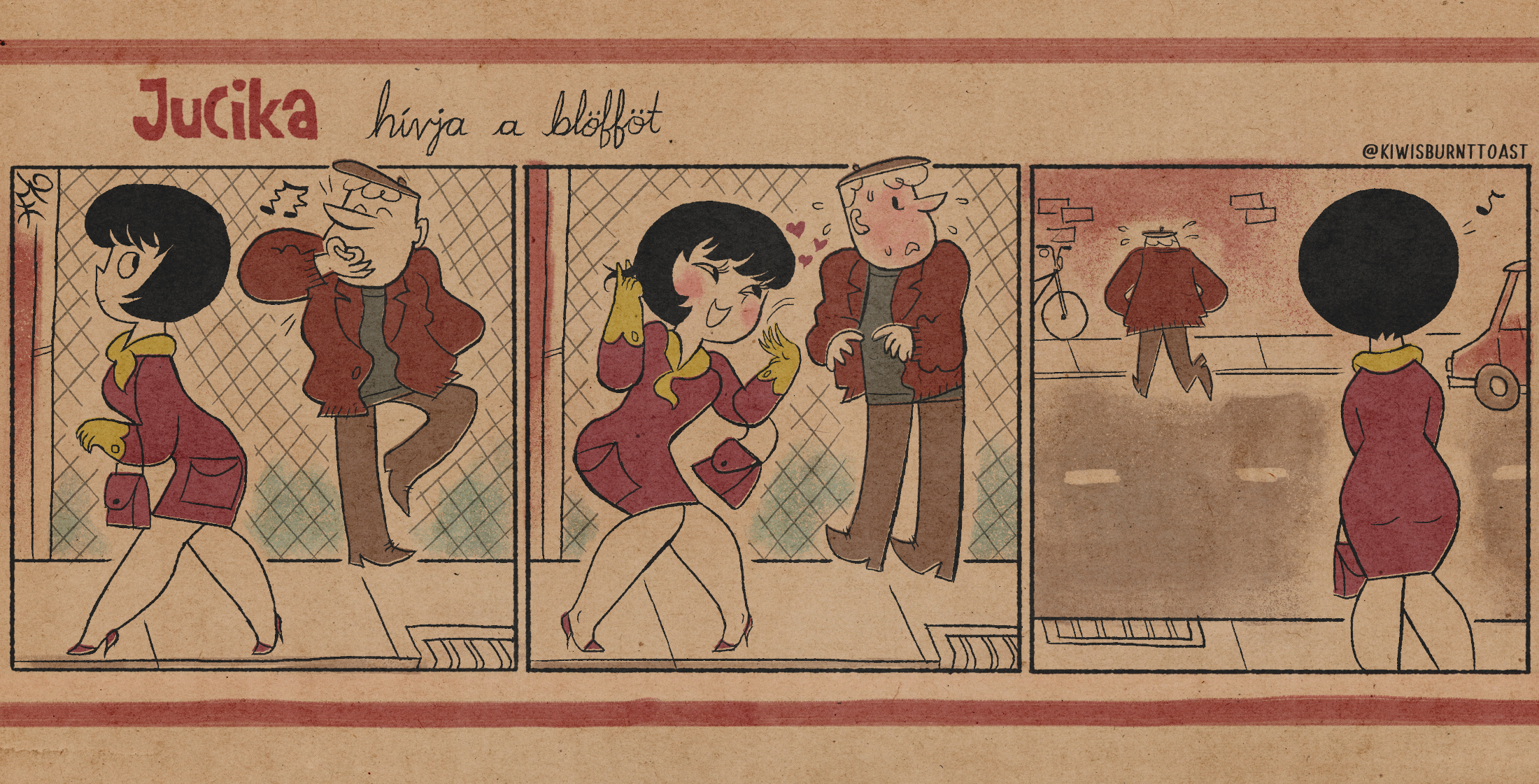
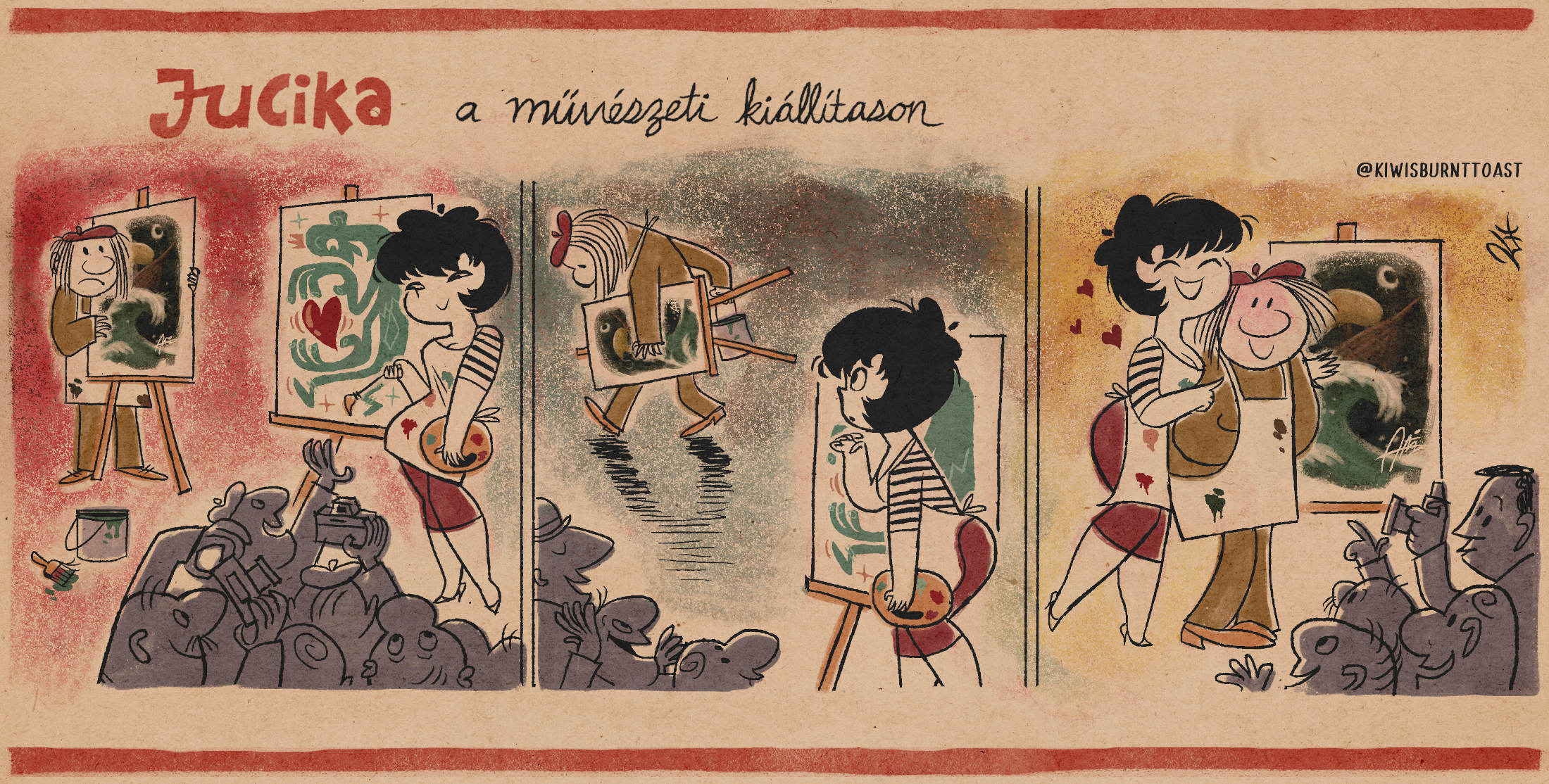
Under the handle KiwisBurntToast, his best-known short-form looping clips and still comics that channel mid-century Hungarian strips (specifically the unflappable and ultra-chic Jucika), silent-film timing, and a tactile, imperfect print aesthetic that feels miles away from the over-polished sheen dominating a lot of today’s feeds.
The result is work that feels both archival and contemporary, like something pulled from a dusty library shelf and made to move again. That’s probably not a coincidence, given his background.
Self-Taught
Keegan did not arrive through the traditional pipeline. No animation school. No studio ladder. No industry mentorship. The closest thing to a formal education was a film class taken during his college years. “I started animating when I was 17,” he recalls. “Mostly it was just through hobby, really.”
Instead of formal art training, he gravitated toward film studies, working on sets and absorbing cinematic language. That background shows up in his work through blocking, timing, and staging that feel more cinematic than cartoony. “I try to apply that to the things I’m making,” he explains, pointing to how film grammar informs even his simplest loops.
That hybrid foundation helps explain why his clips feel distinct. They are not chasing contemporary animation trends but instead are built on older visual logic and feel particularly lively for it.
Mid-Century Obsession
When scrolling through Keegan’s Instagram, one thing becomes immediately clear. His sensibility is rooted heavily in the mid-20th century. That influence traces back to childhood. Without access to cable TV, he spent his time in libraries, scanning newspaper comic collections like Peanuts alongside graphic novels. “I love comics. I love the medium in general,” he says.
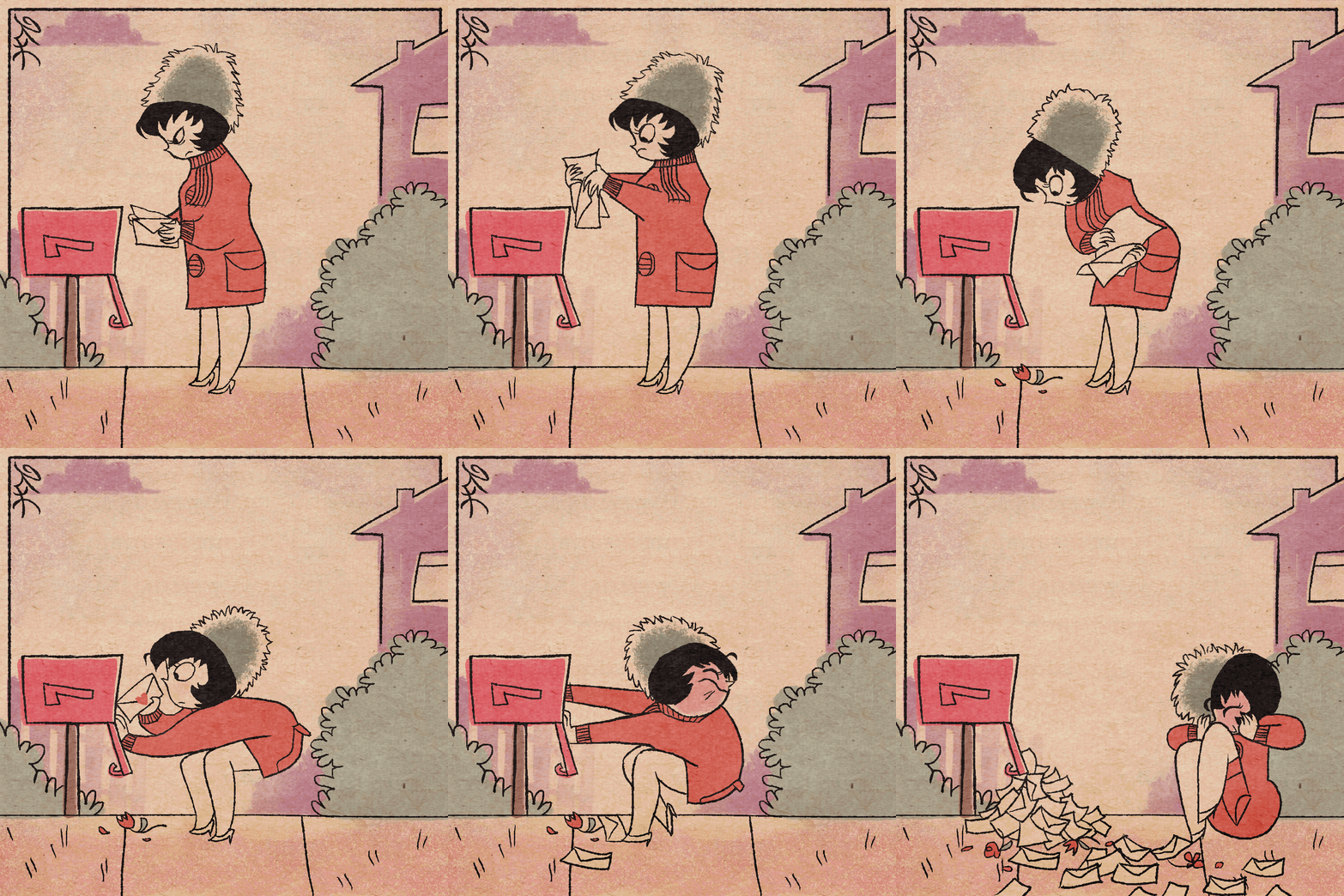
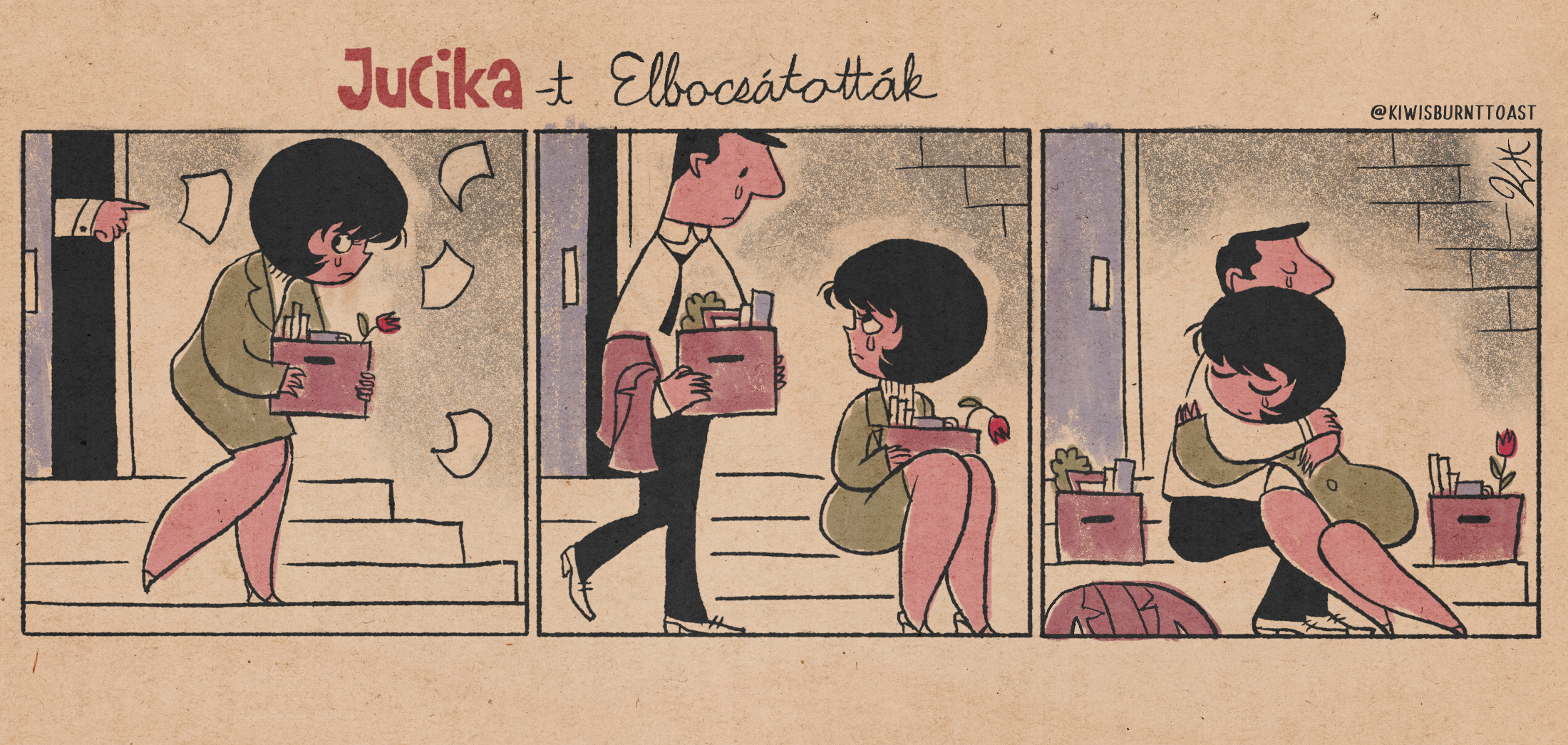
His breakout animations are based on a cult favorite Hungarian character, Jucika, created in the late 1950s by Pál Pusztai, who ran the comic strip until his early death in 1970 at just 51. The character’s off-page history is murky, tangled in incomplete records and rumored copyright limbo after the creator’s passing.
What drew Keegan initially was not just the design but the tone. The original strips often depicted everyday struggles under a constrained economic system, communism at the time, with the protagonist improvising her way through small, relatable problems. “A lot of it is just basic life things that people overcome,” he says.
There is almost no dialogue. The humor is pantomime-driven, closer to silent-era performers like Buster Keaton than modern gag animation. That choice has had a practical side effect. His work travels easily across borders. “Anyone could read these. There’s no dialogue,” he says. It helps explain why a large portion of his audience comes from South America and Europe, and his comics and clips receive comments in dozens of languages.
Reanimating The Apartment
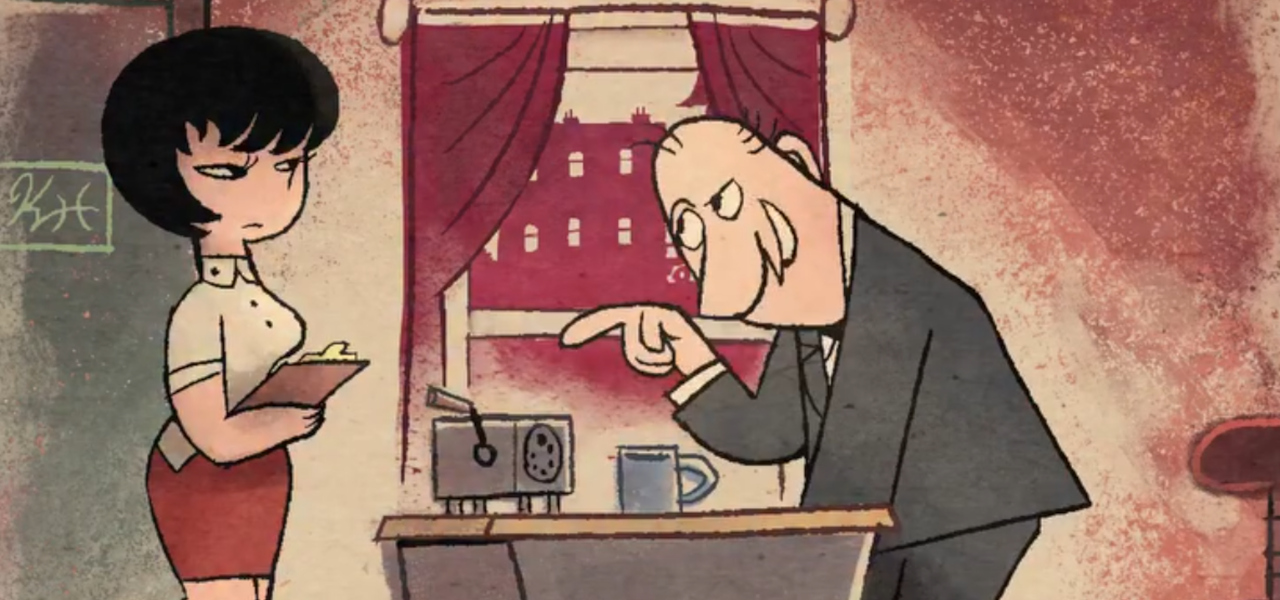
One of Keegan’s most widely shared clips pulls directly from The Apartment, reframing a scene from Billy Wilder’s Oscar-winning film and recasting Shirley MacLaine’s Fran Kubelik with Jucika.
“My most recent animation was based on a movie… The Apartment,” he says. “Something about that movie just sort of reminded me of this newspaper character.”
View this post on Instagram
The result is a near-perfect representation of his approach. The staging and timing borrow from live-action cinema, only this time he backs the animation with audio from the original, while safeguarding the cartoony movement that made his clips so popular in the first place.
Deliberate Imperfection
Given the stylized look of the final animation, Keegan’s process is deceptively simple. He works in Clip Studio, using custom brushes and filters to recreate the feel of aged print. He intentionally offsets colors to mimic misaligned printing, uses textured brushes to simulate ink scatter, and applies paper tones that evoke decades-old patina.
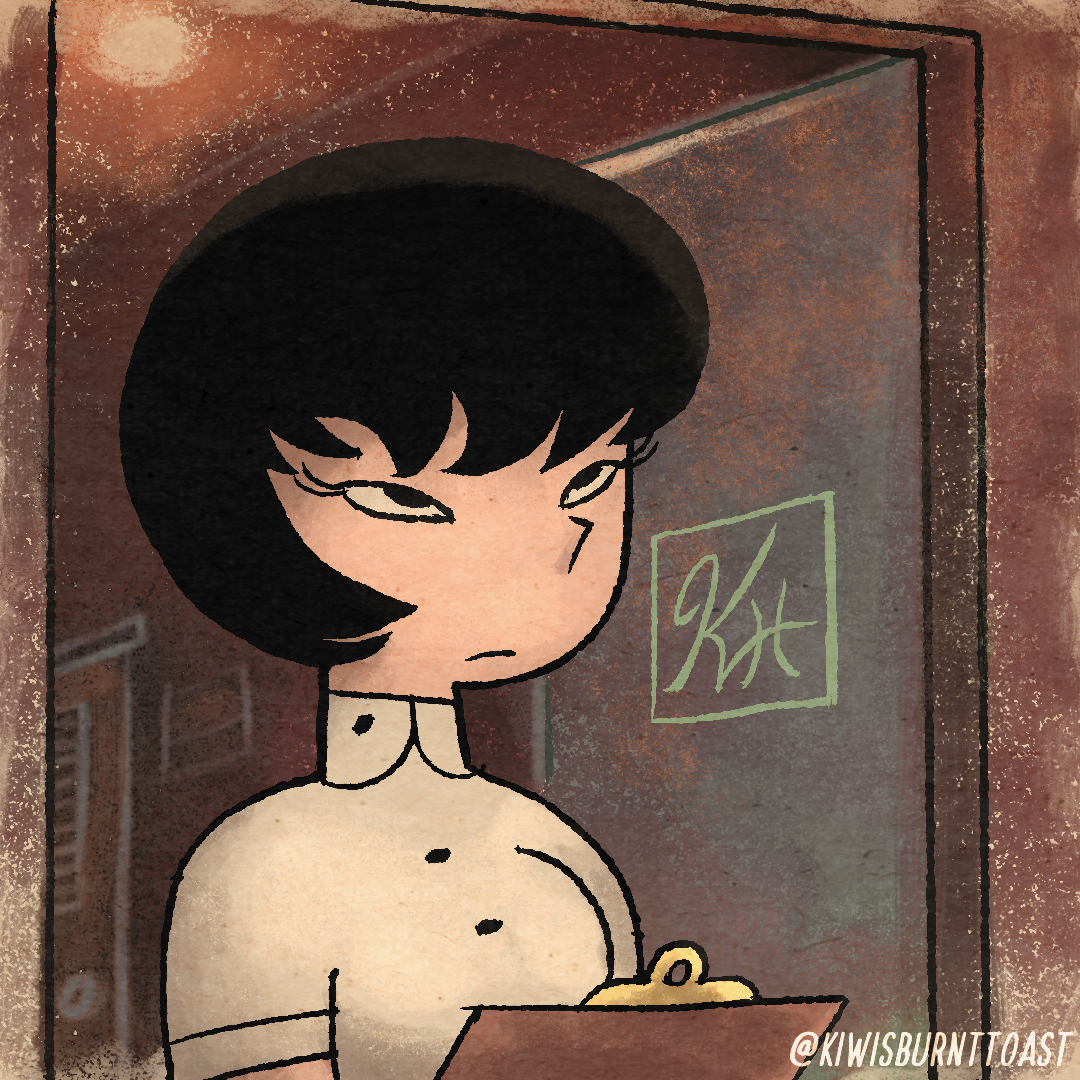
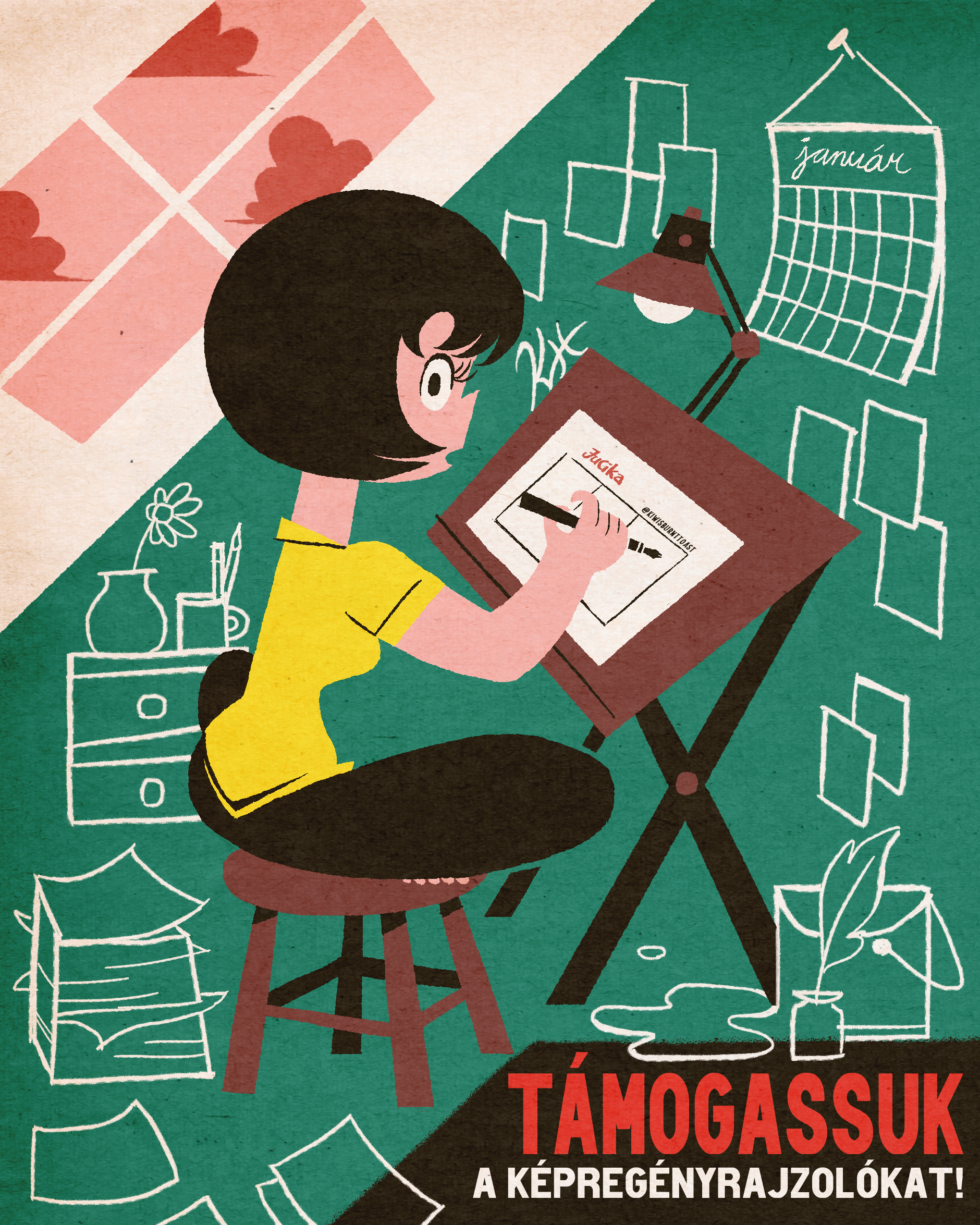
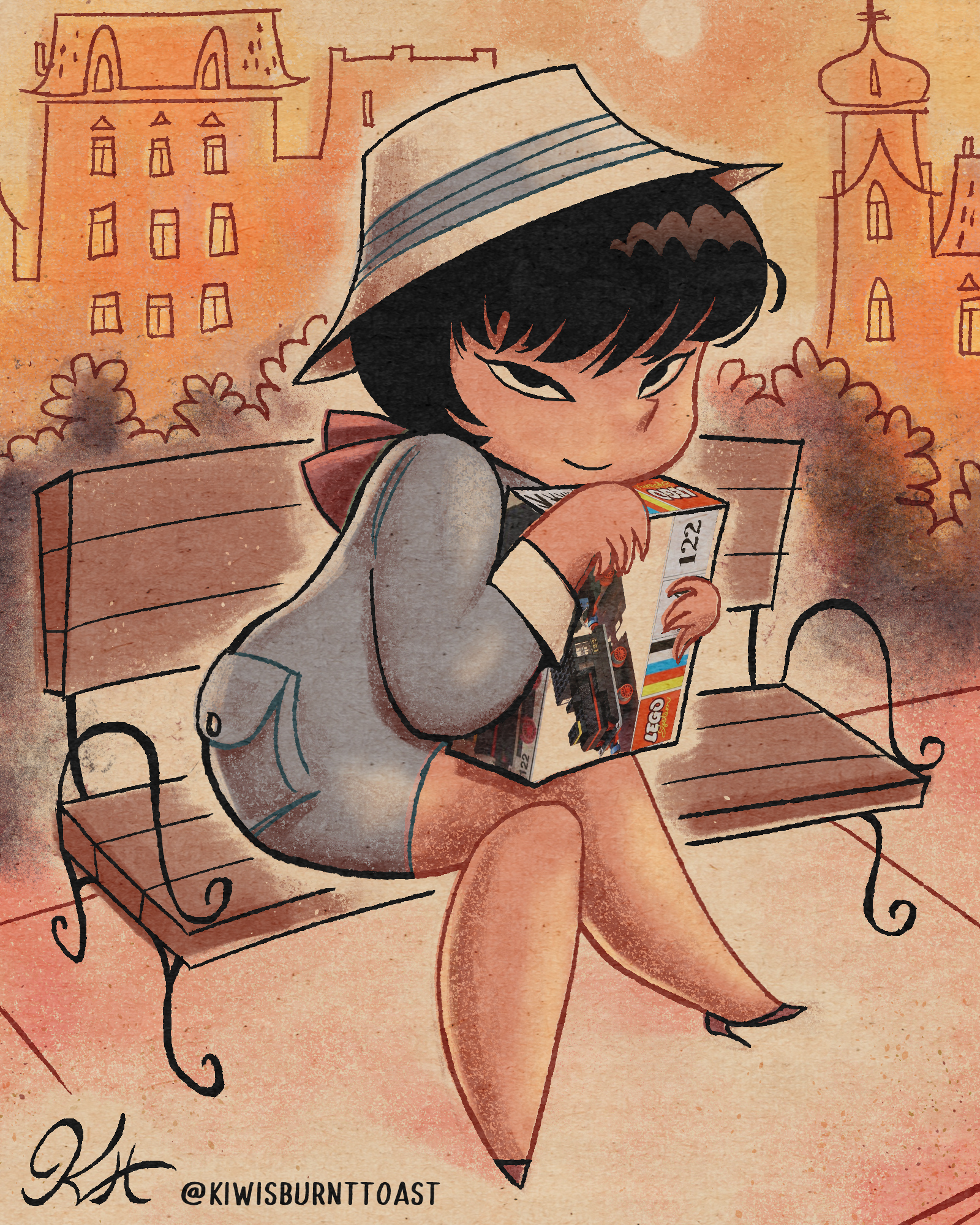
“It’s kind of fun just trying to think like you’re a printer from the 1970s,” he says. That philosophy runs counter to most digital workflows, which aim for clean lines and perfect fills. Keegan is chasing the opposite. He embraces, indeed chases, slight errors, subtle misregistrations, and visual noise that signals a human hand.
In an era increasingly saturated with AI-generated imagery and overly clean aesthetics, that tactility stands out.
Pulling Back the Curtain
A defining feature of Keegan’s online presence is how much of his process he shares. Alongside finished animations, he regularly posts work-in-progress clips and time-lapse breakdowns. It is not quite tutorial content, but it is unusually transparent.
“I think one reason for the rampant use of AI is that people think that animation is just incredibly hard,” he says, arguing that if the ease of the process were more visible, fewer artists might turn to automated systems.
View this post on Instagram
By showing his workflow, he hopes to demystify the medium. “My goal… is just to make it look fun and easy, because it is fun and easy. Granted, it takes a lot of patience, but it’s not that difficult.”
There is also an industry subtext here. Many professional animators are constrained by NDAs and cannot share their process publicly. “A lot of these animators… they can’t really pull back the curtains,” he says, explaining that in his case, working independently, he has the freedom to expose the mechanics.
It has earned him a following that includes casual viewers, aspiring artists, and seasoned industry veterans.
Respect For the Source
Despite the attention, Keegan’s current work sits in a legally and financially gray area. He is not monetizing the Jucika work, in part because the character’s copyright status remains unclear. “At this current moment in time, I am essentially making no money off of what I’m posting,” he says with a chuckle.
Instead, he treats the work as a form of reinterpretation and preservation, steering the character away from the reductive adult-oriented fan art that dominates much of the Jucika fandom and toward something more grounded and human.
Original Work
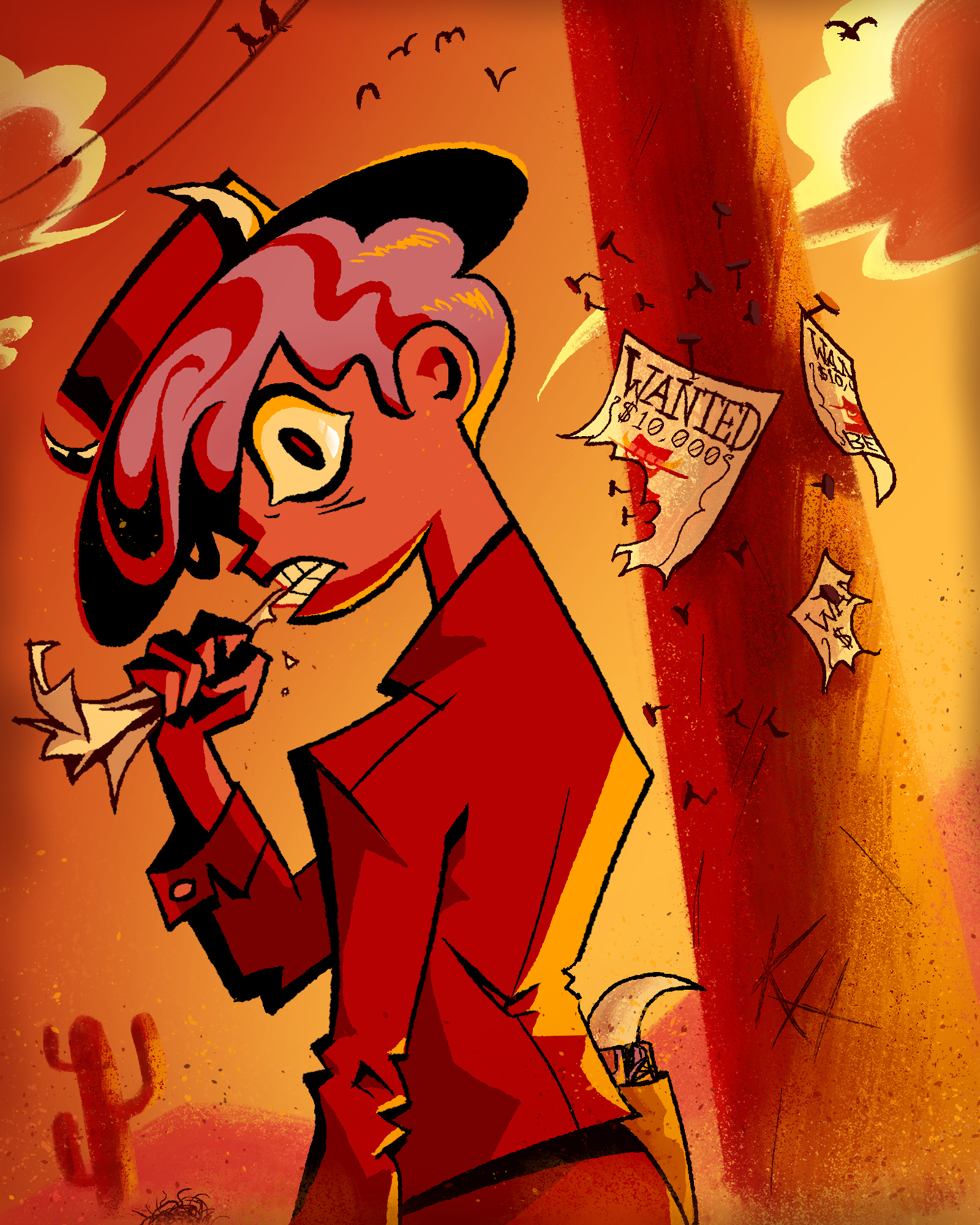
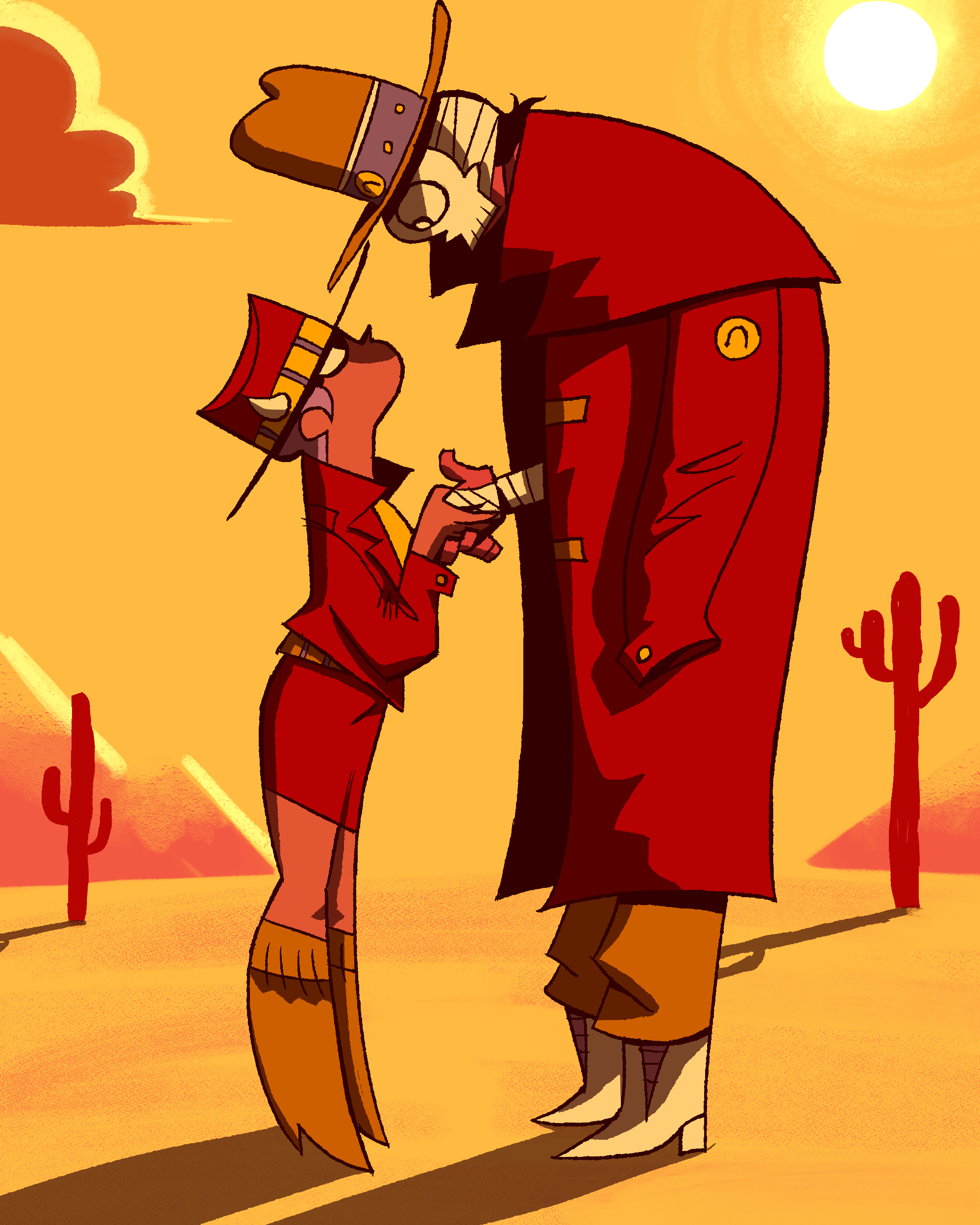
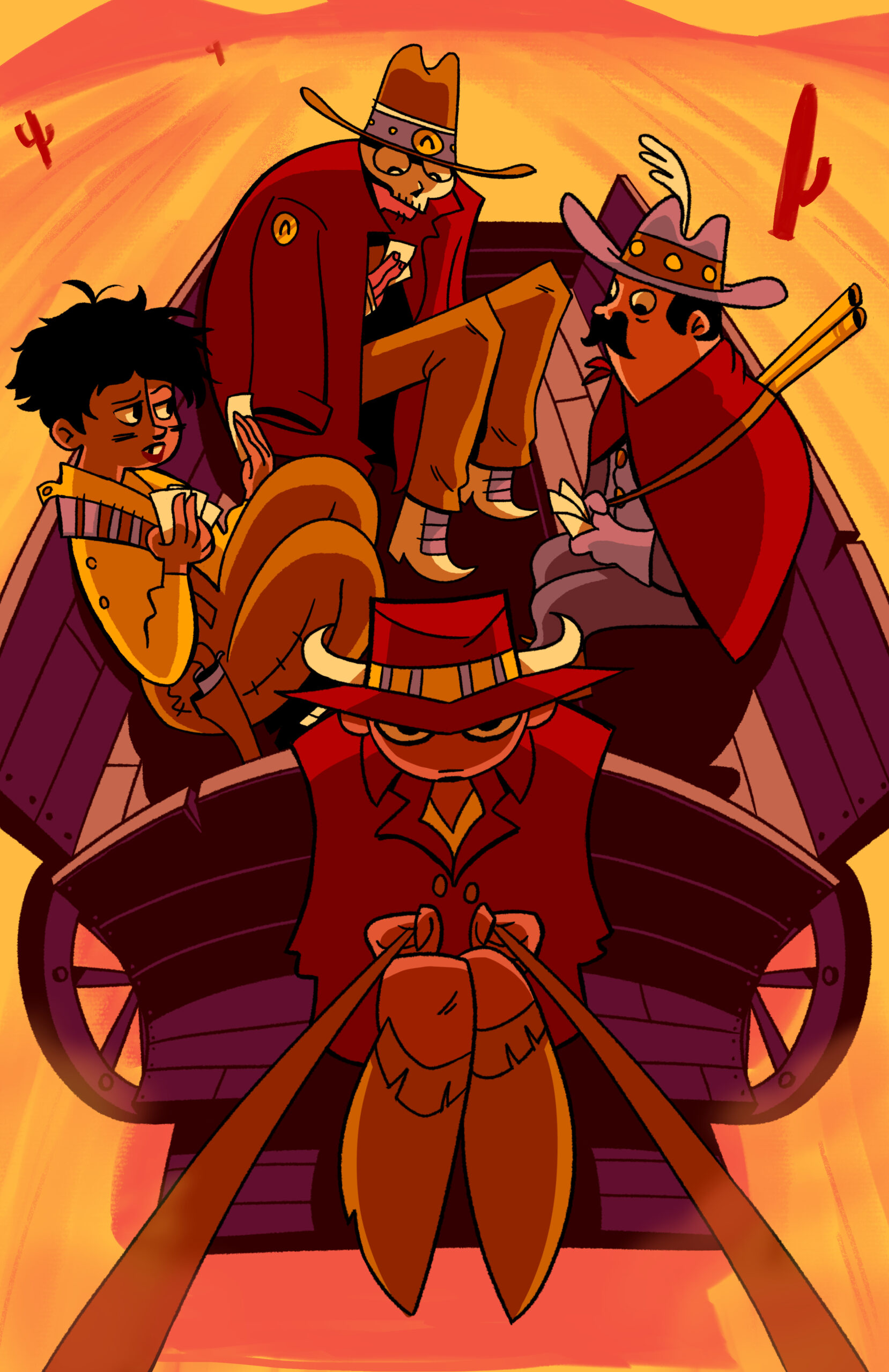
While Keegan’s breakout successes have come from reinterpreting other people’s IP, he is also developing original material. One project centers on a character named Betty, a cowgirl in a red suit with a horned hat, paired with a skeletal companion named Shark. The details are still evolving, and Keegan is careful not to lock himself into specifics too early. “I’m coming up with the story as I go,” he says.
The shift toward original IP is both creative and practical. It is the path toward ownership, sustainability, and potentially turning his growing audience into a viable career.
A Handmade Future
Keegan’s work feels like something from a bygone era, which surely explains much of its appeal. That said, his success is very much of the present moment and enabled through modern-day distribution and production methods. His shorts tap into a growing appetite for work that feels personal, imperfect, and authored, while still featuring a professionalism that is appreciated by other artists and attractive to fans.
For now, Keegan still operates in a space between fan art and original creation, between hobby and profession. But that feels very temporary given the quality of his work and the audience that he’s building.
Keegan is a self-taught animator, working alone, reviving a half-forgotten comic character more than seven decades retired, and building a global audience in the process. Not bad for something that started as a hobby.