.png)
‘Destiny’ Devs, Artists, And Fans Make One Last Wish As Bungie Ends Franchise Development
Stay informed with free updates
Sign up to get our news digest — delivered directly to your inbox twice a week.
After nearly 12 years of online service between both games, the multiplayer sci-fi fantasy shooter Destiny is ceasing updates for good next week.
When Destiny launched in 2014, it was positioned as one of the most ambitious projects in gaming history: a decade-spanning shared-world sci-fi shooter meant to evolve continuously alongside its players. Bungie envisioned an entertainment universe capable of sustaining years of expansions, community storytelling, and blockbuster cultural relevance on a scale few studios had ever attempted, especially in the first-person shooter genre.
In a May 21 post, the Sony-owned developer Bungie announced that the final content update for Destiny 2 will land on June 9, noting that “though active development may be concluding, we will ensure that Destiny 2 remains playable, just as the original Destiny is today.”
Whether they wanted it or not, the sudden announcement marked the culmination of years of labor woes at the studio and came as Bungie anchored down what was otherwise an impressive quarter for Sony.
Both before and after the Destiny 2 expansion titled The Final Shape, Bungie laid off workers, even following the critical success of the expansion, billed as the end of a decade-long story arc, citing “rising development costs and industry shifts as well as enduring economic conditions” as they consolidated with then-new owners Sony.
Bungie CEO Pete Parsons considered it a result of the studio’s rapid expansion coupled with “a broad economic slowdown, a sharp downturn in the games industry, our quality miss with Destiny 2: Lightfall” – although Parsons, in the wake of both rounds of layoffs and his own statements about the need for the studio to tighten the belt, has maintained a multimillion dollar exotic car collection to the criticism of many. (It should also be noted that former Bungie employees have spoken about the Lightfall expansion as a result of intentional sabotage from upper management, noting that the developers were conscious of desired changes to benefit players but would not be allowed to enact them.)
It’s been, to say the least, a rocky road for Destiny 2 towards the end of its lifespan – the conflict between the ambition of developers and the upper management often spoken about by players and former staff alike. The aforementioned changes to Lightfall and resultant unpopularity with players dropped morale, before the developers won that favor back with the free update Into The Light and then the acclaimed The Final Shape.
Post The Final Shape, these layoffs – of creatives who players were aware were responsible for some of their favorite storylines or elements (such as writer Hazel Monforton or composer Michael Salvatori) – cratered player morale once again.
Following that, attempts to expand into a new saga of decade-long storytelling were met with a somewhat tepid reception for The Edge of Fate and the Star Wars tie-in, Renegades.
In a further sign of studio turmoil, reporting by Bloomberg’s Jason Schreier and Forbes’s Paul Tassi indicated that June 9’s content drop and the end of live-service updates took the developers by surprise. Worse still, later follow-ups predicted significant layoffs at the studio that Sony shelled out $3.6 billion for just four years ago.
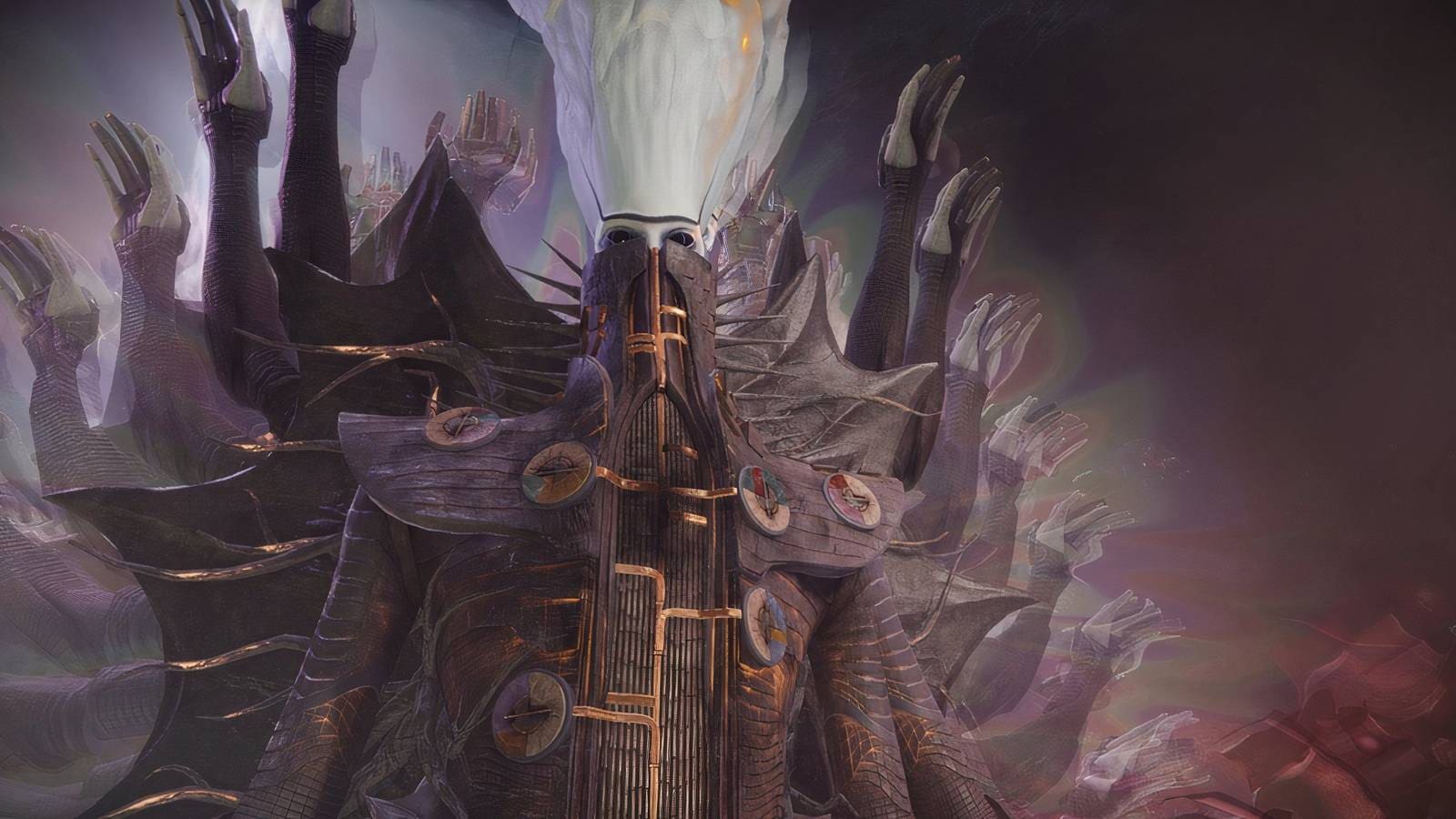
The ill fortune has seemingly continued to Marathon, Bungie’s critically acclaimed but player-short multiplayer revival of one of the studio’s earliest IPs, which is under more scrutiny than ever as Bungie’s main project and the subject of heated discourse. Its most recent content update and free-to-play week got off to a rough start, with disconnection issues that led to servers being taken offline.
But eyes up, Guardians. The news that Destiny 2 will be ending for good has rallied the game’s fanbase. A Change.org petition for Sony to develop Destiny 3 is nearing 350,000 signatures, and during Sony’s State of Play presentation on June 2, gamers bombarded the stream with comments similarly demanding a new Destiny sequel in the hopes that Guardians make their own fate.
The list of content changes and additions for the final update, Moment of Triumph, has been met with rather bittersweet enthusiasm for its addressing of long-held player wishes, an enthusiasm met by the developers themselves.
For all the turmoil surrounding Bungie, what remains striking is that even at the end, Destiny still inspires the kind of devotion most live-service games spend years chasing and never achieve.
Live-service games, for all their faults and fan criticisms against them, create an ever-evolving world in which players (the writers of this article included) spend countless hours growing with the content.
If Moment of Triumph truly is Destiny 2’s final chapter and there is no hope for the future, then Bungie leaves behind one of gaming’s most complicated legacies: a decade-long, multi-billion-dollar phenomenon that repeatedly stumbled under corporate decisions, yet still managed to make millions of players look to the stars and believe there was something worth fighting for there. For those of us who loved the game and dedicated thousands of hours to the world Bungie built, Destiny was the best bet we ever lost.
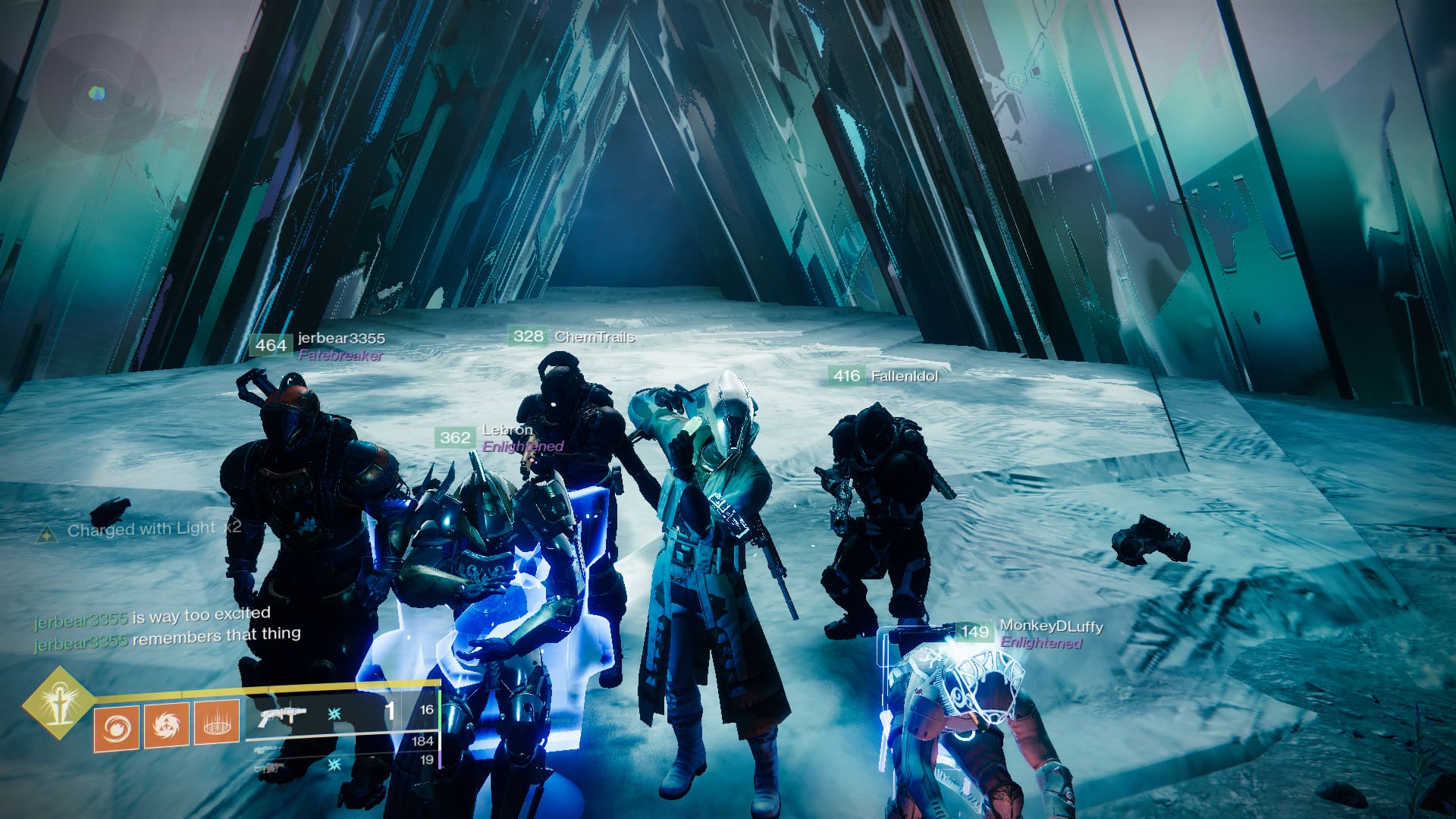
Jamie Lang contributed to this article.
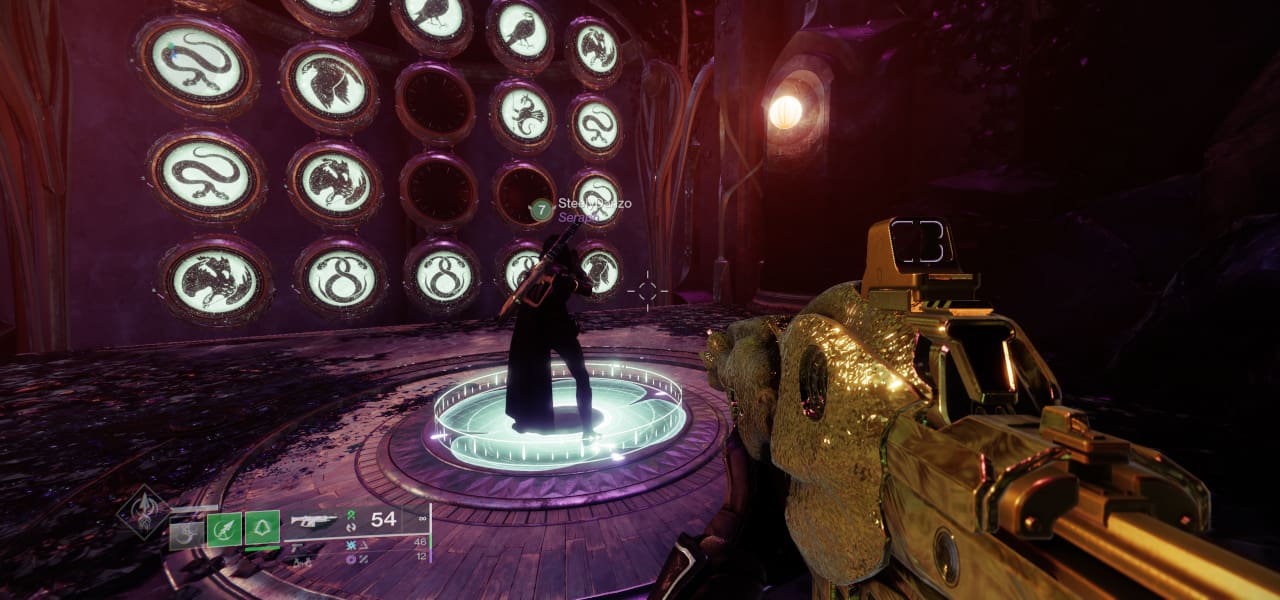
Pictured at top: Kambole Campbell’s Guardian at the Wall of Wishes, as seen by Jamie Lang’s.