.png)

Netflix Is Staffing Up A ‘GenAI-Native Animation Studio’ Called INKubator
Stay informed with free updates
Sign up to get our news digest — delivered directly to your inbox twice a week.
Update: Responding to a request for comment, Netflix confirmed it is launching an “artist-led animation incubator” to develop new, extended stories based on its IPs.
The studio stressed that films produced at Netflix Animation Studios will continue to use traditional animation techniques and practices.
According to the company: “The initiative will provide creators with an artist-focused environment to experiment in, where they can explore how new tools and workflows, alongside traditional animation creative practices, can be leveraged to enhance their storytelling capabilities.”
Netflix is making its most significant move into generative AI production workflows to date, according to recent job postings on the company’s website.
The streamer is currently staffing up a division called INKubator, described in multiple posts as a “next-generation, creative-led, GenAI-native animation studio” focused on producing animated shorts and specials through experimental AI-driven pipelines.
The hiring listings, which have appeared over the past several weeks, offer the clearest picture yet of how aggressively Netflix is investing in AI-assisted animation production, though the technology is hardly new territory for the streamer.
Netflix, like nearly every other major studio, walks on eggshells when it comes to discussing generative AI publicly. The company has a mixed track record of openness about its involvement with the tech, on some occasions speaking openly and enthusiastically about its AI experiments. On others, high-ranking executives have favored a sort of “gotcha” approach, only mentioning AI use after the fact, as it did last July when co-CEO Ted Sarandos explained about its hit Argentine series El Eternauta:
Using AI-powered tools, they were able to achieve an amazing result with remarkable speed, and, in fact, that VFX sequence was completed 10 times faster than it could have been completed with traditional VFX tools and workflows.
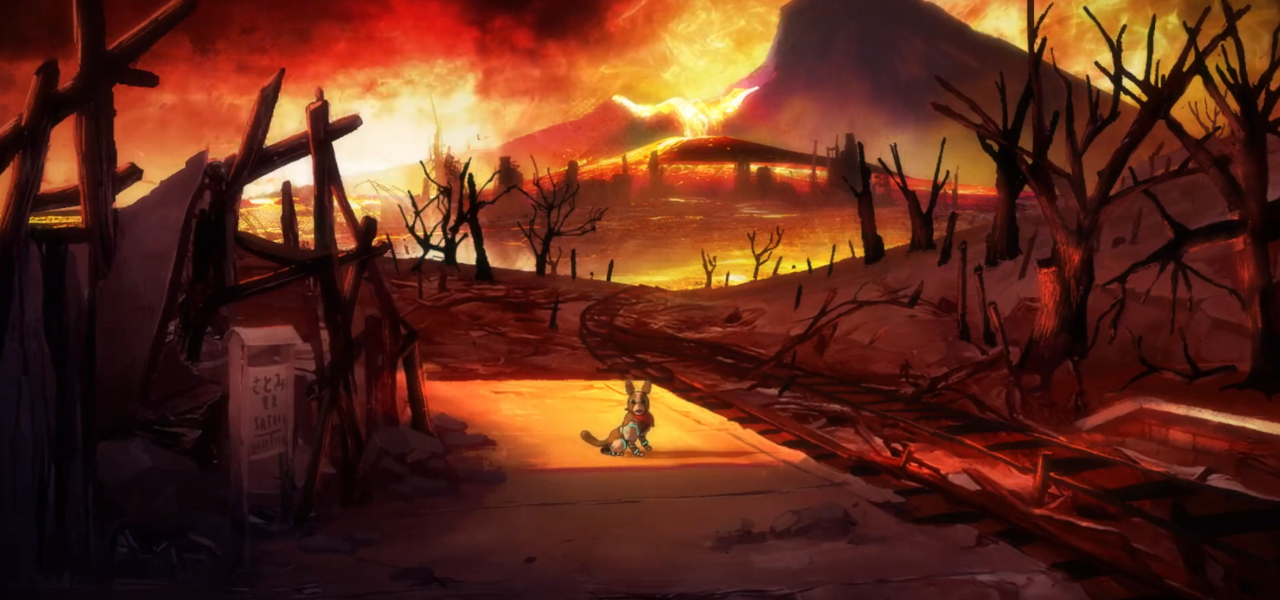
The streamer had previously drawn criticism for AI-generated imagery appearing in its originals, including the 2023 Japanese AI-assisted short The Dog & The Boy, which Netflix Japan promoted as an experiment responding to labor shortages in the country’s overworked anime industry
In this case, the company has not formally announced the INKubator initiative, but the language in the recruitment suggests it will operate as a dedicated production unit rather than a limited research lab.
In one of its job postings, Netflix describes INKubator as a:
Next-generation, creative-led, GenAI-native animation studio… focused on creating animated shorts and specials using experimental GenAI-native production pipelines, with the ambition to develop feature-quality content.
A Head of Technology listing makes it clear that Netflix’s GenAI use will be far more than experimental, and that shorts are only the beginning:
This leader will ensure that INK’s technology investments accelerate creative ambition, enable rapid experimentation with new and emerging technologies (including Generative AI), and scale to support multiple concurrent productions as we ramp up activity and aim to expand into longer-form content.
While not directly in conflict with the company’s guidelines for generative AI use, the language of the INKubator postings seems to contradict their tone.
The 2025 guidelines framed generative AI primarily as a support tool. Netflix repeatedly described AI as a “creative aid” and stressed transparency, legal review, human oversight, and limitations around final deliverables, copyrighted material, and talent likenesses.
The INKubator postings push much further toward AI as a key production foundation, and one that will be overwhelmingly visible on screen. The listings describe a “GenAI-native animation studio,” mention “feature-quality content,” and discuss integrating generative AI “across development, visual development, production, and post-production.”
Last year’s guidance read defensively, focusing on risk management and reassurance. The language urged caution, consent, and oversight. The INKubator listings, conversely, are about pipeline construction, scalability, and implementation of AI workflows at the studio level.
The earlier guidelines also strongly emphasized that AI should not replace union-covered work or human creators. But the INKubator postings describe workflows that span nearly the entire animation process, which many artists and labor advocates will likely interpret as a direct threat to unionized animation work.
For now, Netflix has said very little publicly about the initiative. We’ve reached out to ask if someone at the studio would be willing to comment on the postings, but they have not replied. That said, the hiring campaign speaks for itself in clear and certain terms. The company is no longer just drafting AI guidelines or experimenting on the margins. It is building infrastructure around generative animation production and staffing accordingly.
Pictured at top: The Dog & The Boy