.png)
A New 20% Federal Tax Credit Would Require Most Animation Work To Stay In The U.S. To Qualify
Stay informed with free updates
Sign up to get our news digest — delivered directly to your inbox twice a week.
The Motion Picture, Television, and Entertainment Revitalization Act, A bipartisan bill introduced Thursday, would give film and TV productions a federal tax credit worth 20% of eligible U.S. wages. Some projects could qualify for up to 30%. If the bill passes, the credit could also be combined with state incentives.
Why it matters: California recently opened its tax credit program to animation. A federal credit could give studios another reason to keep animation jobs in the U.S., including in states like California, which already offer support.
How animation would qualify: At least 75% of a production’s animation work, measured by cost, would have to be done in the U.S. That’s a huge number and, if applied, could be a significant job creator on projects that want the tax help. The bill counts work such as keyframe animation, in-between animation, and voice recording. An American studio could not qualify simply by developing a film here while doing most of the animation overseas.
What the credit covers: It would apply to eligible U.S. wages on feature films, TV pilots, and TV seasons costing more than $1 million. Contractors’ work could count. The bill also has separate provisions for U.S. visual effects and post-production work.
The California connection: Disney, Pixar, and DreamWorks animated features received a substantial share of California’s recent studio tax credits. A federal credit could add to that support if those productions meet its U.S. work requirement.
What’s next: The bill has support from lawmakers in both parties, studios, and entertainment unions. Congress must still pass it before any production can claim the credit.
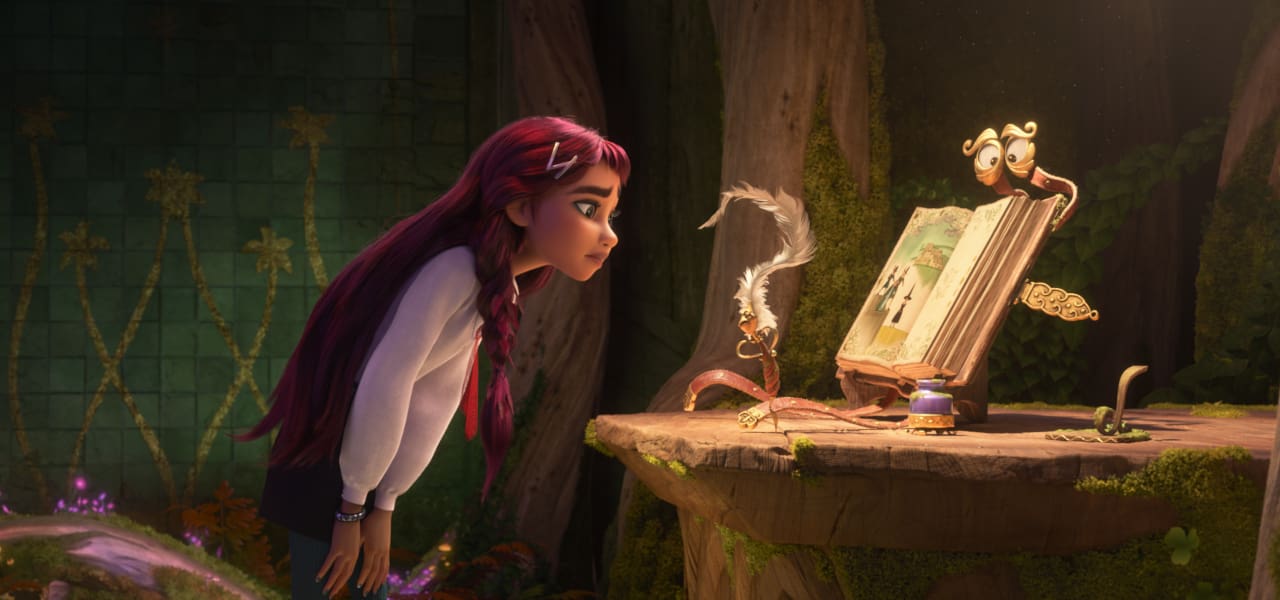
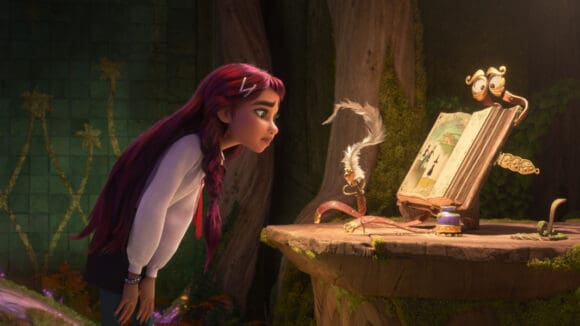
Pictured at the top: Disney’s Hexed, a beneficiary of the state’s local incentives that would qualify for the new federal program.