.png)
Warner Bros. Pictures Animation Bosses Re-Commit To Theatrical Animation Distribution
Stay informed with free updates
Sign up to get our news digest — delivered directly to your inbox twice a week.
Surrounded by animation professionals and members of the media during last night’s open house event at their offices in Burbank, Warner Bros. Pictures Animation, the studio’s newly launched animated label, shared its vision for an upcoming slate of theatrical feature films.
During her turn at the mic, co-chair and CEO of Warner Bros. Motion Picture Group, Pam Abdy, summarized the studio’s new mission as a commitment to “bold, modern animated films designed for global theatrical audiences.” A desire for the Warner brand and its IPs to return meaningfully to the theatrical feature animation space is the key mandate.
“Our slate is intentionally balanced with reimagined beloved properties through a contemporary lens, while also investing in original storytelling that feels distinctive,” she continued. Their goal, she said, is not to “chase a single tone or look, but to create a diverse slate of animated films that connect across generations, stories that are entertaining for families, sophisticated enough for adults, and memorable enough to endure.”
Slated for November 6, their first release, The Cat in the Hat, will test whether their ethos to produce projects that are “filmmaker-driven, visually ambitious, and designed as a true theatrical event” can translate into box office success.
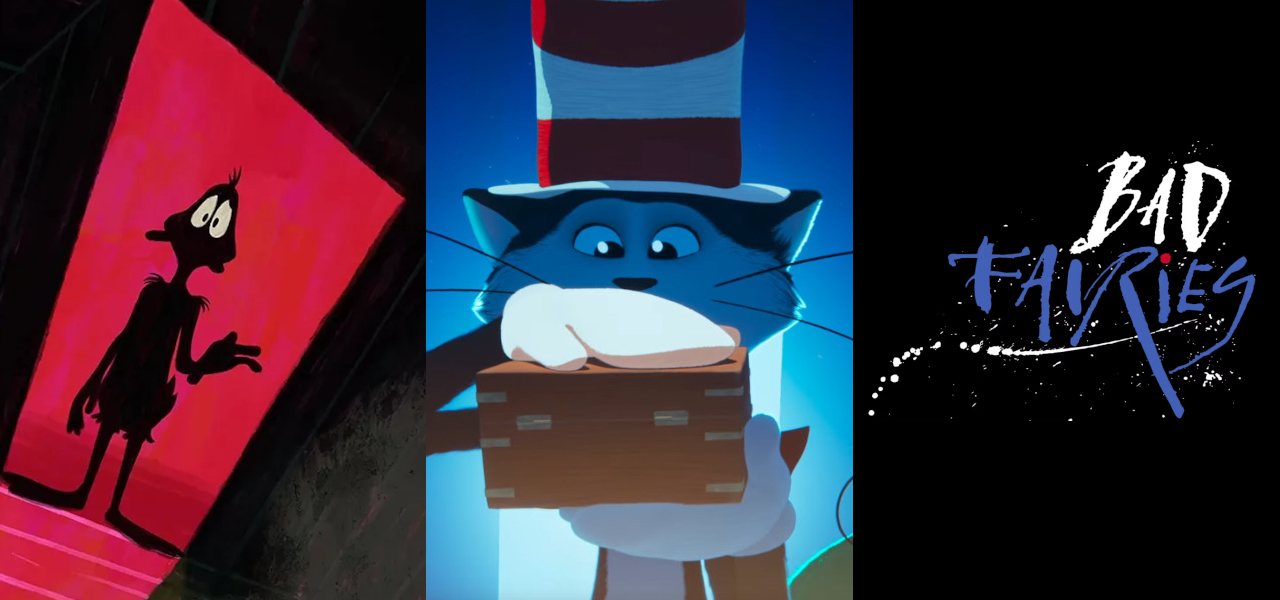
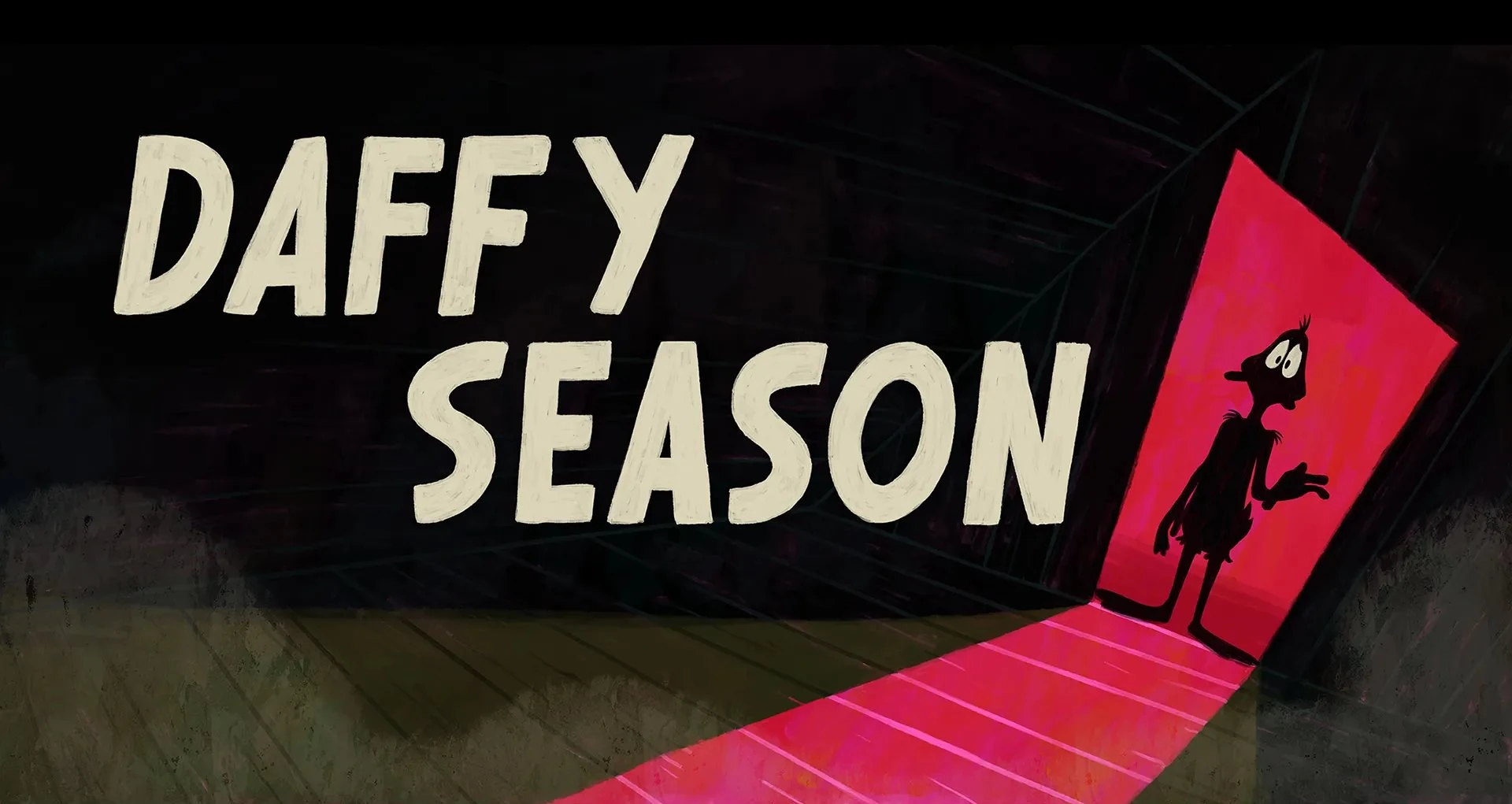
In the aftermath of how The Day the Earth Blew Up and the upcoming Coyote vs. Acme were handled, both of which were sold to Ketchup Entertainment (which just scored a $100 million P&A financial facility thanks largely in part to the toon pickups), WBPA seems interested in course-correcting how it approaches the Looney Tunes property. Debuting at Annecy next month, Daffy Season is a new Looney Tunes theatrical short that, according to Abdy, “reestablishes our commitment to bring Looney Tunes back to the big screen.”
On that note, Bill Damaschke, president and chief creative officer of WBPA, called attention to the fact that the reception was taking place in a space known as Termite Terrace, named after the legendary bungalow on the Warner Bros. lot that became home to the Looney Tunes and Merrie Melodies. Damaschke called it “the birthplace of some of the most iconic animated characters ever created.”
“At the time, animation wasn’t a prestigious part of Hollywood’s legacy; live-action productions were at the glamorous sound stages. The cartoon department was tucked away in a modest bungalow,” Damaschke said for historical context. “Yet, from those humble beginnings came one of the most beloved comedians in entertainment history, Bugs Bunny, who continues to be an enduring mascot of Warner Bros.”
The slate of features includes the original film Bad Fairies, whose concept art suggests a distinct look for fairies that moves away from the more dainty or traditionally feminine portrayals seen in Disney films, and Margie Claus, a Christmas movie with Melissa McCarthy in the title role. The character’s design closely resembles the actress.

Other features will fold in legacy characters from the Warner ecosystem. One of them, Dynamic Duo, follows two iterations of Robin from the Batman universe and is a collaboration with New Orleans puppet studio Swaybox. Action filmed with large-scale puppets will be combined with and enhanced by animation. Then there’s a new Tom and Jerry film, Meerkat Manor, and Meet the Flintstones, which is in early development.
Outside IPs that WBPA is adapting into animated features include Sanrio’s Hello Kitty, Dr. Seuss adaptation Oh, the Places You’ll Go!, and Lunar Chronicles, based on the YA sci-fi book series, which will feature a racially diverse cast of characters.
Animation, Abdy said, is a foundational piece of the future of big-screen exhibition, since animated features often serve as “a first introduction to the theatrical experience for our younger audience.” She declared WBPA’s projects “one of the most meaningful investments we can make in the future of moviegoing.” Abdy’s comments feel refreshing at a time when the fragmentation of the streaming landscape reaffirms the value of theaters.
For his part, Damaschke reiterated WBPA’s intent not to settle on a single technique or pipeline and provided a broader picture of the number of artists the label is employing.
“We now have about 250 artists and filmmakers working across 13 countries,” he said. “And if you count everyone working at the partner studios on our films, it’s over a thousand people working on Warner Bros. Pictures Animation right now.”
Warner’s previous animation label, Warner Animation Group, produced “six films in 10 years,” Damaschke explained. “We have seven films coming in the next three years and a short,” he added. Most of them are currently slated for 2028 releases.
Damaschke also praised Abdy and Michael De Luca, the other co-chair and CEO at Warner Bros. Motion Picture Group, for showing that “taking big swings and investing in originals is what audiences actually want.”
Applauding the kinds of films now considered awards-worthy, Damaschke acknowledged the presence of producer Michelle Wong, who won the Oscar in March for KPop Demon Hunters. The success of that film, he said, is the brass ring for WBPA.
“It’s like, ‘Wow, do something bold, fresh, and original that no one believes in, and everyone doubts the whole time you’re working on it, and you might actually win.’”