.png)
How ‘Bear Story’ Oscar Winner Gabriel Osorio Built Punkrobot’s First Feature, ‘Brave Cat’ (EXCLUSIVE CLIP)
Stay informed with free updates
Sign up to get our news digest — delivered directly to your inbox twice a week.
When Gabriel Osorio won Chile’s first-ever Oscar for his short Bear Story in 2016, the achievement represented more than a milestone for the country’s animation industry.
His touching film transformed a deeply personal family history into a universal story about separation, loss, and political violence. A decade later, Osorio and his partner and Punkrobot producer Pato Excala have returned to that same emotional territory with Brave Cat, the studio’s first feature-length film and one of the most anticipated animation premieres in this year’s Annecy Presents section.
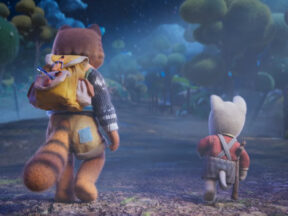
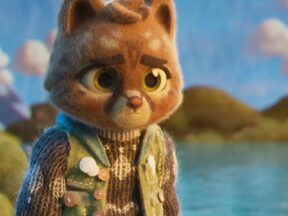
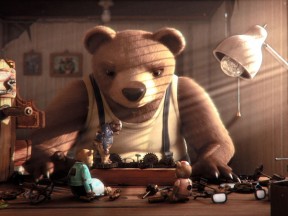
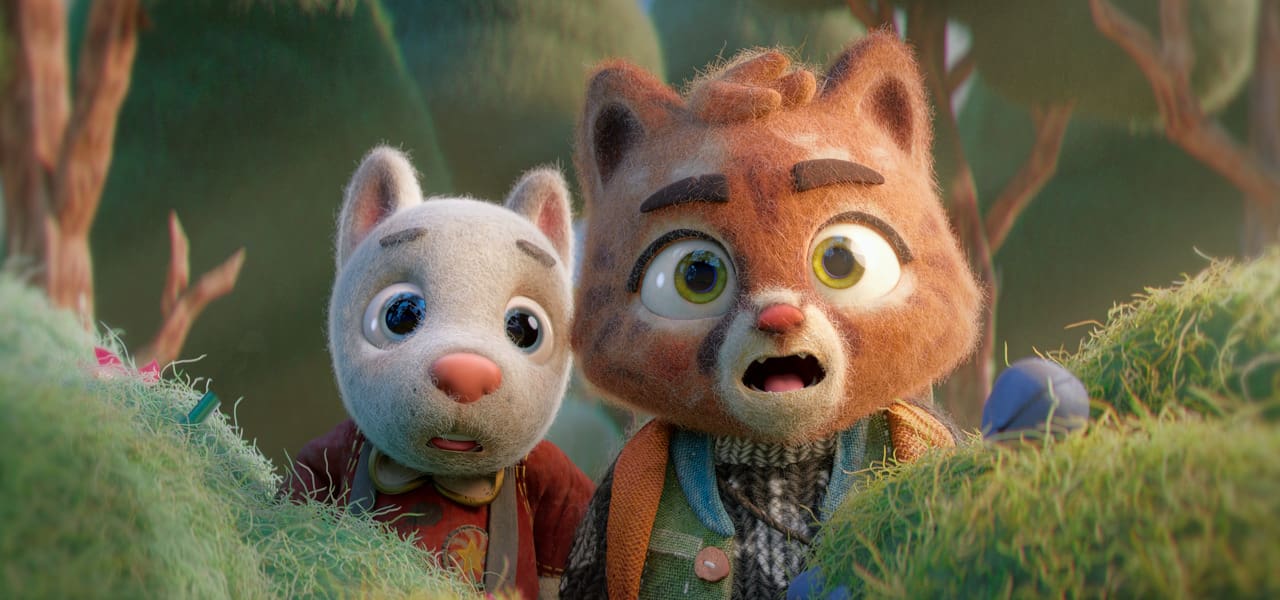
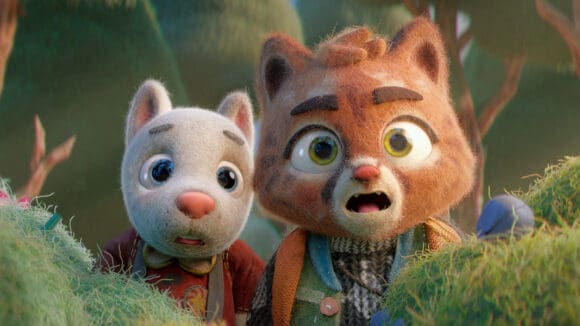
The film, handled internationally by Indie Sales, follows Kona, a young forest cat searching for her mother, who was taken by hunting dogs working for a human who operates a traveling circus. Alongside an abandoned puppy and an aging circus bear, she embarks on a journey across a richly imagined version of Patagonia in search of lost family, truth, and ultimately forgiveness.
For the film’s release in Annecy, Cartoon Brew is debuting a new clip, which introduces us to Colin, the cast-off puppy who joins Kona on her adventure.
For viewers familiar with Chilean history, the allegory is unmistakable. Yet Osorio insists that Brave Cat is not fundamentally about Chile.
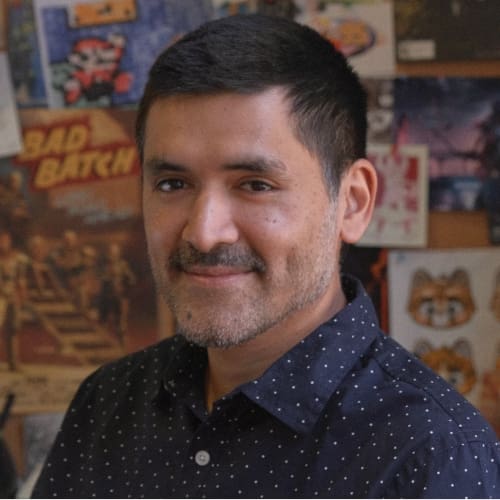
“For me, I think the important thing is not talking about Chilean history,” he tells Cartoon Brew. “It’s talking about human rights.”
That distinction lies at the heart of what makes Brave Cat such an ambitious work. Rather than creating a historical drama aimed at adults, as fellow Chilean Hugo Covarrubias so expertly did with his haunting stop-motion short Bestia, Osorio has crafted a family film that introduces difficult subjects to younger audiences without simplifying them.
It’s the kind of film that kids will remember and cherish their whole lives, the way previous generations did with films that The Iron Giant, An American Tail, All Dogs Go to Heavan, Coraline, and other enduring favorites that treated their young audiences with a respect that is often lacking in mainstream animation.
For Families, Not Just Kids
The origins of Brave Cat can be traced directly back to Bear Story, which itself was inspired by Osorio’s grandfather, Leopoldo Osorio, who was imprisoned and exiled during Chile’s military dictatorship. In the director’s notes for the film, Osorio explains that while Bear Story focused on exile, Brave Cat shifts its attention to those left behind and the lingering questions that often go unanswered.
“Brave Cat tells the story not of the exiled person, but of those left behind, the families searching for their relatives,” he writes.
Osorio says he became increasingly interested in how to communicate ideas about human rights to children after realizing that many of the documentaries and historical films that inspired him were inaccessible to younger audiences.
“The film is heavily inspired by The Pearl Button, a documentary by Patricio Guzmán,” Osorio says. “But I know that it’s a film that I cannot show to my kids because it’s too hard, it’s too difficult.”
Instead, he looked to the films that shaped him as a child.
“When I was a kid, I loved films that sometimes were sadder than we were used to,” he says. “Disney was very huge here in Chile when I was a kid. But at the same time, we had a lot of anime. Sometimes anime was much sadder than we were used to by Disney.”
Those experiences shaped his philosophy as a storyteller.
“As a kid, I felt that the movie wasn’t treating me like I was a small child. It was treating me in a more mature way. I really appreciated that. That’s the type of film that I want to make for families, not for kids.”
That approach gives Brave Cat an emotional weight uncommon in contemporary family animation. The film contains moments of grief, loneliness, and fear that many studios might avoid, but Osorio views those emotions as essential.
“All the feelings are important,” he says. “If you can produce empathy in a kid so he can understand the value and the meaning of human rights, I think that’s everything for me.”
Patagonia As Memory
While the film’s themes are universal, its setting is unmistakably Chilean.
The forests, mountains, rivers, villages, and handmade architecture that fill Brave Cat draw heavily from Patagonia, a region Osorio has loved since childhood.
“When I was a kid, I had a couple of summers in Patagonia,” he says. “I loved the place. It’s amazing. It’s beautiful.”
Years later, after the success of Bear Story, Osorio traveled to Patagonia to meet people who had been imprisoned, exiled, or affected by the dictatorship. Those conversations left a lasting impression.
“I understood that this dictatorship happened even in Patagonia, in the small towns,” he says. “It was terrible there.”
The experience helped shape both the emotional and visual foundations of the feature.
“There are people who are still looking for their families today,” he says. “Those conversations left a mark on me.”
The village where Kona lives was inspired by the real Patagonian town of Caleta Tortel, known for its remote location and distinctive wooden walkways.
“I really wanted to show that place,” Osorio says. “That’s why Kona lives in this small town.”
A Handmade CG World
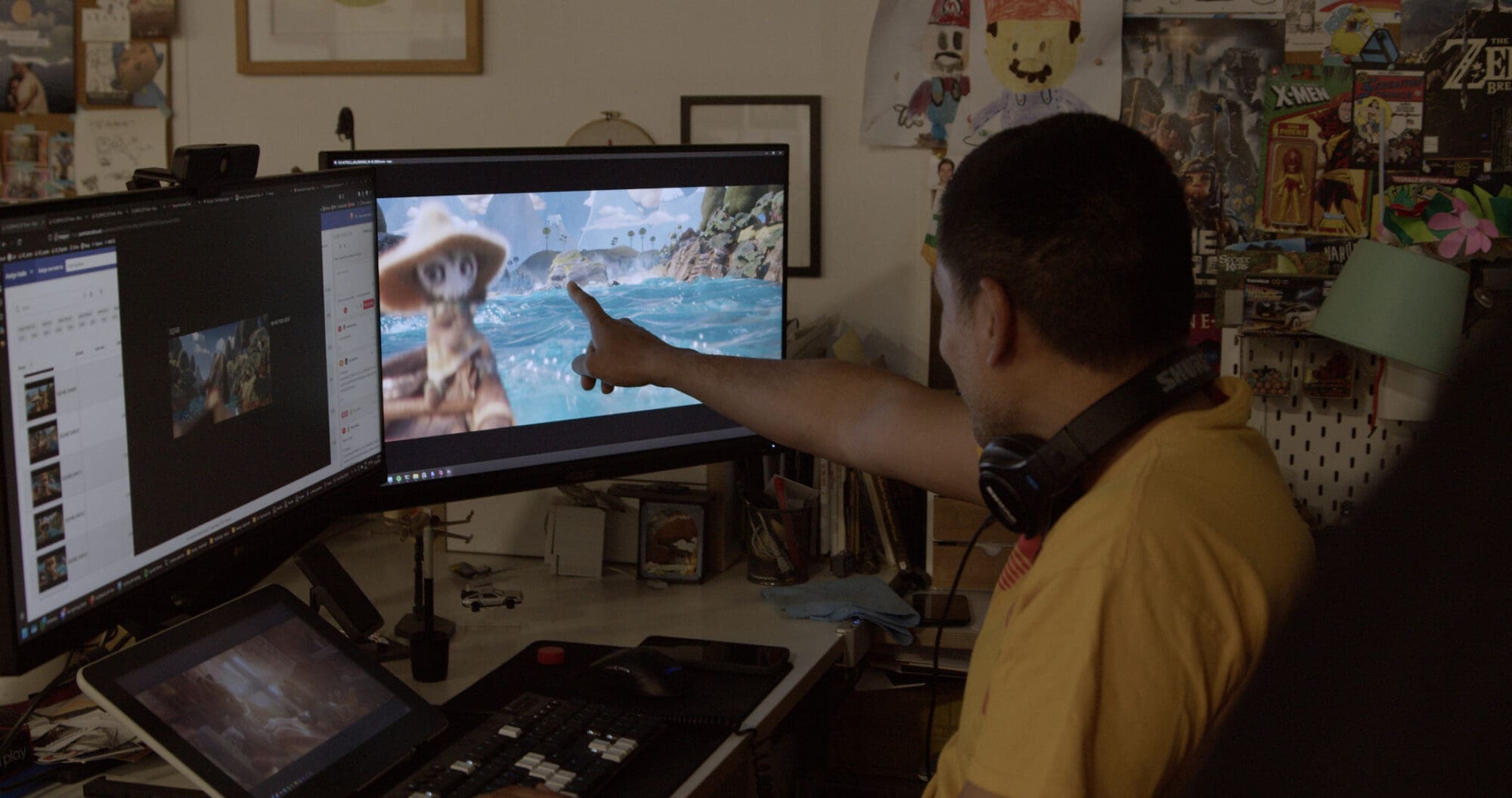
One of the first things audiences are likely to notice about Brave Cat is its incredibly detailed and handmade world. Although it is billed as a CG feature, almost nothing about it looks conventionally digital by modern standards.
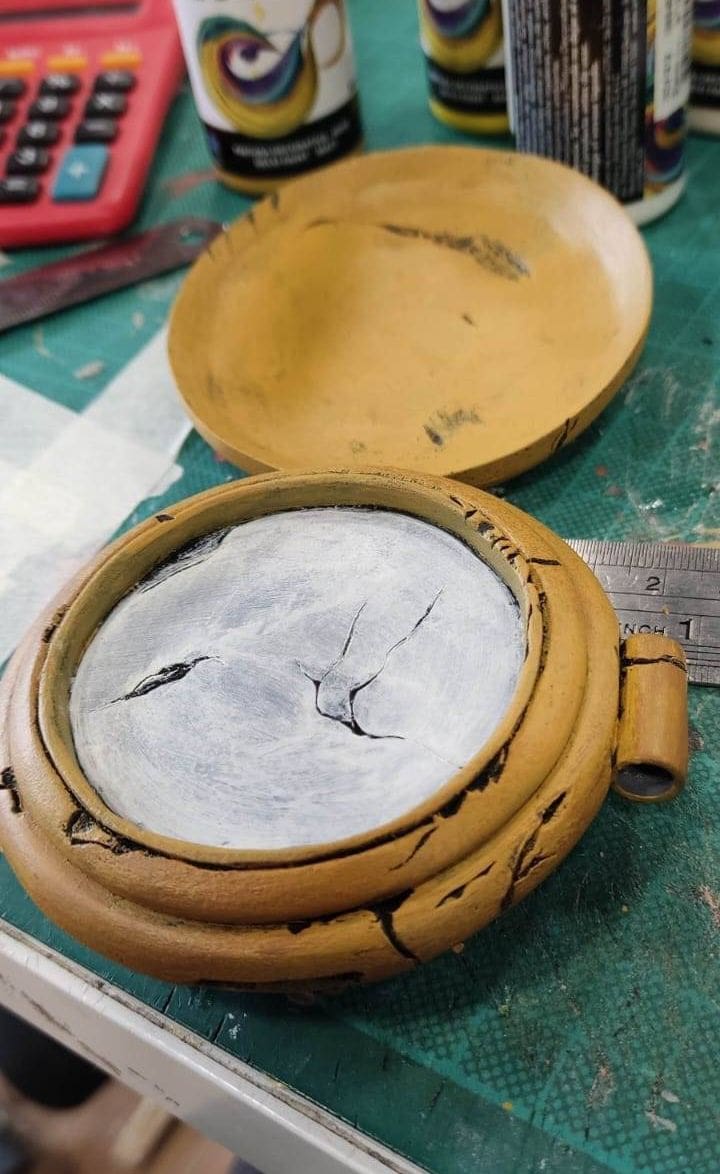
Brave Cat continues the hybrid approach that has become a hallmark of Punkrobot, the Santiago studio Osorio co-founded in 2008. Real-world materials were collected or fabricated, painted, scanned, and then transformed into digital assets.
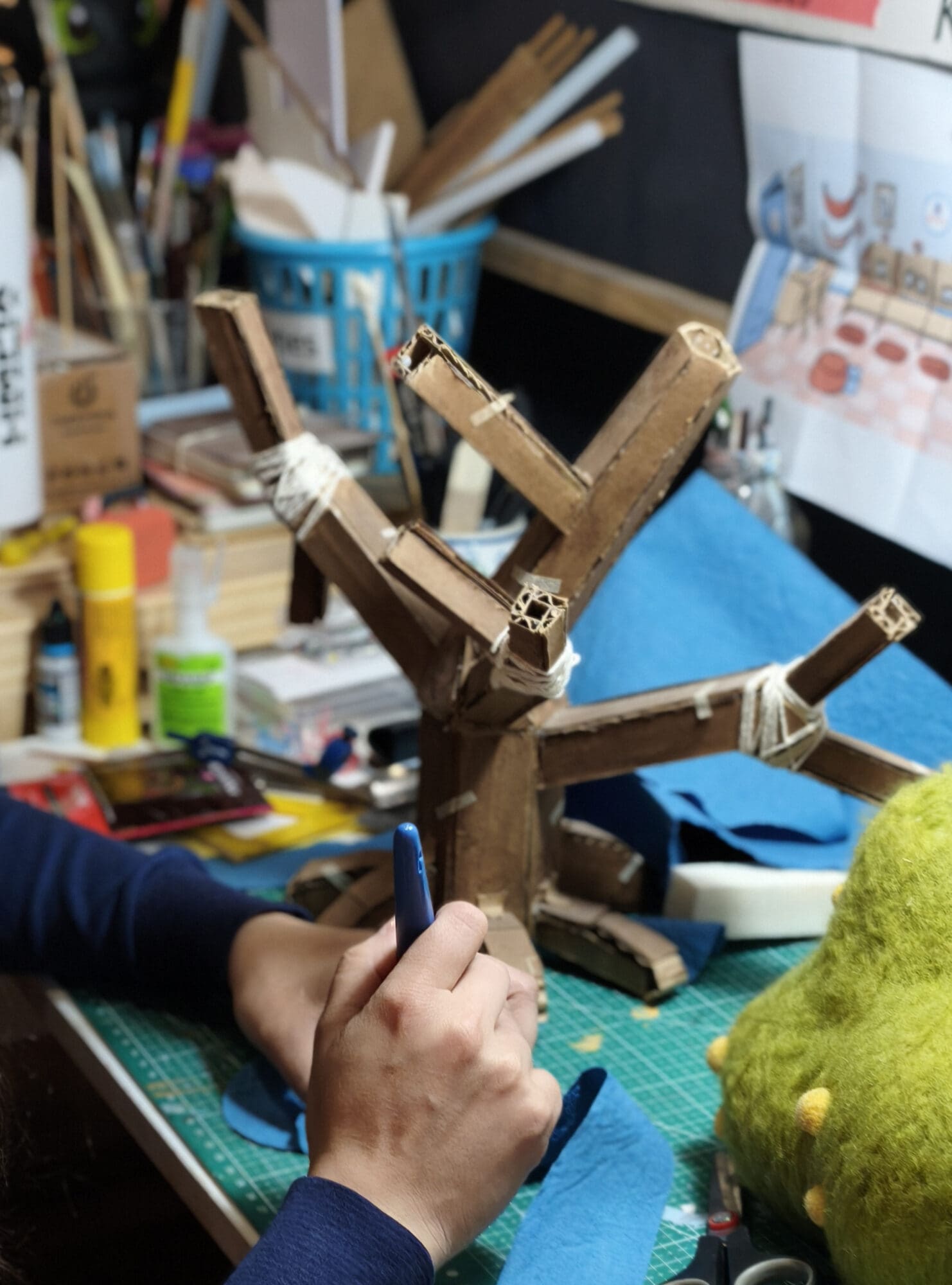
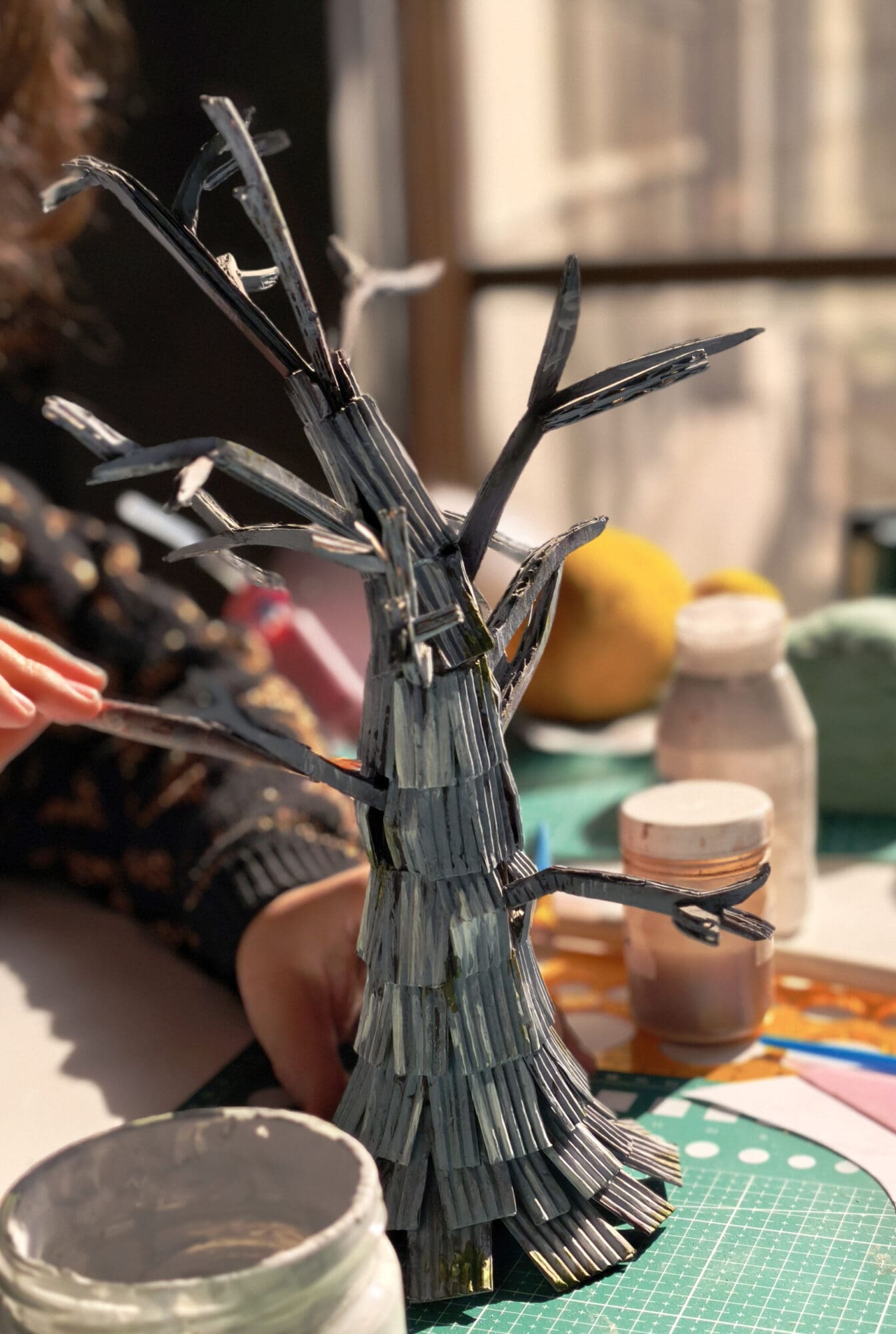
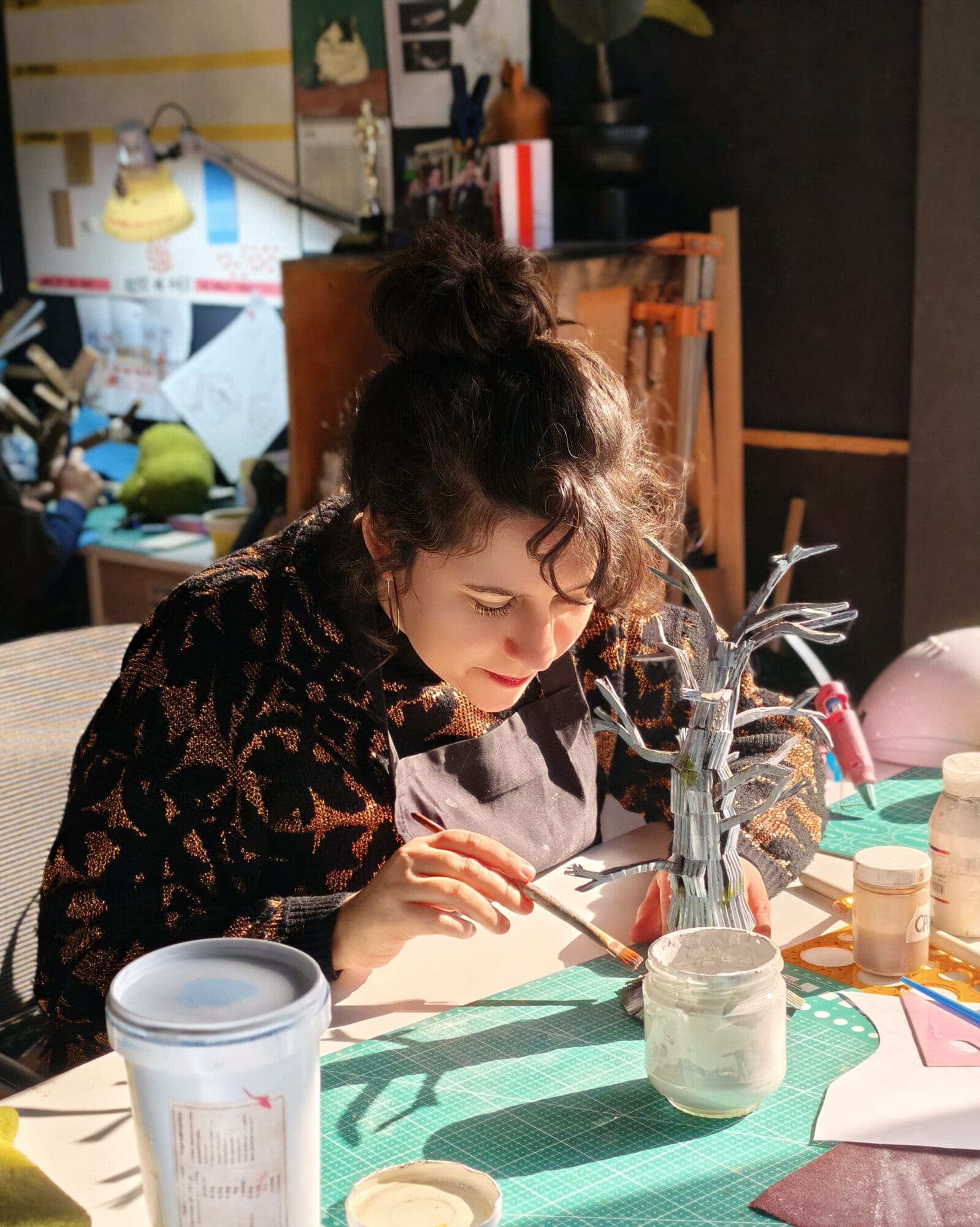
“We did a lot of 3D scanning,” Osorio explains. “We scanned rocks, we scanned a lot of real objects. We made a virtual construction kit.”
The goal was to capture the natural qualities of Patagonia itself.
“I didn’t want the film to look CG,” he says. “Of course, it’s a CG film because it’s made in 3D. But all the things that compose the film come from the real world.”
Entire sets were first constructed physically before being scanned and refined digitally. At one point, the team considered building physical versions of every environment.
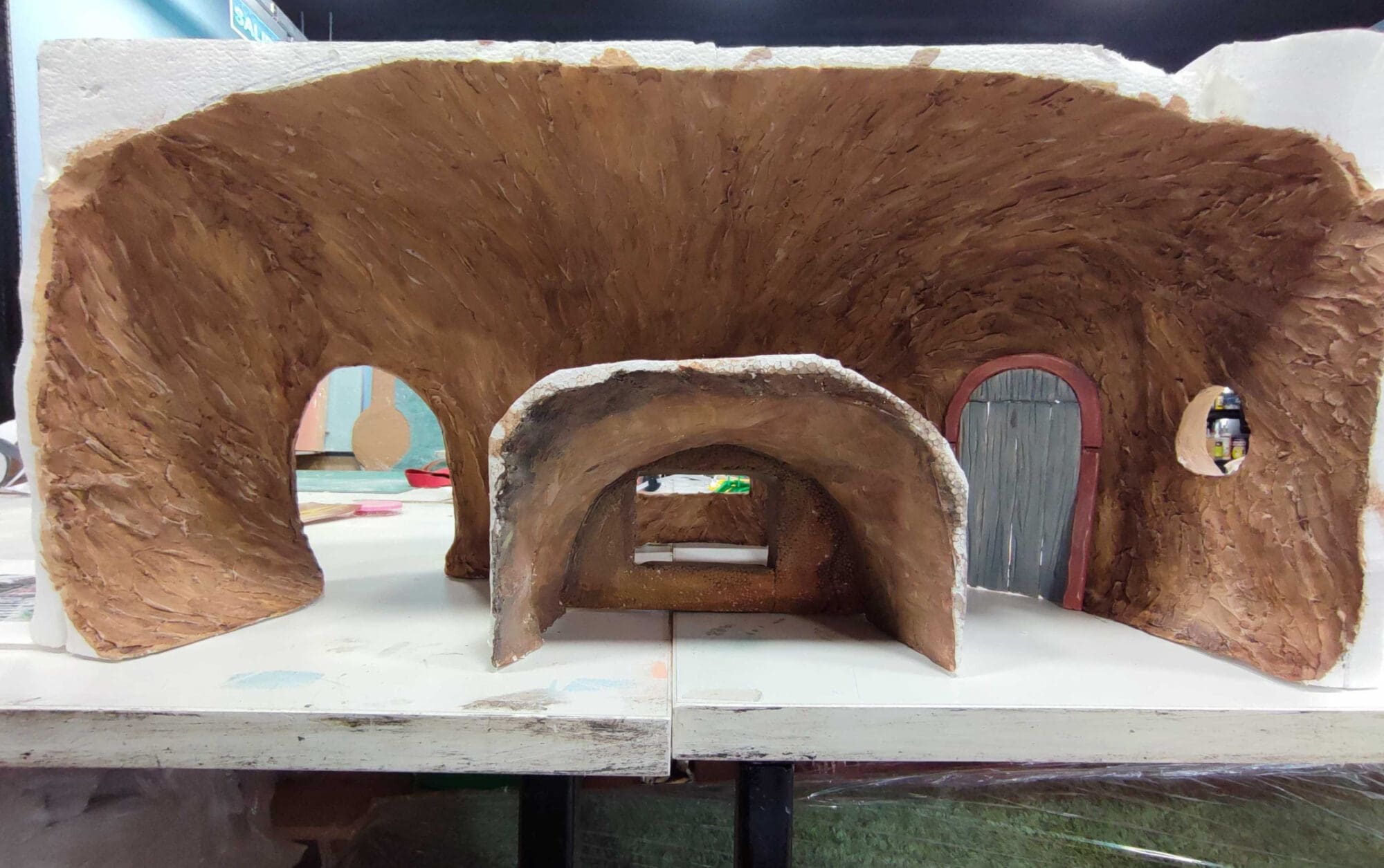
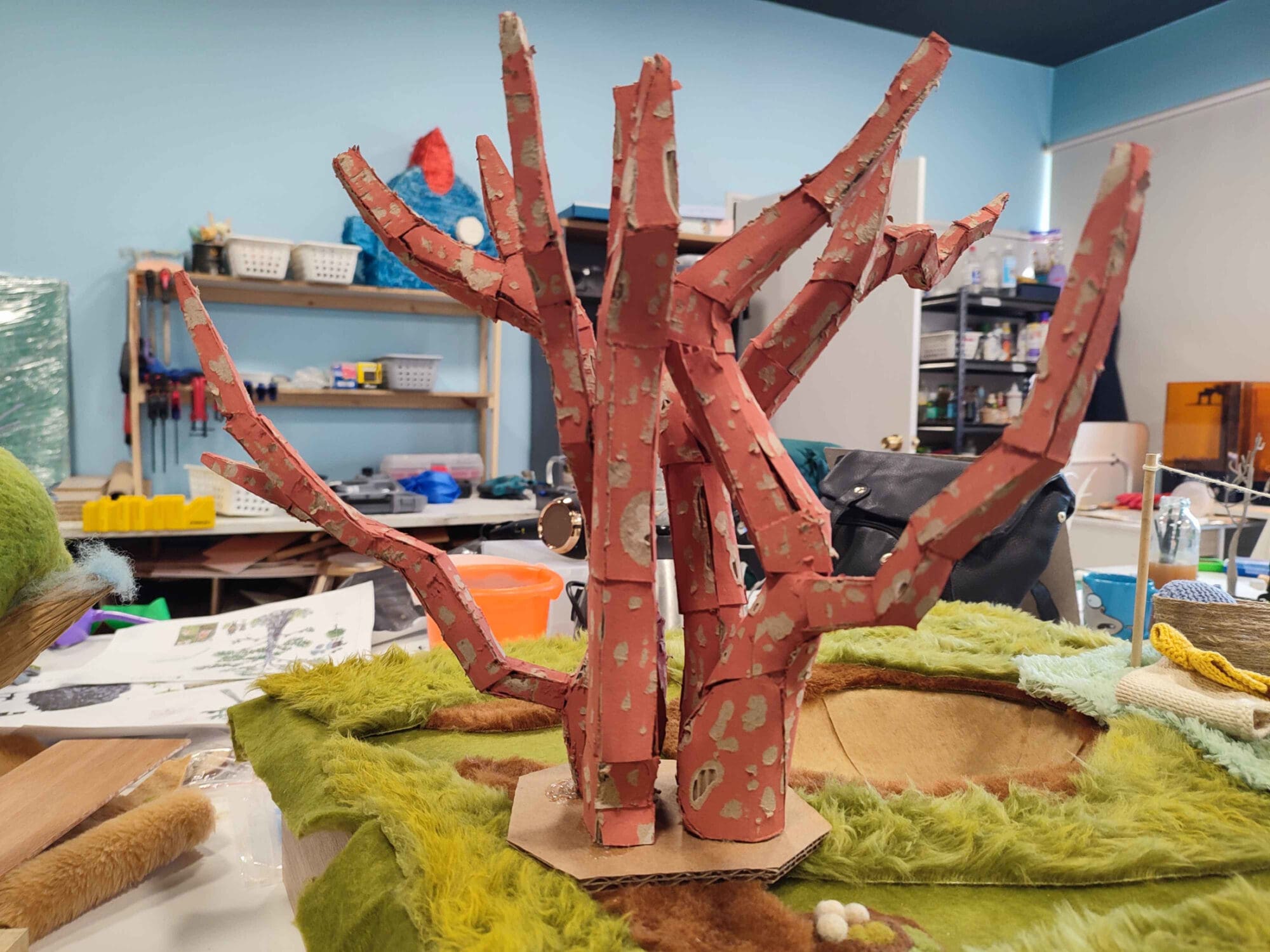
“We really wanted to do that,” Osorio says. “But we quickly realized that the scope of the film was too big for us to construct every set in the real world.”
Instead, the studio found a compromise that preserved the handcrafted aesthetic while allowing for a feature-length scale.
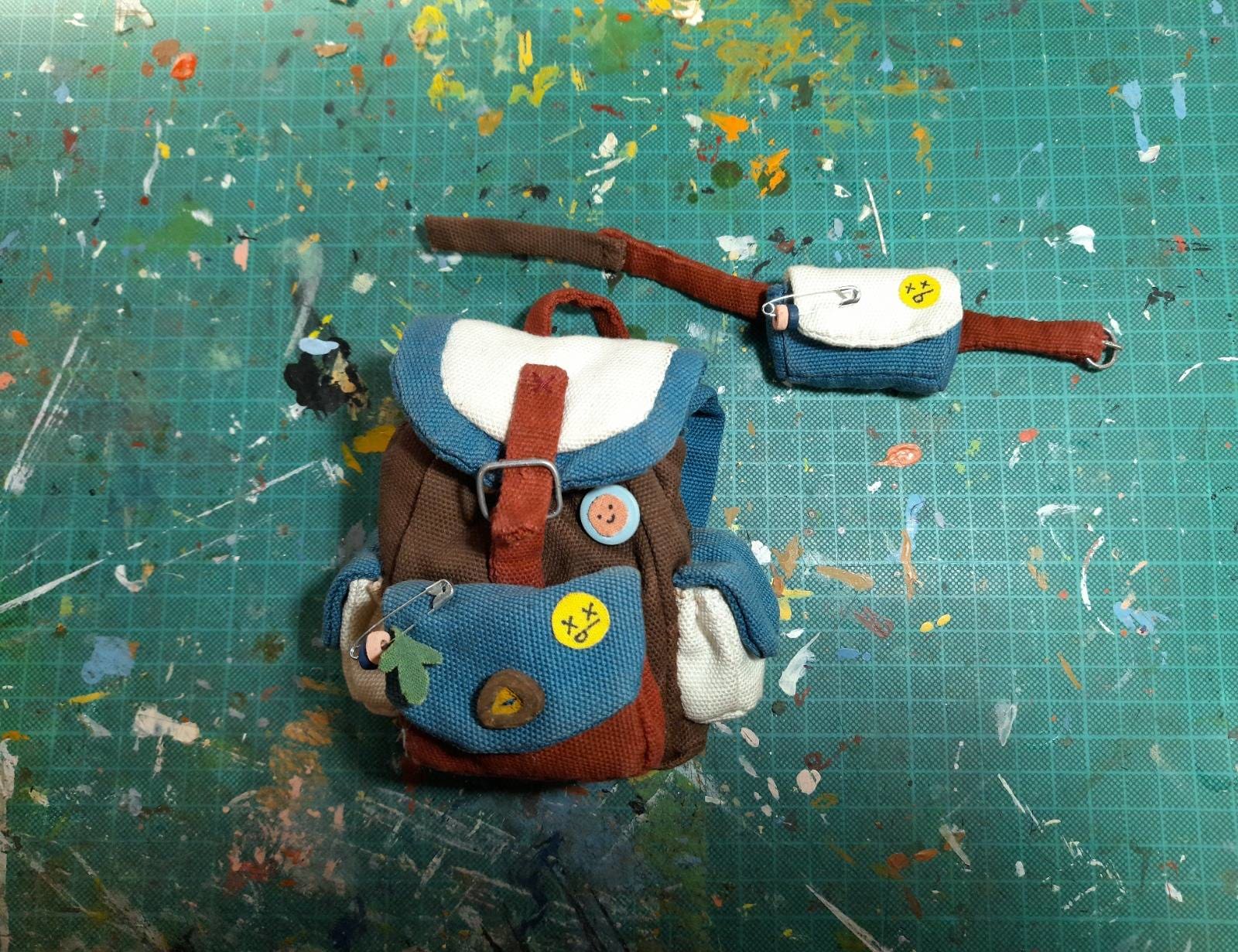
“We wanted to use the small details that show this was made by humans,” he says. “You can see masking tape. You can see imperfections. We wanted to keep those things.”
The result is a visual style that feels closer to stop-motion craftsmanship than traditional CG.
A Question of Forgiveness
For all its visual ambition, Osorio insists that Brave Cat began with a pair of questions.
“The film revolves around two questions,” he writes in the press materials. “What does it take to forgive? Is it possible to forgive the unforgivable?”
Those questions emerged from his relationship with his grandfather. Like many Chileans, Osorio grew up hearing the slogan “Ni olvida, ni perdón,” “Neither forgive nor forget” in English, in reference to the brutal Pinochet dictatorship. Yet his grandfather offered a more complicated perspective.
“One time he told me that when he was in prison, he met a military guard who was very nice with him,” Osorio recalls. “He said, ‘You don’t have to hate people because of what they are. Some people, life forces them to that place. There are good people everywhere.’”
The comment stuck with him.
“Of course you can’t forget,” Osorio says. “If you forget, the story repeats itself.”
But forgiveness proved more difficult to understand. “If society doesn’t forgive, then society is going to be divided forever.”
A second pivotal moment came years later when Osorio watched an interview with the child of a disappeared detainee. The woman explained that she could only ever forgive if she learned what happened to her father.
“She really wanted to forgive,” Osorio says. “But she didn’t have the tools to do it. She didn’t have the truth. She didn’t have justice.”
That realization became the emotional foundation of Brave Cat. “Nobody wants to hate forever,” he says. “Hating is not something that anyone likes to do.”
For Osorio, forgiveness cannot exist without accountability, and that is at the foundation of Brave Cat.
A Story About Hope
The theme of forgiveness extended into every aspect of the film’s production, including its music.
Brave Cat features songs by Brazilian singer-songwriter Fernando Milagres, whose intimate folk style became an essential part of the project’s emotional identity.
“The themes he explores, loneliness, trying to get to a place that is very far away, hope, all those themes were related to Brave Cat,” Osorio says.
The filmmaker was particularly drawn to the simplicity of Milagres’ music. “It’s just him and a guitar,” he says. “Very indie.”
According to Osorio, that modest scale resonated with Punkrobot’s own journey. “He’s doing the same thing in music that we’re doing in animation.”
For a studio that grew from a small group of friends into one of Latin America’s most internationally recognized animation companies (including a Star Wars: Visions commission at Disney), the connection felt natural.
Beyond Borders
Although Brave Cat emerges from a distinctly Chilean experience, Osorio hopes audiences around the profoundly polarized world of 2026 will see themselves in Kona’s journey.
“Today, more than ever, we must remember the weight of human rights and halt the violence tearing families and communities apart worldwide,” he says.
That perspective helps explain why Brave Cat never feels trapped within a single historical moment or cultural context. Its story of separated families, missing loved ones, and the search for justice remains painfully relevant across continents.
As Annecy audiences discover the film this week, they will encounter a story that is simultaneously intimate and expansive. It is a deeply personal reflection on one family’s history, a tribute to Patagonia, an experiment in handcrafted digital filmmaking, and a meditation on one of humanity’s most difficult and ever-present questions.
“I like to imagine that I could forgive,” Osorio says near the end of our conversation. “I don’t know if I could. I try to create characters that are better than me.”
For Brave Cat, that aspiration is the film’s north star.