.png)
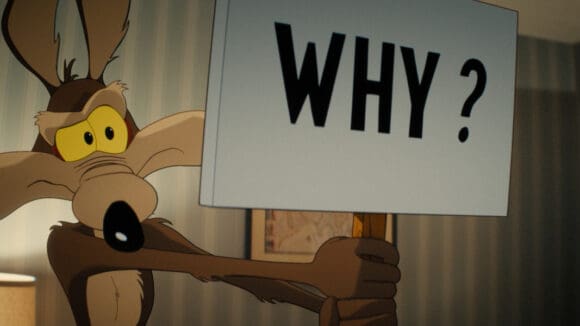
‘Closer To The Chuck Jones Model’: How Classic Looney Tunes Design Made ‘Coyote Vs. Acme’s’ Wile E. A More Sympathetic Leading Canine
Stay informed with free updates
Sign up to get our news digest — delivered directly to your inbox twice a week.
After everything Coyote vs. Acme has endured, director Dave Green can now finally talk about the film itself, and not the studio drama that defined the months and years after it had wrapped.
Green’s live-action-animation hybrid was shelved by Warner Bros. Discovery in 2023, despite strong test screenings and enthusiastic reactions from those who had seen it, including then-Cartoon Brew boss Amid Amidi.
The decision sparked an extraordinary industry backlash and a subsequent fan campaign. Warner eventually allowed the filmmakers to seek another buyer, and Ketchup Entertainment acquired the film in 2025 for a theatrical release.
“This is a party,” Green told us in a conversation just ahead of the film’s long-awaited theatrical release. “It’s really just a celebration. We’re so grateful for everyone who took us here, and we can’t believe it’s happening.”
The film’s unlikely rescue has inevitably shaped the conversation surrounding it, in part because the circumstances so closely mirror its plot. Coyote vs. Acme was always an underdog story about a familiar character taking on a powerful corporation that had repeatedly failed him. Then in a meta twist worthy of its own screenplay, the film itself became one.
Inspired by Ian Frazier’s 1990 New Yorker humor piece “Coyote v. Acme,” the film follows Wile E. Coyote as he hires struggling attorney Kevin Avery, played by Will Forte, to sue the Acme Corporation over its malfunctioning products. John Cena plays the formidable attorney representing Acme and its head honcho, Foghorn Leghorn.
For Green, the key to making that premise work was not to modernize the Looney Tunes, but to return to the qualities that made them endure in the first place.
Striking The Right Tone
According to Green, the project’s starting point was screenwriter Samy Burch’s affection for Frazier’s original article, which treats the ludicrous question of Acme’s product liability with the language and structure of a legal filing.
“What we felt was that article had this core tonality that felt dark and funny and biting and sarcastic,” Green explained. “It felt like it had the potential to be something where smart and stupid could coexist in the exact same moments.”
That balancing act led the filmmakers to an unavoidable reference point: Robert Zemeckis’ Who Framed Roger Rabbit.
“It’s really hard to say this movie and Roger Rabbit in the same sentence because Roger Rabbit is the gold-standard masterpiece, truly,” Green said. “But I think what we took from Roger Rabbit was its ability to pull off this blending of tones. That movie is so dark and serious yet so stupid and silly at the same time.”
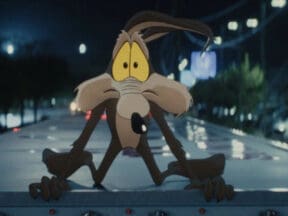
That combination became especially important because Coyote vs. Acme asks viewers to see Wile E. as more than an indestructible engine for slapstick. He is still obsessive, still pursuing the Road Runner, and still capable of surviving levels of bodily trauma that would reduce anyone else to dust. Turning him into a sympathetic protagonist meant preserving one of the character’s defining limitations: Wile E. Coyote does not speak.
Coyote’s Advocate
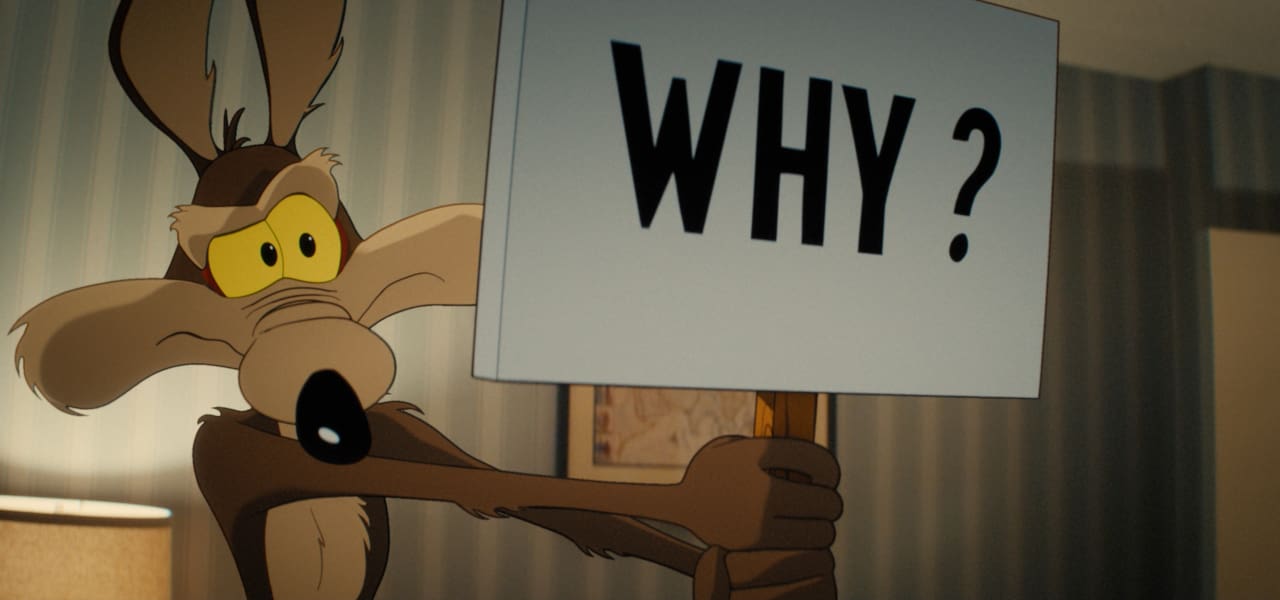
In the original Road Runner shorts, Wile E. communicates almost entirely through poses, expressions, limited signs, and increasingly desperate physical behavior. Green’s film preserves that tradition, making its boarding and animation artists essential to the writing and development process.
Producer Chris DeFaria warned Green early on that the production would need someone to advocate for its animated lead.
“He said, ‘The one person who’s not going to be on set is Wile E. Coyote,’” Green recalled. “I said, ‘Okay, sure.’ I didn’t know where he was going with it. Then he said, ‘You’re going to need someone to be the behind-the-scenes voice of Wile E.’”
Eventually, that voice came from the film’s storyboard and vis dev artists. Working from Burch’s screenplay, they developed the physicality that would accompany the script’s written jokes, coming up with poses, reactions, and new gags that let Wile E. participate like any other actor in the film, but without dialogue.
“Our earliest storyboard and sketchvis artists were really there to be the voice of Wile E. Coyote,” Green said. “They were taking the script pages, ideating on the ideas that were there, and coming up with gags in between every written gag. They were really the eyes and ears and voice for Wile E., helping put those scenes on their feet in the earliest draft of what they would eventually become.”
“Every person on those teams cared so much,” he went on. “They were dedicated to preserving the legacy of what Chuck Jones created and doing their hardest work to emulate the sense of humor, the style, the cadence, the rhythm, the personality, the sarcasm, and the quickness of the violence.”
Building Wile E. Before And During The Shoot
Much of the early development happened remotely during the pandemic. Before live-action production began, the filmmakers assembled a feature-length story reel that functioned as a complete preliminary version of the movie.
“We built out a full-length story reel that was a watchable 90-minute movie, with voices and everything,” Green said. “The 2D layers were drawn on top of a previous layer representing what the live-action actors and cast would eventually be doing.”
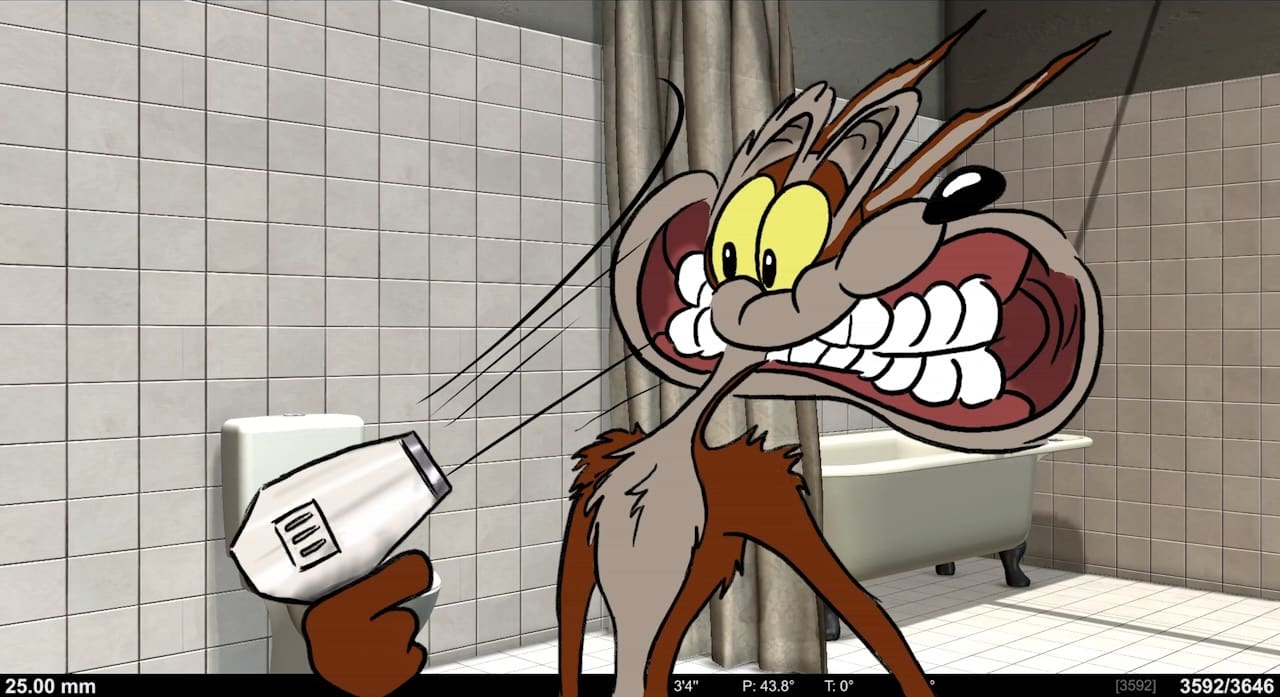
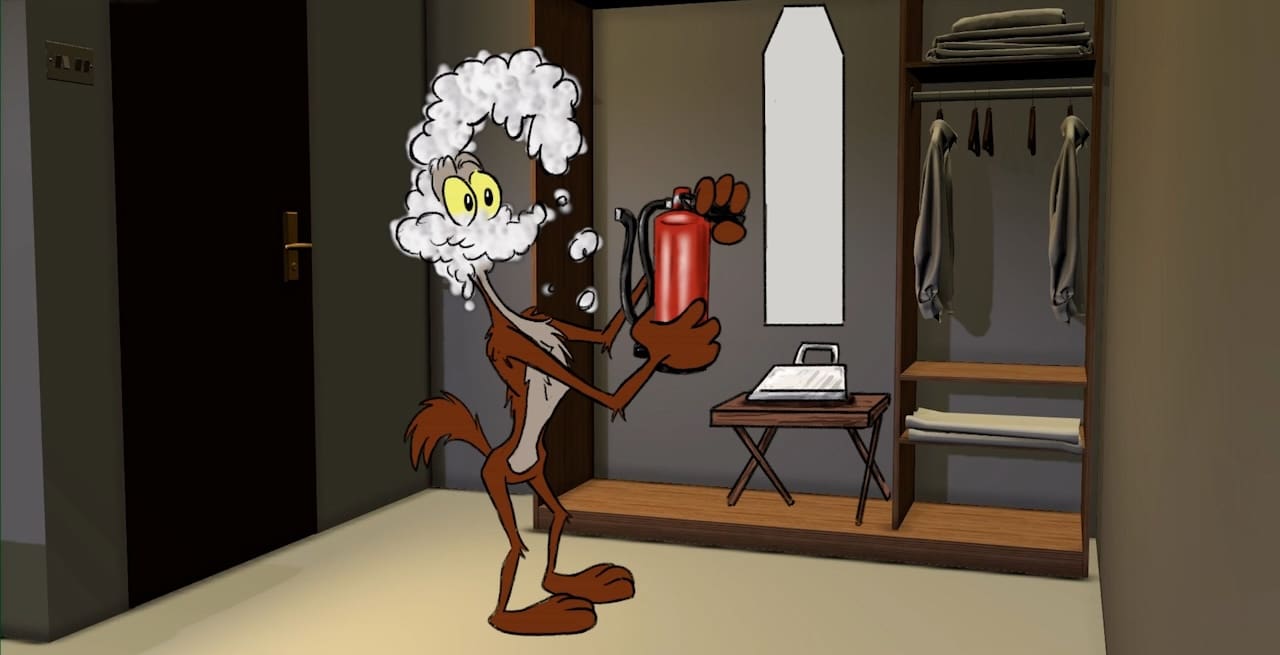
Once live-action photography began, Green still needed Wile E. to feel like a genuine scene partner. Veteran puppeteer Dave Barclay, whose credits include Who Framed Roger Rabbit, built a life-size Wile E. puppet for the shoot.
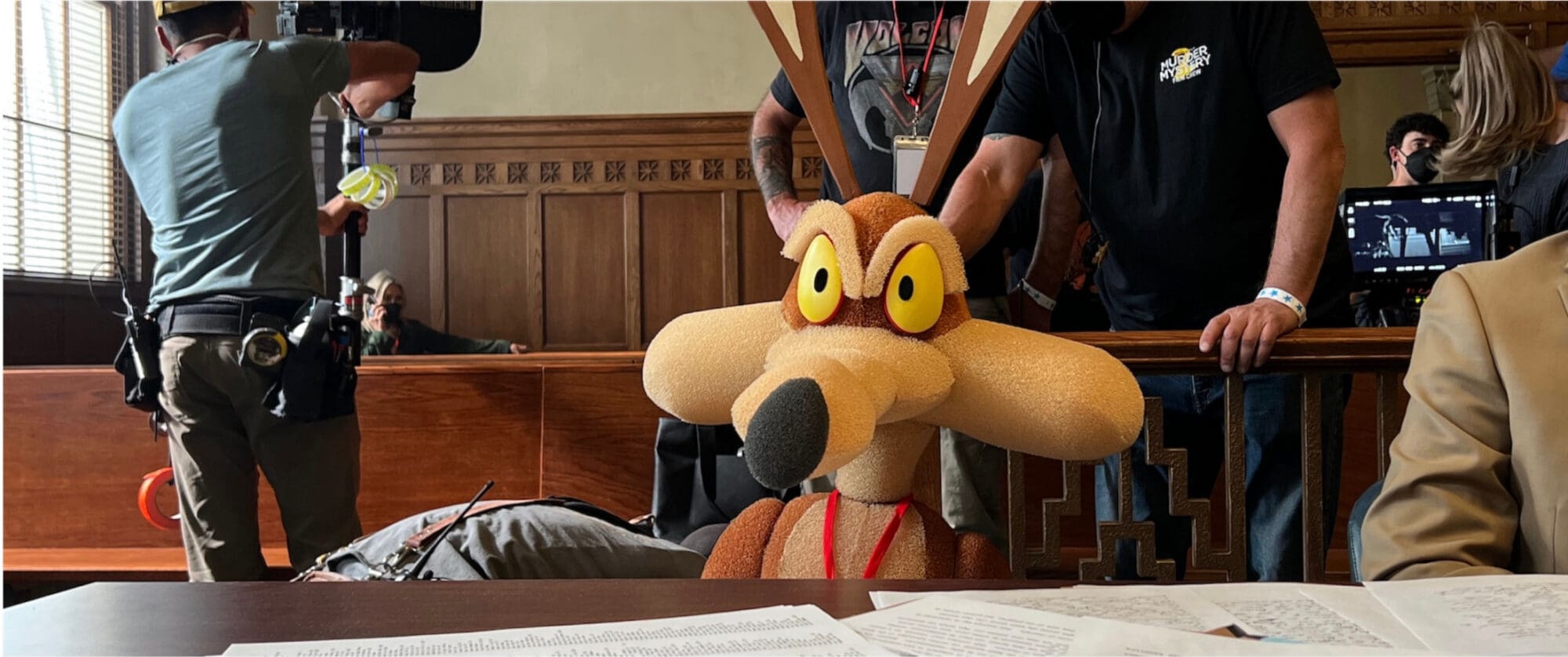
“That meant Wile E. was no longer an idea,” Green said. “He was actually a co-star.”
The puppet provided lighting and eyeline reference and allowed Barclay and Green to introduce unpredictability into a shoot that had, by necessity, been extensively planned.
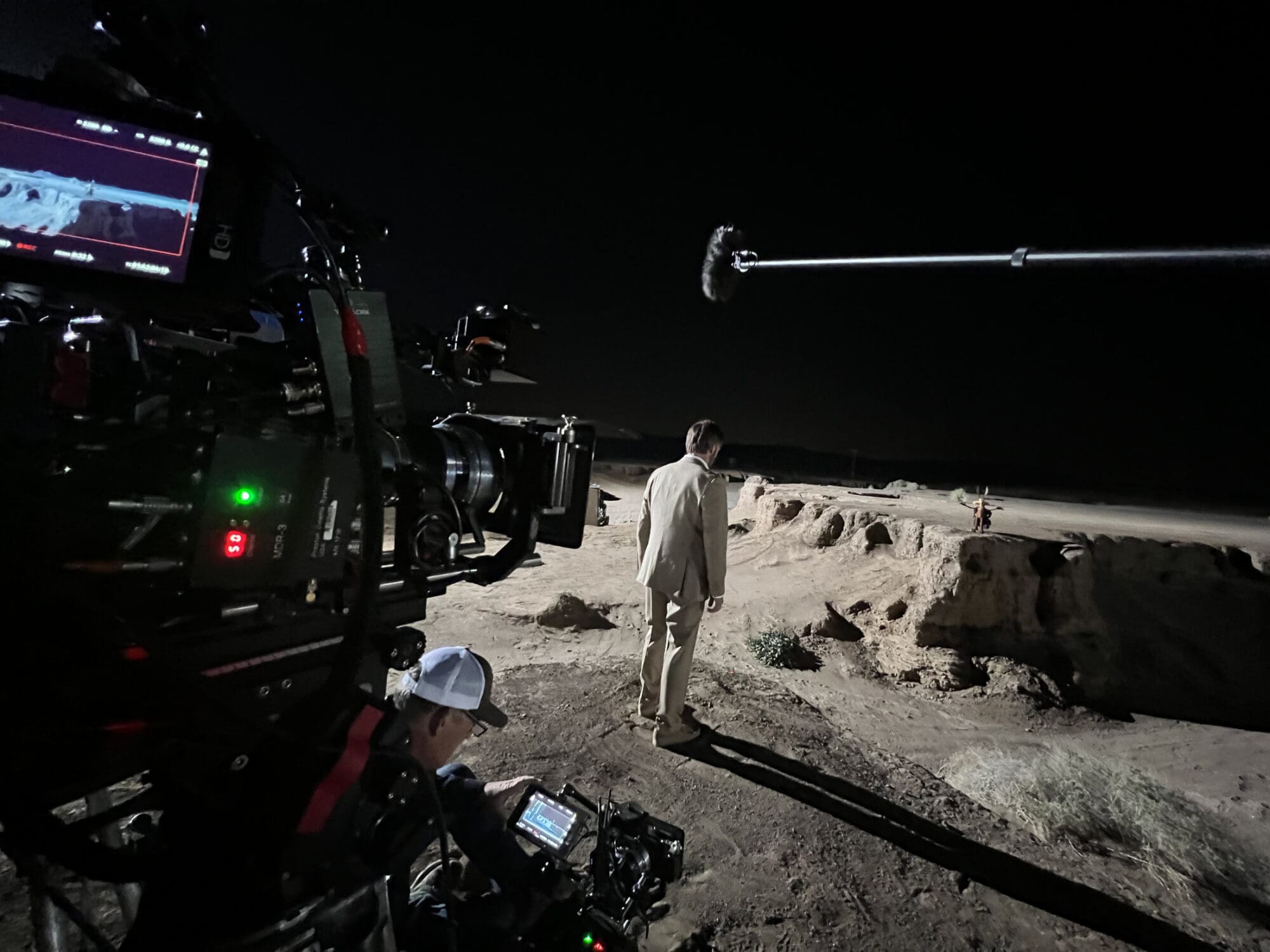
“That character could surprise them,” Green explained. “I could say to Dave, ‘On this one, bark at Will,’ or do something Will doesn’t expect. You’re in search of spontaneity and moments of surprise, which are really hard to generate in a movie like this. In certain ways, it is very planned out and formally structured.”
The E. Stands for Empathy
Apparently, according to a 1973 issue of Beep Beep the Road Runner, the E. stands for Ethelbert. For the purposes of this film, however, it might as well stand for empathy. The filmmakers began building that emotional connection with viewers in their earliest sketches.
The production’s reverence for the classic cartoons did not mean adhering to a fixed studio bible or particular iteration of its lead characters. Artists studied model sheets from several eras before settling on a design that fell somewhere between them.
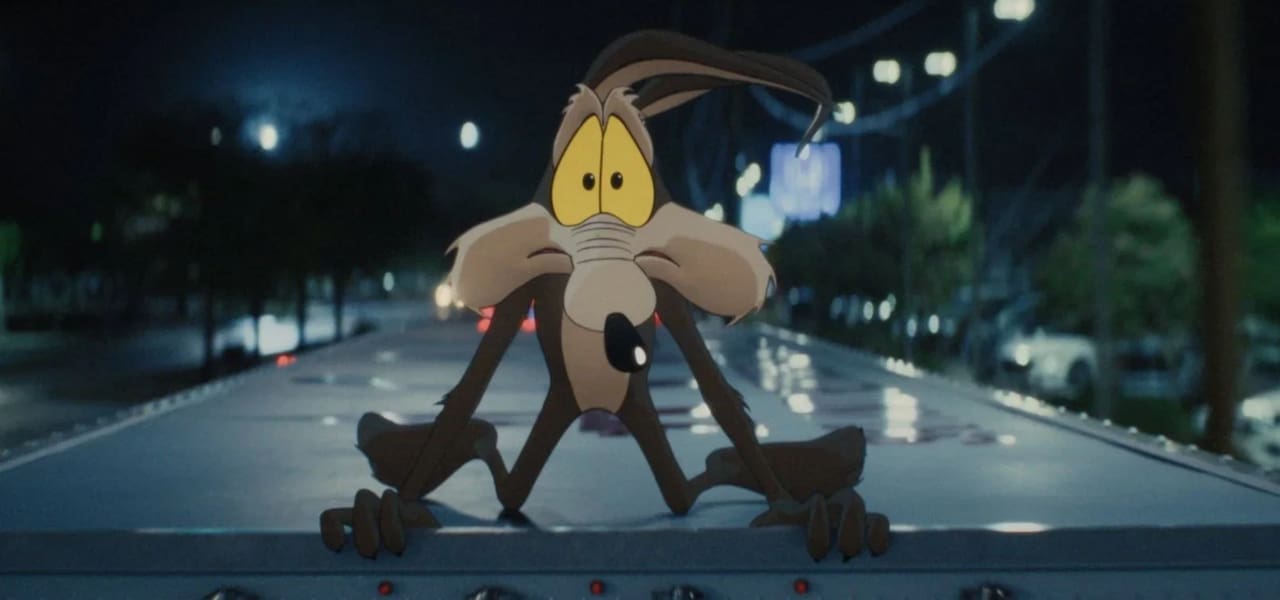
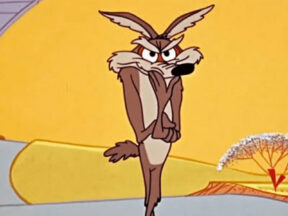
“I’d say the Wile E. that’s in our movie is closer to the Chuck Jones model, with some adaptations,” Green said. “He’s a little more haggard, a little hairier and scruffier, and a little less soft around the edges than the ’90s version.”
Through that process, Green came to see the Looney Tunes not as characters governed by immutable rules, but as creations that each generation of filmmakers has subtly reinterpreted without abandoning their foundations.
“The more you look at these things, the more you realize that each generation of filmmakers who gets to work with these characters rewrites the rulebook a little,” he said. “Small, small, small. Only in the most minor way. The best versions really do their best to honor the source idea.”
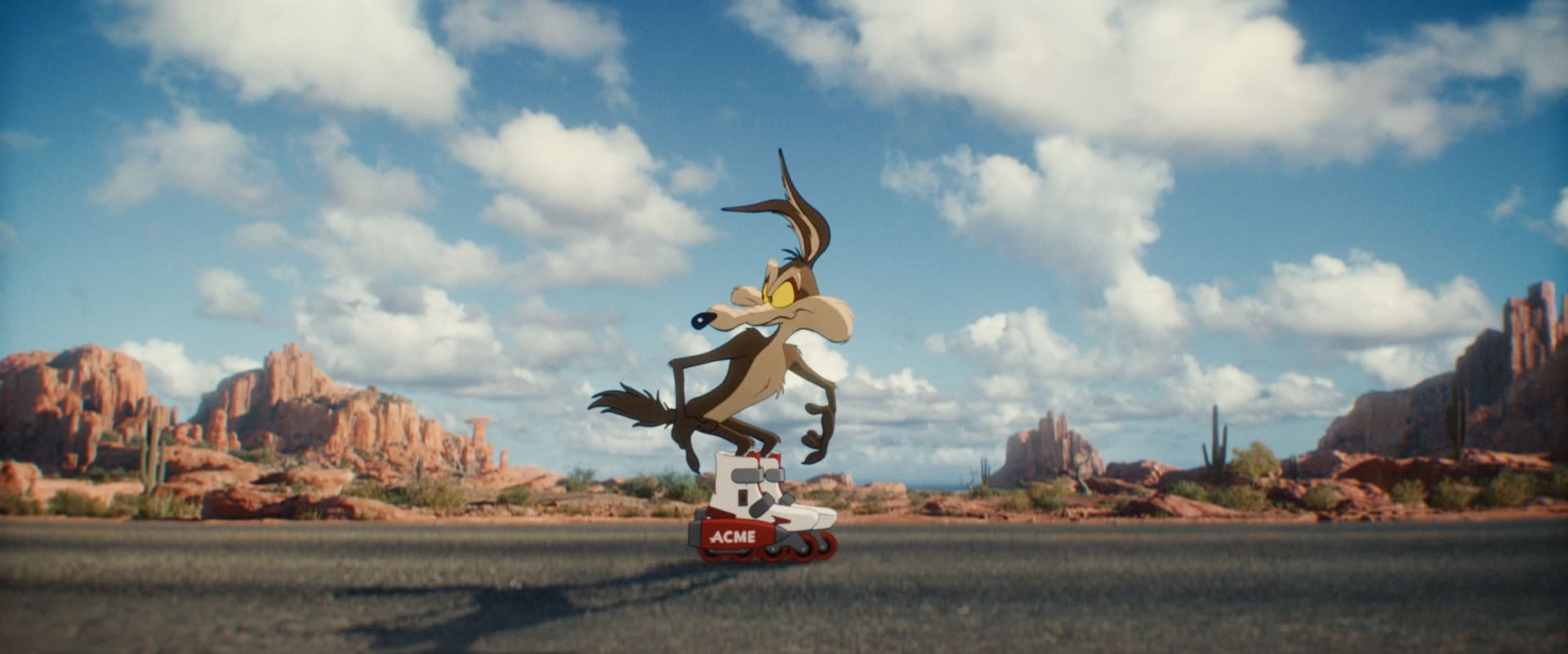
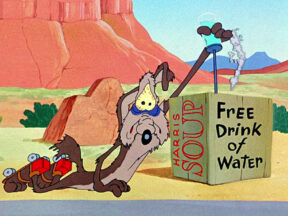
The filmmakers found another way to deepen that empathy in the editing room. The film uses footage from the classic shorts as fragments of Wile E.’s memory, an idea that emerged as Green and editor Carsten Kurpanek watched compilations of the Coyote’s greatest failures for inspiration.
Removed from their original context and paired with different music, Wile E.’s catastrophes become evidence of a lifetime of physical and psychological punishment. The clips remain funny, perhaps become funnier still with the benefit of added absurdity, but together they accumulate into something unexpectedly painful and poignant.
Going Back To The Source
That approach reflects Green’s larger philosophy. Coyote vs. Acme contains recognizable characters, cameos, large-scale action, and jokes built for contemporary audiences, but Green resisted turning it into an overstuffed catalog of franchise references or hyper-modern pop culture references. He wanted the production to feel lived-in, connected to the older visual culture from which the Looney Tunes emerged.
“We’ve had iterations on these characters that have felt super modern or have thrown more timely pop-culture humor into the mix, and that is definitely great,” he said. “For our version, we wanted to go back to the source. We wanted to go back to the core of what made these things work in the first place.”
That sensibility extends into the live-action world, too. The film’s Albuquerque is recognizably contemporary, but its neon signs, desert landscapes, costumes, offices, and practical locations evoke an older, idealized version of the distinct region.
“It’s modern Albuquerque, but hopefully it has nods to classic desert Americana,” Green said. “Neon, with these lived-in spaces that feel honest to the American Southwest.”
The result is a modern film built on the belief that these characters don’t need to be aggressively updated to remain relevant. In fact, the characters in Coyote vs. Acme feel timeless in a way that many modern adaptations of older IPs fail to achieve.
“Our goal was to honor the actual original intentions of these characters,” Green said. “To uphold what was real and honest and good about them in the first place, and just try our very best.”
That earnestness might sound unusual when applied to a movie about a coyote suing a novelty manufacturer. But Coyote vs. Acme depends on the exact contradiction Green identified at the beginning of production: smart and stupid, dark and funny, ridiculous and sincere, all occupying the same time and place.
After years in which the film itself seemed destined to become more catastrophic than any Wile E. Coyote failure, its eventual release has given that philosophy an unexpected real-world coda.
The Coyote survived. So did the movie.