.png)
‘Desechable’ Unleashes A Drug-Induced Revolution On The Streets Of Colombia In Its Annecy Work In Progress Session
Stay informed with free updates
Sign up to get our news digest — delivered directly to your inbox twice a week.
What happens when those who are forgotten decide they will be seen and heard? That’s what Desechable, Carlos Gómez Salamanca’s new film from Nocroma and Jaibo Films, ponders. It is a powerful, visually stunning look at the people Colombia (and most countries, really) would rather you never hear about, and the systems in place to keep them from rising up.
Director Gómez Salamanca is no stranger to Annecy, having already presented three films at the festival (Carne, Lupus, and Yugo). With Desechables, his ambitions are higher, not just in terms of scope, with some scenes featuring large-scale action and crowds of background characters, but also in the themes he is presenting.
“We were inspired by real events, like the Pope visiting Colombia and a real campaign of cleaning up people they deem undesirable,” Gómez Salamanca told Cartoon Brew ahead of the presentation. “They killed innocent people and later pretended they were guerrilla fighters and rebels.”
From the very first clips shown during its Work in Progress session at Annecy’s Pierre Lamy Theater, it was clear to audiences that Desechable would be explicitly political and gut-wrenchingly real. The film follows Diego Salinas, a young scientist who is kidnapped by armed groups in the Colombian jungle and forced to work at a drug camp. That is only the beginning of a long, painful journey that combines a John Wick-esque love of visceral action (there is also a dog involved), a documentary-style aesthetic, and raw emotion. Even after escaping the drug cartels, Salinas becomes a victim of “social clean-up,” losing his best friend and ultimately deciding to stand up and fight.
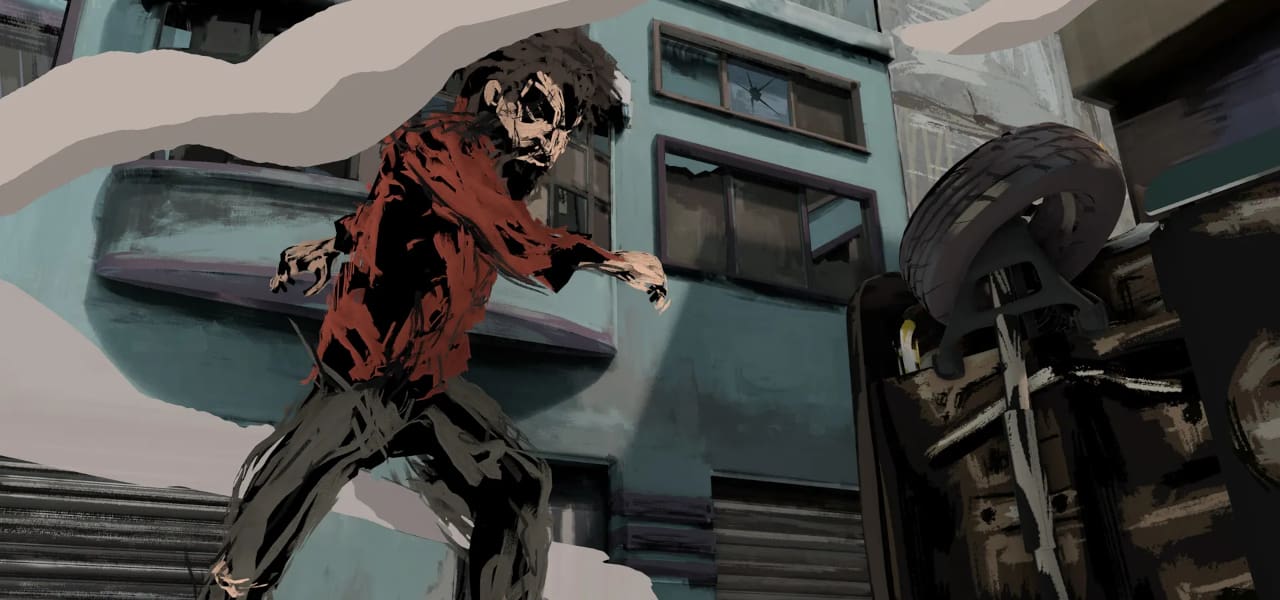
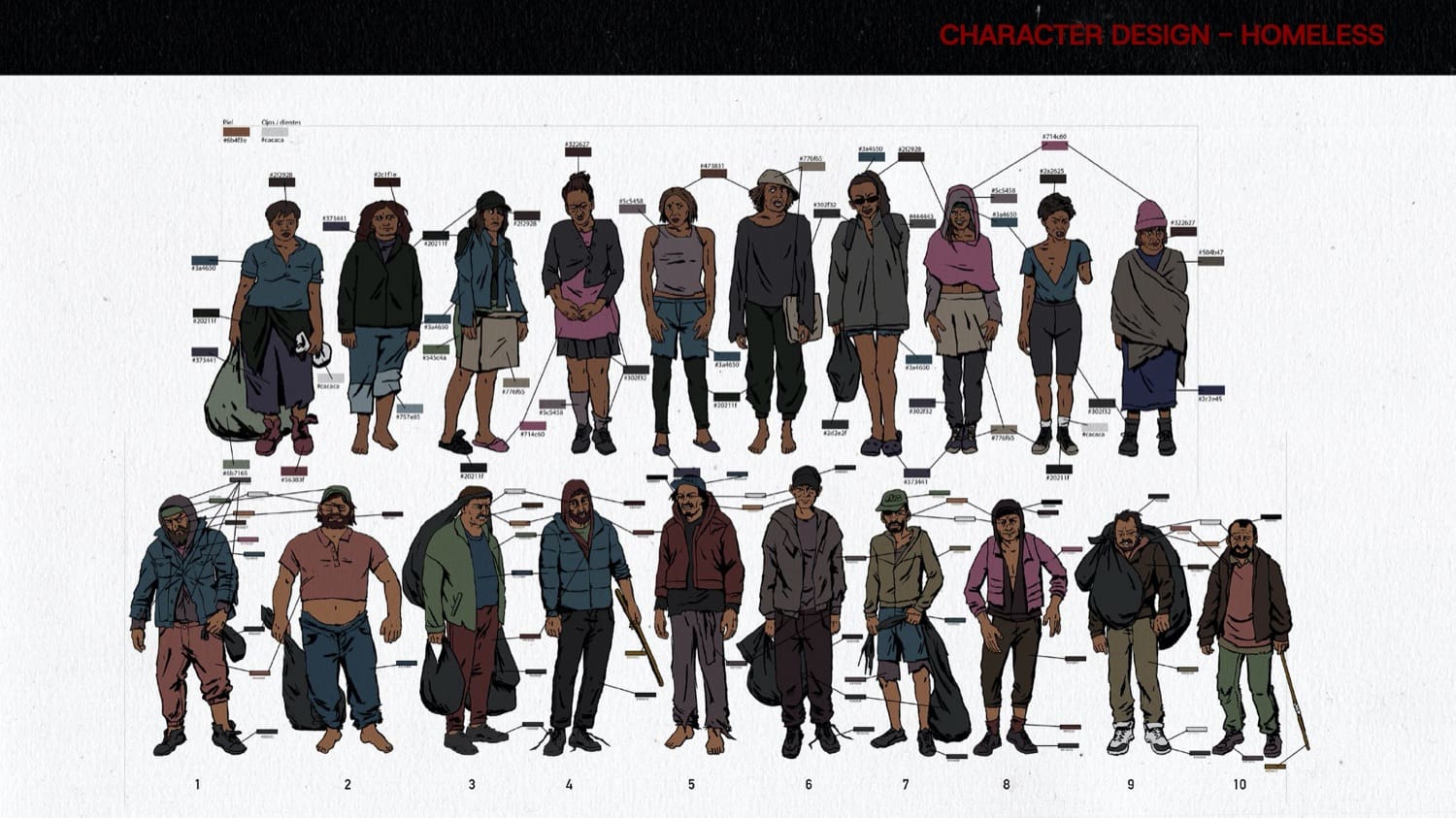
Aiming to reflect the protagonist’s inner world, his descent into madness, and his paranoia, the film uses a blend of realistic 3D backgrounds and cruder 2D characters that Salamanca hoped would avoid stereotypical cartoony or anime-inspired designs. Instead, the film follows a simple mandate: strong layouts and limited animation. For the director, this approach emerged from a simple problem: budget. With a budget of around €2.2 million, 80% of which comes from awards and various funding programs, Desechable is a small film even by Latin American standards.
“It came out of necessity to try and keep the budget low and to do less animation,” explained Gómez Salamanca. “We decided to go for strong layouts and limited animation so we didn’t have to do a lot of cleanup.” Indeed, the film is animated on threes, giving it a raw look that avoids smooth, fluid motion in favor of solid, anatomical drawings.
When the characters are exposed to a certain drug that plays a major role in the story, however, the film incorporates both 3D and 2D animation to portray their heightened reality. The animation devolves and deforms until the characters become little more than sketch lines, losing color and volume.
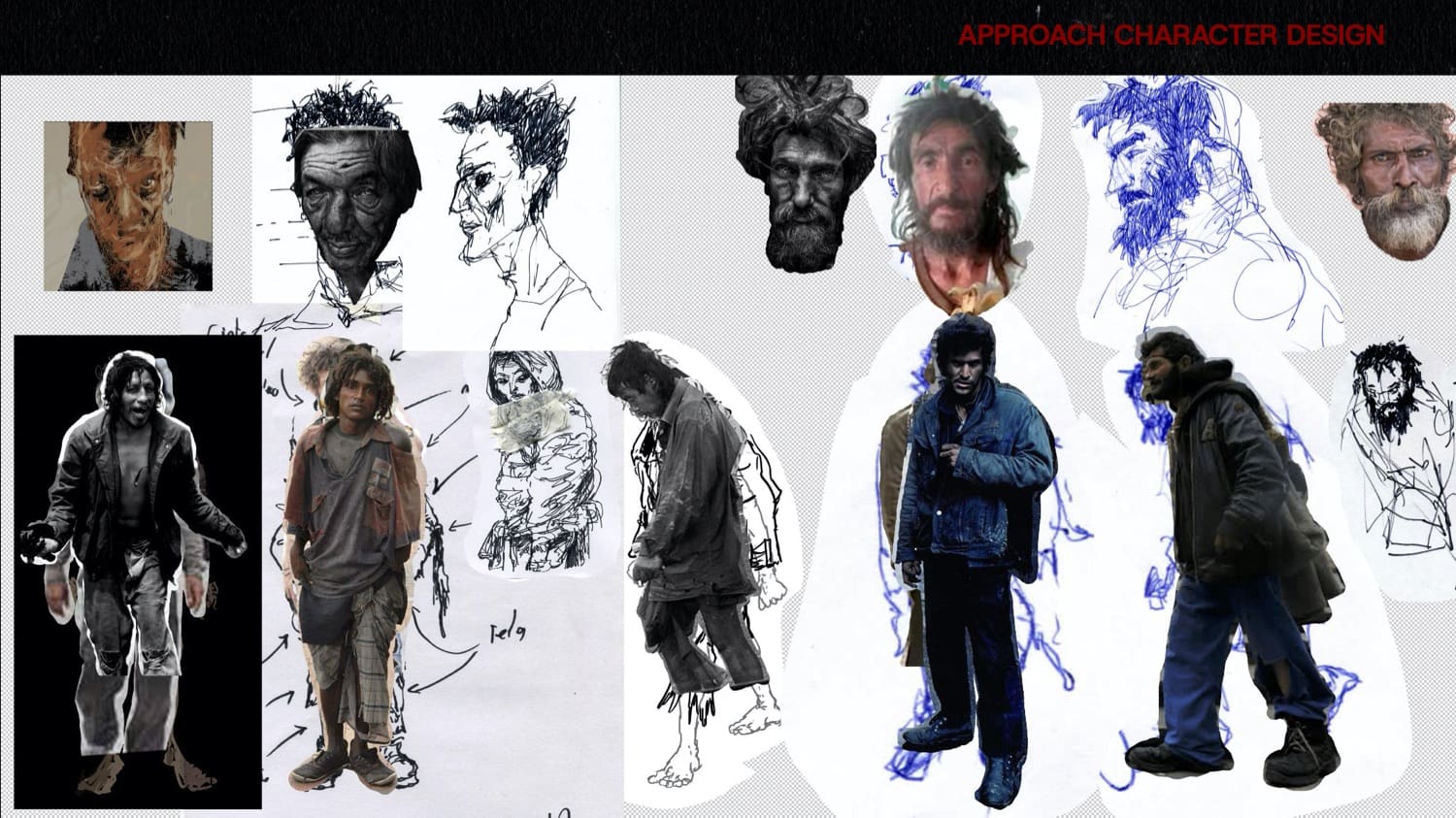
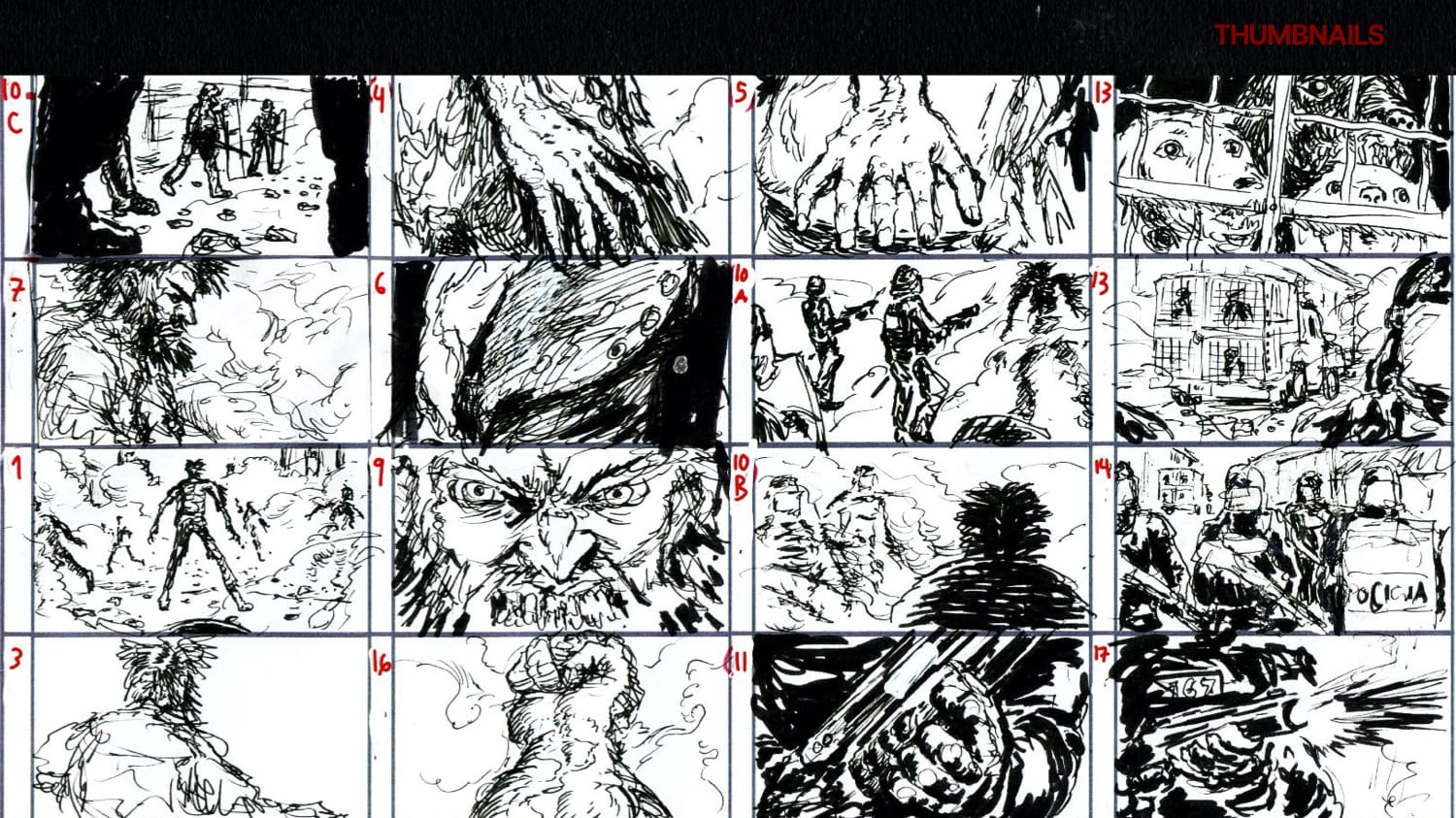
The film employs a camera that moves constantly, following the unstable rhythm of the protagonist’s pulse, shaking with his rage and stabilizing with his calm. Borrowed from documentary filmmaking, the technique aims to give the film a sense of veracity and urgency. The backgrounds are created in Blender, then treated with painterly brushstrokes to give the 3D environments a textured quality that complements the expressiveness of the characters’ psychological evolution throughout the story.
“My films are all at least a bit documentarian,” Gómez Salamanca explained. “I try to recreate the real Colombia in my movies, to show the real streets, the buses, the parks, through lots of references.”
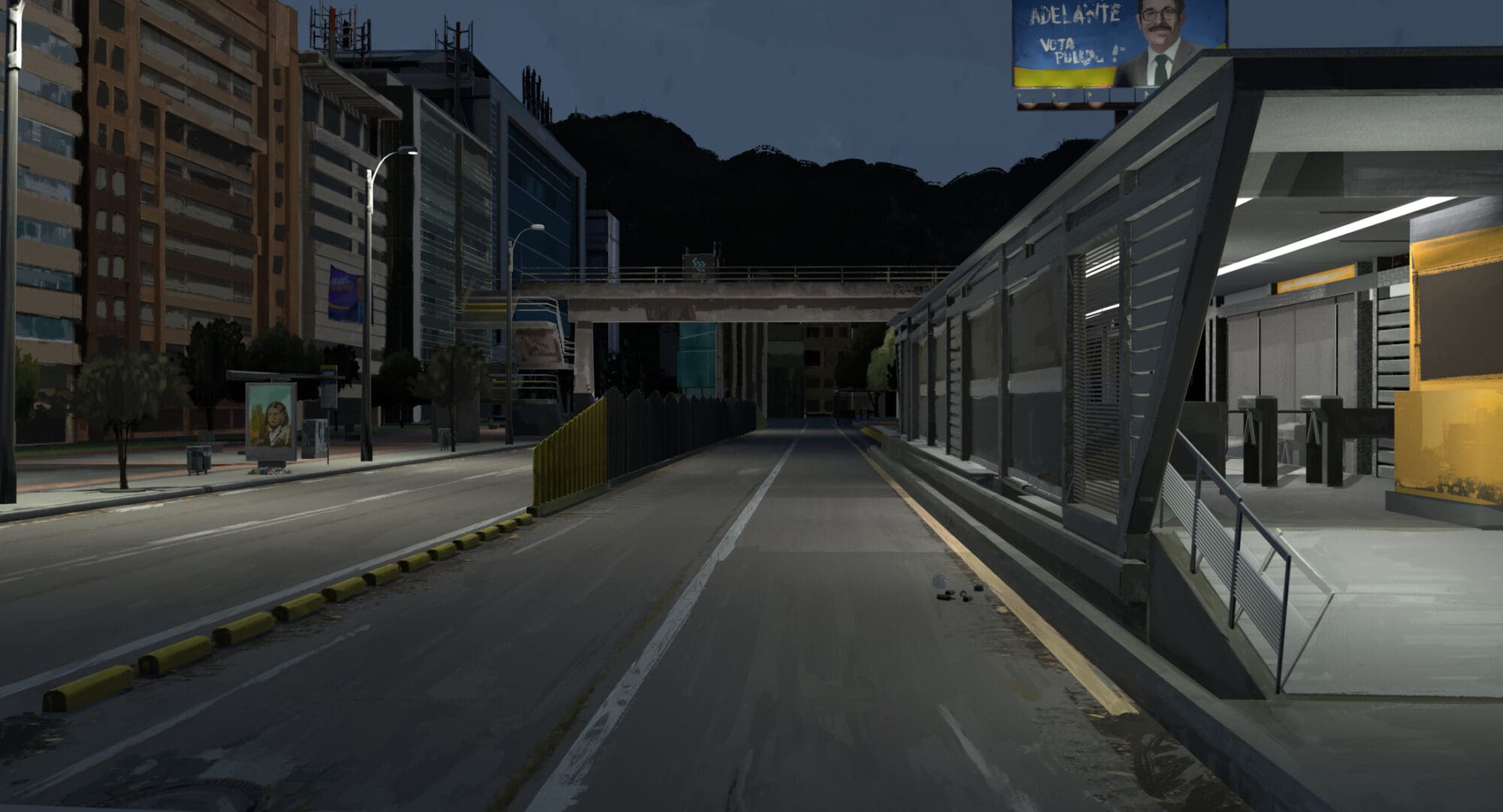
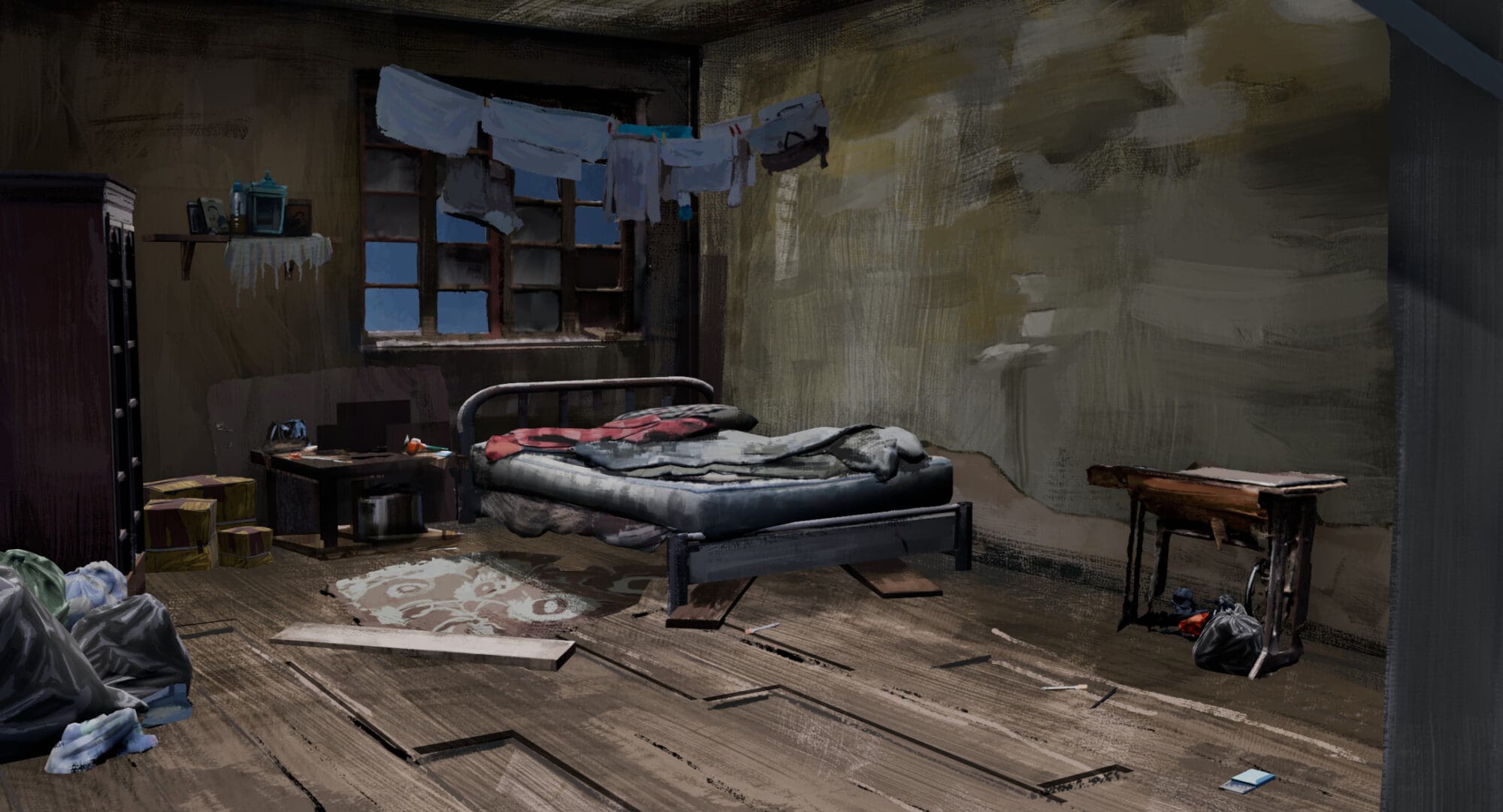
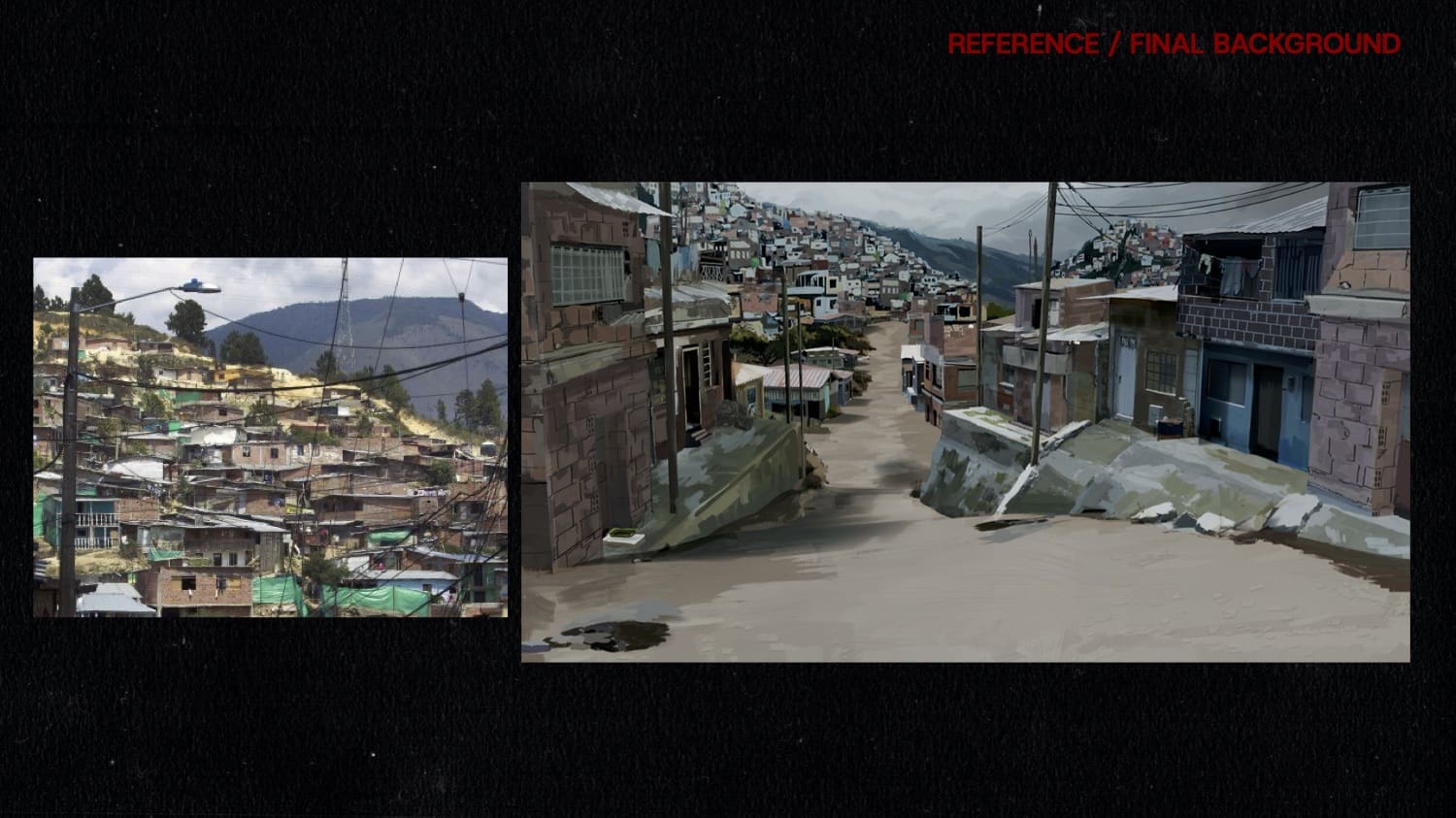
The film is not subtle in its politics, but it presents a reality familiar to people in Colombia and across much of South America. One clip shows a politician promising to clean up the streets and end crime while implicitly promising to eliminate those who have suffered most from the crisis: the titular desechable, or disposable.
When those disposables decide that enough is enough, Desechable teases a third act that explodes into a large-scale apocalyptic epic. Even animated on threes, the film looks stunning, with character animation that combines motion capture, 2D animation, and visual effects. It portrays the characters’ altered perceptions, resulting in a cacophony of lines and rage made manifest.
For Gómez Salamanca, it was important not to lose sight of the film’s emotional throughline. Even as the story’s scope expands, it remains the story of a man consumed by grief, a man who has endured hell.
“The third act was very complicated,” the director said. “But it was worth it to see where this man gets to after experiencing so much, and to see how the city transforms around him.”