.png)
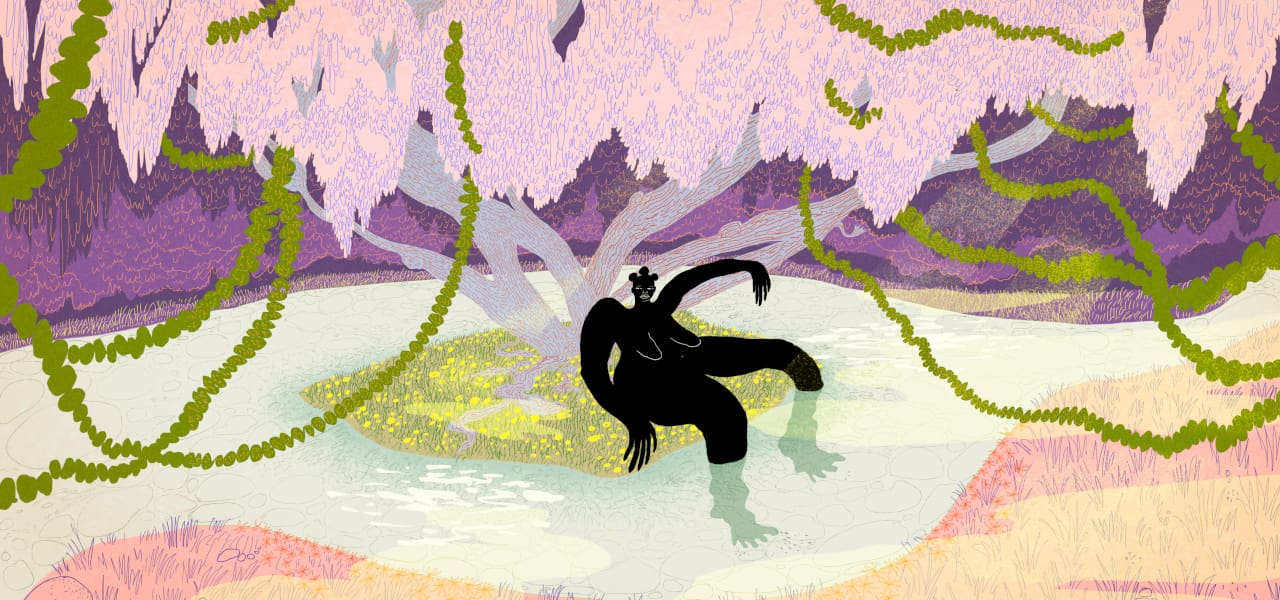
Art Makes Story In ‘Ogresse,’ Miyu’s Upcoming Jazz-Infused, Empowering Fairy Tale
Stay informed with free updates
Sign up to get our news digest — delivered directly to your inbox twice a week.
A captivating musical fairy tale crafted through animation, jazz, embroidery, and illustration, Ogresse is currently being adapted into what is sure to become one of the most talked-about European animated projects in the years to come.
Co-directed by three-time Grammy Award-winning singer-songwriter Cécile McLorin Salvant and Belgian animator-director Lia Bertels (Sweet Night, And Yet We’re Not Super Heroes), Ogresse returned to Annecy three years after its Mifa feature pitch and two years after a memorable Cartoon Movie presentation, where McLorin Salvant left many producers spellbound by performing one of the film’s title songs a cappella on stage.
On Tuesday, Bertels, McLorin Salvant, art director Julien De Man, and head of production Tanguy Olivier captivated the Salle Pierre Lamy with a work-in-progress session for Ogresse, now officially in pre-production.
“I Always Envisioned Ogresse as an Animated Feature”
“It’s a very personal project for me, born out of the terrifying stories my big sister used to tell me at bedtime,” shared McLorin Salvant, who participated in the session from her home in New York. “I’ve been drawing for a long time now, and while I was composing Ogresse, my drawings always helped drive the project forward, keep me connected to the characters, and build the story. From the start, Ogresse was an animated feature in my head. Jazz and U.S. animation both have their origins in the vaudeville shows of the early 20th century and blackface characters. In that sense, I found it even more interesting to put a Black ogresse in the main role. I just needed to find the right person to help bring it to life.”
After spending eight months composing the album, which she later transformed into a live vocal concert experience with jazz artist Darcy James Argue and toured internationally, McLorin Salvant set out to find the right partners with the help of Kinology executive producer John Carlin.
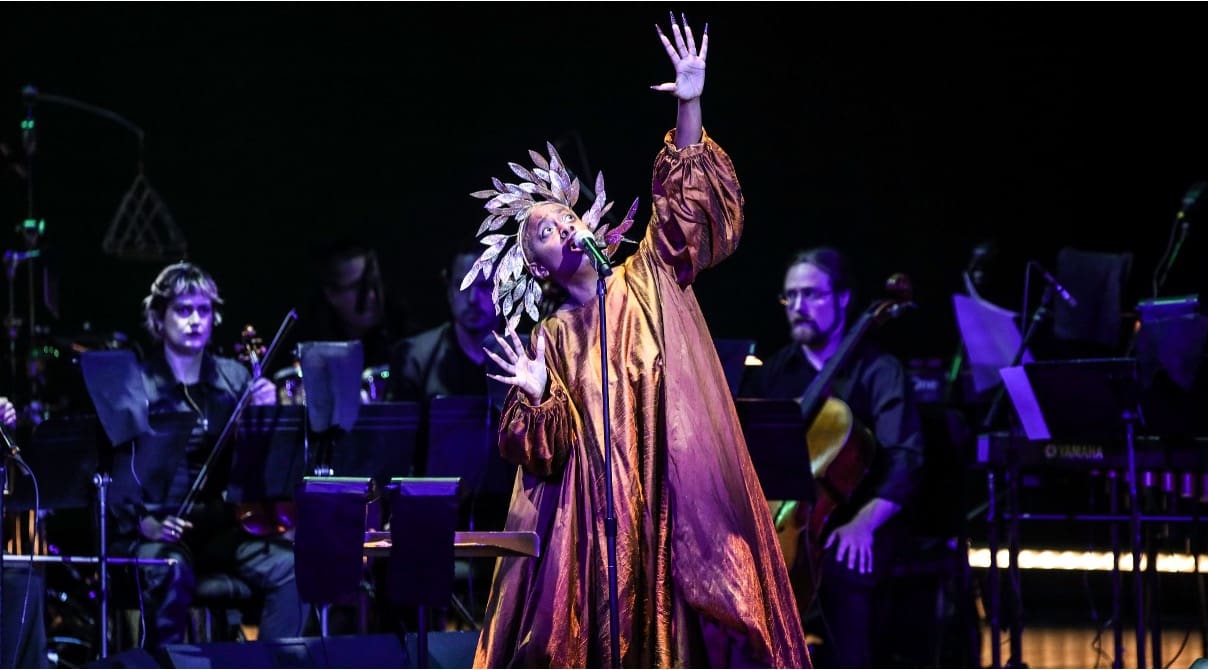
After countless pitches, she connected with Bertels, whom she discovered through Instagram, and the two immediately clicked.
“From the start, we had a very fluid and open collaboration,” Bertels said. “I was touched by Cécile’s approach to this fairy tale, but I also connected with its eco-conscious, female-driven narrative on a personal level. We exchanged drawings, and we both loved the idea of co-directing the film.”
Shaping an Artistic Direction
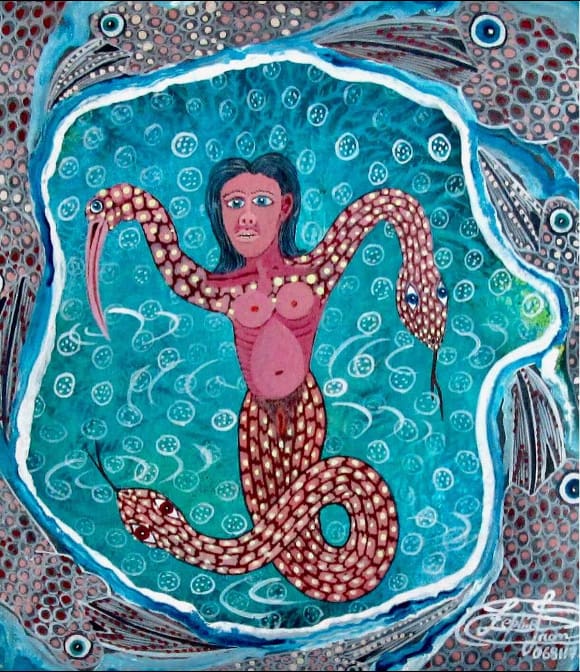
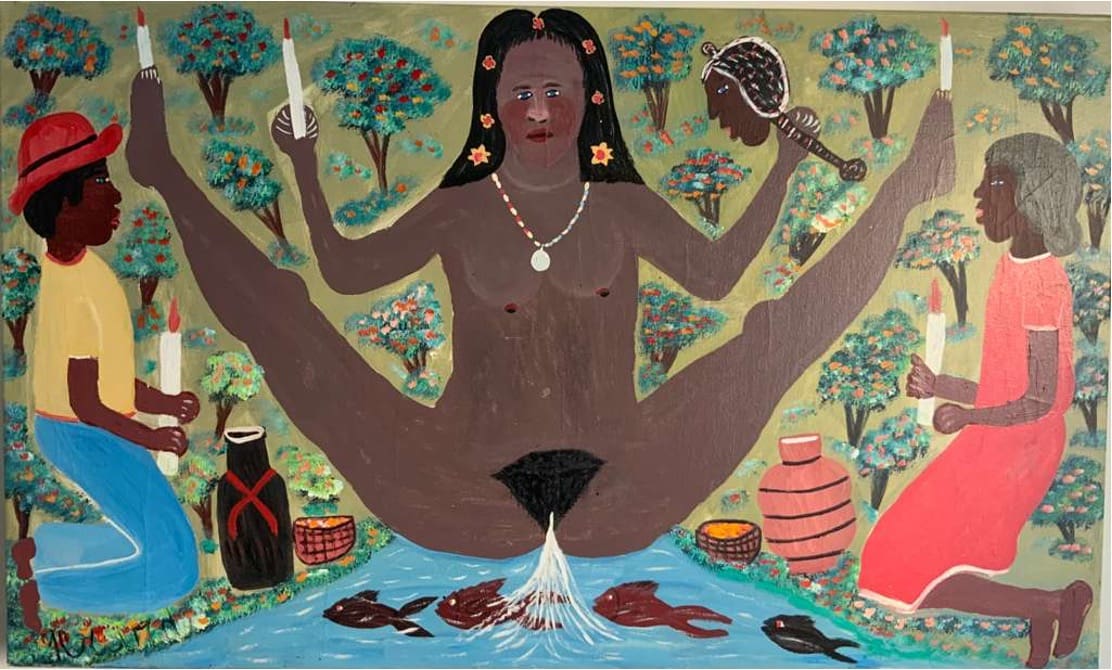
Drawing on her Haitian, American, and French heritage, McLorin Salvant blended influences from multiple artists, paying particular homage to Haitian painters Gérard Fortuné, Frantz Zéphirin, and Myrlande Constant.
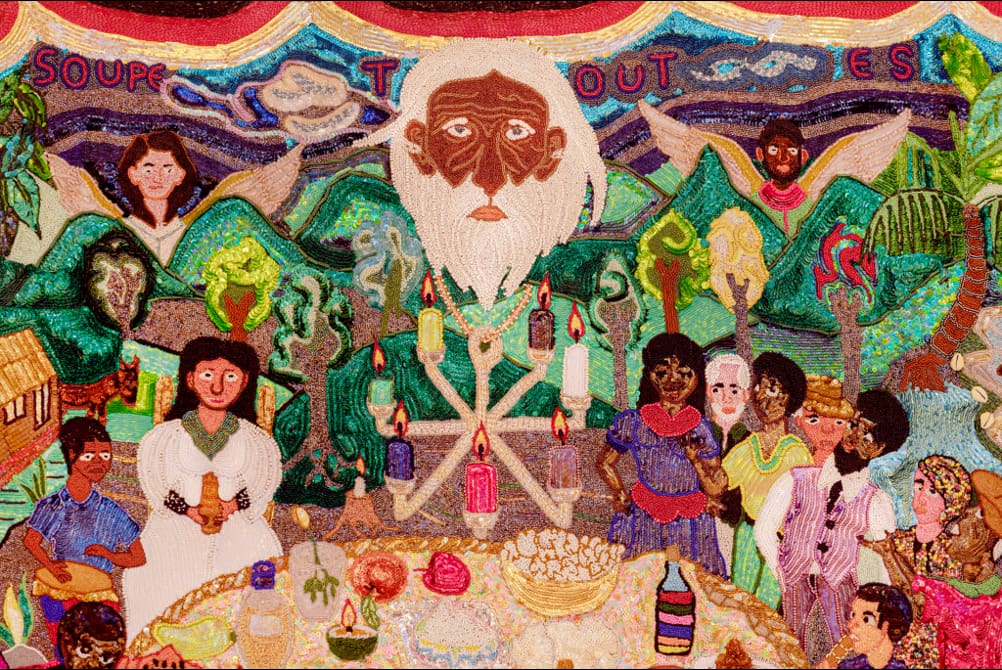
“Constant also creates cloth flags with intricate beadwork and ribbons. Zéphirin crafts very elaborate frames, and Fortuné created the painting that was, to me, the true Ogresse for a long time.”
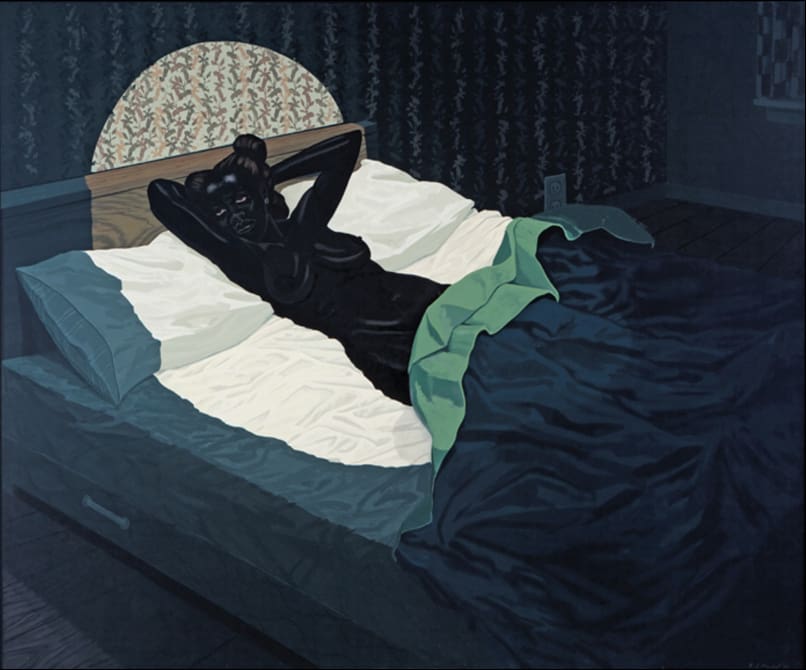
For the character designs, especially the film’s lead, the directing duo drew inspiration from the paintings of Kerry James Marshall, whose distinctive cut-out Black figures matched the look and presence they wanted to achieve.
“We have plenty of inspirations, but we don’t want to underline them too much in the film,” Bertels said. “All of these painters and artists carried us and helped us establish the tone of this musical fairy tale.”
During this research phase, the duo was still searching for producers. Bertels suggested Miyu, and her first pitch, coincidentally during Annecy in 2019, generated immediate interest from Miyu founder Emmanuel-Alain Raynal. Covid paused those discussions, but Bertels, McLorin Salvant, and Carlin reconnected with Raynal in 2022, and the partnership came together.
“What helped us a lot was that Cécile and Lia had already worked together for a long time. They already had a script, an animatic, and backing from several private foundations in the U.S.,” recalled De Man. “The project gained traction through both the Mifa pitch, where we received the Ciclic Award, and the Cartoon Movie presentation. That helped us refine the animatic, the script, and the film’s visual direction.”
Art Makes Story
Beyond its 2D animation, Ogresse will also feature a stop-motion sequence inspired by Haitian beadwork and Vodou flags. McLorin Salvant, who practices this style of embroidery herself, wanted to bring that unique texture into the film.
“Initially, there were a lot more stop-motion sequences,” she said while answering audience questions. “But it ultimately felt more coherent to shorten them and connect them to the inner world of our characters.”
The sequence, Bertels explained, depicts the inner world of the male character trying to seduce Ogresse.
“This specific sequence has been deeply inspired by embroidery artist Liza Lou and Joy Denise Scott, and it’s also a tribute to this artistic tradition.”
From Defining to Refining
Returning to the film’s visual development, Bertels detailed the character designs, which combine lush 2D animation with a naïve artistic style.
“We made them quite simple to animate,” she said, “so we could have fun and experiment. Our designs are fairly simple, but we still really enjoyed figuring out their shoes, hairstyles, and all those details. Their simplicity is actually a strength because it gives us a great deal of freedom in the animation process, allowing us to add depth through subtle movement.”
Building the film’s color script was equally important.
In this vibrant world, colors evolve with the seasons, and the richly detailed backgrounds contrast with the film’s Black protagonist.
“Colors are also deeply connected to the story, with different color chapters setting the film’s rhythm, from the opening all the way to the climax, where color almost disappears before gradually returning as the story unfolds.”
De Man, whose recent credits include The Red Turtle, Blind Willow, Sleeping Woman, and Ghost Cat Anzu, joined the project to bring those influences together into a cohesive visual language.
“It has been an amazing experience,” he said. “Cécile and Lia are full of ideas and enthusiasm, and I had an incredible amount of material to work with. My job was essentially to bring everything together. We created a gigantic board where everything could be organized so we could see the film as a whole in terms of color, space, sets, and more. During visual development, it was important for all of us to preserve the freshness and humor of the drawings while asking ourselves how we could elevate them to a truly cinematic level.”
Following that same philosophy, De Man also helped enrich the background designs with additional natural elements, flowers, lighting, and meticulously rendered details that further distinguish the film’s unique fairy tale world.
What’s Next?
“We’re in the final stages of pre-production, with production based in Brussels, where Lia is also based,” explained Olivier. “Our main challenge now is setting up this Belgian, Swiss, Canadian, and French pipeline and determining how to distribute the work while preserving the essence of this unique project. We’re thrilled to have wonderful co-production partners on board: Embuscade Films from Canada, with whom we made Death Does Not Exist; Claude Barras’ Helium Films from Switzerland; and Umedia in Belgium. Together, we hope to bring this remarkable project to life, one that may well redefine the boundaries of animation.”
With Miyu studios in Paris and Angoulême, the five-way co-production is preparing to move into full production. KMBO is already on board as the French distributor, Kinology is handling international sales, and Ogresse also benefits from national and regional French support. It is a film well worth following over the next few years and a likely future Annecy standout.