.png)
‘Wildwood’ Director Travis Knight In Annecy: Making Stop-Motion Today ‘Feels Like A Quiet Act Of Rebellion’
Stay informed with free updates
Sign up to get our news digest — delivered directly to your inbox twice a week.
Director and Laika president Travis Knight made his Annecy debut on Thursday, although his studio’s films have been part of the festival for a long time now, where he was also honored with a place on the festival’s Wall of Fame, before pulling back the curtain on Wildwood, the studio’s long-awaited adaptation of Colin Meloy and Carson Ellis’s fantasy novel.
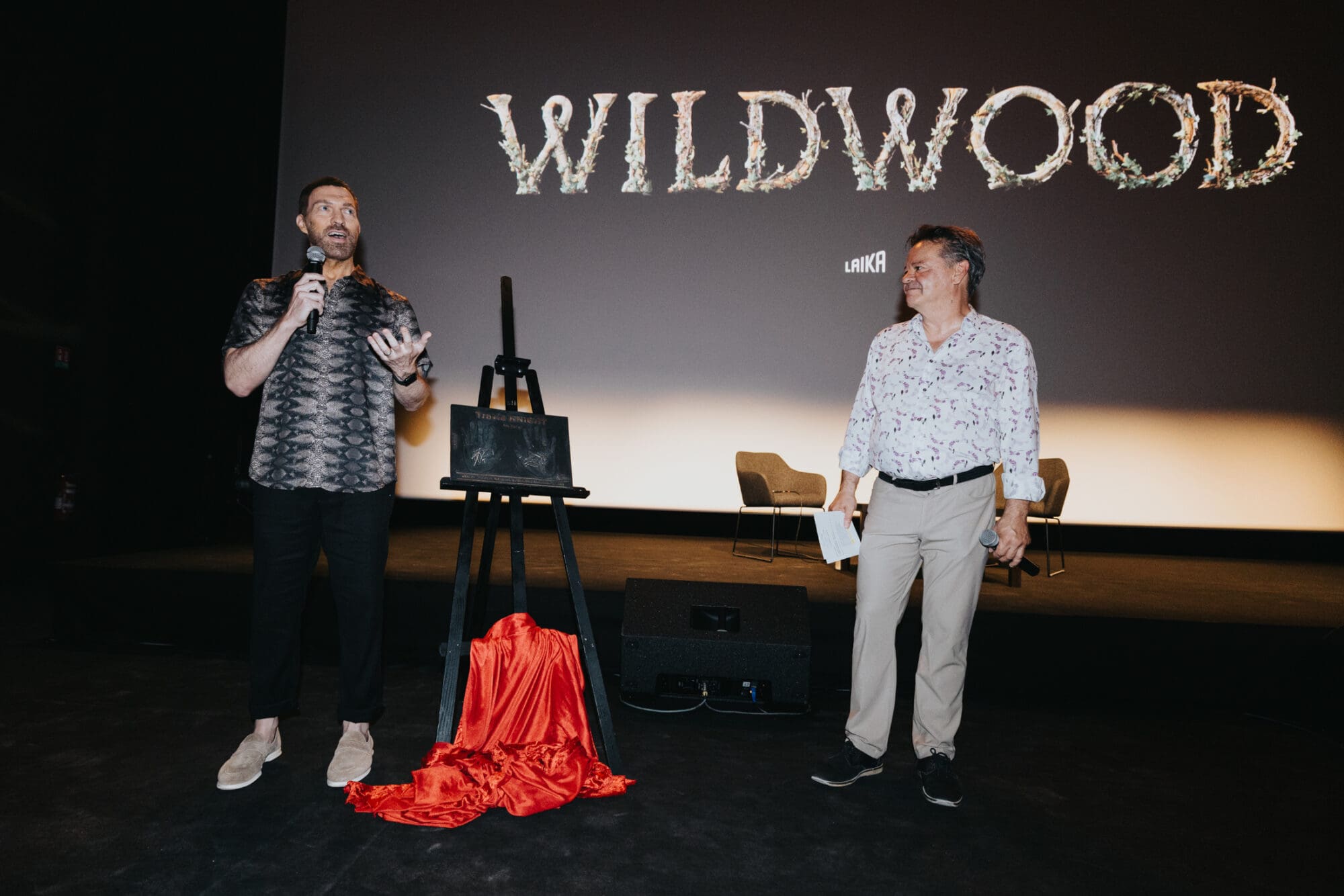
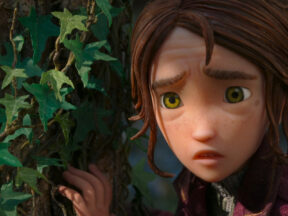
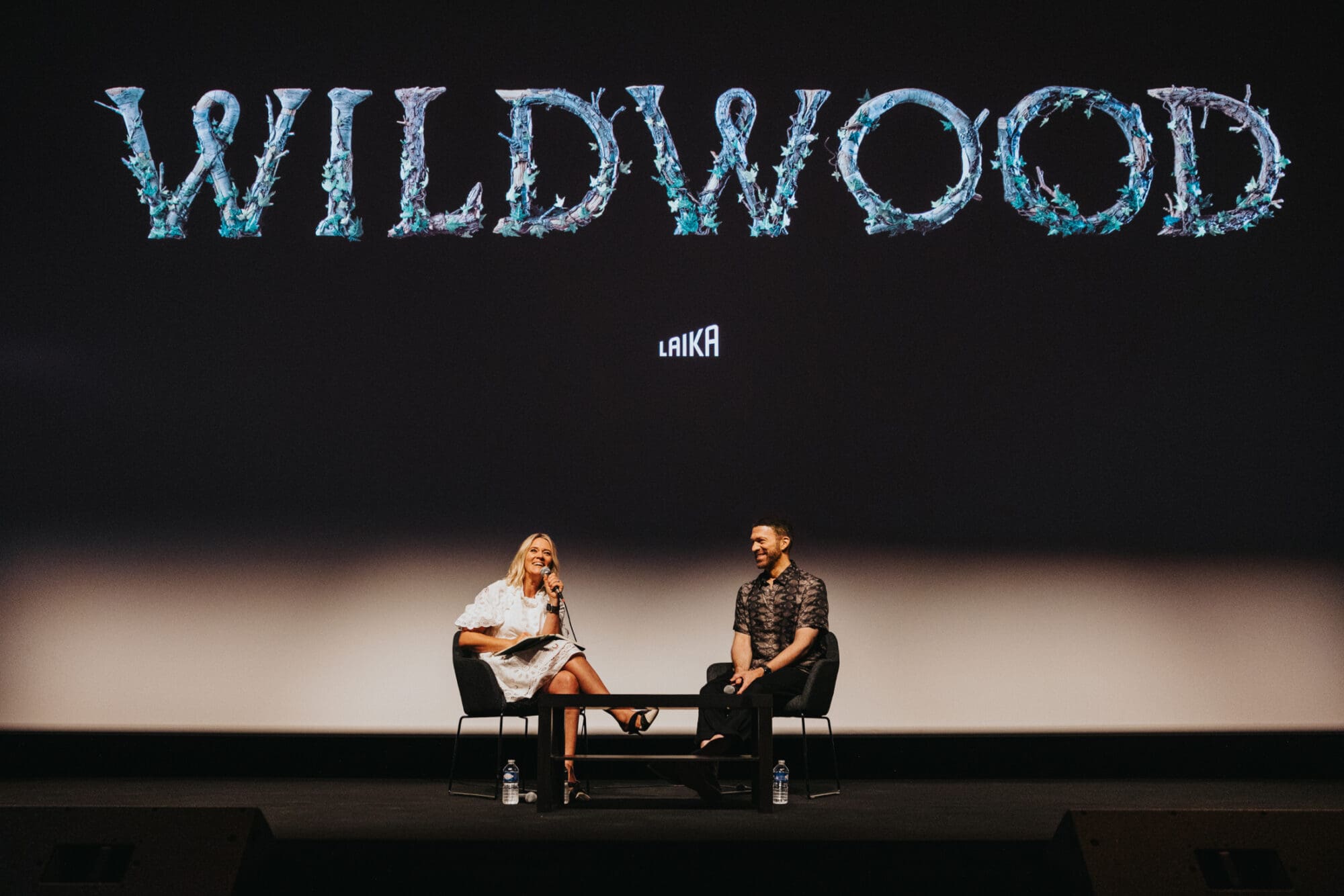
The presentation mixed an extended conversation with Knight and several substantial clips from the film, offering the clearest look yet at what is easily Laika’s most ambitious production to date.
The journey to the screen has been almost comically long.
Knight explained that he first approached Meloy about adapting Wildwood shortly after Coraline was released.
“I remember my conversation with Colin when we were talking about adapting the movie, and he said with a chuckle, ‘Look, I just have one request, that please, let’s not have the movie come out before the books.'”
“And that was 16 years ago.” The room ate it up.
“I said, ‘Colin, you don’t need to worry about that, buddy. Stop motion is filmmaking at the pace of a glacier. It’s like continental drift. It’s so slow.'”
Laika’s Biggest World
That lengthy production wasn’t simply a consequence of stop-motion’s famously deliberate pace. According to Knight, Laika spent years building the technical capabilities necessary to make the film they envisioned.
“Wildwood is by far the biggest and most ambitious thing we’ve ever done,” he said. “The reason it took so long for us to make this movie is because I was essentially waiting until our shop had developed the tools, the techniques, the tricks that we could actually pull off a movie at this scale.”
After Coraline, ParaNorman, The Boxtrolls, Kubo and the Two Strings, and Missing Link, Knight finally felt the studio was ready.
“I was like, ‘Okay, let’s do this.’ And the universe said, ‘Ha. Good luck, buddy. You are going to suffer beautifully for this choice.'”
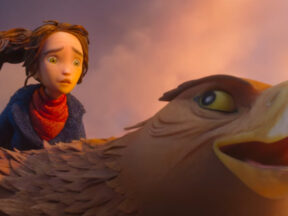
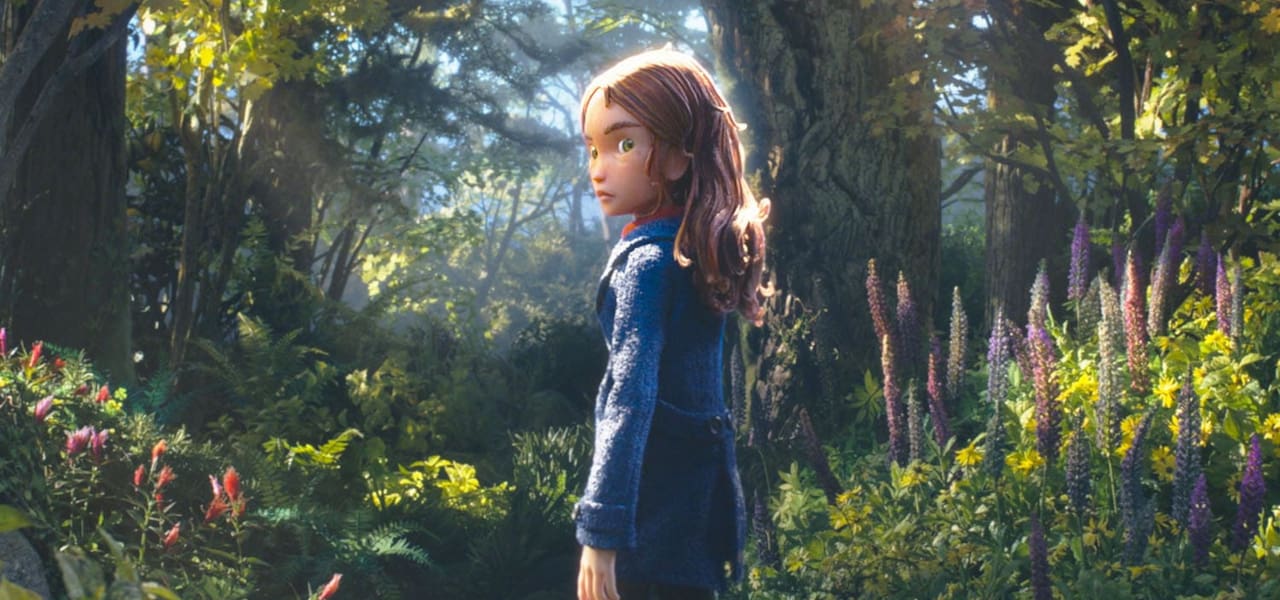
The footage shown justified that description. One sequence followed protagonist Prue racing through Portland’s St. Johns neighborhood before entering the magical wilderness. Another showcased a soaring flight across the forests of Wildwood atop a giant eagle, a sequence that transforms from a peaceful aerial tour into a sprawling action scene with armed coyotes and angry crows.
“Birds are really hard to animate,” Knight said. “Every single frame the animator has to move the feathers, the hair, the cloth. Every single frame. It’s insane.”
The Script
Knight walked the audience through Laika’s production pipeline, pointing out that everything begins with getting the screenplay right in its, almost, entirety before a single puppet is designed.
“It starts with the script,” he said. “We don’t really do any meaningful design work until we have a script that we feel good about. Then that progresses into designing the characters, designing the world, and then we storyboard the entire thing out.”
The sprawling chase sequence shown during the presentation, he noted, was storyboarded by a single artist before eventually becoming a blend of handcrafted stop-motion, practical effects, and digital work.
“We do use computers, obviously. I mean, we’re not Amish.” He said, pointing out that while the films are stop-motion through and through, Laika has always embraced technology as a creative tool rather than treating it as an enemy.
“The theory that we had was essentially, what if we took those things and blended them together?”
Knight acknowledged that today’s generative AI landscape is rapidly changing filmmaking.
“You can create entire worlds with the click of a mouse, or you can generate video with just a prompt. In that way, the act of making a stop-motion film kind of feels like a quiet act of rebellion.”
That’s partly, he believes, one reason that audiences increasingly respond to obvious human craftsmanship in the arts today.
“It feels like you’re seeing the hands of the artists at work, which I think is more special now than it’s ever been.”
Unusual Talents
Knight also offered a glimpse inside Laika itself, describing a studio filled with specialists from wildly different backgrounds.
“We have people who essentially were watchmakers or jewelry makers or worked in ceramics,” he said. “People who are really great with their hands.”
Working alongside them are engineers developing the entirely new technologies that the director was discussing earlier.
“And then at the same time, we also have people who are essentially inventing technologies, like big throbbing NASA brains.”
That unlikely combination has become one of the studio’s defining strengths.
“It’s that combination of different disciplines, and it really creates interesting and fertile ground for creativity, for innovation.”
Despite all those technological advances, Knight reminded the audience that stop-motion’s basic process remains remarkably unchanged.
“You have an object, you move it a little bit, you take a picture, and you repeat it over and over again until the film is done or society collapses.”
An Emotional Core
As visually ambitious as Wildwood is, Knight repeatedly returned to emotion as the guiding principle behind every creative decision.
“The most important thing to crack is… the emotional center of the movie. It’s the heart of the movie.”
He said the films that stayed with him as a child were those that made him feel something.
“When we have that, then no matter all the twists and turns in the process of making a movie… you have a gravitational center.”
That foundation became especially important on a production that stretched across so many years.
“You have to constantly remind yourself what’s special about it. Why did you want to do this to begin with? You have to sincerely love it.”
Based on the footage shown in Annecy, Wildwood appears to be pushing Laika into new territory without abandoning the tactile craftsmanship that has defined the studio since Coraline. Whether it’s a citywide chase, an eagle soaring above an endless fantasy landscape, or thousands of individually animated feathers, Knight’s presentation made one thing abundantly clear.
Sixteen years after promising Colin Meloy the film wouldn’t beat the books to market, Laika is finally ready to show audiences why it took so long and why, hopefully, all the blood, sweat, and tears were worth it.