
This Egyptian Studio Built A Handmade Superhero World With ‘Captain Shedeed,’ Leaning While Crafting
Stay informed with free updates
Sign up to get our news digest — delivered directly to your inbox twice a week.
For Ramy El Gabry, creator and director of Captain Shedeed, finding locally available rigging material that could withstand the rigors of stop-motion animation was one of the foundational challenges in developing his lead puppet. With more than 100 characters in the series, imported metal armatures were out of the budget. Skeletons made from hardware store wire kept breaking.
“After many experiments, the most durable option we found was wire inside a locally available electrical cable,” El Gabry tells Cartoon Brew. “Something so ordinary became essential to bringing these characters to life.”
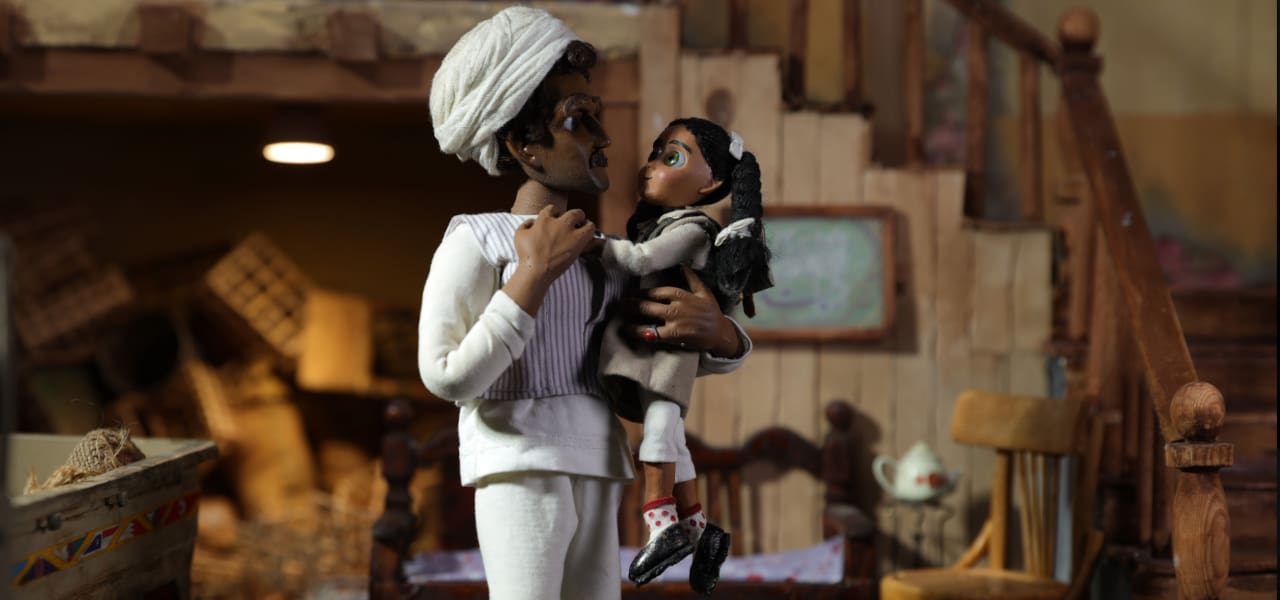
Produced by Cairo’s Divine Touch Productions, the Arabic-language family superhero series combines stop-motion, 2D animation, and live action footage. Its hero is a vegetable seller and father who sets out to protect his daughter and other children from a dangerous virus.
The first season’s 30 episodes, around 13 minutes each, premiered on Shahid during Ramadan 2026. With a second season in preparation, El Gabry is taking the project to MIA’s 2026 Animation Series Gap Financing Market in Rome to court international partners who may be keen on bringing the show into other markets.
Stoic Faces
The puppets’ construction shaped their performance. A heavy polyester-resin head atop a foam body made balance difficult, while a broken skeleton could require a lengthy rebuild.
“The hardest part was building a puppet that could survive the physical demands of animation and carry the emotional weight of the story, using the materials we could find in Egypt,” says El Gabry.
His team gradually moved Shedeed’s design toward greater realism to support that emotional register. They also made the consequential decision to give their puppets faces that didn’t change expression, a feature they estimated would multiply shooting time three- or fourfold. It required some thoughtful considerations when it came to editing the episodes.
“Instead, I drew on what I had learned through editing — how the same face can suggest different emotions depending on the shots around it,” he explains. “I would hold a close-up long enough for the audience to bring their own understanding and empathy to that face.”
“I was genuinely afraid that this approach might not sustain an entire drama. Seeing it work was one of the most rewarding discoveries of the production.”
Learning On Set
Producing the series also meant training its animators. A dedicated shooting unit gave students and recent graduates space to practice, with assignments divided by difficulty. The studio trained around 20 to 30 animators; roughly 12 became its dependable core.
“At our studio, we believe the best way to learn to swim is to jump into the water,” says El Gabry. “We wanted to give newcomers a real chance to try, make mistakes, and grow.”
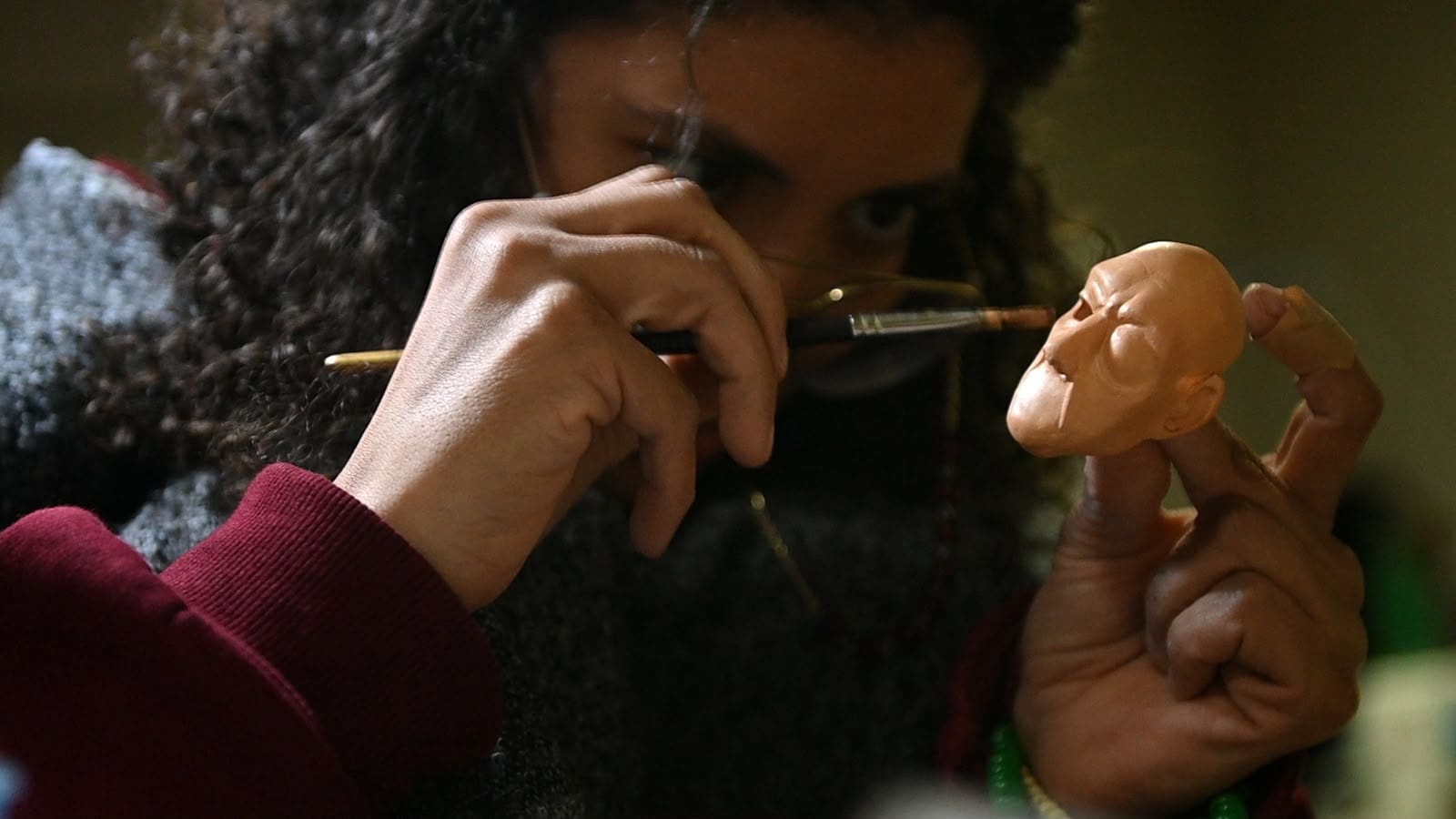
Around 90% of the animators were women, many from rural Egypt. The studio arranged nearby accommodation, and the production became a shared daily routine.
“Somewhere along the way, we became a family, living through the same worries and finding solutions together, day after day.”
Growing With The Audience
With three years of filming behind them, El Gabry and his team are preparing a second season that shifts its focus from food and nutrition to education. While the first season’s villain targeted children through what they ate, the next will explore contemporary education and the growing distance between generations.
“We are hungry to put everything we have learned into practice and bring that experience to both the animation and the storytelling,” he says.
That ambition extends to the subjects the series tackles. “We want to go deeper. Our audience is growing up and becoming more aware, and the stories need to grow with them.”
Do It For Her
Discussing what makes Shedeed’s world recognizably Egyptian, El Gabry points to family intimacies such as shared worries, responsibilities, and affection. He drew on his experiences as a father, son, and grandson.
“Some of my own family experiences have left me with things I want to tell my daughter, but do not always know how to say directly,” he says. “Sometimes, the drama I create feels like the best way to reach her — to express through a story what I struggle to say in person.”
“I hope that, long after I am gone, those stories will still be there for her. Whenever she wants to hear what her father had to say, she can return to them and find something of me waiting for her.”