.png)
‘Star Wars: Visions’ Director Shinya Ohira On Animating A Stormtrooper’s Psychological Collapse In ‘Black’ (EXCLUSIVE BTS)
Stay informed with free updates
Sign up to get our news digest — delivered directly to your inbox twice a week.
Most Star Wars battles are designed to show viewers what is happening to the combatants in the physical world and what they are fighting for. They often play out like propaganda reels for the Empire or the Rebellion. “BLACK” does almost the exact opposite.
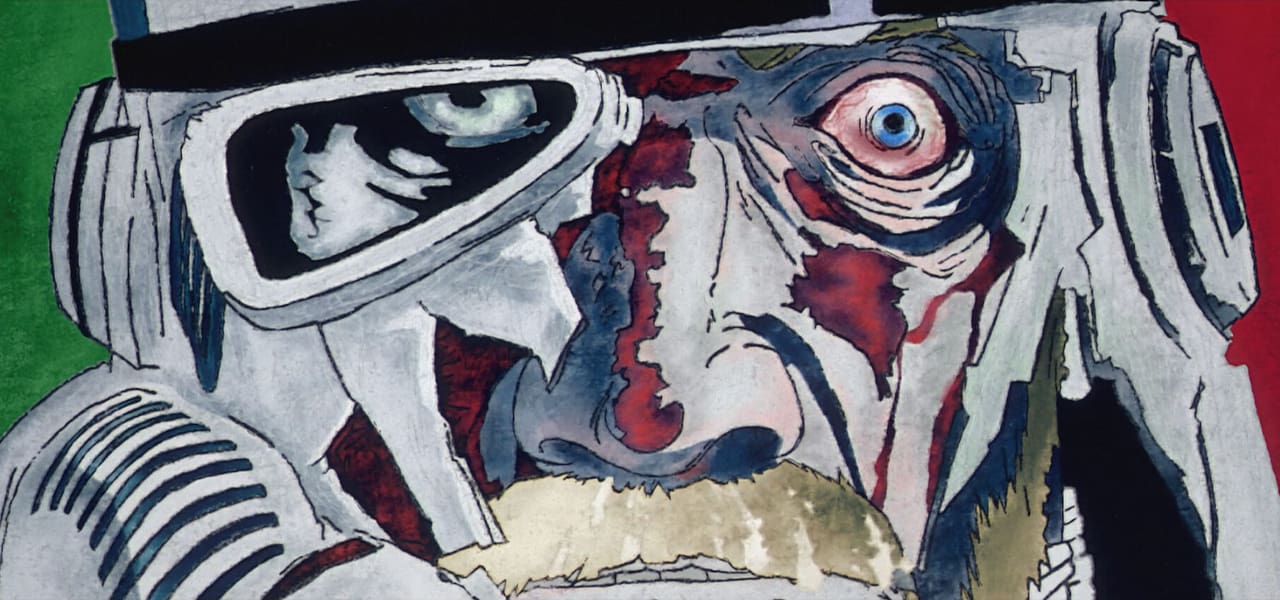
The Emmy-nominated Star Wars: Visions Volume 3 short traps the audience inside the fractured, deteriorating consciousness of an Imperial stormtrooper as the Death Star is destroyed around him, blending combat, memory, guilt, and death into a feverish stream of often disorienting images. The episode’s storytelling is so impressive that it was selected for the main shorts competition at Annecy, where it was included in the festival’s opening-night screening of five shorts. I also picked it as one of Variety’s 10 Shorts Not to Miss that year.
Written and directed by veteran animator Shinya Ohira (Akira, Spirited Away, Kill Bill: Vol. 1) and produced by david production, the dialogue-free short is less concerned with explaining its protagonist than with making viewers experience his exhaustion and psychological collapse. Figures stretch and dissolve, past and present bleed together, and Sakura Fujiwara’s buoyant jazz creates a deliberate dissonance with the violence onscreen.
As strong as the final result proved to be, the film’s constantly shifting point of view created a considerable production challenge. In conventional 2D animation, a compositing camera can move across a static background or manipulate separate elements to suggest depth. In much of “BLACK,” however, the stormtrooper effectively is the camera thanks to an abundance of PoV shots. As he moves through three-dimensional spaces, the perspective of nearly every character, object, and background element changes around him. Rather than relying on pans, slides, rotations, or extensive CG, the team redrew those elements frame to frame in full animation, a traditional technique in which a new drawing is created for every frame.
The Lucasfilm team put together an exclusive side-by-side video showing a sequence from the short’s animatic next to the final animation.
Ohira divided the nine-scene film among different animators, allowing each to build a sequence in an interpretation of his famously loose, expressive style that matches perfectly with the freeform jazz accompaniment. The crew was assembled organically, with Ohira seeking artists whose work caught his attention on X, and producer Jacob Ayres contacting them about participating. The resulting group included animators from China, the U.K., France, Germany, Austria, Australia, Poland, and the Philippines, along with young artists who had not yet made their official industry debuts. Some students handled complete scenes; one was brought back after finishing his own sequence to help other animators complete theirs.
Cartoon Brew spoke with Ohira about making violence recognizable without relying on gore, choreographing images to Fujiwara’s score, and using full animation to turn a familiar Star Wars event into an intensely subjective experience. His answers have been translated from Japanese and lightly edited for clarity.
Cartoon Brew: The animation in “BLACK” is unusually loose, improvised, and impressionistic for Star Wars. How did you decide which visual elements needed to remain recognizable and which could be distorted or abstracted to reflect the character’s psychological state?
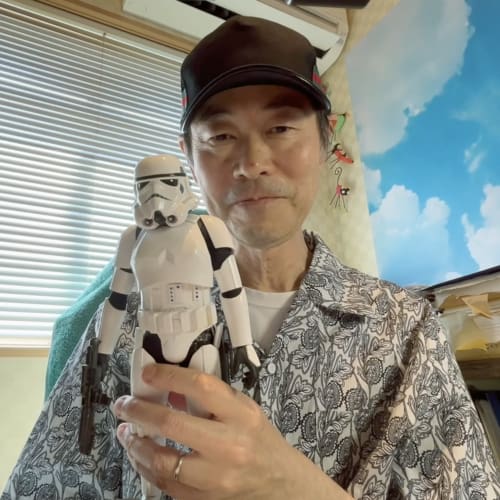
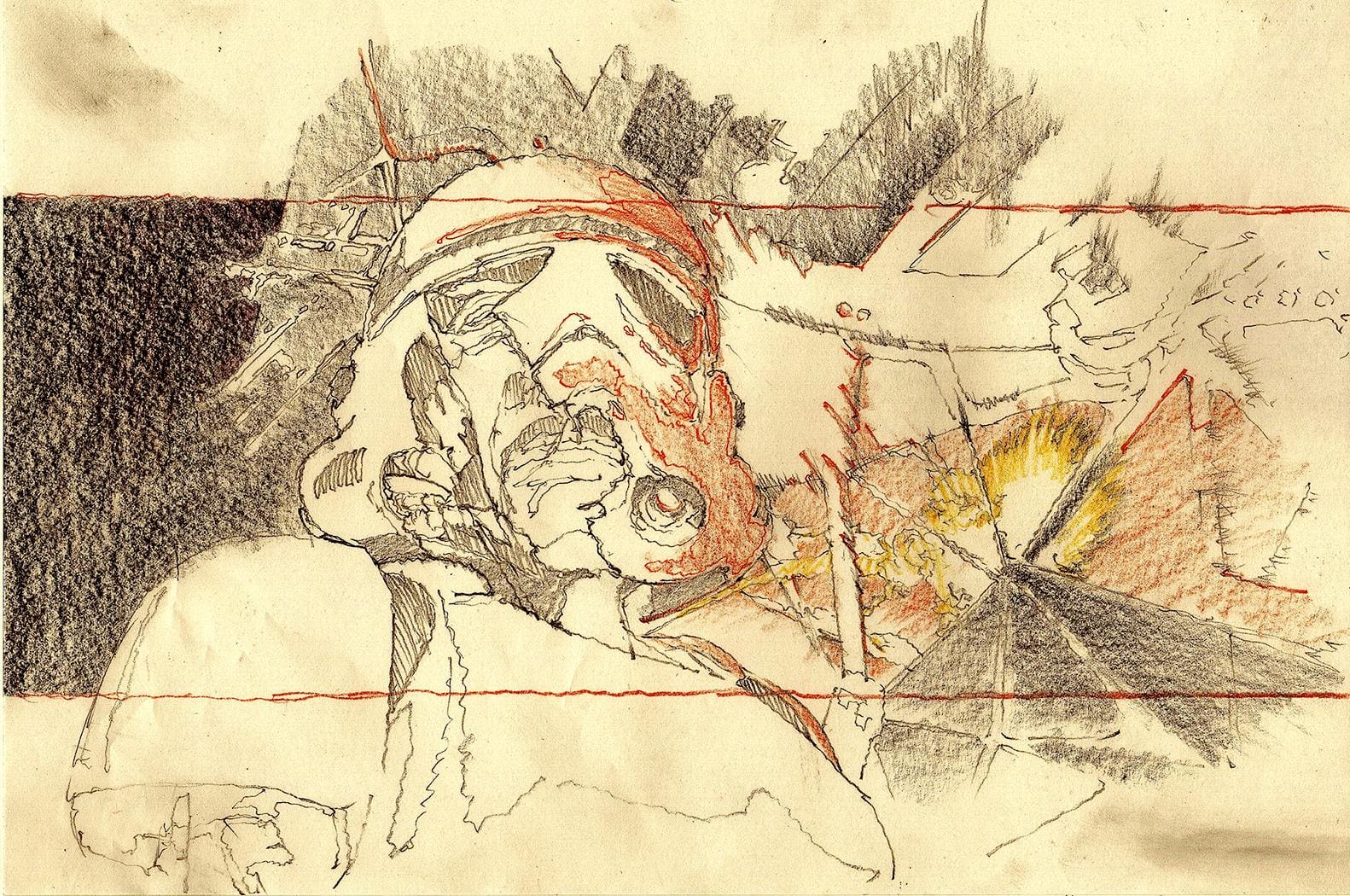
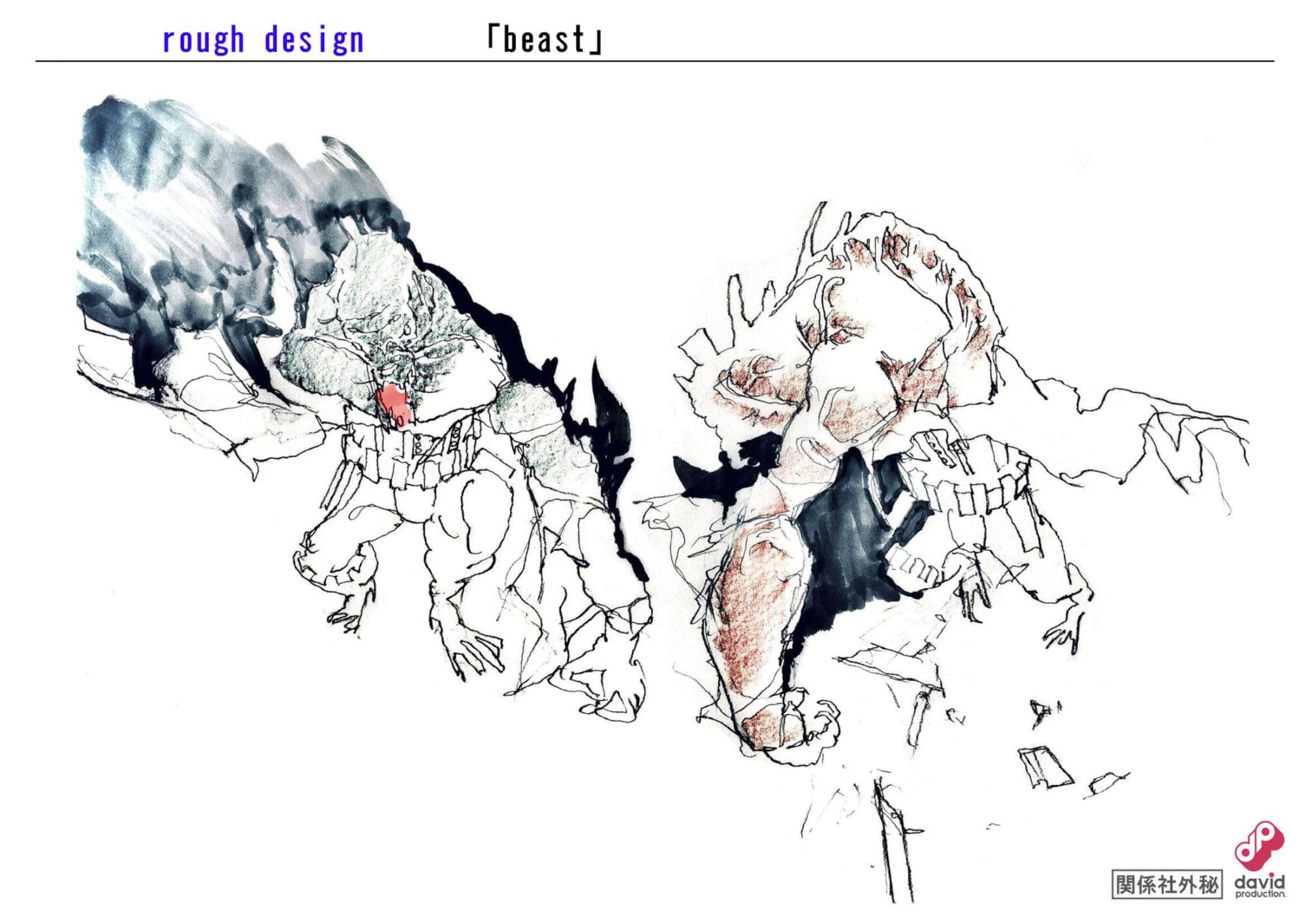
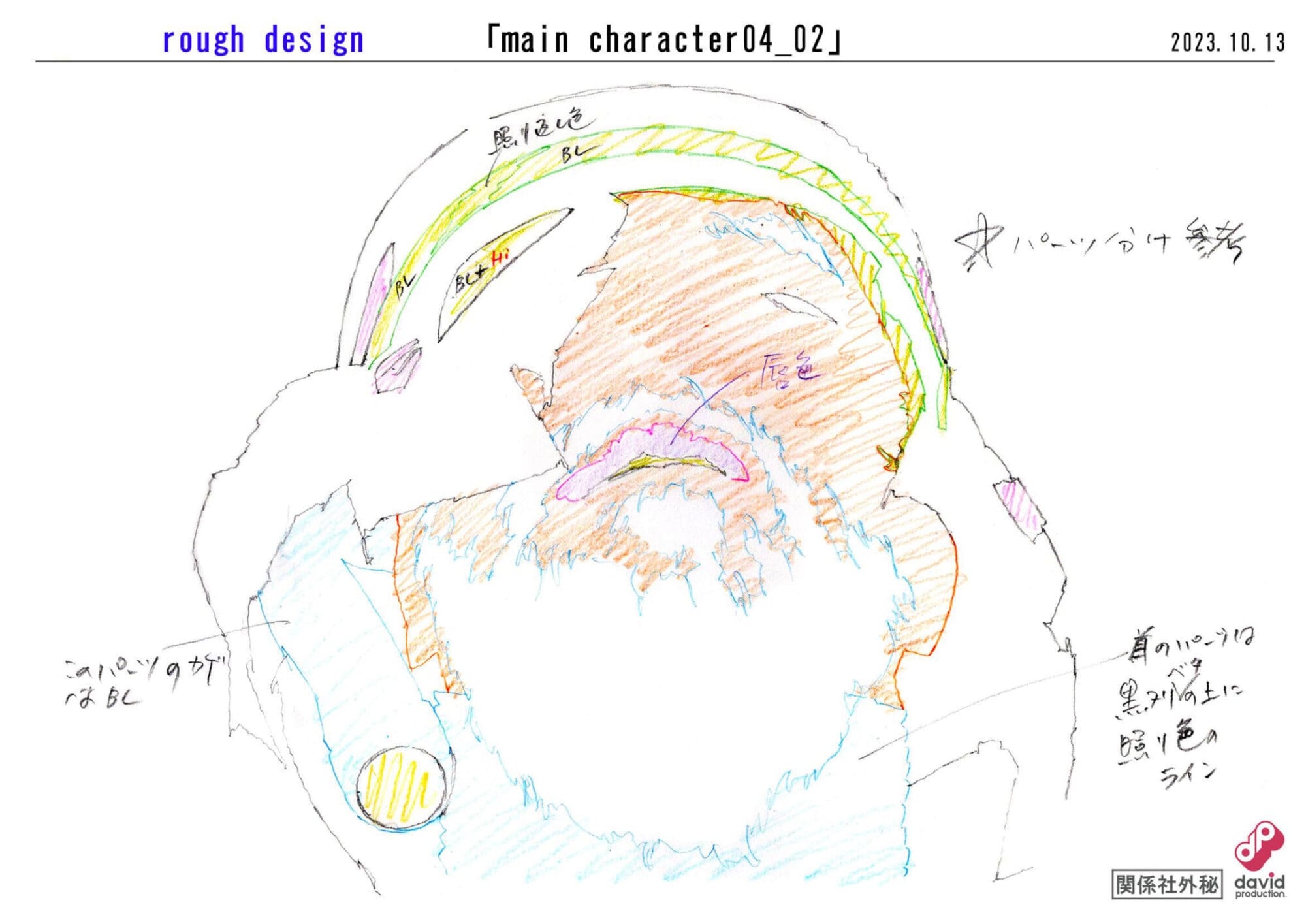
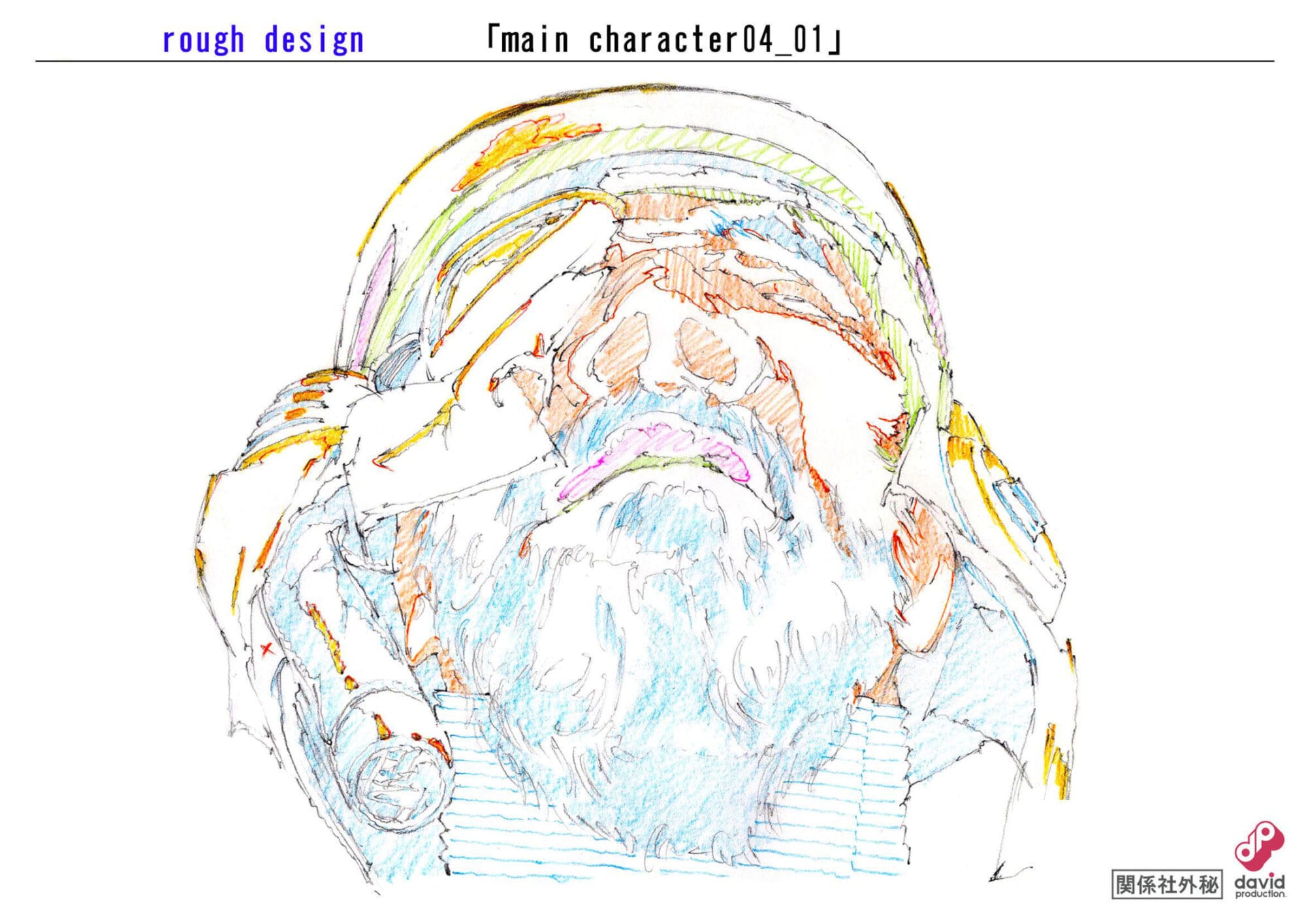
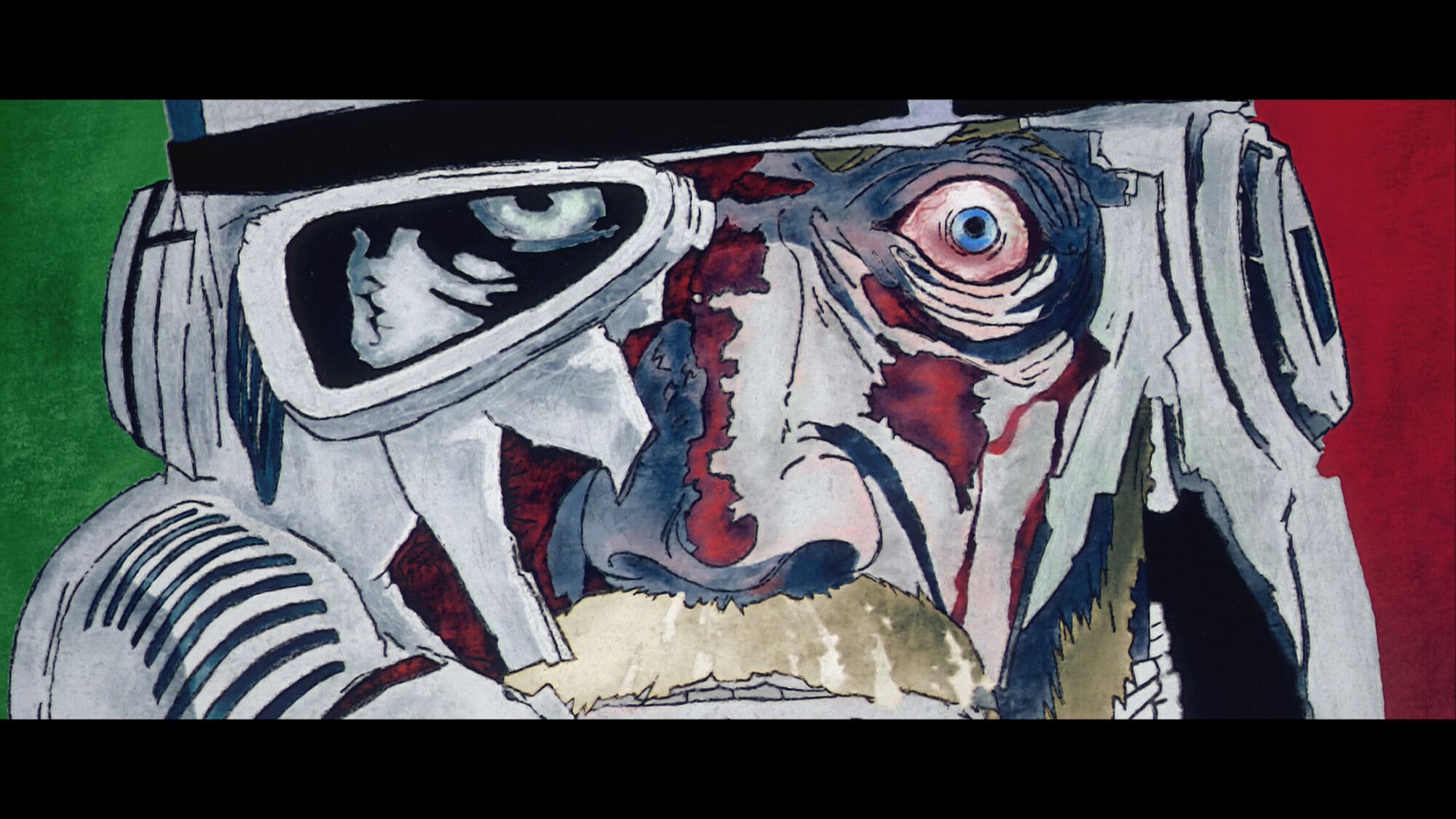
Shinya Ohira: Most of the visuals depict scenes exactly as the protagonist sees them with the naked eye. The story was built around realistic, modern-day combat imagery, encompassing everything from the visceral battles the protagonist endures and the quieter days between them to the screams of his comrades. However, the Star Wars universe imposes certain visual constraints, so there are no depictions of excessive bloodshed or gruesome gore, such as mangled flesh. Instead, we conveyed realism by emphasizing the physical toll on the protagonist, including the damage to his mask during combat and the loss of his dominant arm.
The short’s upbeat, frenzied jazz score creates a striking tension with the violence and trauma onscreen, which is dark even by Star Wars standards. How closely did you develop the animation around the music, and how did rhythm influence the timing, cutting, and movement?
The music begins with a simple, repetitive rhythm, then transitions into an uptempo swing jazz track midway through. We enlisted singer-songwriter Sakura Fujiwara almost as soon as production began. We shared our vision for each scene, and she generously provided a rich array of instrumental performances, as well as humming and live vocals. By adjusting the rhythm and music to match the animatic, which included layout shots, during the middle of production, we were able to create a musical arrangement with even greater impact.
“BLACK” transforms the destruction of the Death Star into something more subjective rather than spectacular. What techniques did you use to make that iconic cinematic event feel like an internal experience rather than a conventional battle sequence?
By adopting a subjective point of view for almost the entire film, we undertook the task of full animation, meaning everything onscreen is in motion. As a result, transitions between scenes and locations unfold seamlessly, without a single cut, reflecting the protagonist’s actual vision or mental imagery. I feel that this approach allowed us to create visuals reminiscent of the phenomenon of one’s life flashing before one’s eyes.
Additional information from david production:
The “subjective point of view” here is referring to POV shots of the main character. In the name of efficiency—the camera (something which only really exists in the compositing phase) normally tracks movement across a single background drawn and distorted to give the illusion of movement. Other, otherwise stationary, elements on the screen are manipulated by the compositing team in different ways to create a richer sense of depth and perspective. For a large portion of “BLACK,” however, the ever-moving main character *is* the camera, and his complicated movements through three dimensional spaces mean a constant change in perspective relative to every object in the scene. This is extremely difficult to recreate using compositing camera techniques or without using CGI. As a result, characters, objects, and background elements were animated using “full animation” (redrawn from frame to frame), rather than using techniques (pan, slide, rotation etc. of otherwise stationary elements to create a sense of movement) originally developed in the name of efficiency.
Your work is known for expressive movement and constantly shifting forms. How did you approach the character animation so that identity, allegiance, and emotion could remain ambiguous while still giving viewers a clear emotional path through the short?
I hope everyone who views this work will experience and feel it in their own personal way. It compels us to reflect on the tragic events of war that claim so many lives, and on the significance of the fact that each of those individuals had their own life, their own feelings, and their own sense of justice.
Additional information from david production:
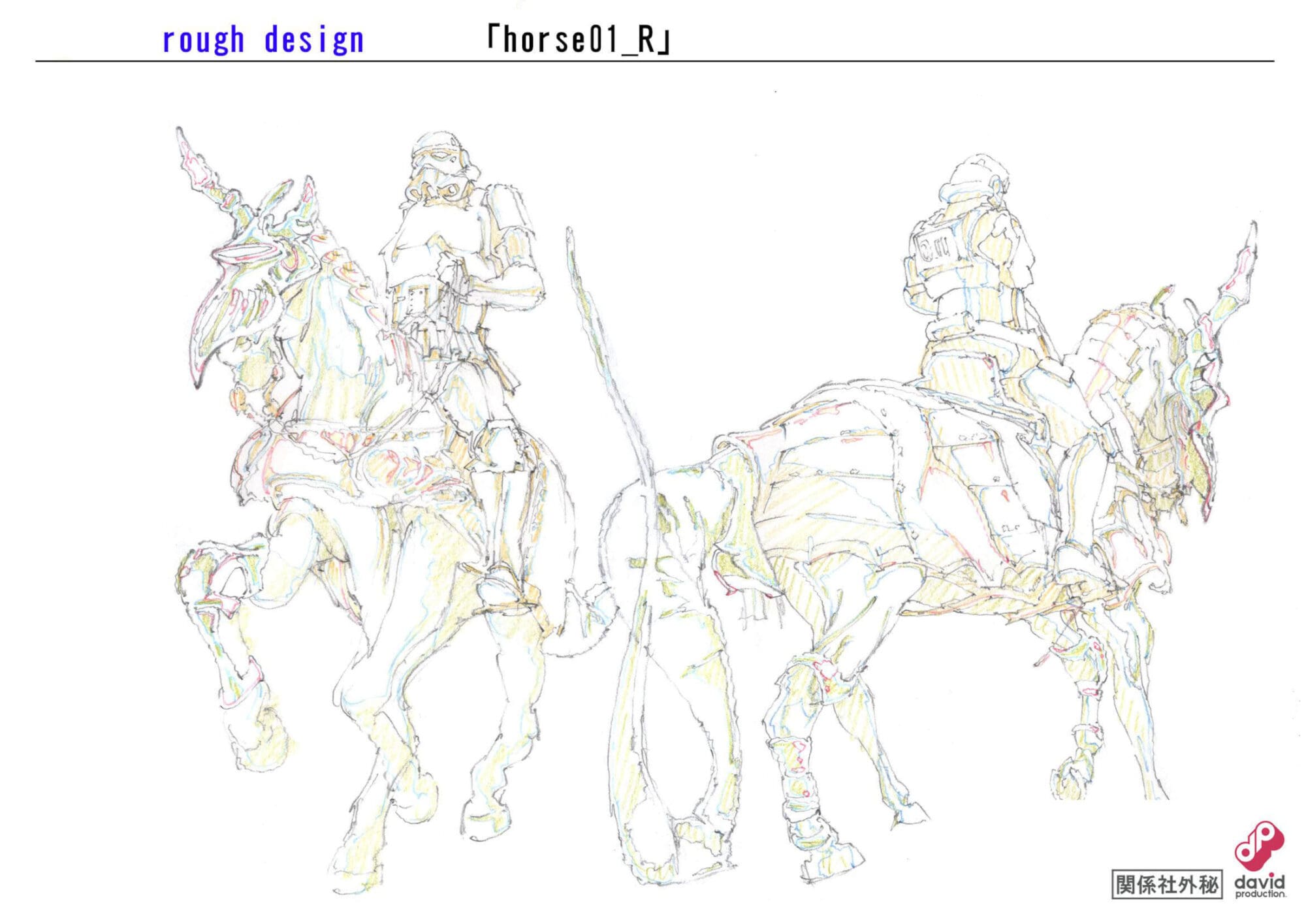
Talking about character animation, specifically, the way the character moves is largely an interpretation of each animator of Ohira-san’s iconic style; something which feels steeped in emotion, no matter the context.
With regards to the ambiguous nature of the main character, his inability — at least until the final scene — to reconcile his peaceful past with his many years and deeds on the battlefield, drove him to the brink of madness. The relentless action and constantly shifting camera adds to the sense of emotional unease, while inviting the viewer to step into the Trooper’s shoes and, in doing so, feel a degree of compassion for a character otherwise portrayed as a pawn for the Empire. Once in the Trooper’s shoes, the only moments the viewer is invited to breathe (using reassuring camera movements, softer lighting and colors) are in reliving his pre-war past, and in death. Tying these two moments together is what provides the emotional path through the short without using a single line of dialogue.
Are there any scenes you’re particularly proud of in the episode, and what makes them standout?
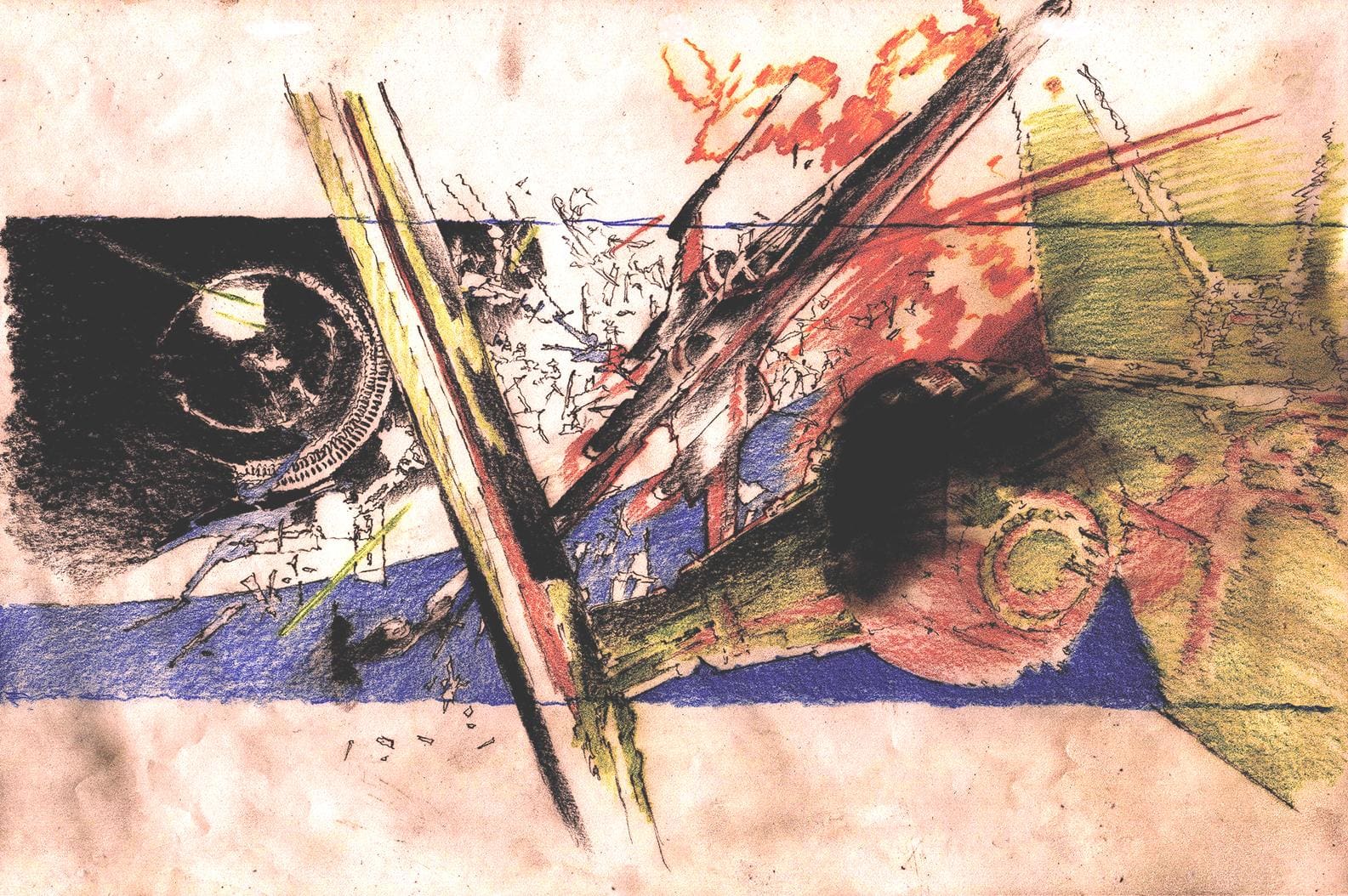
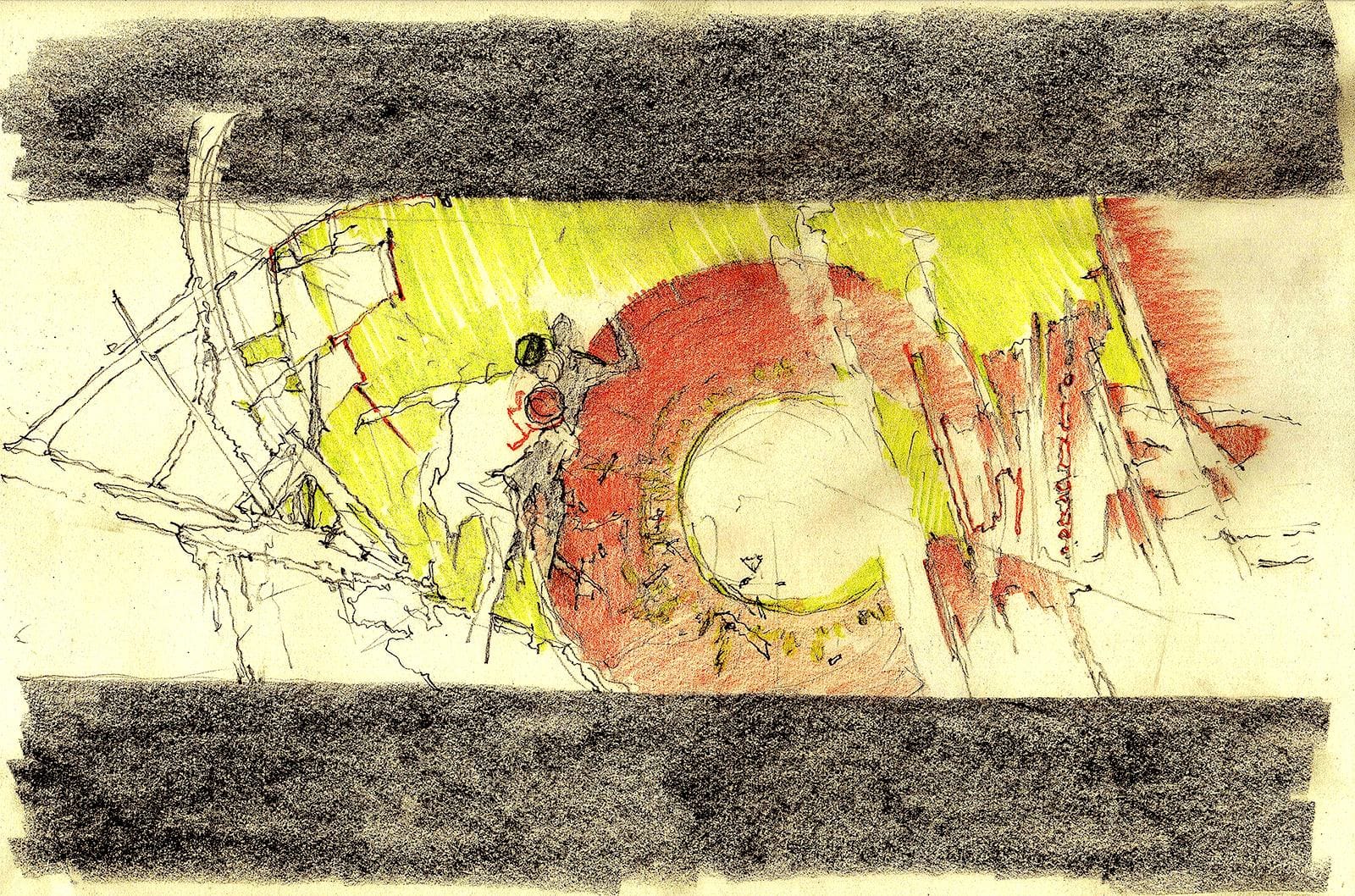
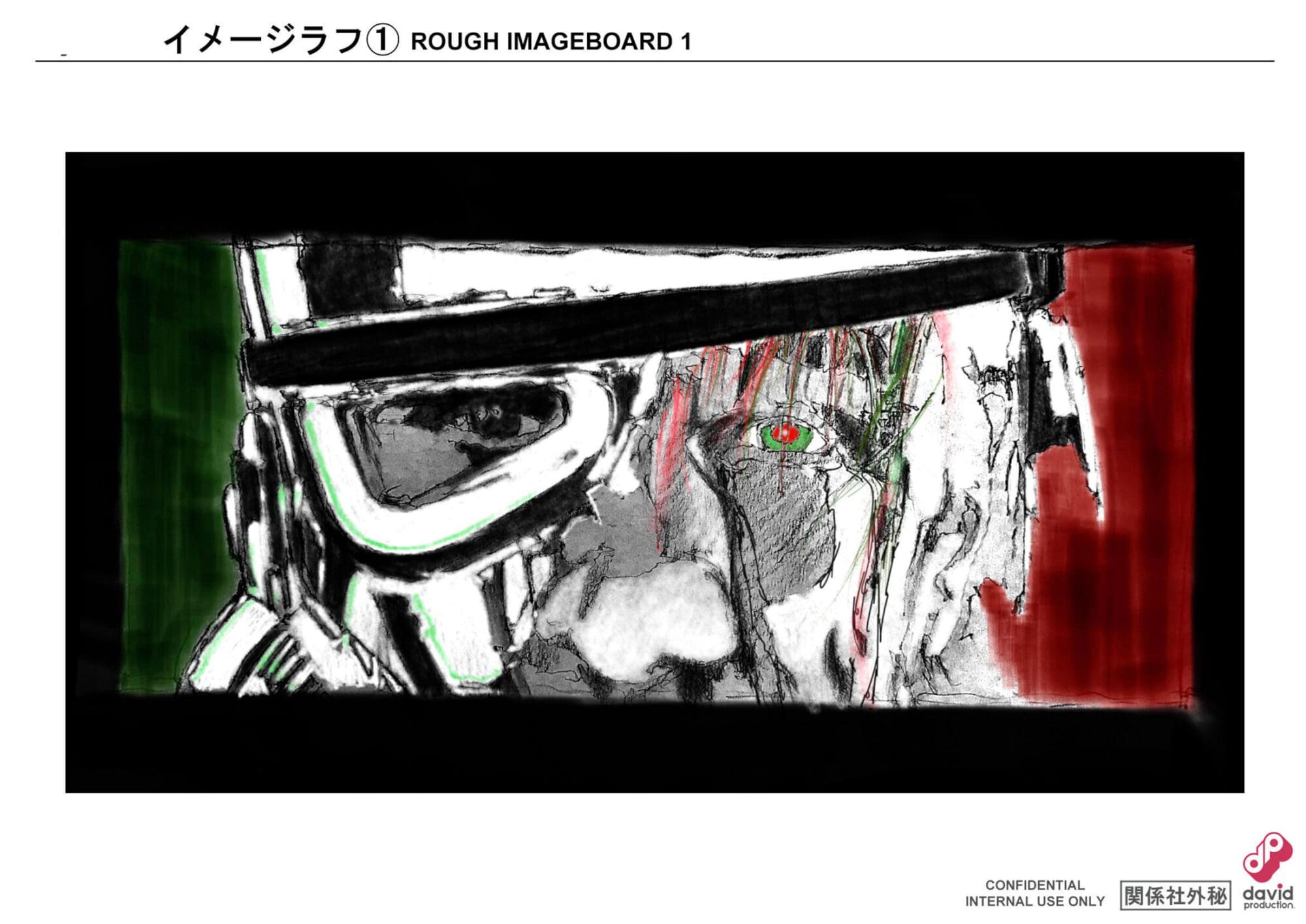
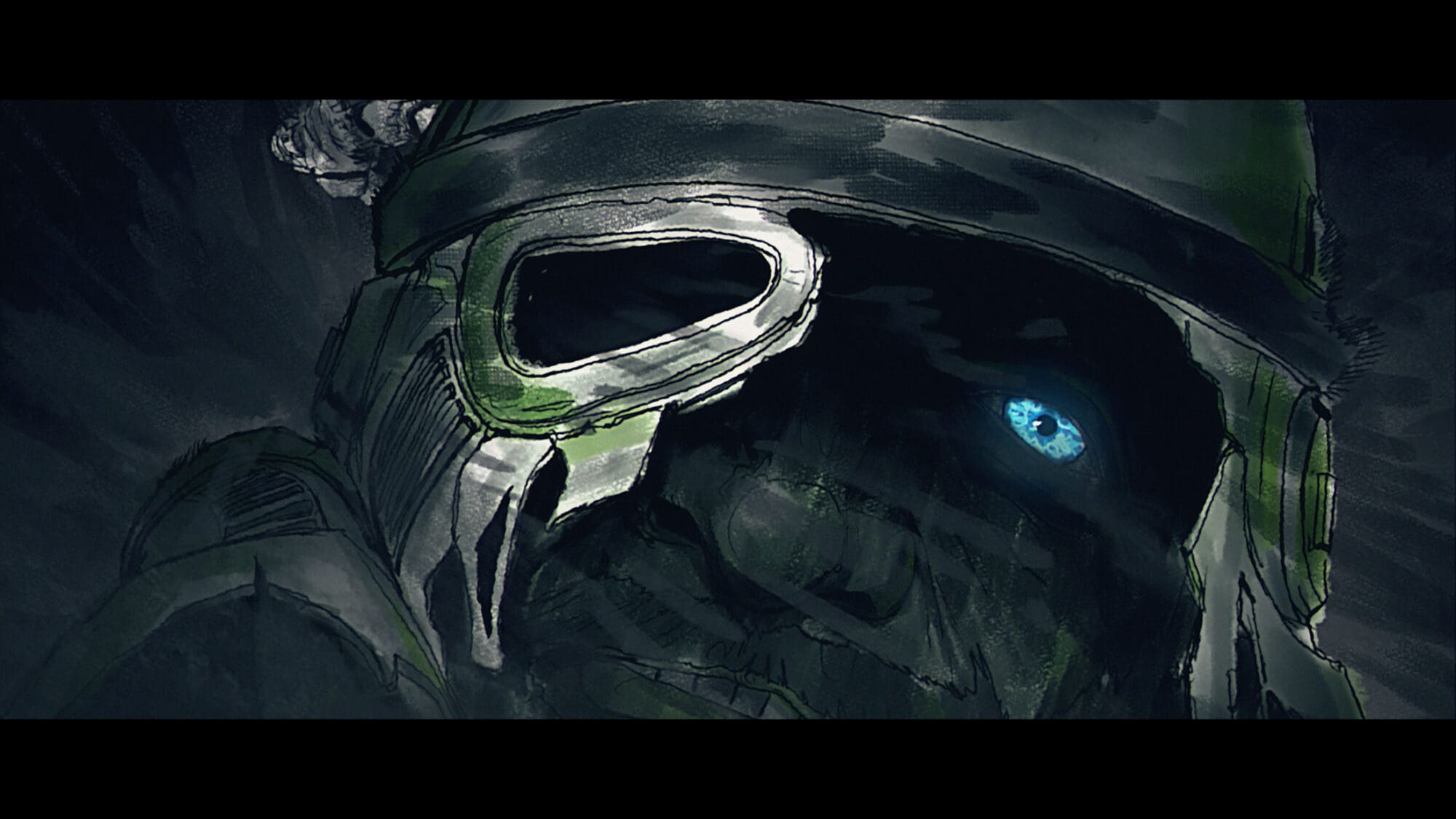
Of the film’s nine scenes, the most crucial is Scene 2, which marks the beginning of the fight. I began visualizing it during the initial concept art stage, aiming to animate a spiritual realm where red and green intertwine endlessly. The image of the protagonist, an exhausted individual presumably around 50 years old and lacking any Force-like powers, trading blows with his alter ego is vital. It forms the very core of this story.
Can you talk more about the crew who worked on the short?
I was working with many of the animators on this project for the first time. They, including some very young students, completed a massive volume of work at incredible speed, elevating the visuals to a level of extraordinary density and detail. I was amazed to see the final visuals surpass anything I had imagined. I am deeply grateful to every staff member, and I am already eagerly looking forward to the possibility of working together again in the future.
Additional information from david production:
Ohira assigned a different animator to each scene. Each of them built their own unique sequence.
With regards to how david production approached people to work on the short — specifically foreign animators Ohira-san didn’t already possess a personal relationship with — Ohira-san identified people on ‘X’ whose animation he liked, and I (Jacob Ayres) would reach out to them to gauge their interest.
Ohira follows a lot of animators who follow animators, and he explores the work of someone who pops up on his timeline and catches his eye. So, in that respect, it was completely organic. None of the foreign animators and students who worked on the project were in-house animators. I don’t think we had ever worked with any of them before BLACK (in part because some of the animators were yet to make their official “debut” into the industry).
There were students who worked on full scenes in BLACK. In fact, there was one student in particular who, after finishing an entire scene by himself—got called back to help other animators on their scenes. These animators were from all over the world: China, the UK, France, Germany, Austria, and Australia. A few more from Poland and the Philippines jumped in at the end to help finish shots.
All images and videos courtesy of Lucasfilm LTD.