.png)
The Fog, French Folklore, And Fistfights That Fuel Disney+’s New Series ‘The Doomies’
Stay informed with free updates
Sign up to get our news digest — delivered directly to your inbox twice a week.
The animated horror-comedy has become an iconic formula in children’s television over the last decade-plus. Small-town mysteries, eccentric locals, supernatural threats, and adolescent protagonists have fueled a long list of successful series – Over the Garden Wall, Gravity Falls, Hilda, Dead End: Paranormal Park, the list goes on.
What distinguishes Disney+’s new original series The Doomies is not necessarily a new mix of those ingredients, but rather where its creators chose to find them.
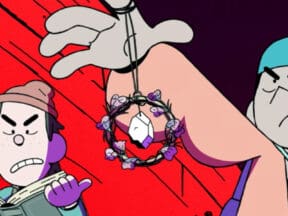
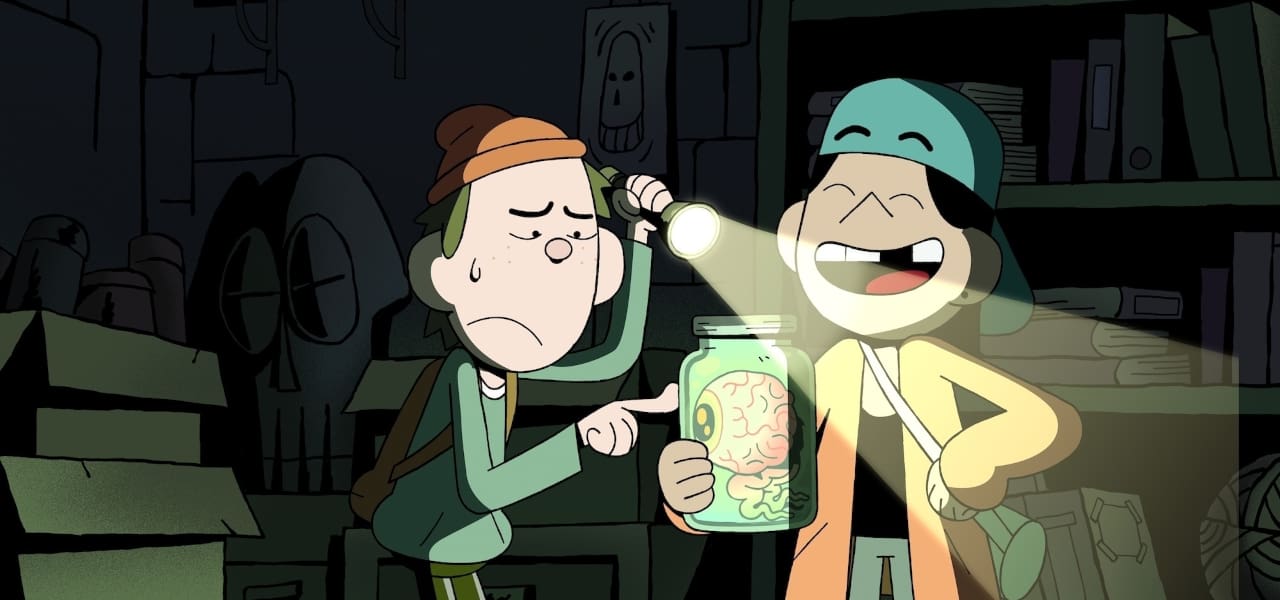
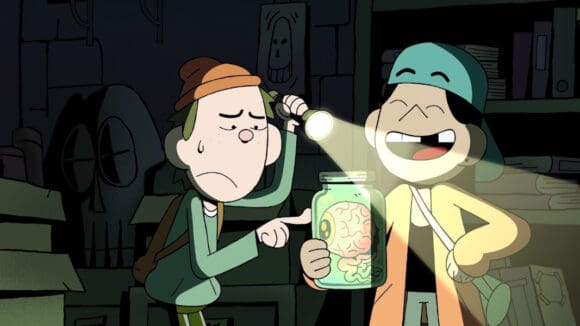
Produced by Xilam Animation for Disney Television Animation, The Doomies follows best friends Bobby and Romy after they accidentally open a portal to evil, transforming their quiet seaside community into a magnet for monsters and supernatural chaos. The series premieres on Disney+ on June 26 and screens in the TV competition at Annecy next week.
While the show’s premise may sound familiar, co-creator and director Andres Fernandez built the series around a setting he knows well, and one not familiar to most animation audiences, his coastal hometown of Brittany in northwestern France. The result is a series that feels universal in genre and themes, yet deeply local, drawing as much from the rhythms of everyday life in Brittany as it does from horror films, supernatural adventure stories, and classic television influences.
A Tourist Trap
All that said, Fernandez didn’t originally envision The Doomies taking place in Brittany at all.
The project began as part of an internal development initiative at Xilam. Early versions of the concept were set in a more generalized American environment, a common choice for animated adventure series seeking international appeal. According to Fernandez, that changed once Disney became involved.
“Originally it was not specifically set in Brittany,” he recalled. “It was more like an American desert or something like that.”
When Disney came aboard, executives encouraged the team to draw from their own experiences. “They were saying, maybe you can make the location like something you really know,” Fernandez said.
That suggestion immediately pointed him toward Brittany, where he lives in a tourist town that undergoes a dramatic transformation every year. “In winter, there are not many people, and in the summer it explodes,” he said. “So, for me it was the perfect opportunity to show my town and my country.”
That contrast became a cornerstone of The Doomies. Rather than placing its supernatural events in an isolated wilderness or remote mountain town, the series unfolds in a community shaped by tourism, local traditions, and generations of residents who coexist with an influx of outsiders.
Designing Brittany
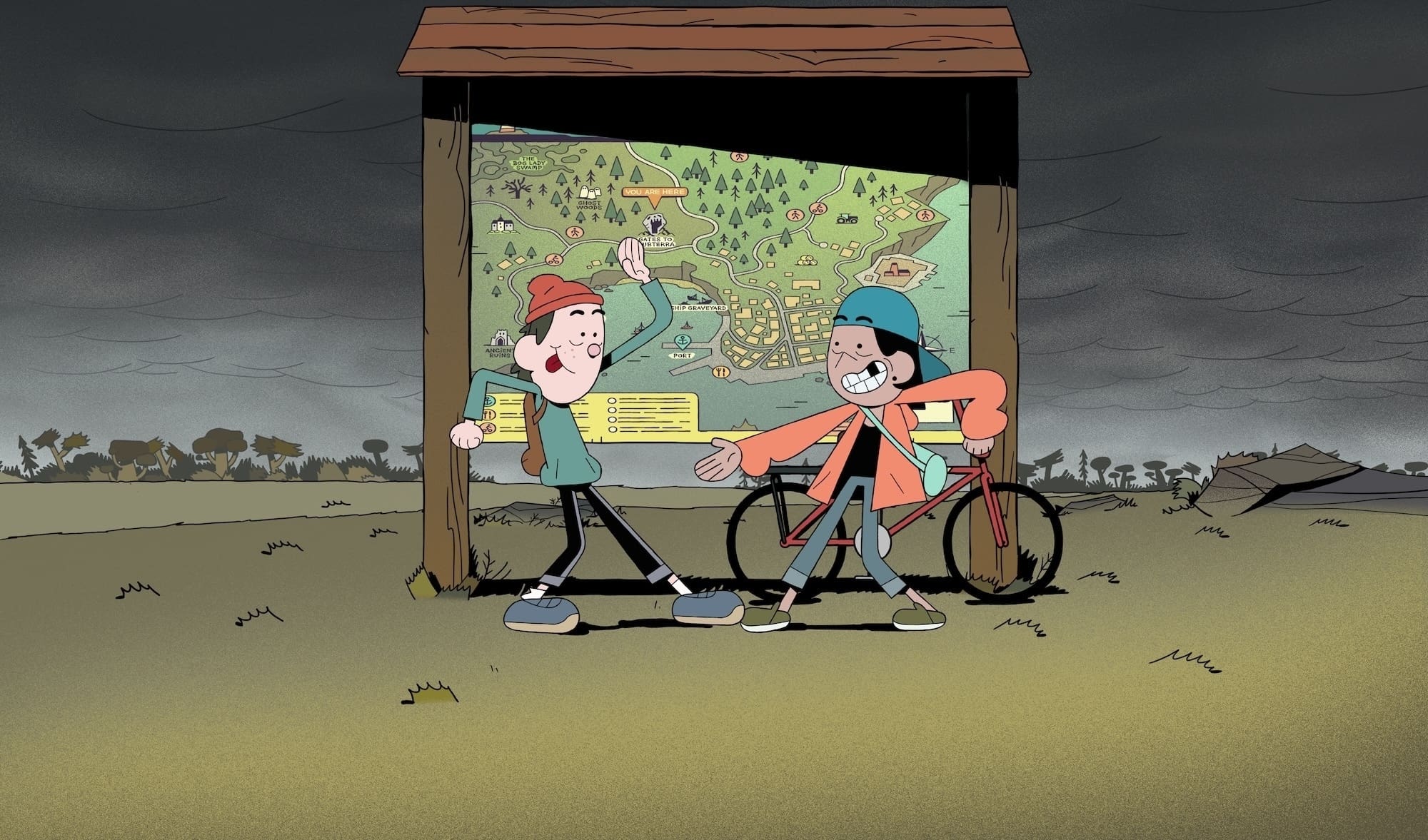
That sense of place extends well beyond the writing. One of the show’s greatest strengths is its visual design, which avoids the generic suburban landscapes that often dominate children’s animation. Instead, The Doomies embraces a specific architectural and cultural identity while maintaining broad audience appeal.
Fernandez credits much of that achievement to his collaboration with co-creator and art director Rémi Zaarour, better known as Pozla.
“I work with an incredible artist whose name is Pozla,” he said. “He’s a fantastic artist who has a unique style.”
To help develop the show’s world, Fernandez photographed locations throughout Brittany and shared those references with the design team. “I took a lot of pictures of the way I live in Brittany, and I gave them to him,” he explained. The goal was to create “a realistic world, but in his own style.”
Realism was important because, as the director put it, “if you want to push the horror, the comedy, and all the settings we put in this series, we needed to have the original setting feel very real.”
The result is a town that feels recognizable even to viewers who have never set foot in Brittany. “It’s a very French town and concept,” Fernandez said.
Horror Through Color And Atmosphere
Many animated series aimed at young-ish audiences favor bright palettes and perpetual sunshine. The Doomies takes the opposite approach.
Its visual atmosphere is heavily informed by Brittany’s climate, particularly during the colder months. “In Brittany, especially in the winter, there is never sun,” Fernandez said. “It’s always gray, and it enhances the horror atmosphere.”
The weather became part of the storytelling. Fernandez wanted viewers to feel the dampness and fog that settles over industrial skylines in the region for much of the year. At the same time, he didn’t want the series to become visually dreary.
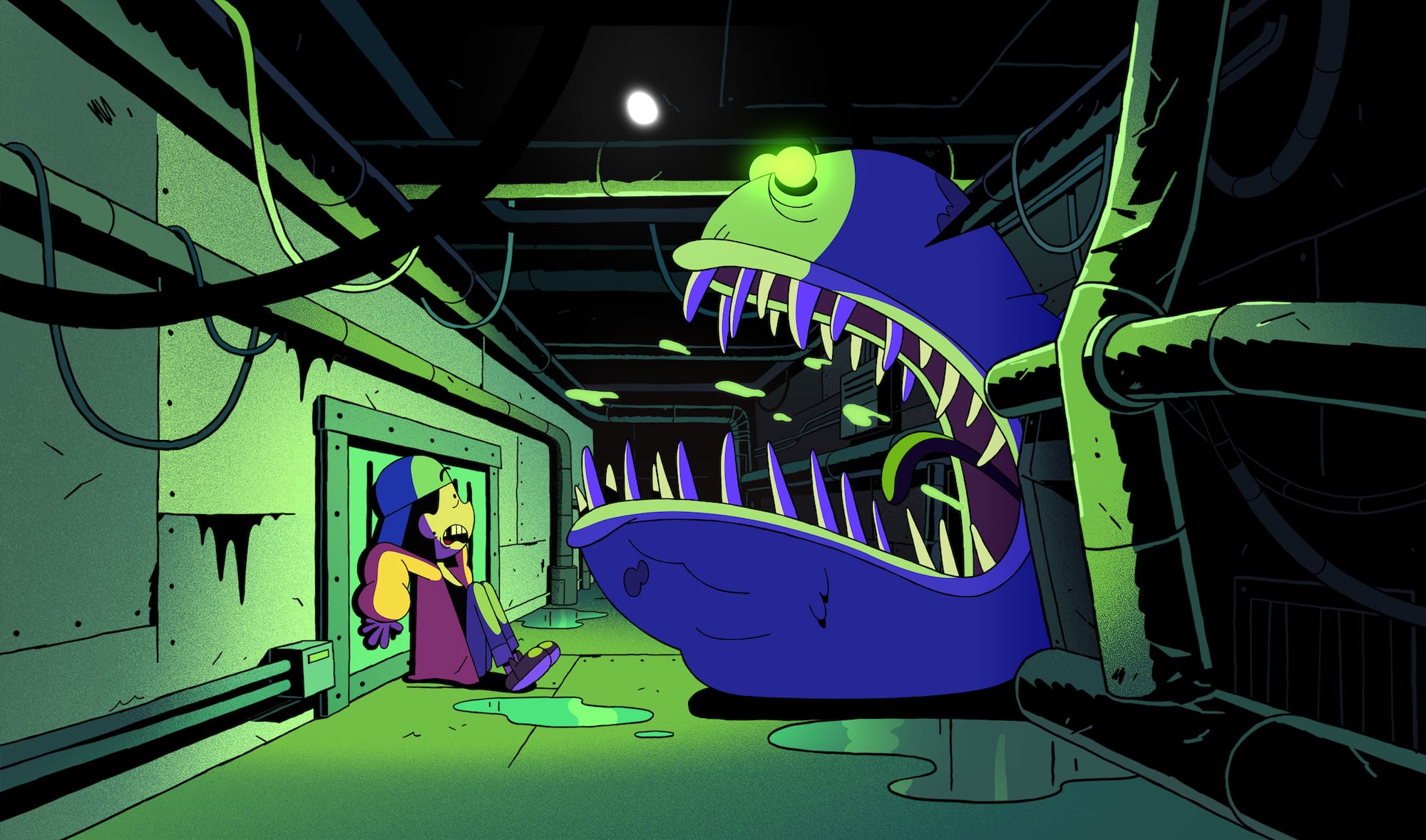
“When we get to action, or when we go to horror scenes, I wanted something very pop,” he said. “Because I think it really fits with the horror, too.”
Reimagining Familiar Monsters
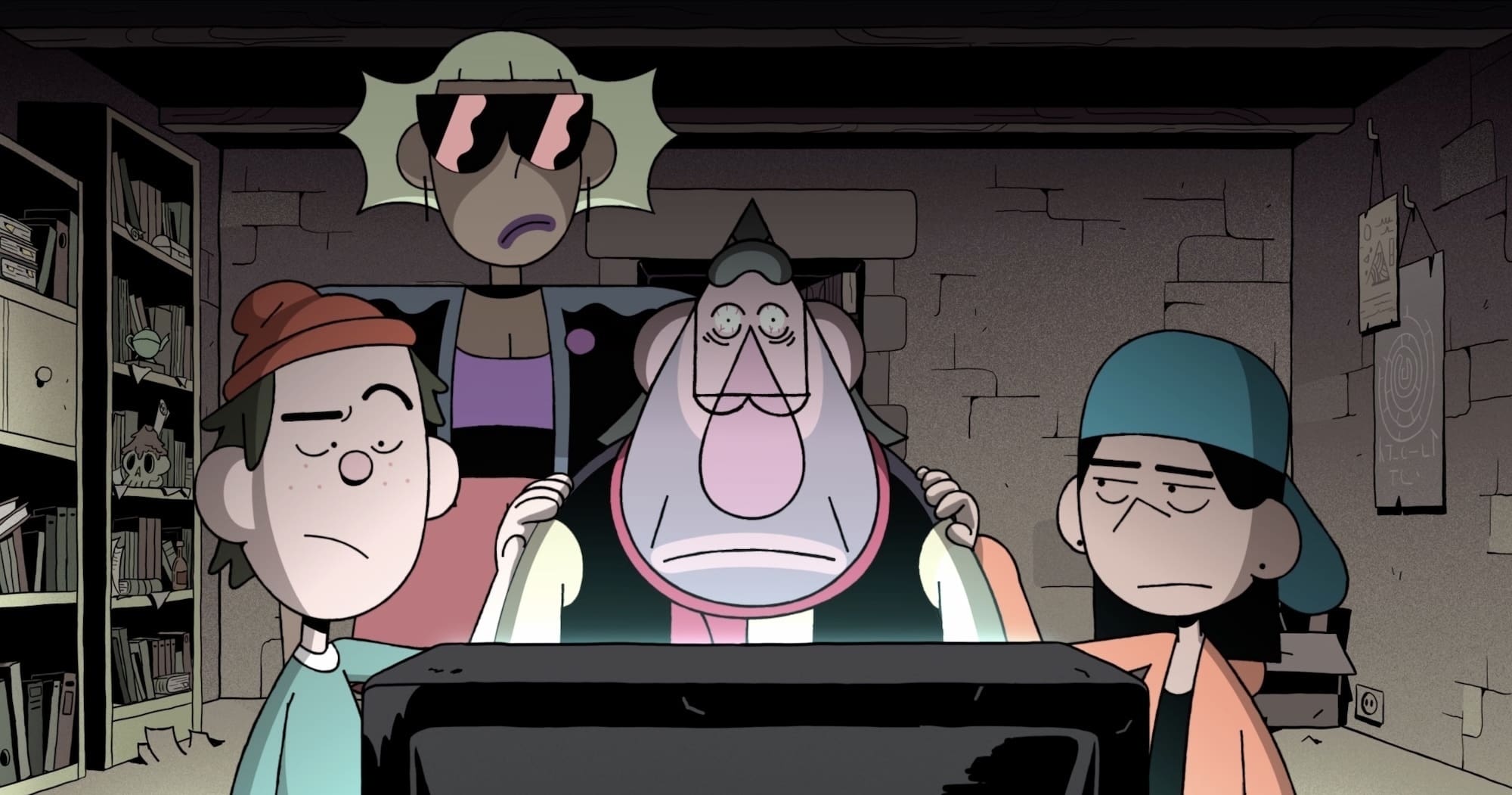
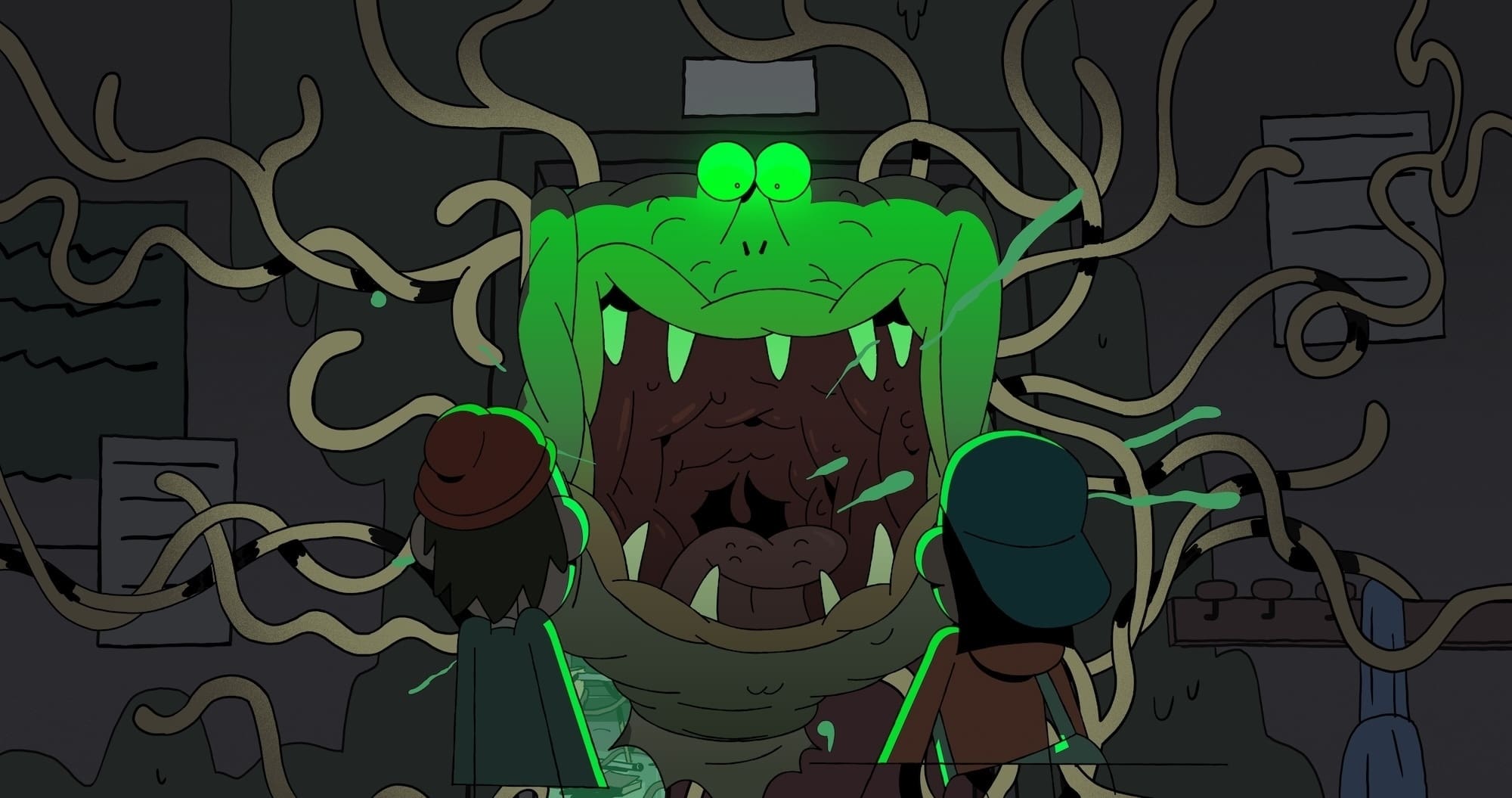
The series’ monsters follow a similar philosophy. Fernandez wanted audiences to recognize classic horror archetypes while still encountering something they hadn’t seen before. “We wanted to have all the types of monsters we see in horror movies,” he said, citing vampires (a personal favorite from the show’s pilot) and fog creatures among the inspirations.
The challenge was adding originality to familiar concepts. Once again, Fernandez credits Pozla. “He’s always pushing hard to have something very unique,” he said. “It was really his talent that brought the monsters to life in a way we hadn’t seen before.”
Buffy, Anime, And Martial Arts
Although the recognizable monsters and well-established light horror series played a central role in the show’s narrative and visual development, Fernandez points to another story influence as perhaps the series’s most significant creative touchstone. “The big inspiration was really Buffy the Vampire Slayer,” he excitedly explained.
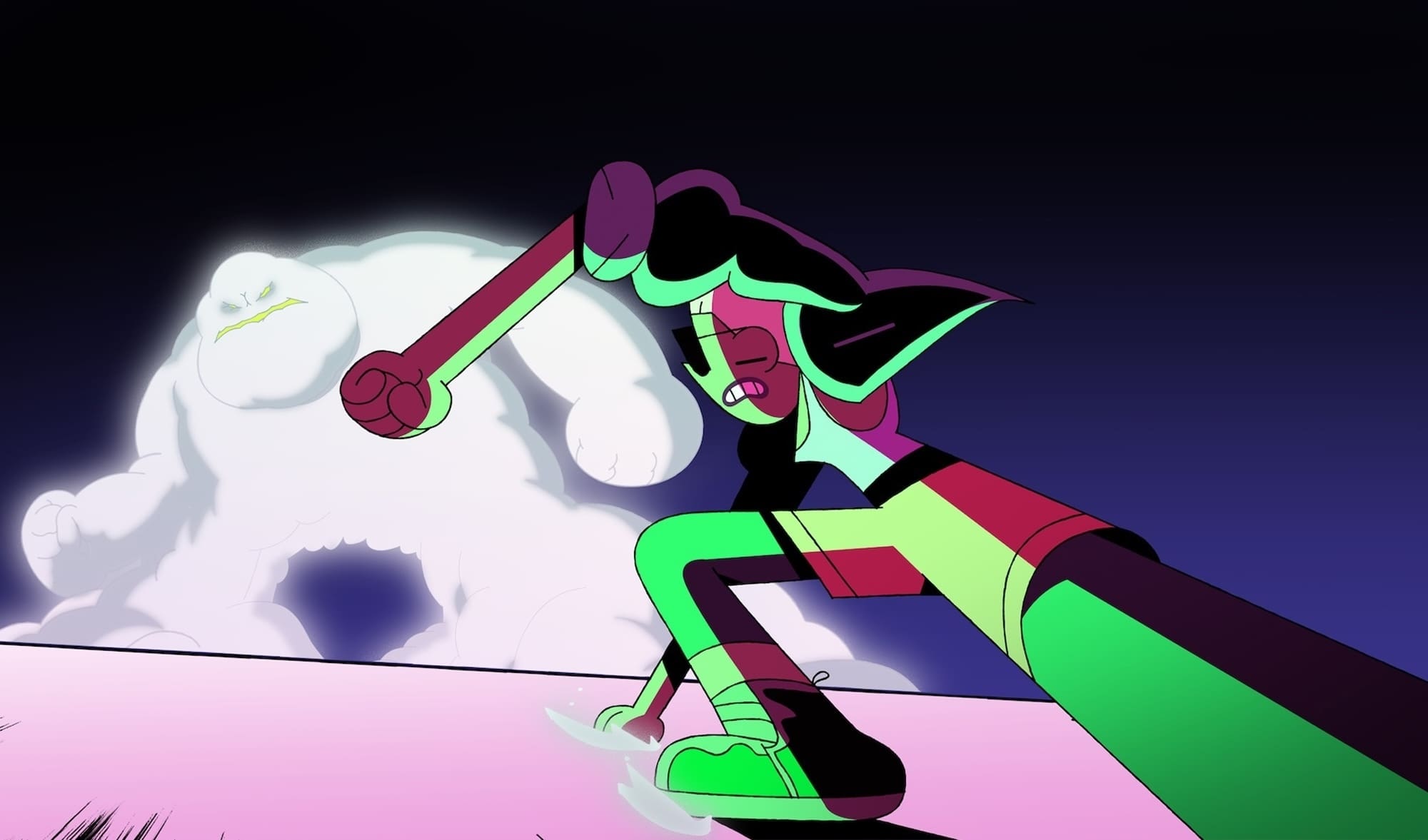
That influence extends beyond the supernatural premise. Fernandez wanted a chosen-one character who fights physically rather than relying on magical powers. “She doesn’t know how to fight without her fists,” he said of the mysterious and completely badass character early in the series.
That decision gives the action scenes a different flavor than many contemporary fantasy shows fueled by magic, superpowers, or high-concept sci-fi gadgets. Fernandez, who describes himself as a fan of both martial arts and Japanese animation, wanted combat that felt direct and kinetic. “I really love martial arts, and I love Japanese animation too,” he said. “It was a reference for me to have that type of character really fight.”
A Project That Slipped Through A Narrow Window
The arrival of The Doomies is notable for another reason in that it represents a type of project that has become increasingly rare in recent years.
The series was greenlit during the streaming boom but survived the industry’s subsequent retraction. According to Fernandez, Disney’s involvement was also crucial because a project like The Doomies might not have fit comfortably within France’s traditional broadcast landscape, where local broadcasters provide significant financial backing but expect content more tailored to their own audiences. Fernandez readily acknowledges the timing. recalling, “We really have been very lucky… In France, you can’t make a project like this for the traditional media,” he said. “If Disney wasn’t there, I don’t think it would have been possible.”
The Doomies debuts on Disney+ on June 26.