.png)
In ‘Carrotica,’ Sexually Charged Root Vegetables Meet Queer Teenage Angst (EXCLUSIVE)
Stay informed with free updates
Sign up to get our news digest — delivered directly to your inbox twice a week.
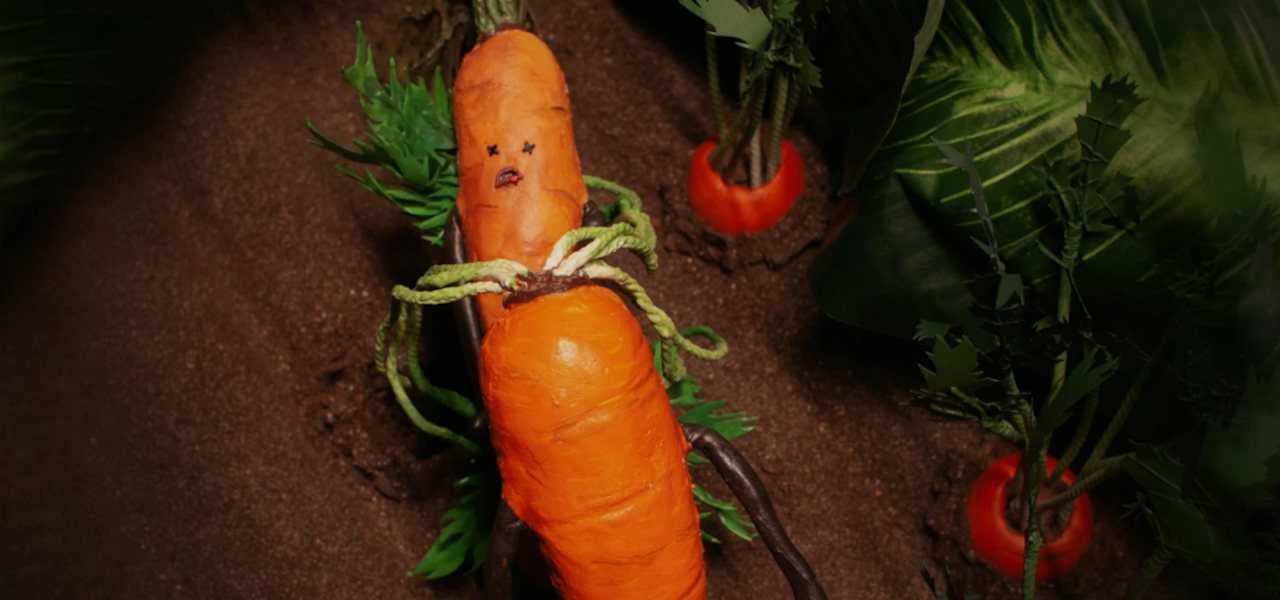
In Daniel Sterlin-Altman’s provocative stop-motion short, a pair of carrots having sex becomes a graduate student’s thesis statement rather than a cartoony punchline.
“Everybody loves a carrot,” the filmmaker says with a laugh, admitting there may be a bit of the latter involved, too.
What sounds like a throwaway line quickly becomes a key to understanding one of the more distinctive recent student films on the festival circuit. Sterlin-Altman’s film blends queer adolescence, parental distance, and fantasy into a tactile, handmade stop-motion world that is as intimate as it is strange.
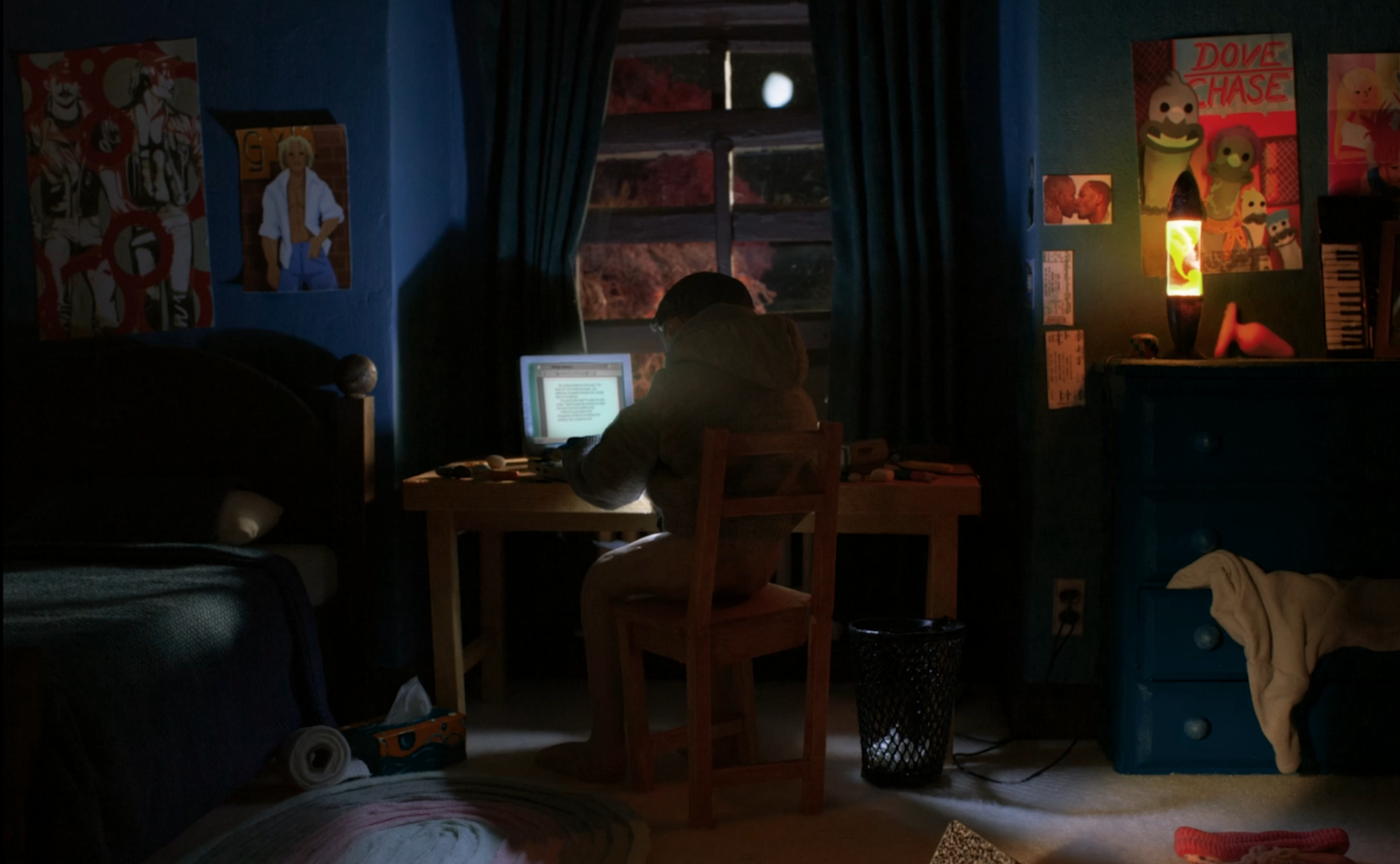
The film features 16-year-old Nadav as he works on explicit gay erotica in private. His single mother is a fertility botanist studying the mating patterns of carrots, which are far more animated in this work than in our own. Through a series of uncomfortable interactions, the two find common ground, and their relationship evolves as their mutual understanding blossoms.
The short is now available online, so we caught up with the director to discuss its origins, his creative decisions, and why carrots.
“I had these specific instances I wanted to see”
From the outset, Sterlin-Altman’s project began in images.
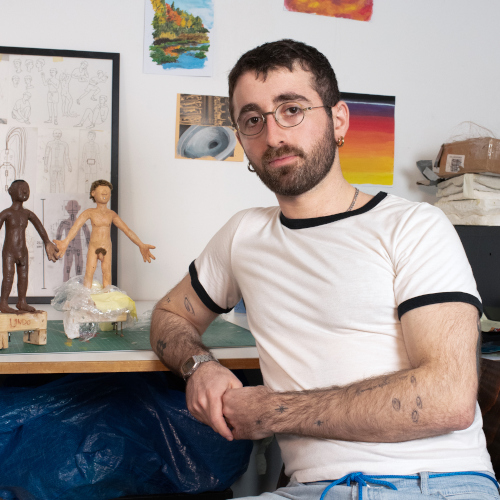
“I had these specific instances that I wanted to see on screen,” Sterlin-Altman explains. “In this case, it was an opening sequence of two carrots having a mating ritual… the sexiness and drama of this all seemed so natural to me.”
That image eventually collided with another, initially unrelated scenario of “this precocious young teenage author of gay erotica.”
Rather than choosing just one of the two scenes, he wove them together into a single coherent narrative. “I had this goal… how can I achieve this triple narrative?” he says, referring to the son, the horny carrots, and a single mom added later. “I was being pushed to choose a single protagonist, but I tried as much as possible not to do that.”
“Domesticity, kitchen, carrot”
The carrot motif, which runs through multiple films in his body of work, has surprisingly grounded origins.
“We had mandatory carrots before dinner,” he recalls of his childhood. “Each kid got a fully peeled carrot, like the size of our face, with every dinner.”
That memory fused with his interest in domestic spaces. “For me, domesticity, kitchen, carrot… it became kind of like the placeholder image for everyday things and ideas.”
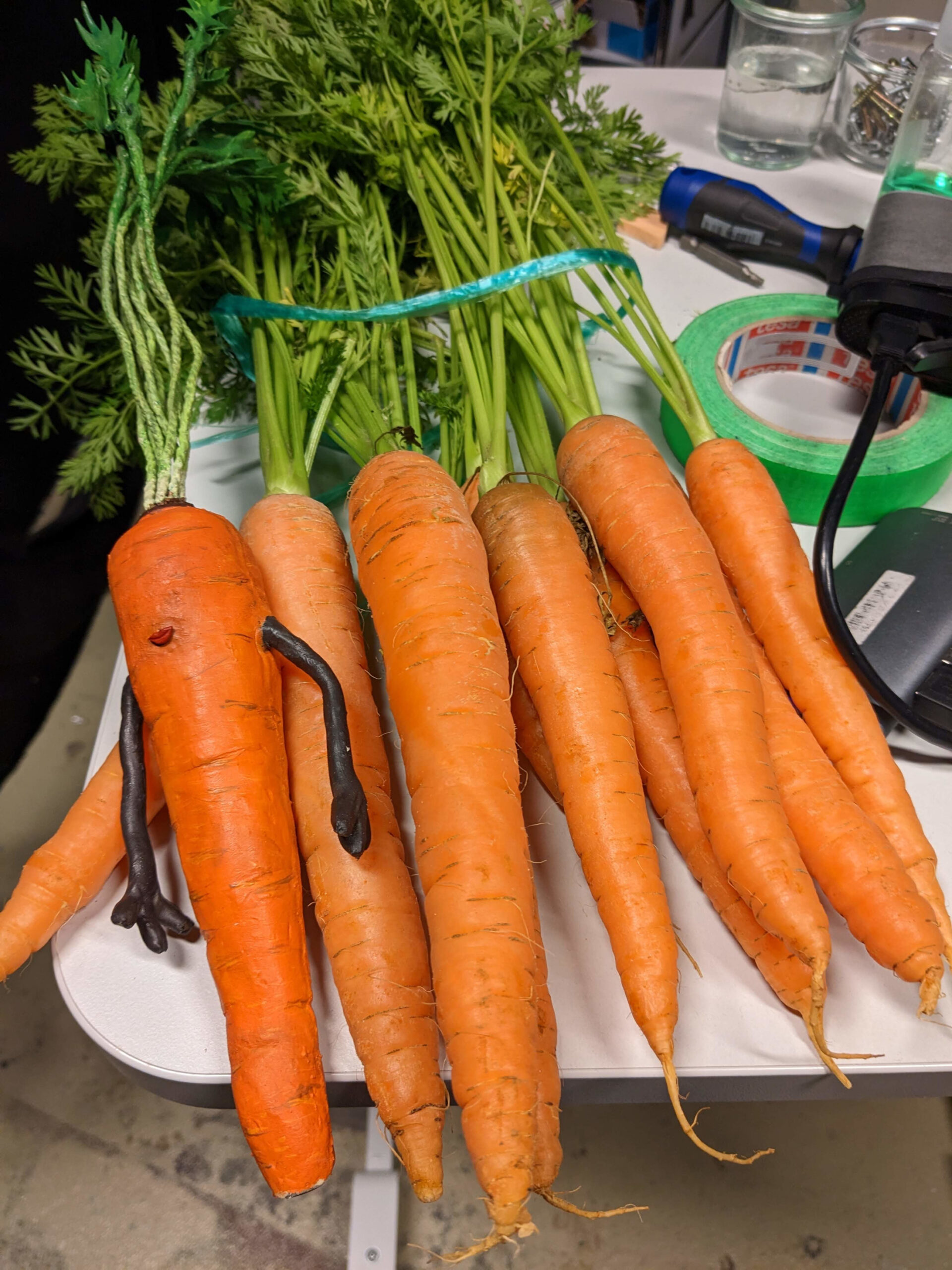
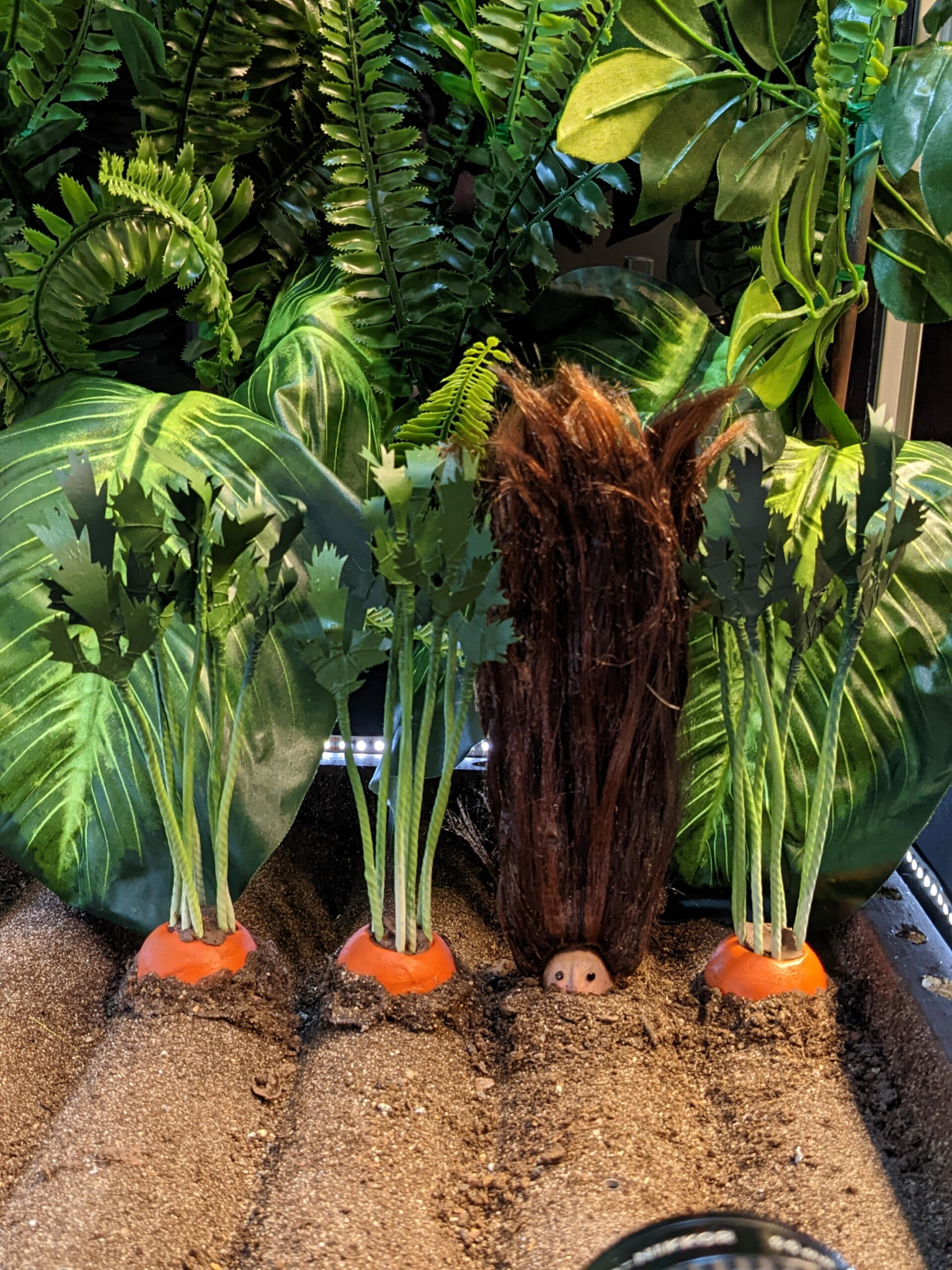
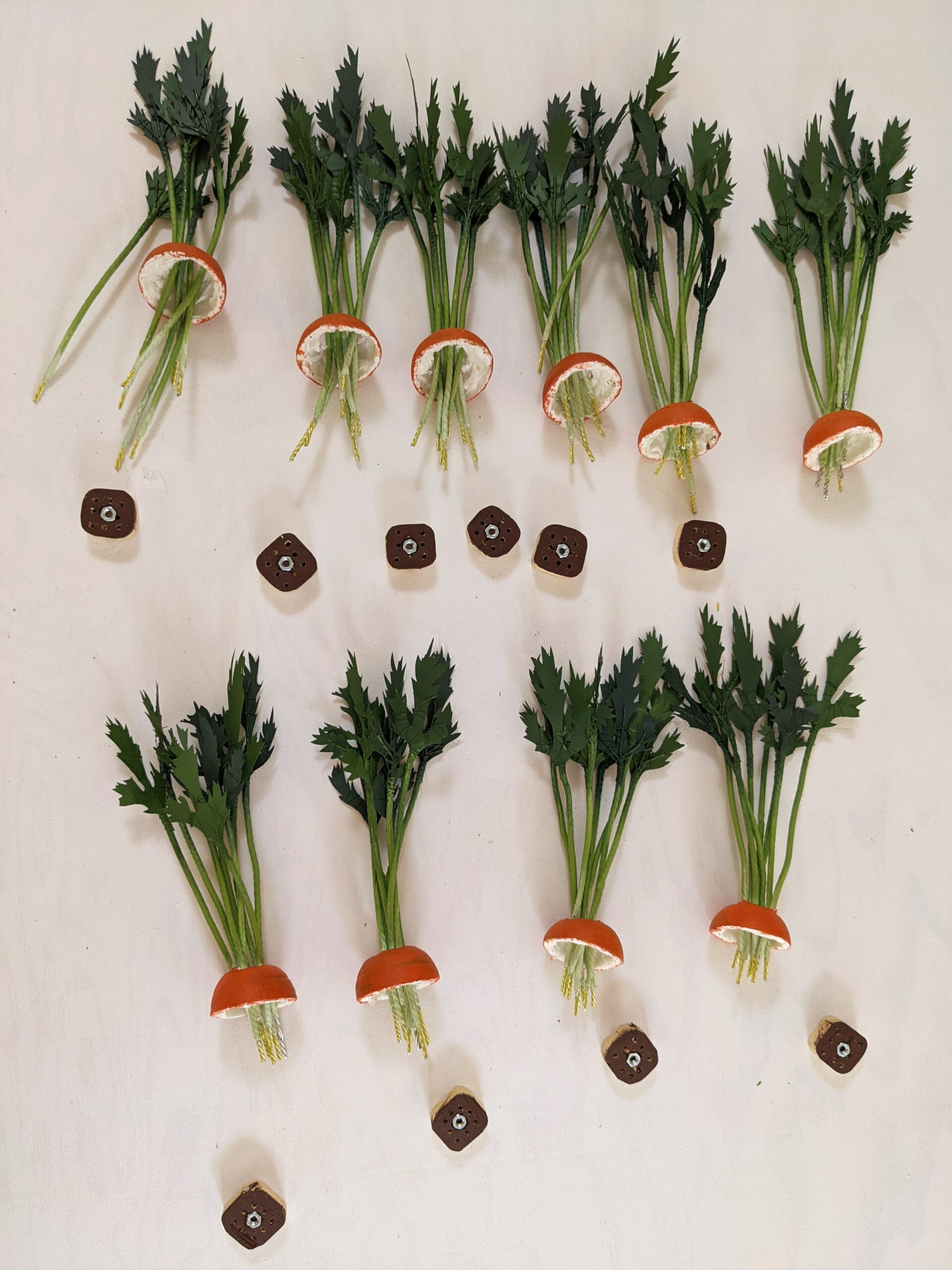
At the same time, he recognizes how specific that symbolism is. “Carrots gave me this balance of something very approachable, but also very specific… which I quite like.”
Despite the obvious visual associations, he resists more literal readings often assumed by viewers. “You assume that there’s some kind of phallus aspect to it… for me, that really does not shine through,” he laughs, admitting an understanding of that first metaphorical instinct.
Fantasy vs. Reality
The film’s emotional core lies in its portrayal of teenage sexuality and avoidance. In short, Nadav steers away from a likely relationship with a classmate crush, preferring to invest in fantasy rather than reality.
“This fantasy… is more comfortable to him,” Sterlin-Altman says of his protagonist. “Something larger than life and imaginary versus someone that’s actually his own age feels much more threatening.”
Rather than pursuing real intimacy, the character retreats into imagination. “The idea of rejection feels much more threatening,” he says. “It’s building up the wall through the fantasy rather than the vulnerability aspect of it.”
That dynamic extends beyond adolescence, even if unintentionally. The film suggests how porn-inspired, idealized sexuality can displace real connection, a tension that resonates well beyond its teenage perspective.
Student Struggles
Despite the strong critical reception to the film, Carrotica was made under typical student constraints.
With limited resources, he assembled a decentralized team of collaborators, some traveling hours to contribute. “We outsourced the work to other students,” he says, praising the contributions of everyone involved in bringing the film to life.
The production itself was ambitious to the point of absurdity for something of its scale. “It’s eight foam latex puppets… and then these ten locations,” he explains. “It was horrendously ambitious, considering the means.”
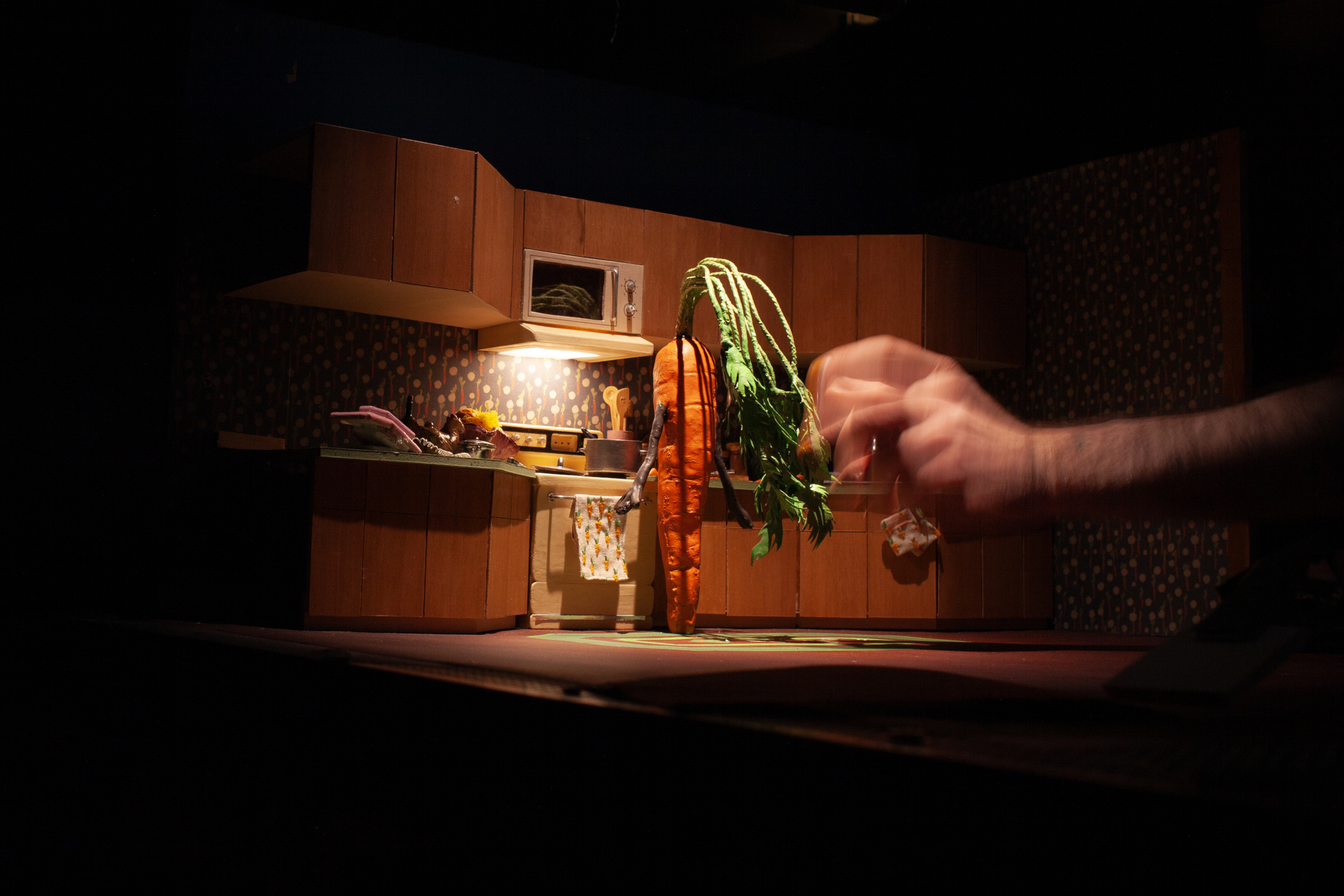
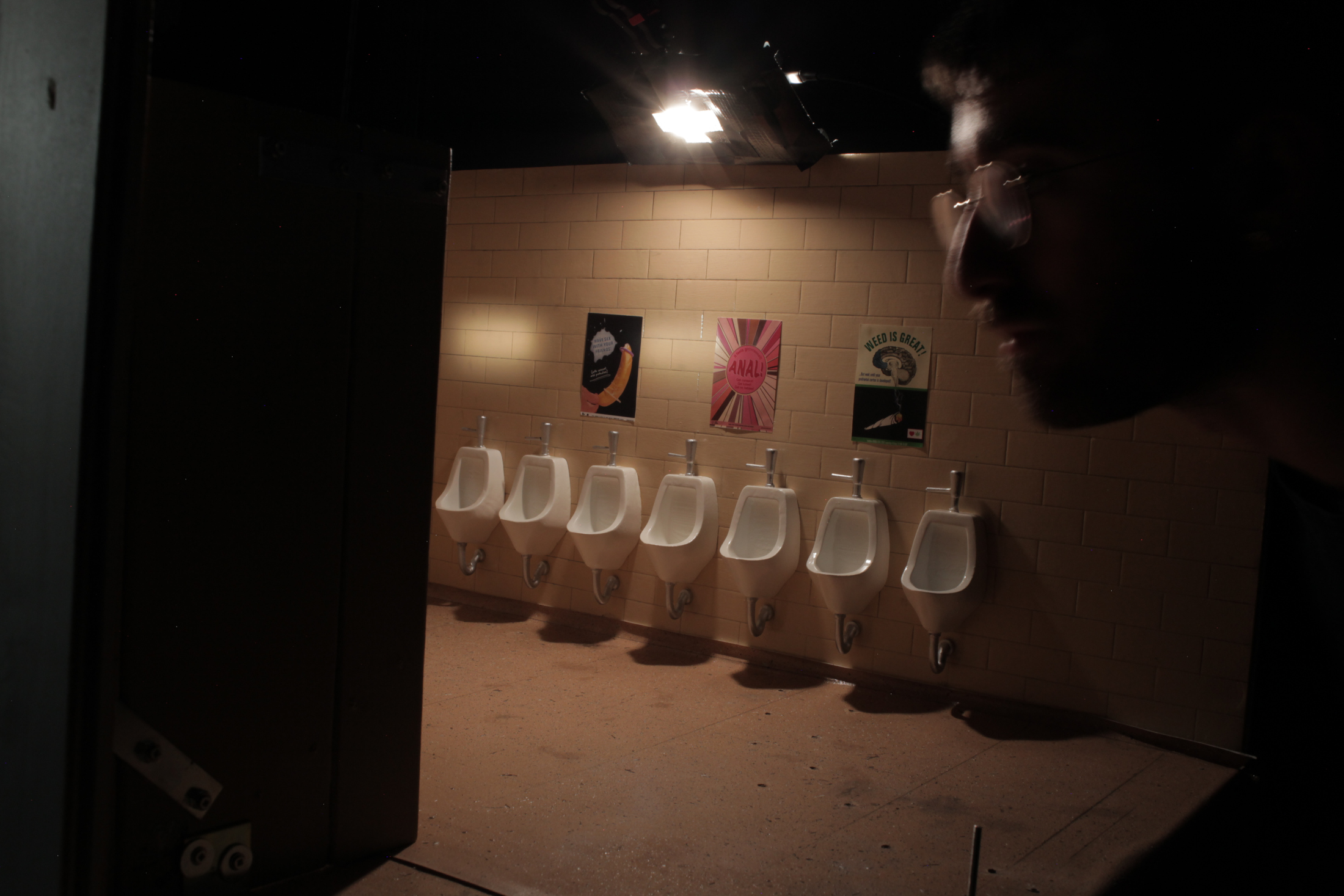
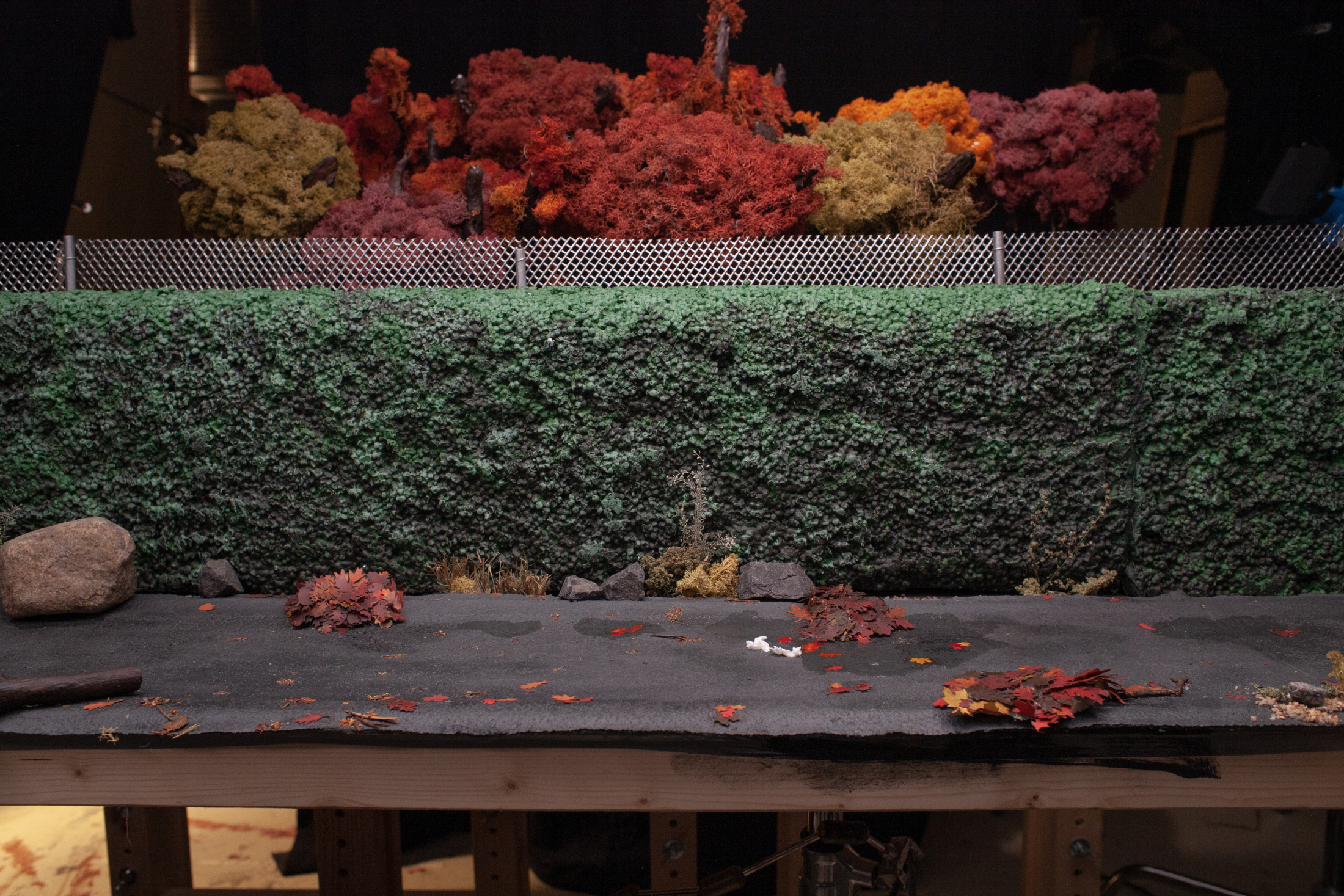
Lighting, a critical element in stop-motion, required particular ingenuity. Cinematographer Pip Kohler, experienced in live-action light design, “donated his time basically,” bringing his own equipment and learning animation alongside Sterlin-Altman. The workflow became a hybrid of planning and reconstruction. “We’d pre-plan… I would recreate as much as I could, send him proofs.”
Give Them a Hand
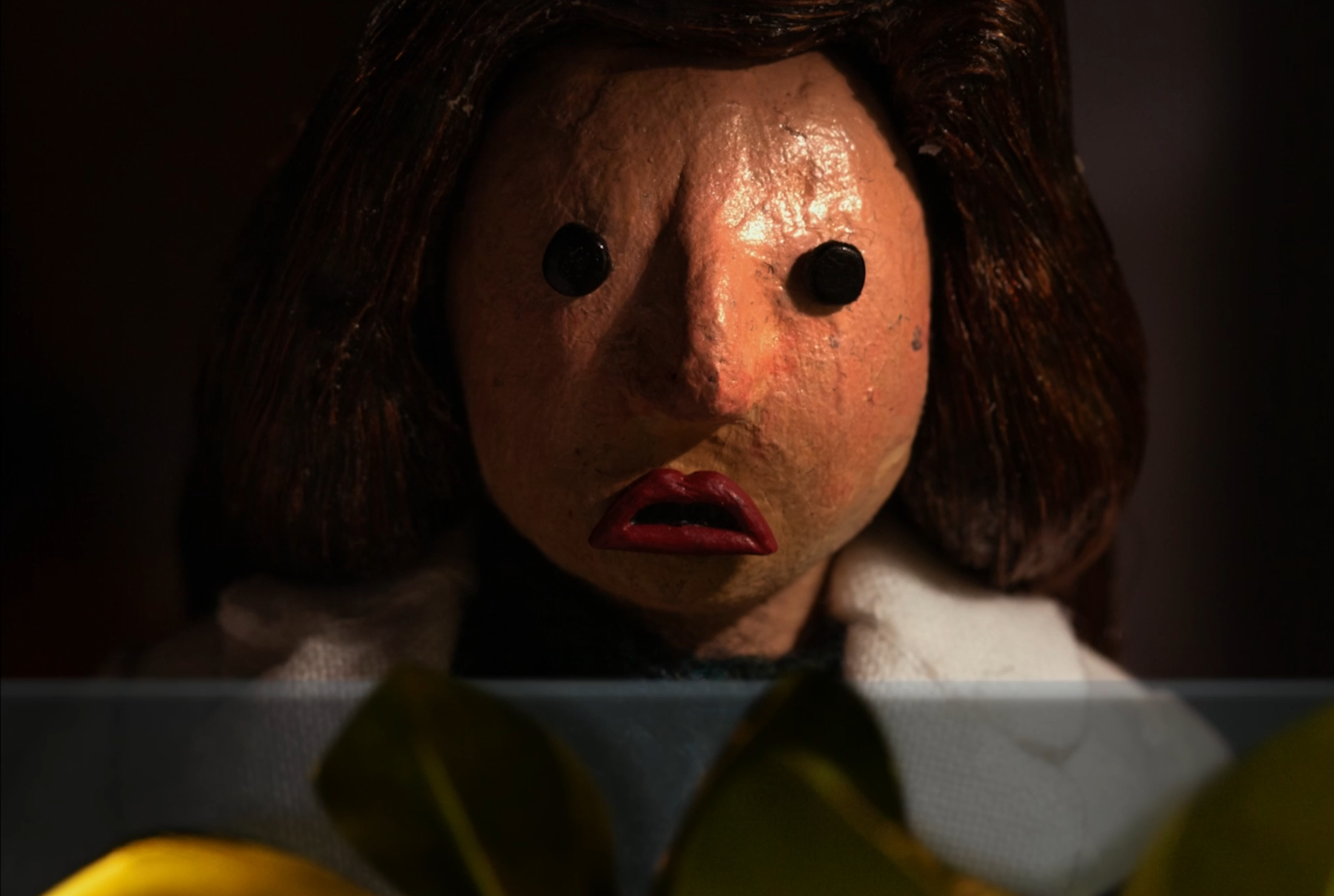
The puppets themselves are made up of a mix of intention and accident.
“I don’t have so much control over my medium,” Sterlin-Altman admits. “I have a plan, and it often ends up as something else.”
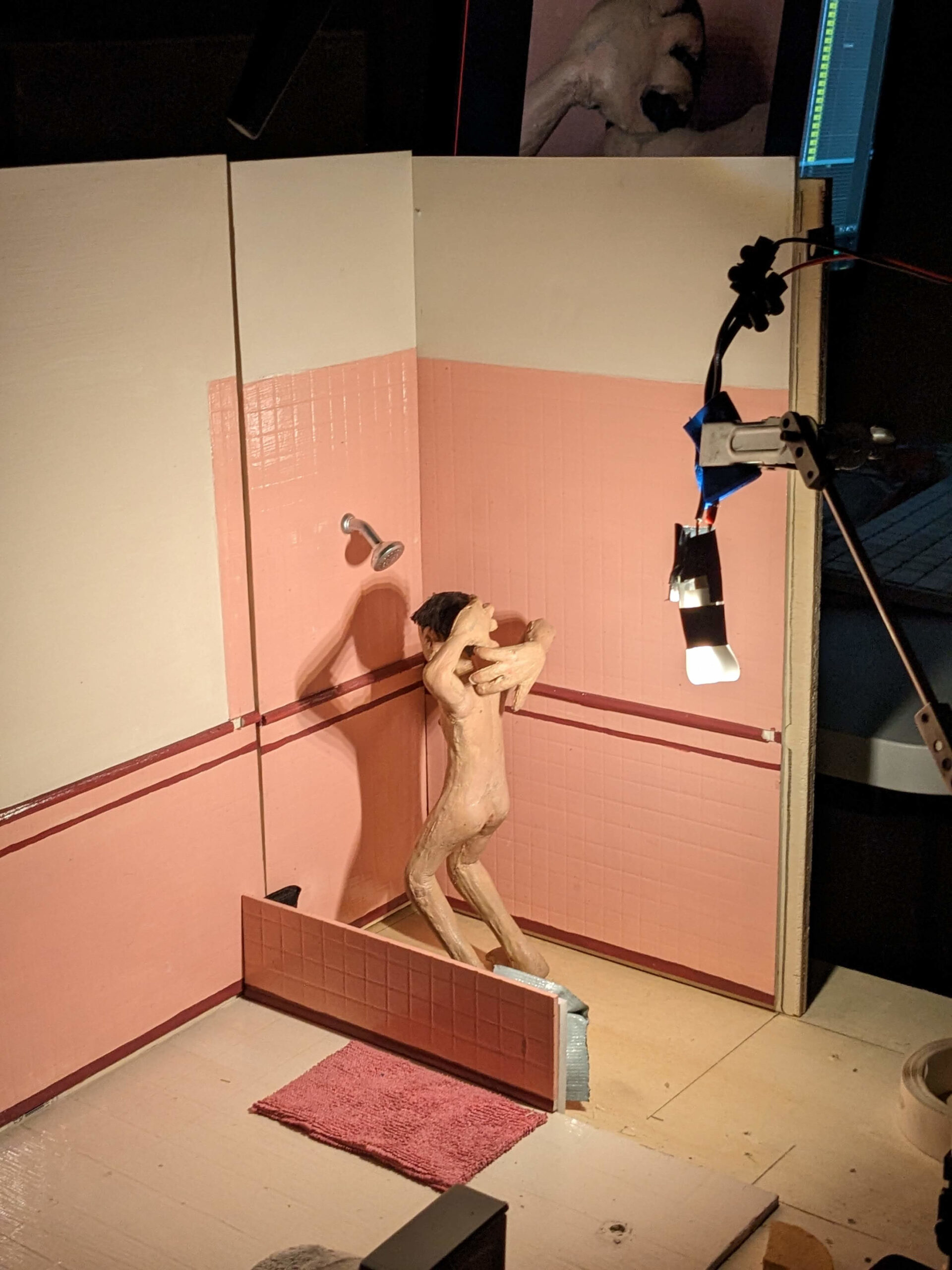
Even recurring quirks, like his now-recognizable oversized puppet hands, persist despite attempts to correct them after struggling with the appendages in previous work. “They end up being massive… even though on this film I tried to make them more to scale.”
The simplicity of the designs becomes a strength, allowing audiences to project relationships onto the characters. “As long as I have the hair a certain way,” he laughs, “it’s possible that’s enough to convince you each character is its own individual.”
“Why does this exist?”
Once completed, the film’s reception mirrored its content: divisive, but memorable.
“In Germany, they really did not know what to do with it,” he says. But internationally, the response shifted. At Annecy 2024, the world’s biggest and most prestigious festival, it won the Cristal for graduation film. At the similarly influential Ottawa International Animation Festival, it won the Audience Award.
“It was polarizing in the way that I would hope a good film should be,” he says. “People either really connected to it or were like, ‘ Why does this exist?’”
That reaction, he suggests, is partly due to how rarely animation engages directly with sexuality. “You still don’t really see… actual sex itself,” he notes, “let alone the more gross sides of puberty.”
“I feel more conservative now”
Sterlin-Altman now watches the graduation film with some distance.
“Sometimes I watch it now, and I’m like, oh my God,” he says. “Does it really need to…?”
He laughs, then shrugs it off. “I feel actually more conservative than I was when I made it.” Perhaps a typical sentiment among student filmmakers still in the early years of their careers.
That shift doesn’t diminish the film’s impact. If anything, it highlights what makes it work and why it found an audience by leaning into discomfort, absurdity, and emotional honesty all at once.
Script & Direction: Daniel Sterlin-Altman
Producer: Luis Morat
DOP: Pip Kohler
Cast: Enaitz Greaney, Summer Banks, Daniel Sterlin-Altman
Animation: Daniel Sterlin-Altman, Anselm Mende
Set Design: Laura Thiele, Daniel Sterlin-Altman
Composer: Lena Radivoj
Mixing Engineer: Anastasiia Nasonkina
Sound Design: Enrique Cuesta
Puppets: Daniel Sterlin-Altman
Costumes: Teresa Velten
© Filmuniversity Babelsberg KONRAD WOLF 2024
Supported by: Queerscope Funds The Canada Council for the Arts The Open Workshop- The Animation Workshop at VIA College
Sales: Interfilm