.png)
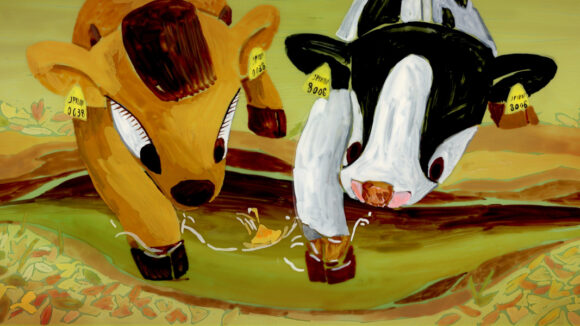
Honami Yano’s Hand-Painted Short ‘Eri’ Drops Trailer Ahead Of Cannes World Premiere (EXCLUSIVE)
Stay informed with free updates
Sign up to get our news digest — delivered directly to your inbox twice a week.
By her own account, Japanese animator Honami Yano has never been interested in safe emotional territory. Her breakthrough short, A Bite of Bone, introduced the world to a filmmaker drawn to the unsettling edges of desire, memory, and the body, presented through an animation technique that seemed to breathe and decay at the same time.
With the film preparing for its Cannes Directors’ Fortnight debut, we’re excited to exclusively premiere the first trailer for the film, offering an early glimpse at Yano’s tactile, hand-painted world of windswept mountains, yearning glances, and vivid acrylic animation.
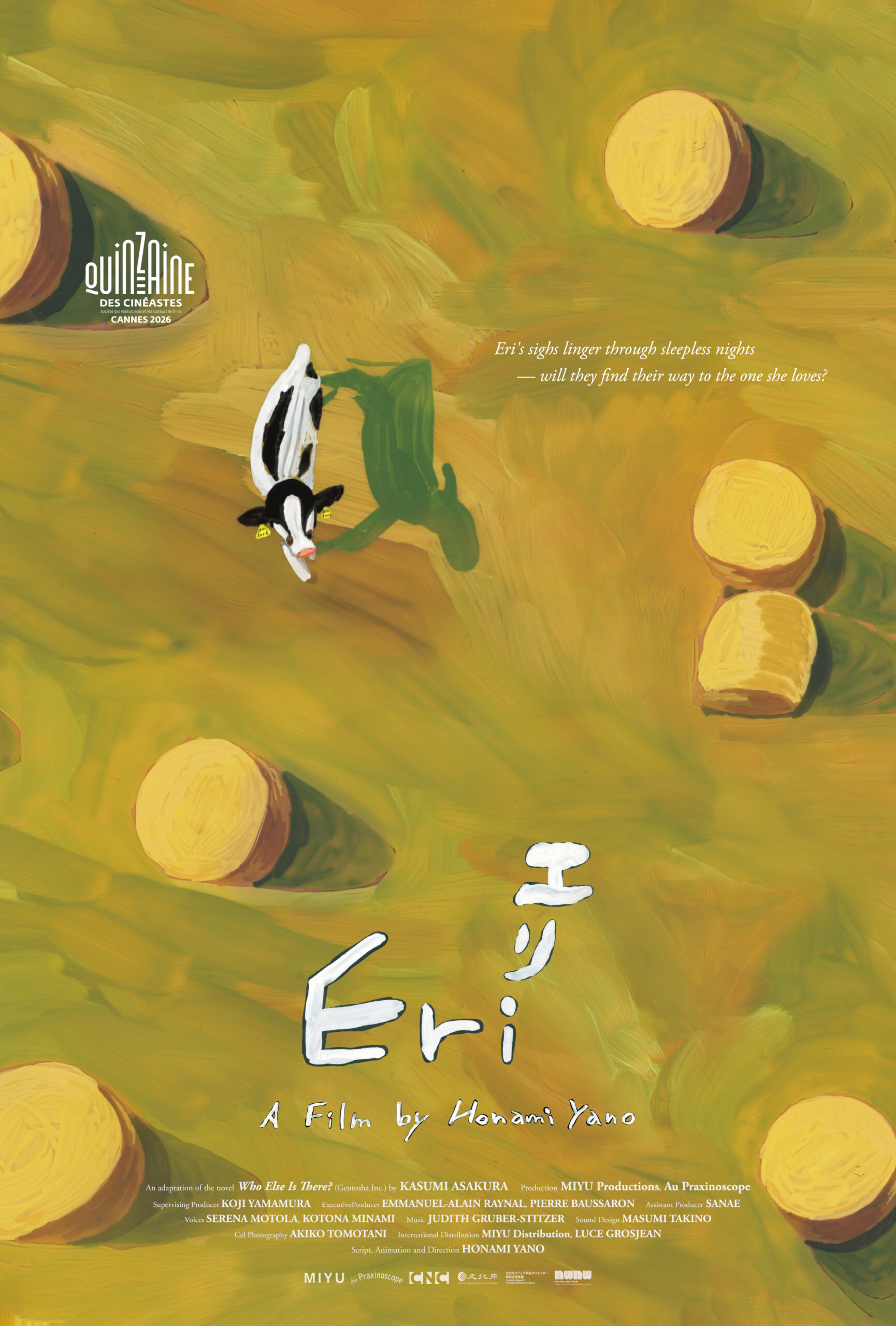
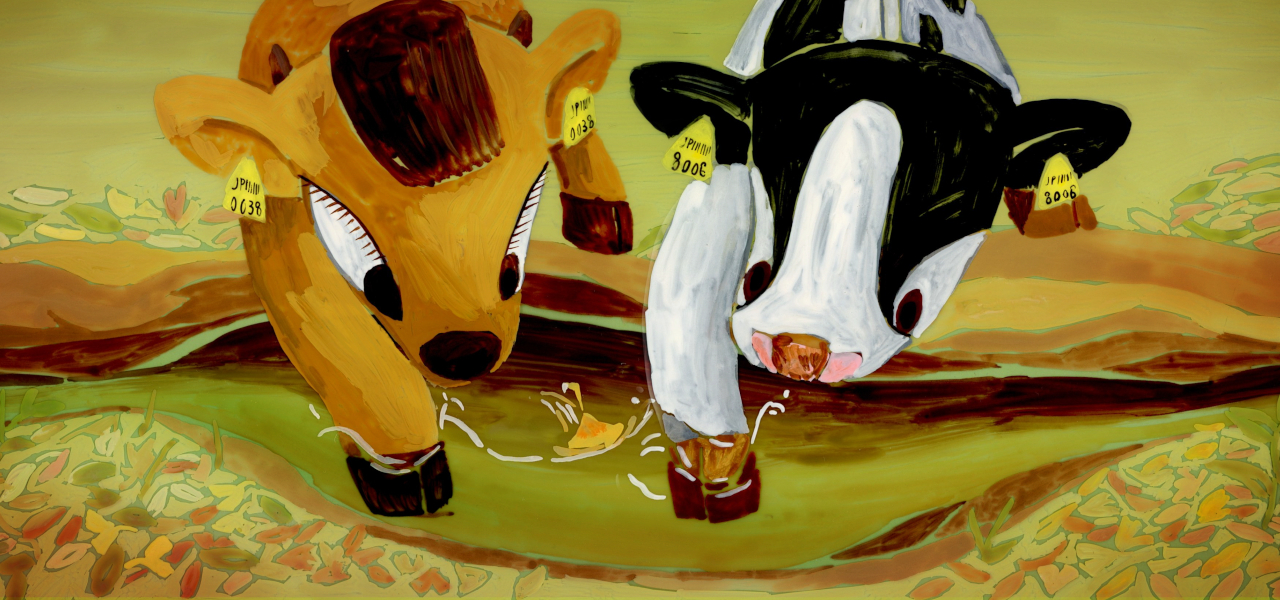
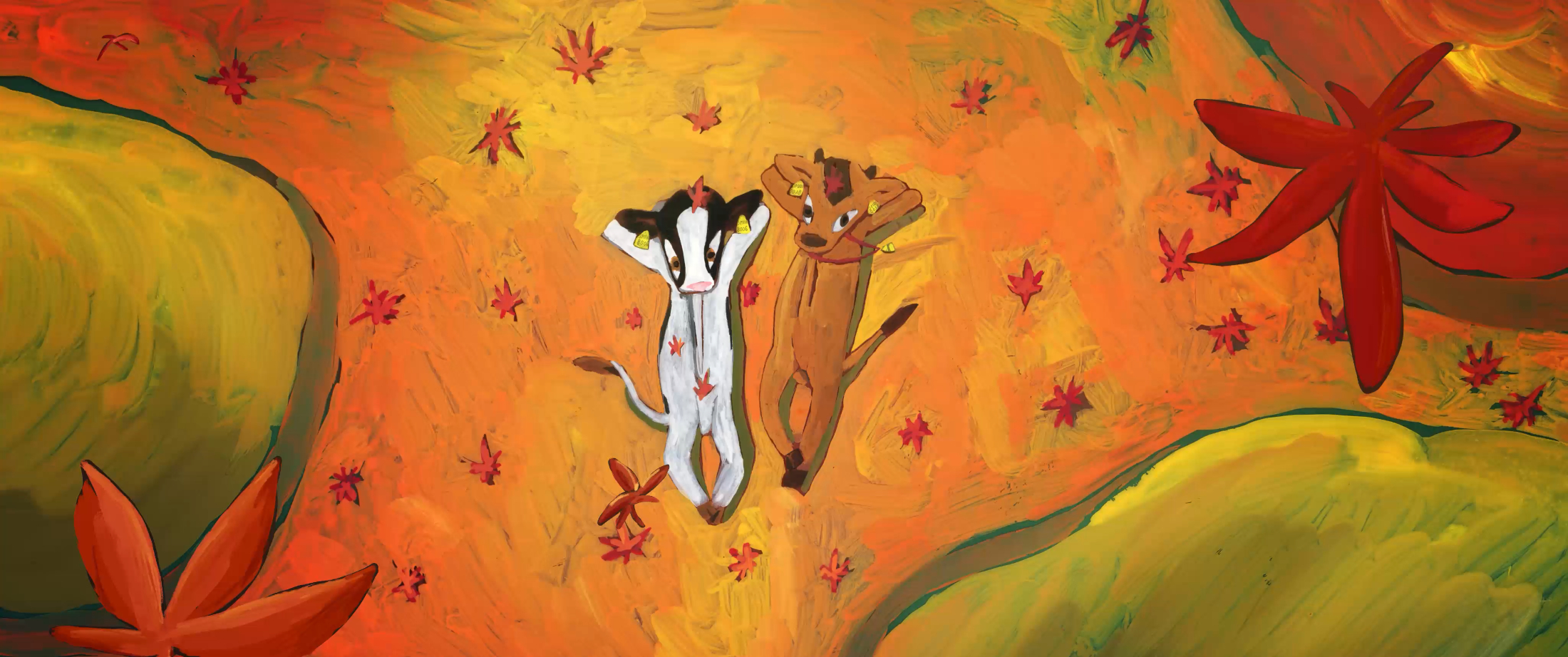
The 12-minute short follows Eri, a Holstein cow living in a world where dairy cows are allowed to survive only if they bear calves. Eri falls deeply, hopelessly in love with another cow named Sawa, and the film traces the overwhelming force of that attachment through hand-painted landscapes that feel suspended somewhere between dream, memory, and physical sensation. Adapted from Kasumi Asakura’s novel Who Else Is There?, the film transforms that story’s human characters into cows, a conceptual leap that initially sounds surreal but quickly reveals itself to be grounded and achingly fitting.
The premise sounds surreal at first, but Yano arrived at it through a deeply personal and carefully researched process. “This novel has been precious to me since my student days,” she tells Cartoon Brew. “When I began thinking about how to bring Kasumi Asakura’s words to life in animation, I had a feeling that keeping the characters human would somehow close the work in, limit what it could become.”
The breakthrough came through the novel’s treatment of skin color and self-consciousness. “One is troubled by how light hers is, the other by how dark hers is,” Yano says of the book’s protagonists. “Light skin and dark skin. White and black. That thought led me to a farm. And when I met the cows there, I knew, these were the ones I wanted to draw.”
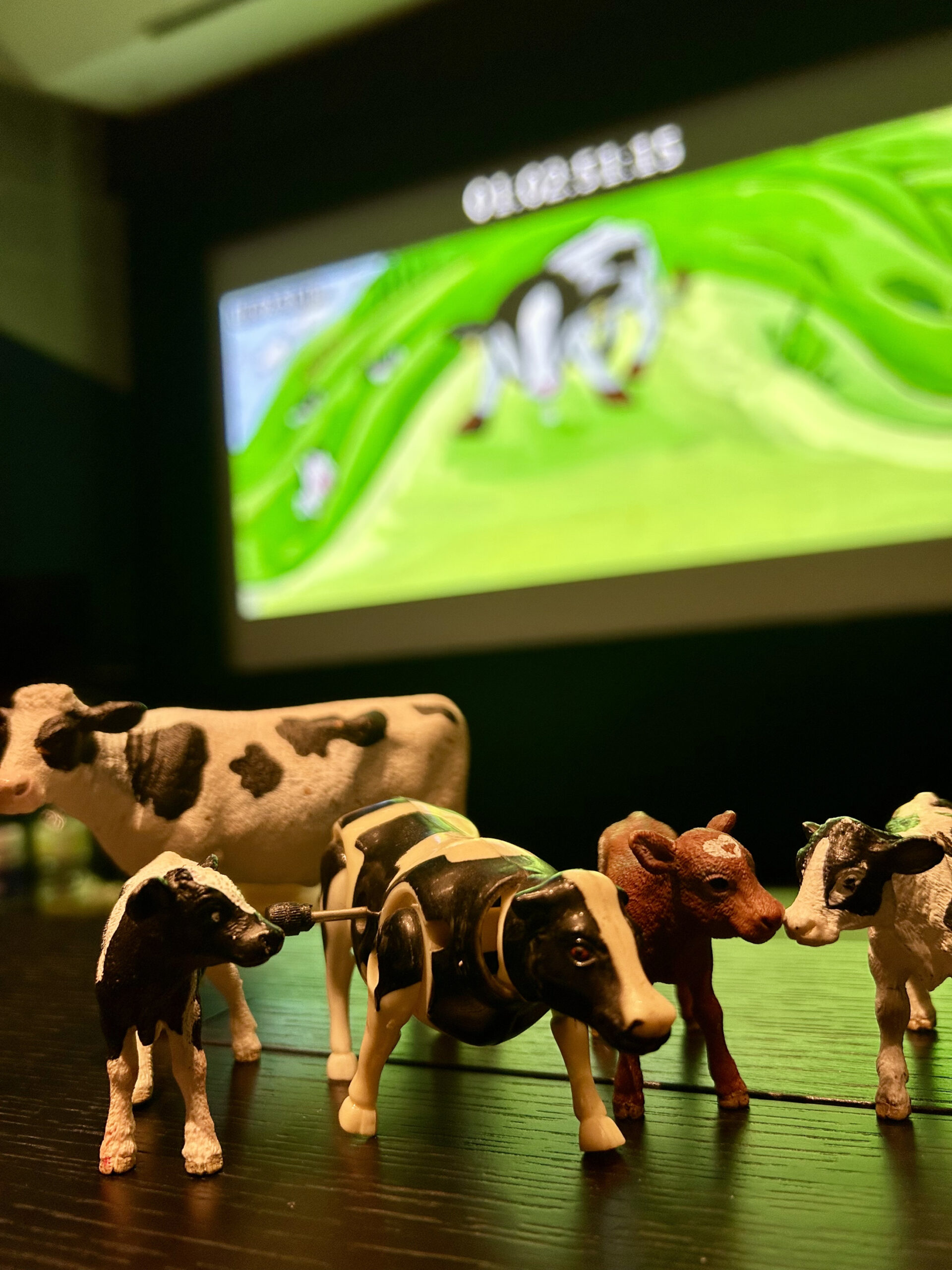
What began as a visual idea evolved into something much more emotionally and politically layered once Yano spent time on dairy farms in Japan.
“A dairy farm is, at its foundation, a world of females,” she says. “The cows exist to produce milk, and to produce milk, they must give birth. From the time they are just over a year old, reproduction begins to define their existence.”
That realization transformed the story’s emotional stakes. “In that world, a queer love story becomes something far greater than a love story,” she continues. “A same-sex love in a world where you cannot remain unless you bear a child, that urgency, that impossibility, felt so much more absolute than anything I could have rendered with human characters.”
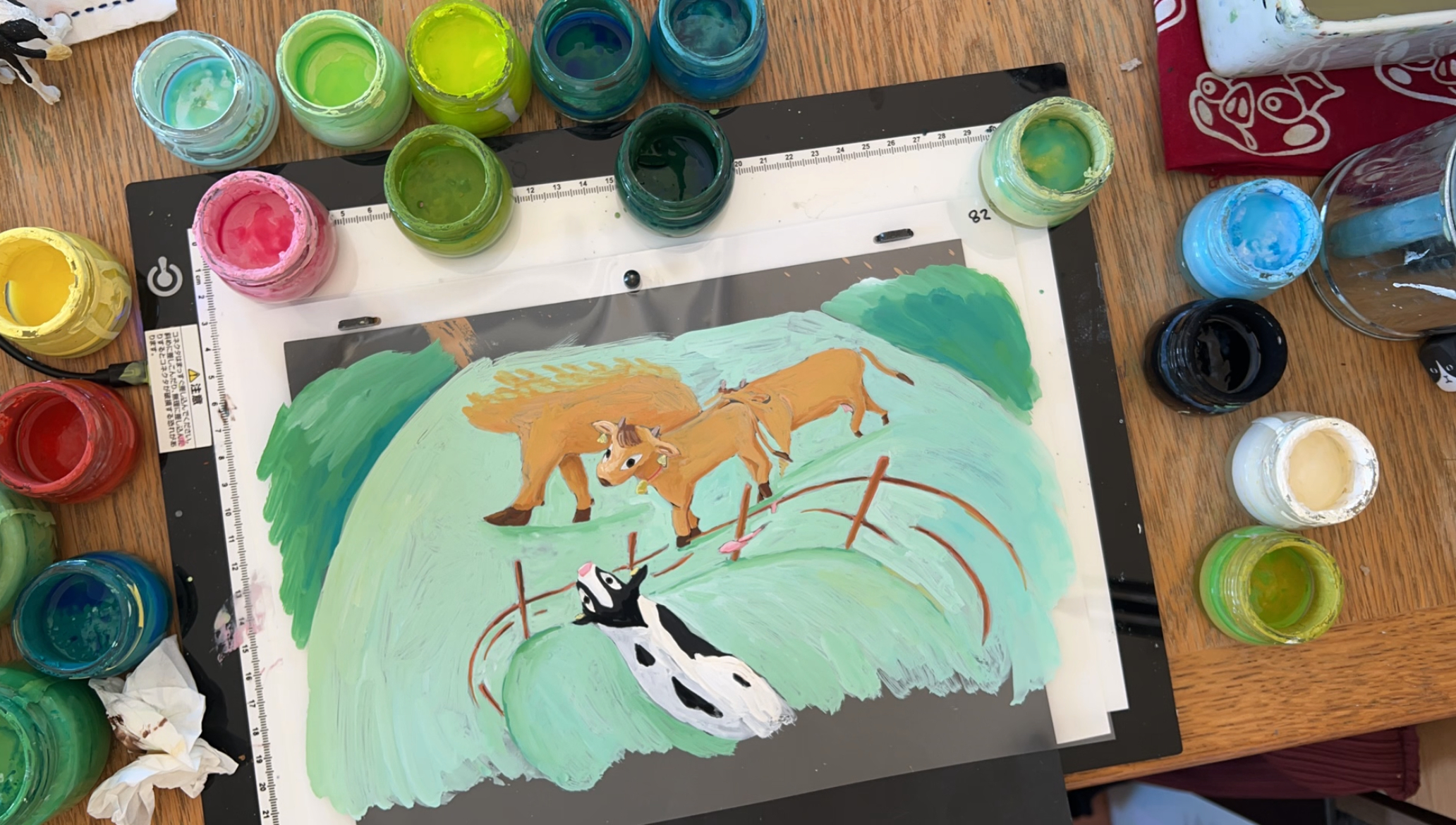
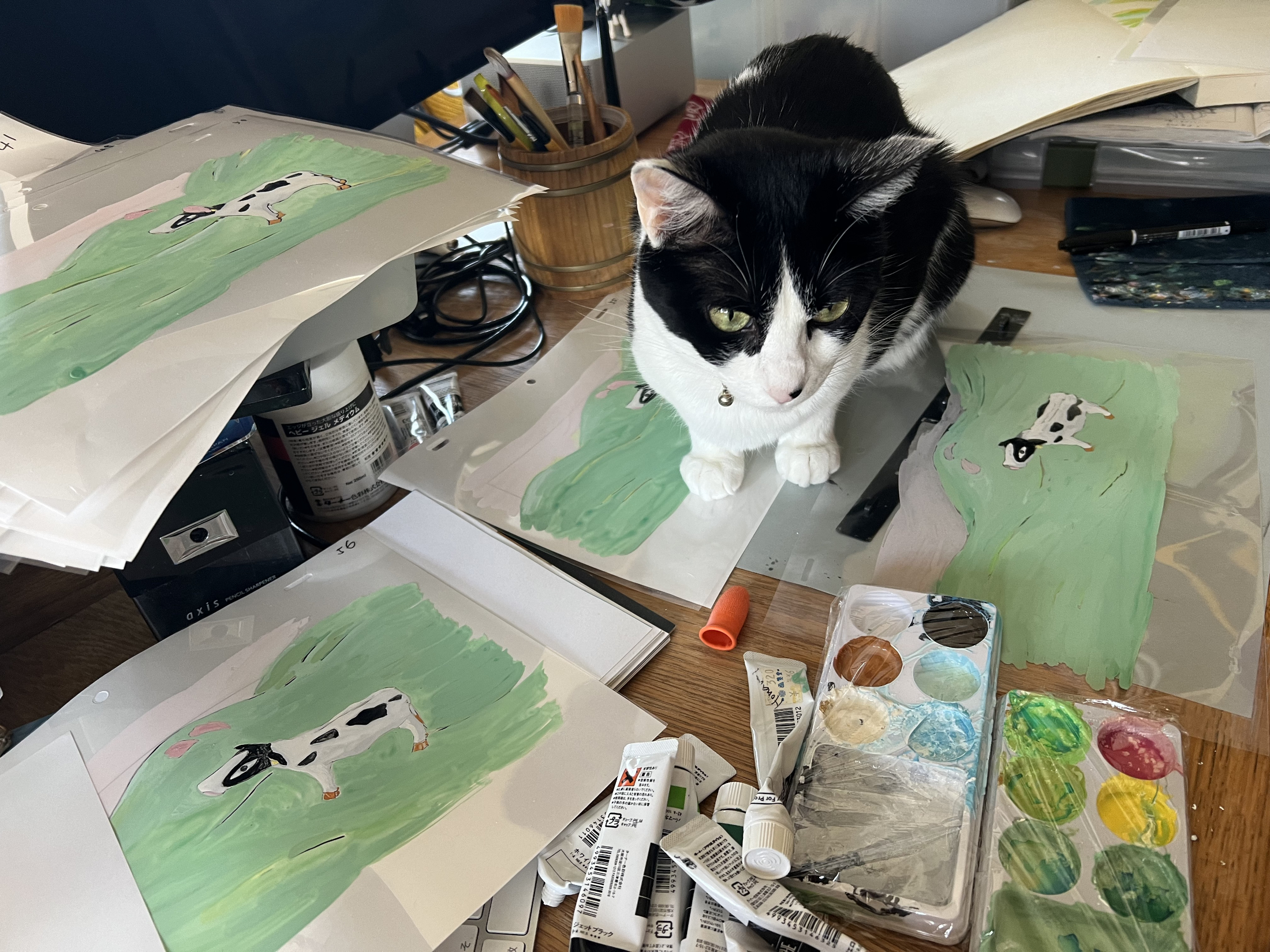
Despite the weight of those themes, Eri never feels overly symbolic. The film is dramatic, of course, but also strangely playful. Its landscapes ripple with thick, vibrant brushstrokes, while the cows move with a blend of animal realism and emotional exaggeration, not fully anthropomorphized but not entirely naturalistic either. Every frame was hand-painted with acrylic paint directly onto transparent cels, giving the animation a physical texture and dimensionality that feels almost sculptural.
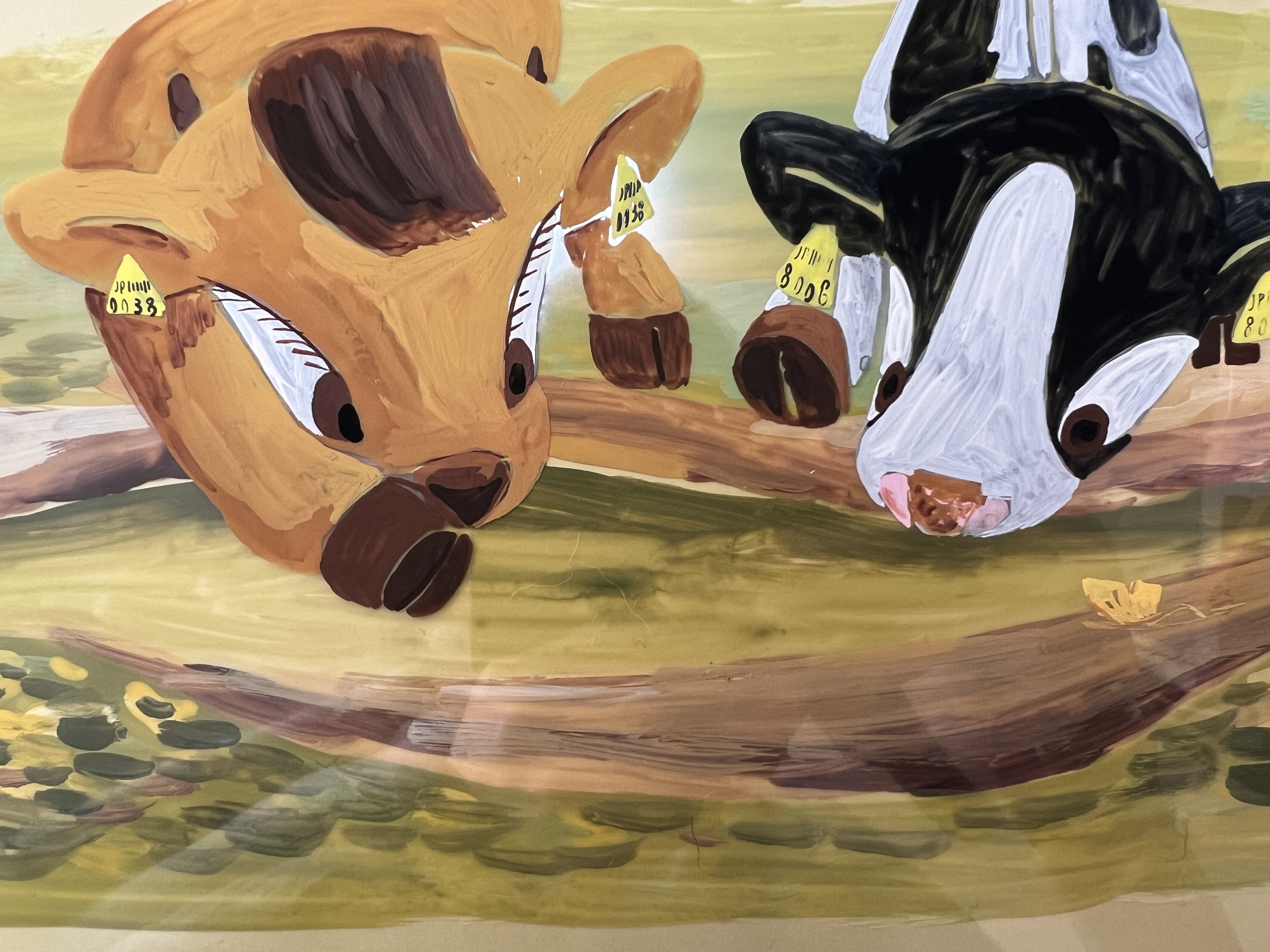
Eri is a France-Japan co-production between Miyu Productions and Tokyo-based animation studio Au Praxinoscope, with Oscar-nominated animator Koji Yamamura serving as supervising producer. The collaboration places Yano’s deeply personal filmmaking within a production lineage that has consistently championed formally adventurous animated cinema and has become an awards-season mainstay.
According to Yano, her visual approach emerged after years of experimentation and one particularly vivid dream. “The cows I met at the farms were warm and soft, and I knew I wanted to paint them with a brush,” she says. “I started working on animation paper, but after around two hundred paintings, something still wasn’t right.”
Then the solution arrived unexpectedly. “One night, I had a dream,” Yano recalls. “I was painting Eri and the others on transparent paper, with the characters and background existing as separate physical layers. The shadows of the characters fell onto the background beneath them. It was extraordinarily beautiful. When I woke up, I knew with complete certainty: I would paint on transparent cel.”
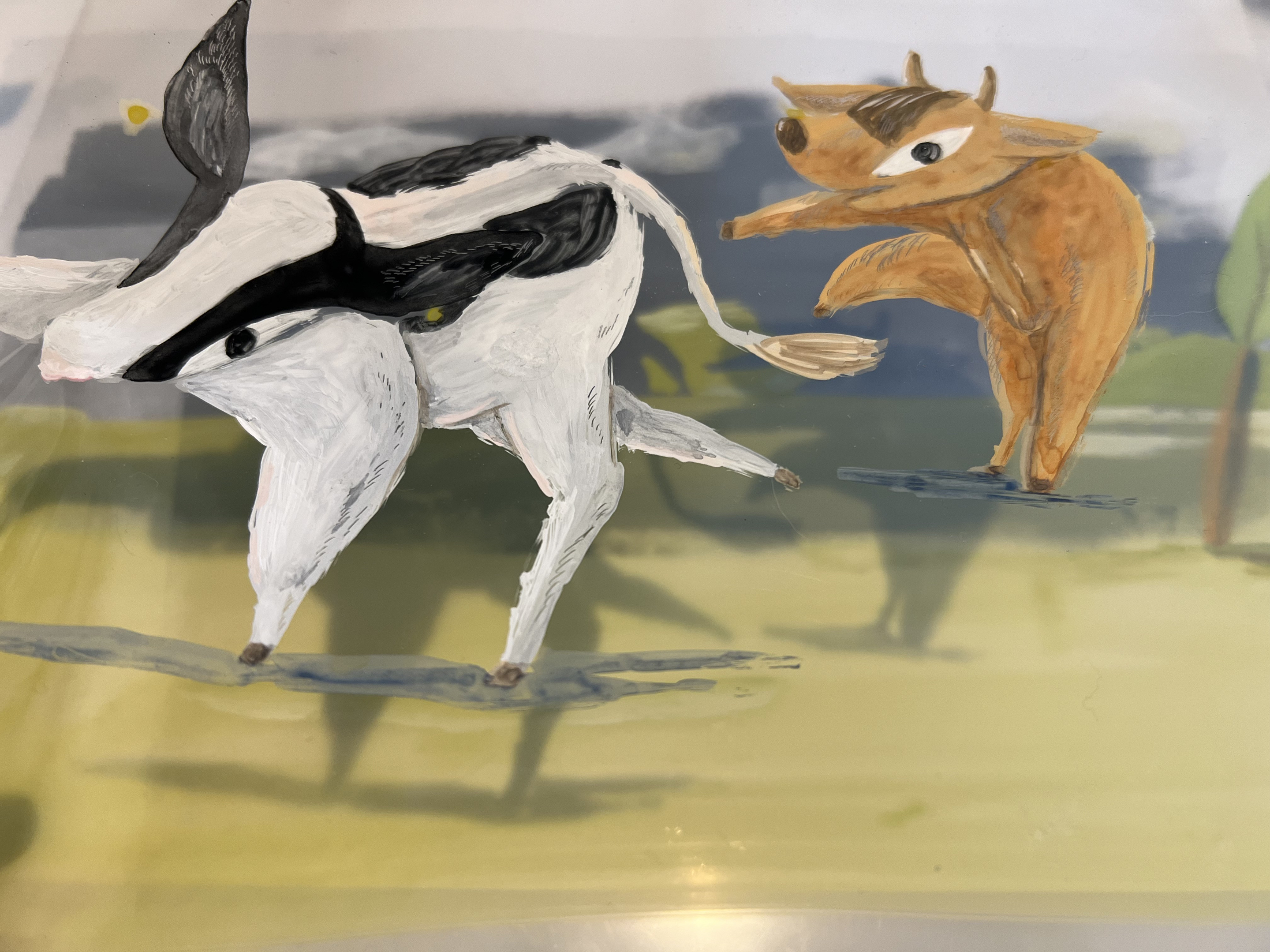
The resulting work has a density unlike most contemporary animated shorts, even among the rare few painted with acrylics. Brushstrokes remain visible in every frame, and paint gathers thickly around the edges of bodies and landscapes. The world feels unstable and alive, particularly during the film’s extraordinary dance sequence, where Eri mirrors Sawa’s increasingly elaborate choreography with obsessive devotion.
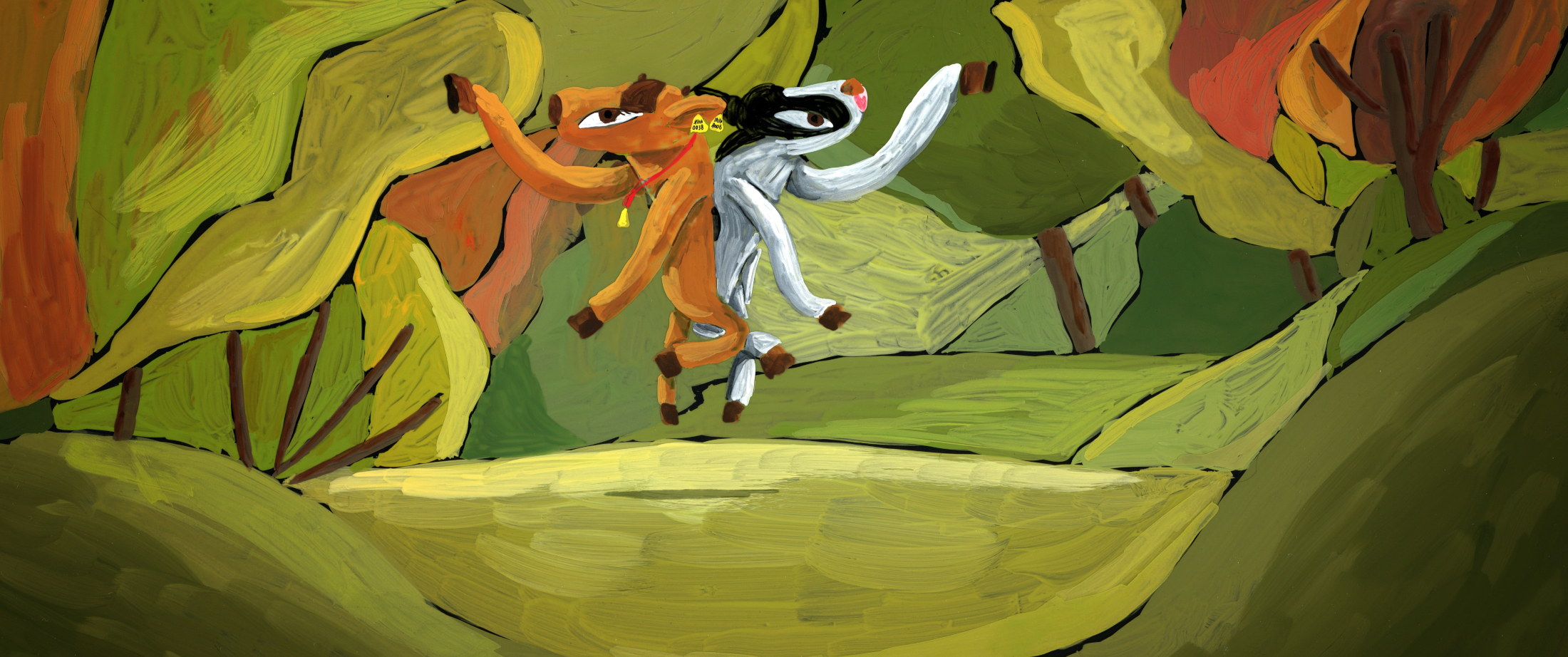
“The dance sequence was my way of expressing the architecture of Eri’s longing through movement,” Yano explains. “Eri is desperate to become Sawa, to be like her in every way. So no matter how intricate or elaborate Sawa’s dancing becomes, Eri mirrors it perfectly. I wanted to hold that devotion lightly, with humor and a kind of joy.”
That emotional intensity is grounded by Yano’s years of firsthand observation. During production, she repeatedly visited farms in rural Japan, sketching cows and walking through mountain pastures as she developed the film’s visual language. One encounter became especially important.
“As the research continued, I began to see where Eri and the others lived, not inside a barn, but somewhere with a mountain ridge visible on the horizon,” she says. “If she was going to fall in love, the sky above her had to be wide open.”
Eventually, Yano found a free-range dairy farm in the mountains and met a cow named Sawa. “I fell for her instantly, completely, and gave her name to the character in the film,” she says.
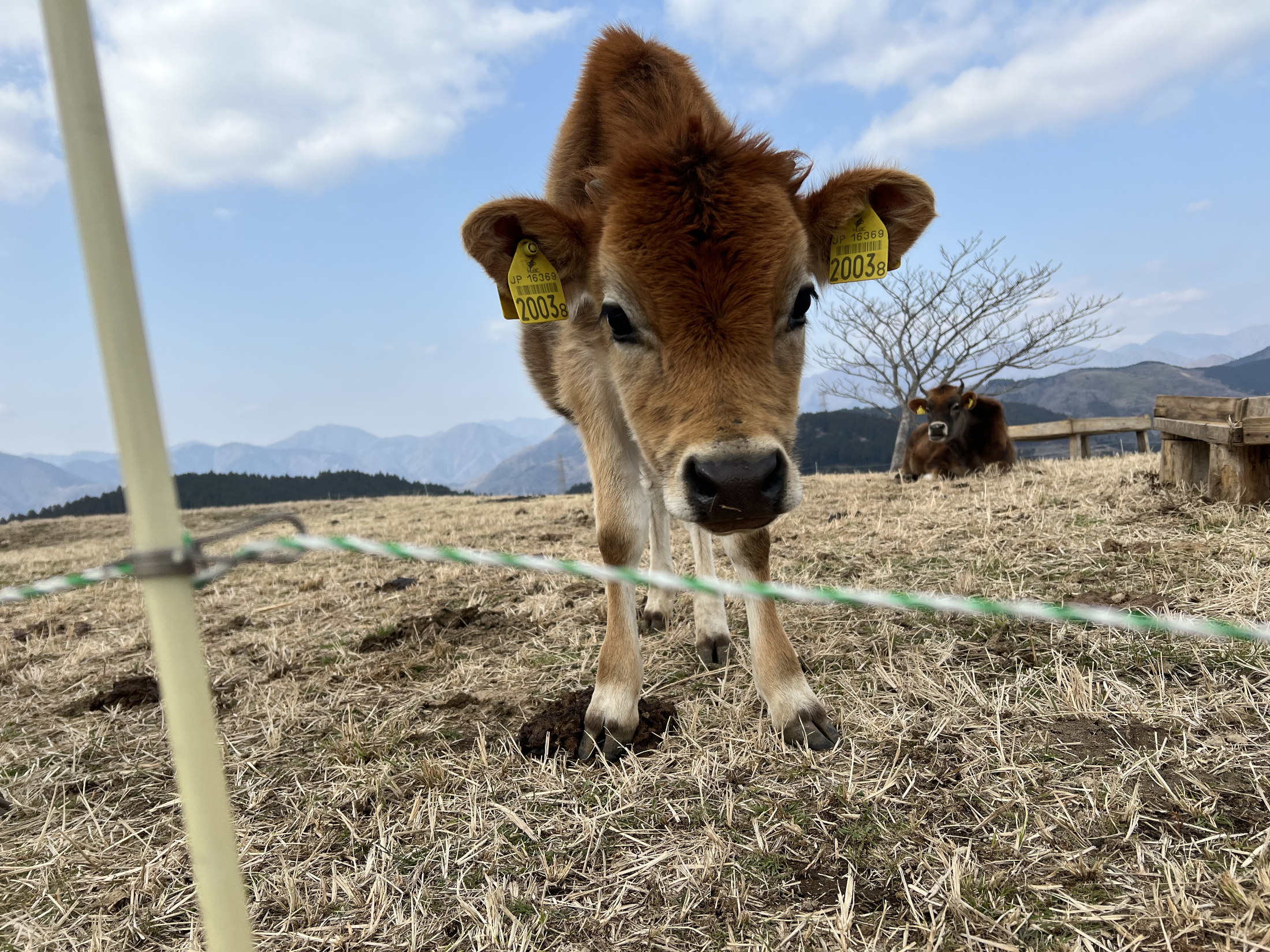
Those visits shaped the film formally as well as emotionally. “A cow’s field of vision spans approximately 330 degrees,” Yano notes in the film’s press materials. “In order to bring this expanded perspective into the film, to capture these creatures living across vast mountain terrain, I chose the CinemaScope aspect ratio.”
The same attention to detail guided the soundtrack. Yano and sound designer Masumi Takino traveled to farms in eastern Japan to capture original recordings instead of relying on stock effects.
“We were there to record the winter scenes, the breathing of the cows, the hum of the electric fence,” Yano says. “But the mountains were so quiet. Almost no ambient sound at all.”
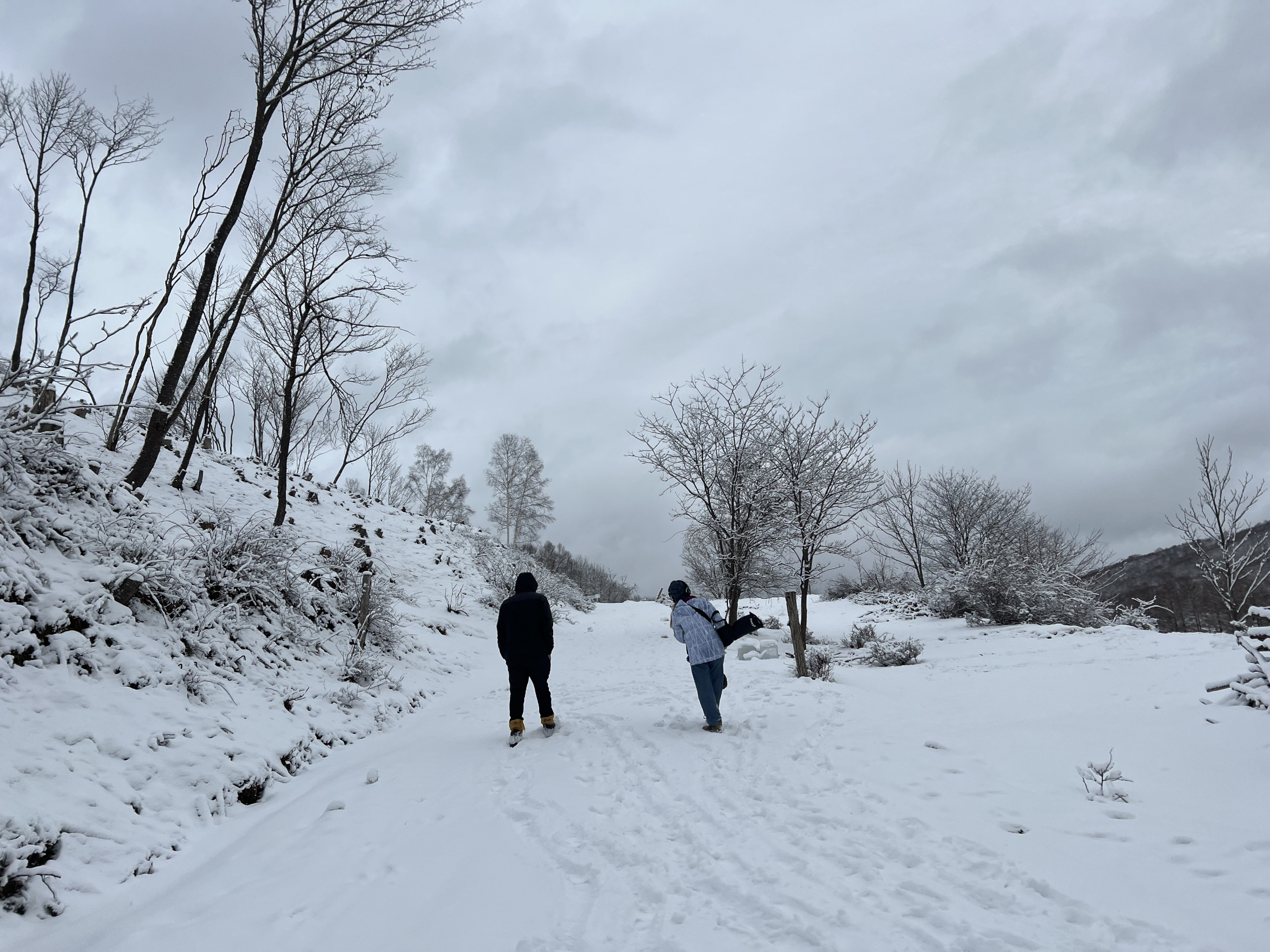
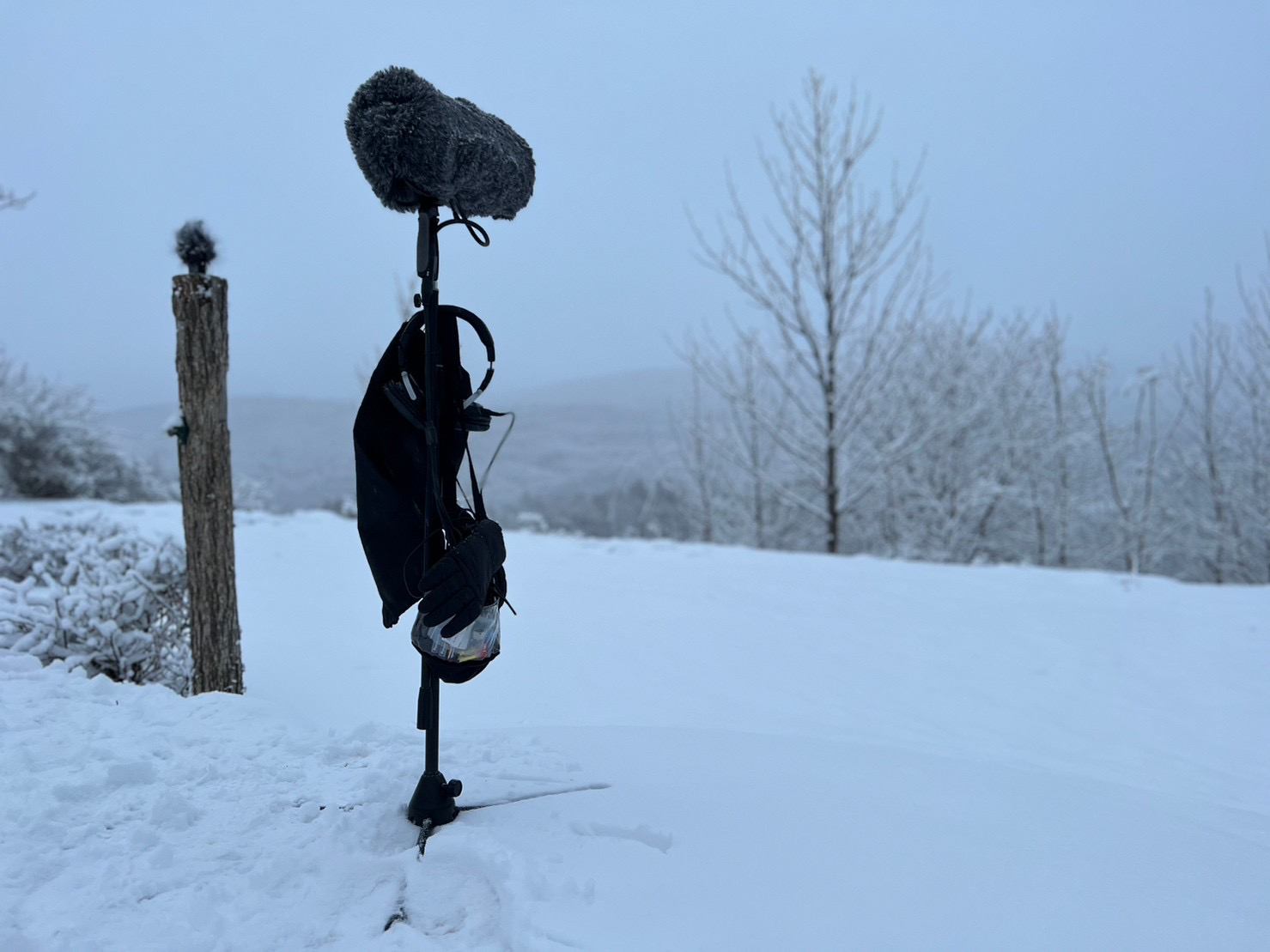
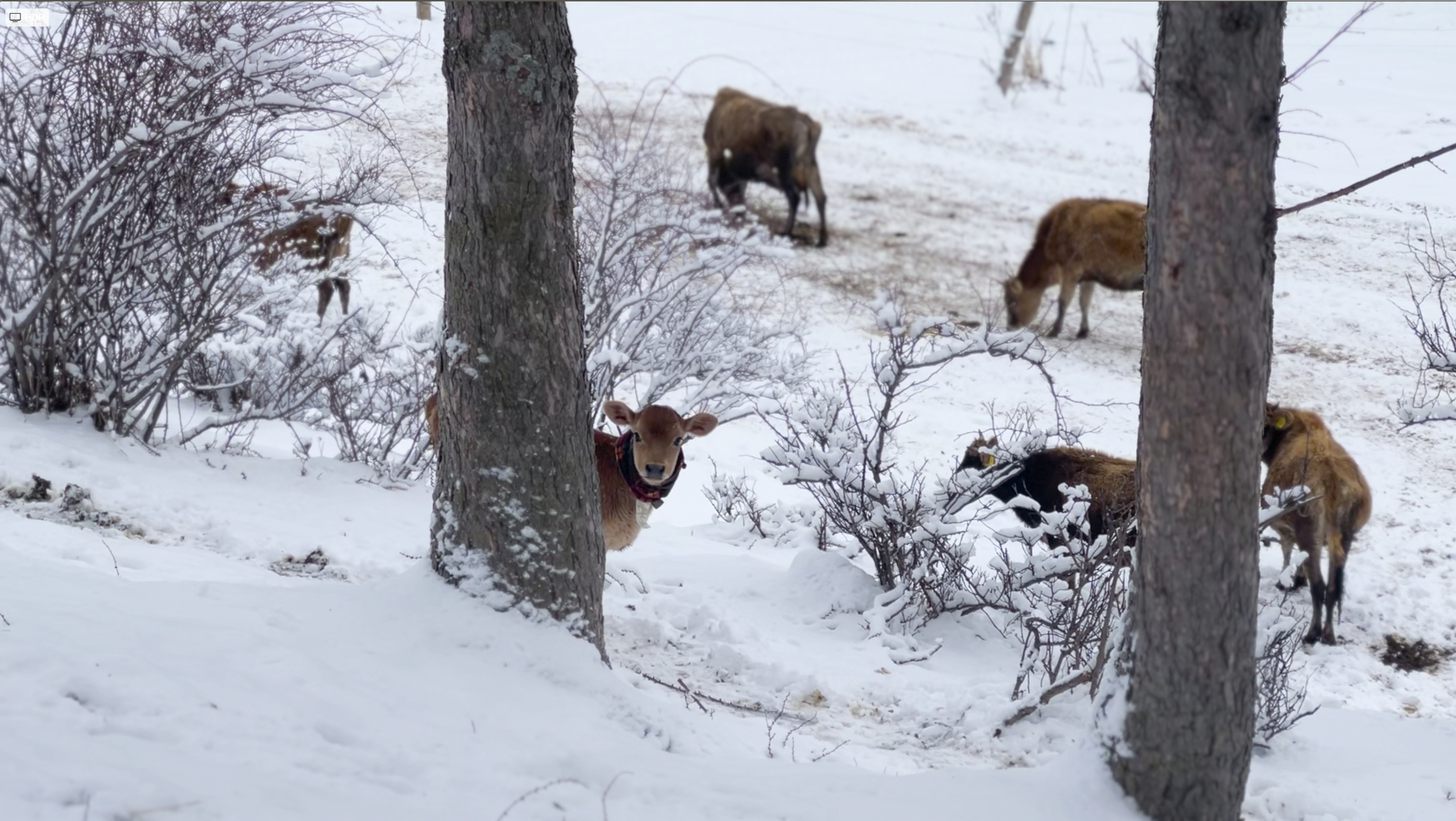
One memory from those sessions stayed with her. “Masumi turned her microphone toward a small calf wearing a little scarf, and carefully recorded the sounds of her breathing, her ruminating,” Yano recalls. “We called her our actress.”
The score was composed by Montreal-based musician Judith Gruber-Stitzer, whose past collaborators include several legendary National Film Board of Canada animators. For Yano, the collaboration carried deep personal significance. “To hear my own film find its sound in the same hands was a joy I cannot quite put into words,” she said.
For all of its painterly beauty, Eri is ultimately driven by something rawer and more difficult to articulate. During production, Yano questioned whether she was aestheticizing suffering by weaving the realities of dairy farming into a queer love story. Spending time alongside the animals ultimately shifted her thinking.
“One morning, as I drew near, a mother cow raised her head and looked at me,” Yano says. “She let out a low sound, moo, and her calf immediately moved behind her. It was as if she were saying: a strange one has come, stay close to me.”
“In that moment I understood, with complete clarity, that I was an outsider,” she continues. “However much time I spent with them, I was always on the other side of their world. And yet in that mother’s voice there was unmistakable intention. A will to protect. That is what I wanted Eri to have, too.”
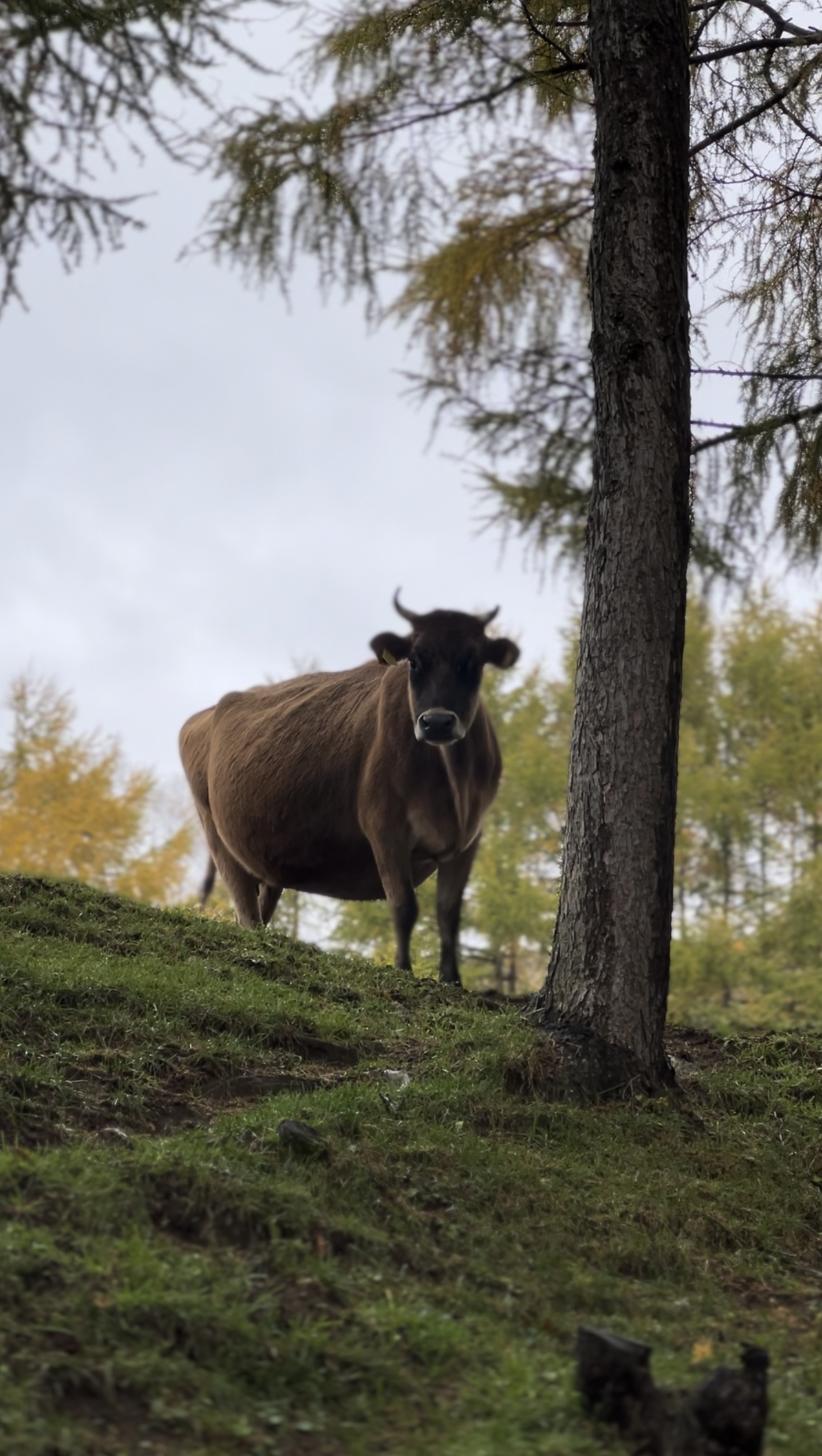
That realization became central to the film’s emotional core. “They exist inside the system,” Yano says of the cows. “But within that, they have will. They reach toward someone.”
Beneath its painterly surfaces and surreal premise, Eri is a film about what it means to love in a world that offers no clear place for your desire. Yano treats that longing neither as tragedy nor rebellion, but as an unavoidable condition.
“What happens when someone who is not permitted to exist loves another person anyway?” she asks.
Eri never tries to answer that question cleanly. Instead, it lingers inside it. The result is one of the most emotionally piercing animated shorts of the year so far, and further confirmation that Yano is working in a space entirely her own.