.png)
‘Under The Lake,’ A Coen-Inspired, Dialogue-Free Thriller, Gets Trailer Ahead Of Tribeca World Premiere (EXCLUSIVE)
Stay informed with free updates
Sign up to get our news digest — delivered directly to your inbox twice a week.
Spanish filmmaker Juan Carlos Mostaza is headed to New York this month with Under the Lake, a 14-minute animated thriller making its world premiere in competition at the 2026 Tribeca Festival. Ahead of the premiere, we’re excited to exclusively debut the film’s trailer.
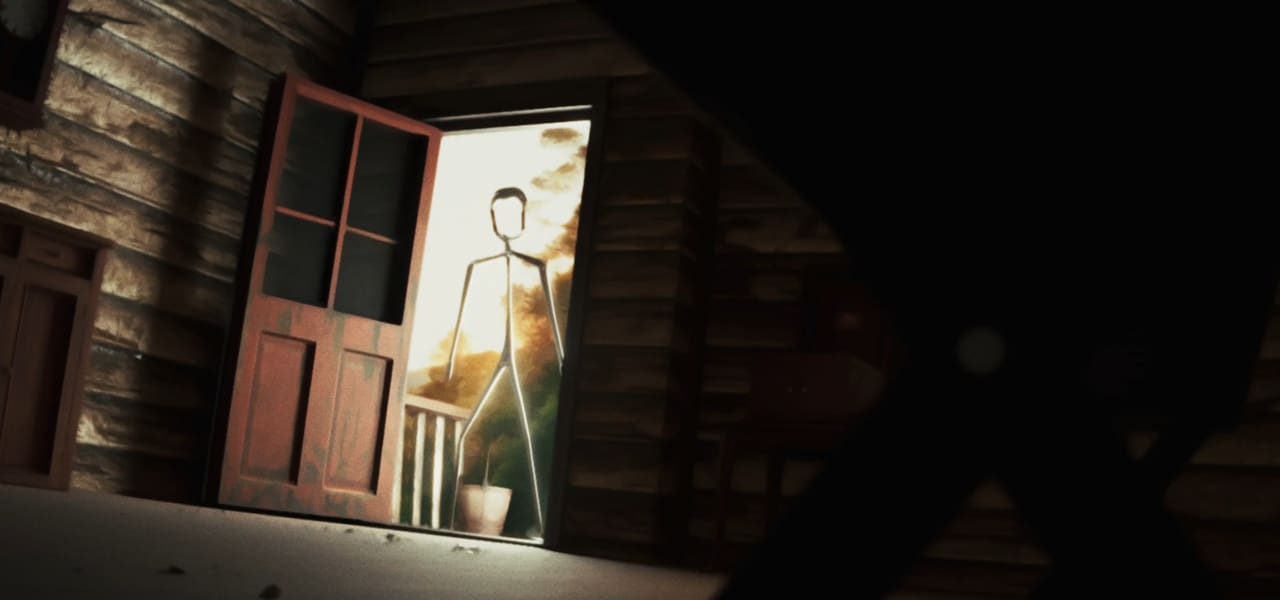
Produced by The Cathedral Media Productions, Under the Lake unfolds in a familiar yet unsettling world inhabited by faceless wire characters. In it, a father and son live beside a lake where, one day, the boy rescues an injured stranger who washes ashore, setting off a tense and increasingly ominous chain of events.
The short continues Mostaza’s long-running fascination with these metallic humanoid figures, which he revisits about every ten years. “I have two previous shorts with these wire characters,” the director told us ahead of the film’s Tribeca debut. “One was in 2006 and another ten years later called Down to the Wire. The stories are not connected except for the world of these characters. I keep experimenting with new things, but they always involve crime or something dark, and all of them are without dialogue.”
Silence is central to the project, with Mostaza treating it as a creative discipline.
“I always impose one artistic rule on myself,” he explained. “None of the characters can speak. I have to express everything with the camera and with what they do with their bodies because they don’t have faces.”
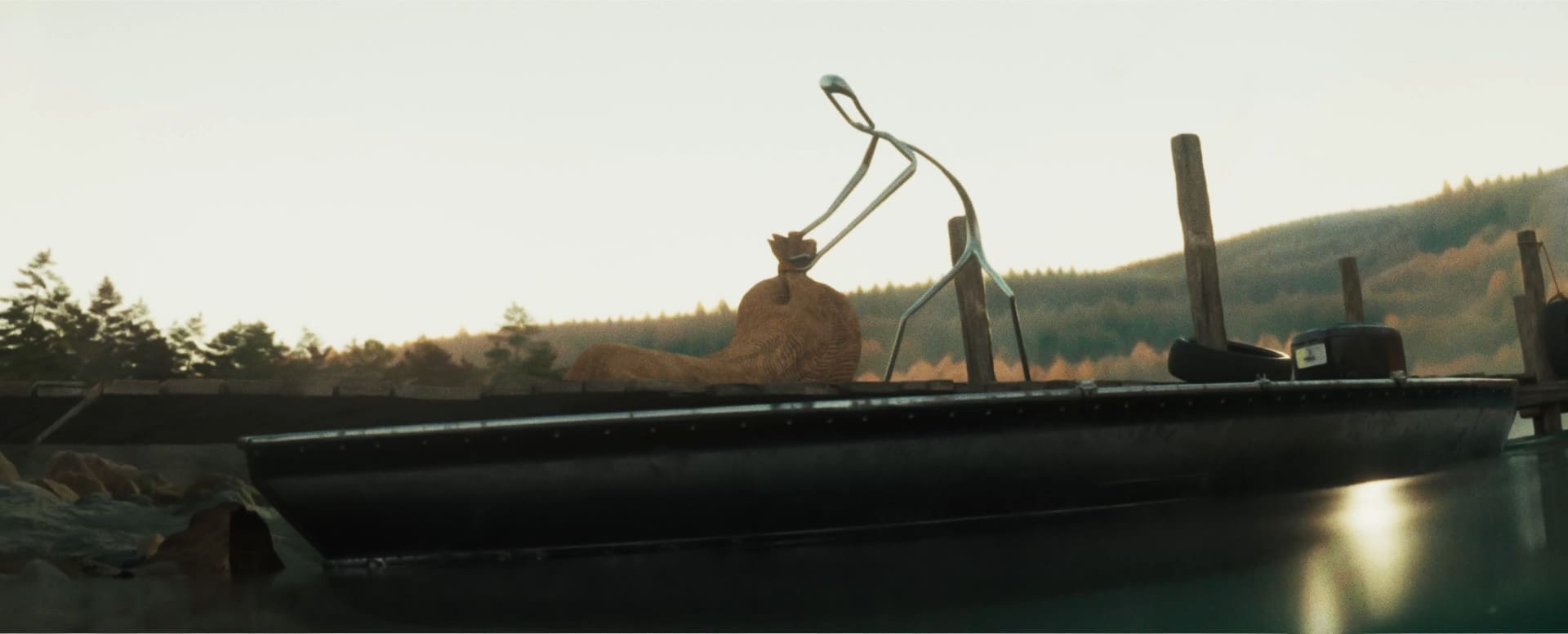
His minimalist approach extends to the production process itself. Mostaza, who directed, wrote, produced, edited, animated, and designed much of the film himself, created the visual side of Under the Lake entirely on a single laptop and without using genAI tools.
“I always set another technical limitation,” he said. “I have to do the visual side on one computer only. This time it was a laptop. These are limitations I impose on myself because I work better when I’m limited.”
While the earlier wire-character shorts leaned toward a more grounded approach, Under the Lake moves in a more poetic and ethereal direction. Mostaza intentionally distanced the new film from its predecessors, even dropping the word “wire” from the title.
“I wanted this one to feel separate from the others aesthetically,” he said. “The previous films searched for total realism. This one is still realistic, but it has something more like illustration. The use of light is different. I didn’t want it to feel like a spin-off. I wanted it to stand apart.”
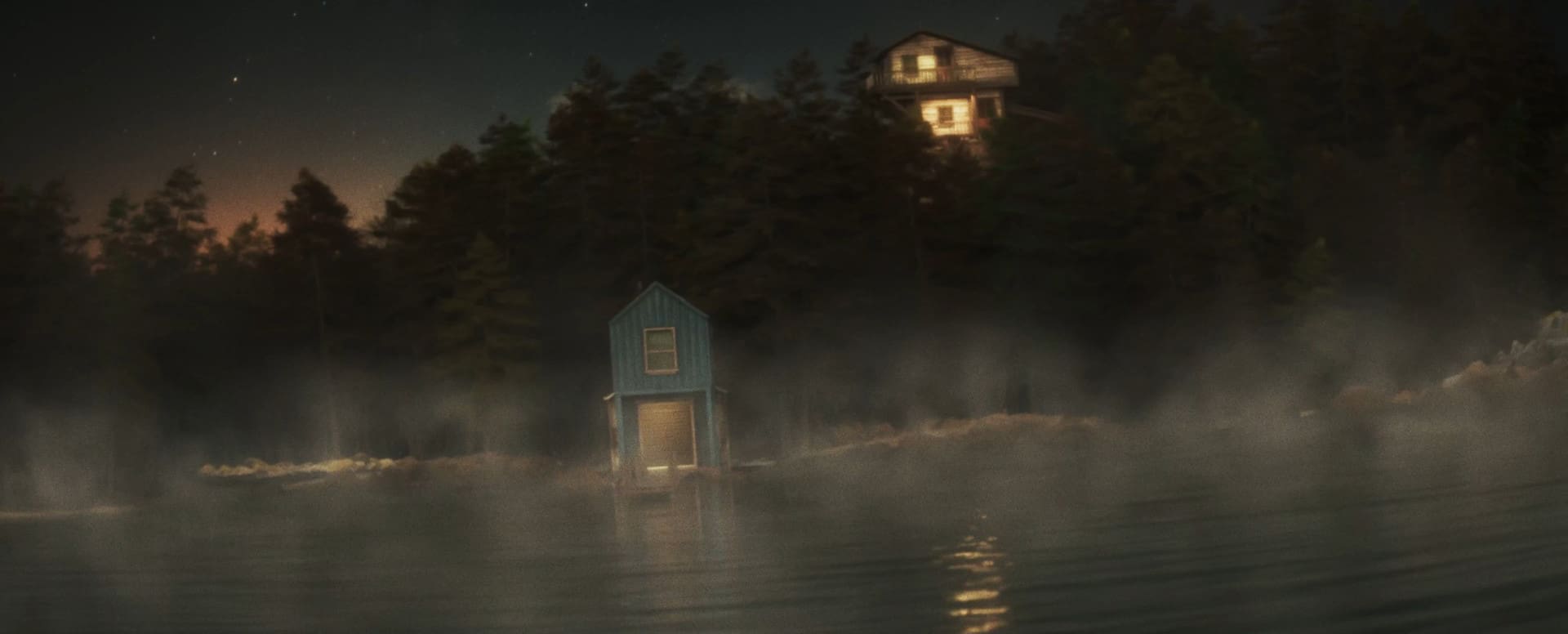
Despite the stylized character design, Under the Lake is deeply rooted in classical cinematic language. Mostaza cites Steven Spielberg, David Fincher, Martin Scorsese, Francis Ford Coppola, and John Ford among his influences, while the new short also channels the mood of the Coen brothers and American horror cinema, as is made clear in the trailer.
“For me, Spielberg is one of the great references,” Mostaza said. “What I love about Spielberg’s films is that you can watch them without sound and still understand everything because the camera tells the story.”
That philosophy drove the entire construction of Under the Lake, from the story up.
“All my shorts are completely narrative,” he said. “I don’t make experimental films. Everything is based on cinematic narration. The idea is that you completely forget you are watching animation.”
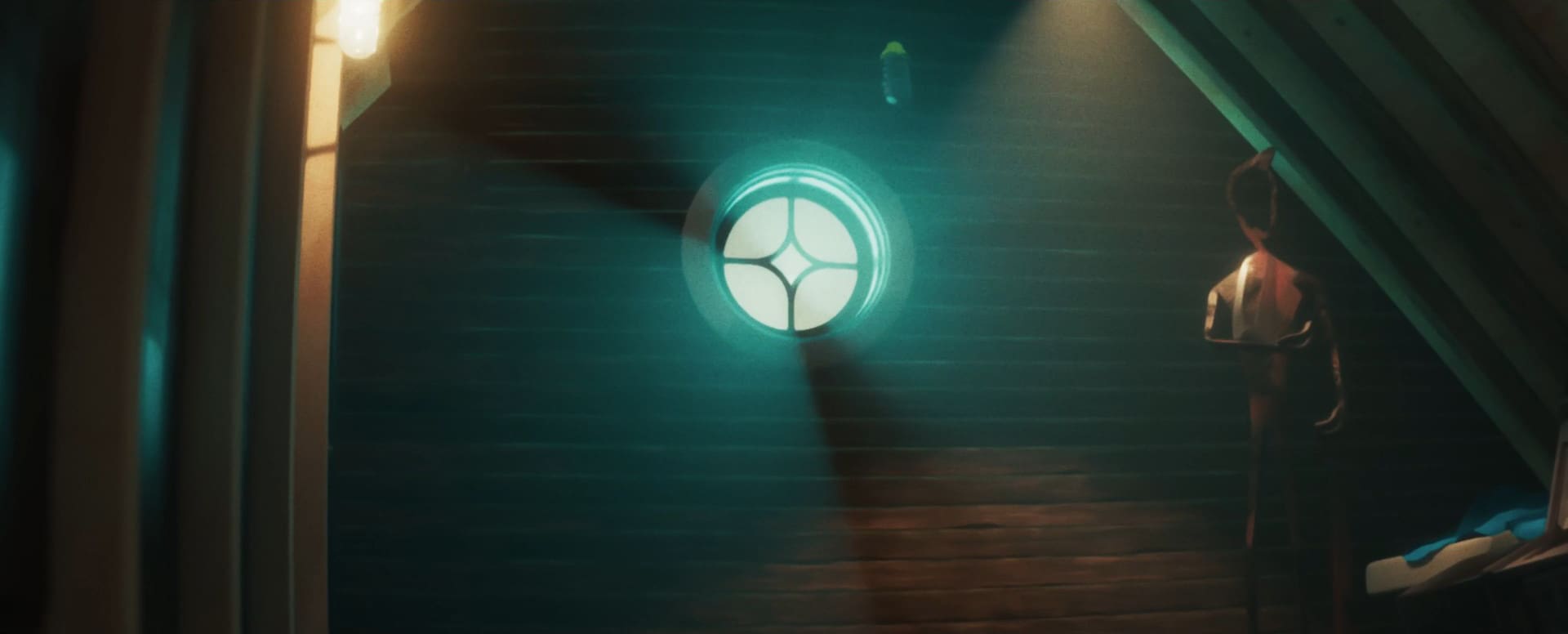
The film’s aesthetics are heavily borrowed from live-action filmmaking techniques. Presented in Cinemascope, the short uses simulated real-world lenses complete with texture and optical imperfections, while its camera movement and staging resemble contemporary thriller filmmaking more than traditional animation. Mostaza, who also works in live action and VFX, describes his process as a constant exchange between the two mediums.
“I started in animation because I wanted to make live-action films but control absolutely everything,” he explained with a chuckle.
Given its lack of dialogue, the short’s atmosphere depends heavily on sound and music. Sound designer Pablo Vega built an unusually dense environmental track dominated by the presence of water, one of the film’s central visual and thematic elements.
“I wanted the water to feel extremely present, much louder than in a normal film,” Mostaza said. “Because nobody speaks, the soundscape became very difficult. We had to invent little details constantly, birds, wind, metallic movements, just to create richness.”
Vega even created metallic Foley effects specifically for the wire characters. “He made all these tiny metallic sounds for the characters and it became spectacular,” the director added.
Composer Amy Fajardo approached the score from a distinctly American perspective, inspired by films like Paris, Texas. Mostaza asked her to blend western textures with elements to enhance the psychological tension felt by the audience.
“I told her to make it sound American with guitar textures, but also like Bernard Herrmann composing for Hitchcock,” he said. “The story is very western in spirit.”
The Coen brothers’ No Country for Old Men proved particularly influential. “That’s really the major Coen reference for this short,” Mostaza noted. “Not because of humor, because there isn’t humor here, but because of the atmosphere.”
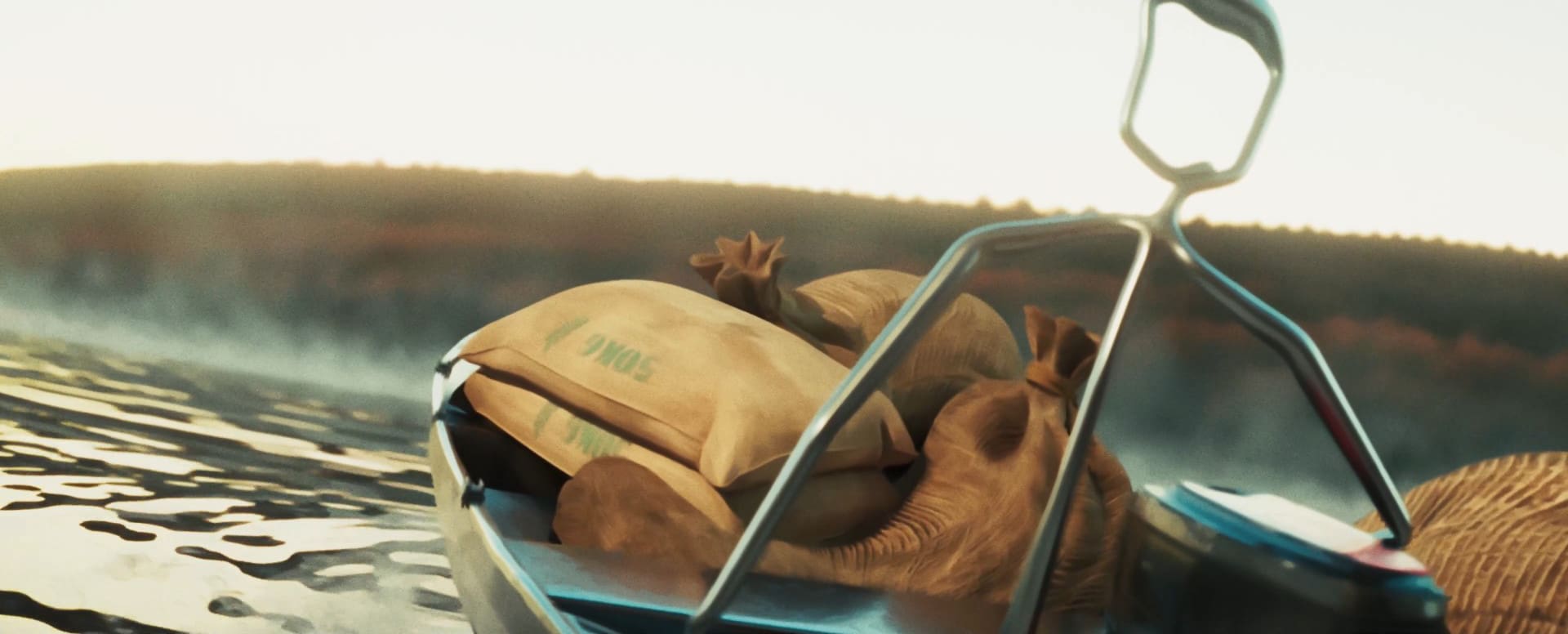
Although the time between the first two films and now films two and three was the same, he estimates the actual production only took him five or six months of continuous work. The project evolved gradually around his parallel career as a VFX supervisor, educator, and filmmaker.
“Technologically, this was the fastest of the three films to make,” he said. “But that’s because the tools have changed so much.”
For Mostaza, premiering at Tribeca carries personal significance beyond industry recognition.
“Being at Tribeca is much more than a professional achievement,” he said in the film’s press materials. “In a way, it connects me back to the origins of my passion for movies, deeply shaped by American filmmaking.”
Under the Lake premieres at Tribeca on June 6, with an additional screening on June 13.