.png)
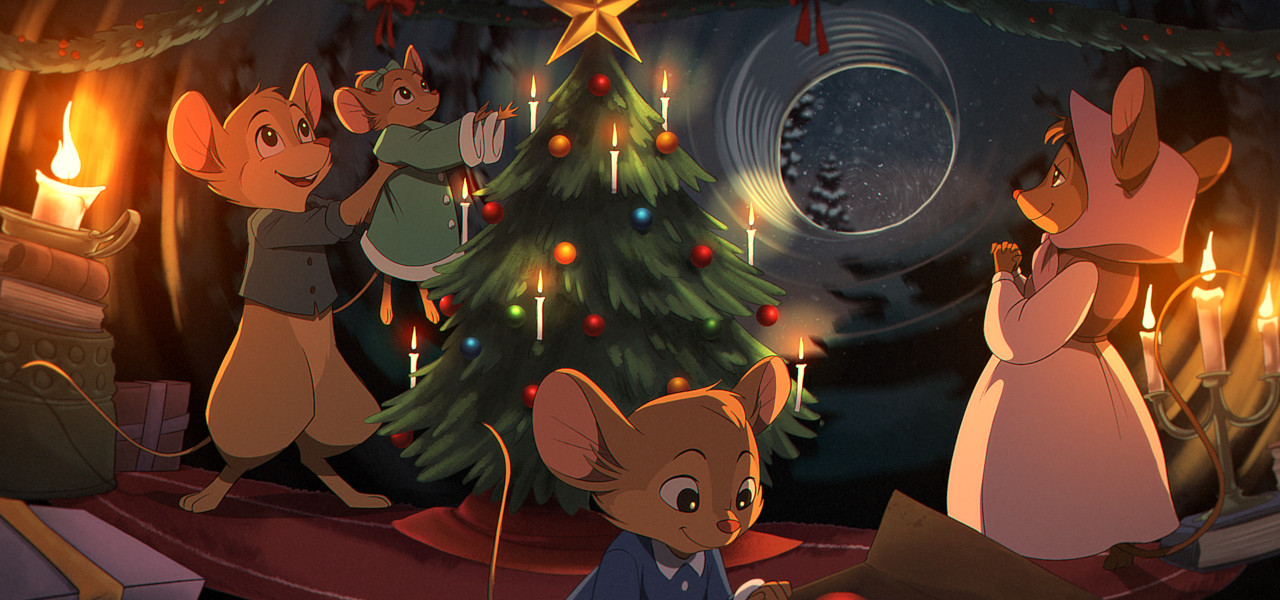
In An Era Of AI Slop Christmas Ads, This Hand-Crafted Scandinavian PSA Went Viral (EXCLUSIVE BTS)
Stay informed with free updates
Sign up to get our news digest — delivered directly to your inbox twice a week.
A Norwegian Christmas ad about recycling has gone viral this holiday season, and we’ve got the skinny on the hand-drawn, 2D film that looks pulled straight from the drawing tables of Don Bluth Entertainment.
Directed by Martin Engh and produced by Oslo-based Animasjonsdepartementet with animation by Sweden’s Brikk Animation, the heartfelt and heartbreaking spot has struck a nerve with audiences far beyond Scandinavia thanks to its unapologetically sentimental tone, dark humor, and unmistakable visual debt to Bluth-era animation.
The ad tells a simple story, expertly delivered in roughly 30 seconds: a family of mice seeks shelter inside a discarded bottle, only to meet a tragic fate when the bottle becomes a lethal trap. It is cute, devastating, and oddly nostalgic, qualities that were central to the filmmakers’ original pitch.
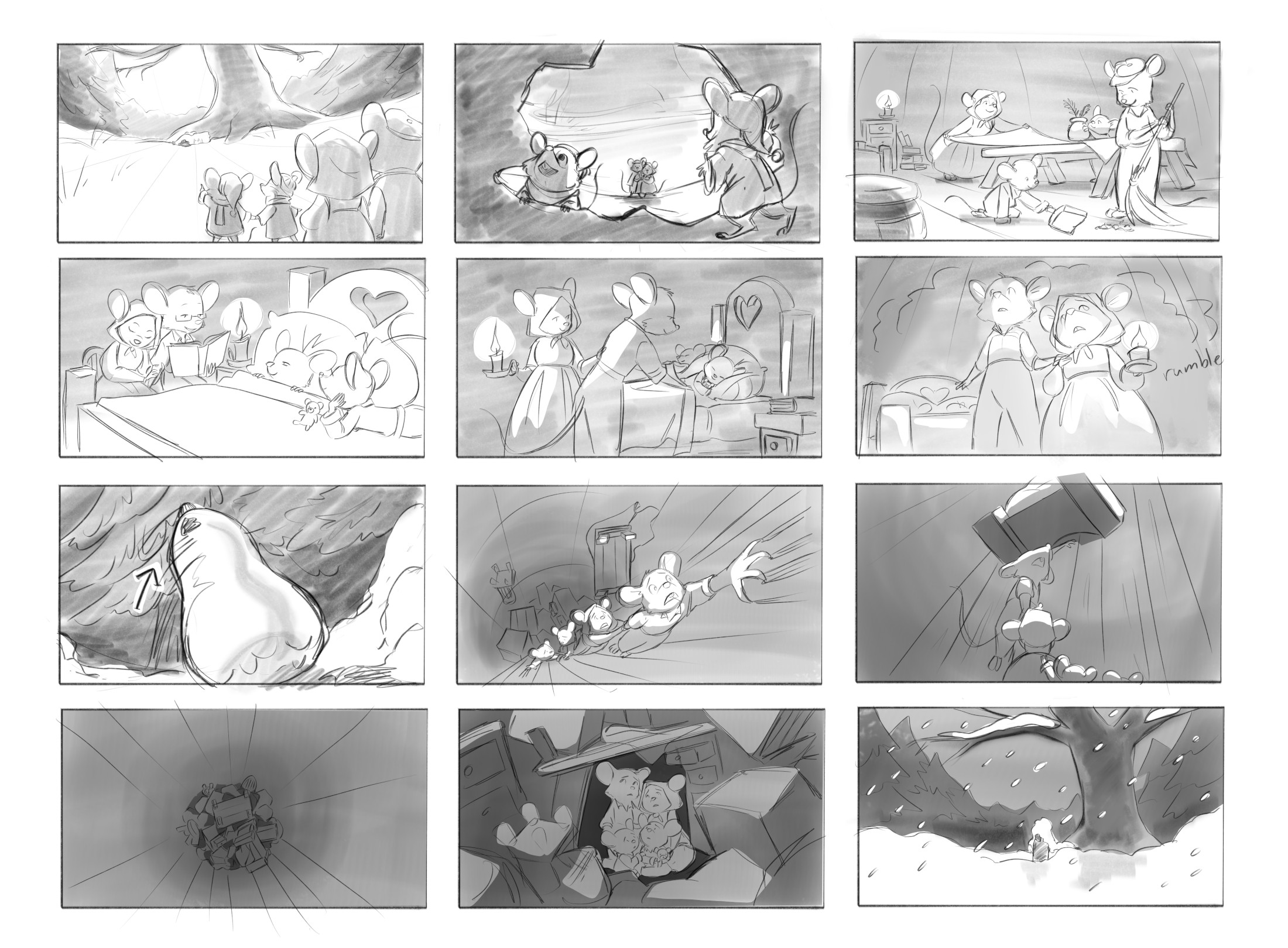
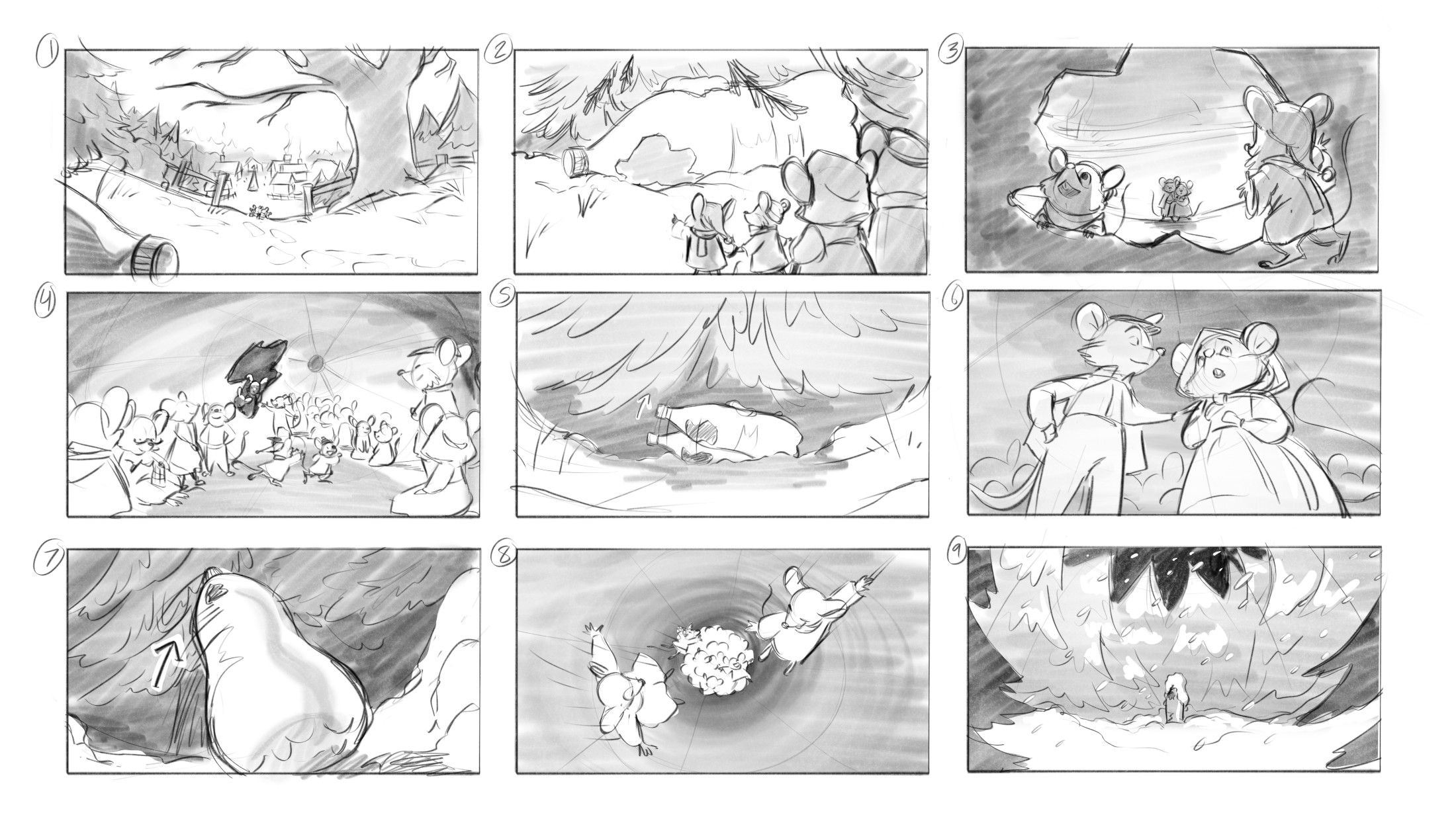
“We felt it was very important that the audience sort of had this warm feeling about these characters, even after seeing them only for like half a second,” says producer Jakob Thommessen. “So when we murder the poor mice, you know, they feel something.”
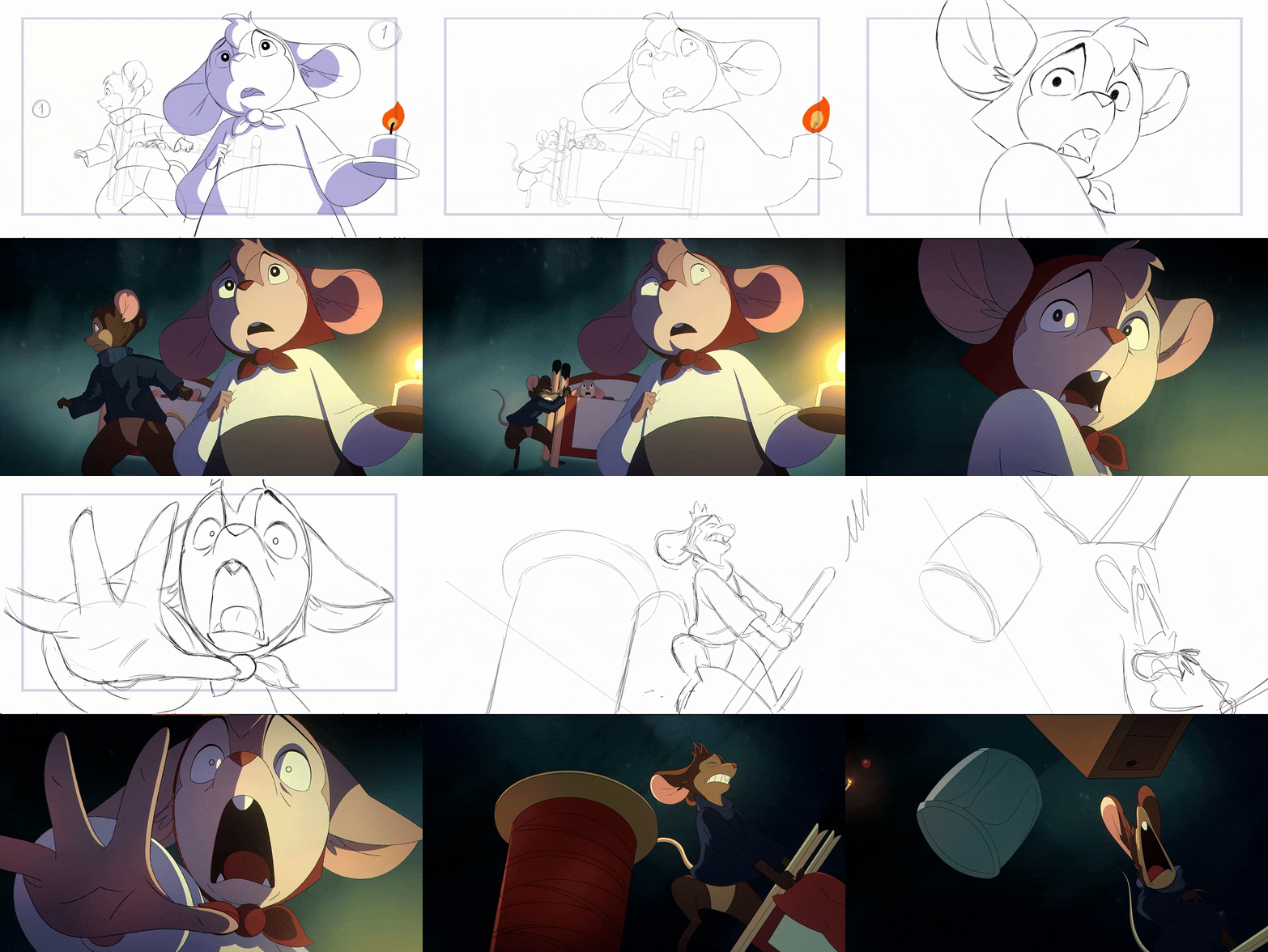
That emotional shorthand was one of the main reasons the team leaned heavily toward a late-20th-century 2D aesthetic rather than a more contemporary CG look. According to director Martin Engh, the ad agency that commissioned the spot came to them with a strong story concept already in place, but the question was how best to tell it.
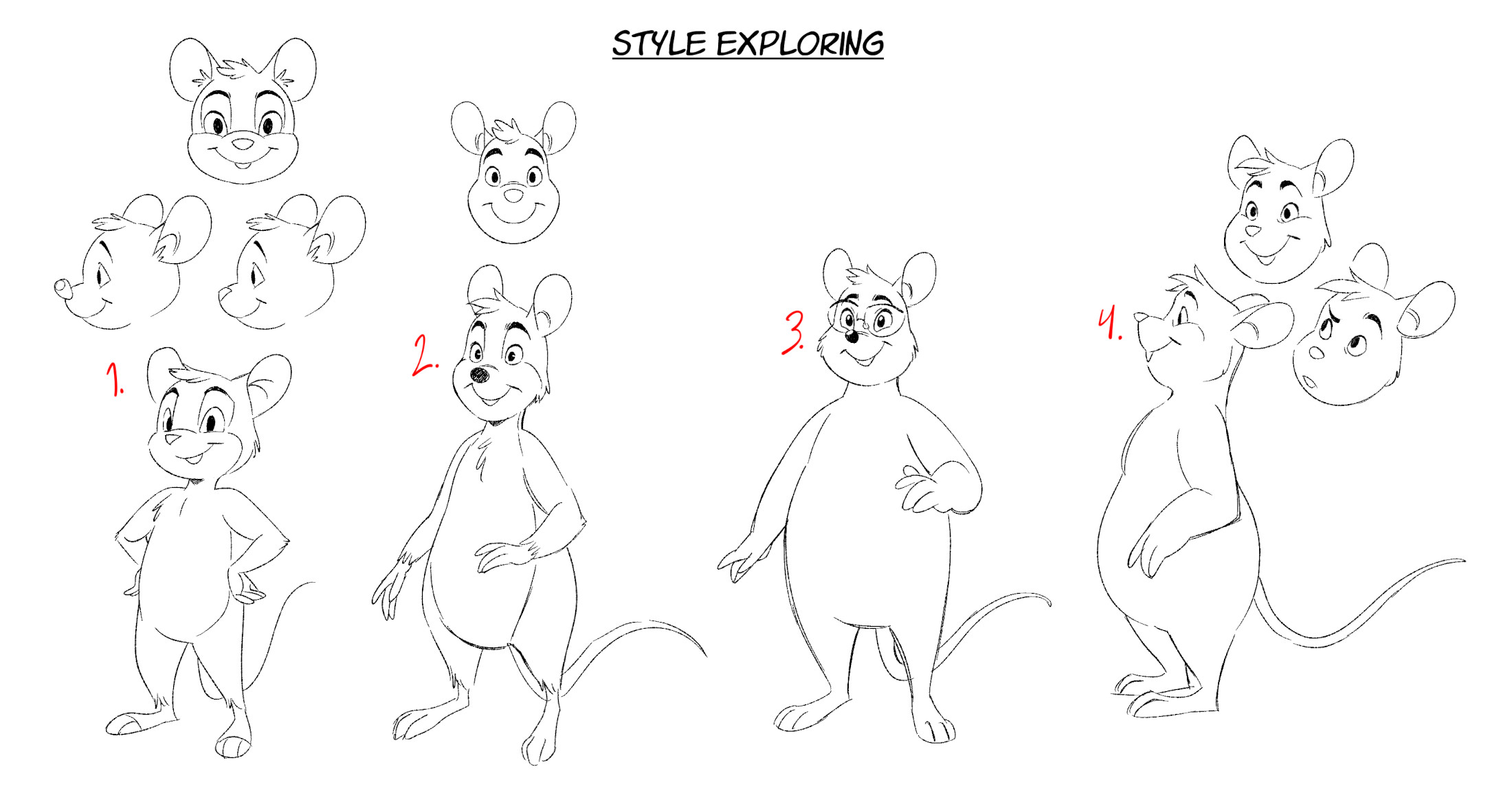
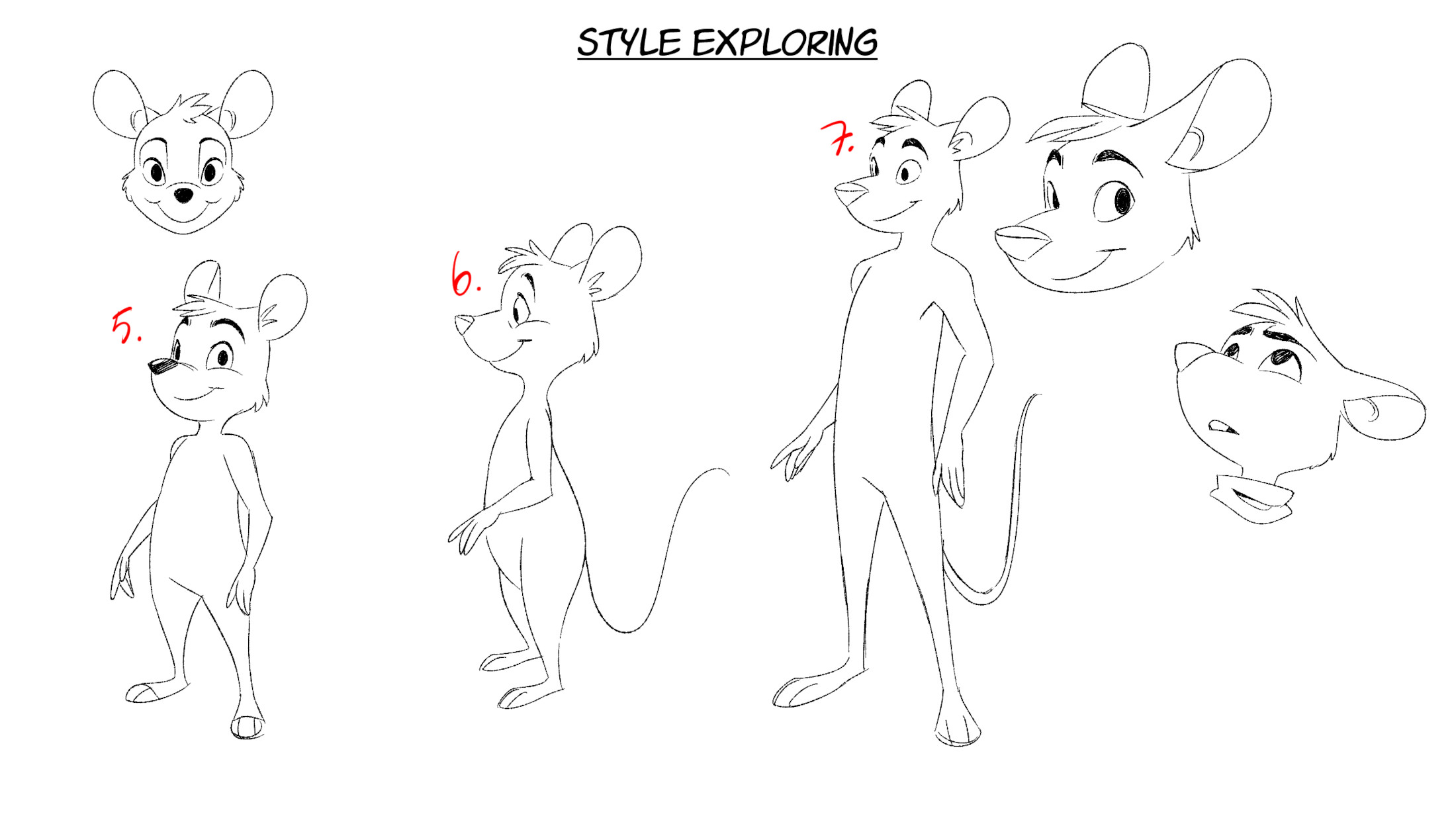
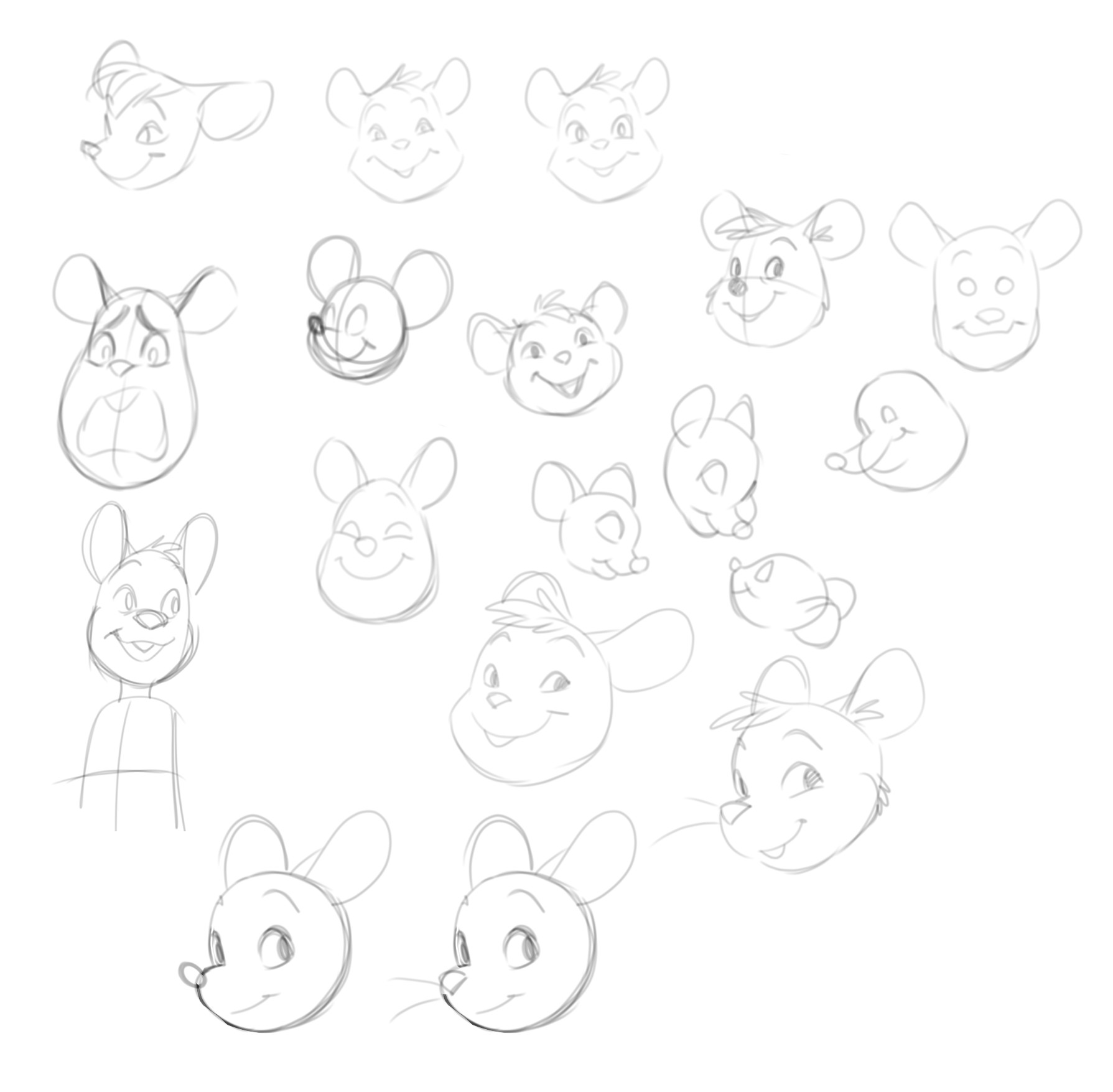
“We thought that to actually go for a 2D animated style would help us a lot,” he explains. “It’s already an established style that fits well with the holiday season in which we’d release the ad.”
The Don Bluth influence was not accidental. While no specific film was referenced directly, the filmmakers deliberately tapped into a shared visual memory of late-’80s and early-’90s animation, where soft lighting, big expressive eyes, and anthropomorphic animals were omnipresent. Through sight and sound, the ad evokes the popular Bluth-era IP without relying on any specific characters or settings.
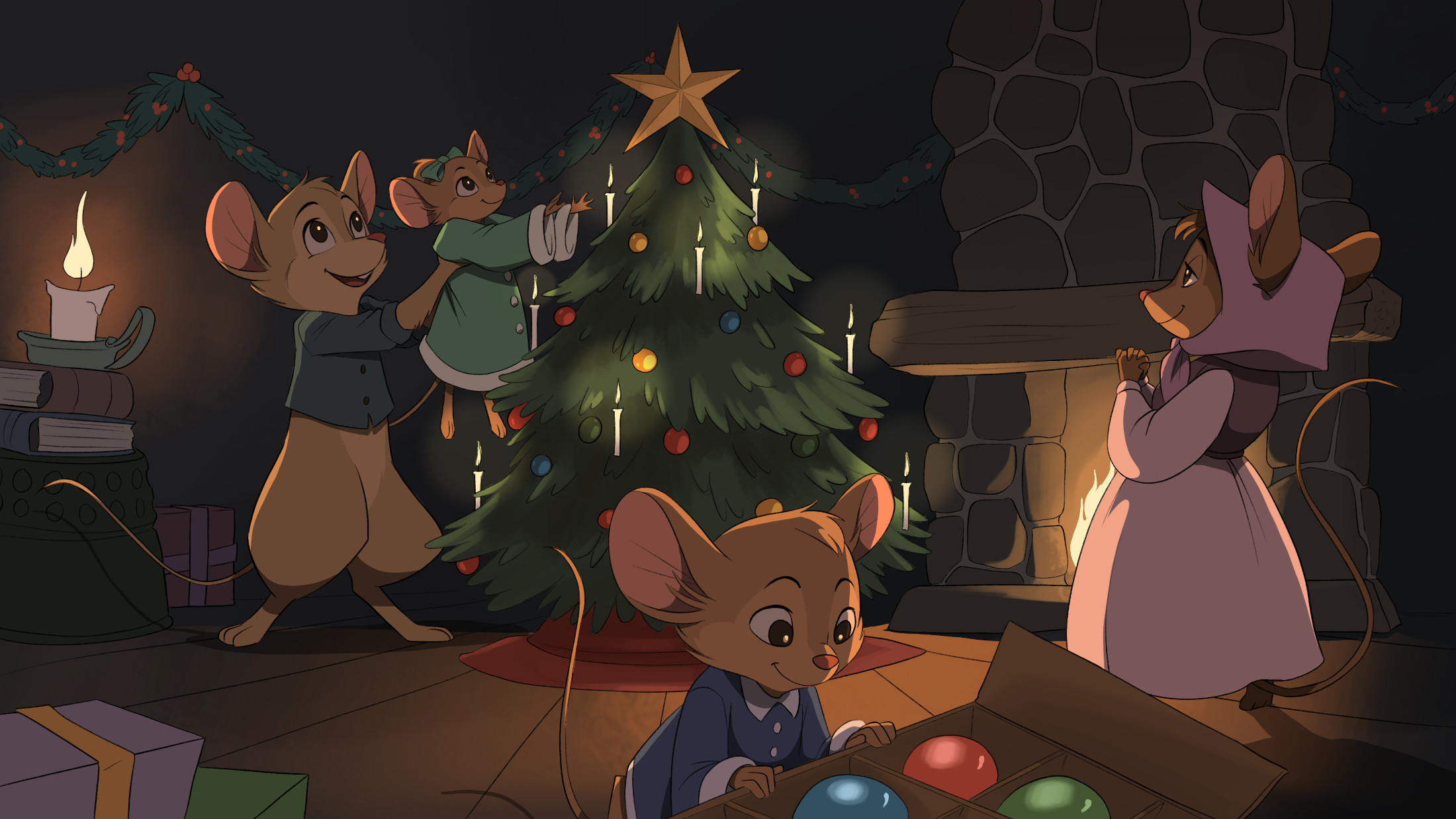
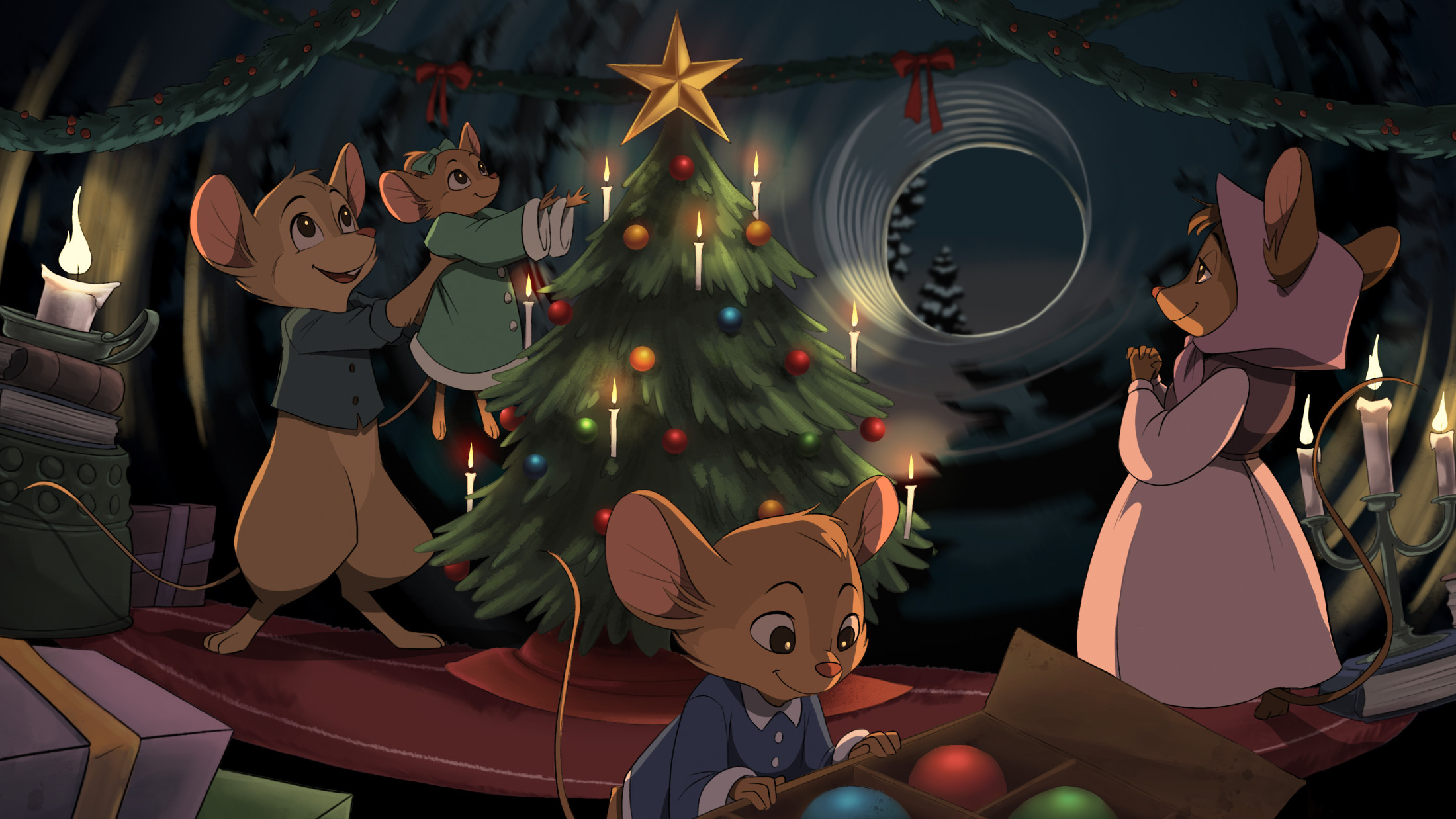
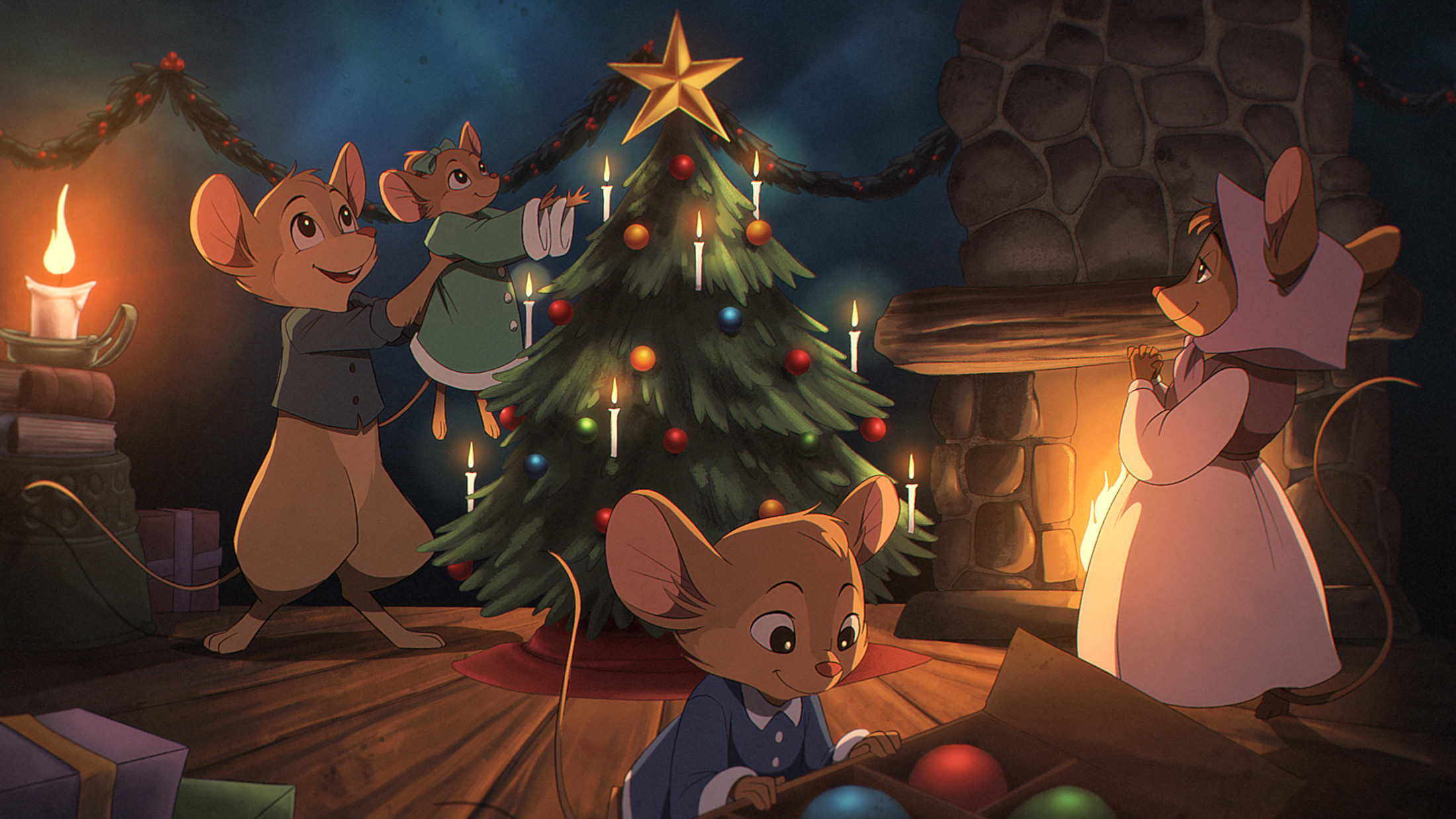
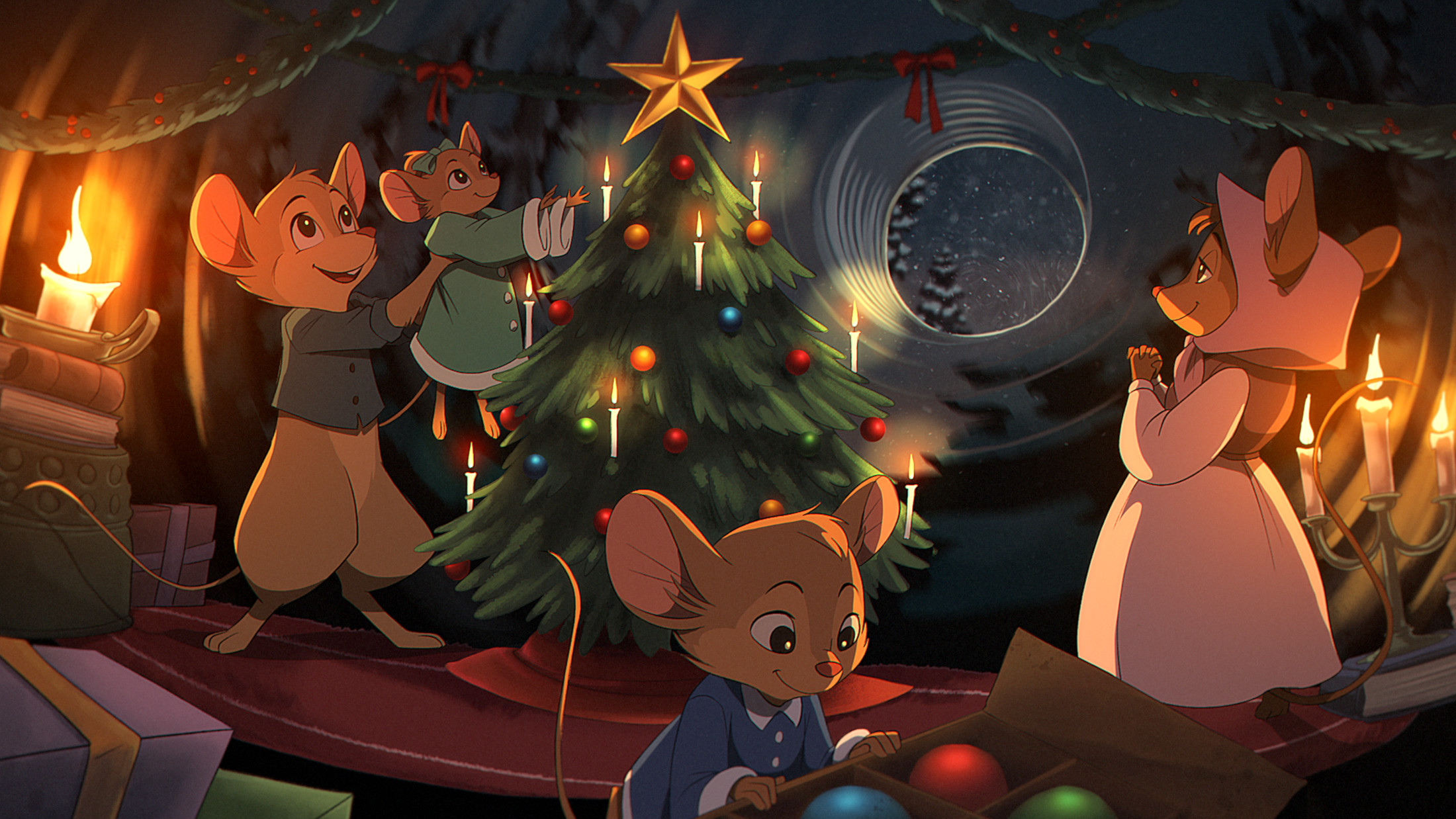
The production itself was a highly coordinated cross-border effort. Animasjonsdepartementet handled direction and production from Norway, while Brikk Animation in Stockholm took charge of the animation pipeline. For both studios, this kind of collaboration is second nature after years of international co-production.
“From our end, it’s quite common,” says Brikk animation producer Sofia Bohman. “We have representatives all over the world, and a big part of our team is also abroad. So for us, it’s the new normal.”
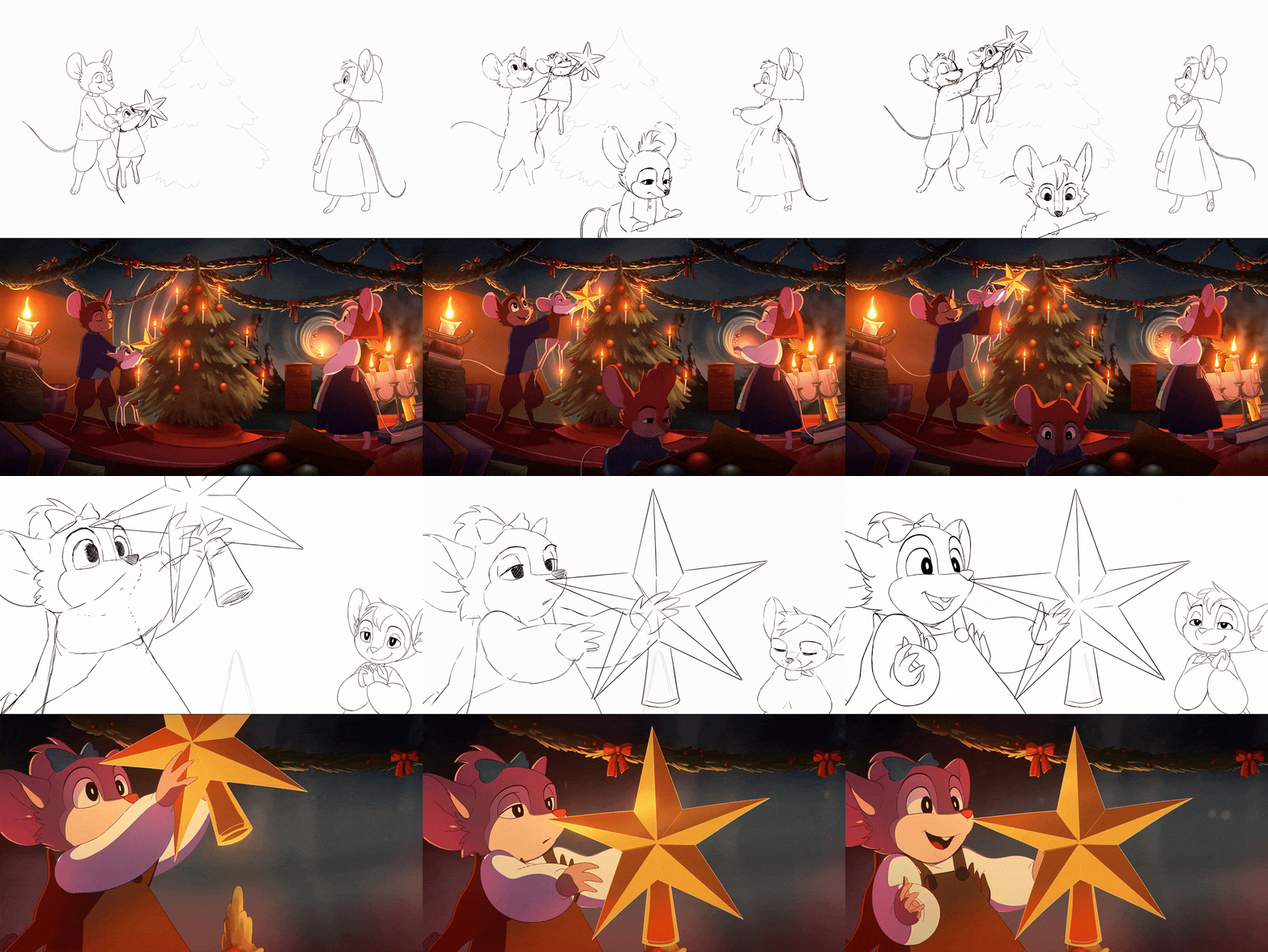
Still, familiarity helped. Engh emphasizes that the longstanding relationship between the two studios made the process smoother. “It’s easy to work with Brikk because we’ve done it many times before,” he says.
Cultural proximity also played a role. “Working with Sweden is easier for us than many other kinds of production,” Thommessen adds. “We’re culturally very similar, and we speak very similar languages.”
Character development began at Brikk, with art director John Göransson given wide latitude to explore designs. “We just give him free hands,” Bohman explains. “He starts to draw, feel inspired, and we make a few examples. Then we send them over, and Martin and Jakob tell us what they like and don’t like.”
Early concepts leaned heavily into traditional Norwegian clothing before being toned down. “It started to look like they were going on après-ski,” Engh jokes.
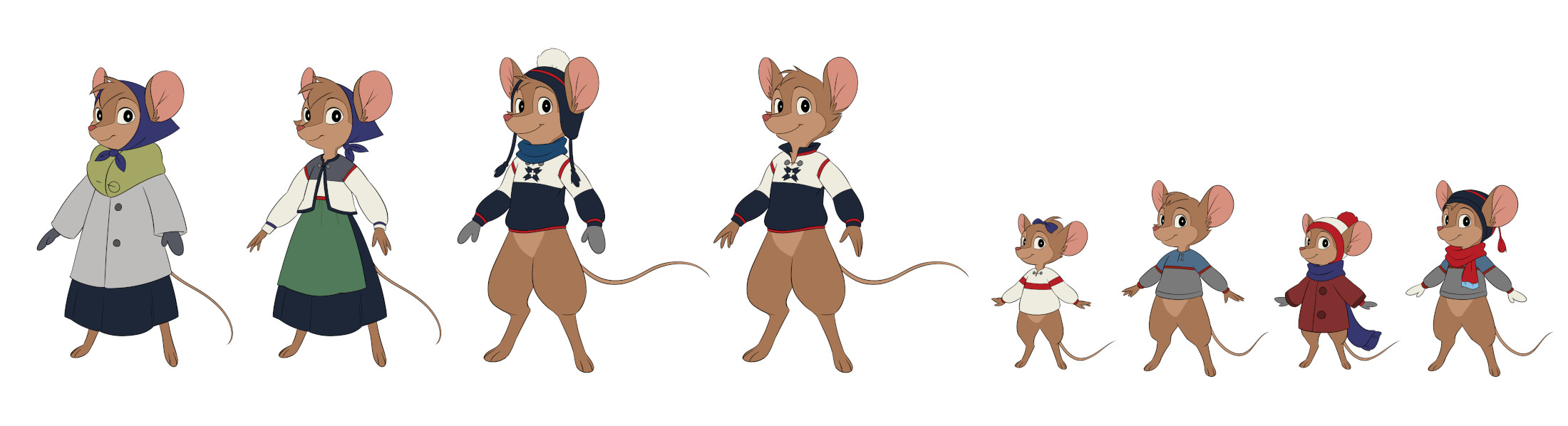
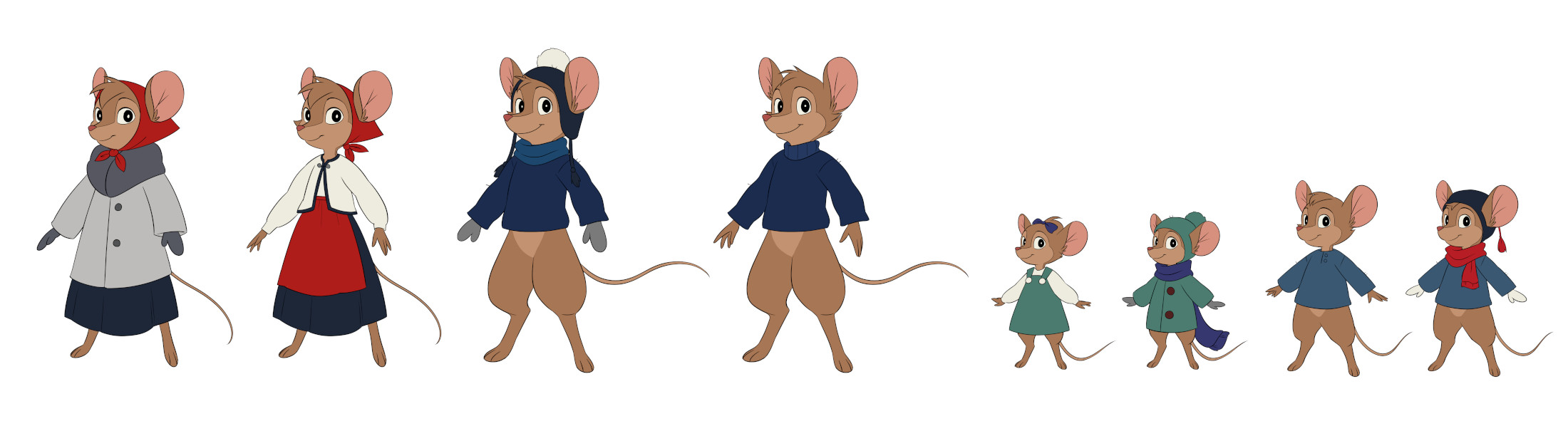
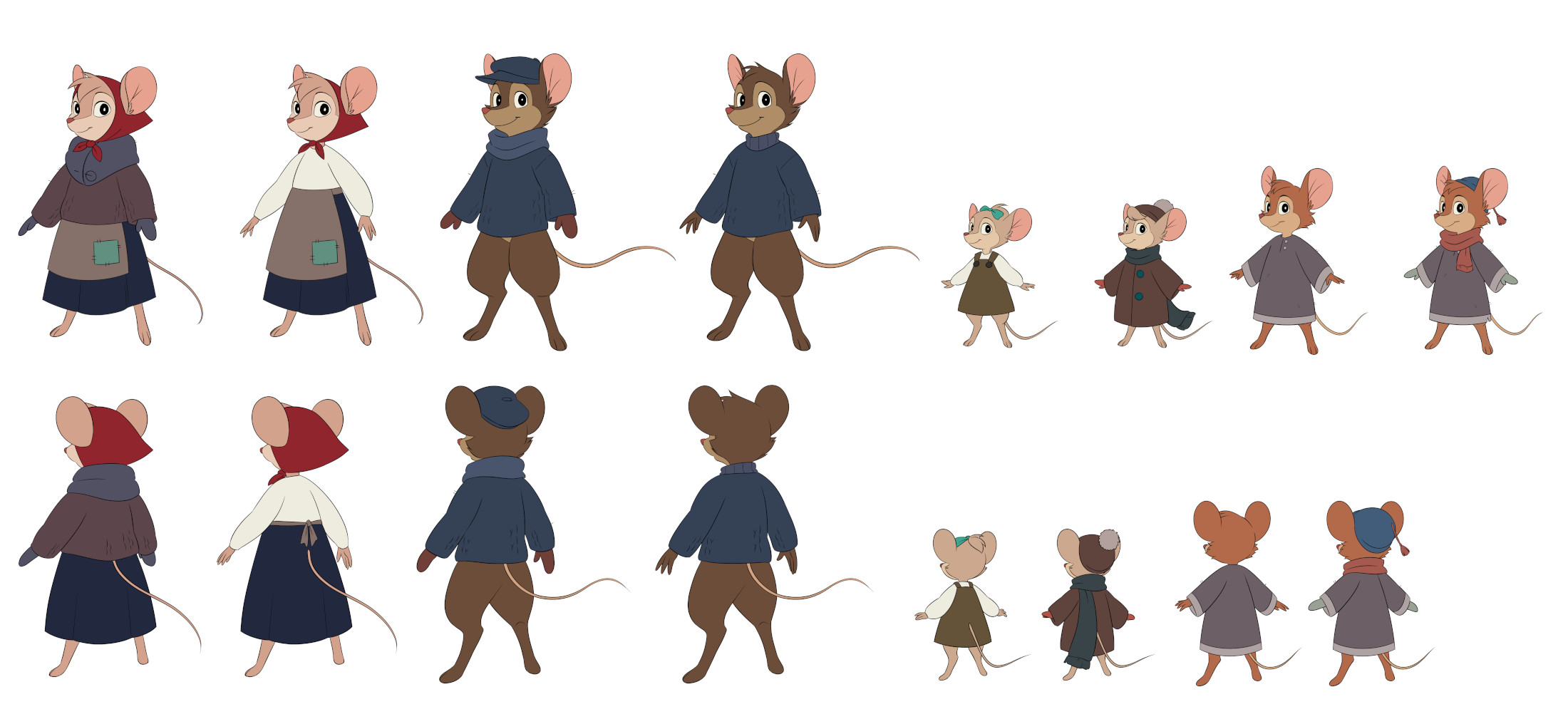
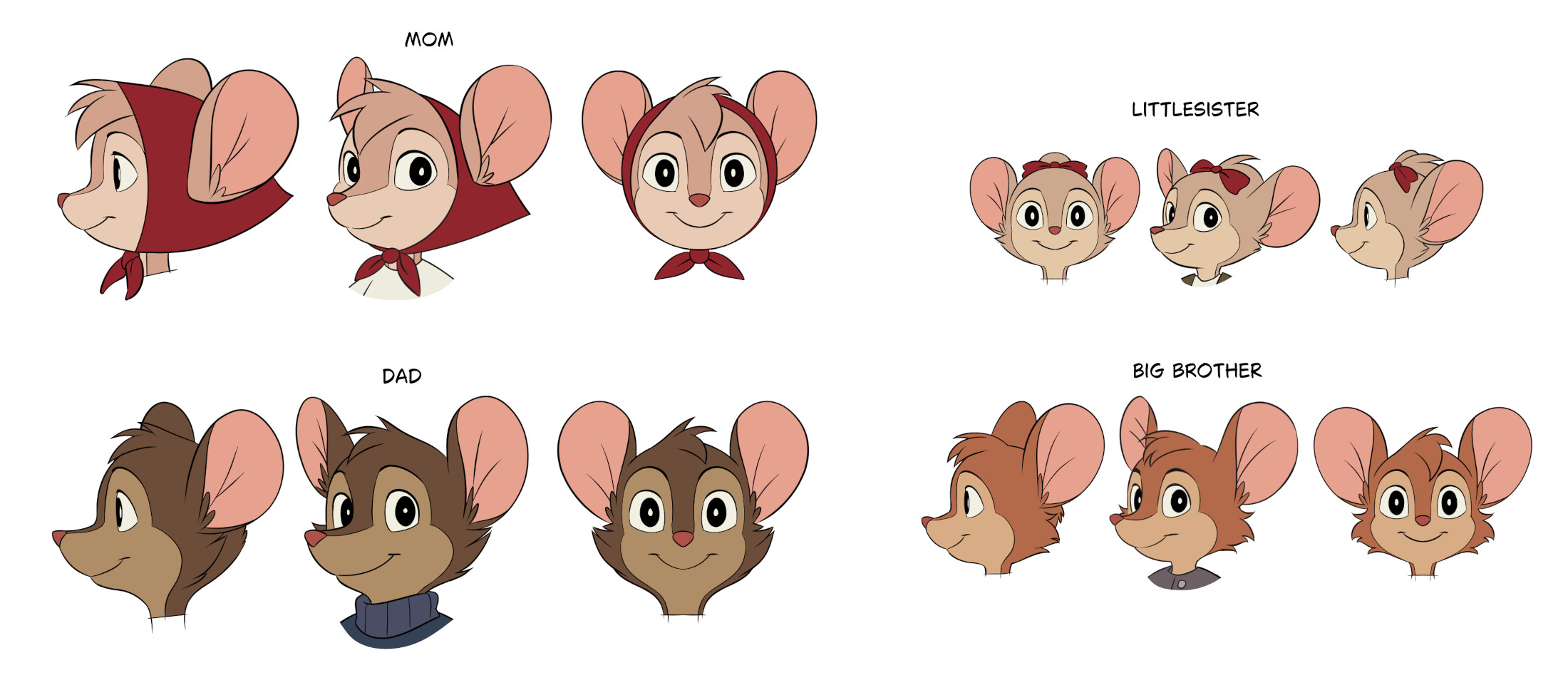
The ad’s handcrafted feel extends beyond the visuals. The score was composed specifically for the film and recorded with a full orchestra. “The music has an important role,” says Engh. “It was composed and played by an orchestra up north in Norway [the Arctic Philharmonic Orchestra].”
That level of human craftsmanship, Thommessen argues, is part of why the piece resonated so strongly at a time when AI-generated advertising is becoming more common. “If you put love into something, you can actually spot it,” he says. “If things become too easy to make, they lose value somehow.”
The team did not anticipate the ad’s viral success, but they did sense its emotional impact early on. “When I showed it to people at the office, even in the animatic phase, they got really emotional,” Bohman recalls. “So I was hoping there would be some attention around it—but you never know.”
Ultimately, the ad’s reach has reaffirmed the value of traditional animation craft in commercial work. There is no denying the irony of the Coca-Cola Company, the world’s largest plastic polluter, relying on ugly, AI-produced slop for its annual Christmas ads two years in a row, while this small, regional PSA about recycling has charmed thousands online.
What began as a localized message about recycling bottles has become a quietly potent argument for hand-drawn animation.
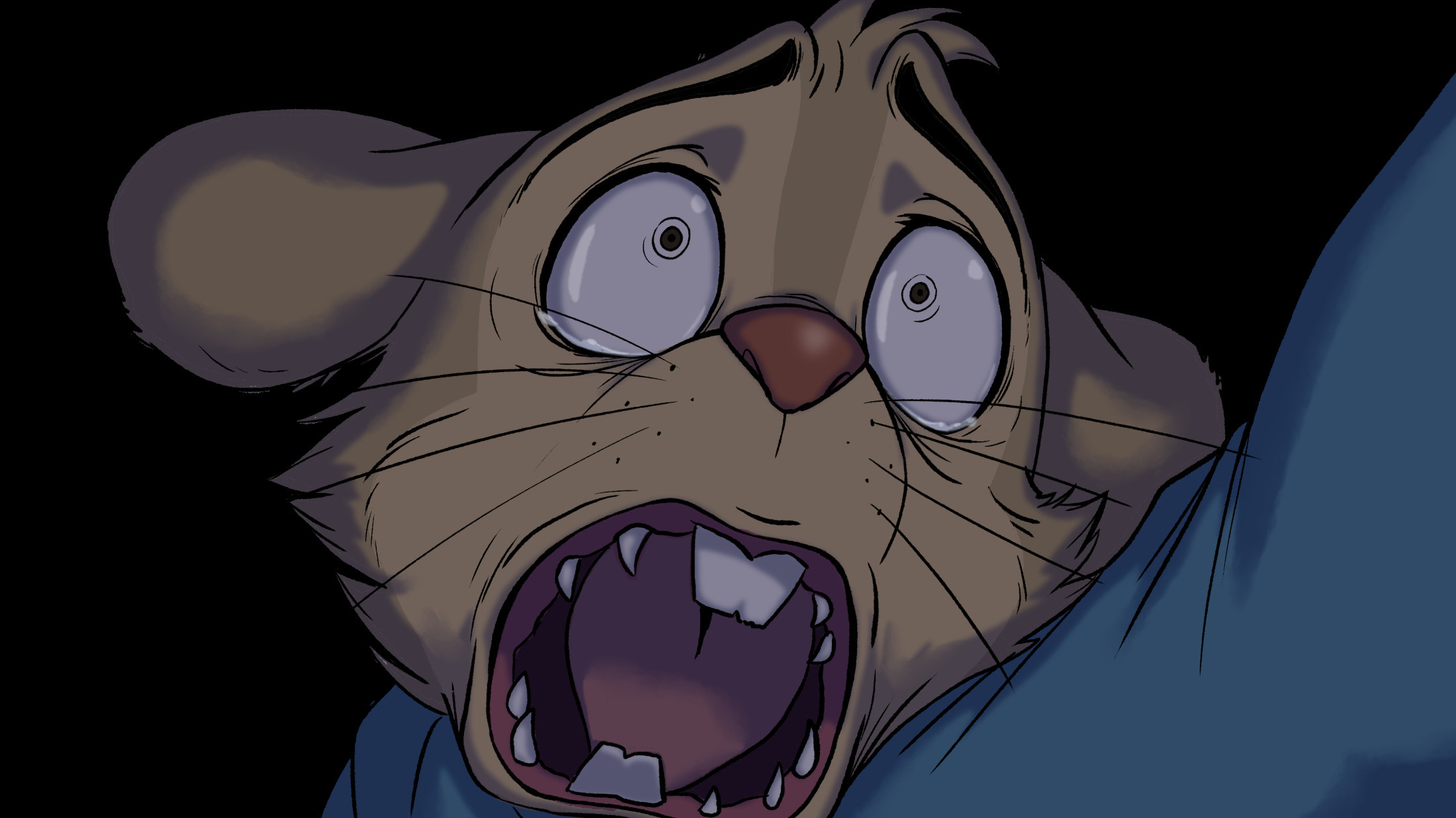
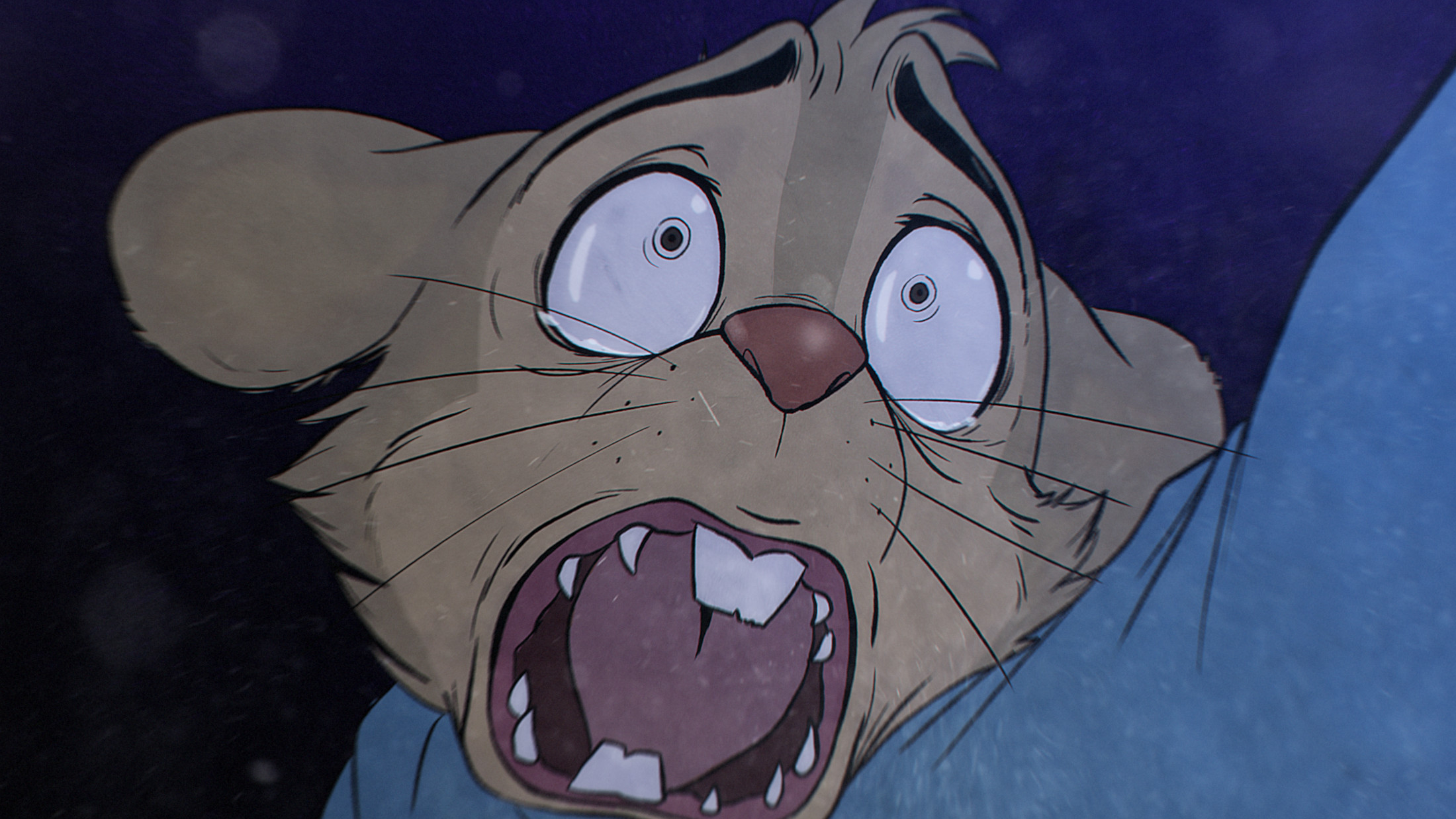
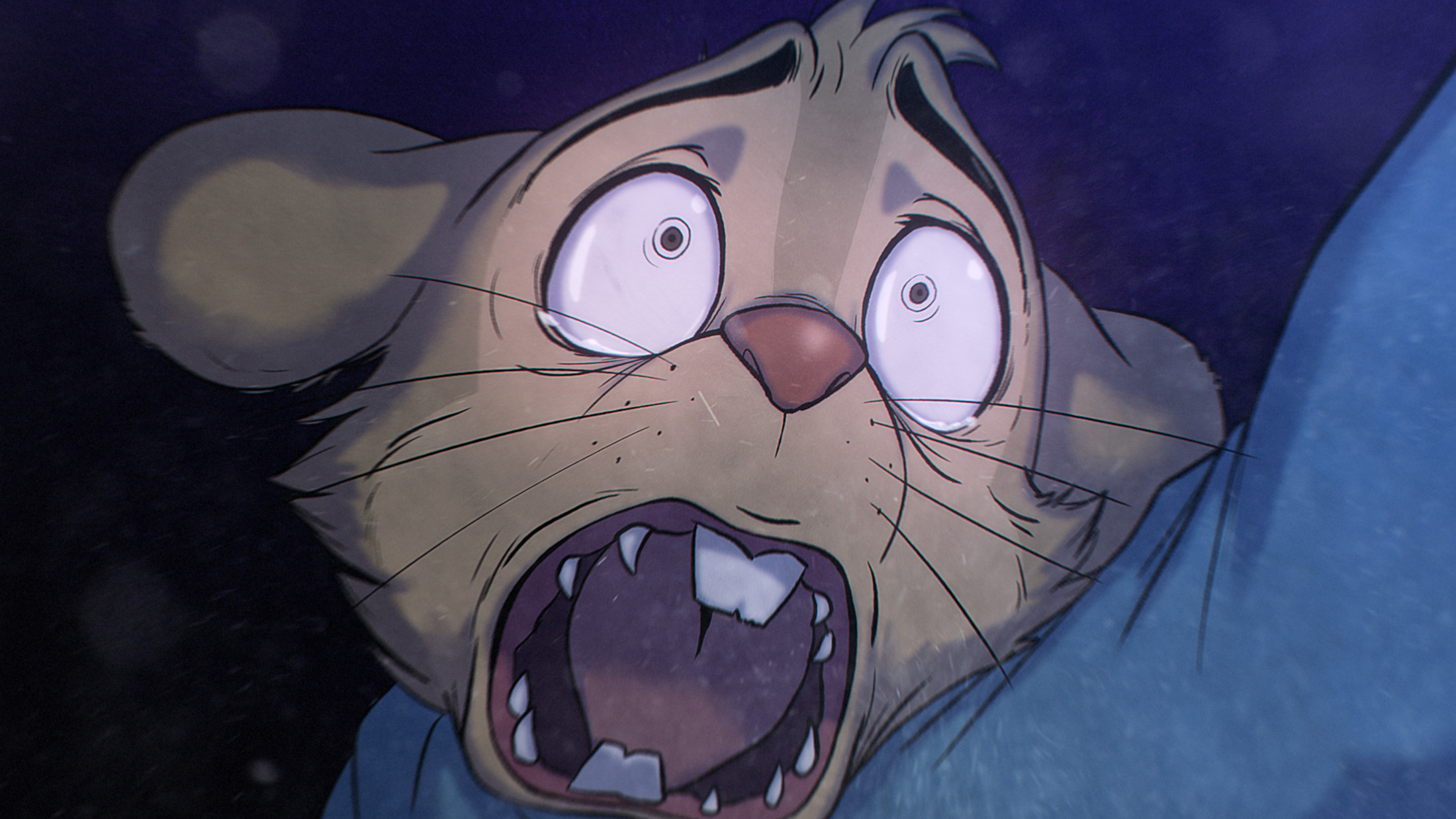
Looking ahead, both studios say the project has reinforced ambitions to move beyond commercial work and into original production. For Animasjonsdepartementet, that transition is already underway. “We have two kids’ projects going on,” says Thommessen. “One is a TV series that’s quite developed, and we also have a kids feature that’s quite far along.” While the studio has historically focused on advertising, he admits that long-form work presents a different challenge. “Making commercials is sort of a cowboy business. With longer projects, suddenly, there needs to be adults making complicated budgets. It’s a new ball game.”
Brikk Animation is moving in a similar direction. “Absolutely,” says Bohman. “We’ve recently established a long-form division at Brikk and are currently developing several projects, some based on existing IPs, others original. It’s a natural evolution for us after fifteen years of building worlds and characters for other people’s stories.”
The success of the Infinitum short suggests that the leap may be well-timed. Its confident storytelling and emotional precision feel closer to a festival short than a conventional ad, an early indication that both studios may be ready to tell original stories developed entirely in-house.
CREDITS:
Director: Martin Engh
Client: Infinitum
Agency: Pulse
Art director: Ole Andreas Finseth
Copy: Stian Taknes Eriksen
Project manager: Camilla lusk
Consultant: Preben Øyamo
Production company: Animasjonsdepartementet
Director: Martin Engh
Producer: Jakob Thommessen
Animation
Studio: Brikk Animation
Animation producer: Sofia Bohman
Storyboard: Martin Engh, Emil Lundmark
Art Director: John Göransson
Layouts: John Göransson
Color blocking: Emil Lundmark
Painting:Johannes Edvardsson, Simon Putz, Denis Bousygin
Lead animator: Redoad Syed
Animators: Redoad Syed, Ole Christian Løken, Adrian Hurtado, Wren Wright
Clean up: Matheus Pessoa ,Melek Hitch-Turkmen, Caro Borovich, José Luis Peraza
Compositing: Josef Andersson, Santiago Suaréz
Music
Music Supervision: Ohlogy
Composed by Bjarne Gustavsen
Produced and mixed by Nils Wingerei for Ohlogy
Performed by Arctic Philharmonic Orchestra, recorded at Kysten Studios
CG: Stardust Effects
Producer: Anette Gjertsen