.png)
Thumbprints, Dried Glue, And Clay: The Handmade CG Look Of Australia’s Acclaimed ‘Tales From Outer Suburbia’ (EXCLUSIVE)
Stay informed with free updates
Sign up to get our news digest — delivered directly to your inbox twice a week.
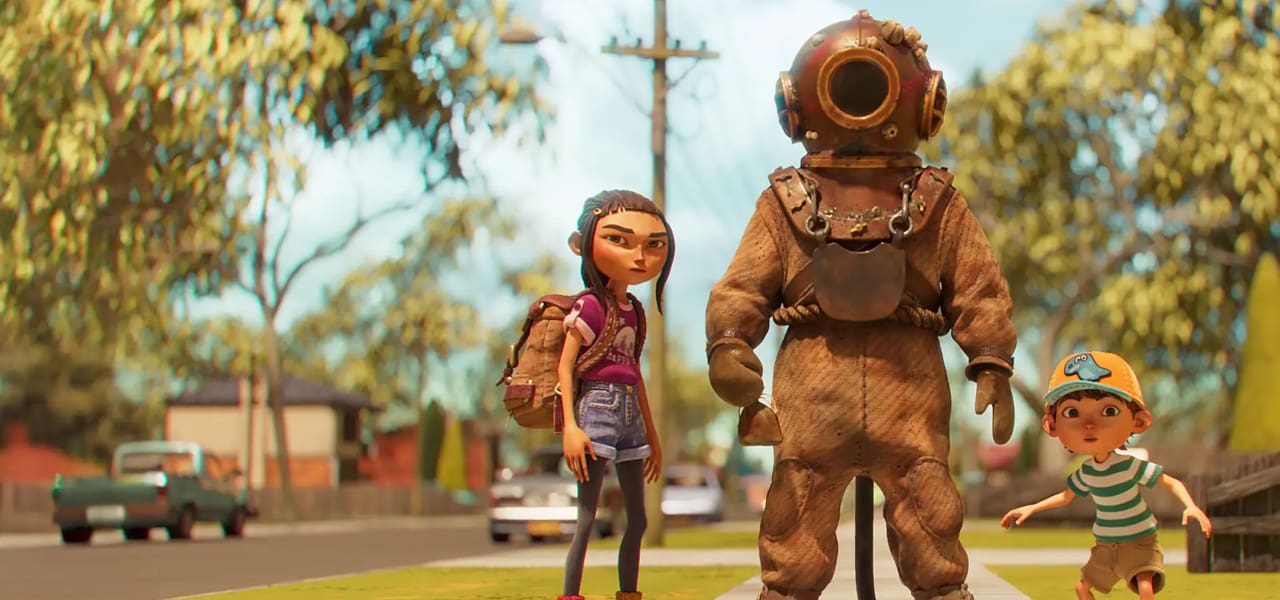
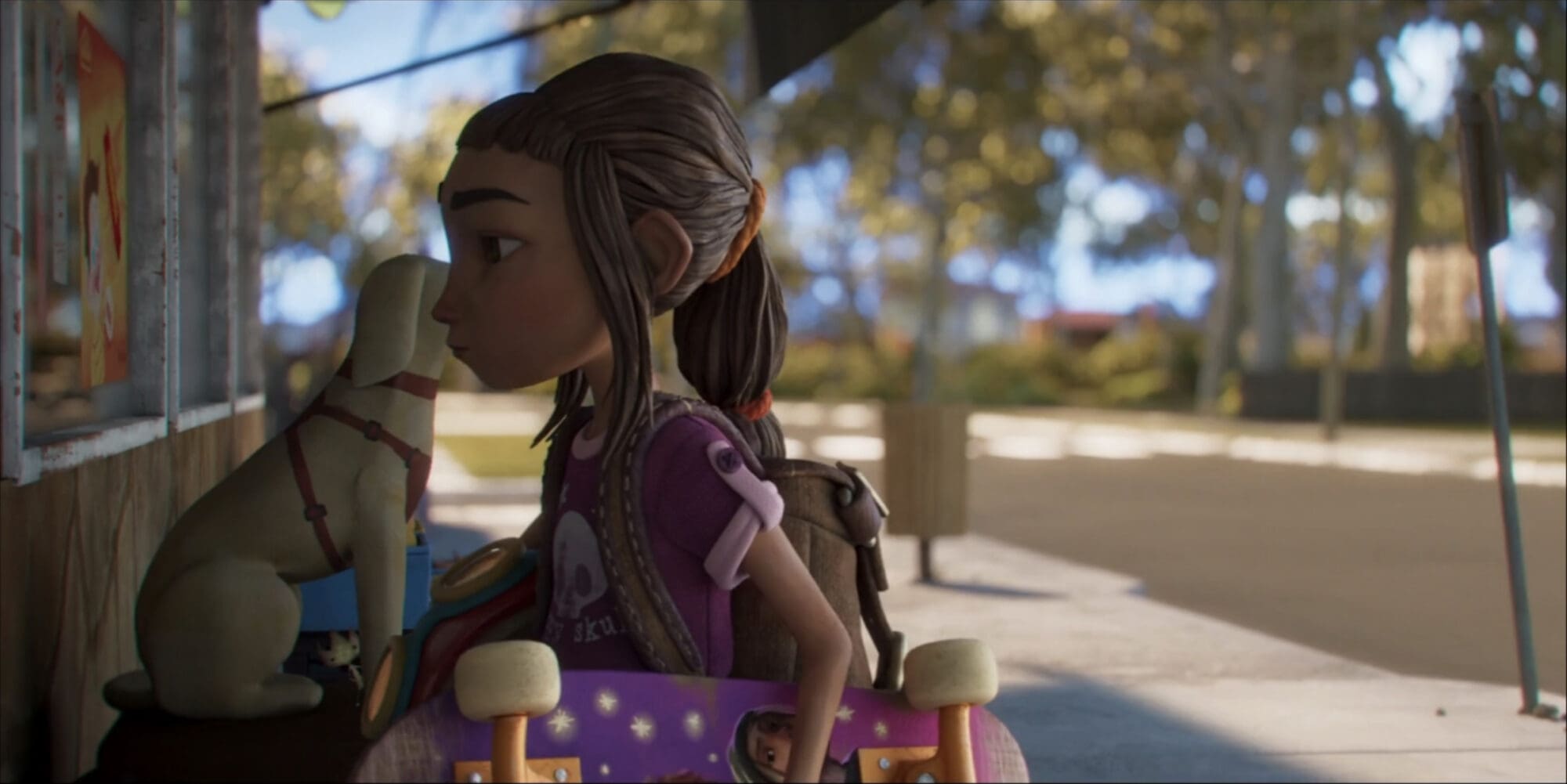
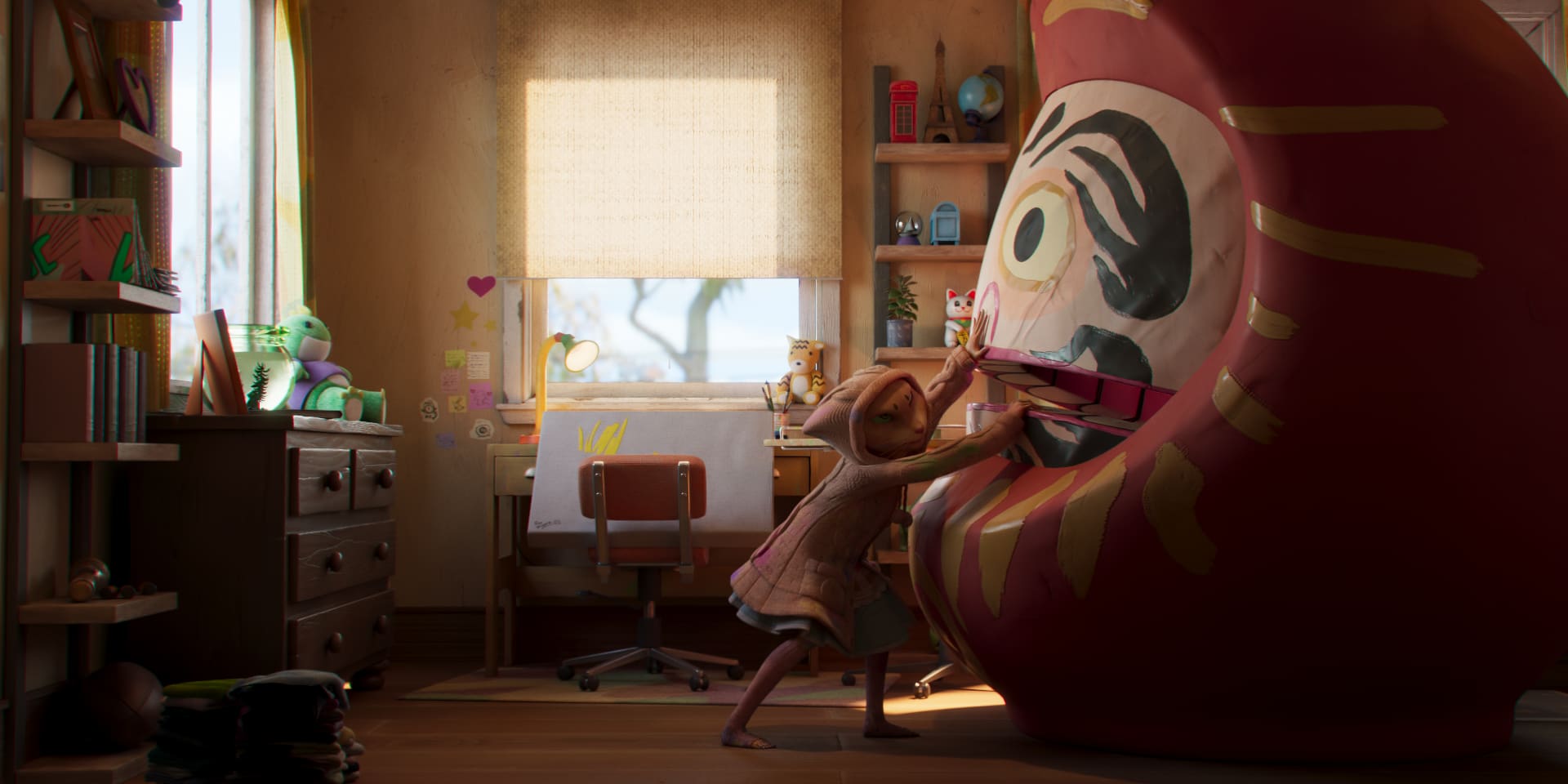
Look closely at the puppets in Australia’s Tales from Outer Suburbia, and you’ll find smears of dried glue under their eyebrows, air pockets in the clay of their cheeks, and thumbprints on shiny surfaces. Each subtle detail was painstakingly placed to achieve the look of stop-motion puppetry within a CG framework.
The ABC (Australian Broadcasting Corporation) series, adapted from Shaun Tan’s beloved illustrated anthology, comes from a team that spent months studying stop-motion puppets and miniature sets, then crafted their textures and quirks digitally, piece by piece.
The series premiered on January 1, 2026, and has since racked up a slew of awards, most recently at the Asian Academy Creative Awards and Venice TV Awards, as well as the NHK Japan Prize. Cartoon Brew interviewed series director Noel Cleary, and we have an exclusive behind-the-scenes video below tracing how several of the show’s characters were created.
Tales from Outer Suburbia follows 12-year-old Klara and her six-year-old brother Pim, who move to outer suburbia with their newly single mother, Lucy. Their summer holiday turns into a run of quietly surreal encounters as the family adjusts to a new home and a missing father. The ten-episode series is produced by Flying Bark Productions and Highly Spirited, with Tan as creative director and Sophie Byrne and Alexia Gates-Foale producing.
The project began with a simple challenge. Tan and Byrne approached Flying Bark unsure how to turn the book into a series, and Gates-Foale handed it to Cleary. “She just gave me the book and said, ‘If you were going to make this, how would you make it?’” he told Cartoon Brew. His answer: “I would love to do a stop-motion show that’s fully CG, but really lean into the stop-motion aspect so much that it’s hard to tell sometimes.” Flying Bark VFX supervisor Anders Thönell was confident he knew how to pull it off, and Tan, who grew up on Astro Boy and the Rankin/Bass Christmas specials, was on board straight away.
The book has no recurring characters, so the writers, led by Sam Carroll and Lally Katz, chose ten of Tan’s stories and built a family arc across them. “Sometimes the stories are only one page long, but there’s just a little recipe in there,” Cleary said. “We go, okay, that’s what we want for this episode. How do we make that work for the dynamic of the family?”
Tan was most involved at the start, making sure the stories fit his world. Cleary’s approach was to find its rules. “When I looked at Shaun’s work, I was like, okay, generally in your world, if someone has an emotional problem, it manifests as a physical entity,” he said. “And he said, ‘I’ve never heard anyone analyze my work like that.’” Those rules shaped everything from the humor, which favors small, subtle jokes over big physical gags, to the endings. “Shaun didn’t want to have closed-loop stories,” Cleary said. Kids watching come up with their own explanations, and, he added, “the way they perceive it is the right way to view it.”
Building that handmade look started with research. The crew spent a lot of time studying real puppets and miniature sets, including work by Laika and Red Nose Studio, to identify “the telltale signs that we need to build a recipe around,” Cleary said. The goal was for viewers to always feel they were watching a puppet, “not a reinterpretation of a human girl.” The team avoided CG hair grooming and sculpted the hair instead. Using Substance Painter, they built materials that each tell a physical story: clay skin, cloth bodies, hair made of leather straps, and metals ranging from real metal and enamel-painted metal to plastic painted to look like metal.
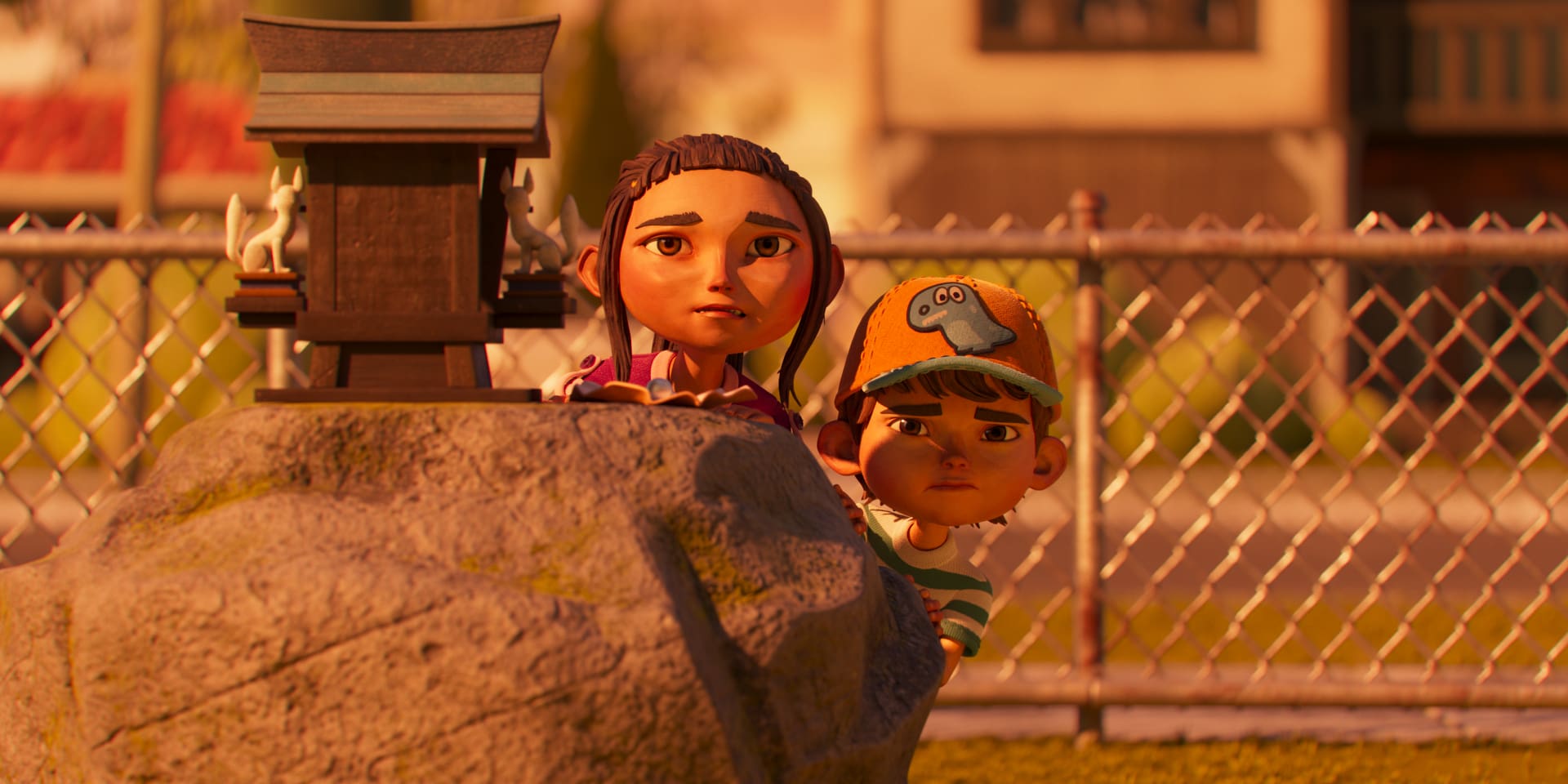
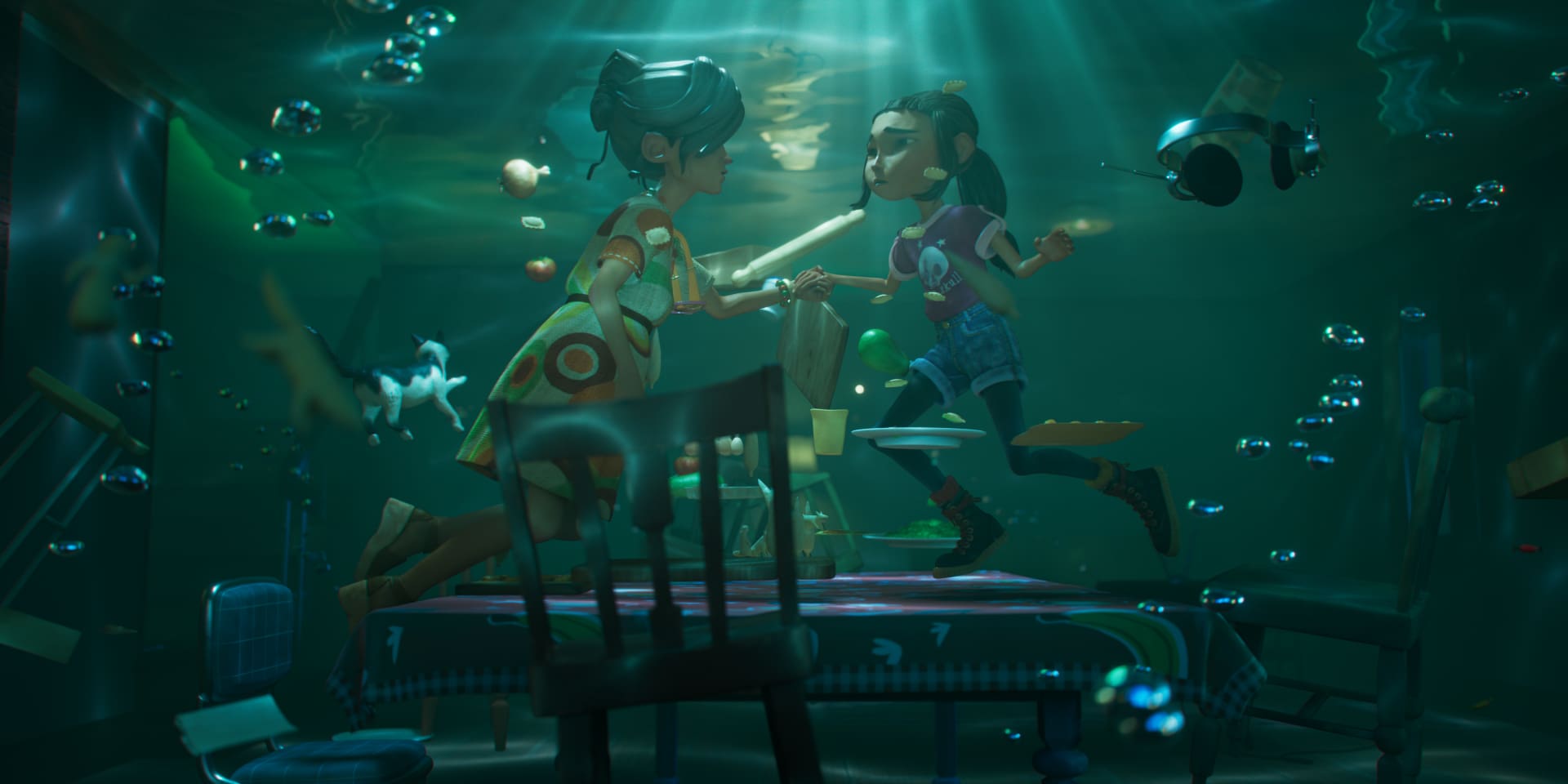
The camera got the same treatment. The team asked what lenses a crew would use on a miniature set with a 15-centimeter character, then replicated the side effects of shooting at 12 frames per second. Because each frame of real stop-motion can be taken minutes apart, lights can flicker slightly and drift in color temperature from shot to shot, so the CG lighting does the same. “The classic one is leaving thumbprints on shiny surfaces,” Cleary said, “but underneath the eyebrows there’d be little smears of dried glue, so when the eyebrow lifts up you’d see a bit more.” The clay texture sits mostly on the hard, bony parts of the face, where it won’t stretch. Early tests with heavy texture around the mouth “looked too rubbery,” he said.
The animation itself was deliberately restrained. Cleary studied the face-replacement systems used in modern stop-motion and limited the range of the character rigs to match. “Even though it is quite limited, you can look at it for a long time, because photographically it looks so beautiful,” he said. Animation was handled by Digitoonz in India, and Cleary and the show’s animation director spent a month at the studio, working seven days a week, “really training the artists to do less, but do it with more intention.” The team ran a similar session with Siamese in Perth.
Working across studios and time zones, Cleary found that the key was a clear brief that still left room for ideas. For props, he would share a handful of reference images, such as five cassette tapes he liked, and ask artists to work out what a miniature version should look like. “They’d come back with things I would never have thought to do, but it just looks so great,” he said.
Sound was built in early, too. During the animatic stage, the editorial team, led by series editors Adam Rainford and Jonathan Tappin, roughed out sound design, giving composers Ned Beckley and Josh Hogan of Western Australia’s Envelope Audio a template to work from. Sound designer Tom Allum drew on 15 years of his own field recordings of birds and bushland near his home on the coast. Because music and sound were made together, Cleary said, they never fought over the same beat: “It all works as one.”
Since its Annecy selection, Tales from Outer Suburbia has screened widely on the festival circuit. It won the kids’ jury prize for best animated series at Animator 2026, and Cleary recently returned from a new family-focused festival in Kaohsiung, Taiwan, where he ran workshops with young audiences. He will travel to Japan to accept the NHK Japan Prize. The full series is available for free in the U.S. on BYUtv.