.png)
‘Demon Slayer: Kimetsu No Yaiba Infinity Castle’ Director Haruo Sotozaki And DP Yûichi Terao Talk Awards Impact, Sequel Stresses, And Rising Expectations
Stay informed with free updates
Sign up to get our news digest — delivered directly to your inbox twice a week.
As 2025 winds down, the dominance of Japanese feature anime around the globe stands out as one of the year’s biggest cultural and box office trends. Demon Slayer: Kimetsu no Yaiba Infinity Castle was a proverbial steam train in theaters, earning $780 million worldwide and a Hollywood Foreign Press nomination for Best Motion Picture – Animated.
A direct sequel to the massively popular anime TV series Demon Slayer: Kimetsu no Yaiba, Infinity Castle is the first of a planned feature trilogy produced by animation studio Ufotable, directed by Haruo Sotozaki (Tales of Zestiria the X), with the collaboration of director of photography Yûichi Terao (The Garden of Sinners). With the incredible success of their first film out of the gate, Cartoon Brew sat down with Sotozaki-san and Terao-san to find out whether they hope their film’s success will reinforce anime as mainstream animation, what award nominations ultimately mean for the genre, and the pressures they’re considering as they begin work on the second film in the series.
[Interview translated in real time by Mikey McNamara.]
Cartoon Brew: Demon Slayer: Kimetsu no Yaiba Infinity Castle is an international phenomenon and a huge success here in the U.S. What does it mean for anime, and for this film franchise in particular, to be received so well and to perform so strongly financially?
Haruo Sotozaki: First off, thank you very much for that comment. I don’t think, myself included, that any of us thought it was going to be this well-received. It goes beyond our imagination. I don’t know if Demon Slayer can take credit for this, but I really feel like anime has moved into a place, especially in Japan, where everyone can enjoy it and go to the movie theaters, from children all the way to adults. I think there’s a certain cultural shift for the industry at large.
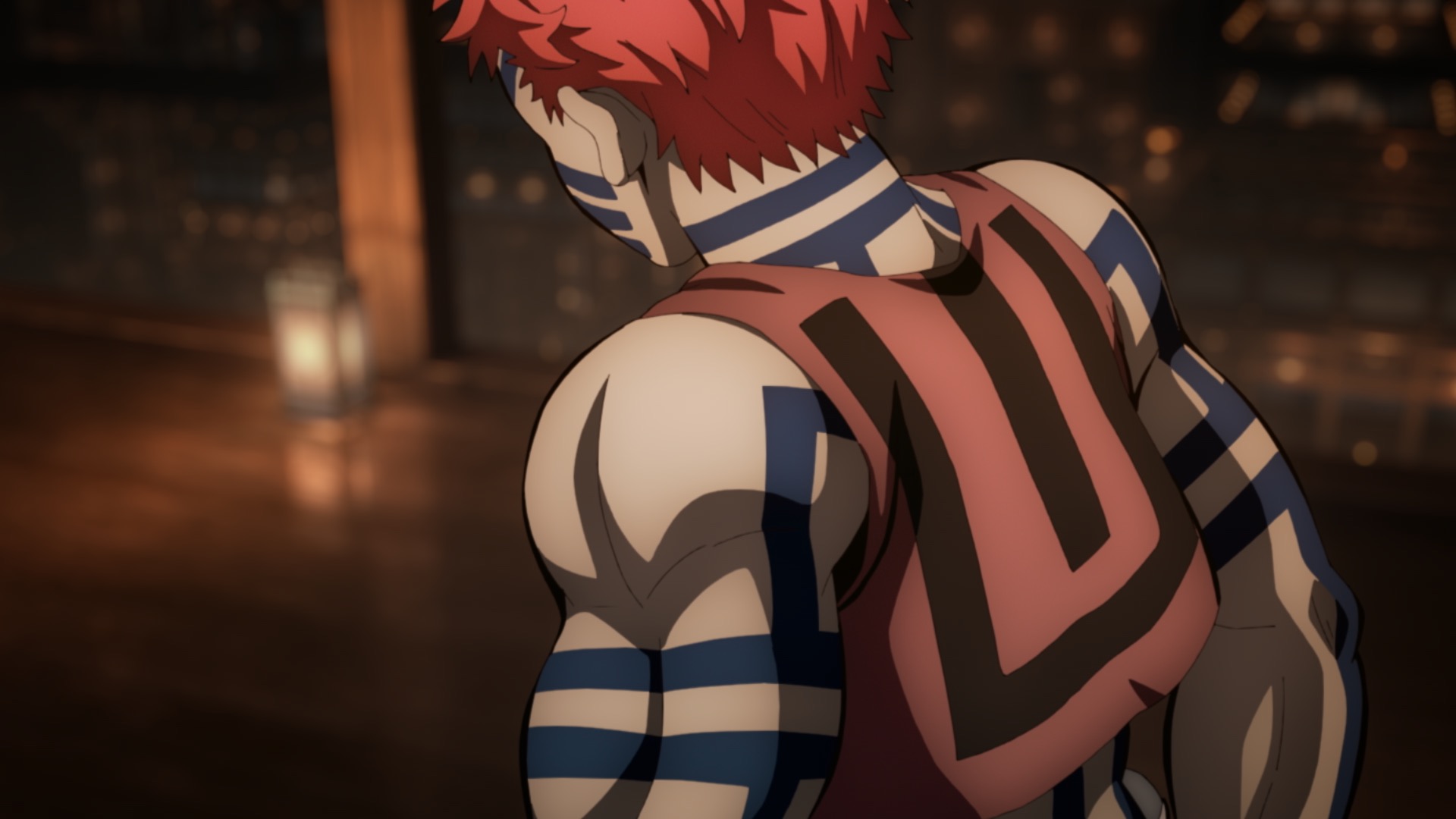
Knowing you have a global audience now, does it get in your creative head thinking about pleasing a bigger audience, or does it actually reinforce going with your gut decisions and maybe ignoring any negative audience feedback?
Yûichi Terao: Well, I would certainly not say we would ignore the response. But what is interesting, I think, is that the vibes and overall mood within the studio haven’t changed from before to after this film’s release. And that is because, from the very onset of this project, we are always as mindful as we can be about the people who we think are going to watch this film, regardless of how big that audience is.
Sotozaki: At the end of the day, we are the creators on the filmmaking side of this. Looking at our team, there are some members who have been with us for 20-plus years, and we’ve worked together all of this time. Our pursuit has always been to make the best possible animation that we can, and I don’t think that attitude is going to change, however the film does.
Terao: International success is certainly one thing, but we’re not looking at this for the international audience or for any one country’s audience, so to speak, as much as we’re approaching it in a way that serves the Demon Slayer audience, the Demon Slayer fandom. We’ve made Demon Slayer for that fandom, and that will probably continue.
Obviously, awards are lovely. But at the end of the day, in a way, they help push anime forward with Western audiences, or at least into Western perception. Where does that land with you? Do you think about it at all?
Terao: When we think about and talk about awards, rather than the award itself, I tend to think about the people who got us to that award, and the people who voted to get us there. At some point, the people behind it helped us reach that position, which meant they enjoyed it enough to do so. And I think what that will do, regardless of the award itself, is help bring what we do to a new audience. It helps us reach new viewers because someone cared enough to push it into an awards situation. From our perspective, we want as many people as possible to see it, so it’s not necessarily about the award itself.
In Japan, anime has gone from a rather niche medium to something truly mainstream, where almost anyone knows about it and would go see it. This has happened within the last decade, I would say. If a similar phenomenon can happen in other parts of the world, that’s something amazing for the anime fandom. As for our role in this larger wave, I guess you could say we’ll just continue making things that people enjoy.
Sotozaki: Not just in Japan — we had the opportunity to go to San Diego Comic-Con recently, and when we did, we saw the number of Demon Slayer cosplayers. It really shows how receptive audiences are to what Demon Slayer stands for and the story it tells. We saw cosplay from other franchises and IP as well, but collectively, I think it shows how anime has transitioned onto a larger cultural stage and moved into something completely new, which is very humbling and amazing.
The film has been praised for its battle sequences and its polished animation overall. Are you particularly proud of any specific sequence where the ambition was noticed and appreciated?
Sotozaki: Creating better imagery, better visualization, and stronger expression on screen is something that I think not only I, but the entire studio — every team member and animator who worked on this — feels strongly about. There’s a lot of unity in that. We’ve been given the opportunity to work with such a popular franchise and underlying IP, and what I want to ensure is that, regardless of how the future films look, our interpretation is not misaligned when adapting this from manga to motion, and that we deliver at or above the audience’s and fans’ expectations.
Terao: When I heard your question, one thing I felt was that, as filmmakers, what we try to do is create imagery and visual expression that can really “wow” the audience and surprise them. But the thing about our film is that many audience members are already coming into the theater expecting that surprise and that “wow” factor. The first step in our job becomes acknowledging those very high expectations and exceeding them. What we end up with is a spiral where expectations continue to grow and must be exceeded again and again. It feeds into itself, so I’ve been thinking nonstop about how to combat that spiral. [Laughs]
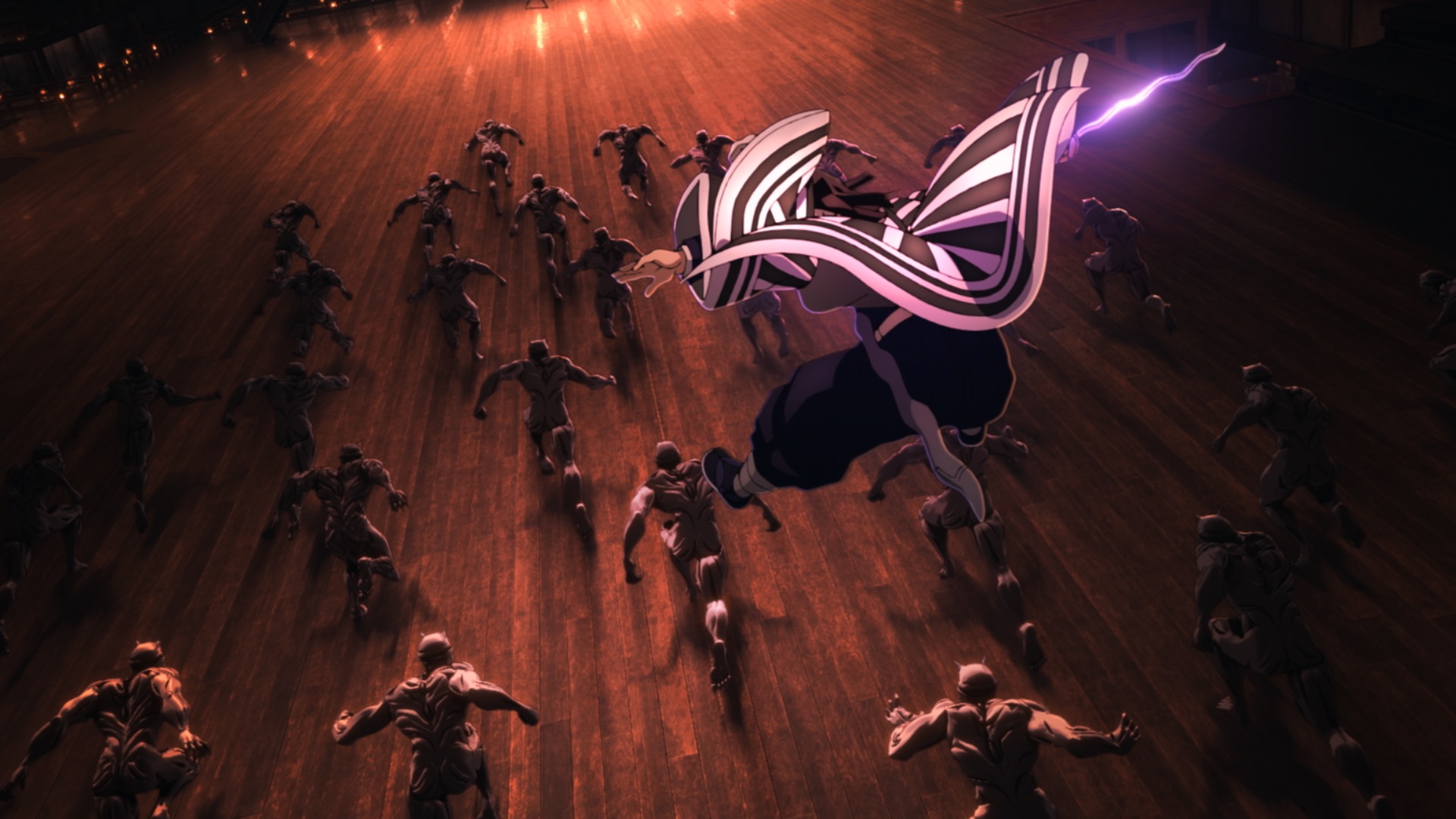
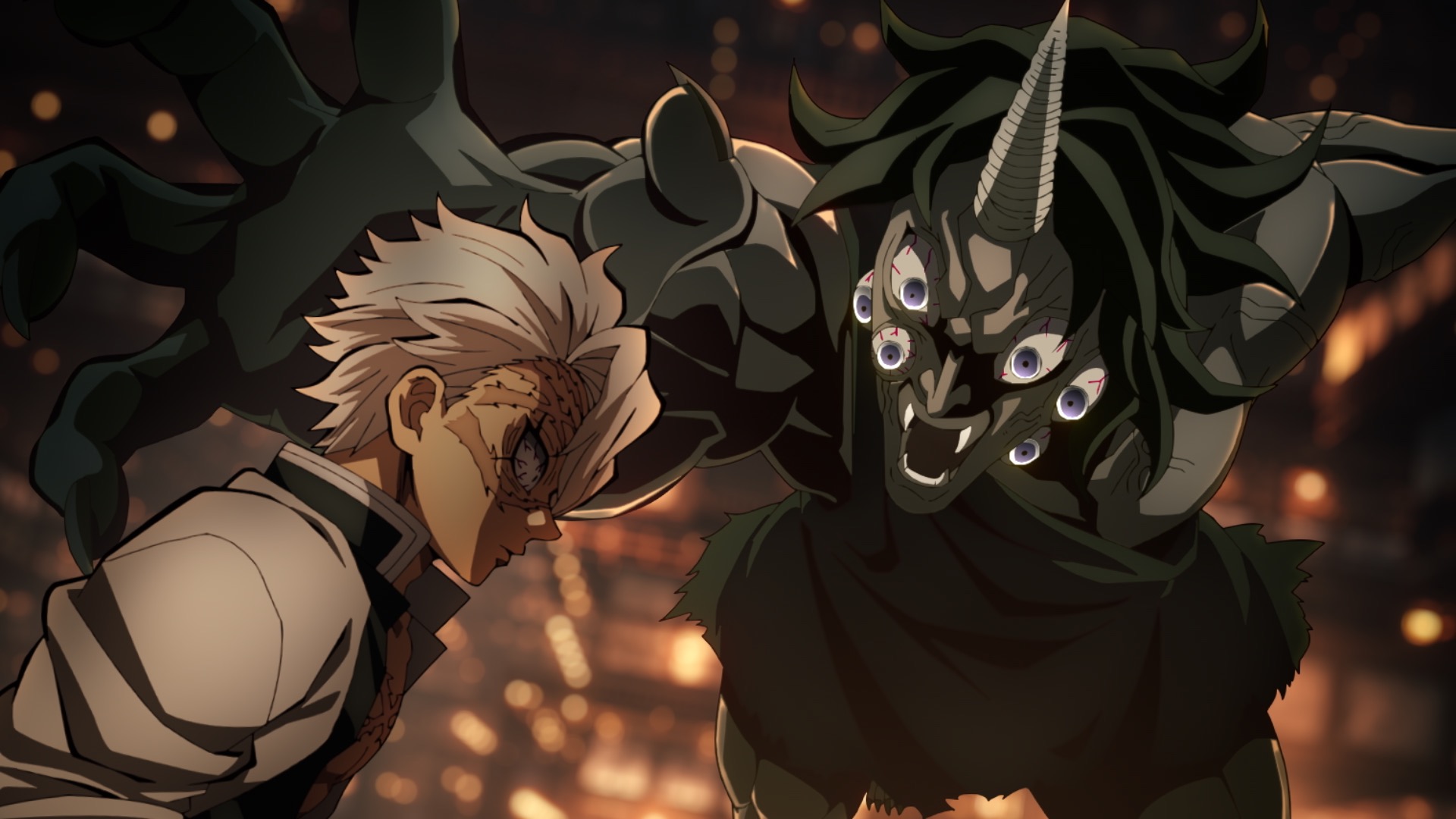
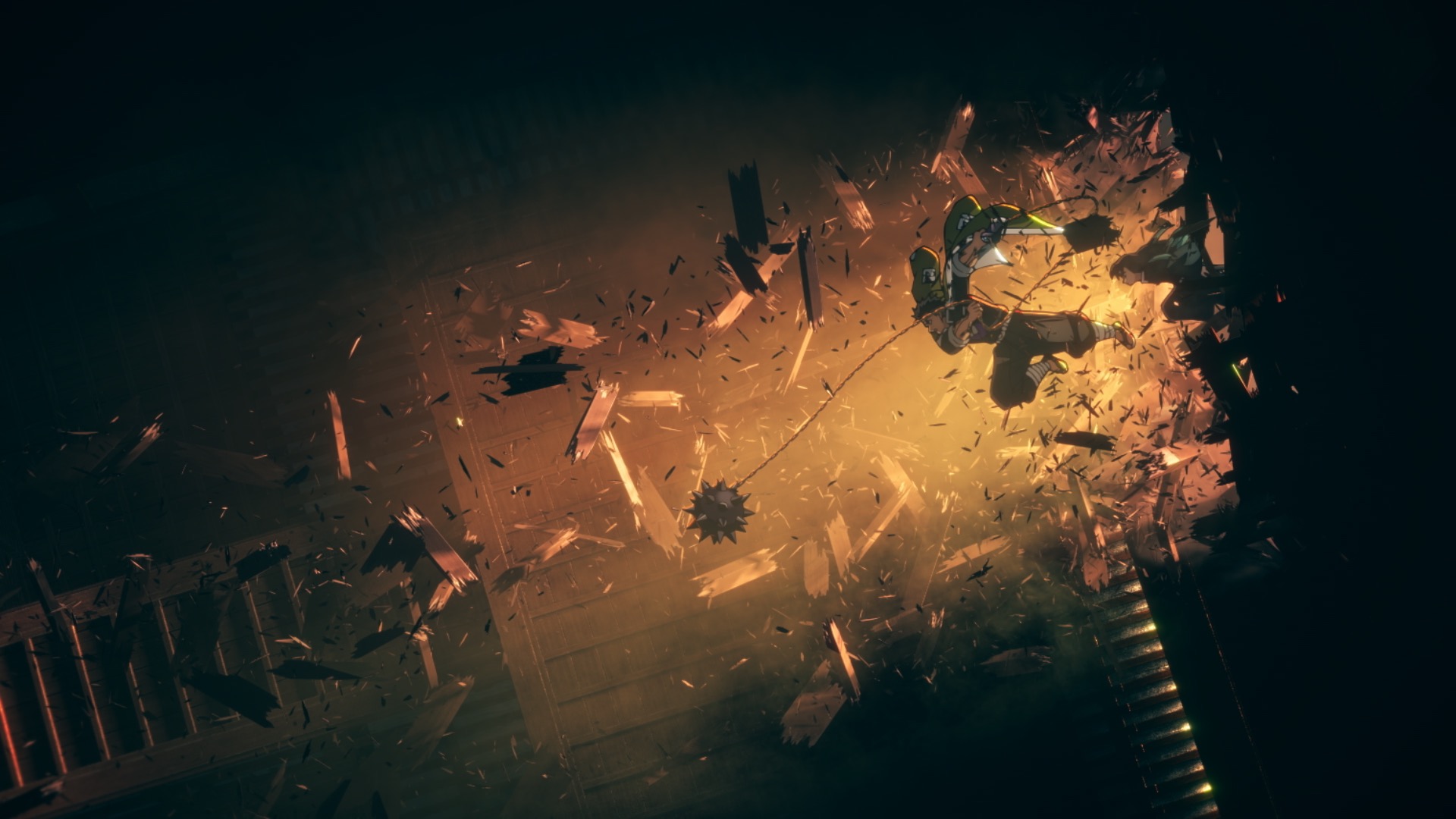
Do you then concentrate on emotional moments so you don’t go crazy trying to outdo your visuals?
Sotozaki: Certainly, the action sequences are always going to be difficult, and the expectations will always be very high, which we will try to meet and exceed. But when we look at flashbacks or the drama between characters, that’s something we pursue as well, even though it doesn’t get talked about as much. Making sure the acting and performances carry the drama and subtle nuance that pull emotional strings in the audience is something we think about.
Terao: Our supervising director at Ufotable, [Hikaru] Kondō, is famous for saying at the studio, “If it’s not fun, it doesn’t matter.” The visual spectacle of action sequences and battles may bring people into the theater or grab their attention, but without the drama — the foundation of what makes the story engaging and fun in the first place — you end up with something much weaker.
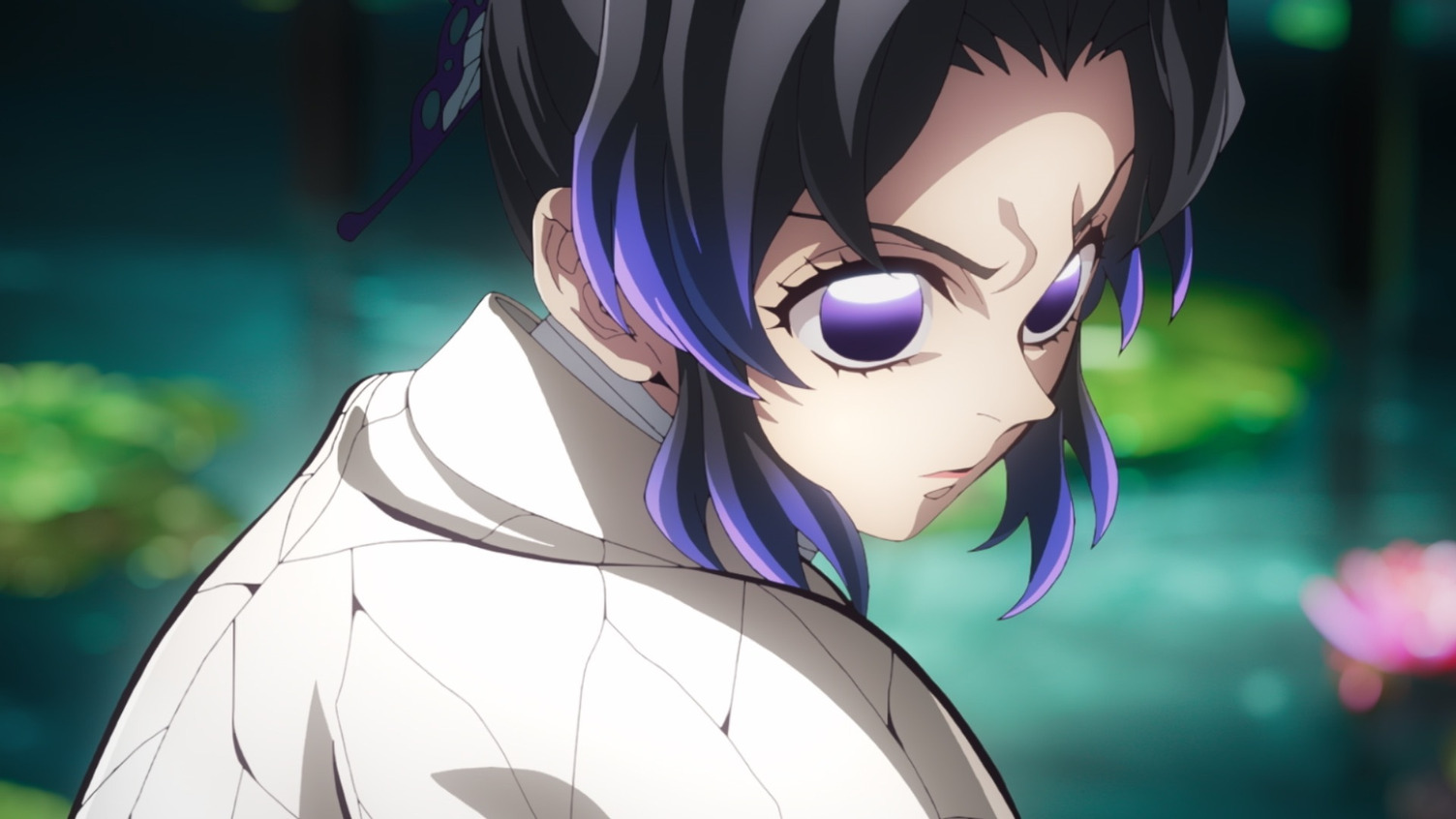
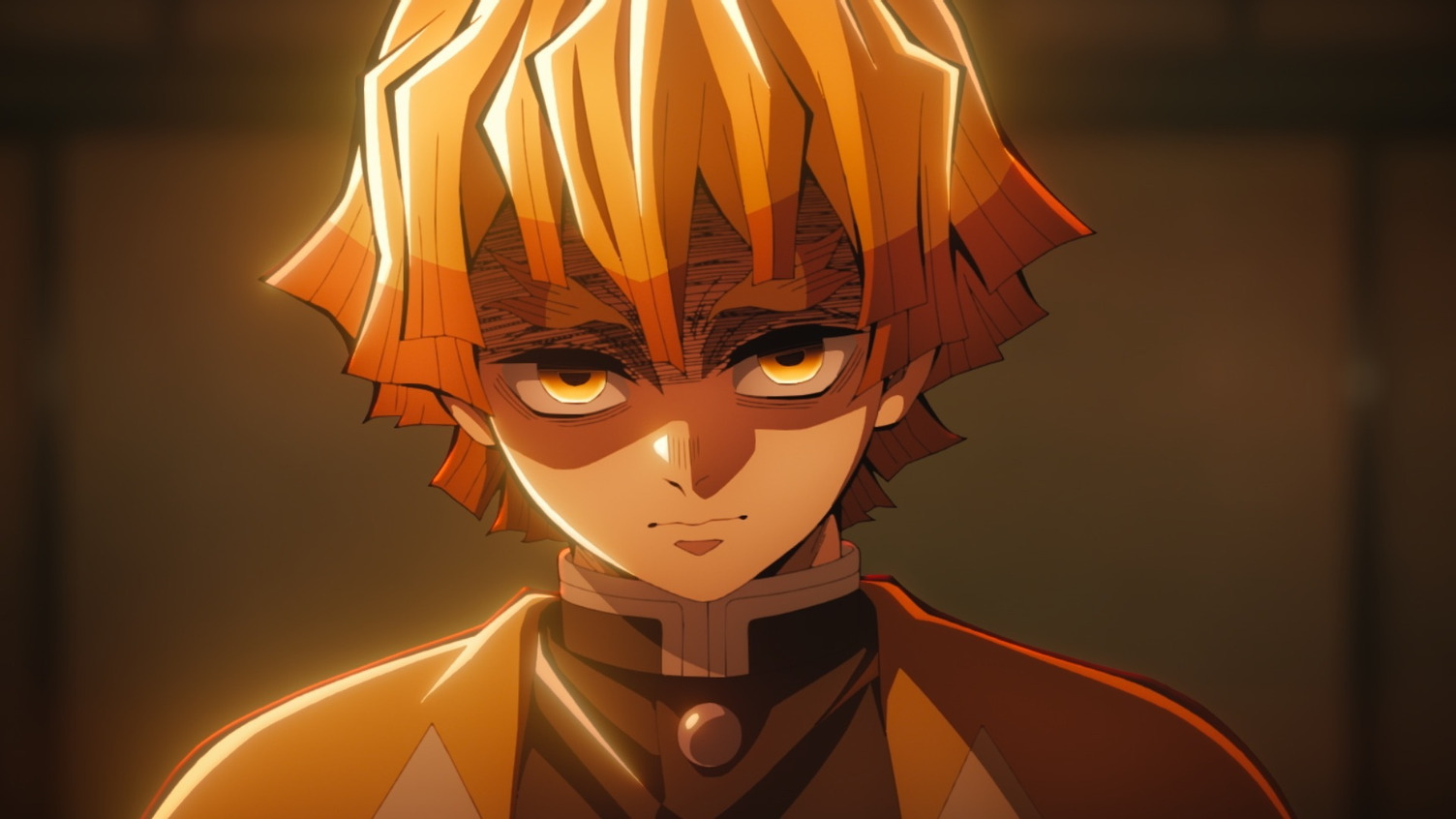
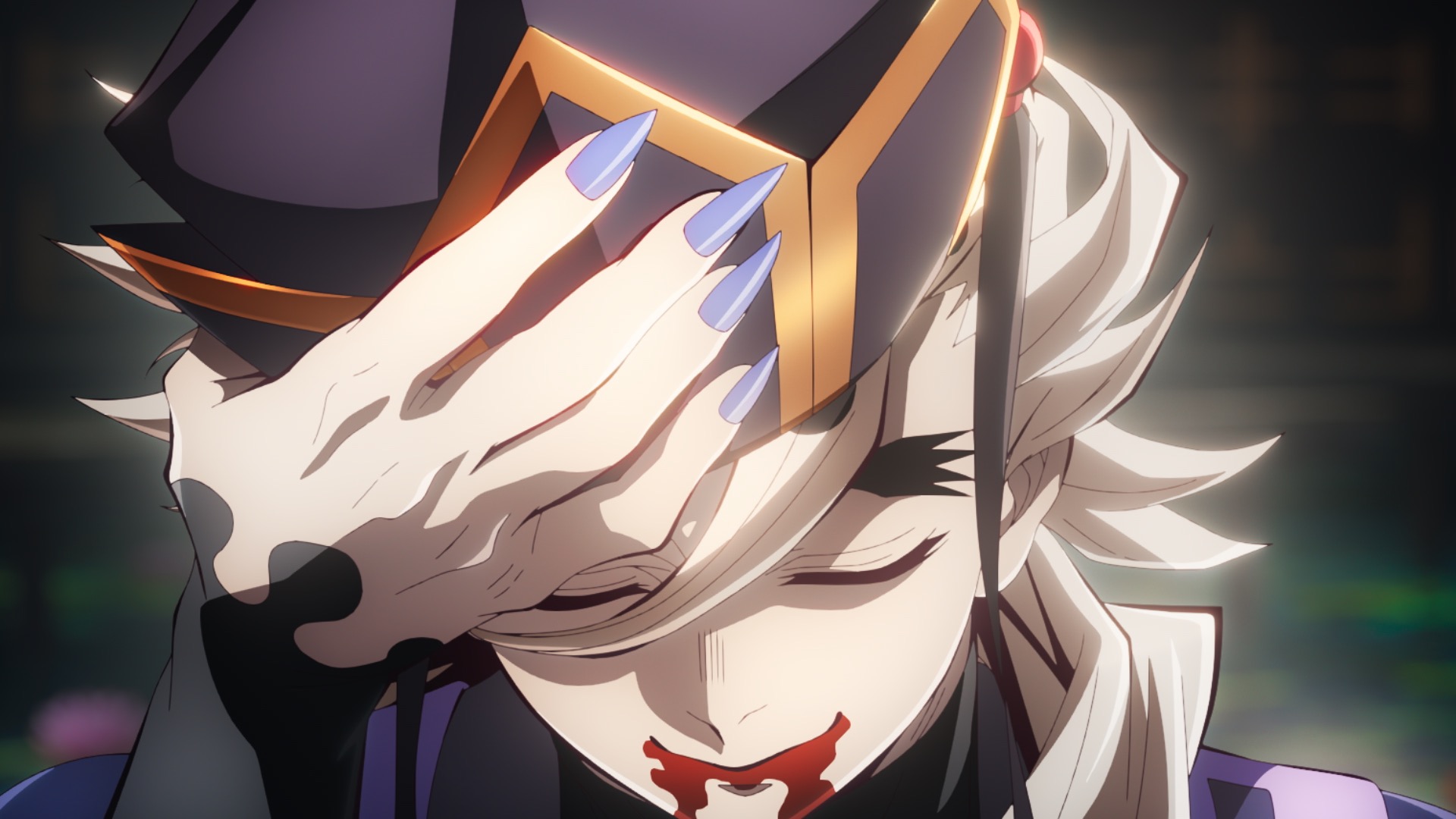
As you both head into the second film, what lessons from the first are you applying to what you want to achieve next? Do you start by laying in the emotional beats?
Sotozaki: Our team has been working together for a very long time, so there’s a certain shorthand that exists among us. We have a better understanding of which animators excel at action and which are stronger with drama and nuanced performances, and that helps us assign the right people to the right sequences. For the dramatic scenes, it’s very important to establish that emotional backbone early on and make sure those moments get proper attention. With the action sequences, we’re also looking for new ways to deliver visual expression that can exceed expectations. From every angle, we’re taking what we learned from the first film and fine-tuning how we produce the subsequent films.
Terao: For me, there are a couple of lines Tanjiro says that I’ll carry into the next film: “Think, think! Don’t give up.” That’s something I’ll keep in my heart as I work on it.