.png)
‘The Feeling Of Something Drawn By A Person’: Science Saru’s Strategy For A New ‘The Ghost In The Shell’ Adaptation
Stay informed with free updates
Sign up to get our news digest — delivered directly to your inbox twice a week.
Continuing a blockbuster streak of series and features, Science Saru is taking on an anime icon.
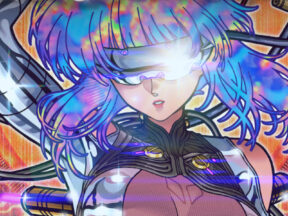
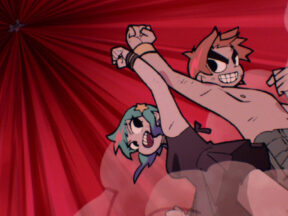
Titles like The Colors Within, Dan Da Dan, and Scott Pilgrim Takes Off have established the studio as one of the strongest voices in the industry, and adapting Ghost in the Shell feels like a graduation of sorts. Science Saru’s updated version is far more influenced by Masamune Shirow’s original manga than Mamoru Oshii’s 1995 film, falling back on the manga’s episodic format to create a new story within its dense universe.
On Monday morning, Science Saru’s Toma “Mokochan” Kimura (director) and Kohei Sakita (producer) joined Kengo Abe of Bandai Namco at the Annecy Festival on the Bonlieu stage to break down their approach to the adaptation before screening its first two episodes ahead of next month’s July 7 Prime Video release.
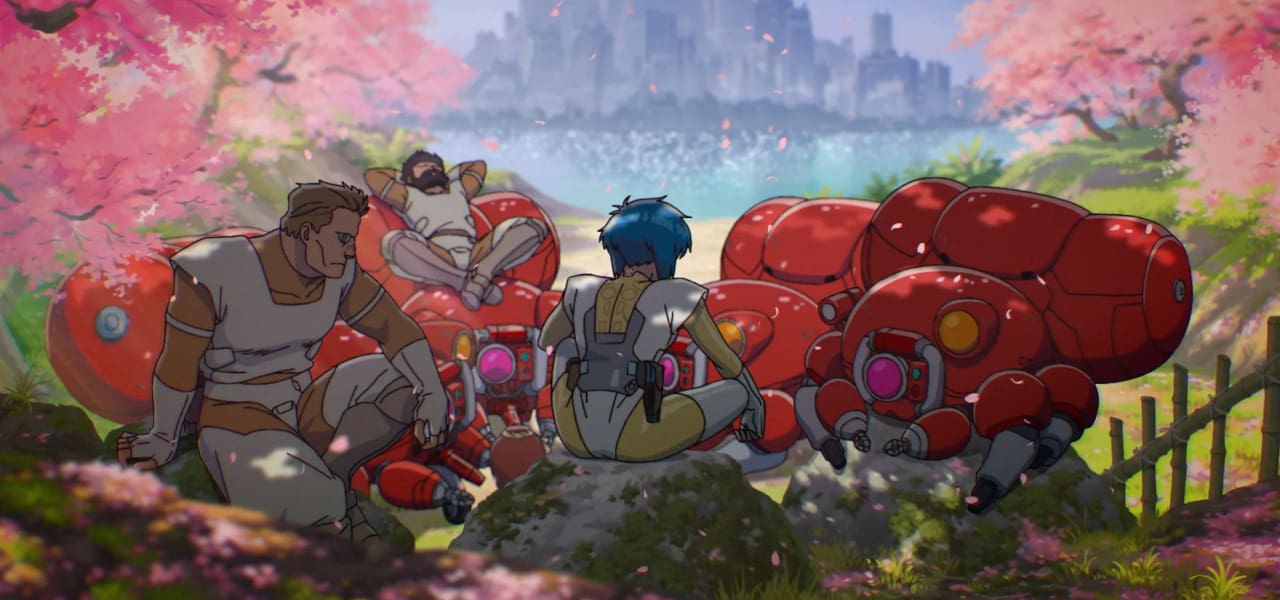
The show is just as visceral, furious, fast-paced, and confusing as both Shirow’s and Oshii’s work. Operating in a case-of-the-week format, The Ghost in the Shell takes the form of recreated police files as we follow the violent digital subterfuge carried out by this special section of the Japanese government in 2029.
Science Saru’s pristine coloring, character animation, and fluidity are apparent even to those with only a passing familiarity with the studio. The camera whips through both 2D and 3D environments, blood and mud splash onto the lens, and digital worlds glitch and transition as though you’re experiencing someone’s binary dream.
Both Sakita and Mokochan immediately expressed their awe at being able to contribute to a Ghost in the Shell adaptation, let alone spearhead it, adding to the sense that this project is something of a victory lap for the studio. Explaining why Science Saru was selected for the task, Abe said, “We wanted someone that could take the best elements of the Ghost in the Shell manga and express them through the fundamental joy of animation.”
Mokochan was clear about the first thing that came to mind when approaching the project: “The manga has so much energy. That’s the main thing we wanted to get across. So much discussion and experimentation went into achieving that.”
Much of the panel was spent explaining the production pipeline for the project, the typical anime production process, and how The Ghost in the Shell differed from it. The audience was shown a shot from the opening sequence as it evolved from storyboard to final product. While this could have felt a bit tedious and tailored toward the students in attendance, the purpose behind showing every painstaking step was revealed by Mokochan:
We want to express that this is a hand-drawn show made by humans to highlight the humanity in the story. The anime is sci-fi, but it’s also spiritual, which means it was vital for humans to be involved every step of the way. This pipeline follows that which was built by legendary directors like Hayao Miyazaki and Isao Takahata.
With that said, the demands of a show as ambitious in scope as The Ghost in the Shell required some CG enhancement.
Mokochan explained:
If we were going to use 3D, I wanted it to be for something that was impossible in 2D. I’m a big fan of first-person shooter games, and we needed 3D sets to replicate those camera movements in certain scenes. When people draw, it’s fantastical. With 3D, it’s mathematical, and that was intriguing to me.
Sakita then displayed a chart showing every hand-drawn element that appears in the show, claiming it was three times larger than what would be typical for a standard anime and featured roughly twice as many design elements. The main character alone wears 48 outfits across the season.
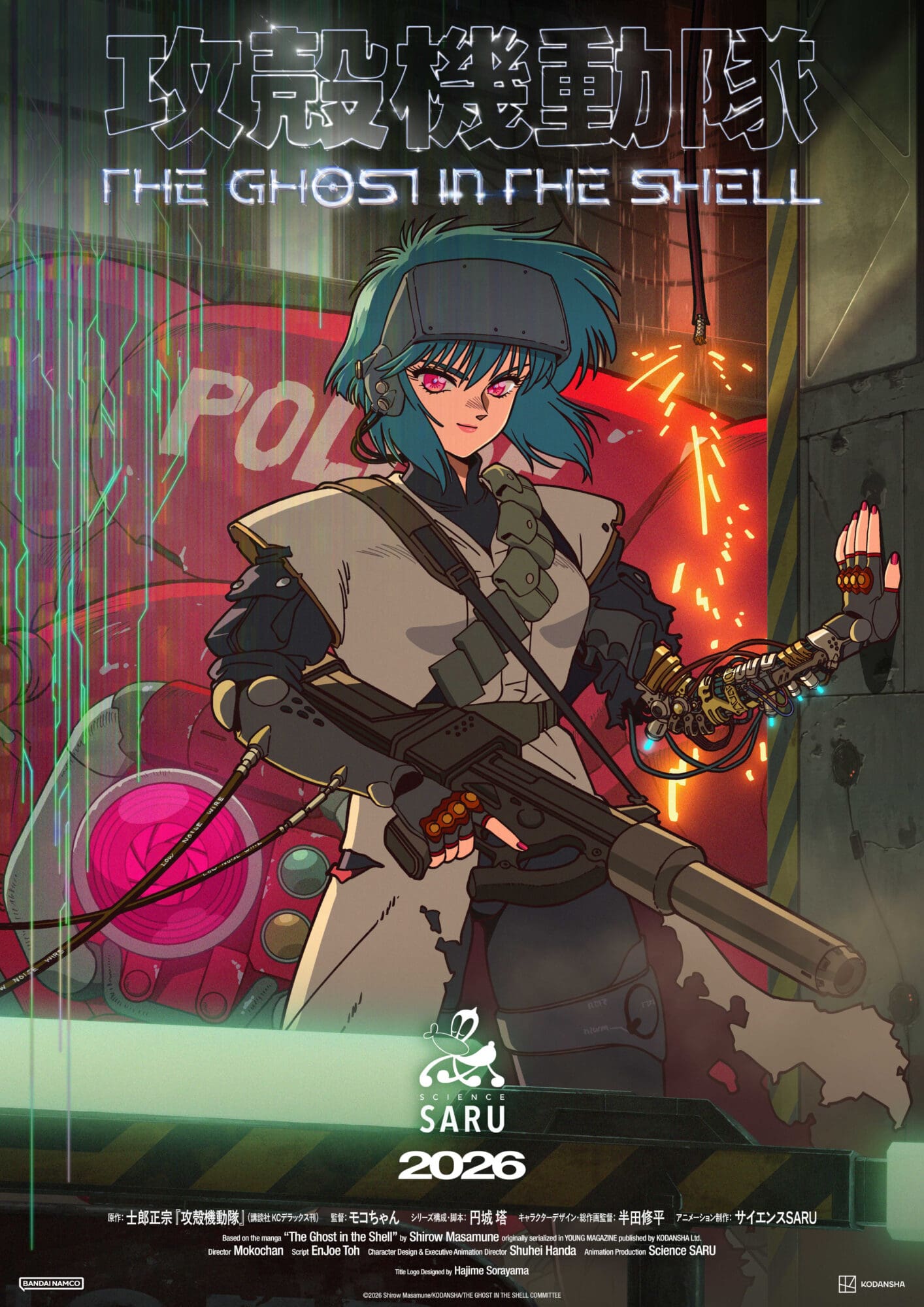
“We wanted to capture the feeling of 1989, when the manga was published,” explained Mokochan. “The technology we designed was inspired by the tech of that era, like black-box video players. We also wanted every street sign to be specifically designed, but it became too much of a burden. Instead, we used this worm-like lettering that looks like kanji but is actually gibberish. We decided on this before generative AI became prevalent, so please know that zero GenAI was used on the project.”
That final comment was met with a raucous round of applause.
Completing the behind-the-scenes look at the show was a breakdown of the coloring process. Sakita showed elements of the color script, something new for Science Saru.
“We usually decide what colors the backgrounds will take on and then design the characters’ clothing around that,” he said. “The color script doesn’t differentiate, showing all of that in one image. You might find this very common in Western animation, but it’s rarely done in Japan.”
The visuals of The Ghost in the Shell are low in brightness but high in saturation, creating a detailed and vivid look.
Throughout the presentation, the team repeatedly returned to the philosophy of the original manga.
“The sense of density that Shirow’s work has, giving as much detail as possible and not leaving any gaps. This is the message I tried to pass on to the artists. But it also has to have a sense of vitality, a sense of life force. Even the inanimate objects don’t feel monotonous. They seem to have blood vessels. They encapsulate the theme of the similarities between man and machine.”
Sakita’s closing thoughts were more succinct:
The feeling of something drawn by a person is the whole appeal of animation to me.
As the animation industry continues to grapple with emerging technologies, Science Saru has firmly planted its flag in the expressive power of the human hand.