.png)
‘We Wanted To Be Very Respectful Culturally’: Behind Science Saru’s Anime Adaptation Of ‘Jaadugar: A Witch in Mongolia’
Stay informed with free updates
Sign up to get our news digest — delivered directly to your inbox twice a week.
Science Saru’s Jaadugar: A Witch In Mongolia debuted on Crunchyroll on July 4, having recently screened in Annecy’s TV Films competition selection. Adapted from the manga by creator Tomato Soup, the series brings together some of the studio’s finest talent. Naoko Yamada, whose credits include directing The Colors Within and K-On!, serves as executive producer, while Abel Góngora, known for Scott Pilgrim Takes Off and Dan Da Dan, directs several episodes.
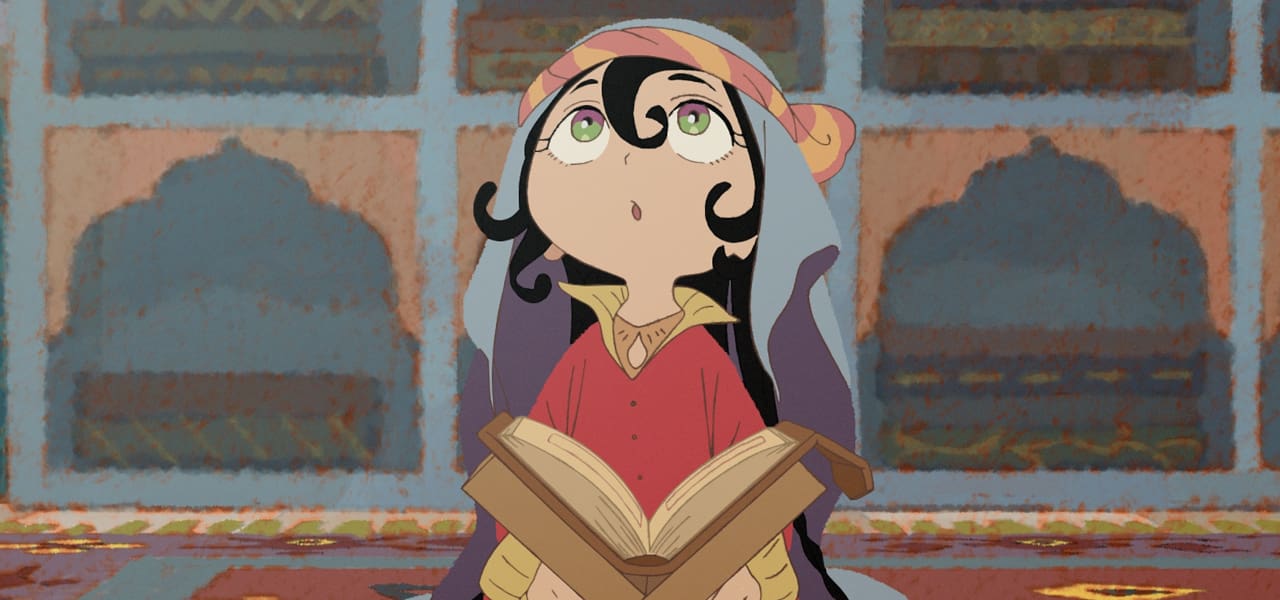
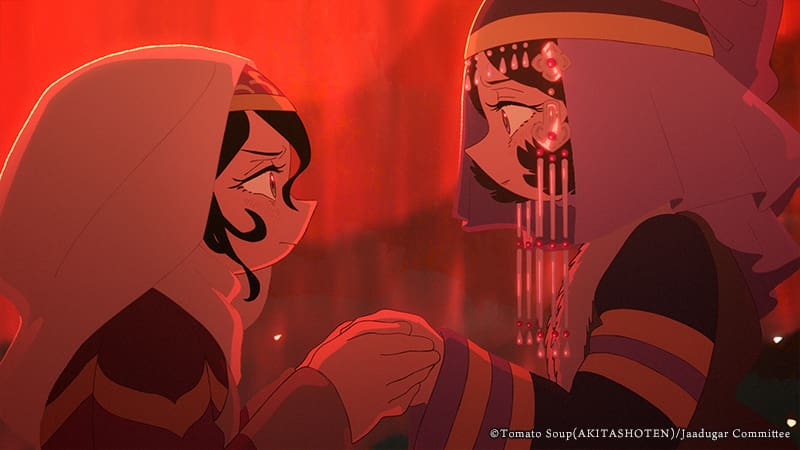
Jaadugar follows the life of Sitara, a slave in 13th-century Persia who is adopted into a family, only to be violently torn away from them. The first episode, which screened at the Annecy Festival, showcased Science Saru’s trademark color work, Góngora’s swift, stylish direction, and Yamada’s careful approach to crafting female characters.
We caught up with Yamada and Góngora, along with a cameo from Science Saru producer Kohei Sakita, to discuss what drew them to the manga, staying faithful to Persian and Mongolian culture, and how the series explores the role of women in society.
Cartoon Brew: What appealed to you about the manga?
Yamada: The character designs. There are so many characters in the manga, and they all feel distinct. They each have different personalities and their own points of view, so that was very attractive to me.
Góngora: I think the same. The character designs are really nice, with a vintage feeling that reminds me a little of Tezuka. That flat style could be very playful in animation. Also, the setting of Mongolia and Persia was very interesting.
 How did the pipeline differ from other Science Saru projects?
Sakita: Because Yamada-san and Abel-san were involved, it was about building the pipeline around their roles. We also had [Kenichi] Yoshida-san, who works in a very analog style, so the staff also worked in an analog way. It always depends on the people leading the project.
Sitara is a fun, rebellious character, and I love how she has to learn the right time and place to rebel. Was it difficult to find that balance with her?
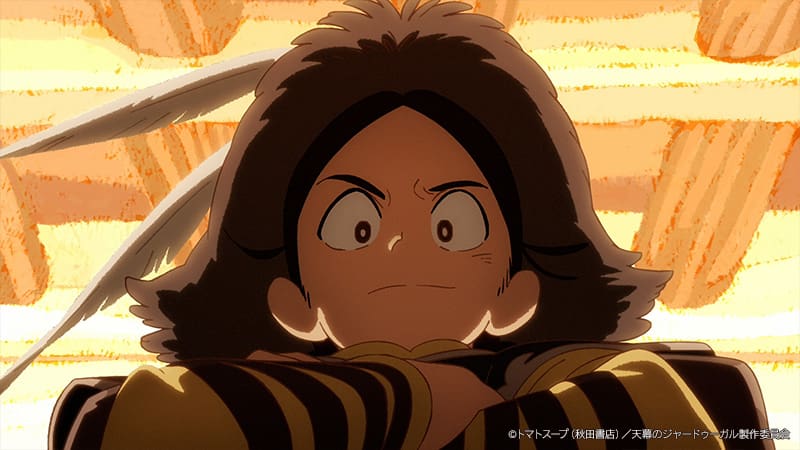
Yamada: That’s a great point of view. Sitara begins with a hatred of Mongolia, and she has to face the country while carrying those negative feelings. But as she spends time there, her perspective changes. She begins to develop respect for the place. The way she changes is one of the most appealing parts of the story. I had to be careful to communicate that journey clearly so the audience wouldn’t be confused by what might otherwise seem like a sudden change of heart.
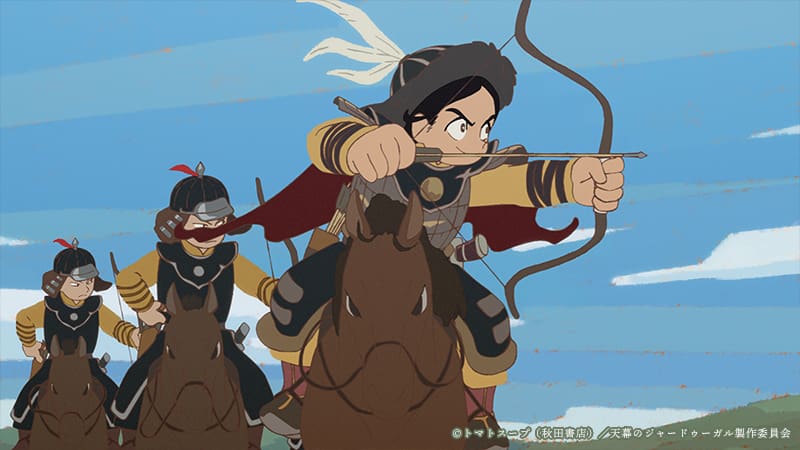
How did you make sure the show felt true to Islamic culture?
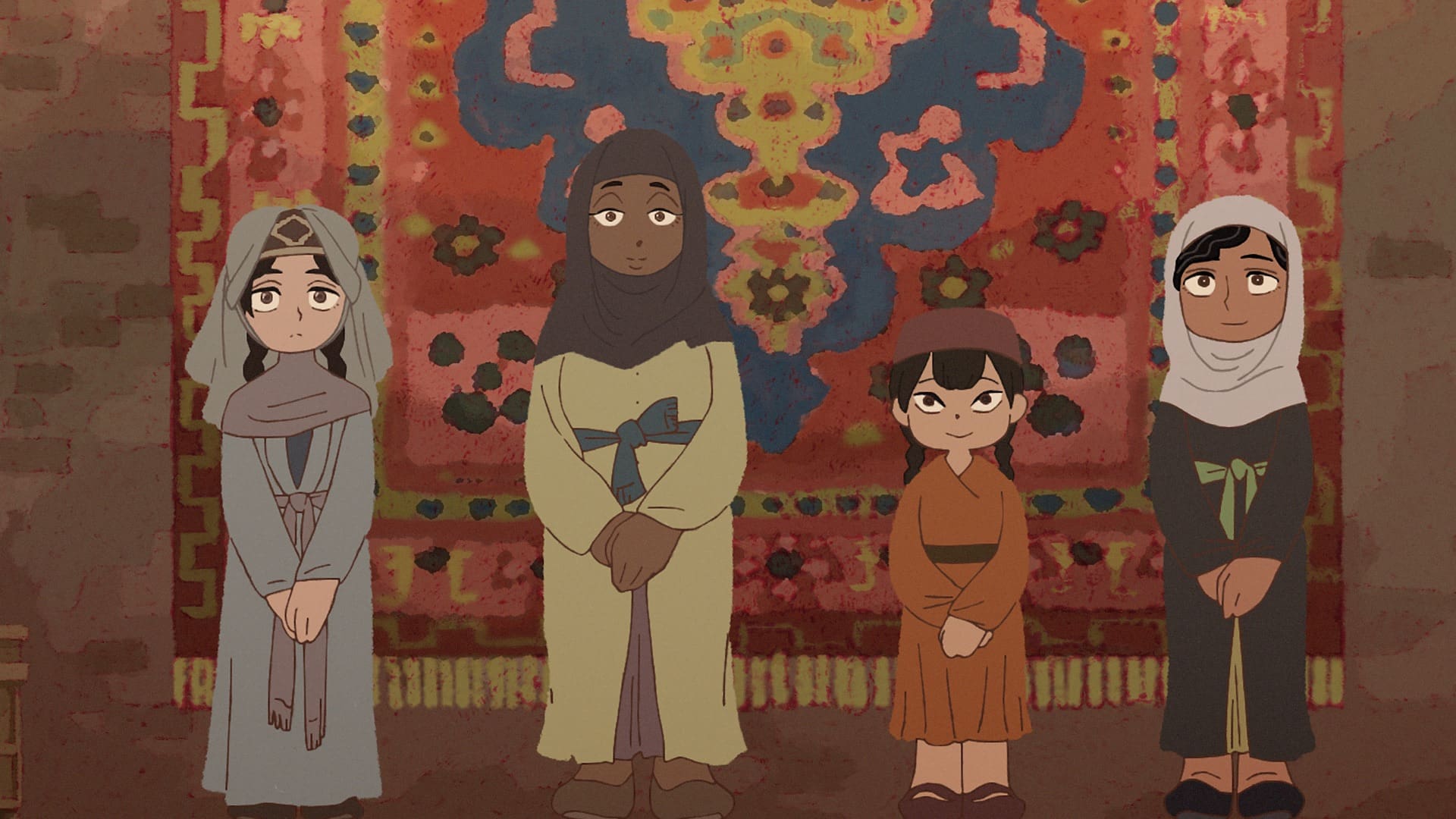
Yamada: We visited a mosque in Tokyo while attendees were performing salat. We interviewed them, and they even asked if they could appear in the first episode of Jaadugar.
Góngora: We wanted to be very respectful culturally. We weren’t just concerned with Muslim culture, but also Persian and Mongolian culture, including what the cities would look like and what the landscapes would be like. We didn’t want to fall into Orientalism because people often have misconceptions and stereotypes about that part of the world. We wanted to present something more authentic. Mongolia and Iran both exist today, so we want people from those places to feel represented, even if we take some storytelling liberties or simplify certain things. We don’t know yet how audiences will respond, but we did have a cultural consultant reviewing everything we did.
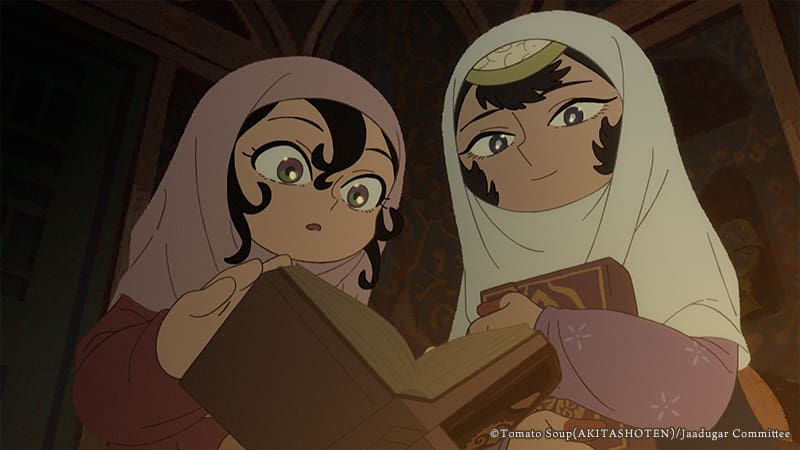
In a show set largely in the desert, it would be easy for the color palette to become repetitive. How did you keep it fresh?
Góngora: Persia has more browns, but beginning with the second episode, the characters travel, and the landscape changes as they reach Mongolia. We still use a lot of browns, but there are greens too. We didn’t want to make it too green because it would feel idealized. We also play with the seasons, so the setting shifts from winter to summer. That’s important for the story because time is constantly moving forward.
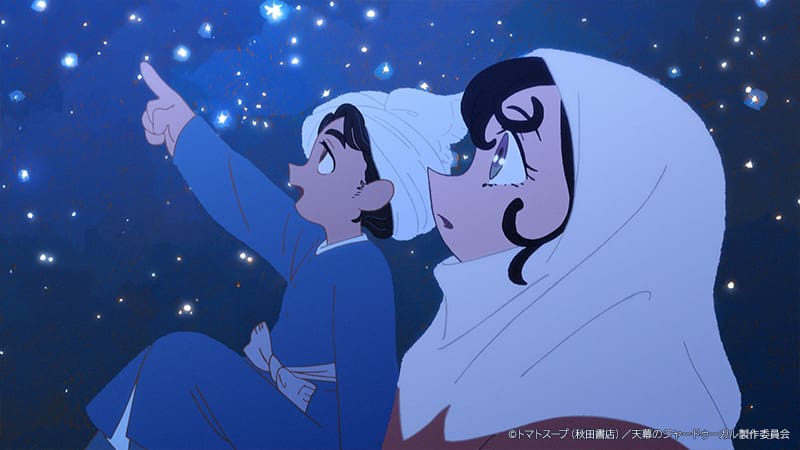
Was exploring the role of women in this society something you especially wanted to focus on?
Yamada: I learned so much throughout this process about the culture and society. One of the biggest things was understanding the role of women. I realized there were reasons behind each aspect, and each represented its own distinct issue. Learning about those complexities became one of the most exciting parts of the process.
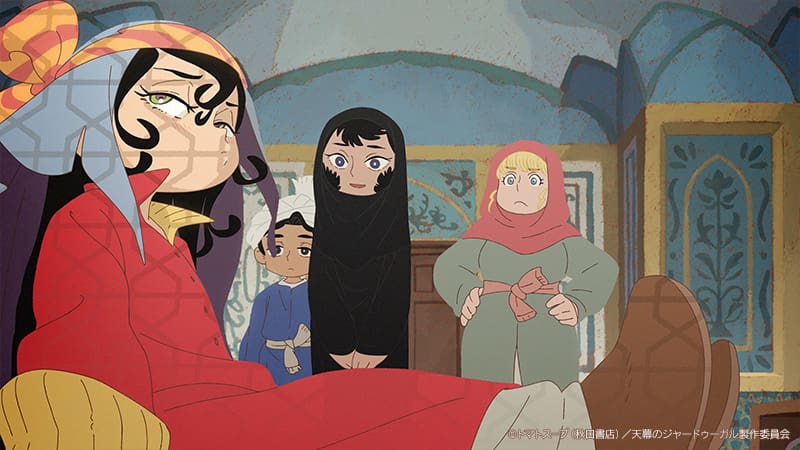
The show presents the traditions of this culture while also acknowledging practices that modern audiences may see as outdated. Was it difficult to stay respectful while doing that?
Góngora: From my point of view, we don’t try to criticize those things because that’s not the subject of the story. We present them because that’s how things were. We don’t tell the audience whether something is good or bad. Historically, slavery existed. We’re not trying to give a lesson about it, but that is what happened. Sitara is a slave, but we also show that she experiences the love of a family. That’s the important part of the story.
What do you hope audiences take away from the show?
Yamada: Your perspective can change when you look at something from another angle. I hope this gives viewers a chance to think about things from different perspectives.
Góngora: I think it’s interesting that the main character isn’t always good. Sometimes she’s angry, and sometimes the people who seem like villains turn out to be ordinary people with lives and reasons for doing what they do. They’re not evil. They’re just people living their lives.