2027 Oscars Short Film Contenders: ‘The End’ Director Niki Lindroth Von Bahr
Stay informed with free updates
Sign up to get our news digest — delivered directly to your inbox twice a week.
Welcome to Cartoon Brew’s spotlight series on animated shorts that have qualified for the 2027 Oscars. Films in this series qualified through one of three routes: winning an Oscar-qualifying award at a film festival, screening theatrically, or winning a Student Academy Award.
Today’s short is Niki Lindroth von Bahr’s The End, a Sweden, France, and Denmark co-production led by Malade AB in co-production with Film i Väst, SVT, Les Valseurs, and Wired Fly. Made over nearly four years, the film continues its director’s exploration of human behavior through animal characters, familiar from shorts including The Burden and Something to Remember. The End is eligible for this year’s Oscars after a qualifying theatrical run.
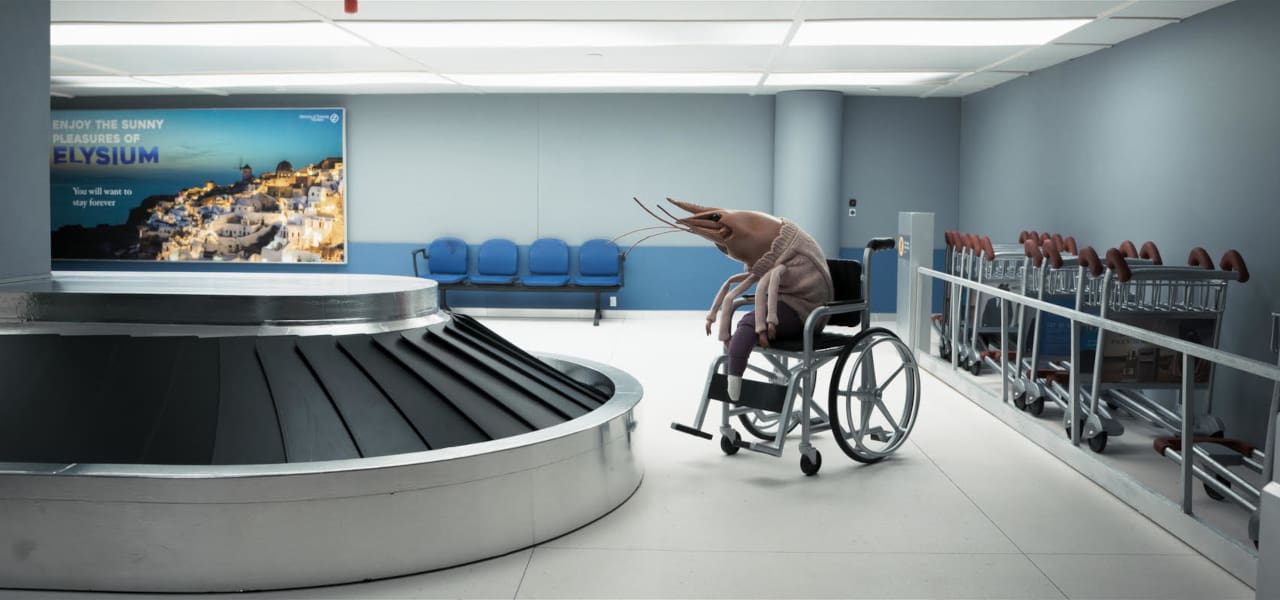
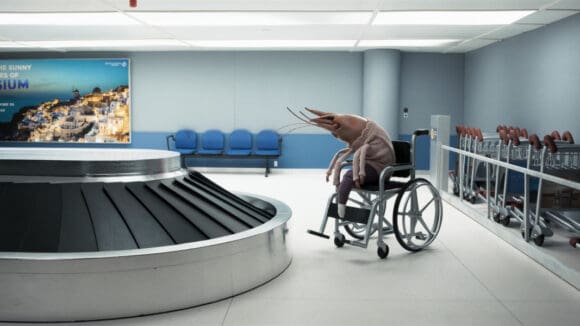
Inside a sprawling international airport, delayed flights, revolving sushi belts, and baggage carousels keep its animal inhabitants suspended between destinations. Drawing on the restless souls of limbo in Dante’s The Divine Comedy, Lindroth von Bahr turns the terminal into a darkly comic microcosm of modern society. Luxury shopping and expensive smoothies coexist with anxiety and confinement, while everyday frustrations unfold beneath the looming presence of death.
Cartoon Brew: What was it about this story or concept that connected with you and compelled you to direct the film?
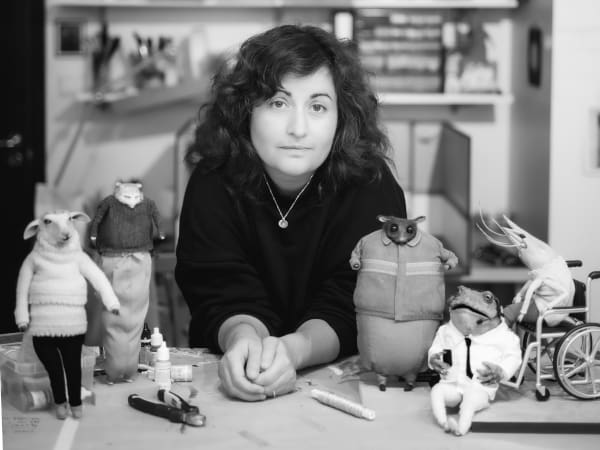
Niki Lindroth von Bahr: The End takes place in a large international airport, with strong similarities to limbo in The Divine Comedy. The characters find themselves in purgatory, waiting for indefinitely delayed flights, endlessly rolling sushi belts, and luggage claims. I wanted to portray us humans—as animals—and our petty everyday struggles in modern society, while reminding us of death and existence.
What did you learn through the experience of making this film, either production-wise, filmmaking-wise, creatively, or about the subject matter?
This film took almost four years to make, and the script changed quite a lot over time as I experienced some very tumultuous events in my personal life. My dad passed away, and I had my second child in the same month, both of which colored the film’s story and atmosphere.
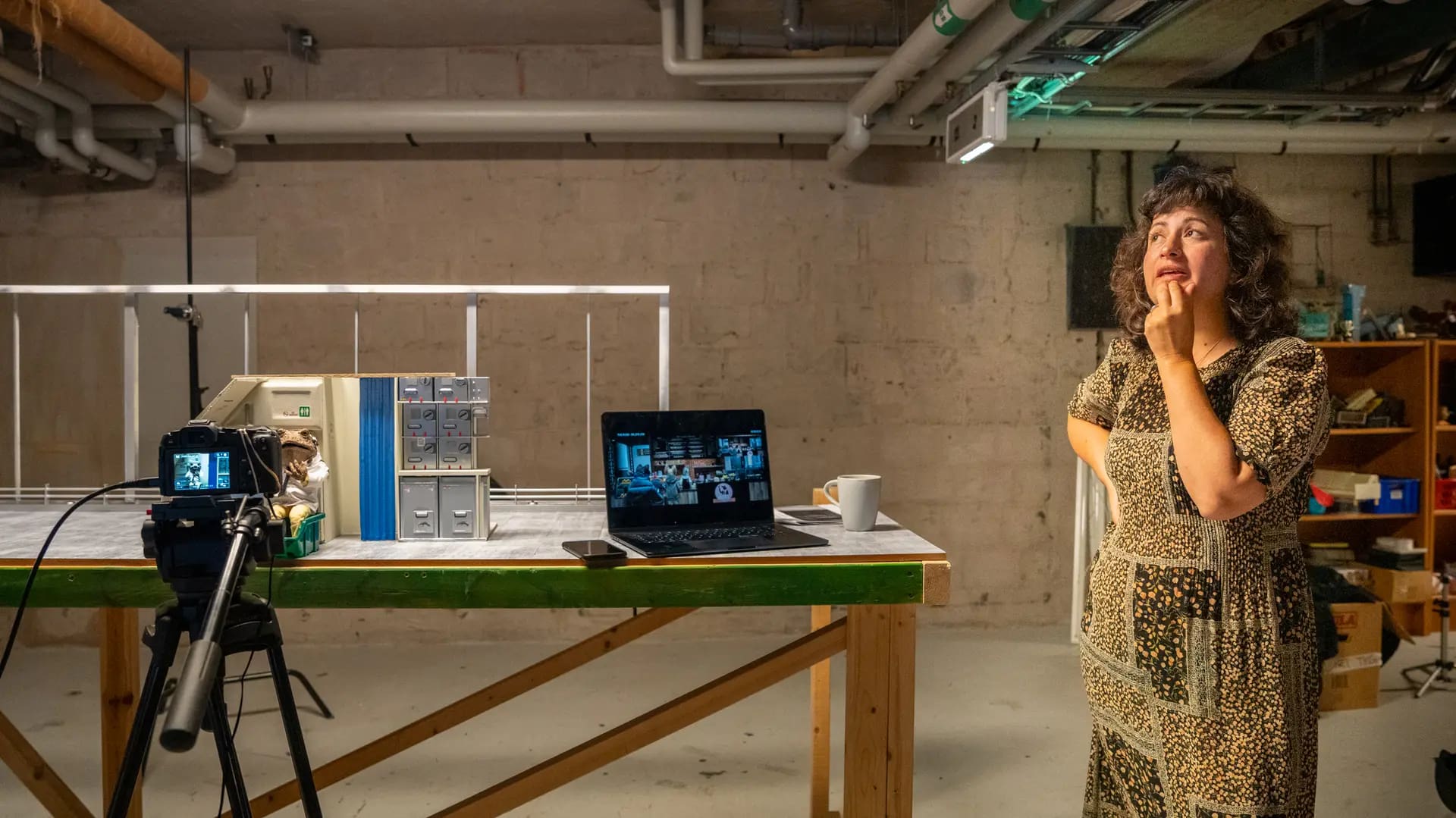
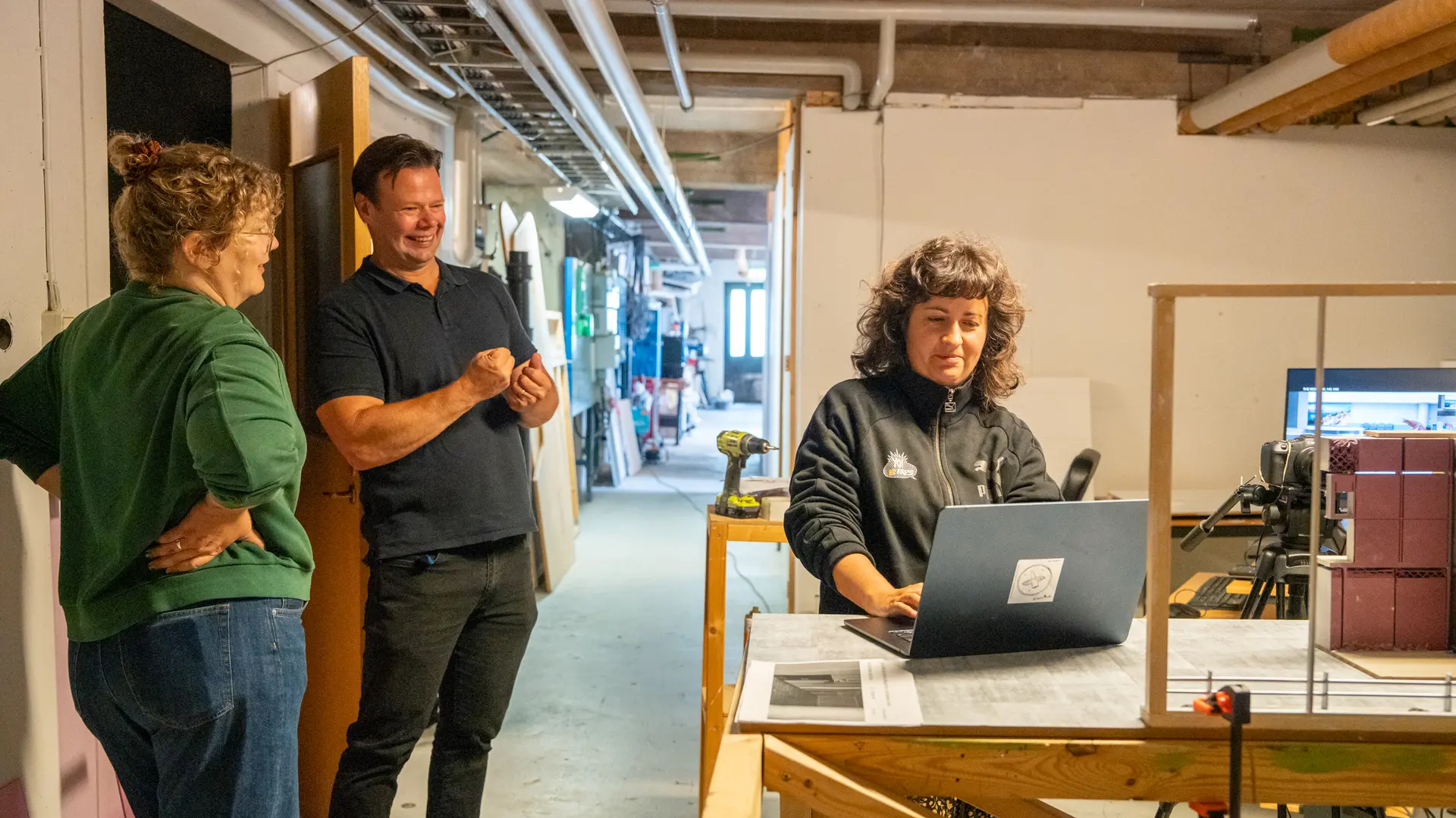
The End was also my first co-production with France and Denmark, so there was a lot of traveling. Visiting all these airports while I was building a miniature airport really messed with my brain!
Can you describe how you developed your visual approach to the film? Why did you settle on this style and technique?
Even though my characters are portrayed as animals, they are very much human. This is a film about ourselves and human nature, but I find their disarming, sometimes comical animal appearance easier to relate to and empathize with.
Dressed in all the trappings of civilization, the animal characters reflect our human absurdity. Don’t we all feel like a shapeless slug squeezed into a pair of chinos at times?

What was it about an international airport that made it such a fitting sandbox for your film, both narratively and during production?
I’ve always been fascinated by airports. There’s a striking contrast between luxury and the underlying sense of threat. Will you buy a Ralph Lauren shirt and a ridiculously expensive smoothie, or get stuck in a detention room for hours? The airport feels like a depressing micro-society that is supposed to fit everyone but fits no one.
I was reading The Divine Comedy while working on the script, and the description of the restless souls in limbo stuck with me. They are not miserable, but still long for something bigger than themselves.
Photos courtesy of Film i Väst