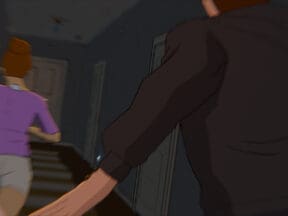
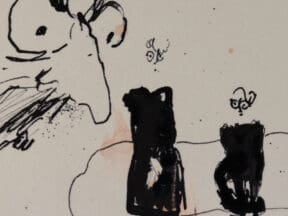
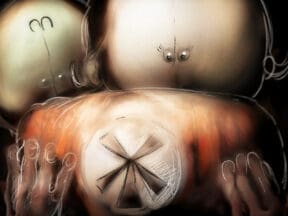
.png)
2027 Oscars Short Film Contenders: ‘Cosmonauts’ Director Leo Černic
Stay informed with free updates
Sign up to get our news digest — delivered directly to your inbox twice a week.
Welcome to Cartoon Brew’s spotlight series on animated shorts that have qualified for the 2027 Oscars. Films in this series qualified through one of three routes: winning an Oscar-qualifying award at a film festival, screening theatrically, or winning a Student Academy Award.
Today’s short is Leo Černic’s Cosmonauts, a Slovenian-Italian co-production led by Finta Film and co-produced by Staragara, and RTV Slovenija. Černic wrote, directed, animated, and voiced the 2D computer-animated short. The film earned an Oscar-qualifying award by winning the Animest Trophy in Bucharest.
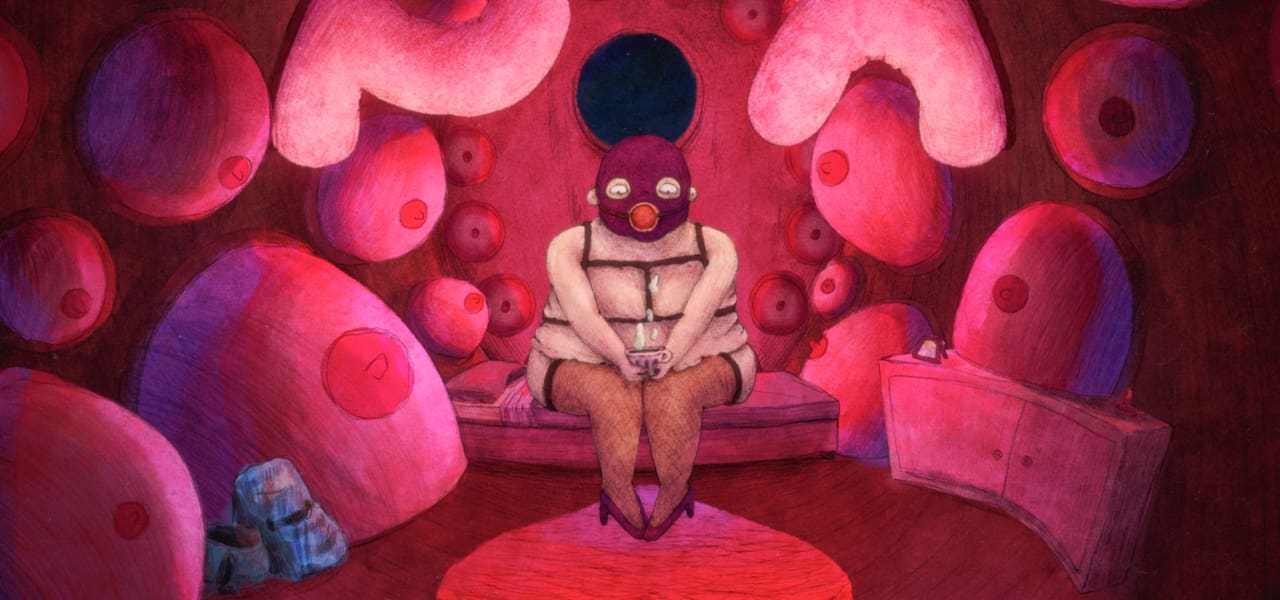
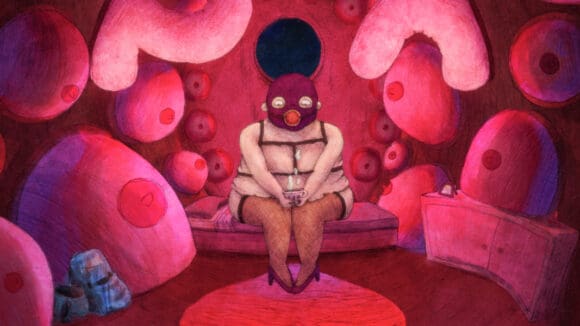
Set aboard the Pompelmo Express, an intergalactic singles cruise, Cosmonauts follows three lonely passengers searching for sex, intimacy, and some form of connection among the stars. Delfino is a romantic dressed in BDSM gear, Rita is an older cleaner who goes largely unnoticed, and Zenf is a cynical scientist who boards for research but finds something more personal waiting for him. Their parallel stories turn a bawdy sci-fi premise into an exploration of love, loneliness, and the lengths people will go to feel close to someone.
Cartoon Brew: What was it about this story or concept that connected with you and compelled you to direct the film?

Leo Černic: Definitely the theme. I’ve always been obsessed with love and its mechanisms. I’m deeply moved by our urge to love and be loved, and by how this same feeling can take such different and unique shapes for each of us. I was thinking a lot about the relationship between love and loneliness, almost wondering if loneliness is just the price we have to pay to reach this elusive love that everyone seems to be looking for. I can’t really describe what that love is, but what I am sure of is that our longing for it drives the few good things left in this world. And that is exactly what I wanted to celebrate with this film.
What did you learn through the experience of making this film, either production-wise, filmmaking-wise, creatively, or about the subject matter?
For months, while developing the story, I tried to structure the film as a mockumentary just because I felt it was cool, but something just wasn’t working. Maybe it was because I was obsessed with The Office at the time, or maybe I was just being a naive hipster. I didn’t realize that by forcing it, I was prioritizing the coolness of the form over the content of the story I truly cared about, which really didn’t need it. After a while, I abandoned the idea. But in a way, it made me rediscover something I really believe in when it comes to cinema: the importance of putting the story first, and being careful not to let the form override it.
Can you describe how you developed your visual approach to the film? Why did you settle on this style and technique?
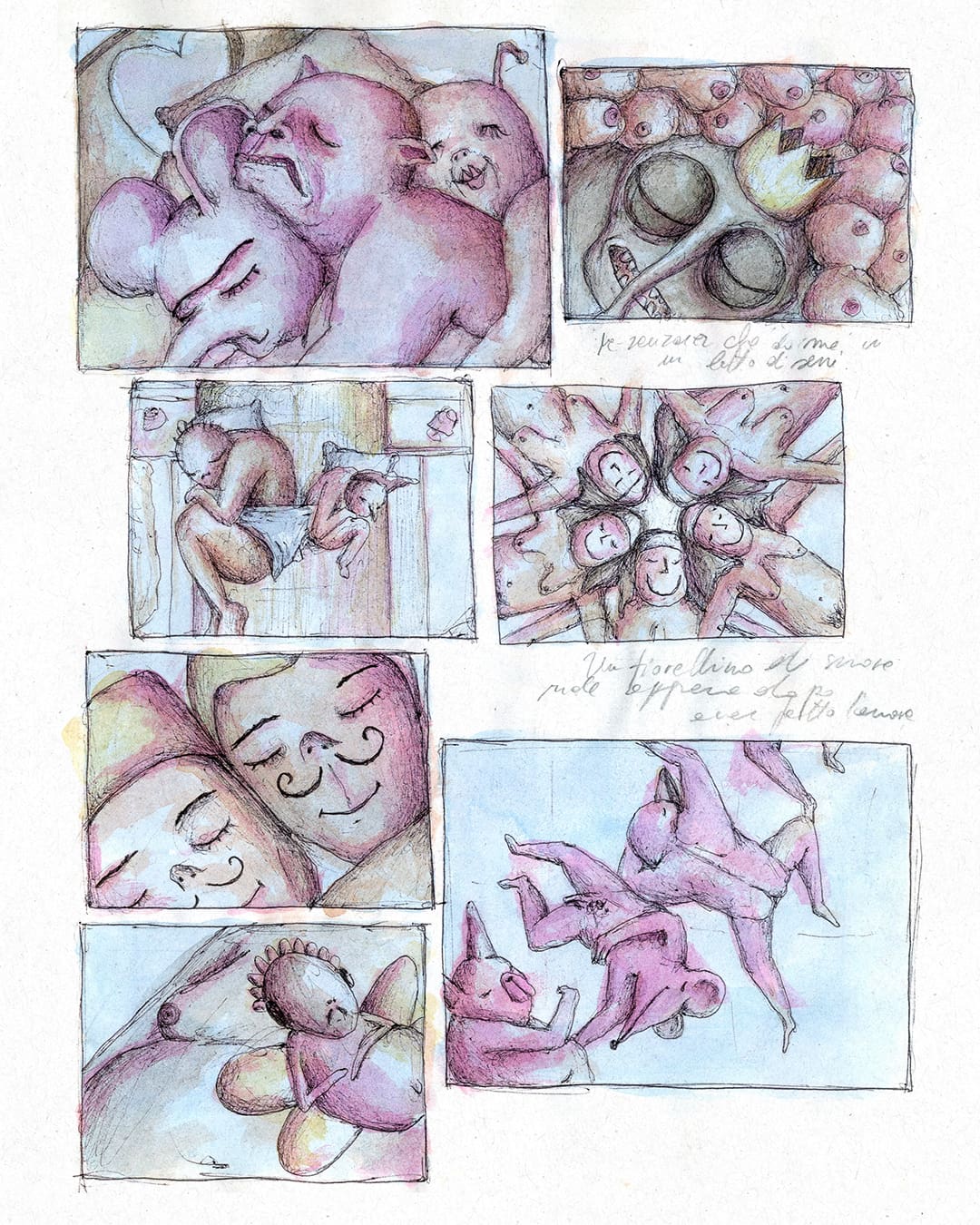
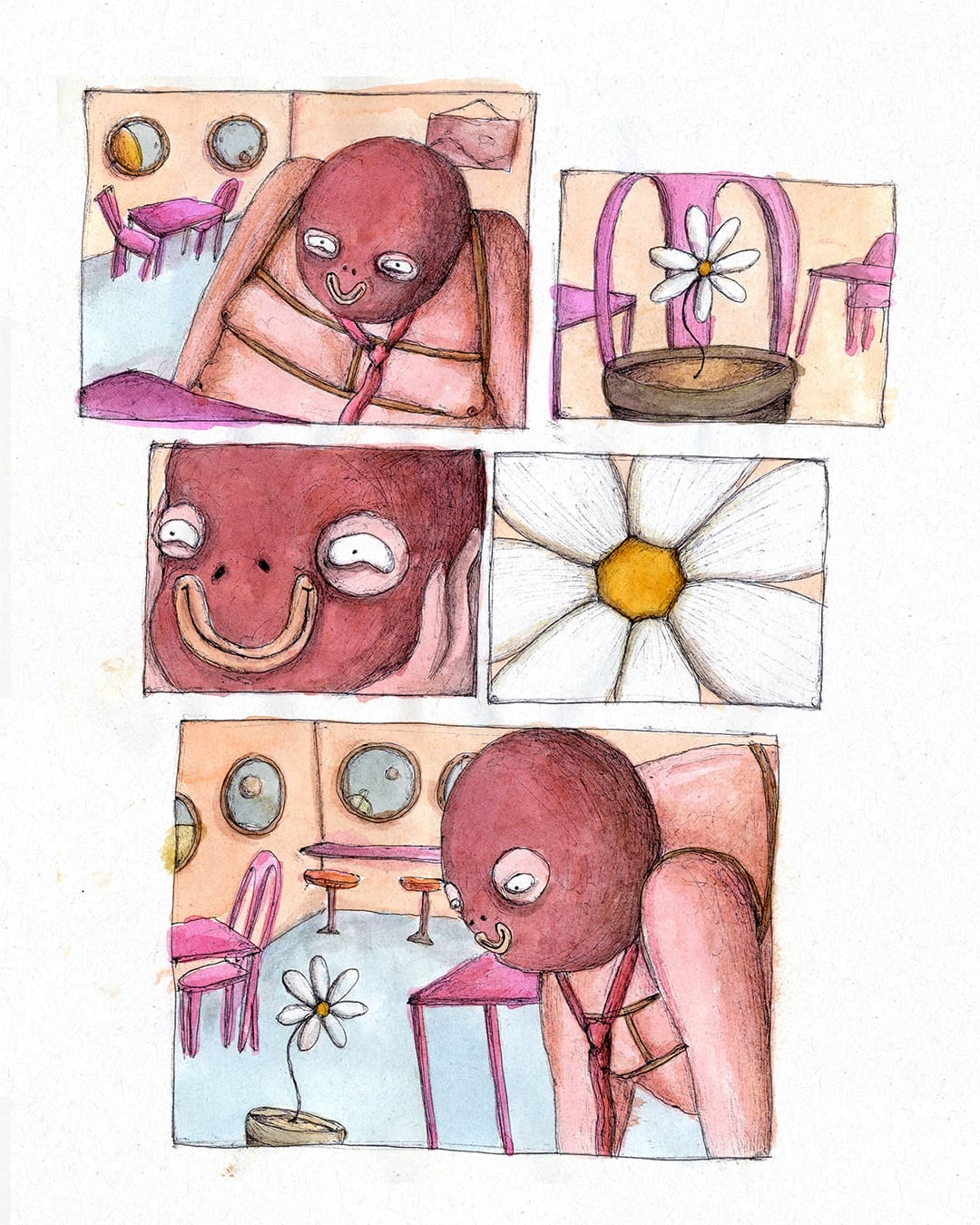
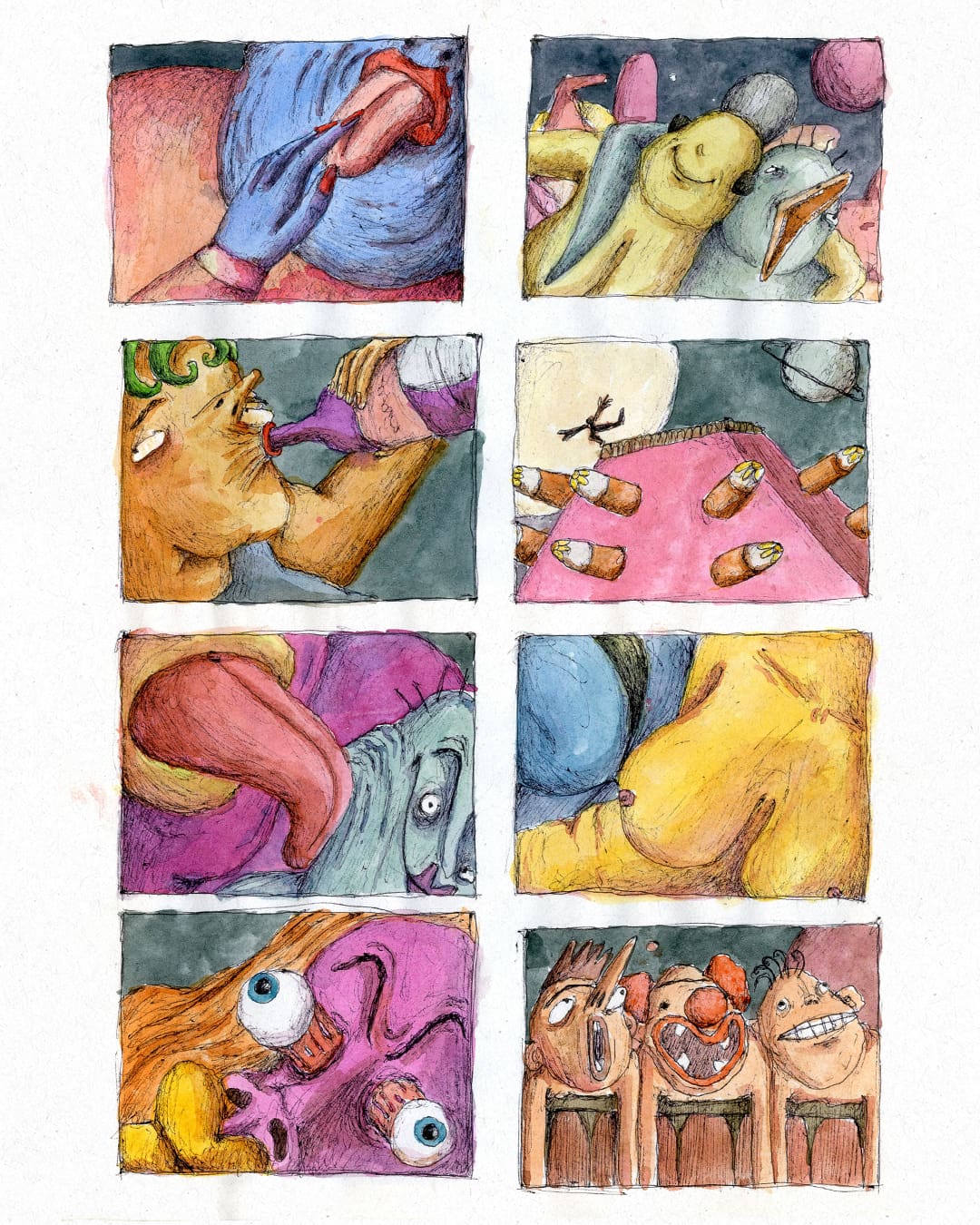
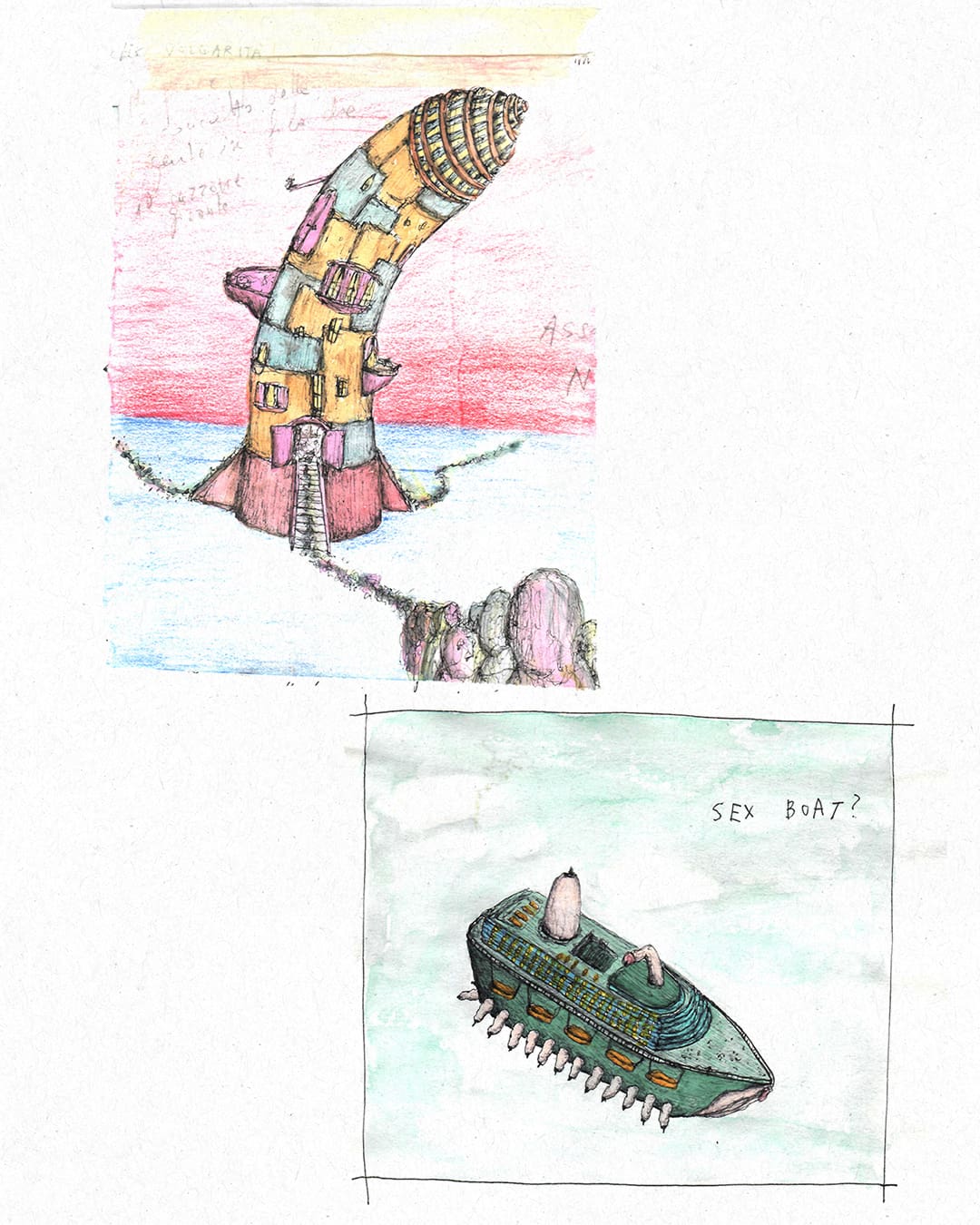
In my creative process, story and visuals often go hand in hand. I usually spend most of my time building the world around the film, creating many comics, vignettes, or fragments to explore ideas, characters, and atmospheres. This way, by drawing and redrawing the characters, it feels like they start to emerge on their own at some point. Since love is not just a platonic idea, but also something made of bodies, desires, and passions, I wanted to be very explicit in the design of the characters and their needs, while looking for a very rough and organic visual look that could bring out the visceral and carnal nature of the themes I wanted to explore. That’s why I played a lot with textures and tried to distance myself from the clean, flat 2D computer animation we often see.
There is a great tension between the cosmic scale of the setting and the very intimate human desire for companionship at the center of the film. What interested you about putting those two scales together?
I find it ironic and extremely melancholic that all these bizarre creatures have to travel to the most remote corner of the universe to feel less lonely — finding their freedom, happiness, and fulfillment. I like this contrast because it shows how stigmatized communities often feel free only when they are basically hidden and isolated. At the same time, the scale of the universe amplifies our fragility, making us feel even more lonely or miserable. On the other hand, the act of facing the universe becomes an act of resistance, giving the story a much more epic dimension as the characters rebel against their predetermined fate.