.png)
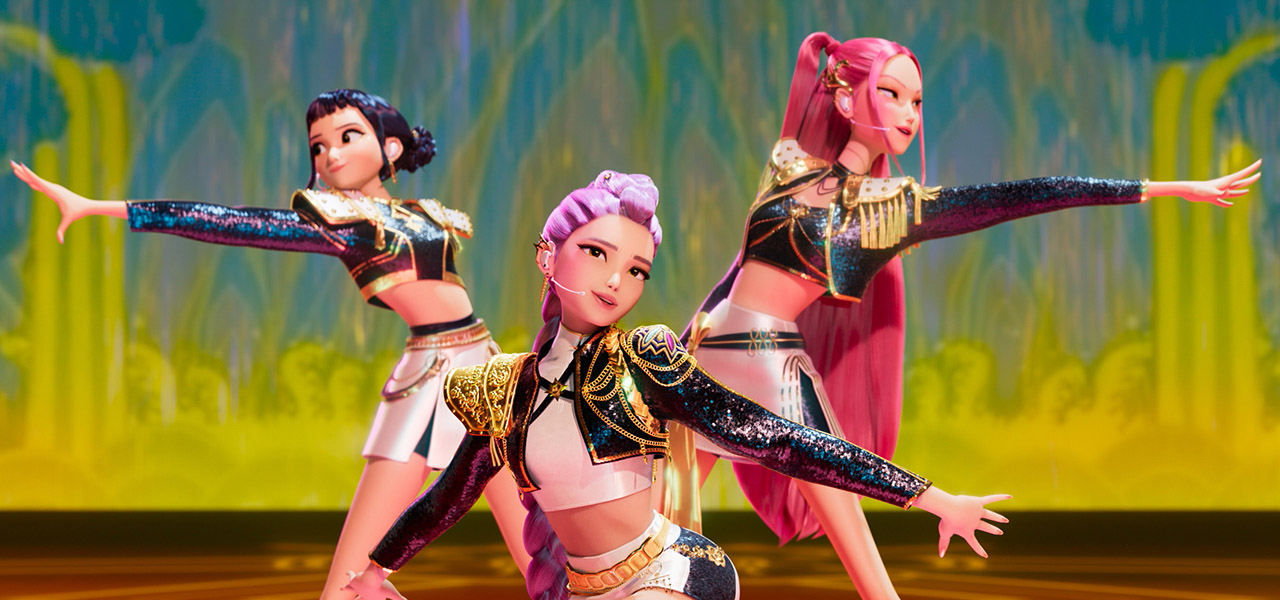

‘KPop Demon Hunters’ Directors Land $10M Deal After The Film’s Breakout Success
Stay informed with free updates
Sign up to get our news digest — delivered directly to your inbox twice a week.
In a rare case of animation talent getting the rewards they deserve, KPop Demon Hunters filmmakers Maggie Kang and Chris Appelhans are getting a huge payday after the historic success of their breakout Netflix hit.
As first reported by Puck, the streamer didn’t lock in sequel terms with directors before the film became a phenomenon.
That left the duo with unique leveraging power after the fact, when the film became Netflix’s most-watched ever, swept the Annies, won an Oscar, and – better late than never – got an aggressive merchandising rollout spanning everything from Mattel dolls to branded ramen.
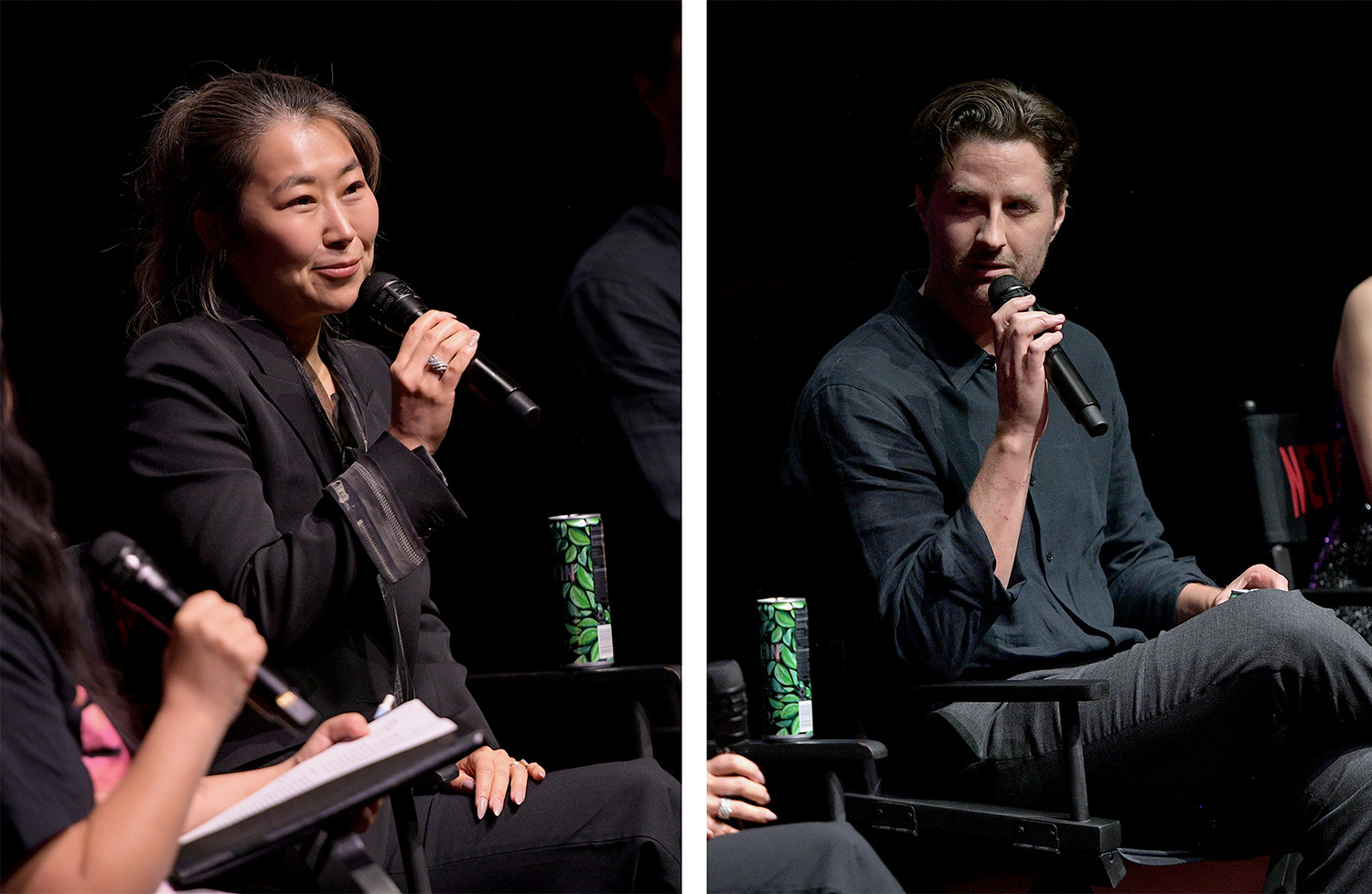
According to Puck, the duo’s new deals reflect that shift.
Kang and Appelhans have signed an exclusive, five-year agreement reportedly worth about $10 million annually between them, structured more like premium TV showrunner deals than those historically seen among animated feature directors. The deal represents, perhaps, a major course correction for an industry that has long neglected its most important creators, often rewarding executives and producers rather than the talent behind the studios’ greatest successes.
Crucially, Kang and Appelhans also secured ancillary revenue from merchandise tied to both the original film and its sequel, an area where animation creators have historically been excluded. It would be nice if the artists who designed the work those toys are based on got a bit of the pie, too, but this deal is at least a step in the right direction.
Producer Sony Pictures Animation is also seeing revised terms after the film’s success, roughly $40 million for the sequel, plus a retroactive adjustment for the first film and merchandise participation.
None of this is standard. All of it probably should be.
Animation has long operated on fixed, front-loaded compensation models, even as successful films evolve into multi-platform franchises. Studios sign artists to contracts that seem favorable at the time of signing but fail to reward them in the event of unforeseen financial windfalls.
Given that Netflix and likely Sony had no plans to extend the KPDH franchise beyond its first film, those long-term deals were never put in place. The result is a rare instance of post-success recalibration, where compensation more closely reflects the value created.
KPop Demon Hunters, as the exception to the rule, highlights the gap between how animation is produced and how it performs in a heavily IP-driven economy. For studios, the takeaway may be to tighten deals earlier. For creators, it’s a reminder of what leverage can look like.