.png)
Netflix Picks David Fincher’s ‘Once Upon A Time In Hollywood’ Sequel For Holiday IMAX Spot Over Brad Bird’s ‘Ray Gunn’
Stay informed with free updates
Sign up to get our news digest — delivered directly to your inbox twice a week.
Despite the overwhelming popularity of its animated originals and the way that animated films have been outperforming their live-action counterparts at the box office in recent years, Netflix’s renewed push into theatrical exhibition will bypass one of the streamer’s highest-profile films of the year.
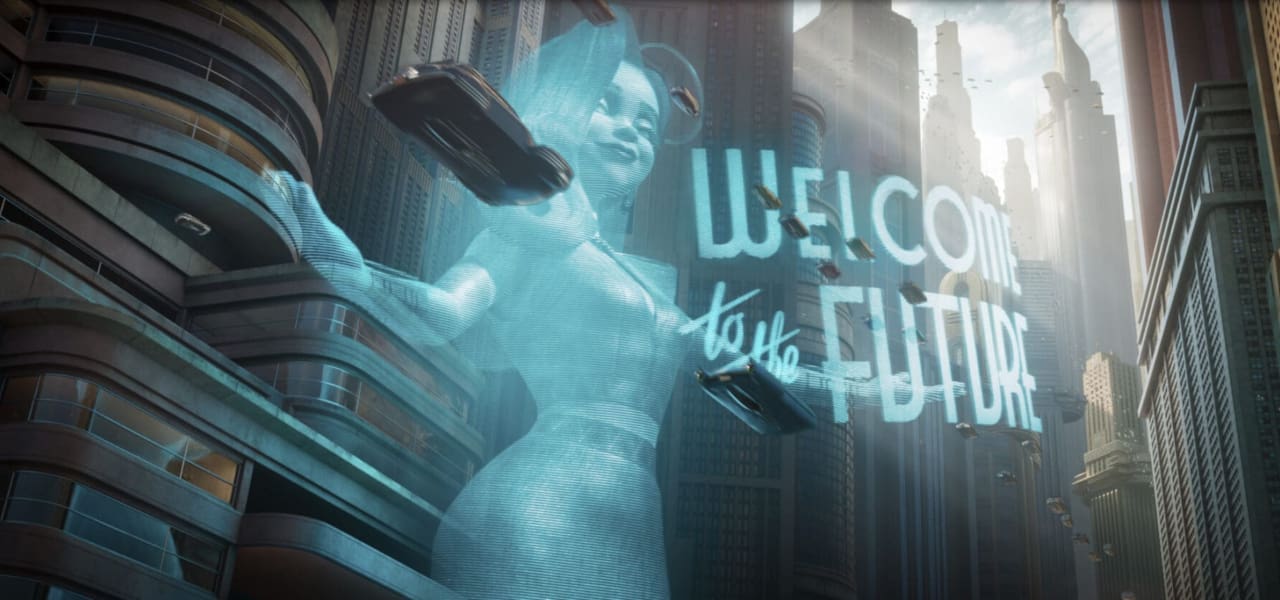
According to reporting by the brilliant Drew Taylor at TheWrap, Brad Bird’s upcoming animated feature Ray Gunn was passed over for a coveted IMAX release slot that instead went to David Fincher’s still-untitled Once Upon a Time in Hollywood sequel.
Longtime fans of Brad Bird and the director himself had reportedly hoped the film could capitalize on an opening created when Greta Gerwig’s Narnia shifted its release schedule, but Netflix ultimately chose the higher-profile live-action sequel to Quentin Tarantino’s 2019 double Oscar winner.
TheWrap piece says that the decision highlights a larger contradiction in Netflix’s film strategy. Despite animation consistently ranking among the platform’s most-watched content and producing major original hits such as KPop Demon Hunters (which just finished a full 52 weeks in the platform’s global top 10) and, more recently, Swapped, Netflix has shown little interest in giving its animated features meaningful theatrical runs. Taylor reports that filmmakers who have worked with the streamer continue to view theatrical exhibition as an important part of the filmmaking process, even when their projects are destined primarily for streaming and when top studio execs like film boss Dan Lin have made it clear, in their own words, that directors who want theatrical are “filmmakers that we’ve accepted we just won’t work with.”
The article also points to the complicated relationship between Netflix and Skydance Animation (now a Paramount company), the studio behind Ray Gunn. Industry tensions involving the companies, along with broader corporate politics, may have contributed to the film’s uncertain theatrical prospects. According to sources cited in the report, the project has become something of a bargaining chip between larger business interests rather than a priority release.
The article also notes the parallels between Ray Gunn’s current predicament and the troubled release of The Iron Giant a quarter-century ago, another Bird-directed feature that struggled to find institutional support despite later becoming a classic.
The broader question raised by the piece is whether Netflix’s growing interest in theatrical distribution will ever meaningfully extend to animated features, or whether animation will remain primarily a streaming product regardless of its popularity. It’s not a new question, but given the streamer’s recent expansion into cinemas, the huge single weekend KPDH posted (still a Netflix record), and the high profile of both Ray Gunn and its director, it’s being framed with new urgency.