.png)
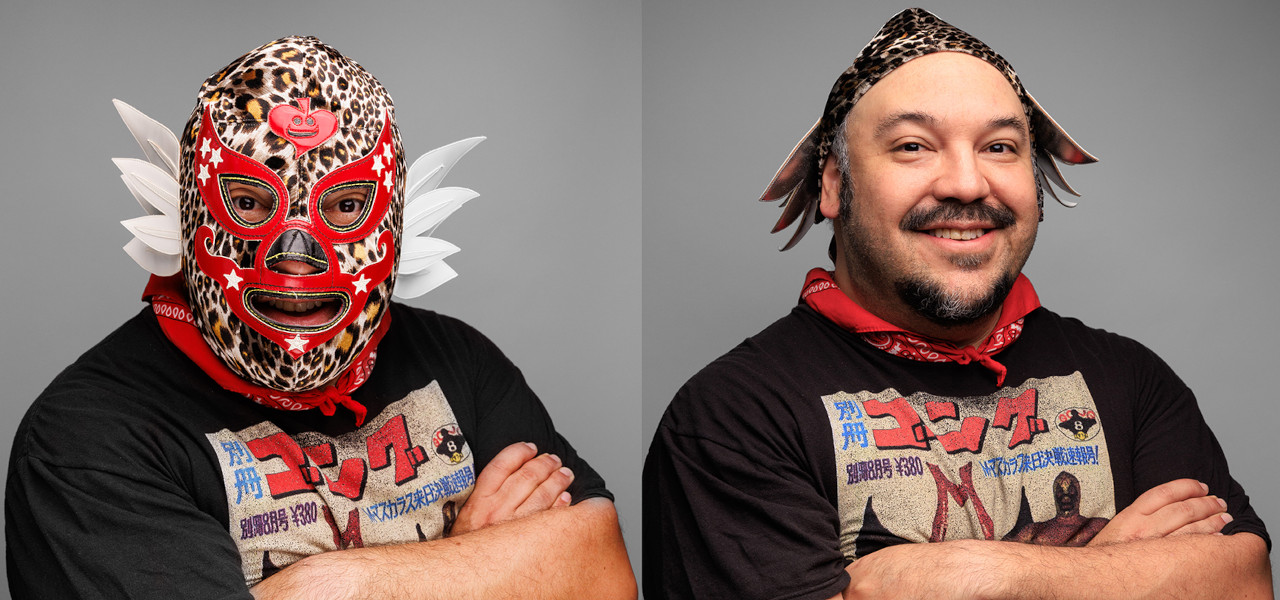

‘It’s A Creative Superpower’: Jorge Gutiérrez On Why The Industry Is Better When It Embraces The Strengths And Perspectives Of Neurodivergent Artists
Stay informed with free updates
Sign up to get our news digest — delivered directly to your inbox twice a week.
At San Diego Comic-Con this afternoon, Emmy-winning animator and director Jorge Gutiérrez (The Book of Life, Maya and the Three) will screen Fighting with Autism: Jorge Gutierrez Visits Spec Labs! as part of the Comic-Con International Independent Film Festival (CCI-IFF). The 15-minute film follows Gutierrez’s inspiring visit to LA-based Spectrum Laboratory, a creative studio that empowers neurodivergent artists through film, music, and animation.
The screening will be followed by a panel featuring Gutierrez alongside Autism in Entertainment producers Judi Uttal, Paul Hemstreet, and Marlene Sharp, as well as cinematographer Josh Copelan and editor Julian Grajczak. Billed as an “uplifting autobiographical presentation,” the event will provide a candid look at how Gutierrez’s own adult diagnosis of ADHD and twice-exceptional (2e) autism has shaped his life and storytelling.
Speaking with Cartoon Brew ahead of Comic-Con, Gutierrez opens up about his creative process, reframing neurodiversity as a strength, and how industry support, mentorship, accessibility, and funding can help autistic artists thrive.
Cartoon Brew: You were diagnosed with autism as an adult—how did that shape the way you view your creative process and storytelling?
Gutiérrez: My son Luka was diagnosed with autism when he was about three, right in the thick of production on The Book of Life. Our world changed overnight, and I plunged headfirst into researching ASD. In the process, I kept thinking, “Wait… this sounds like me.” At 40, I finally sat down with a specialist and received a formal diagnosis: ADHD and twice-exceptional (2e) autism. Suddenly, a lifetime of quirks — hyper focus, sensory superpowers, social blind spots — made perfect sense.
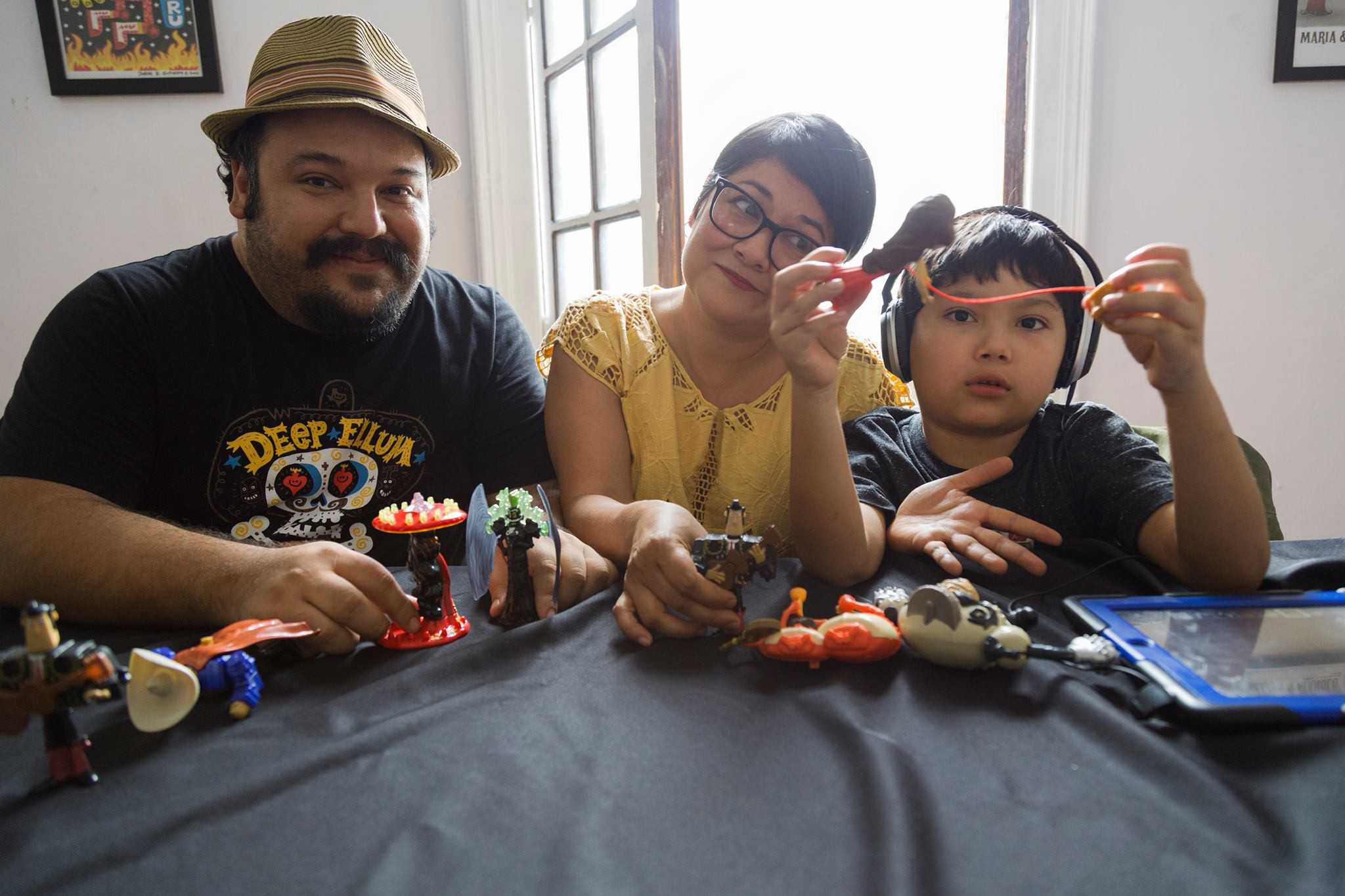
Being 2e means I carry two passports: one stamped “high creative horsepower” and the other “ASD challenges.” I ideate in kaleidoscopic bursts, see endless narrative patterns everywhere, and feel emotions in freaking IMAX! But I also need structure and the occasional shutdown/reboot. So, I’ve learned to design my life and creative process around both sides. I “create” in color-coded explosions, then break every idea into numbered lists. I chase intuitive leaps—but appoint strict deadlines as guardrails. I give myself permission to be proudly neurodivergent.
I think this is why my stories tend to be loud, visually rich, and more empathetic—because they’re filtered through a brain wired to notice the overlooked and celebrate the offbeat.
You spoke about ‘Thanks, Autism!’ in your educational one-man show—can you unpack that phrase for our audience?
Ever since I was a kid, I’ve had this unstoppable drive. Failure and adversity? For some reason, they don’t seem to slow me down — they fuel me. I don’t dwell. I problem-solve. I reframe. I keep going.
That’s why I say “Thanks, Autism!” — because this unique wiring helps me power through the emotional rollercoaster of our beloved and cursed industry. When rejection hits (and it always does), I don’t tend to spiral. I think my way out. I channel that energy into making something new, something better, something even more me. And no, it’s not always easy — but it’s always worked for me.
You’ve mentioned autism helping with hyperfocus—how do you harness that in your writing or design process?
When I’m in hyperfocus mode, it’s like being strapped to a rocket made of creativity, deadlines, and Mexican candy. I set a timer, lock in for four-hour blocks, and boom—I can usually blast through designing, writing, or worldbuilding like a possessed Luchador on a mission! That mix of speed, obsession, and discipline is my secret sauce. I don’t chase perfection (which would be foolish)—I chase momentum.
And the more I make, the happier I get. So it becomes this wild, beautiful wheel of joy: create, feel joy, create more, feel more joy… until I die covered in paint, pixels, and crazy ideas. And I wouldn’t have it any other way. My corpse will have the biggest of grins.
Your Comic-Con panel is billed as an ‘uplifting autobiographical presentation’ — what do you hope attendees take away?
I truly believe that most, if not all, of my filmmaking heroes were and are likely on the spectrum. The way they think, the way they obsess, the way they create entire worlds from scratch… that’s neurodivergent magic at work. And in my experience, I’d say at least half the animation crews I’ve worked with are on the spectrum too. We might not always talk about it, but we feel it. We know.
So if my story helps even one person feel less alone, more proud of how their brain works, and more excited to share their voice with the world—that’s everything to me.
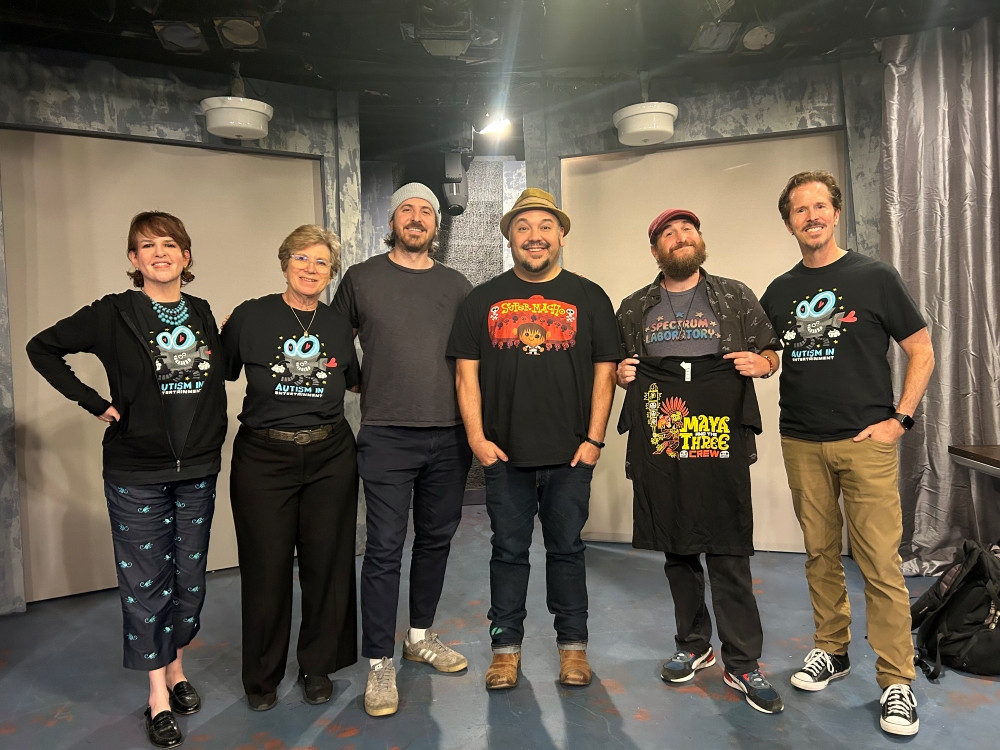
You’ll be on-panel with Autism in Entertainment producers like Paul Hemstreet and Judi Uttal — how do you see the creative industry shifting to embrace neurodiversity?
Neurodiversity is already a huge part of our creative workforce — it always has been. The difference now is that we’re finally starting to name it, celebrate it, and make space for it. Embracing the unique strengths and perspectives of neurodivergent artists isn’t just the right thing to do — it’s a creative superpower.
This community sees patterns others sometimes miss. We think sideways, obsess beautifully, and can build worlds no one else would dare imagine. If the industry truly supports neurodiverse talent — with empathy, flexibility, and opportunity — everyone benefits. The work gets bolder. The stories get richer. And the future of entertainment gets way more interesting.
What role do workshops and panels — beyond mainstream animation — play in advancing neurodivergent representation? Based on your experience, what specific industry supports (mentorship, accessible spaces, funding) make the biggest difference for autistic animators?
Workshops and panels outside the mainstream play a crucial role — they educate, amplify, and connect. They help potential employers better understand neurodivergent talent and, just as importantly, they spotlight incredible artists who often go unseen or unheard. Visibility leads to opportunity. And opportunity changes lives.
Mentorship was a game-changer for me. Having someone believe in my voice and help me navigate the industry made all the difference. That’s why I mentor as much as I can now — to pay it forward and open doors for the next generation.
But real change also requires real investment. Studios need to fund programs, create accessible workspaces, and actively support neurodivergent talent, not just with good intentions, but with action. Because when we make space for all kinds of minds, the art gets better, and the industry gets stronger.