.png)
‘My Drawings Are Alive’: Sylvain Chomet On Memory And Making ‘A Magnificent Life’
Stay informed with free updates
Sign up to get our news digest — delivered directly to your inbox twice a week.
Sylvain Chomet has never been particularly interested in fitting neatly into categories. With his films like The Triplets of Belleville and The Illusionist, the French auteur has built a reputation for worlds that feel handmade, slightly off-kilter, and deeply human.
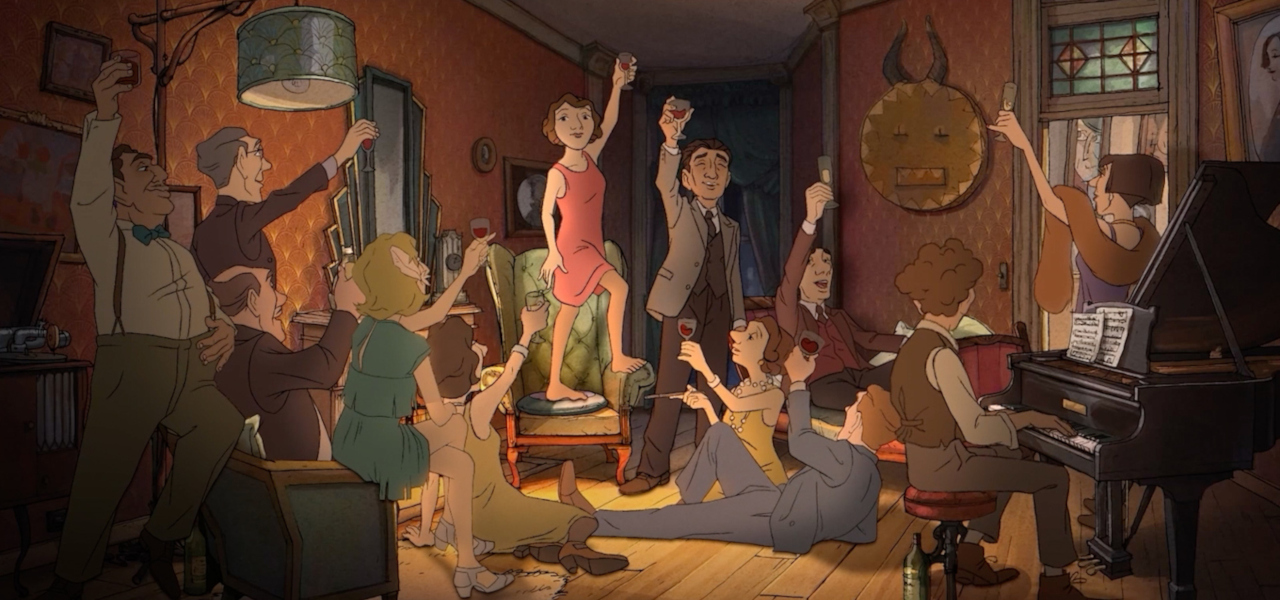
With his latest feature, A Magnificent Life, he may have made his most unconventional work yet: an animated biopic of Marcel Pagnol that doesn’t behave at all like a biopic. The director also shared this clip from the film, which will hit U.S. theaters tomorrow, March 27, via Sony Pictures Classics.
Premiering at last year’s Cannes Film Festival, screening in competition at Annecy, and later earning an Annie nomination, the film follows Pagnol from childhood through filmmaking career successes and late-life doubts. But Chomet wasn’t just interested in honoring a cultural figure whom he admired. What drew the filmmaker in was something more personal and more universal.
“This film is really… a very complicated film to actually sell,” Chomet says with a laugh, speaking to Cartoon Brew, before doing just that.
An Unconventional Biopic
Part of the challenge in trying to pin down A Magnificent Life in a simple logline or synopsis is that many people simply don’t know Pagnol anymore.
“Even in France… the new generation, they don’t know anything about Marcel Pagnol,” Chomet explains. For him, that unfamiliarity is not a problem. If anything, it opens the door. He approached the film as a story about a life rather than a lesson in film history.
“But that’s fine. I don’t think you need to know him,” he says. “The story of his life is that of an extraordinary man. That is really what is interesting, without needing any more context.”
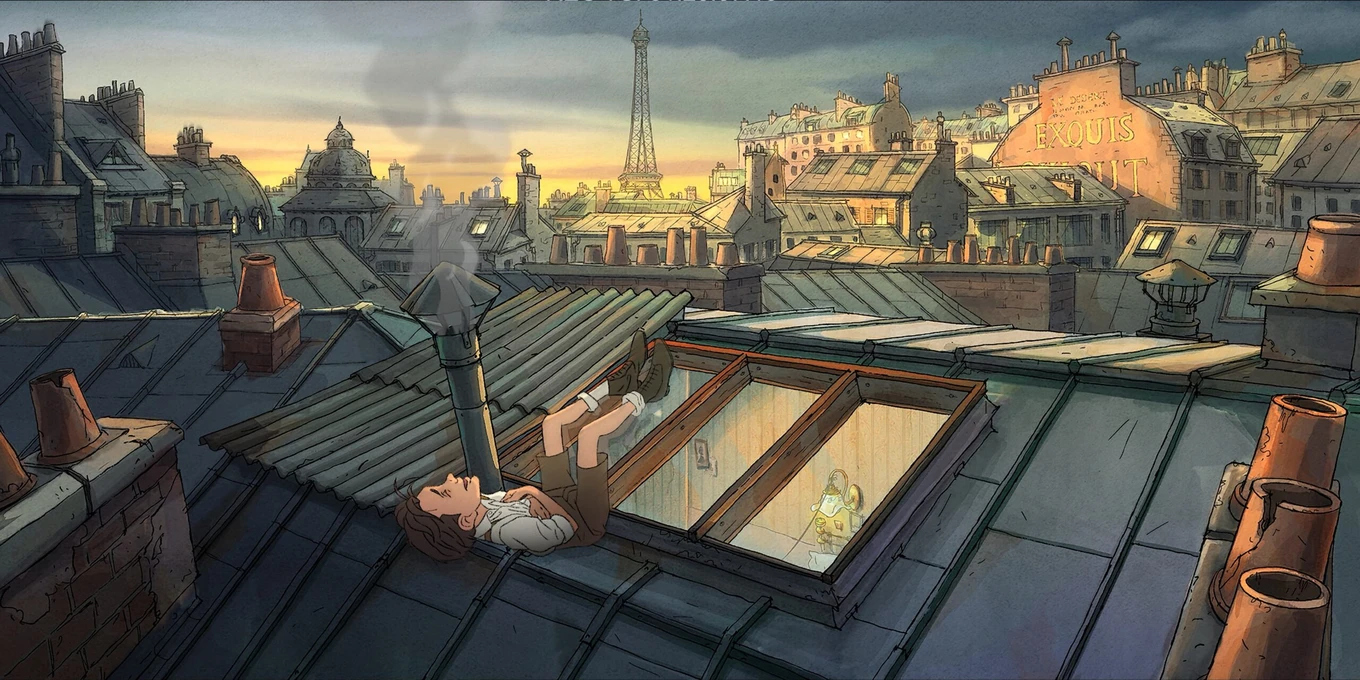
That philosophy shapes the film from the ground up. A Magnificent Life forgoes traditional exposition and chronological recounting of history. It moves through memory, doubt, and imagination, anchored by a simple yet striking idea: an older Pagnol is visited by his younger self.
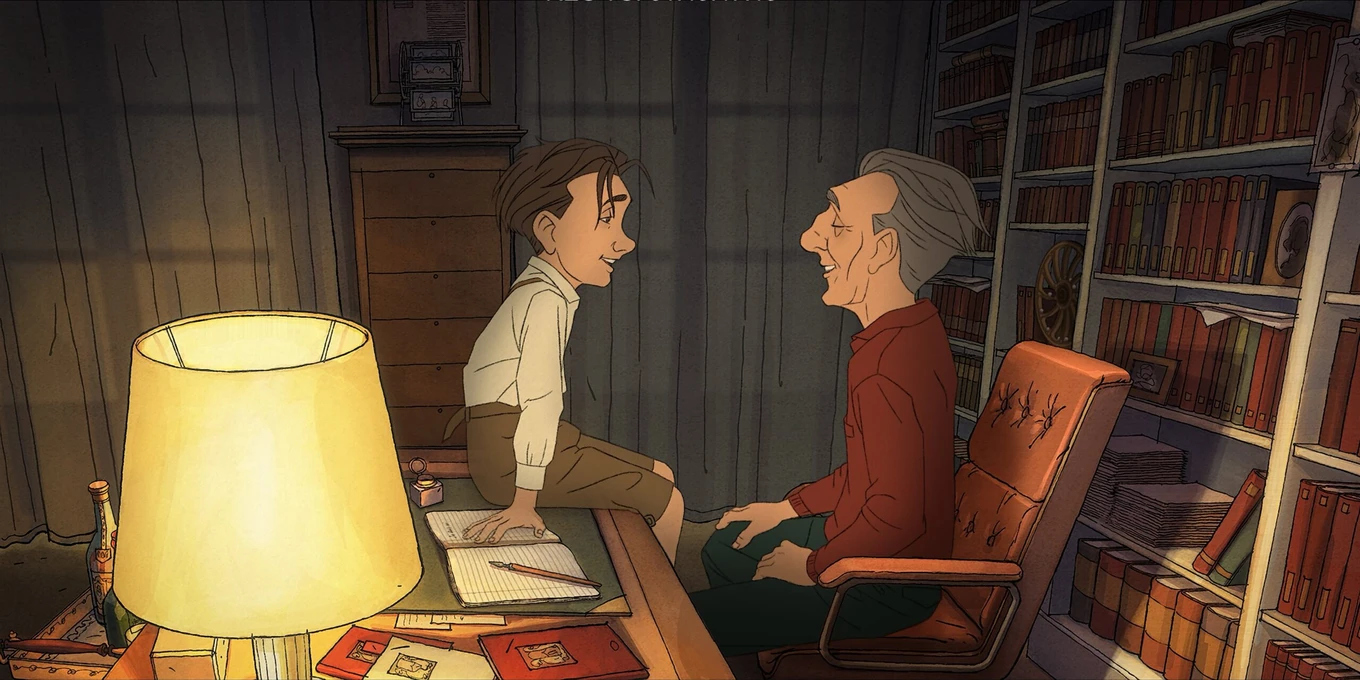
“He’s not a ghost… he’s the memories of Marcel Pagnol,” Chomet explains of the child version. “He’s the keeper of the memories.”
For Chomet, the most compelling part of any life is not success, but the path leading to it. “They struggle… and that’s what I like,” he says.
Too many biopics, he argues, focus on achievement and overlook the uncertainty that comes before it. “The struggle of the characters to become what they want to become is more interesting than what they have become,” he says. That perspective gives the film its emotional weight. Even at the height of his career, Pagnol is defined as much by doubt as by accomplishment.
Why Animation Works
Chomet has never been a fan of most conventional, live-action biopics. “The problem is the resemblance of the person who is portrayed,” he says. “A lot of the time it’s really bad.”
He points to a few recent examples, off the record, where even strong performances can feel slightly off. “It’s very rare that they actually find someone who can nail it.”
Animation, in his view, sidesteps that problem entirely. “It’s not an actor playing someone else. It’s actually a drawing of someone,” he says. “And maybe that is more true to reality.”
That idea extends beyond likeness into something deeper. Chomet is not interested in polished, idealized portraits. He wants his characters to feel like people, not mythological figures. “My characters… they go to the toilets, they poo, they get old, they die,” he says. “They’re not superheroes.”
Narrative Through Memory
In A Magnificent Life, the presence of “Little Marcel” is not meant to be supernatural, but psychological. It allows the film to move between past and present in a way that feels fluid, emotional, and relatable.
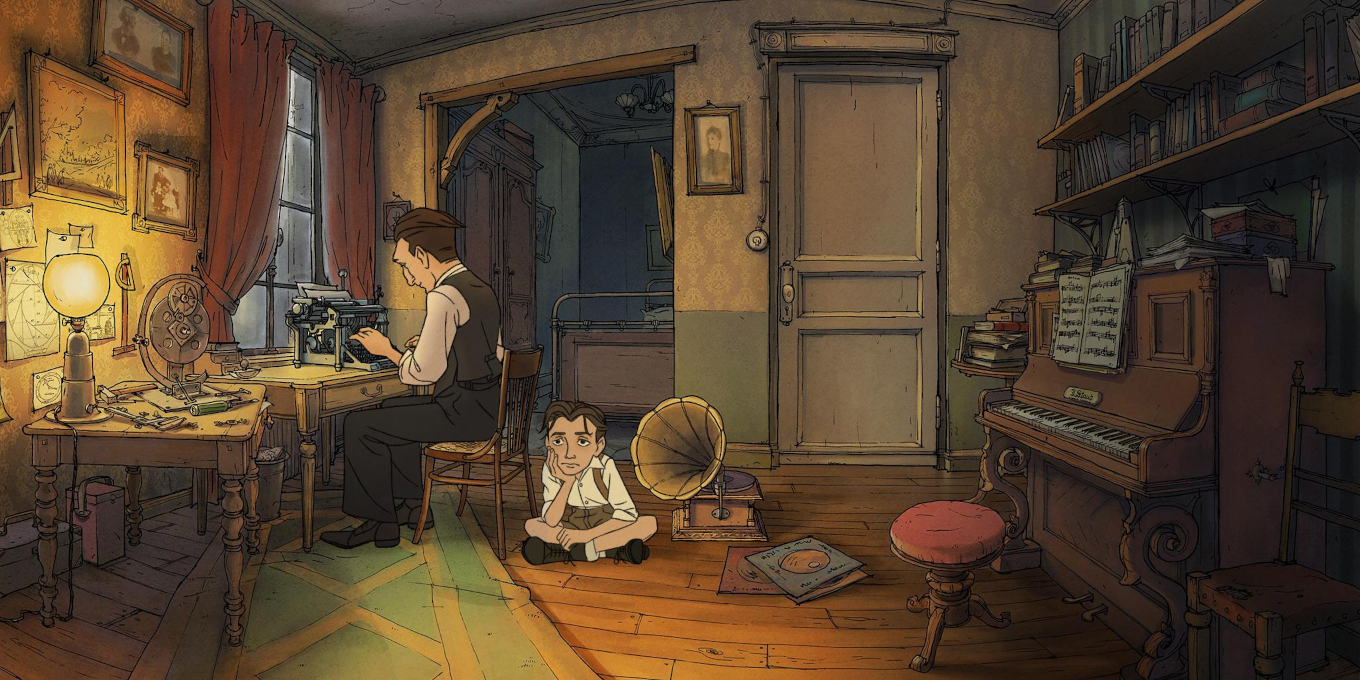
“When I write… the people in my scripts are all around me,” Chomet says. “I’m surrounded by them. I’m talking with them.” That instinct goes back to his childhood. “When I was a kid… my drawings were alive,” he recalls, explaining that even before he even knew the basics of animation, his illustrations always moved and communicated in his mind.
It is a simple idea, but it informs everything Chomet does. His characters are not just designs. To him, they are living presences, shaped by memory and imagination.
Keeping Time
One of the film’s most demanding elements is the passage of time. Pagnol ages from adolescence into his seventies, with subtle changes every few years.
“That was amazingly complicated,” from a craft perspective, Chomet admits. “We have to make him age several times throughout the film.”
To keep the character consistent, the team built sculptural references of Pagnol’s head at different ages. The real difficulty was not a dramatic transformation, but nuance, especially during the character’s middle years, when humans don’t tend to change physically all that much. “What is complicated is to make a noticeable but not intrusive difference between someone who is 25 and someone who is 30,” he says.
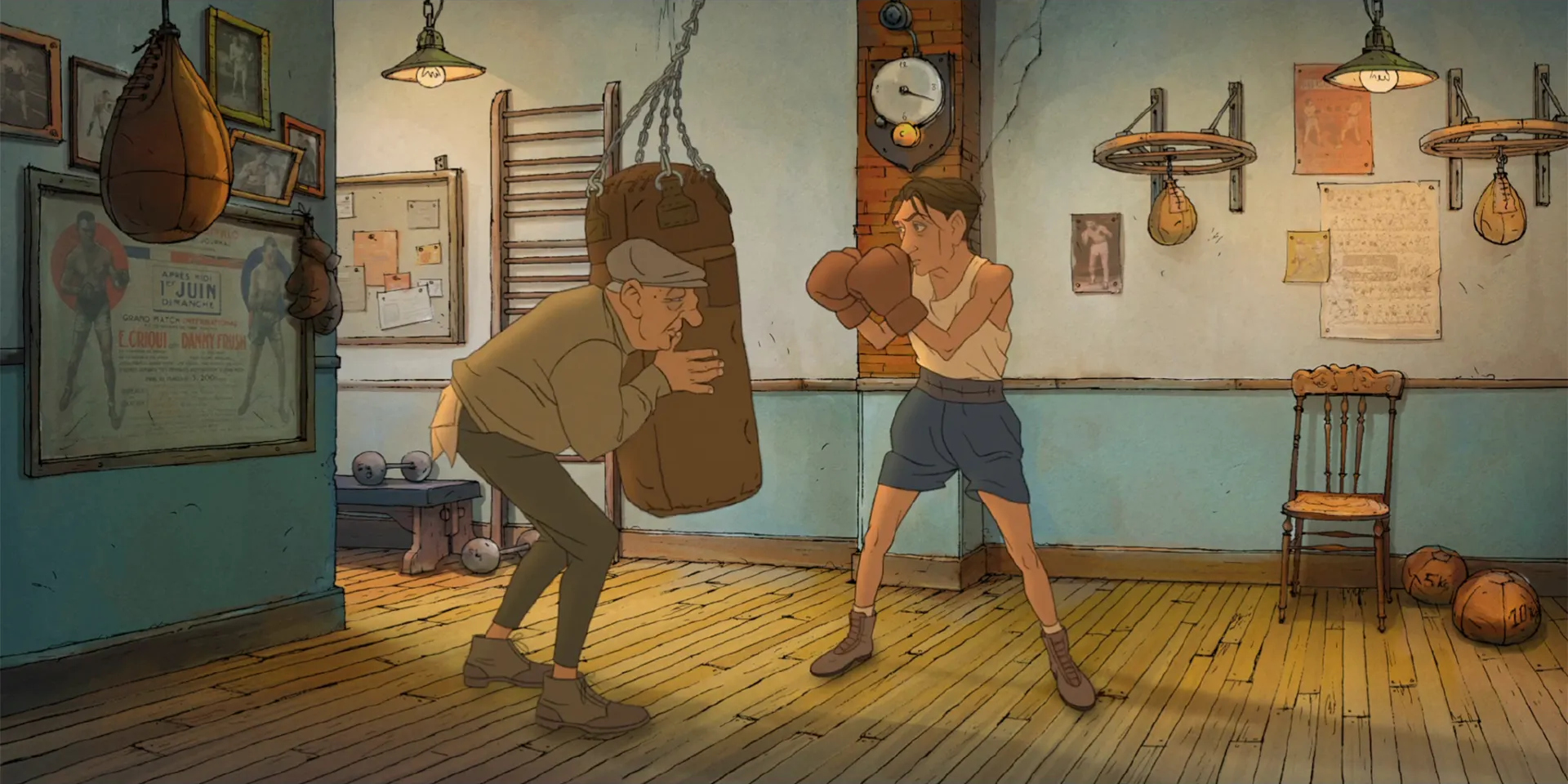
Even small physical details, like Pagnol’s nose after a stint in boxing, became important markers. “Plus, it was funny to see Marcel Pagnol boxing,” Chomet explains of his choice to include Pagnol’s other hobbies.
A Story of Cinema
Beyond the personal story, A Magnificent Life also traces the evolution of cinema. Pagnol was born in 1895, an important year in the history of filmmaking.
“He was born the same year as cinema, basically,” Chomet notes.
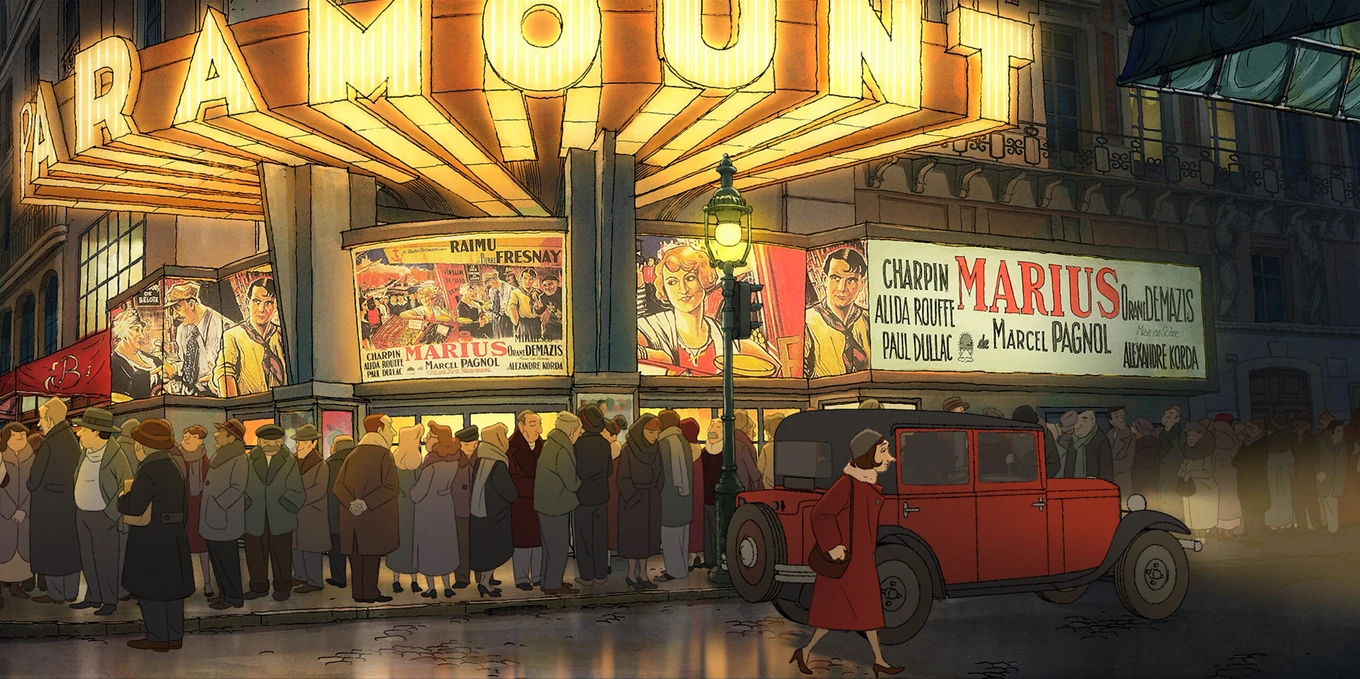
The film follows Pagnol’s transition from a successful theater career to filmmaking, sparked by the arrival of sound. “He said, ‘That’s it. That’s what I want to do. I’m going to do films,’” Chomet explains.
Pagnol’s career reflects a constant reinvention. He moved from playwright to filmmaker to novelist, often reluctantly. “He didn’t want to write… he thought he couldn’t do that,” Chomet says, while praising the reluctant results of Pagnol’s labor.
Reconstructing a Life
Bringing Pagnol’s life to the screen required extensive research. Chomet worked closely with the filmmaker’s grandson, who provided access to rare archives and personal materials.
“He’s got absolutely all the archives possible… even pictures that nobody knows,” Chomet says. Still, gaps remained, and solutions needed to be invented. “It was sometimes very complicated to find what the people used to look like around him,” he explains.
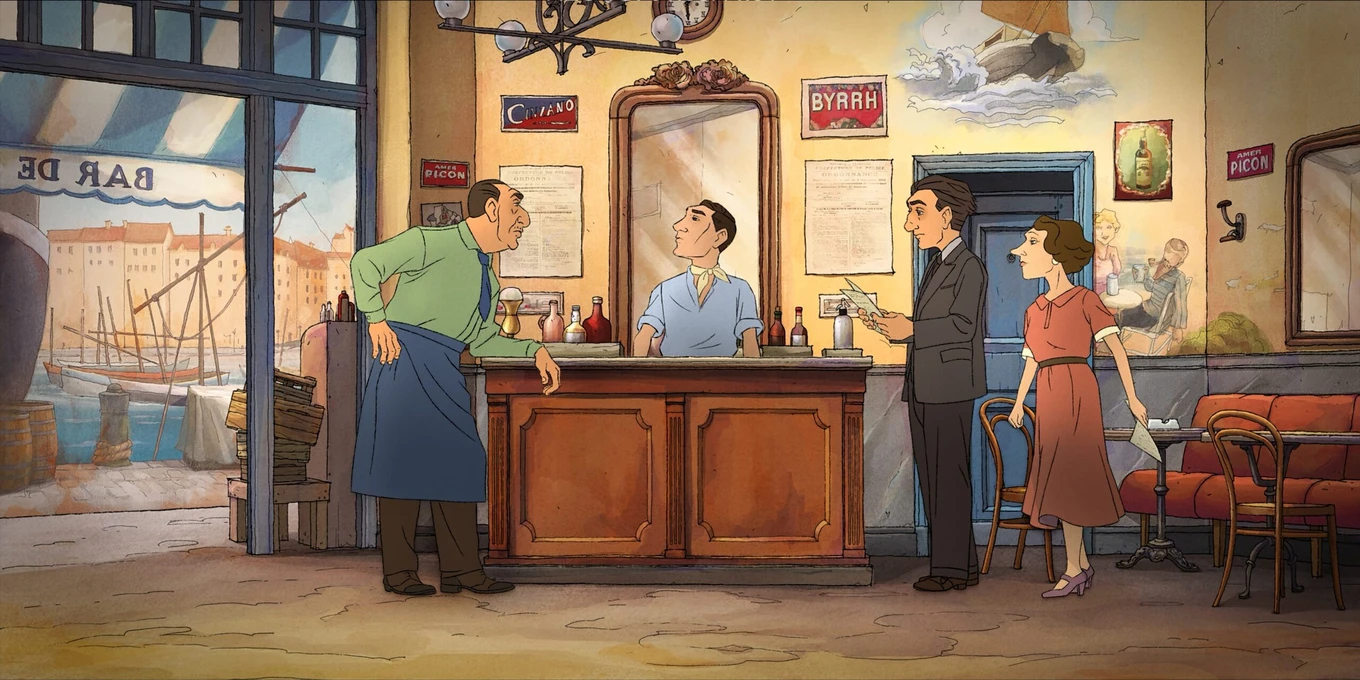
The production tracked changes in clothing, behavior, and environment across decades. “People were really dressed very elegantly,” he says of early 20th-century France. According to Chomet, costume design is one of the film’s greatest achievements.
Delegating
The earlier films in Chomet’s catalog stand out for music composed by the filmmaker himself. Rather than repeating that with this film, Chomet collaborated with Italian pianist Stefano Bollani.
“I said to myself, I really need to work with someone else… I don’t have time,” he admits of his motivations. Bollani’s work brings warmth and melodic sensibility that complement the film’s emotional tone, echoing the work of composers like Nino Rota and Ennio Morricone. “His music is wonderful… it really brings something,” Chomet says.
A Life, Remembered
In many ways, A Magnificent Life exists between forms. It is a biography, but it resists the usual structure. It is rooted in true history, but shaped by fallible memory and interpretation.
Those contrasts are a major part of what gives the film its unique identity. Chomet is less interested in telling us who Marcel Pagnol was than in exploring how a man’s life is remembered, and what it means to revisit it.