.png)
Big Screen, Bigger Sparkle: How DreamWorks Animation Gave ‘Gabby’s Dollhouse’ A Cinematic Makeover
Stay informed with free updates
Sign up to get our news digest — delivered directly to your inbox twice a week.
Since debuting on Netflix in 2021, Gabby’s Dollhouse has charmed preschoolers and their parents with its tactile, curiosity-driven storytelling. The mixed-media series has inspired toys, music, apps, and theme park experiences, becoming one of DreamWorks Animation’s most successful original preschool brands and one of Netflix’s most-watched original properties.
Over the weekend, the studio launched Gabby’s Dollhouse: The Movie, its first-ever live-action/animation hybrid feature, which earned a studio-first A+ on Cinemascore and finished in second place at the box office over its opening frame.
For director Ryan Crego, who previously helmed Arlo the Alligator Boy, translating the beloved series into a theatrical event came with both excitement and anxiety. He says the team knew they had to stay true to what kids already loved.
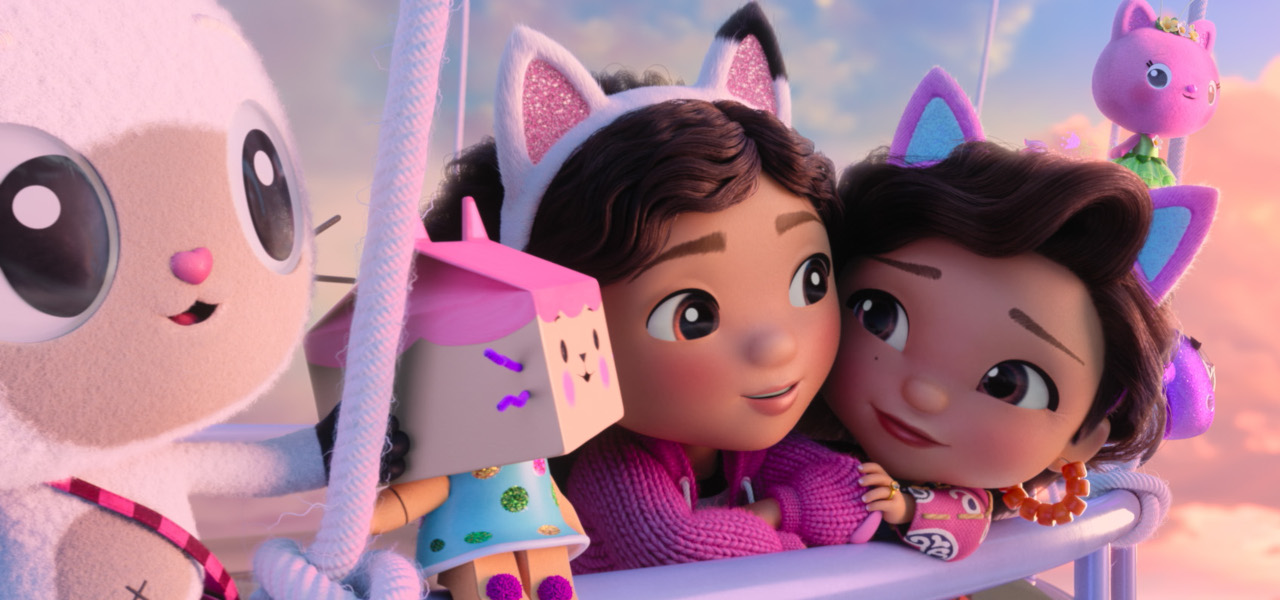
“It was super important for us to keep the integrity of the character design because it’s so iconic and recognizable,” Crego told Cartoon Brew. “If you’re driving down the street and see a billboard, we want your kids to say ‘That’s Gabby!’ instead of some cats that kind of look like the Gabby Cats.”
Crego and his crew focused on making the world feel handcrafted and real, especially when the animated characters appear in live-action environments. “We really had to push the texture — fur, fuzz, wool, and all the things that make them feel tactile and tangible,” he explained. “When you put the characters against live-action plates, we wanted them to fall better into the plates and have more tangibility, looking like they belong there.”
A Tactile New Look
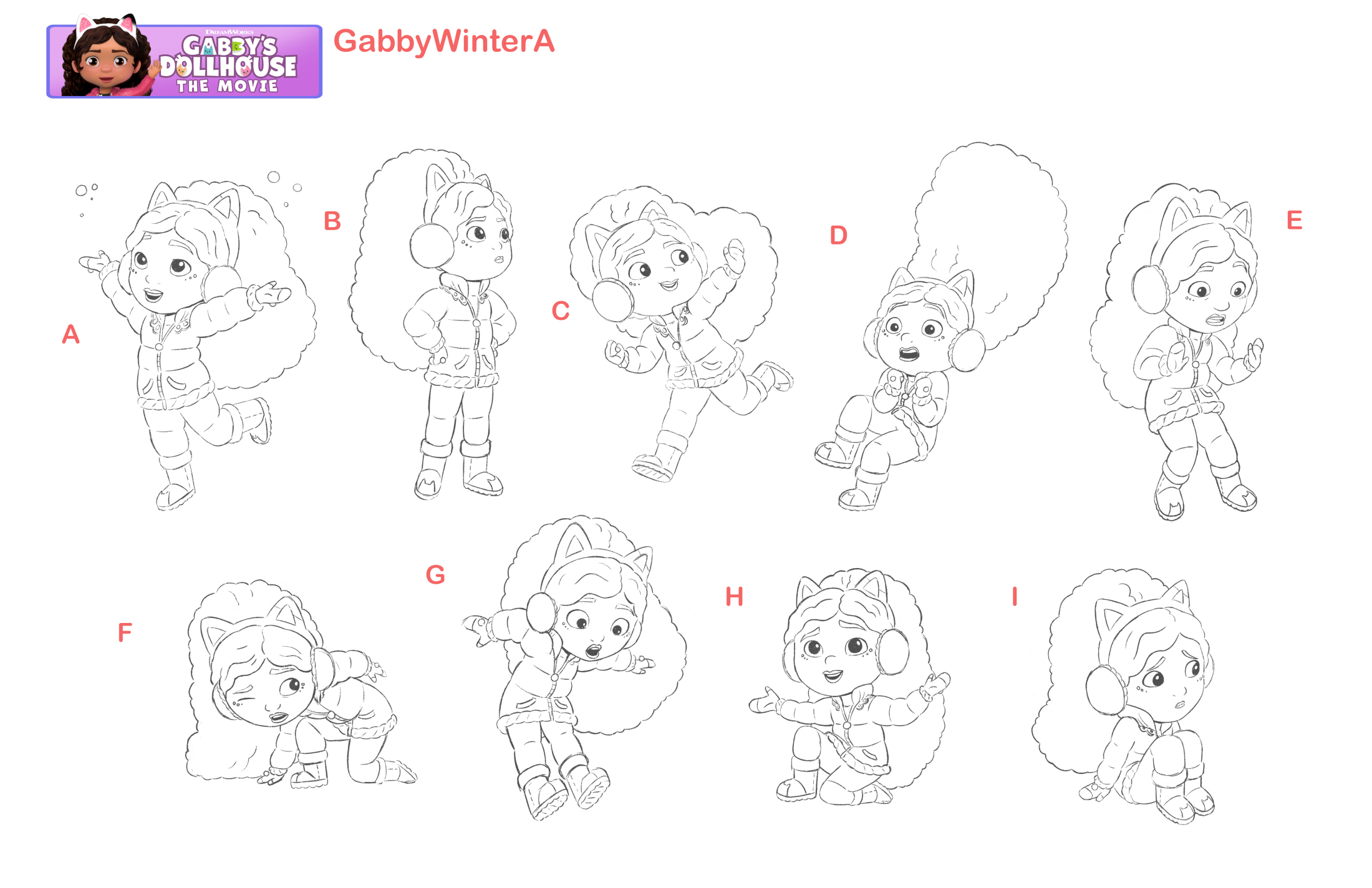
Head of character animation CJ Sarachene described how the team evolved the show’s playful aesthetic for the big screen. The goal was to keep the characters’ personalities intact while making them believable as tiny toys come to life.
“We embraced the established personalities of the characters from the series and enhanced their movements,” she said. To ground them in the real world, the animators avoided the broad “cheats” and gooey exaggeration common in TV animation. “For Gabby, this meant she should resemble a five-inch doll rather than a small human.”
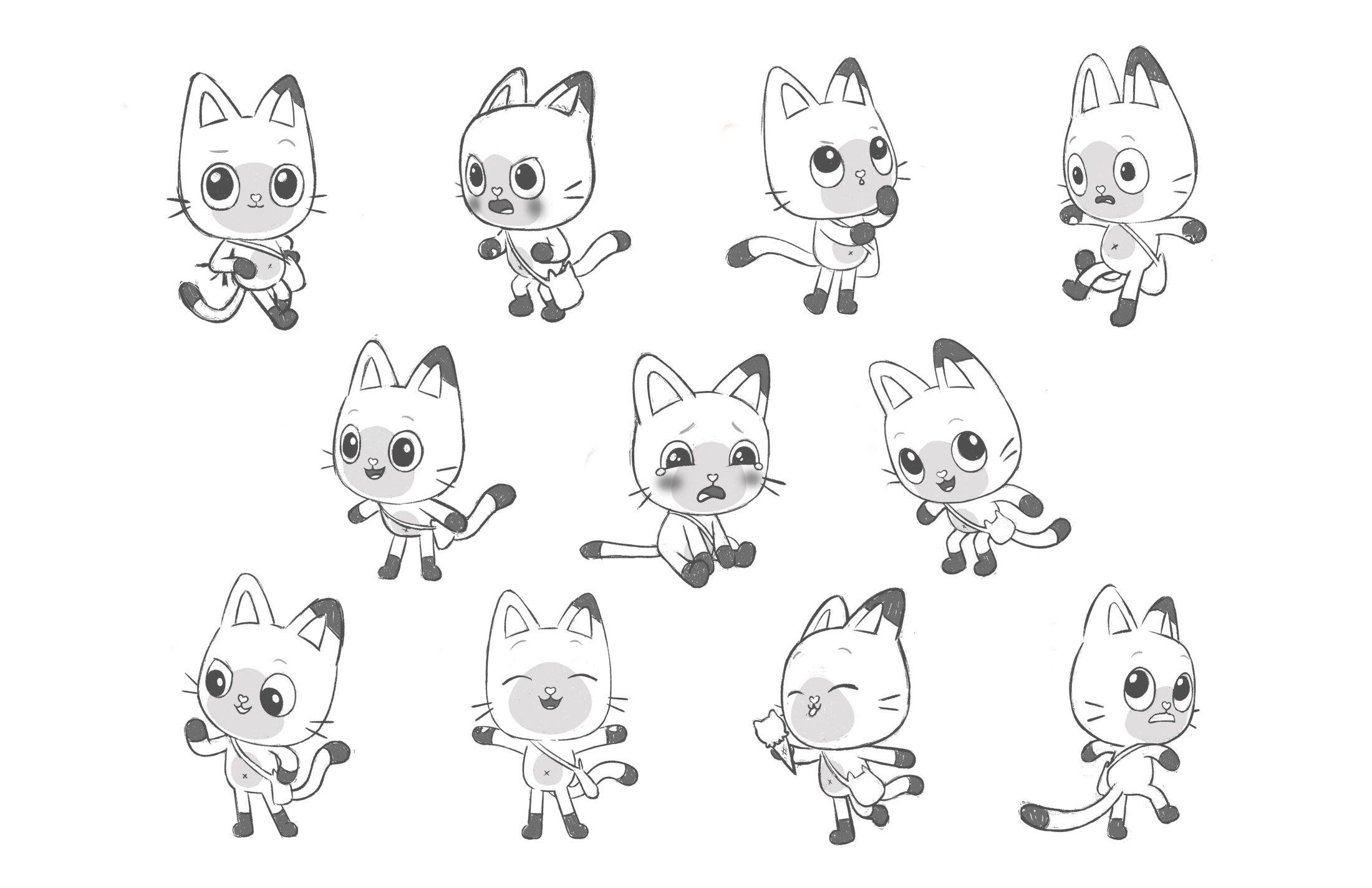
Every character’s material informed how they moved. Baby Box, for instance, was animated like a lightweight cardboard craft, with simple pose-to-pose action, while CatRat kept his bouncy, mischievous energy. Sarachene noted that even the show’s wilder characters, like the zippy Carlita, were carefully grounded. Her super-speed was animated to feel like a revved-up toy car rather than a cartoon blur.
Production designer Marcelo Vignali said the shift to feature animation wasn’t about redesigning the world but about deepening it. “The idea was to create a fully realized version of the series,” he said. “It was less about how to upgrade or modify the world, but rather how to make things look more believable and tangible for the audience.” Vignali and his team amplified textures, such as oversized stitching on Gabby’s jeans or tiny flecks of lint on her sweater, to reinforce her scale. “This isn’t a cartoon world,” he emphasized. “Gabby becomes a toy in order to play with her toys in the dollhouse.”
Blending Styles
Integrating the CG characters into live-action sets was one of the production’s biggest challenges. Crego credited the VFX and lighting team for making it work. “Giving the characters enough tangibility so they feel like they belong in the real world was definitely a challenge,” he said. “Lighting scenarios are different in every shot. Oftentimes it’s much less saturated than you think you want it to be.”
One of his favorite results was a moment where CatRat sits on the dollhouse roof before accidentally setting it free, a shot where the animated character blends seamlessly into the live-action plate.
Scale also played a major role in how the world was built. Vignali explained that the camera had to behave the same way in both the real and miniature spaces to keep audiences immersed. His team carefully matched depth of field, lens distortion, and other real-world optics so that kids would feel like the same camera was shooting Gabby’s tiny world and the live-action one. Sarachene added that Chumsley, one of the new characters, was the rare exception: as a stuffed doll, he appears larger in the real world before shrinking down once inside the dollhouse, “the magic of play,” as she put it.
Animating a Star — in Miniature
Turning music legend Gloria Estefan into Grandma Gigi’s toy-size counterpart required special care. Crego said having an actor with such recognizable features made the process exciting. The team studied Estefan’s facial expressions during recording to guide the animation. “Her design just turned out so great,” he said. “You really want the actors to feel excited about their animated versions of themselves, and this was a complete success.”
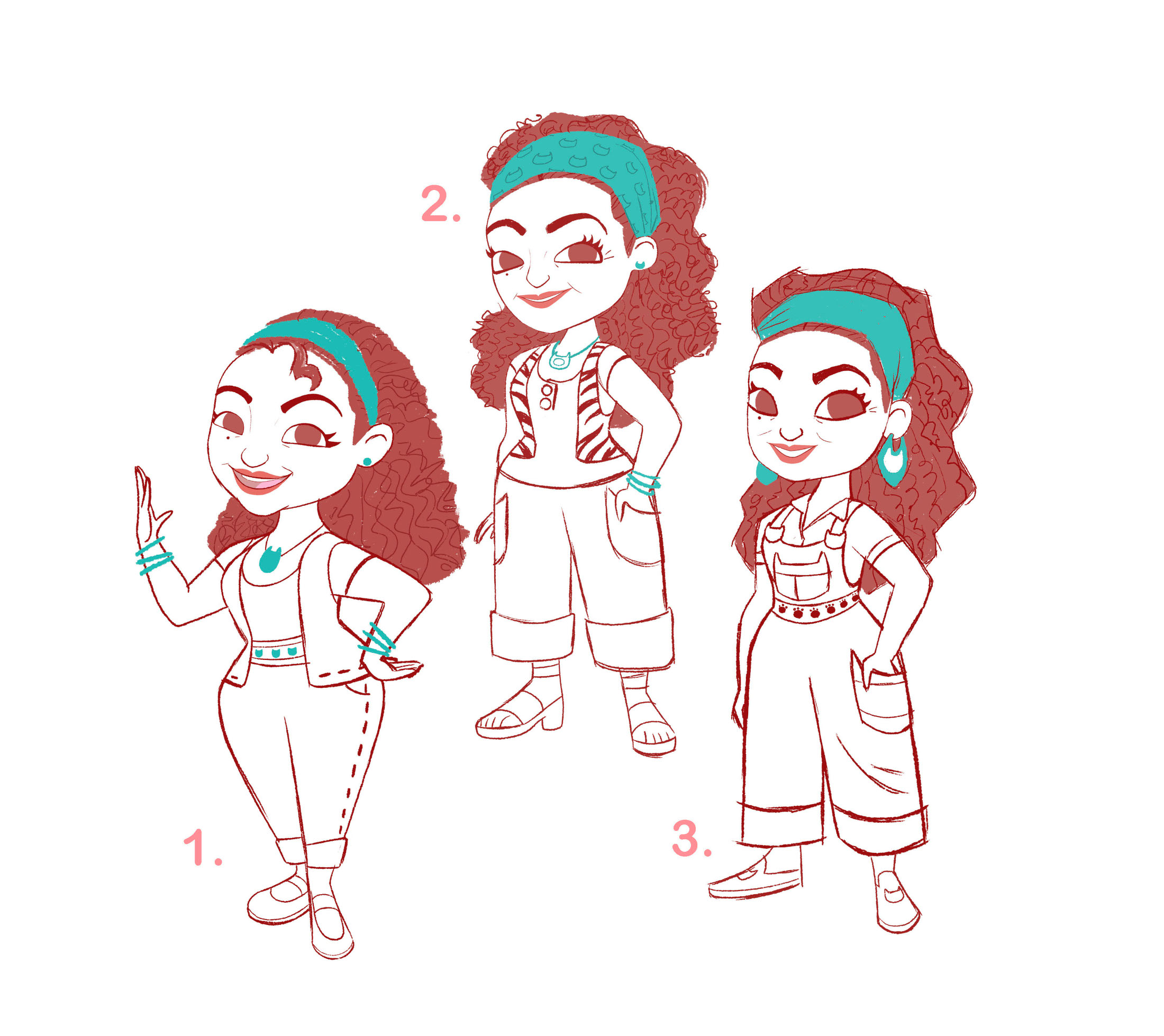
Sarachene found Gigi’s calm, loving personality a helpful contrast to the energetic Gabby Cats. “Maintaining her performance clear, calm, and gentle provided a needed contrast,” she said. Vignali recalled how much Estefan appreciated the attention to detail. “When I met with Gloria, her face lit up and she thanked me for preserving her ‘lunar’ — her little mole,” he said. “She noticed all the tiny details — the earrings, the jacket, the shoes. That’s when you know you’ve done your job right.”
Play, Scaled Up for the Big Screen
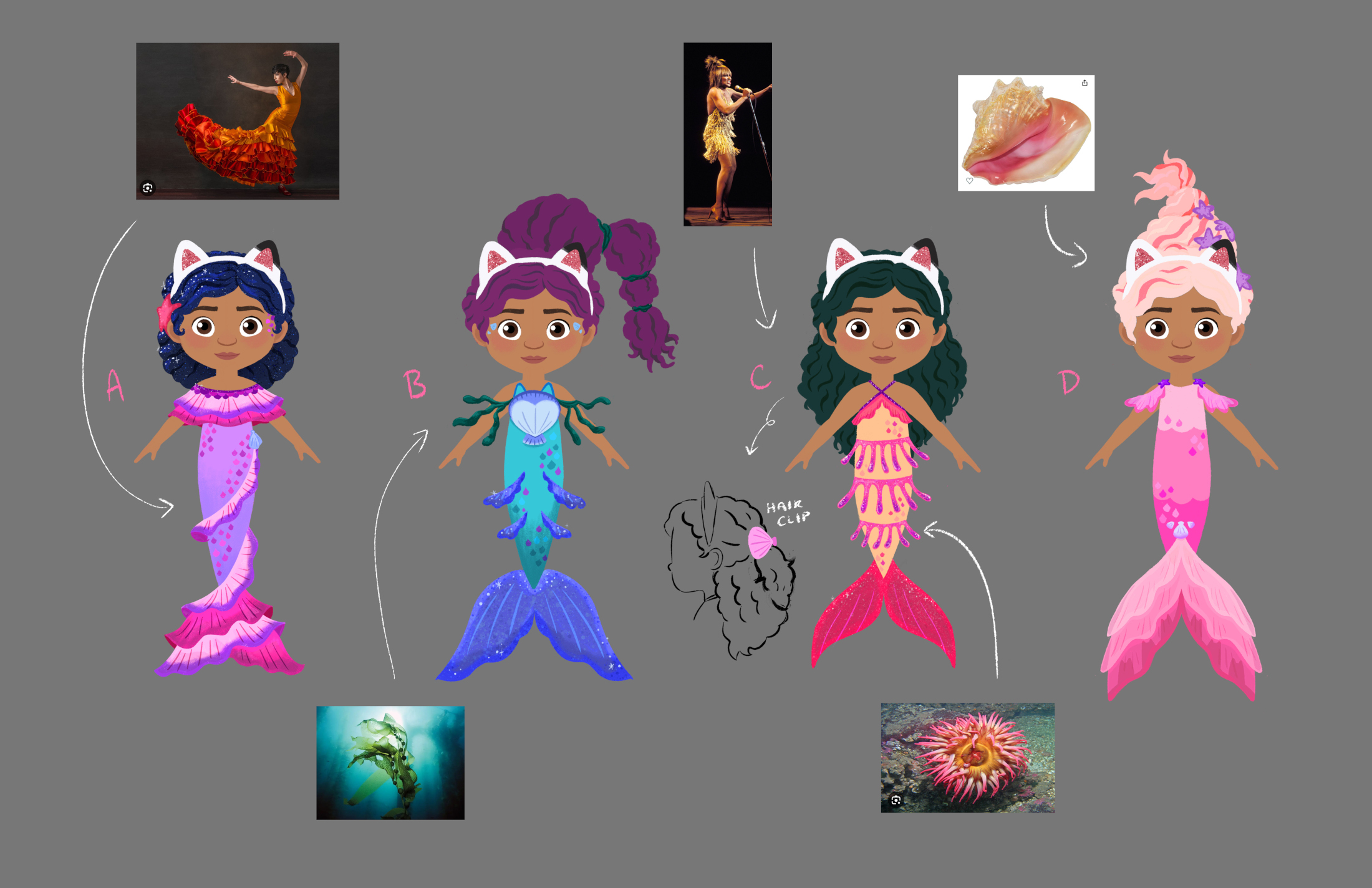
Vignali and his team also designed some of the film’s most eye-catching new assets, including the whimsical Kitty Gnomes. He said they deliberately contrasted with the neon-lit aquarium world that appears just before. “If the aquarium characters were colorful, smooth, shiny, and bright, then the Kitty Gnomes needed to feel grounded,” he explained. Their rough, hand-carved look and staccato motion were inspired by stop-motion animation, giving the sequence a handcrafted feel.
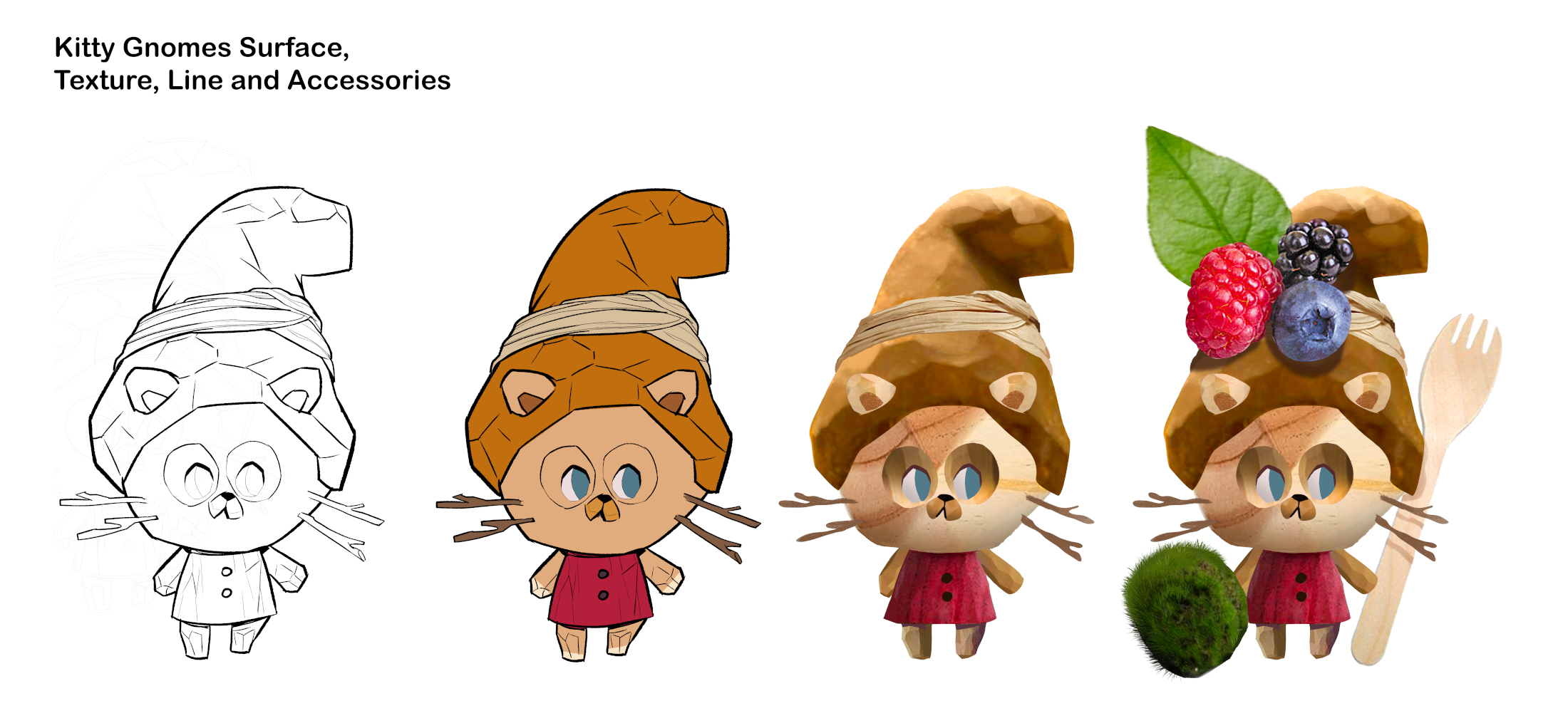
For Crego, all these visual choices supported the film’s bigger message: keeping imagination alive as kids grow up. He described the production as a balancing act — staying faithful to a show millions already adore while expanding it for a theatrical experience. The result is a world that feels touchable and real, but still sparkles with playfulness.
“We really wanted this idea that you’re inside the dollhouse,” Crego said. “But the dollhouse is still handcrafted — it has imperfections and details that make it feel like it’s been played with.”
All images courtesy of DreamWorks Animation