.png)
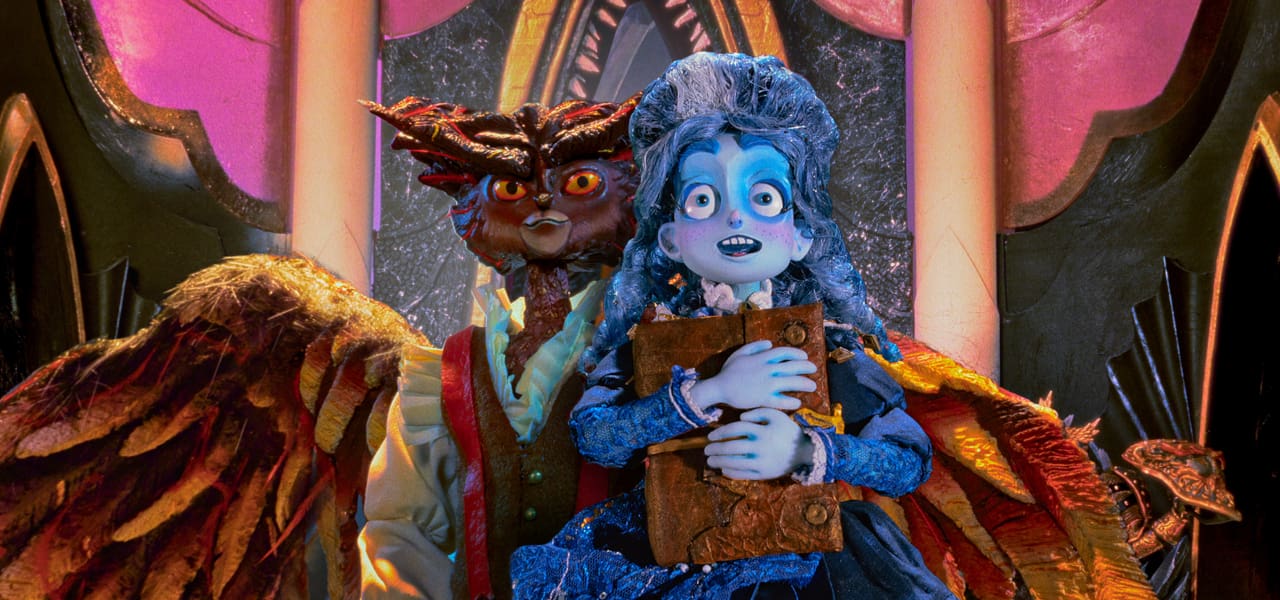
‘If We Can Imagine It, We Can Animate It’: The Ambriz Bros. On ‘I Am Frankelda’ Mexico’s First Stop-Motion Feature (EXCLUSIVE BTS)
Stay informed with free updates
Sign up to get our news digest — delivered directly to your inbox twice a week.
Sibling filmmakers Arturo and Roy Ambriz exemplify the idea that sheer will can make opportunity. Fifteen years ago, they established their independent Mexico City-based studio Cinema Fantasma as a home to grow their stop-motion animation skills and foster other artists in the technique. Their 2019 pilot for Cartoon Network Latin America forged a partnership with the studio, through which they created additional segments and shorts for Adult Swim.
In 2021, the brothers released their stop-motion series Frankelda’s Book of Spooks on HBO Max Latin America to great acclaim. However, their ambition was to make a stop-motion feature film. Warner Bros. Discovery/HBO Max gave them money to make a new special, but the brothers knew it was time to make good on their potential. Instead, on the fly, they self-funded the rest of the cost of a prequel film to their series called I Am Frankelda (Soy Frankelda).
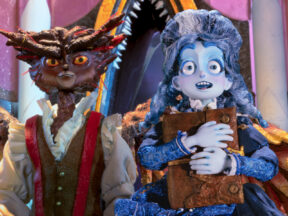
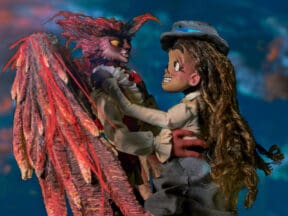
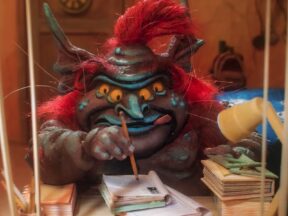
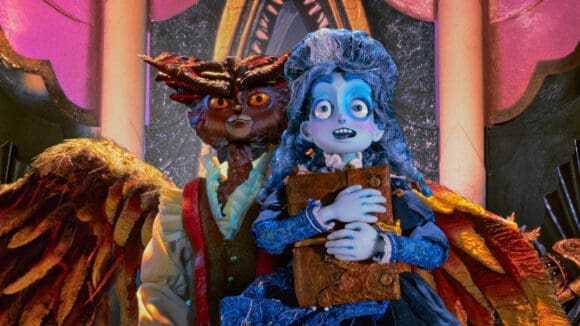
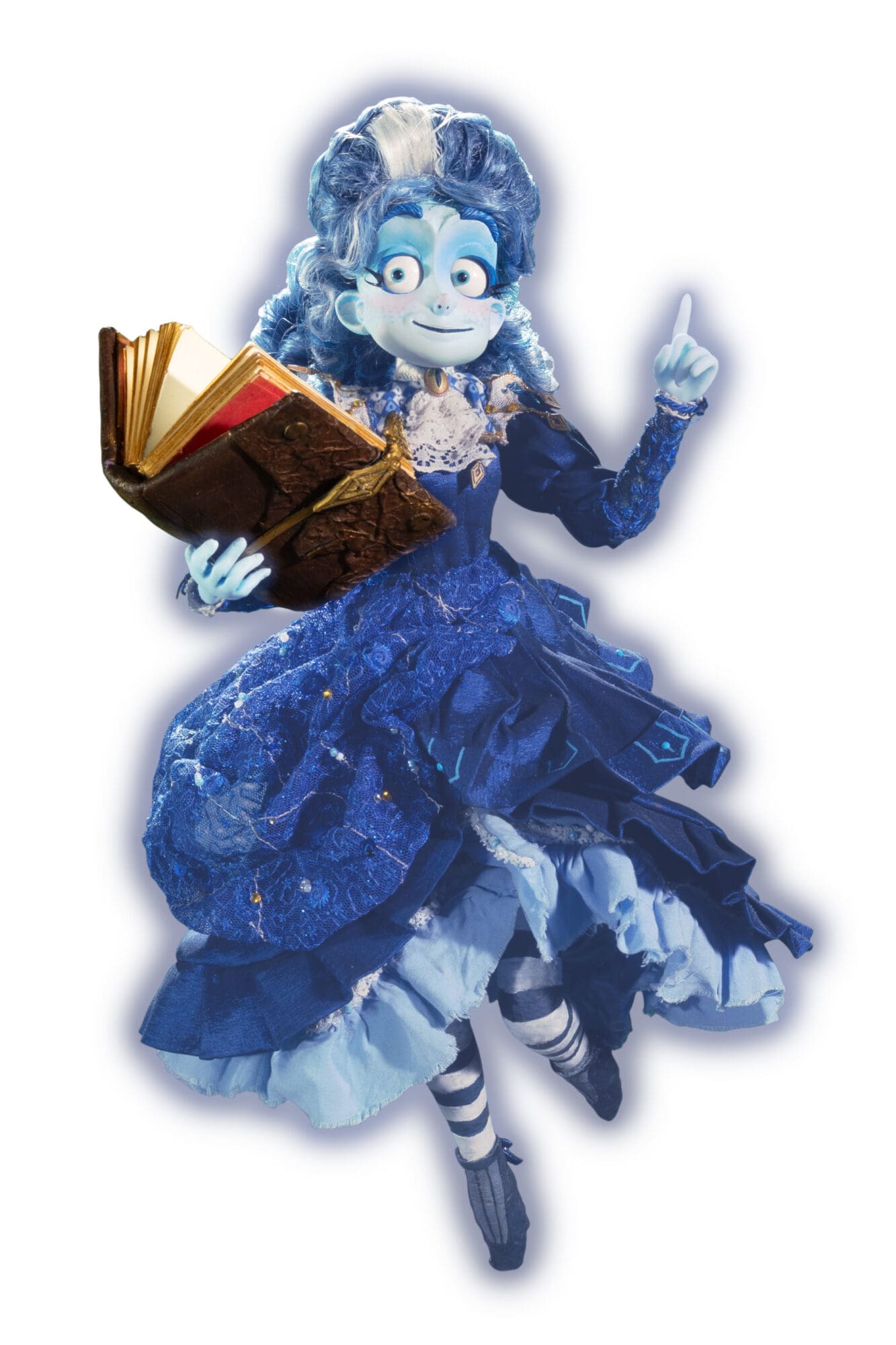
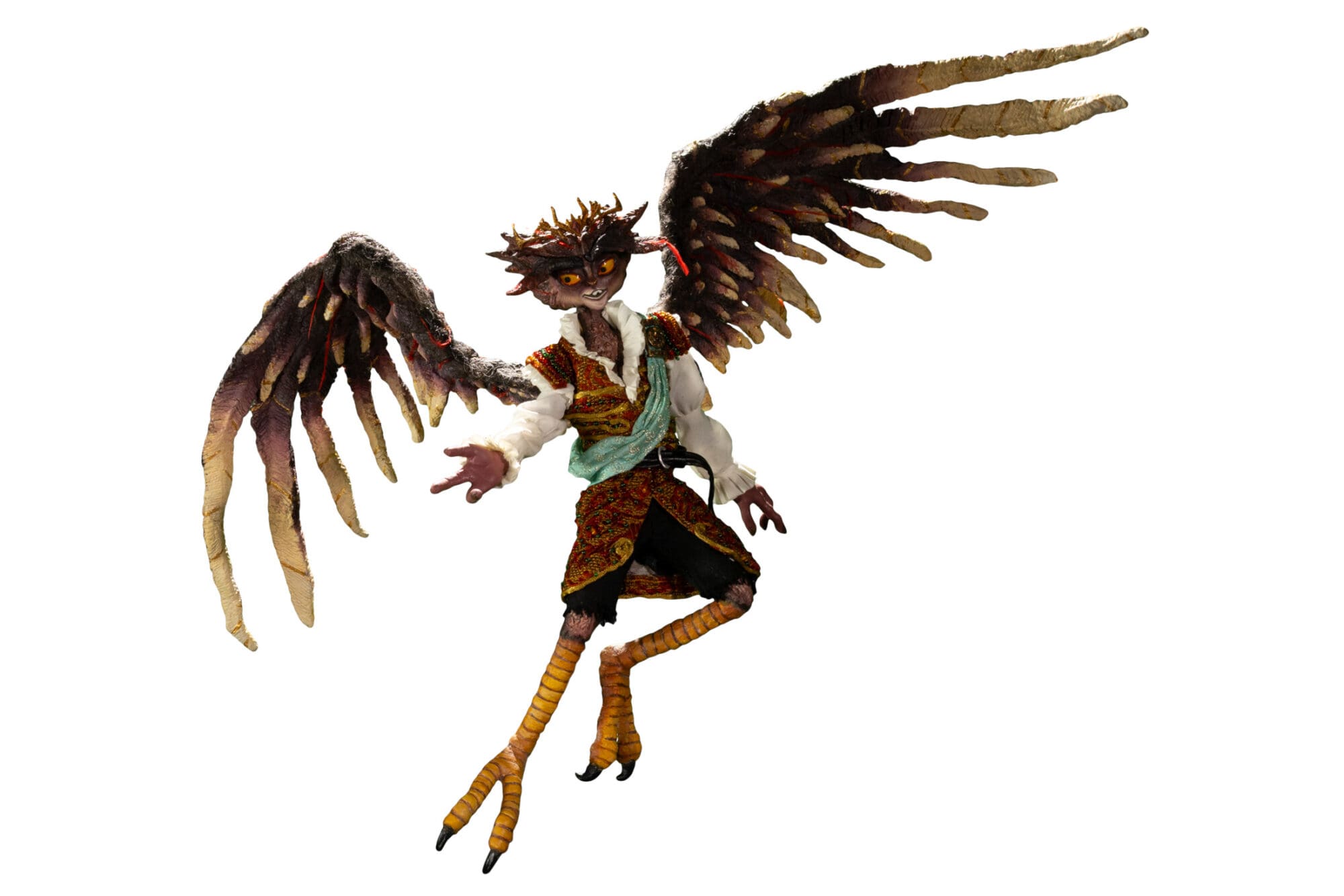
The result is a gorgeous, handmade fantasy musical that tells the 19th-century origin story of aspirational horror writer Francisca Imelda and the parallel dimension unlocked by her stories. Because of the Ambriz brothers’ determination, I Am Frankelda is the first entirely Mexican feature-length stop-motion production. With the help of their mentor, Guillermo del Toro, Soy Frankelda was released in Mexico in 2025, where it earned an astounding $50 million at the box office. I Am Frankelda was then picked up for international distribution by Netflix, where it debuts today. Cartoon Brew sat down with the brothers to discuss how they got the film made, what they’ve learned along the way, and what’s next.
Cartoon Brew: Initially, Warner Bros. financed this project as a half-hour special. When did you decide that it needed to be a feature film and that you’d use your own money to complete it?
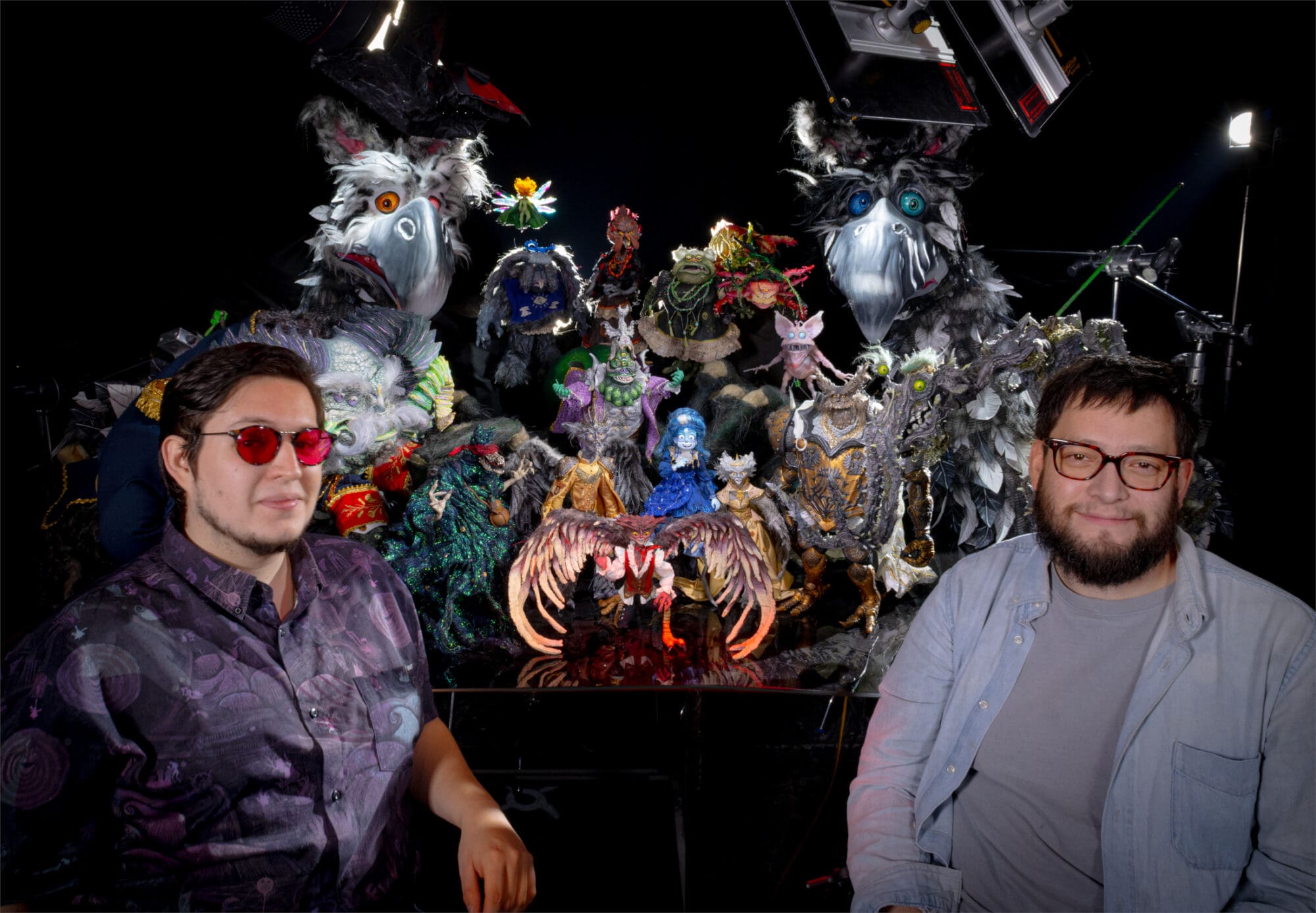
Arturo Ambriz: The reason why we decided to scale things up and to go big on length, big on puppets, big on scenery, it was our pure survival instinct. We knew that the stars weren’t aligned for us….
Roy Ambriz: Especially being Mexicans.
Arturo: So, it was like go big or go home. We wanted to show the world what we could do. We wanted to show the world all the creatures and stories that we could imagine. The way we approach stop-motion as directors and as brothers is, if we can imagine it, we can animate it. So [we thought] let’s just find a proper way to do it and have fun with it.
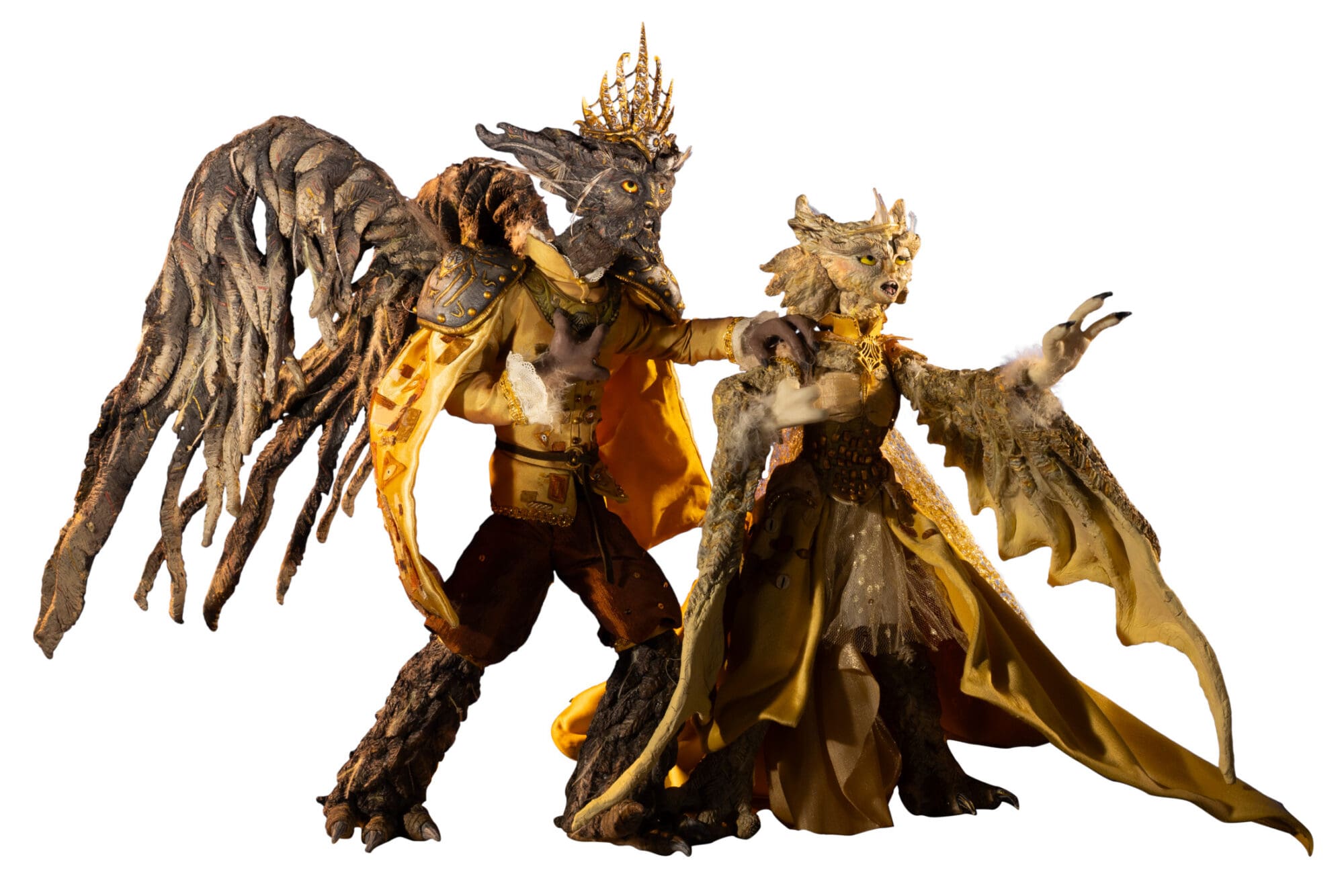
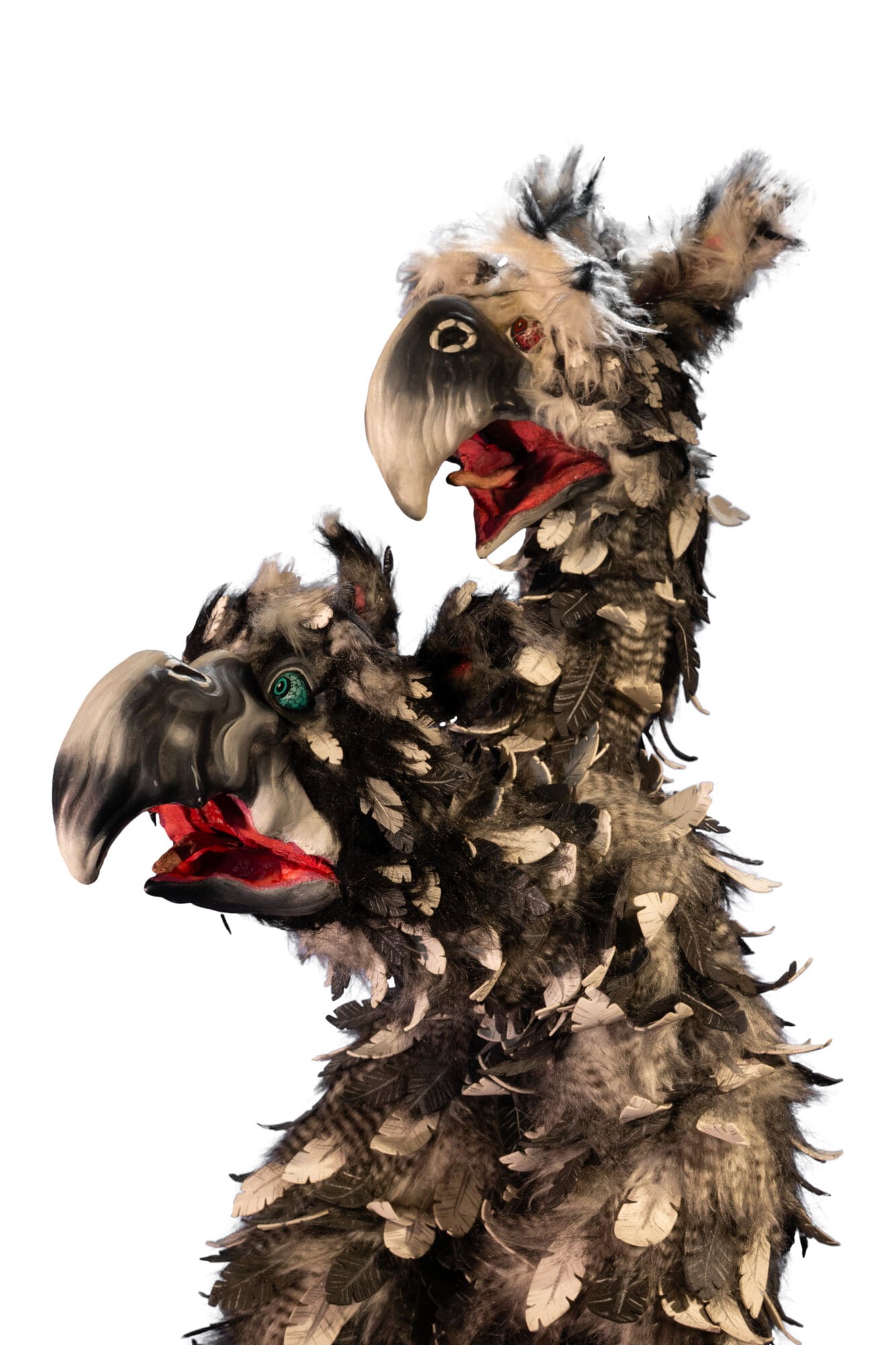
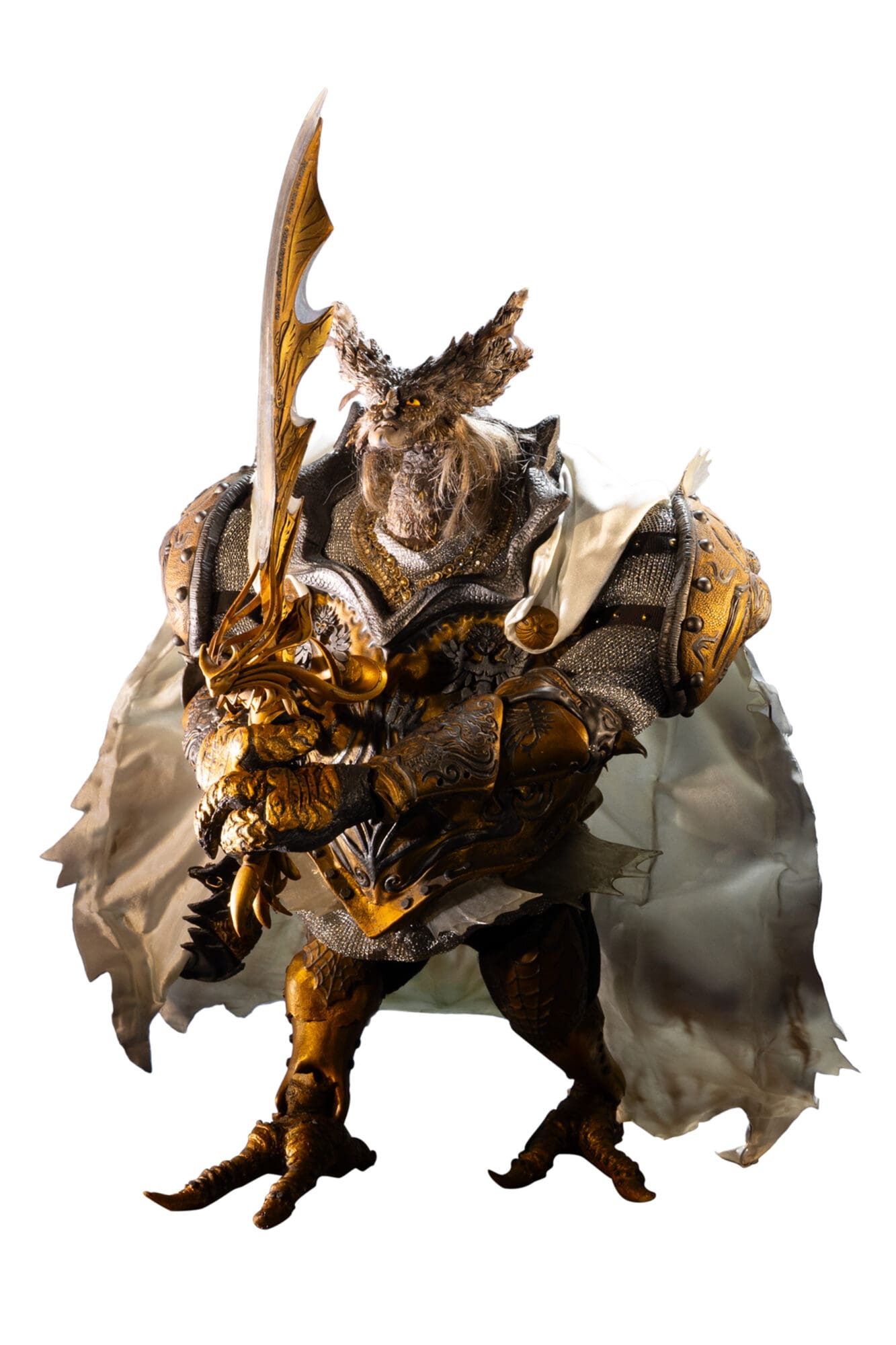
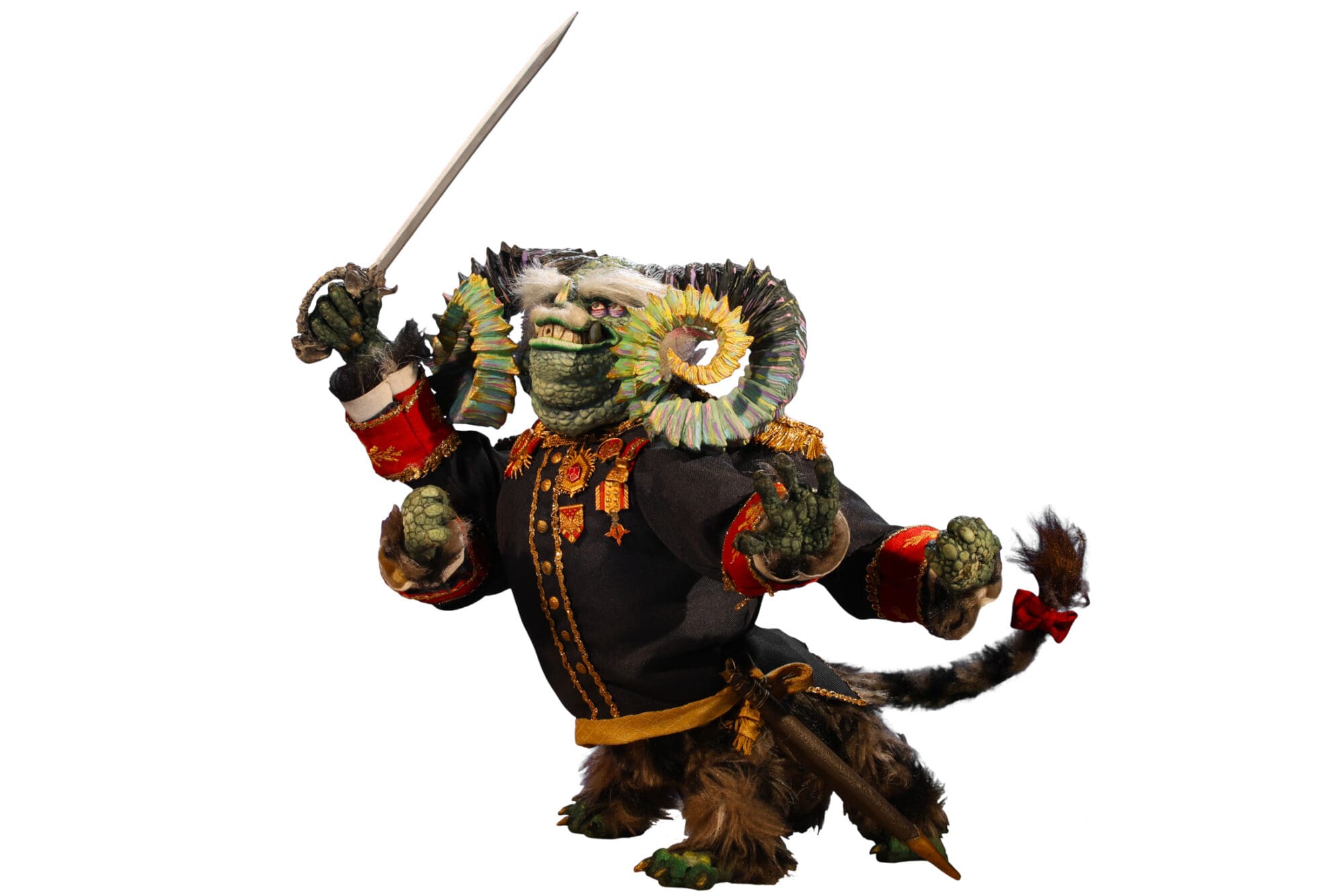
You’ve mentioned in prior interviews that the financing culture in Mexico is discouraging for artists. Is it just understood that if you want to make something, you’re going to have to fund it yourself? Were you prepared for that?
Roy: I think that we have been preparing for this moment since we were born because we love playing with toys. We went to museums each weekend, going to plays and the music house. We always were daydreaming about big stories and making our custom figures for the dioramas for our toys from The Lord of the Rings, and all of that. We have, for a long time, always wanted to do our feature film. We have been with our studio, which is located in Mexico City, working on our own studio for 15 years now. After we finished studying film at school, we wanted to do our feature film, and it has been really difficult and impossible to achieve that. So, we were trying for the exact moment in which we could do that.
When Warners told us, you have this little percentage of the budget, we said, “This is it!” We didn’t think about it, as this was our opportunity. We just started, and we said, “Yes.” In Mexico, everybody told us that it was impossible. They didn’t give us any grants for doing this film. We said, “We have to prove that these projects can be done.” Also, they told us that the Mexican public didn’t want to see these stories and these films, and we said we will prove them wrong. Our film became one of the highest-grossing films in Mexico last year, the third [highest], including live action. It is the highest-grossing animated film since the pandemic, and we have a great base of fans. It has been fantastic.
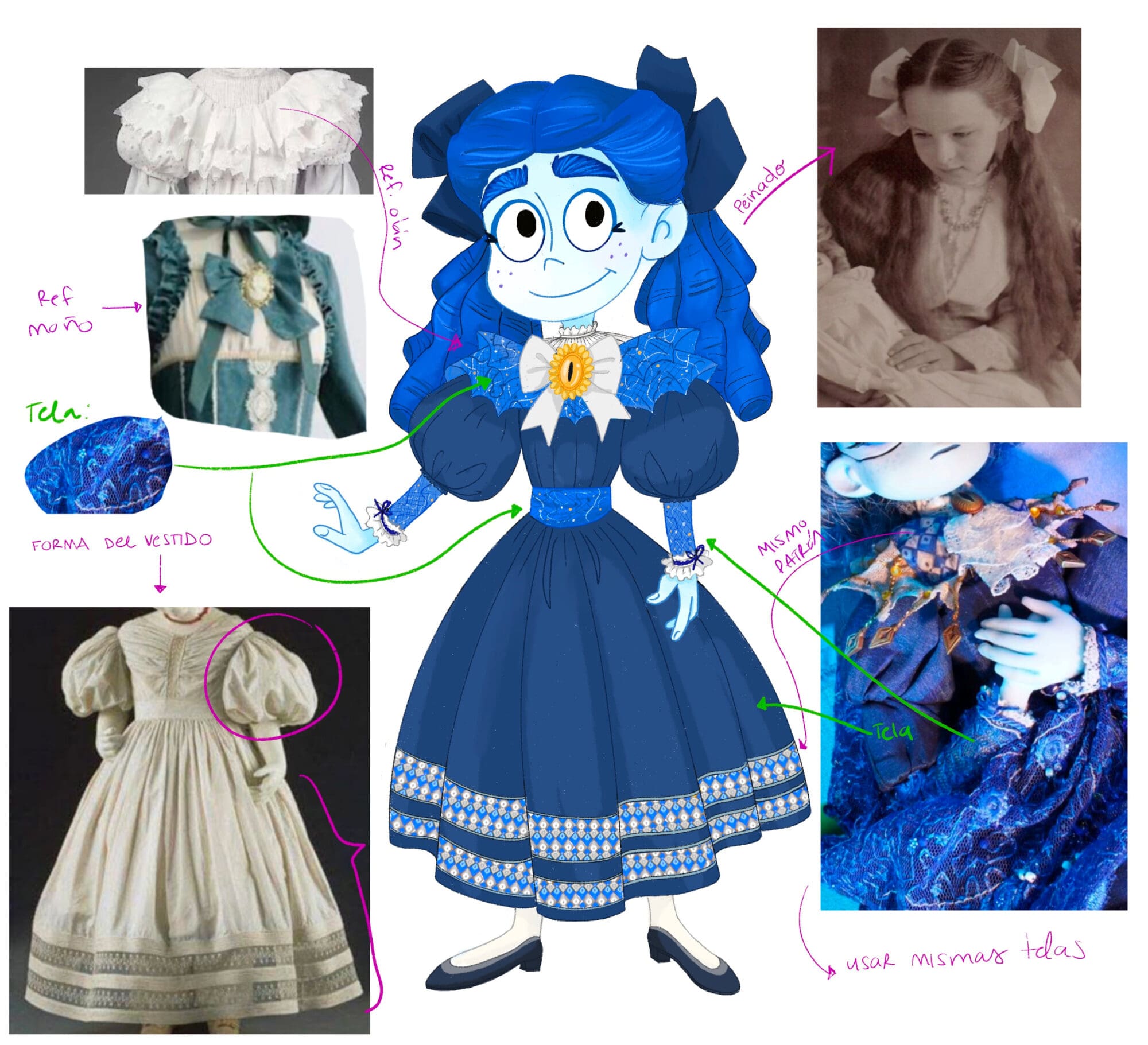
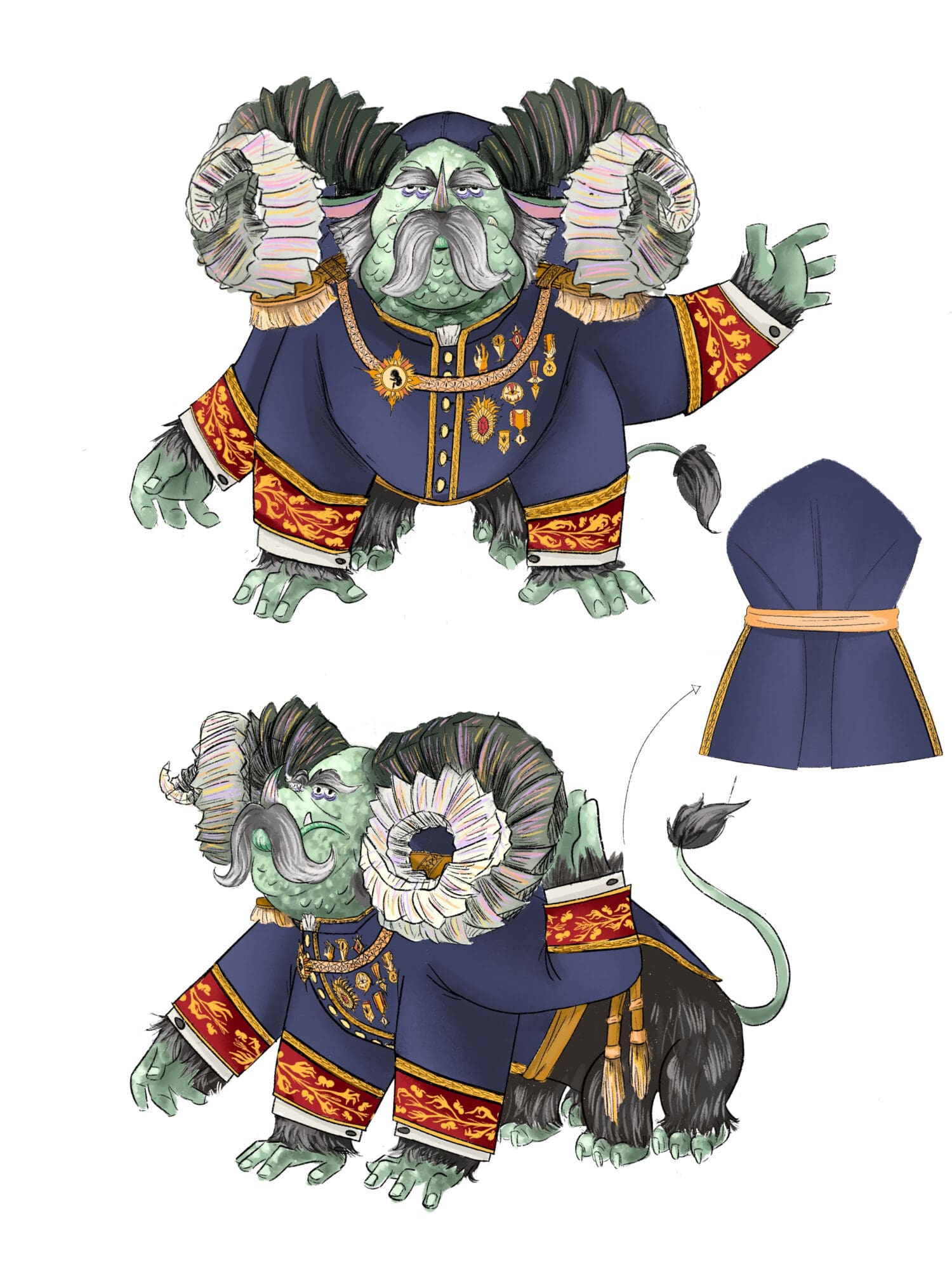
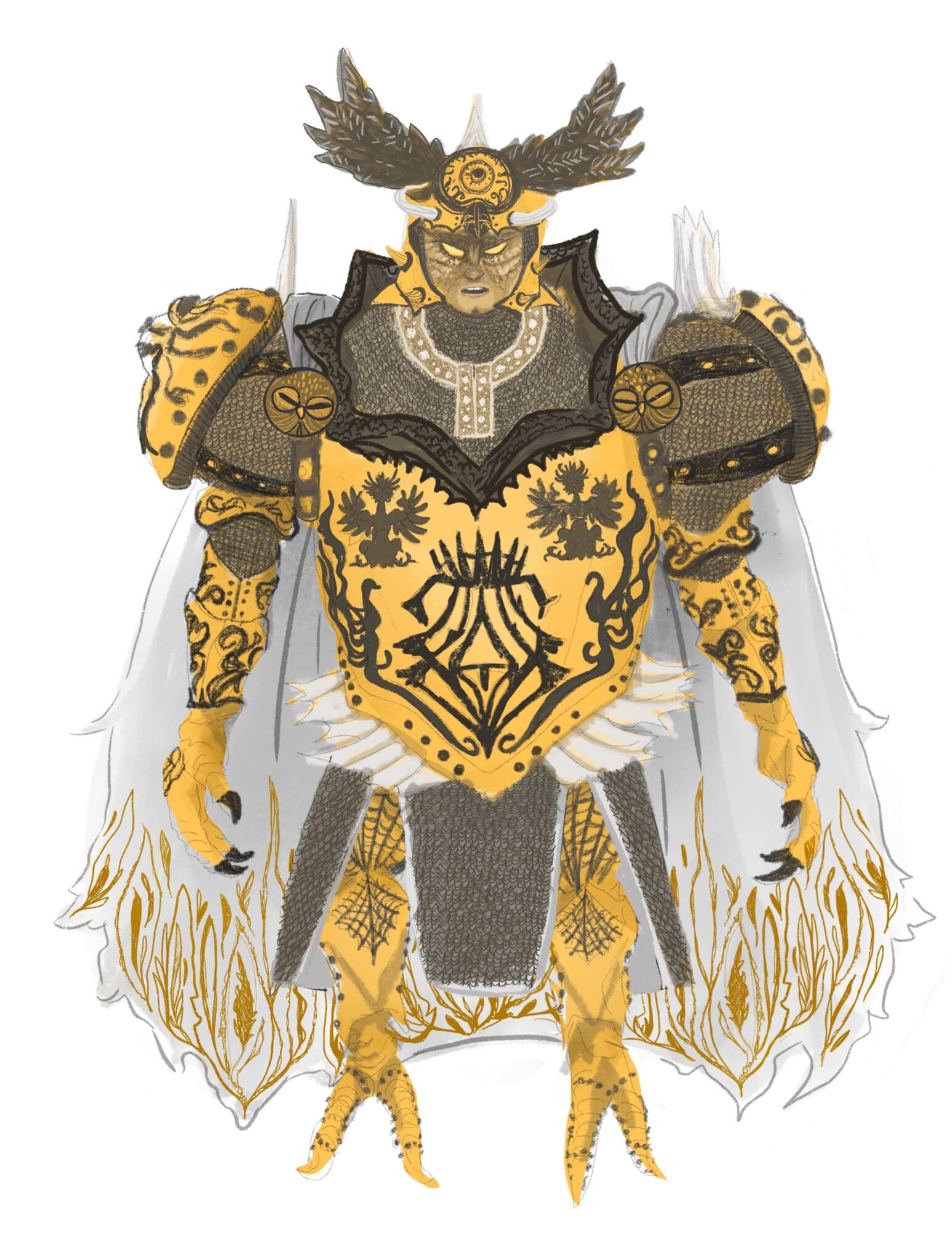
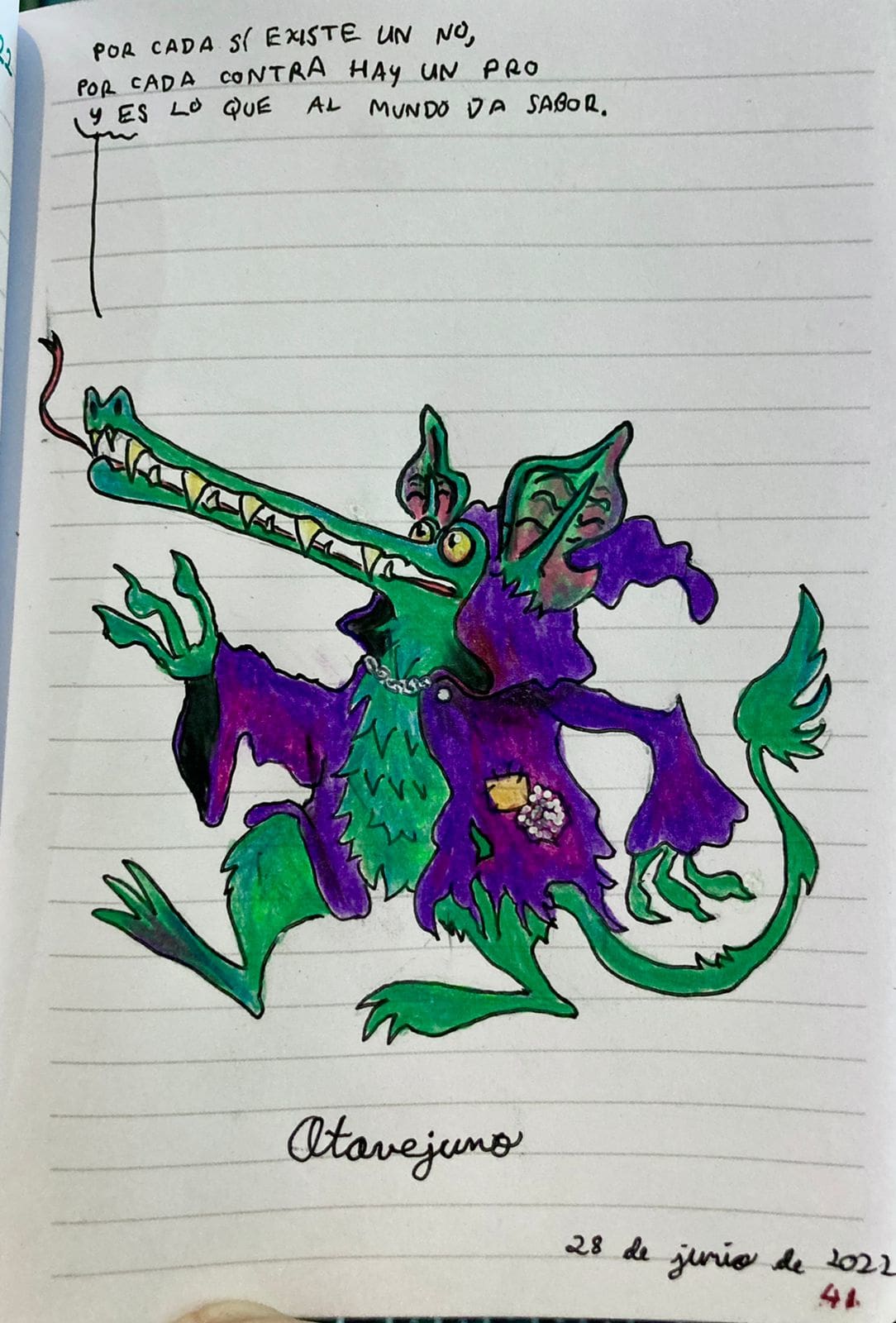
Was there anything that you learned from prior projects that helped you and your artists to be more efficient in the making of I Am Frankelda?
Arturo Ambriz: Since the beginning of this process, we knew that the budget wasn’t enough to make the feature film, so we had to take a lot of shortcuts. We didn’t have the time or luxury to second-guess ourselves on any ideas, so we started writing the screenplay, and three weeks later, we were already animating. It was an amazing process of writing, editing, building, and animating at the same time. It’s not that we will do the same thing ever again, but for the particular conditions that we had for creating this film, it was the only way.
This was a very great opportunity to experiment, not only visually, but also on agile production, on making decisions very quickly, on changing the road as we were building it. The end result is a film that feels very much alive; a film that feels very energetic, a film that seems to exist only in imagination, but somehow it’s real. The process was fun and messy, and turned out to be a really fun, colorful musical movie, so we’re happy about that process.
Knowing you had something to prove with this film, is there a sequence that best represents the pinnacle of your ambition and execution?
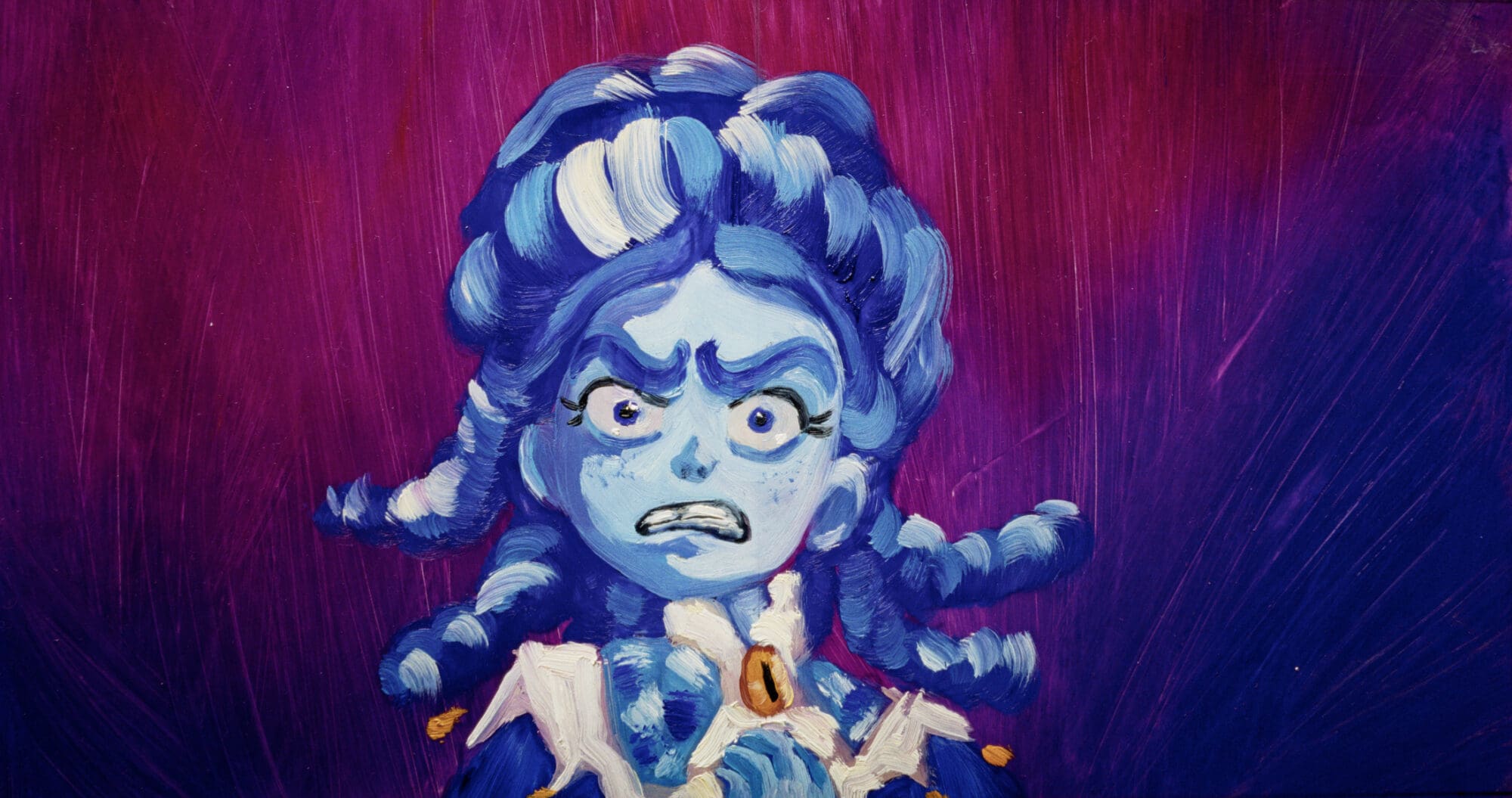
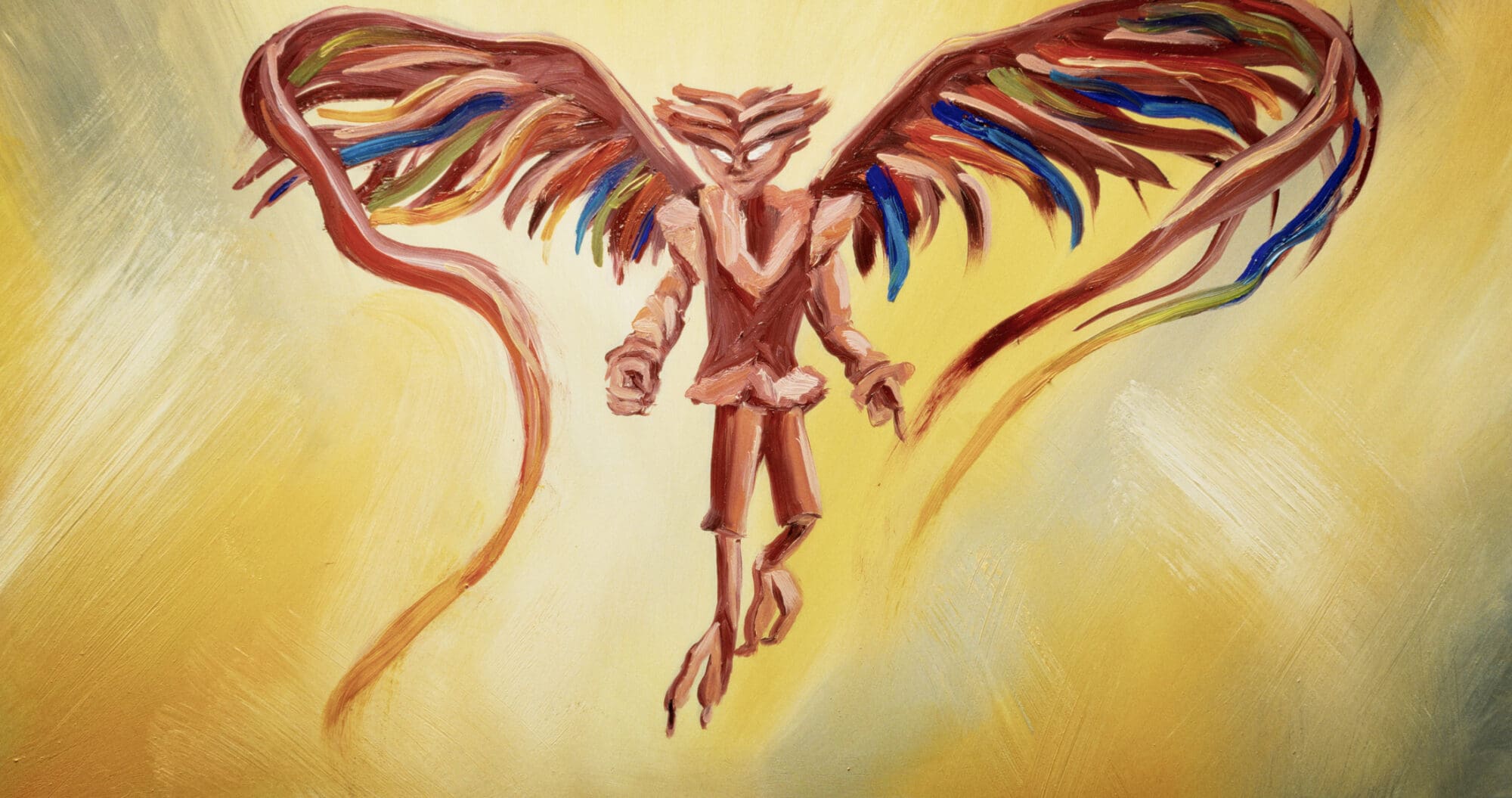
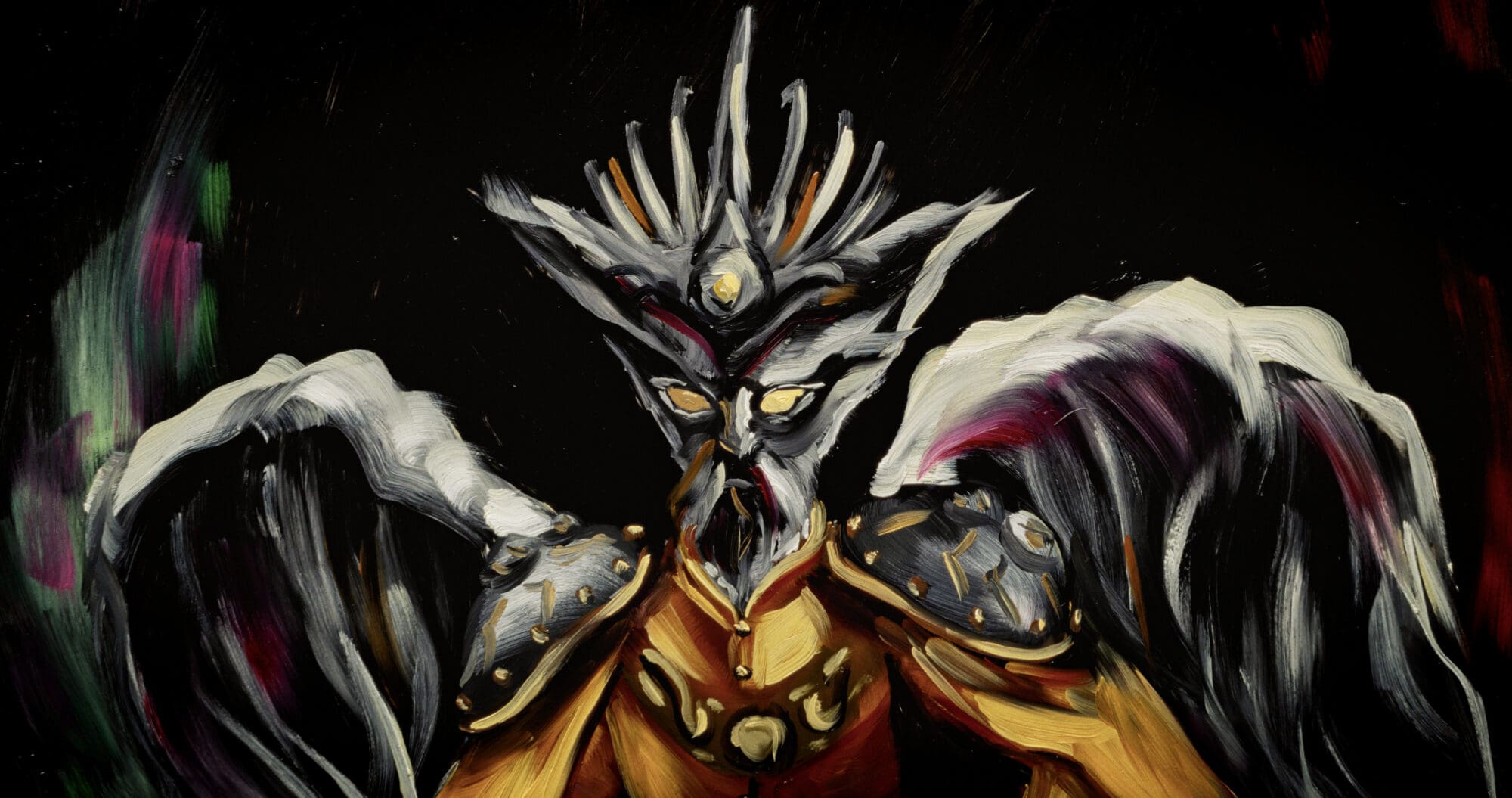
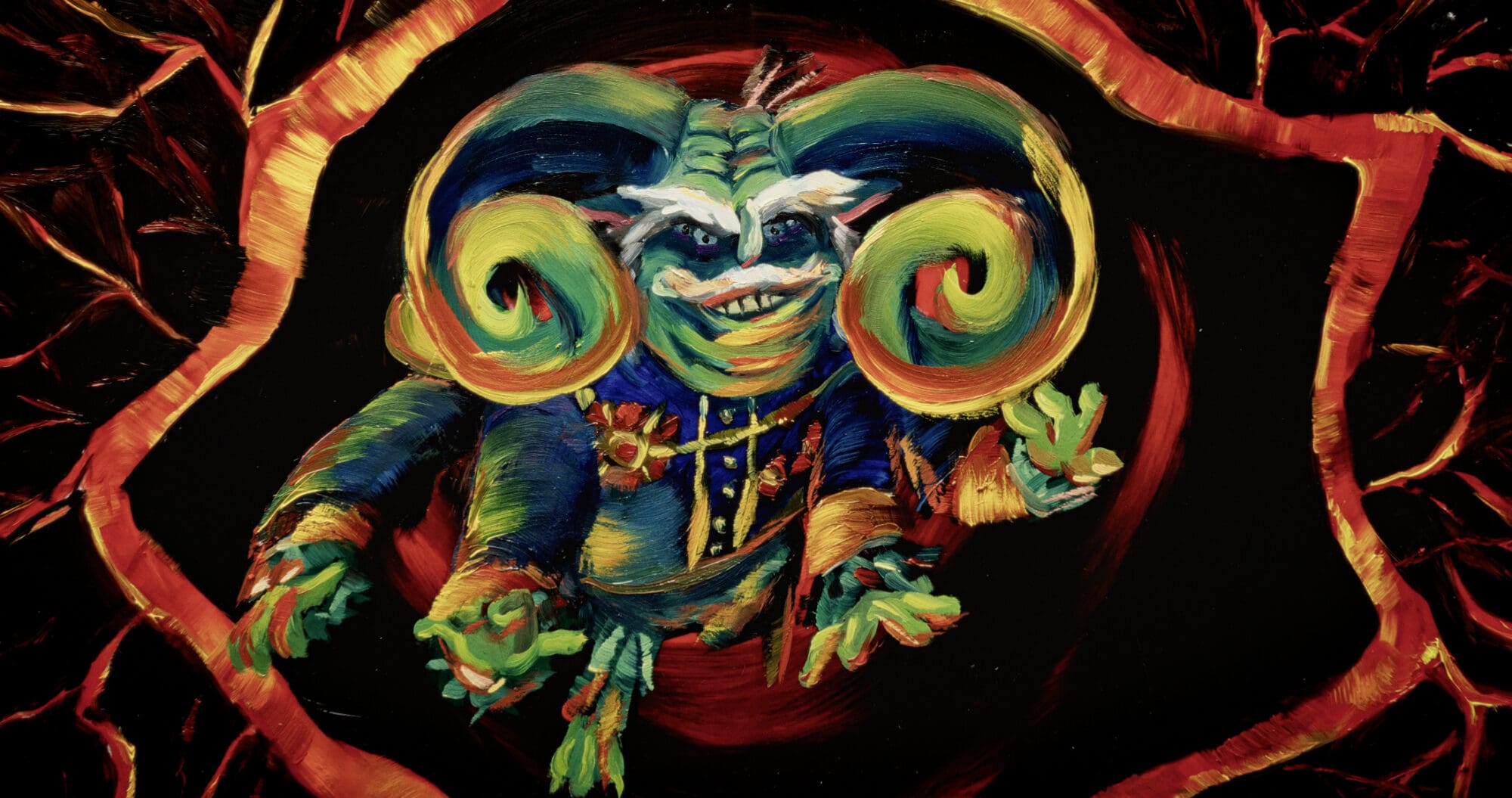
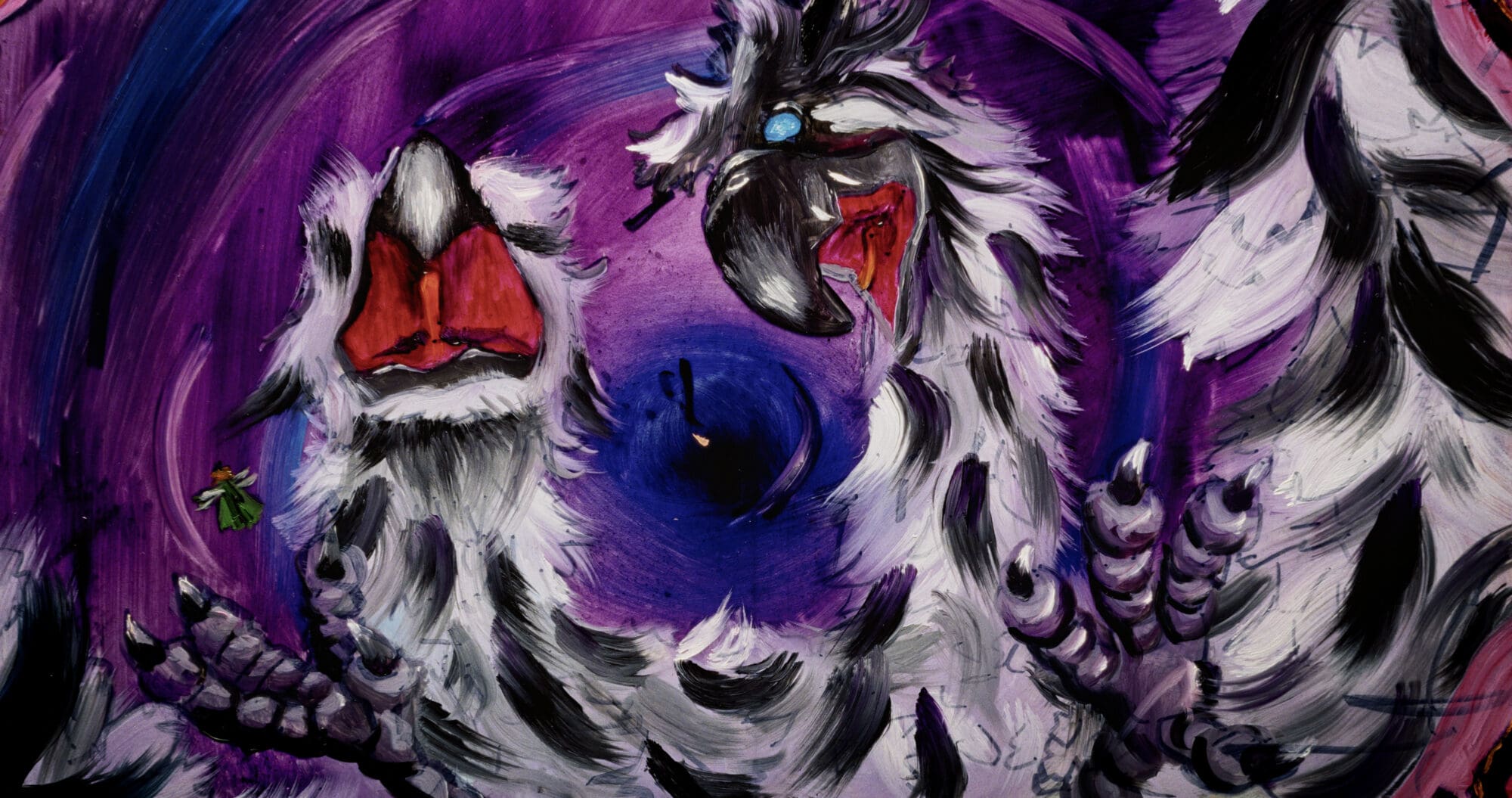
Roy: Yeah, I think that scene is the song, “The Prince of the Reign of Terrors.” I think that we made the film just to do that scene. We wanted all the monsters singing over it, and we wanted it to be a little bit experimental because we love experimental films, also. We think that stop-motion is the best way to play with all these artistic techniques. We also incorporated these old paintings that were painted by [Immanuel] Kant. There were something like 200 oil paintings that were made. We wanted to experiment with this kind of moment from the musical of Les Misérables, where all the characters sing in their own style, and then they join at the end at the dramatic moment. That’s what we wanted to achieve, and we’re really proud of that moment. We’re proud of all of this film, but specifically that song; that’s our favorite moment of all of them.
You were able to take I Am Frankelda to several major festivals in 2025, including the Guadalajara International Film Festival and Annecy International Animation Film Festival, where it was very well received. Did you walk away with any new insights or peer advice?
Arturo: Distribution has proven to be an amazing part of creating a film, and we didn’t have that experience. Even though it was amazing to show the film in both venues, we realized that for not such a specific audience that enjoys animation, the film was a little long. Guillermo del Toro really helped us to trim it down, so the best parts of the film could stand out. There are still many fans in Mexico who are like, “No! This is a different version…” because we cut out more than 15 minutes. But we think this film is better.
The reaction that has been more interesting for us is not the industry one, but the regular audiences, especially in Mexico, where it has already premiered theatrically. The fan base is amazing. These people are creating fan art, fan fiction, cosplays, toys, piñatas, cakes, musical numbers, and musical covers. Every day, we are flooded by fan art and by love because we think this is the kind of film that inspires creative people and gives them symbolic permission to be themselves and to create art, so for us, that’s our favorite reaction.
Roy: Whenever we are a little depressed or anxious about life, we just see all this amazing stuff that fans are doing, and it gives us goosebumps. It tells us that we’re doing something good for the world. And we should go on and do more films for the people to enjoy.
Circling back to del Toro, he went through his own stop-motion journey with Pinocchio. Is there anything that he shared with you that is shaping how you think about future projects?
Roy: I think that working with Guillermo as a mentor has been a dream for us. I decided to do filmmaking when I saw Pan’s Labyrinth, so for us, this has been the best experience of all. Guillermo has helped us with a lot of stuff, not only technical, but also, let’s say, the moral aspects of being able to pass through the distribution. He helped us to get distribution in Mexico. Also, he helped us to get distribution with Netflix. We have learned so much from him, some technical aspects like understanding the difference between a short film and this long format. He has taught us that the most important thing in a film is the emotional rights of the characters, rather than being everything logical, and it makes sense. He taught us a lot about how to do camera movements and how to tell stories within each shot.
When we decided to edit the film, not only did we edit it, but we also animated 10 extra minutes. He helped us to supervise each shot. Last year, he called us daily in video chats, and we showed him the new shots. He spoke with our animators, and he spoke with the whole team. The first scene of the film, in which Francisca is with her mother, helped us deconstruct it. We learned a lot. But the most important thing about Guillermo is that we are learning how to be good human beings because he shares a lot. He helps us a lot, and he helps everybody, and we want to be that kind of filmmaker.
That’s a perfect segue to talk about your independent stop-motion studio, Cinema Fantasma. The stop-motion technique is having a bit of a renaissance right now. Why do you think Mexico is becoming a hub for this type of animation right now?
Arturo Ambriz: I think Mexico prides itself in the fact that there’s art everywhere, not only in museums and galleries, which are in the thousands. But also it’s in architecture, in its scene, in the way people dress, in the artifacts they sell at marketplaces, and street art. I think Mexico is very vibrant. Being in Mexico City, which is the city we were born in and where we have the studio, it’s always a reminder of the amazing things that humankind can build and can construct. There’s also an element of improvisation and fixing things. Not always buying brand new things, but handing down an object from one generation to another with modifications. I think that’s very influential. Another great thing about Mexico that I think has really helped us is to be close to this industry. We come here to LA like three or four or five times a year, yet at the same time, we have a lot of independence. There’s a great freedom to do films in the way you believe films should be done.
What’s your headcount now at the studio?
Roy: More than 100 people worked on Frankelda. When we finished, we had to downsize a little bit. Now we’re starting our next project, and let’s hope that we can grow again soon.
But a very important aspect in our lives is also teaching. Inside our studio, we give some classes, we call it Cinema Fantasma Edu. For us, it’s really important because whenever you go to buy lessons about producing or internet, or you go to workshops, they are always focused on how that industry works in the United States. We cannot give pitches to Nickelodeon. We cannot work in the United States if you don’t have a special green card or permission to work. So, we are trying to show all the young Mexican artists how the Mexican industry works, how it’s different from the industry of the United States, and how we have managed to bring those worlds together; what has helped us and what has not worked for us. We always tell them, “We’re not going to give you the secret because every specific case is different. But we are trying to share everything that we are learning.” And that’s a really important aspect that Guillermo also asked of us, to share everything that we know to everybody so that there can be more studios. There are stop-motion studios in many states in Mexico. There are a lot of young artists who want to work in this industry. I think stop-motion also works really well in Mexico because you don’t need an amount of technology in order to achieve it. You can just do really artistic and really cool projects, maybe just with clothes or with pieces of wood. That’s what is happening now in Mexico, and we are trying to help everybody the way that we can.
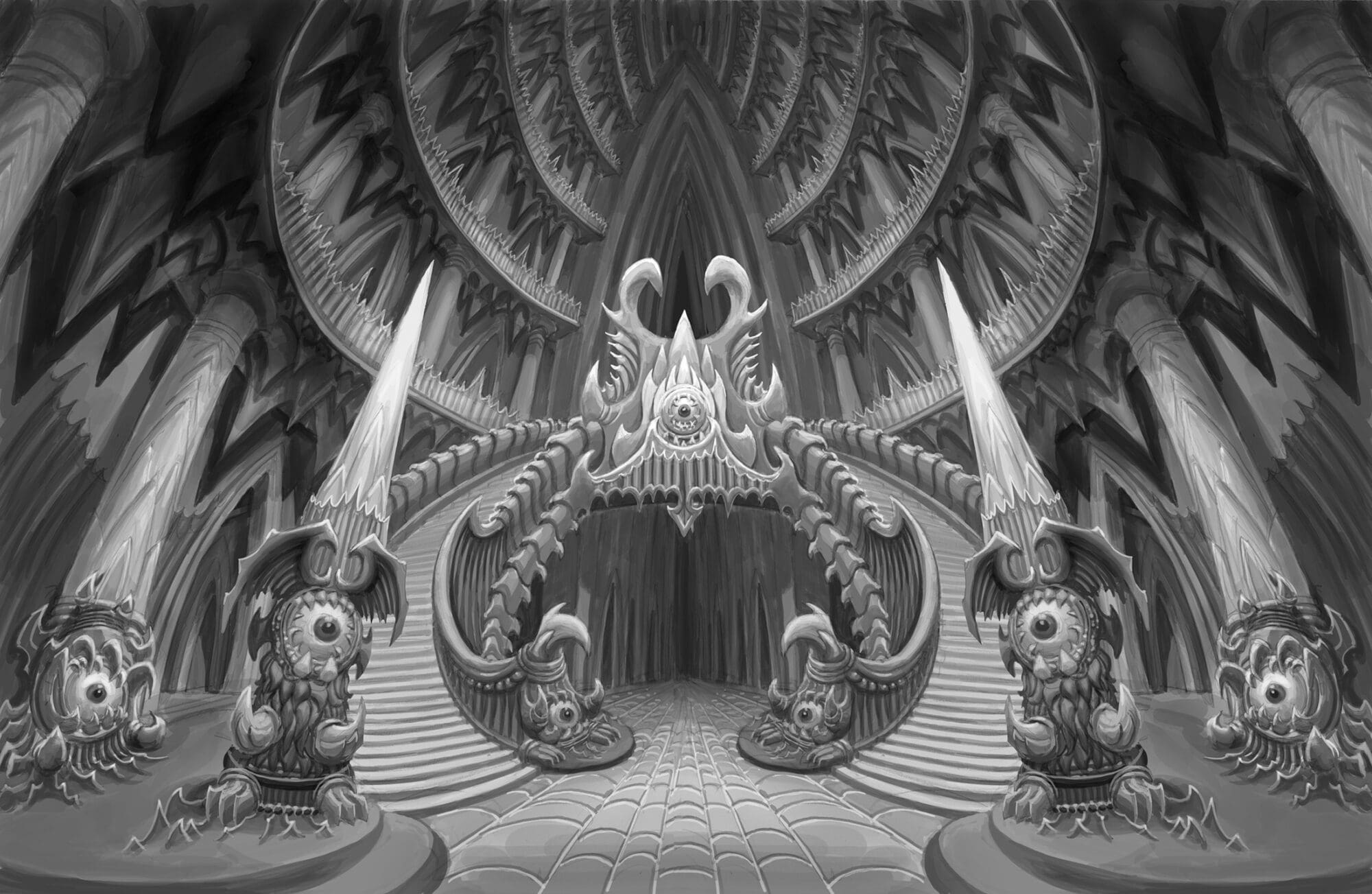
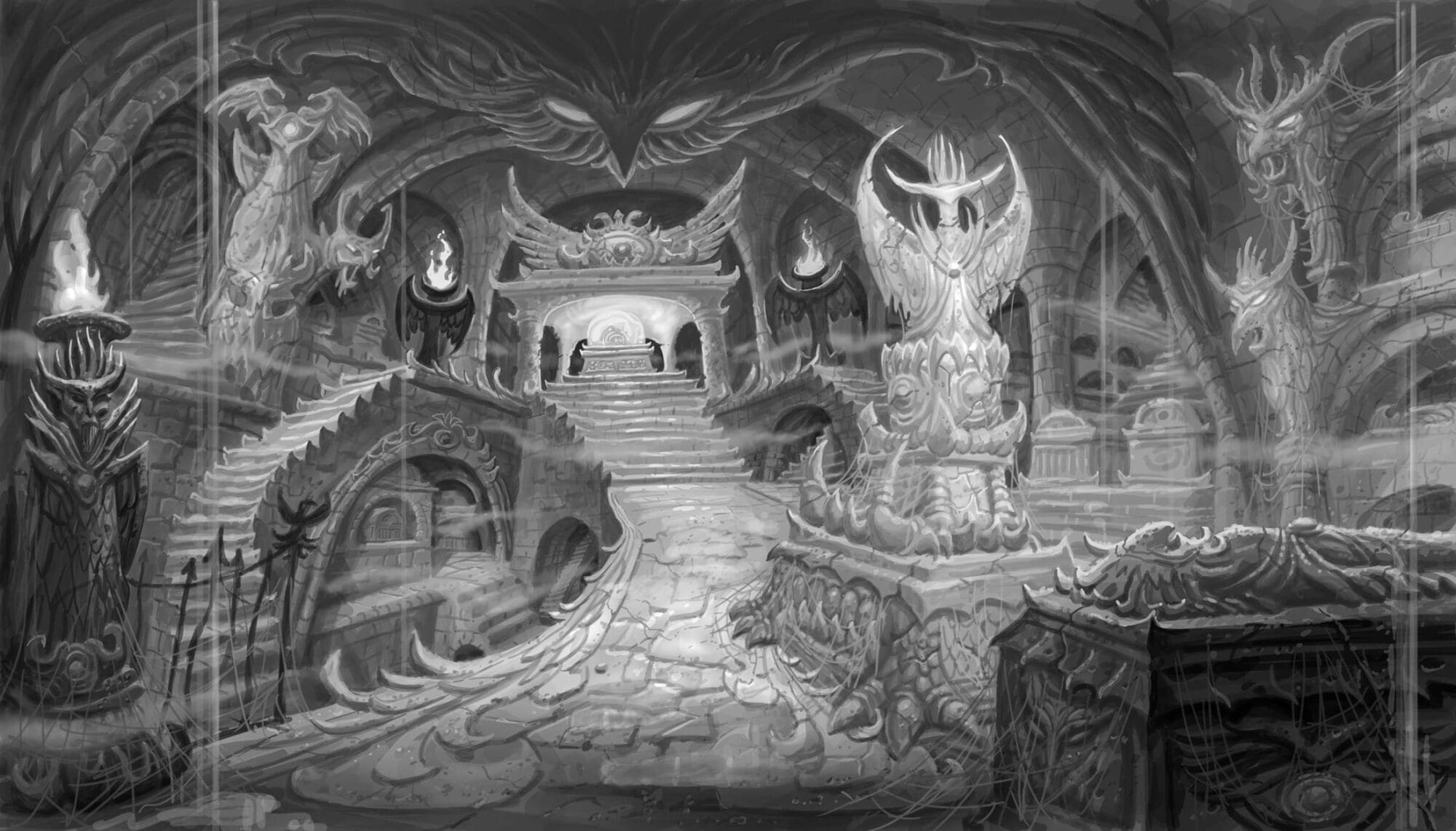
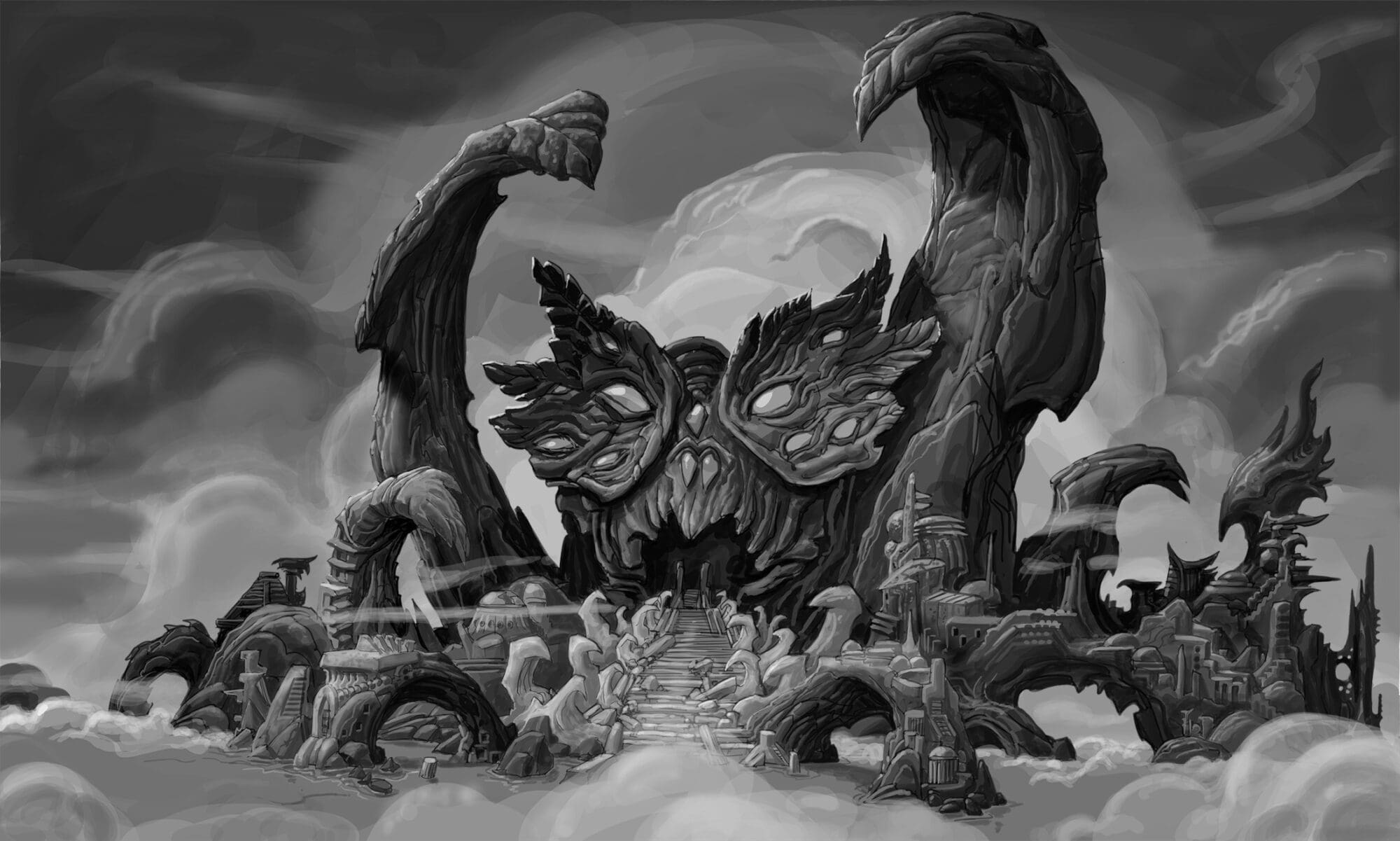
Stop-motion is all about analog creation, and younger generations are responding to that, even by seeking out vinyl and physical media. Do you think that mindset is also creating a groundswell of artist interest in Mexico, especially for stop-motion?
Arturo: For us, the most important part about making a film is making the film. The process is more important than the end result. That’s why people love, for example, cooking shows. People are not able to taste the dessert that the chef was preparing, but you enjoy the ingredients, and in that sense is what we enjoy about filmmaking. It’s never about the end result.
Roy: Well, the end result has to be good, but it’s a consequence of the process.
Arturo: I am often reminded of Michael Caine’s book [Acting in Film] about acting, in which he says that when he reads a script and his character is supposed to be in extreme weather conditions, he’s like, “Oh no, I don’t want to do that film because I would have to be there freezing myself to death.” I think that the process of making films is exactly like that. Since our projects take many years to produce, we have to choose the specific project because it’s not a film; it’s our life. In stop-motion, the making of shots becomes as valuable as the end result, and we are happy to do that. We will continue doing this kind of films, and I hope they become like vinyl records.
The animation industry is going through a lot of flux and contraction. How does that impact what you do next?
Roy: I think that we have a little advantage by doing animation in Mexico because there has never been an industry in Mexico. There has never been a clear path. Now that the industry is shaking, it feels like home for us. Right now, we are really glad to be part of the Netflix family with I Am Frankelda. We want to do a lot of projects. There is a new feature film that we are working on called Battle of the Phoenix. We don’t know where it is going to land, but we’re enjoying the ride right now.
Note from the editor: The Ambriz brothers shared far more artwork than we could ever hope to include in a single article. Suffice it to say that when this art book becomes available, it will come with our highest possible recommendation.