.png)
Julien Chheng On The Roles of Family, Fables, And Efficiency In Crafting La Cachette’s First Feature, ‘Mu Yi And The Handsome General’ (EXCLUSIVE BTS)
Stay informed with free updates
Sign up to get our news digest — delivered directly to your inbox twice a week.
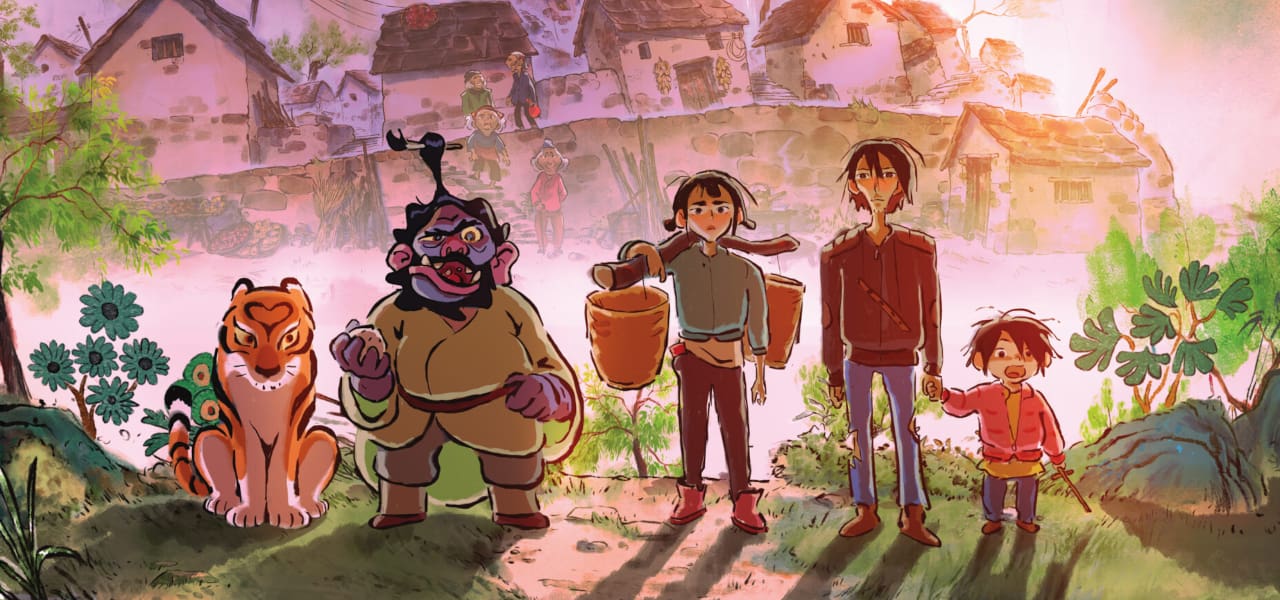
Screening in competition at this year’s Annecy Festival, Studio La Cachette’s Mu Yi and the Handsome General is, surprisingly, the first feature film from the beloved French animation studio. Directed by Julien Chheng, it follows the 14-year-old girl Mu Yi, who lives in an isolated village on a mountain where all men are forbidden. Mu Yi becomes tied up in a time-hopping journey after angering an ancient spirit following a performance of a play called The Handsome General by a traveling opera troupe.
This encounter with an old story mirrors the film’s making somewhat. Director Julien Chheng says that even though he had the images in his head for about ten years, the story structure clicked into place when he and co-writer Sujuan Xu were visiting family in China.
“I was always struck by the fact that in some villages there were only women out there,” Chheng says, “and so, in investigating the matter, I just stumbled upon so many different stories that haunted me for a long time: the preference for boys versus girls in the countryside, poor families abandoning their newborns because they couldn’t feed all of their kids.”
Chheng assembled the film from elements of this personal experience, saying that “every choice was made based on somebody I know,” noting that design decisions as well as story decisions were made based on whether they felt true to the person he had in mind.
This also included the tales relayed to him.
“I was always told stories about the famous warlords who lived in the region, and one of them was really interesting for me because he was a general from the 6th century, and he was supposed to be so handsome that he had to cover his face with a very ugly helmet all the time so he would not distract his own soldiers on the battlefield.”
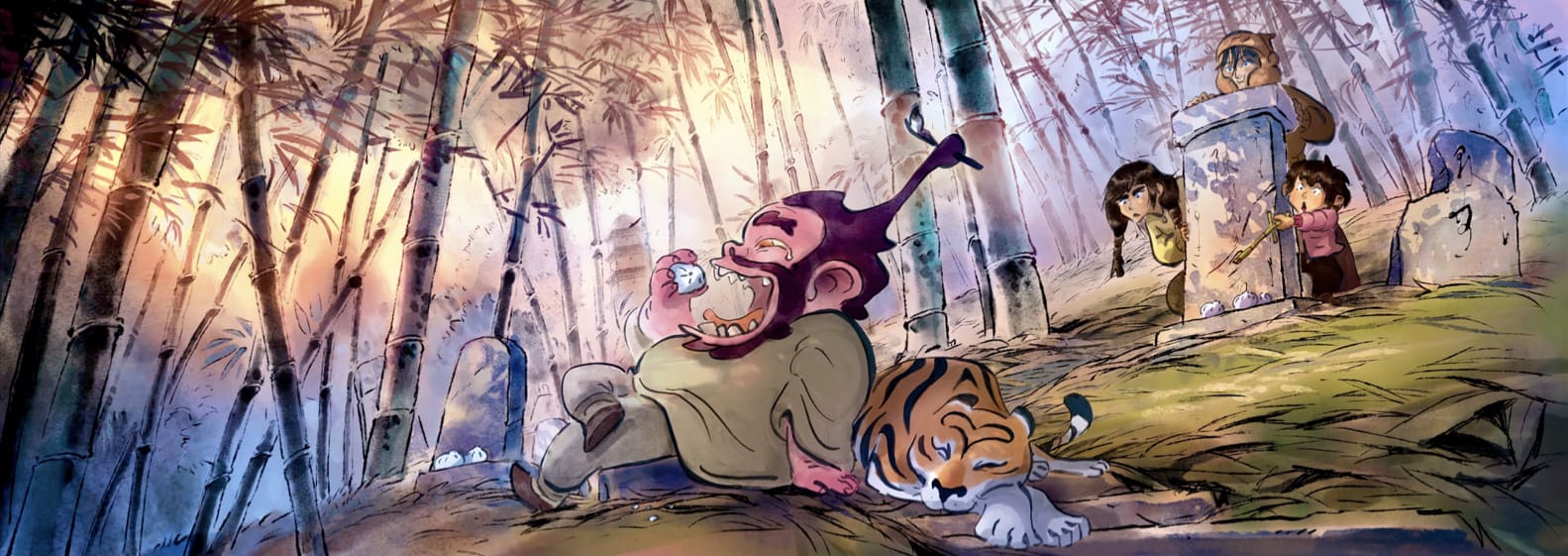
Mu Yi and the Handsome General clicked into place with the idea of mixing the social reality of this all-women village with the fantastical tale of an idealized, beautiful warrior.
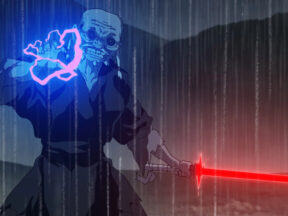
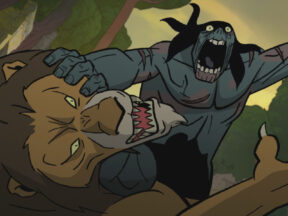
Produced by Studio La Cachette and Duetto, Mu Yi and the Handsome General marks a significant milestone for La Cachette, best known for television and short-form work, including Primal, Love, Death + Robots, and Star Wars: Visions. The film is being sold internationally by mk2 Films and is screening this week in Annecy’s Contrechamp competition.
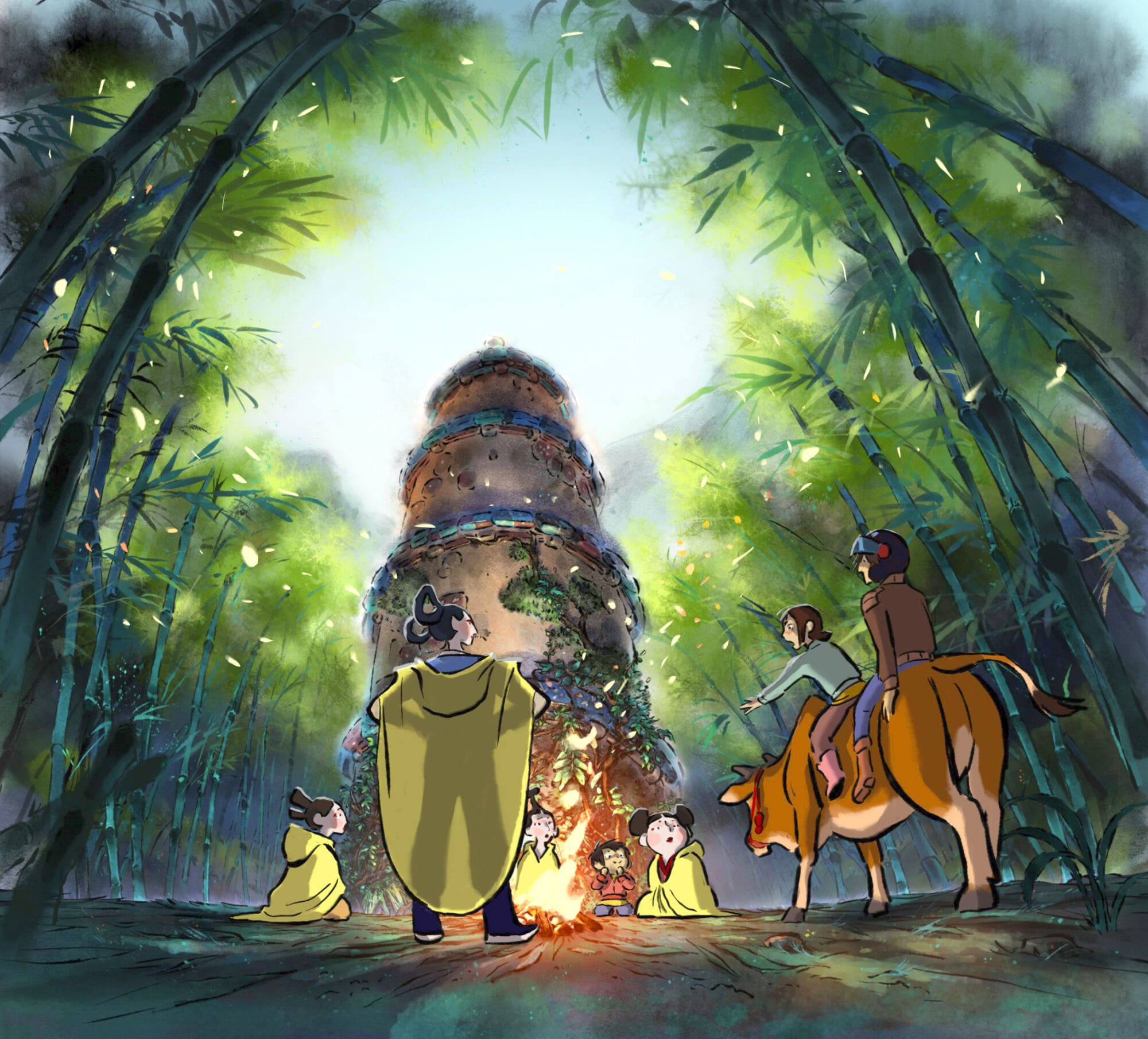
The animation itself walks the line between this sense of realism and something more heightened. The character designs are a mix of everyday touches, such as characters wearing ill-fitting clothes because they grew up poor, and distinctive silhouettes, like one boy who constantly wears a motorcycle helmet. Eventually, these designs contrast with the fantastical Guardian of Souls character, who harkens back to classical Chinese art with some modern touches. Chheng cites the way the stout god keeps a pen in his hair.
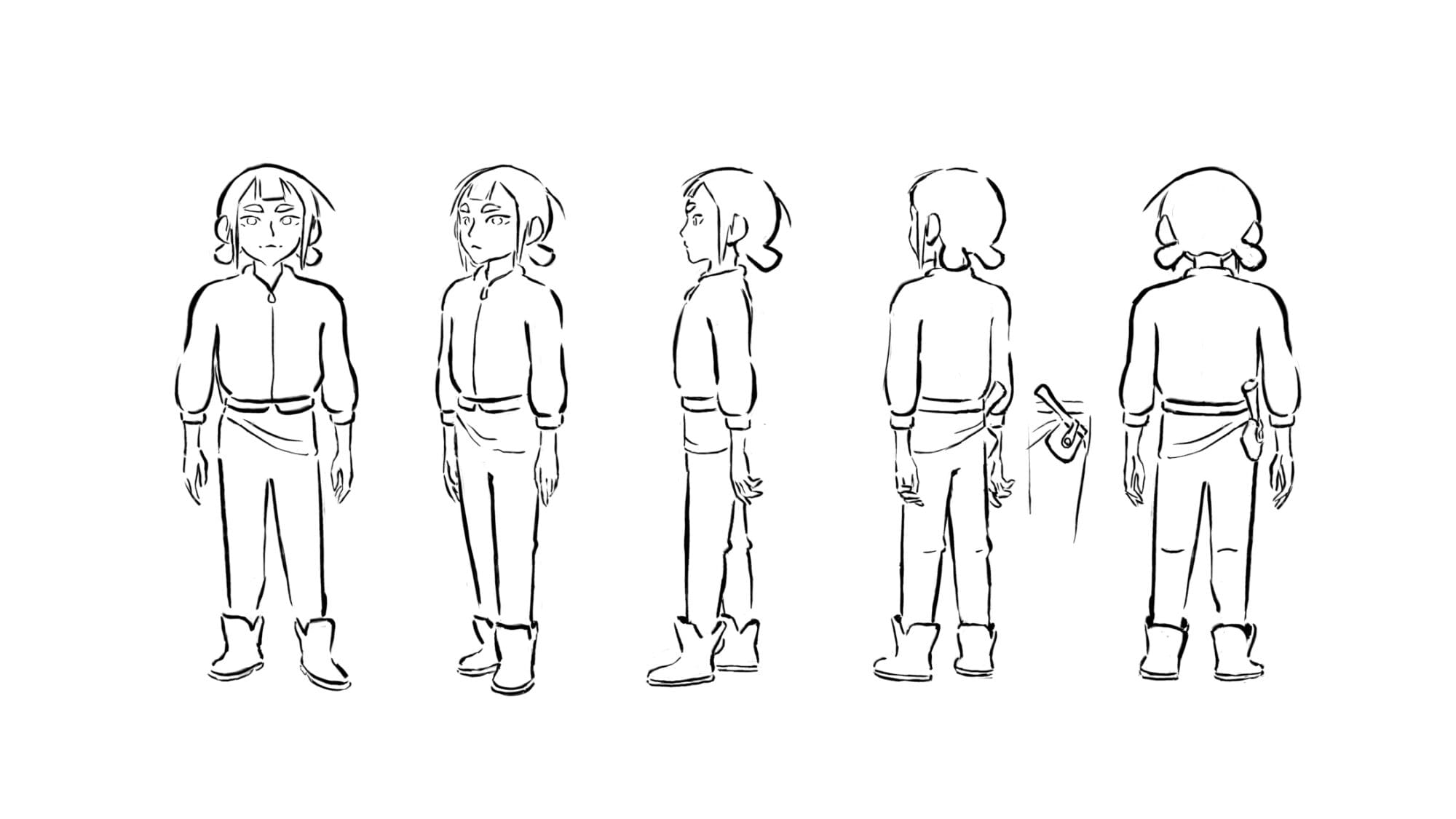
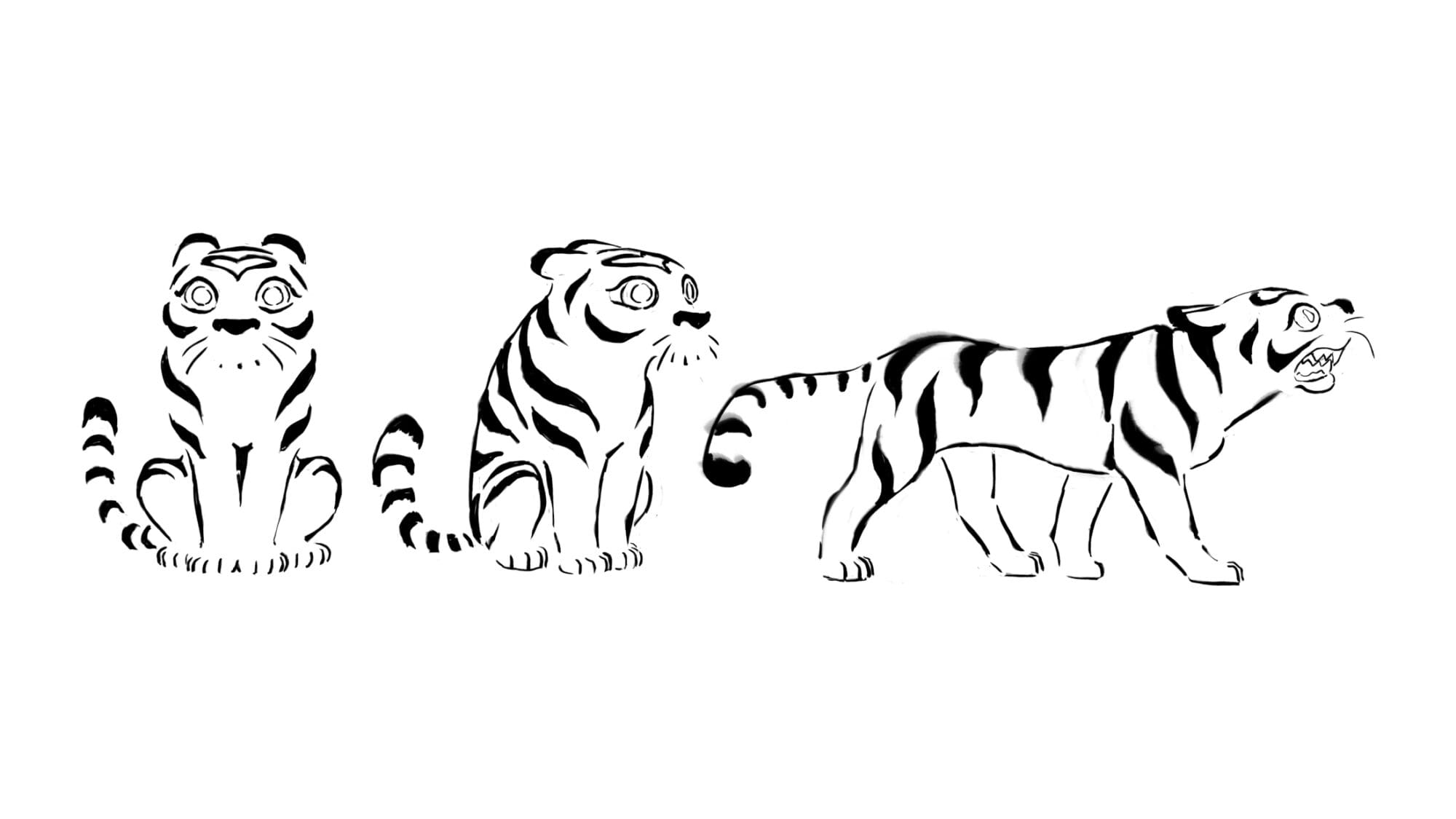
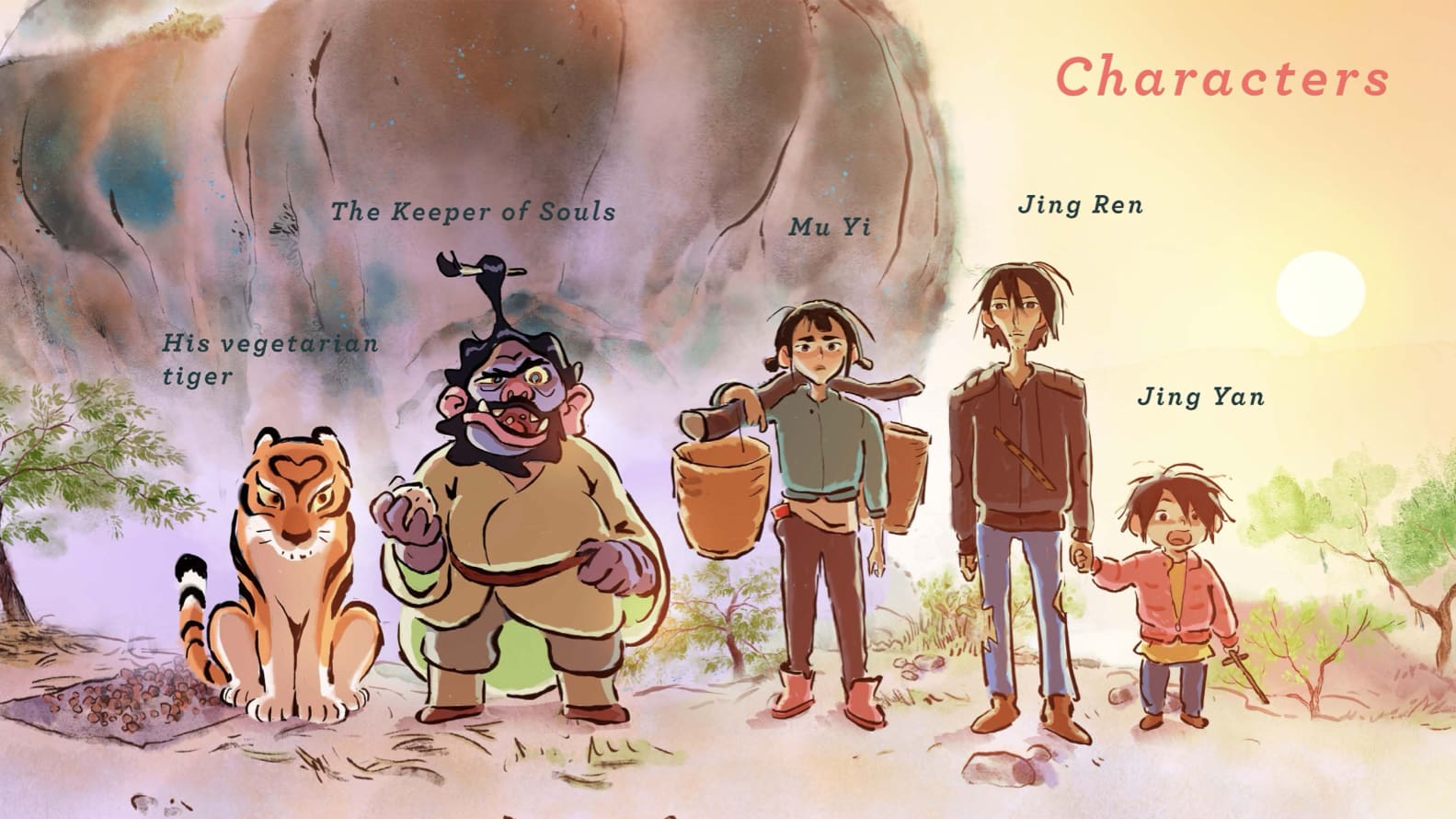
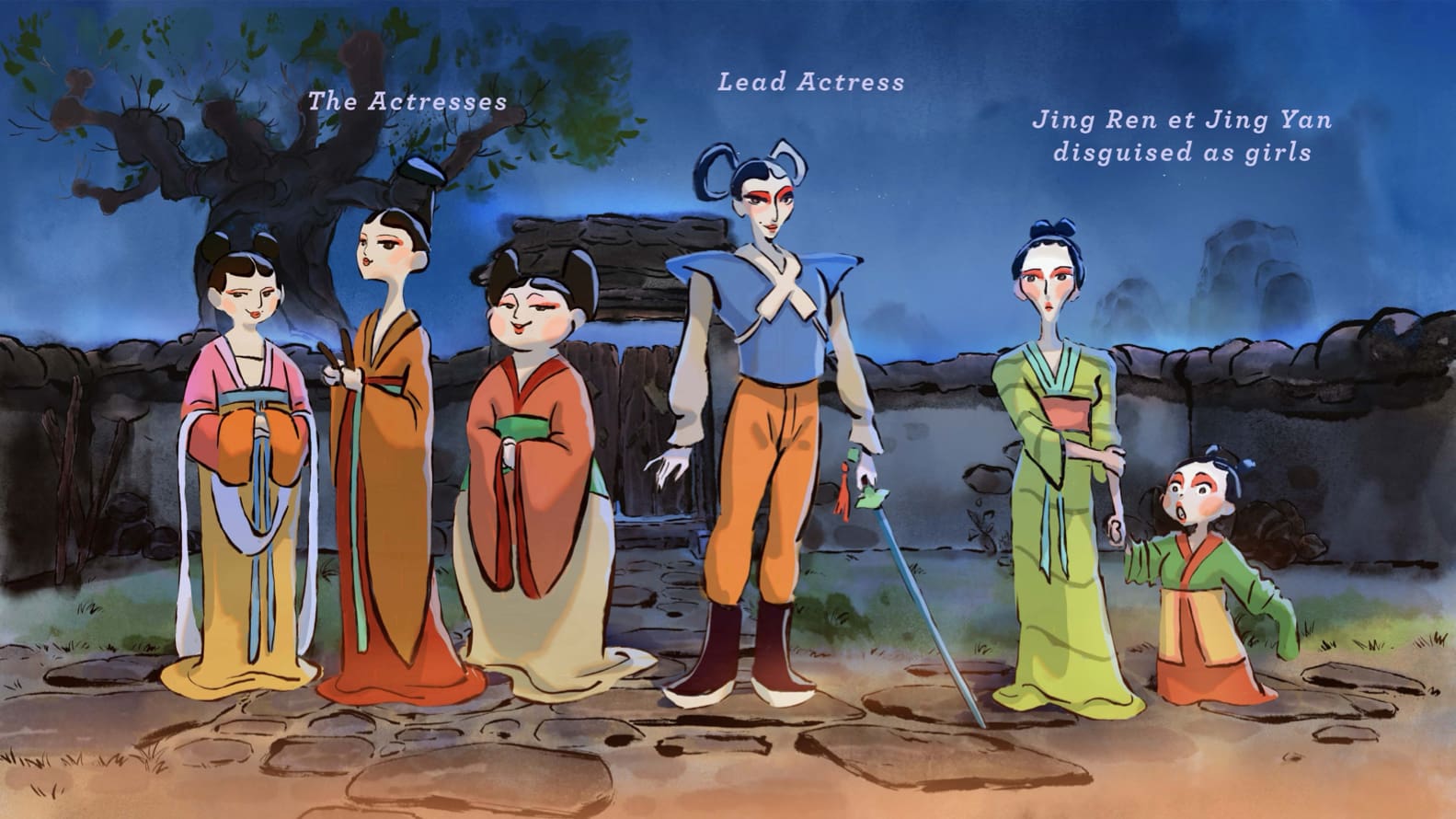
As well as this, the broad brushstrokes and inky textures of Mu Yi deliberately evoke calligraphy, something Chheng says has permeated much of his work.
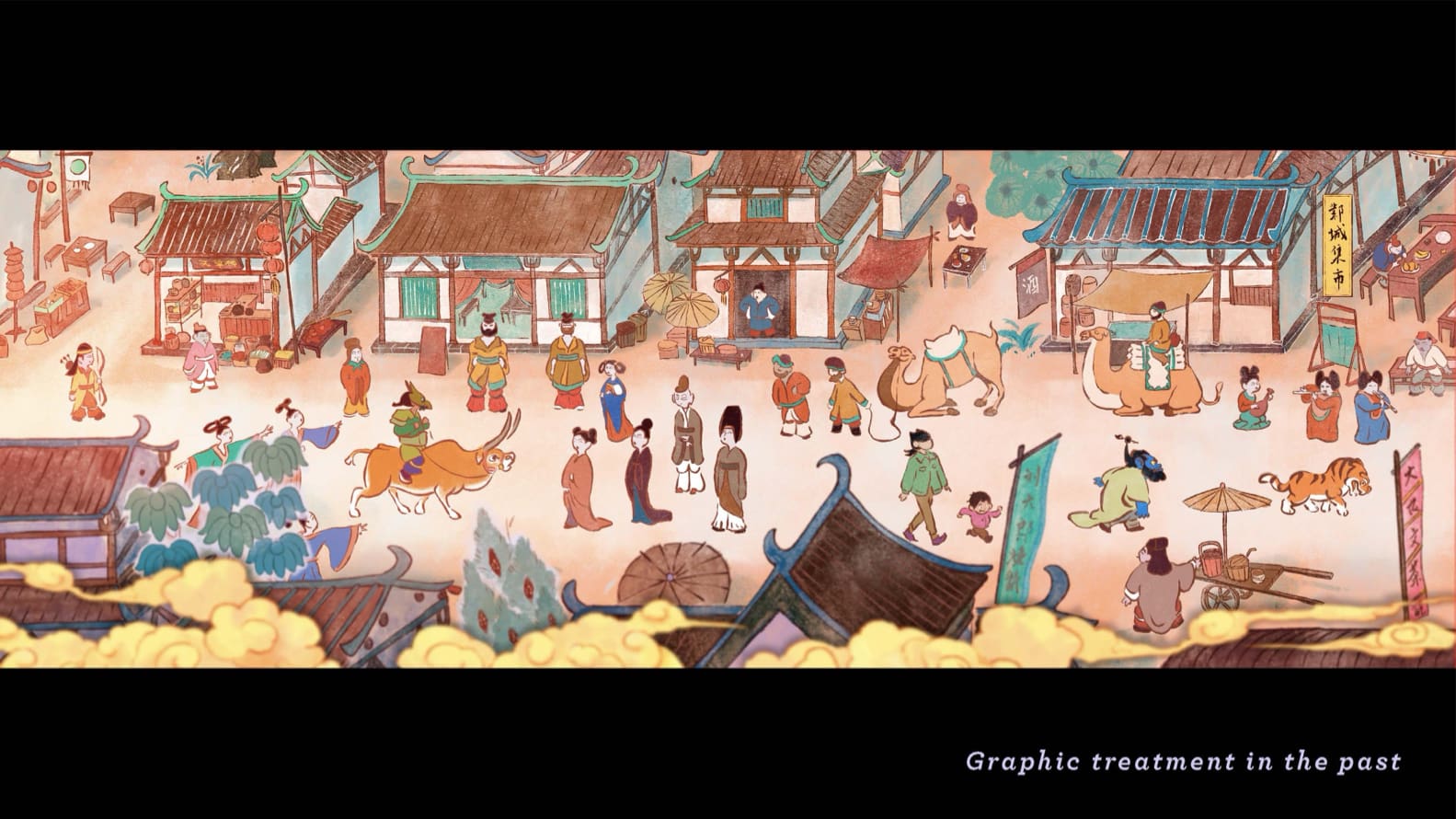
“For the line work that we chose for this film, it’s an inspiration that I’ve had for a long time, since the first Ernest & Celestine, until Primal, until The Spy Dancer for Star Wars: Visions, this sense of making a line move, and it just tells you something about the emotion of the character, which is magical for me,” he says. “I really wanted to push even further with Mu Yi. And it’s true that the style of the film is quite new for the studio, but I think that was all there in the references. The Chinese classical paintings, the frescoes from the sixth century really inspired me. So I didn’t struggle too much to find this new art direction. It mixed with the continuity of what we do at Studio La Cachette, making this line work very visible, the artistry very visible for the audience.”
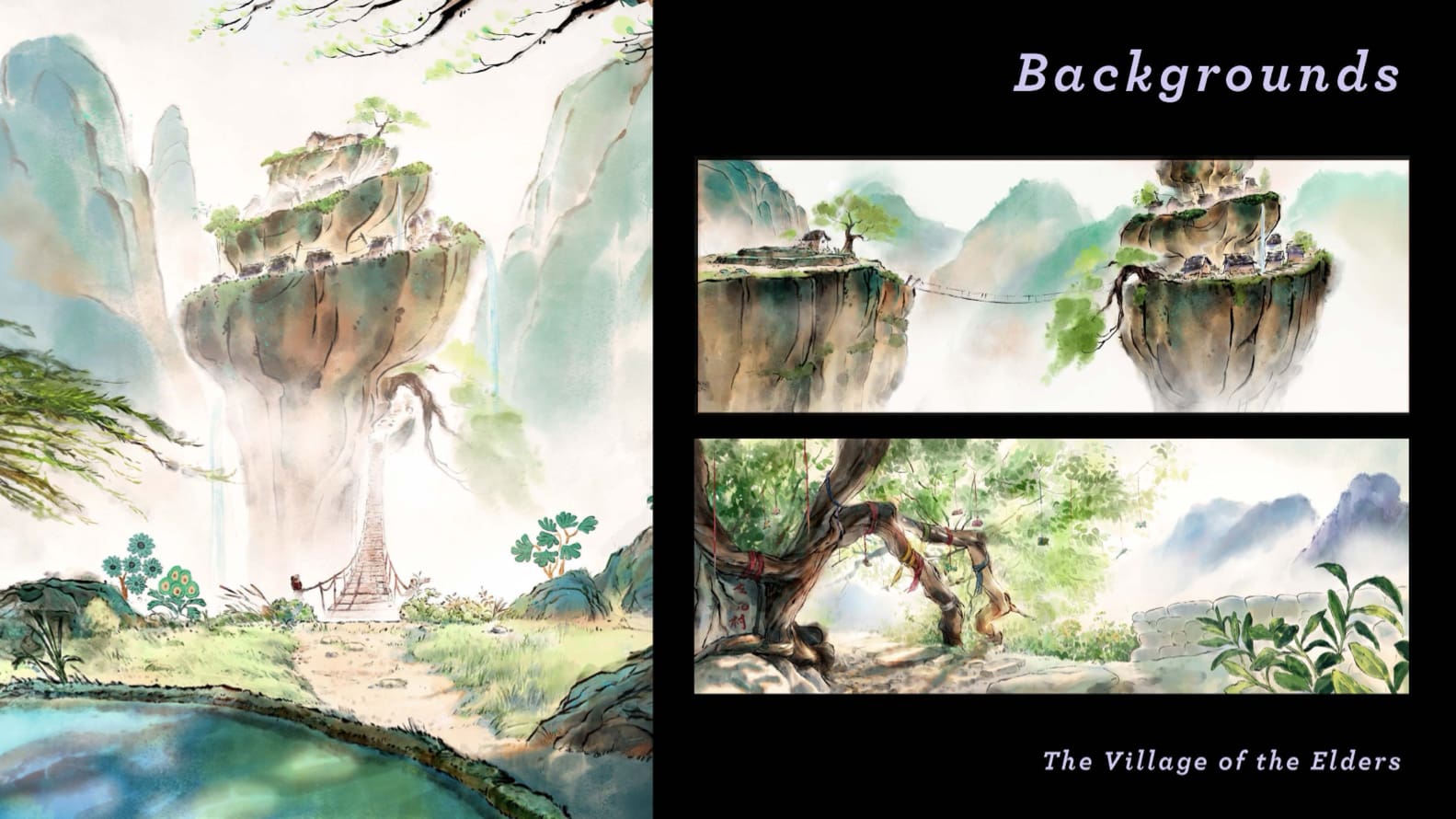
The backgrounds were a particular point of pride. Chheng mentions leaning heavily on his background supervisor [NAME] and praised the art team for their work.
“[I’m] super proud of them,” he says. “I wish at some point I can just make it an exhibition about their work: no characters in it and no cameras, just the full version of the backgrounds.”
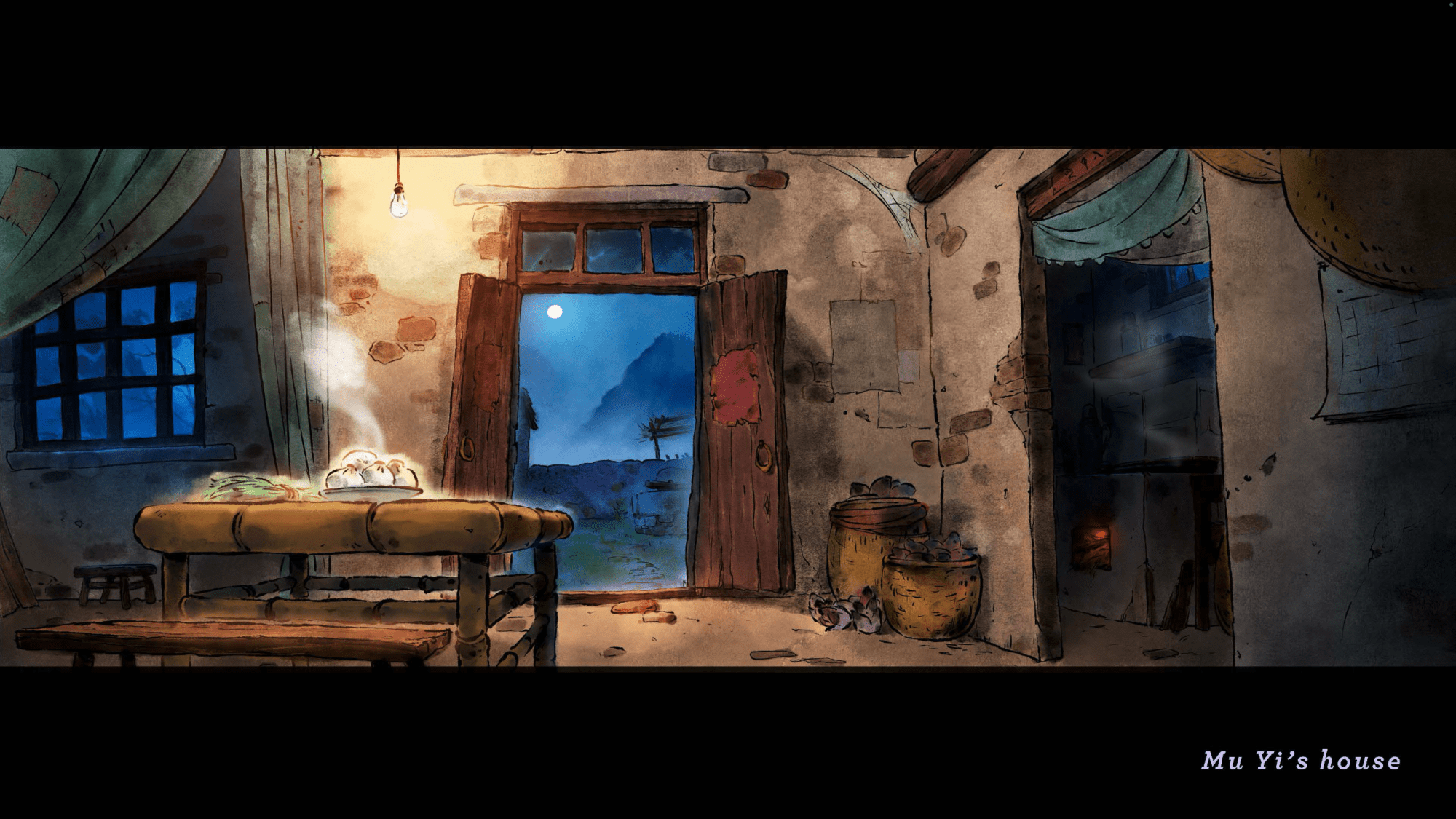
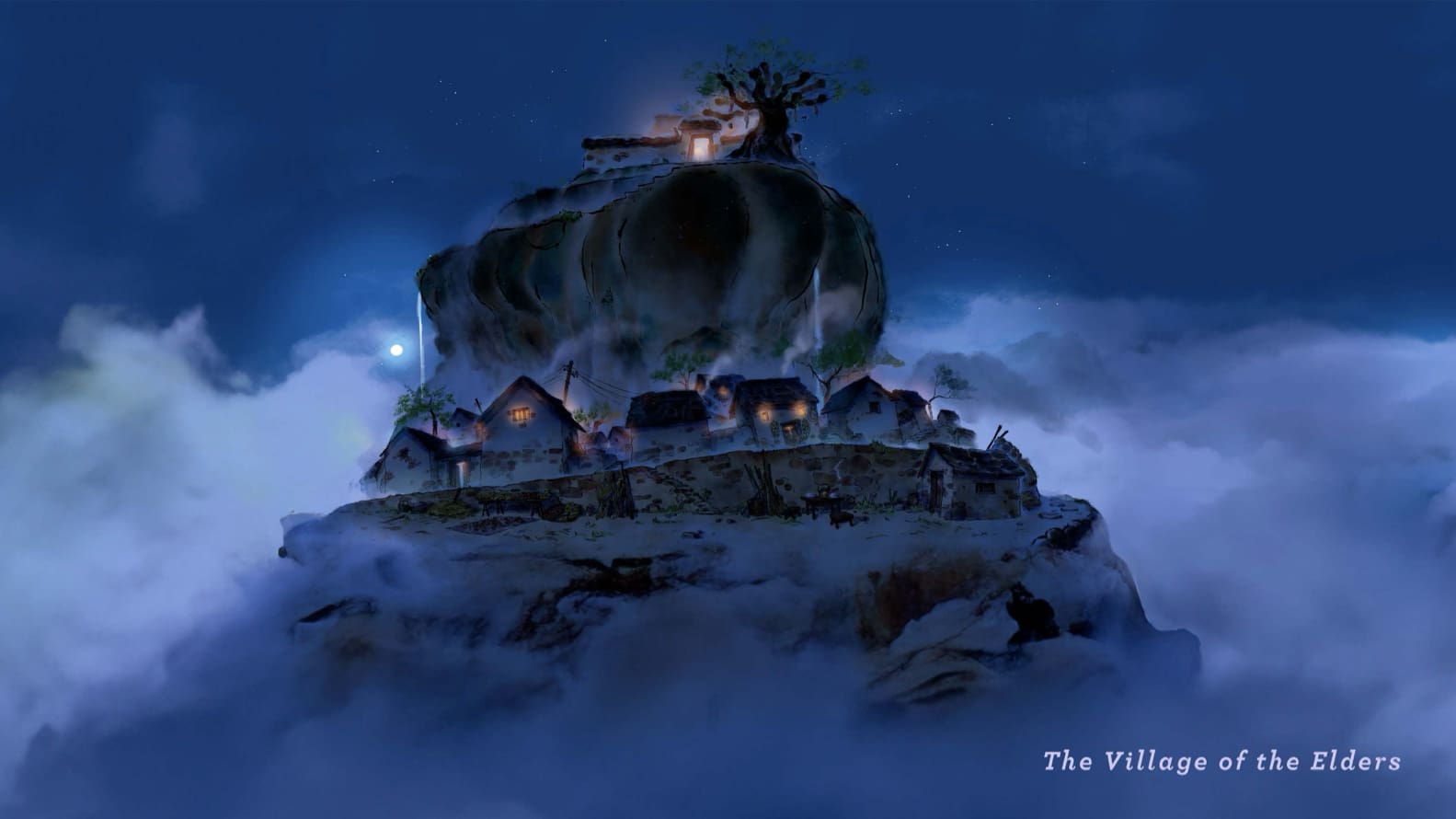
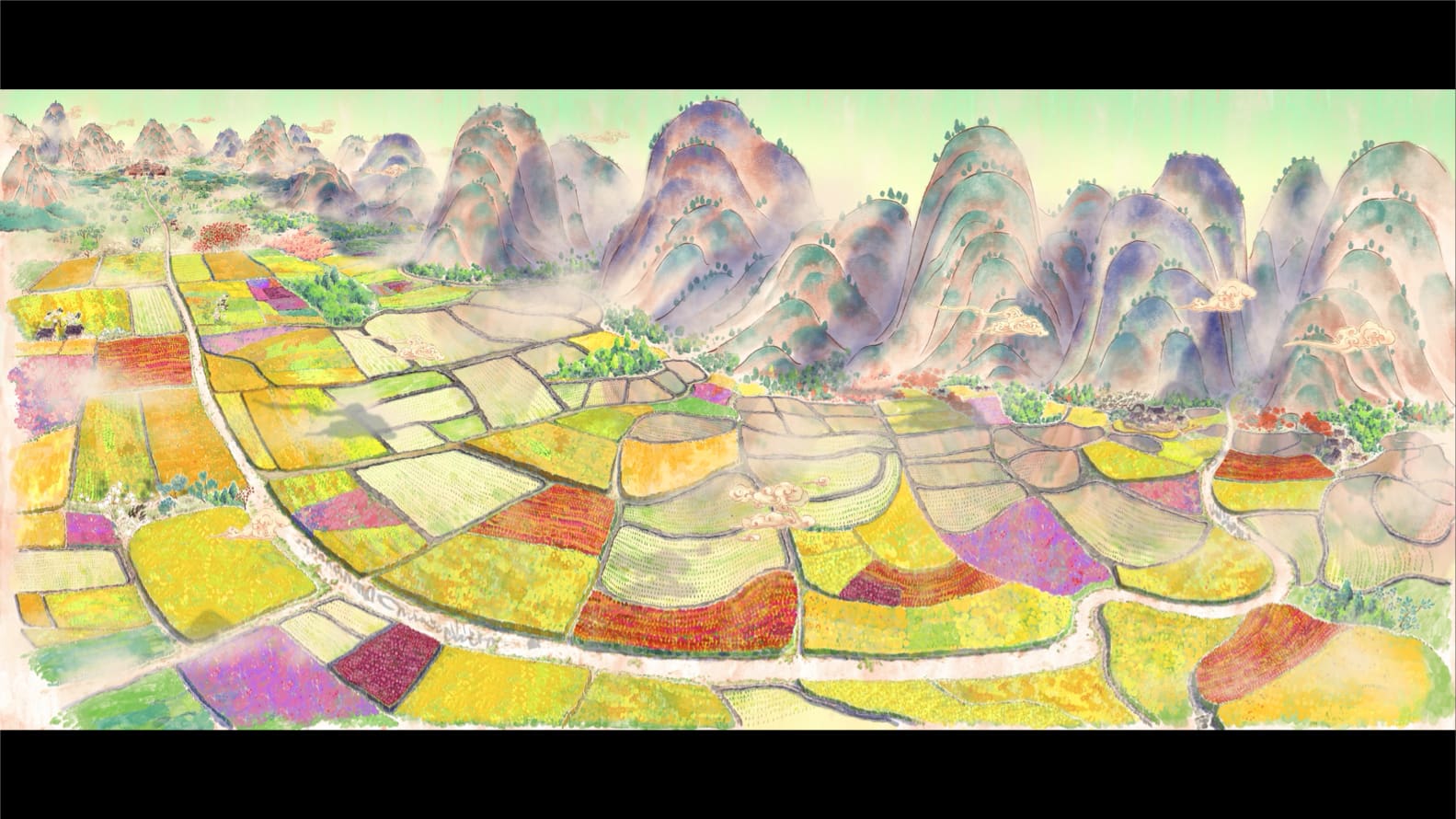
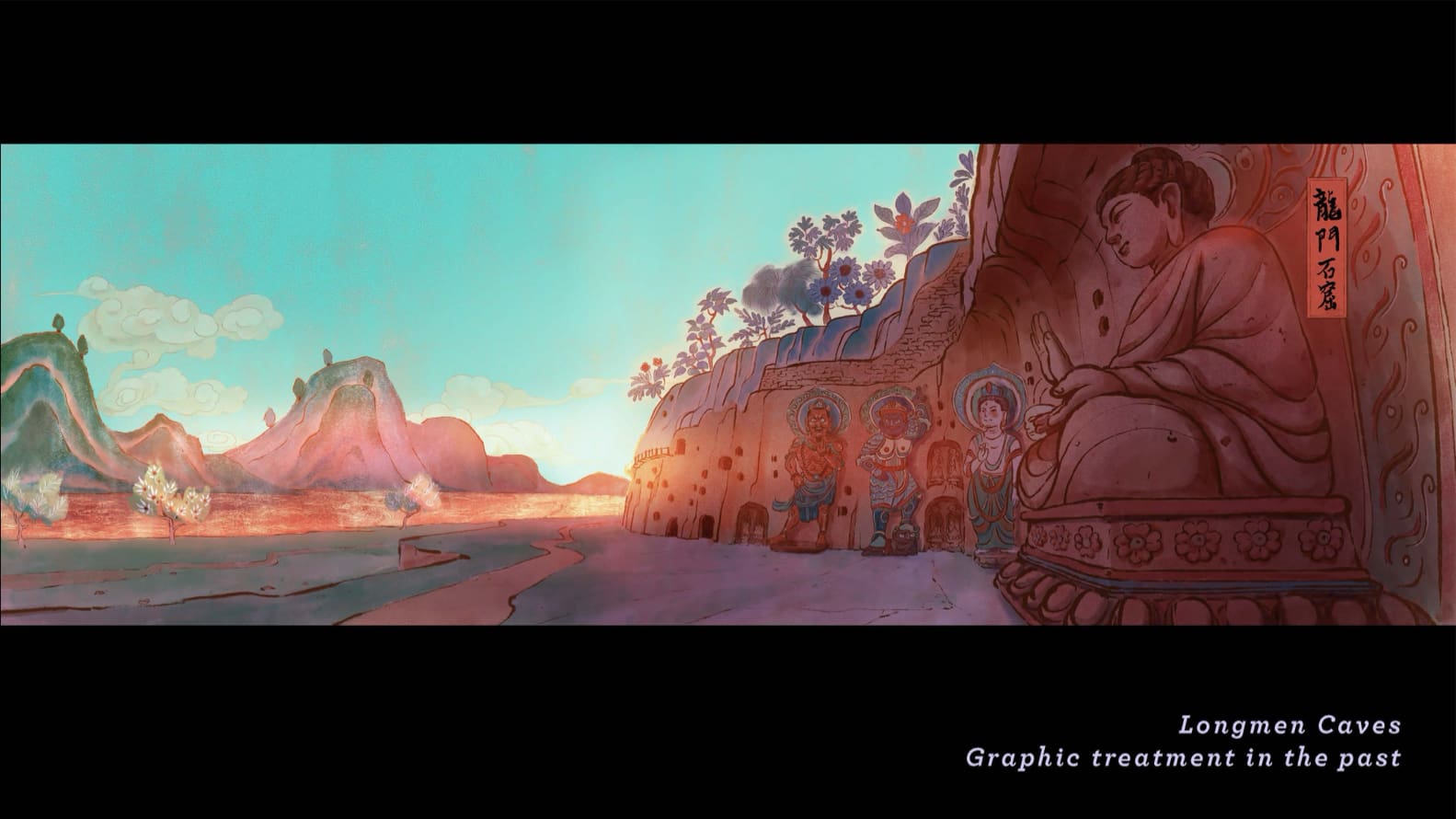
Adding to the magic is a sense of ambiguity. Chheng notes that even though the team works digitally, it was important for the film to feel handmade.
“I like to show an image where the audience can’t tell how it’s made, but it feels organic, like artistry drawn by hand,” he says. “We want to feel the artists behind every drawing, so I was okay to let the line bleed a bit more, so that there are accidents in the line work. And for the coloring of the characters, it’s the same idea. I wanted to give a sense of the atmosphere and the lighting of the scene, but not to be perfect for the sake of being perfect.”
This isn’t to say that Mu Yi drifts toward an average Studio La Cachette look. Its approach to color and line work is still incredibly distinctive from something like Primal.
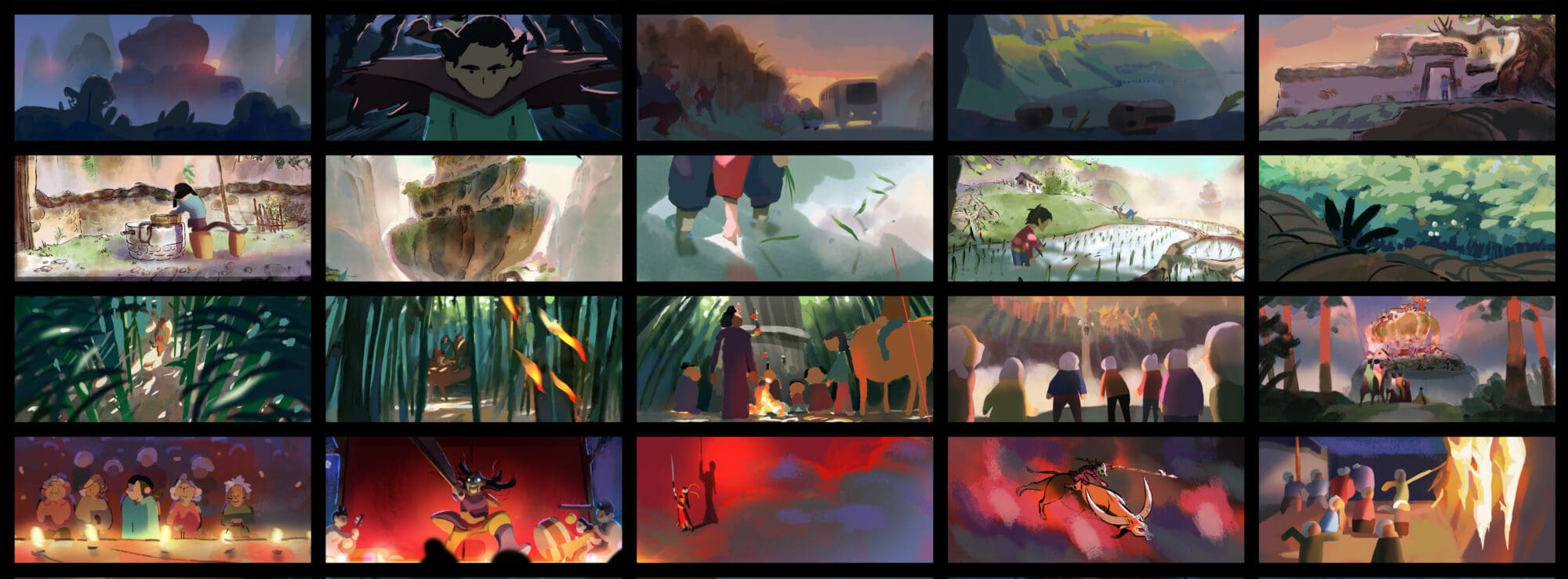
There was a learning curve, as Chheng describes it.
“This film was technically the most challenging one because it required us to be super accurate in terms of acting, because there’s a lot of dialogue and feelings that we needed to convey in exactly the right place in terms of animation,” he says. “The team was super good, but there was still a learning curve because it’s very different from Primal, which is raw action, strong poses, and silhouettes, whereas [in Mu Yi] there’s a lot more subtlety in the acting. So it’s a blend of what we did on Ernest & Celestine for the subtlety and the action of Primal or The Spy Dancer.”
The production needed to be as efficient as possible, and it seems that was accomplished. Chheng says production took place over around a year.
“I was involved in a lot of aspects of the film because the budget is quite low,” Chheng explains. “It’s a very indie film, so I needed to animate. I storyboarded the film myself for a year and a half, then started layouts with two people helping me, and then animated on the film, and so on. So we started in February last year, and we just delivered the final images a few weeks ago, so it was quite fast. But the team, we know each other very well, so it was efficient.”
Looking at the film itself, one might expect a longer timeline.
“I’m quite shocked myself, to be honest,” Chheng admits, “because the budget [was] only just above three million euros. So it’s a very indie film, and we don’t have that much. We don’t have co-producers all around Europe. We did it all internally, in-house, within the studio in Paris, Studio La Cachette, and [co-producers] Duetto, which is another company founded in the south of France. So everything was organic, and it was really fast-paced.”
He adds: “The process of development was long, though. It took me a long time to develop and design all the characters, a few years.”
Chheng describes his hands-on role in filmmaking in a little more detail.
“I storyboarded the film over a year and a half all by myself, so my drawings were like rough animation. But sometimes I very quickly made drawings which are… not so enjoyable to watch, and so I was really challenged to convey this to the team. That’s why I did a lot of layouts myself, so the main poses of each scene, so that from the very rough storyboards you have a proper drawing in pose, which is the final line and design that I want to see. The two together can convey the real sense of where I’m going with the scene to the team.”
Even so, Chheng says they were always challenged by time.
“Animation was starting, so I was always preparing the scenes while they were about to be started in animation, so there was extra pressure. And it was challenging in terms of technique, like hooking up all the movements in some action scenes.”
One scene toward the end of the film presented a particular challenge.
“[It’s a] continuous shot over three or four minutes within a battle, with a lot of characters fighting, and we follow Mu Yi riding on the buffalo through this fighting, getting separated from her friend and then reuniting within the fight,” Chheng says. “One idea from our comp team was to implement CG within the scene for the background, so that the background movement feels connected and realistic, but that process was really new for us at La Cachette, so we experimented a lot around it.”
He adds: “It was so hard to achieve because we’re not used to being driven by the machine, so I was really nervous. At one point I was like, ‘We should have done it in full 2D. That would have taken the same time in the end.’ But it was great to experiment and to challenge ourselves in this regard.”