.png)
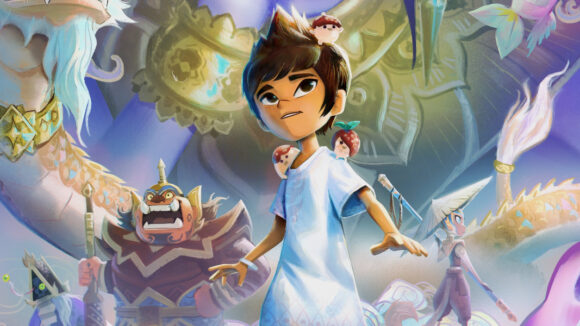
‘This Film Has Another Chance’: Matt Braly’s Sony-Scrapped ‘Afterworld’ Revived By Thailand’s The Monk Studio
Stay informed with free updates
Sign up to get our news digest — delivered directly to your inbox twice a week.
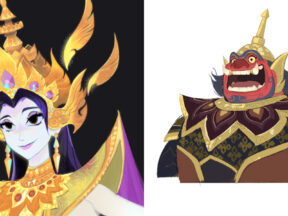
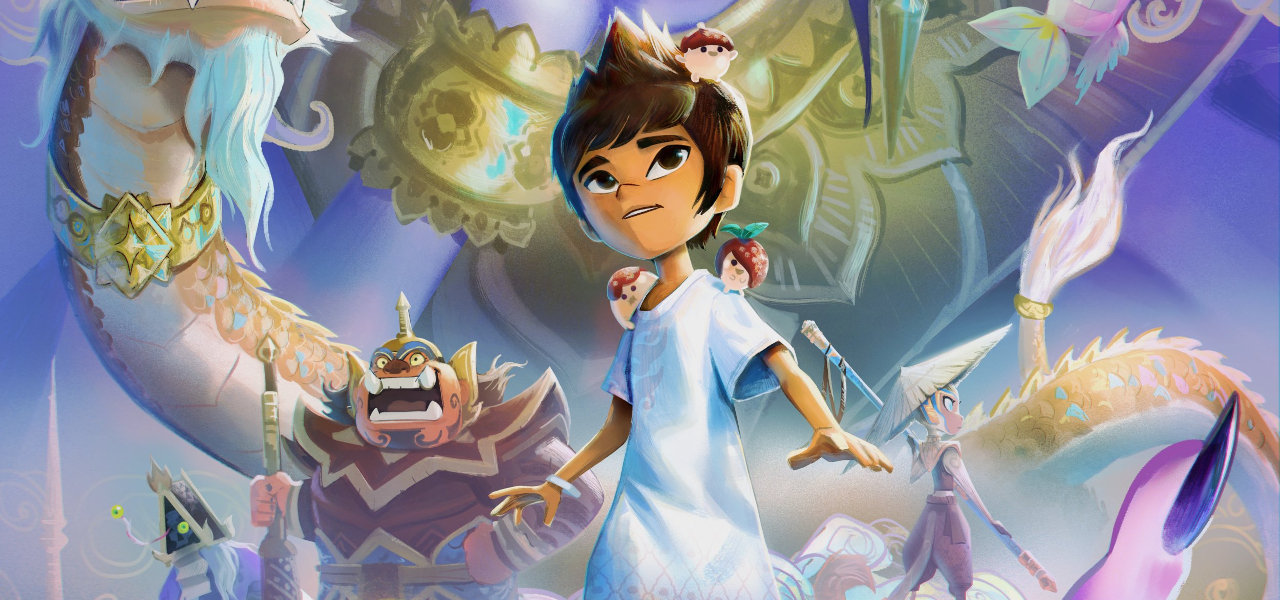
When Sony Pictures Animation (SPA) scrapped Matt Braly’s deeply personal feature project, the response from industry colleagues and animation fans was immediate and intense. Concept art posted by Braly spread like wildfire across social media, and fans began churning out their own interpretations of characters from a movie that technically no longer existed. Supporters rallied around the project with the kind of energy usually reserved for a beloved canceled TV series, not something that had mostly been kept behind NDAs for three years of development.
Now, against considerable odds, the film has another chance.
HERE WE GO – I am very proud to announce that an animation studio based in Thailand has acquired the rights to my movie. They are called “The MONK Studios”, are based in Bangkok, and are passionately pursuing a way to make this discarded film a reality. pic.twitter.com/dVWsiRAvSM
— Matt Braly (@Radrappy) May 13, 2026
This week, Braly announced that Bangkok-based The Monk Studios has acquired the rights to the project, now officially titled Afterworld: กลับบ้าน. The Thai subtitle translates roughly to “return home,” a phrase that carries both narrative and meta meanings for the once-dead production.
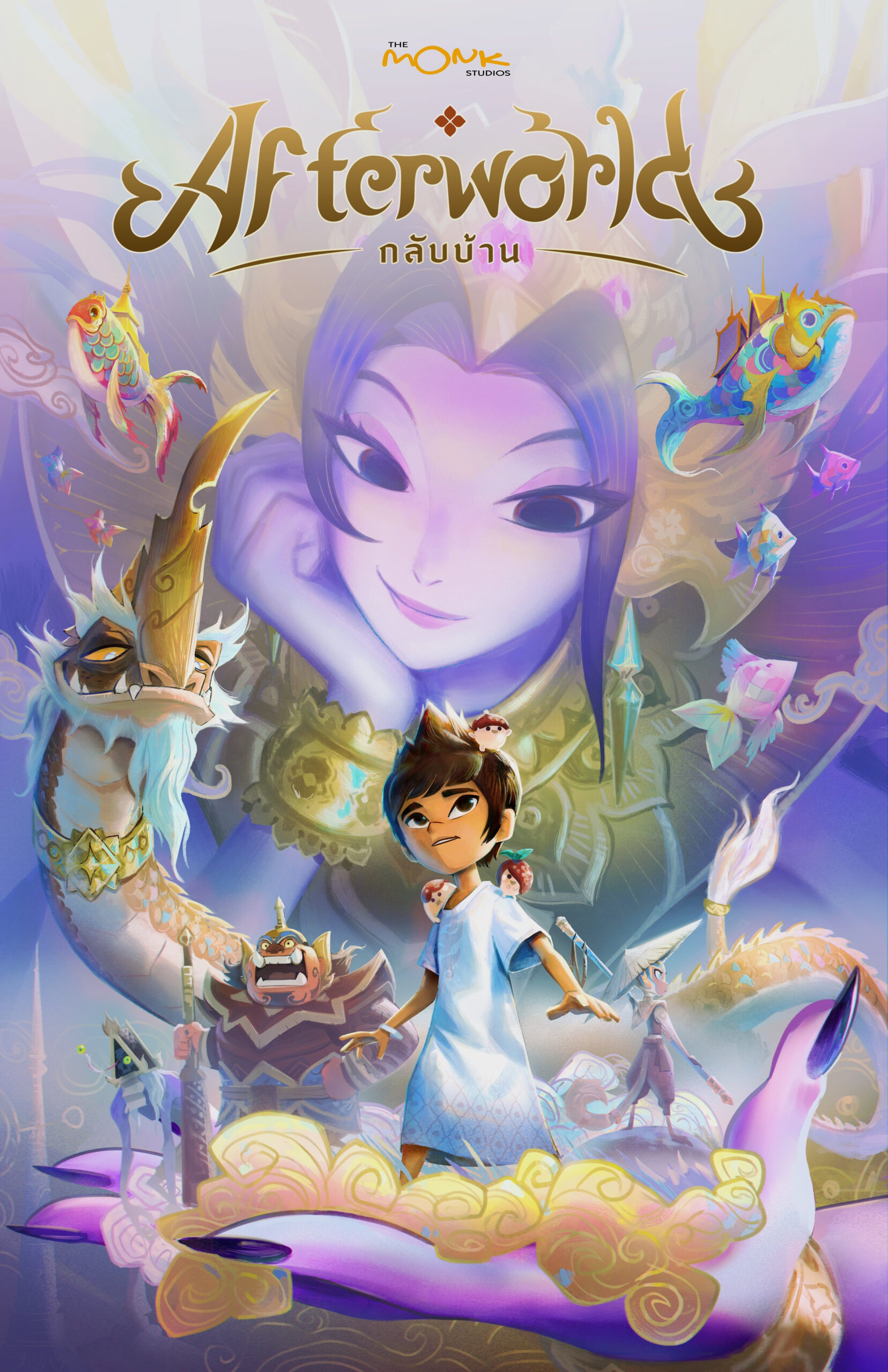
The project is not greenlit at the Thai studio and does not yet have financing in place. Monk will head to this year’s Annecy Festival, particularly its MIFA market, to search for production partners and investors. But for a film that seemed destined to disappear into the ever-growing graveyard of abandoned studio features, the announcement represents a remarkable second act.
Speaking with Cartoon Brew this afternoon, Braly described the situation as both exciting and surreal.
“It’s like if Mexico bought Coco,” he said. “This is a Western film that was telling a culturally infused story, but the country that it’s about is actually reclaiming it, which is really wonderful. It makes me feel things,” he added, unable to keep the smile off his face.
The comparison gets at the unusual nature of this deal, the kind of deal that would have felt impossible just a few years ago, when canceled projects barely received any media coverage and dead projects stayed dead. Hollywood productions have always drawn from cultures outside the U.S., often with artists and consultants from those regions contributing behind the scenes and artist field trips for the crews. What almost never happens is a project migrating fully into the hands of a studio from the culture that inspired it.
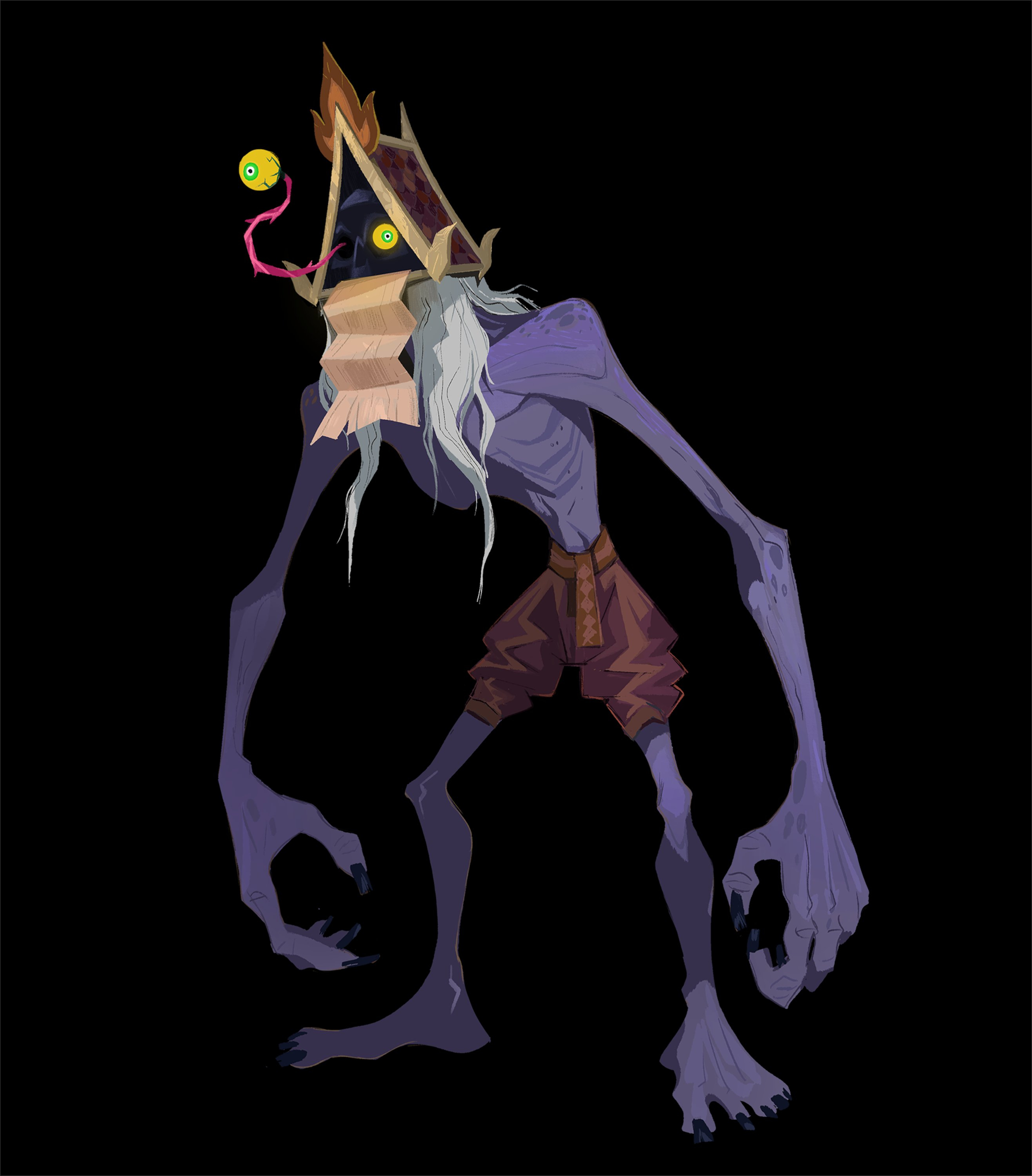

For Monk, the acquisition also represents a major leap forward. The Thai studio has spent years working primarily as a service and support house on international productions, including Wish Dragon, The Tiger’s Apprentice, and Ne Zha 2, the highest-grossing animated film of all time. Audiences have already seen their work, even if they may not realize it.
“Movies are global efforts, but nobody knows,” Braly said. “People were saying, ‘No, Ne Zha was a Chinese movie,’ and I’m like, dude, these things are huge undertakings.”
That reality has become increasingly common across larger-scale animation production. Studios throughout Southeast Asia have quietly become essential parts of the global pipeline while receiving comparatively little visibility for their original work, at least outside their own territories.
That said, moving from support work to an original feature film, initially developed at a major global studio, is a massive challenge. Braly admits that both he and the team at Monk are “very excited and also very nervous about” attempting an independently produced feature.
The financial realities are also starkly different from the version once housed at SPA. Without going into too much detail, Braly freely admitted that the version that Monk makes, if it gets made, will cost far less and look very different than the one that was planned at Sony.
However, he insists that doesn’t mean the film can’t be just as good, or, ideally, even better than what might have been at Sony. He says Afterworld needs to embrace a different visual philosophy entirely, one closer to the stylized approaches seen in films like Flow, Robot Dreams, and Look Back.
“We need to find what Cartoon Saloon did for 2D, and do that for 3D,” Braly said. “We need to be thinking more about imagery than huge spaces, camera moves, crazy effects, and particles. We need to try ways to make it look beautiful without spending all that money,” he insisted.
One thing he’s sure he doesn’t want to try is to make something that imitates the look and language of a Hollywood-level CG feature.
“I look at a lot of these films from Europe and Asia that are trying to be Illumination films, and it just doesn’t work,” he said. “Once you start making the same jokes and hitting all the familiar beats, they all start to look and sound the same.”
If financing comes together, Monk has promised to bring Braly back to direct the feature himself. That commitment is key, he argues, because Afterworld remains deeply tied to his own life experiences and health history.
“This project is intrinsically tied to me,” Braly said. “It’s my personal story about my medical history and my culture.”
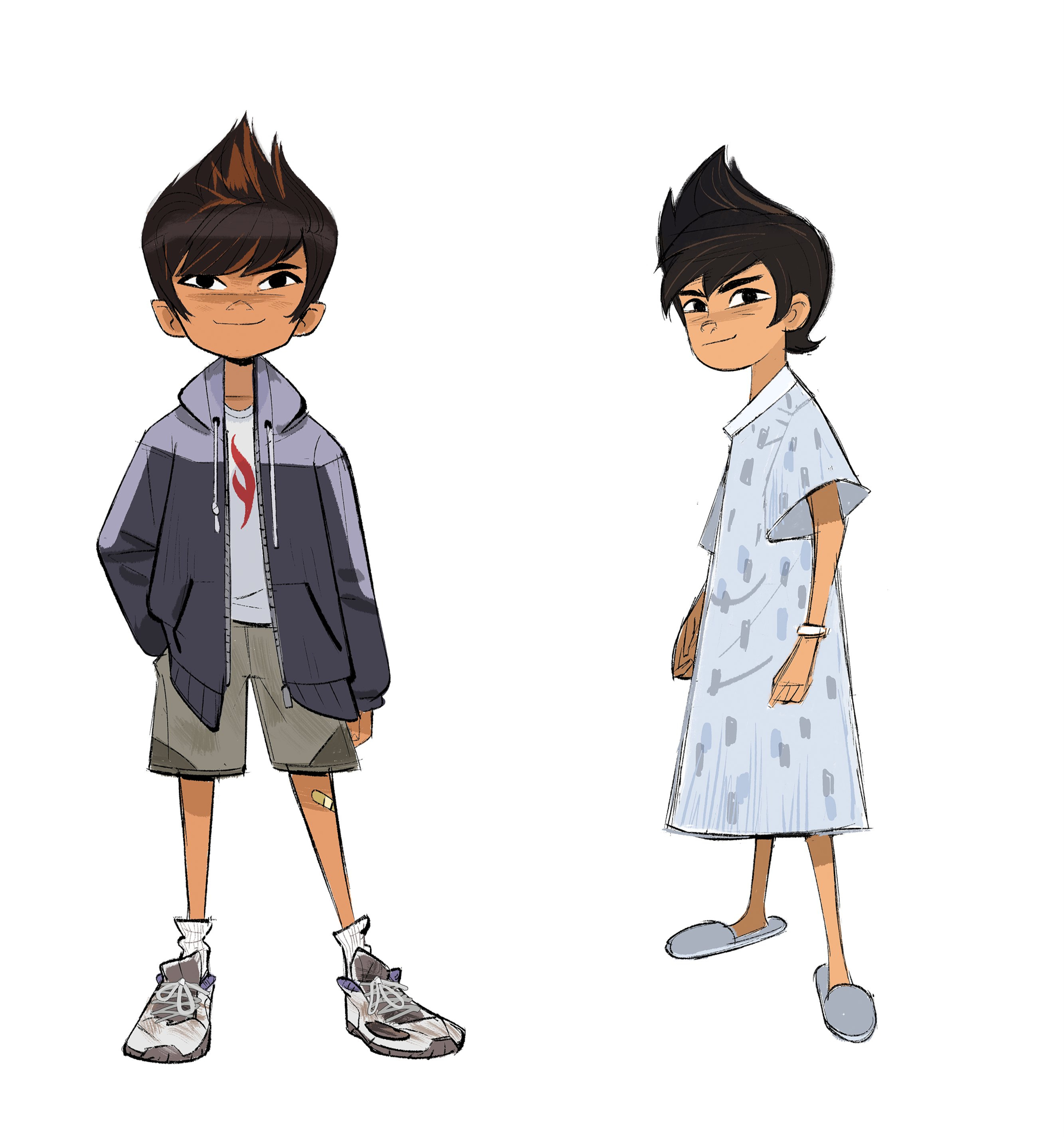
The screenplay also famously drew significant input from Steven Universe creator Rebecca Sugar, who co-wrote the script with Braly during the project’s original development.
“They co-wrote the script. Rebecca’s auteuristic vision will absolutely be in the DNA of the project,” he assured, reinforcing a desire to keep Afterworld the same film he spent years developing at its most fundamental levels.
An undeniable and hugely contemporary aspect of the project’s survival has been the role fandom played in keeping it visible. Before the film had a title or had unveiled more than a logline, audiences had already latched onto its concept art and characters. Braly said that fan enthusiasm is already influencing creative decisions.
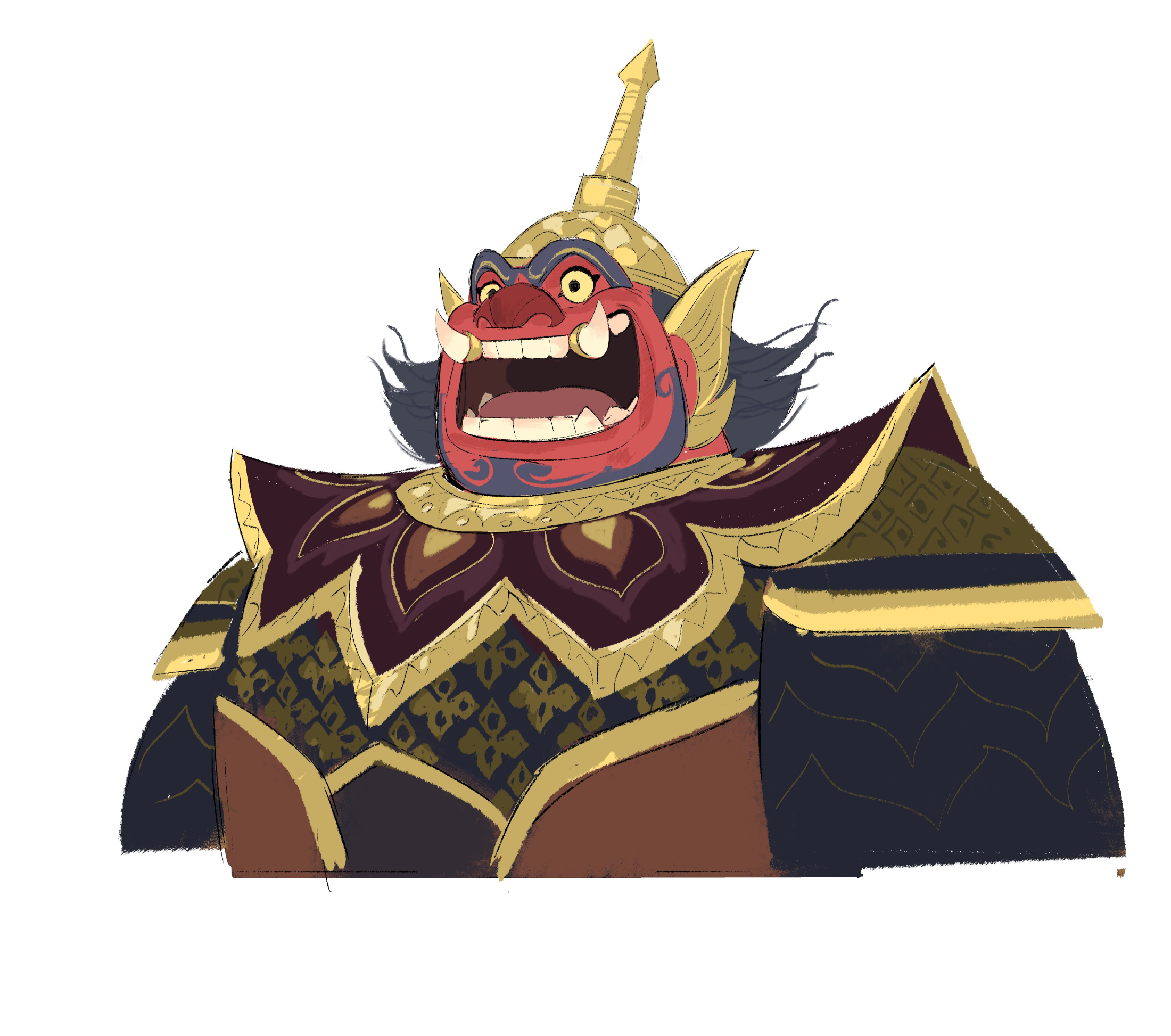
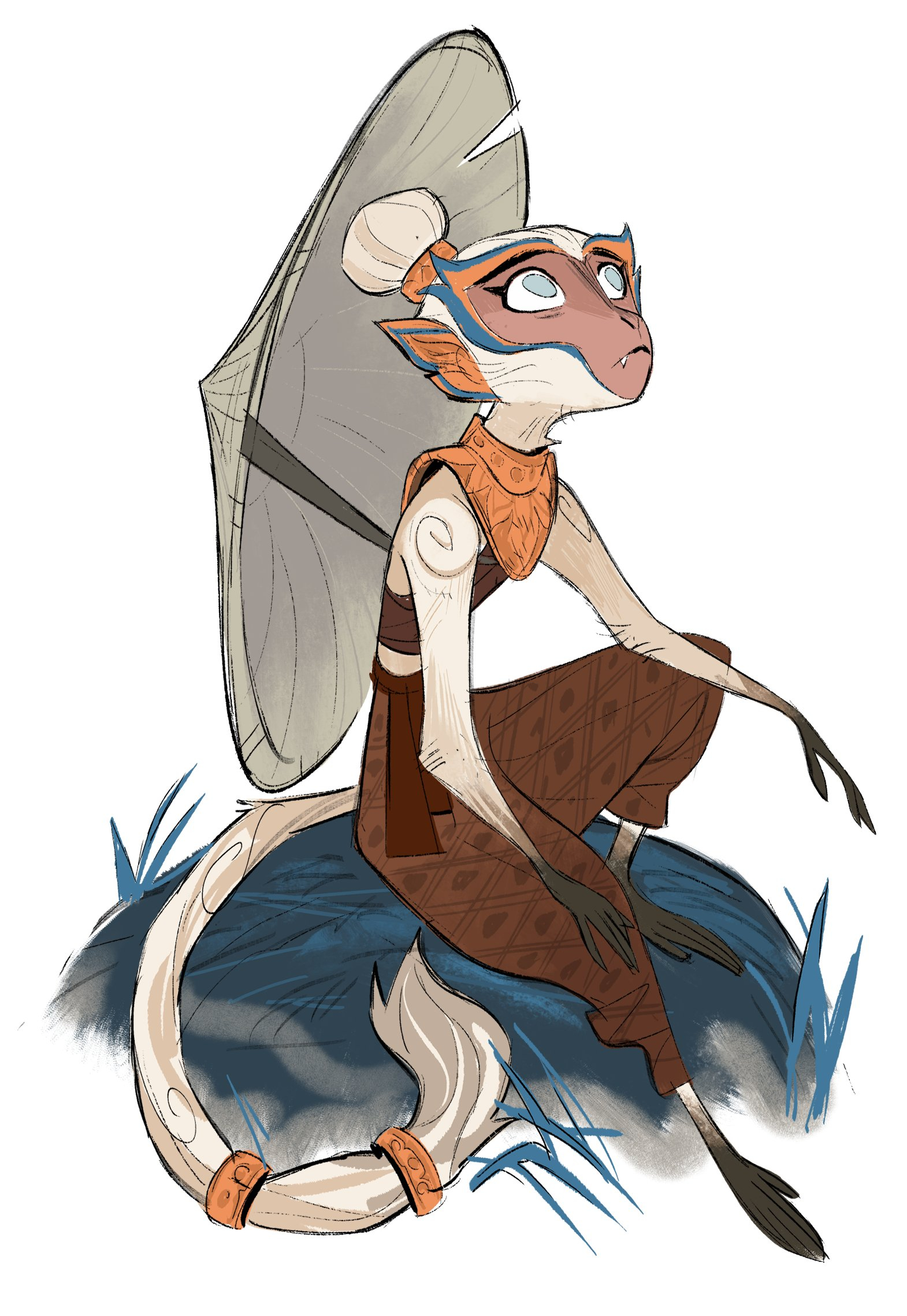
“There was so much fan art and so much affection for this character,” he said, referring to a multi-armed goddess figure featured prominently in early artwork. “When the Monk team was like, ‘Should we adjust her design?’ everyone was sort of like, ‘No!’”
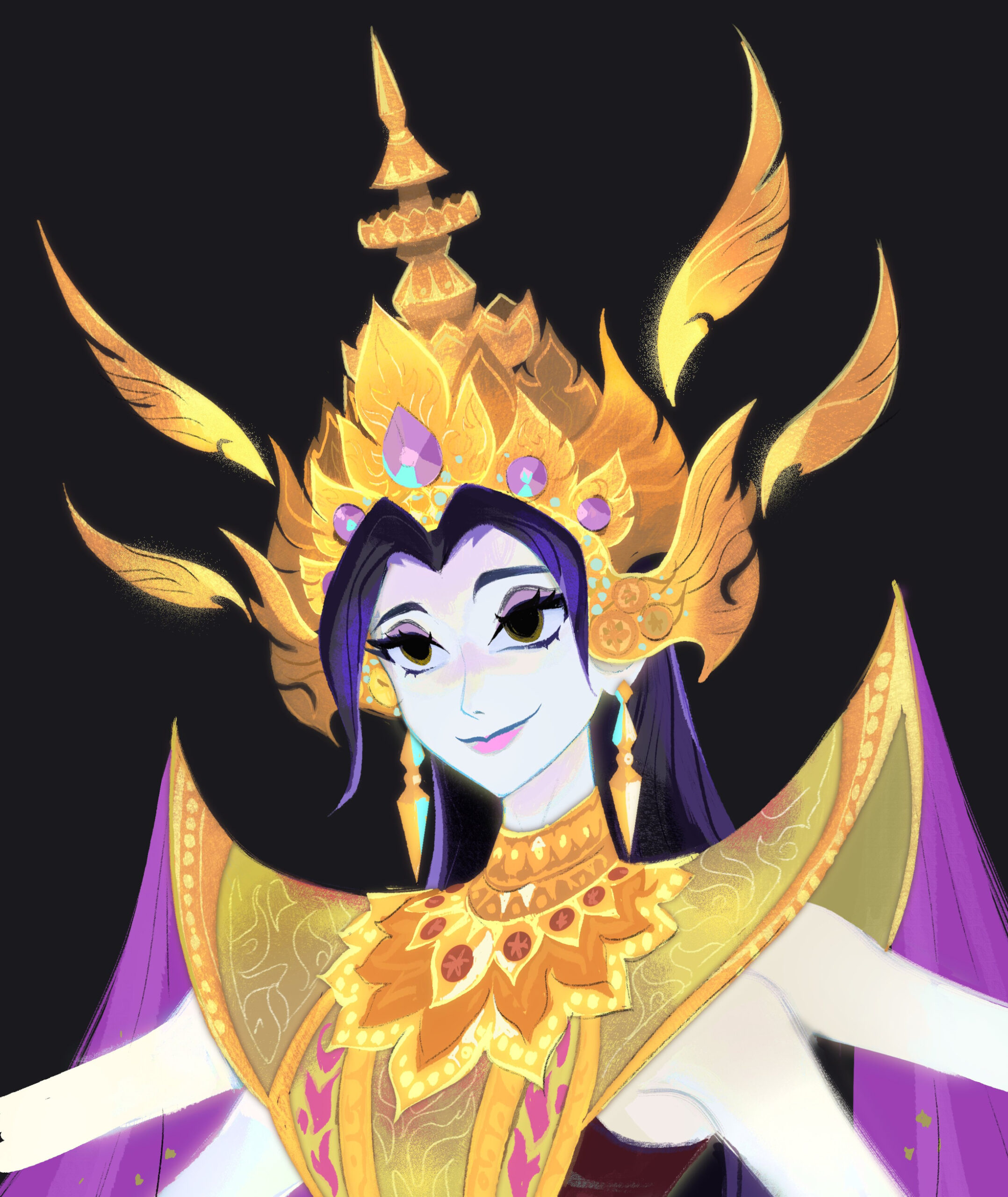
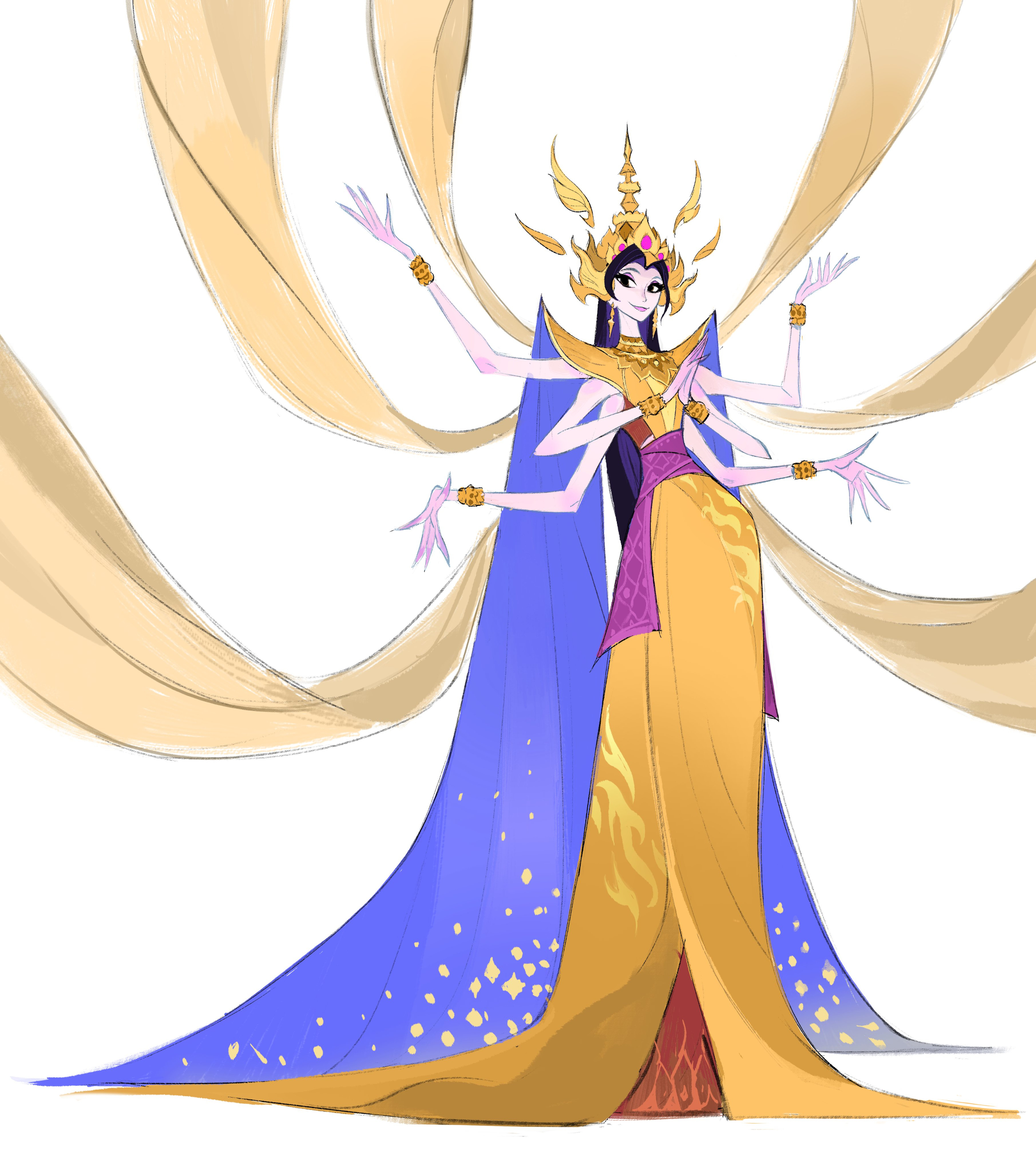
“I’ve never seen that for an animated film that was in development,” he continued. “Where you put out artwork of the characters, people have a strong positive reaction to them, and now we’re still in development, and everyone’s like, ‘Maybe don’t touch them.’”
Monk plans to lean heavily into the project’s community engagement. The studio is launching production diary accounts under the handle @afterworlddiary, where it intends to share concept art, character designs, models, and behind-the-scenes development material as the film evolves.
Braly compared the approach to “watching the house get built.” From here, it seems akin to the way that indie filmmakers have been building their audiences for years, something the big studios still haven’t entirely figured out how to emulate.
During our talk, Braly acknowledged that operating outside the traditional studio system comes with significant uncertainty and that there are definitely nerves that come with the kind of risk he and Monk are taking here. Their plan is largely unprecedented, and there aren’t like-for-like examples that they can lean on for guidance. The creator and studio will need to carve out a unique path through production if this is going to work. But there is no question that the desire to do so is there, and mutual between the parties.
One of the largest concerns fans have expressed since the announcement was made involves AI. Several fans and industry pros in Thailand have pointed out that Monk has openly embraced AI use on some of its projects. In his public announcement, Braly emphasized that the studio has assured him that no generative AI will be used on Afterworld, and that if it is, he will walk.
“There is a strong temptation for some of these scrappier studios to experiment with AI,” Braly said. “It’s an unavoidable siren call to studios that are looking to save a little coin.”
While he understands the temptation technology poses to smaller outfits, he also believes the short-term gains offered by AI represent a deal with the devil that will always have severe long-term ramifications for those who bend to its whims.
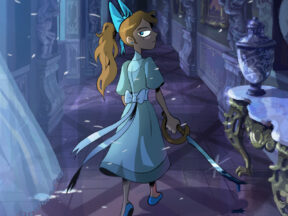
While Afterworld represents something potentially huge for Braly’s future, in the here and now, his primary focus remains the crowdfunded fantasy feature Clara and the Below, which is targeting a Christmas release. He repeatedly stressed during the interview that Afterworld remains in an extremely early phase and that the current announcement is primarily intended to help Monk gain momentum heading into Annecy and its meetings with possible partners.
“I’m smashing the wine bottle on their barge so they can sail off to MIFA and hopefully do well,” he laughed.
Whether the film ultimately secures financing remains an open question. The independent animation market remains volatile, especially for ambitious original features without franchise backing. But the fact that Afterworld survived at all already feels unusual in an industry where canceled projects typically vanish forever. And, at the very least, Monk’s production diaries will give eager fans a look at something that, at any other point in the industry’s history, would likely never have seen the light of day.
Braly seems aware of how improbable the situation is.
“The big takeaway,” he said, “is that this film has another chance.”