.png)
‘Mobile Suit Gundam Hathaway’ Director Shūkō Murase On Why The Sequel’s Hybrid Animation Upgrade Took Five Years (EXCLUSIVE)
Stay informed with free updates
Sign up to get our news digest — delivered directly to your inbox twice a week.
On January 30 in Japan, Mobile Suit Gundam Hathaway: The Sorcery of Nymph Circe, the much-anticipated second chapter of Bandai Namco Filmworks’ Mobile Suit Gundam feature trilogy from its Sunrise animation studio, was released to both critical and box office acclaim.
The second part of the planned Gundam trilogy set in the Universal Century timeline, the film sees protagonist Hathaway Noa (Kensho Ono) return a little older and even more conflicted as he leads the MAFTY resistance movement against the corrupt Earth Federation. His next operation is a massive attack on the Federation’s Adelaide Conference, but waiting for him is Kenneth Sleg of the Earth Federation Forces. Both sides will deploy their latest and greatest Mobile Suits in battle, with Sleg ready to wipe out MAFTY for good.
Returning is director Shūkō Murase, who has worked with Sunrise Animation Studios in Japan since the late ’80s. A legendary animation director and character designer for many Gundam titles, as well as 2000’s Final Fantasy IX, Murase-san moved into anime directing in 2002 with his original series Witch Hunter Robin. His first feature film was 2017’s Genocidal Organ.
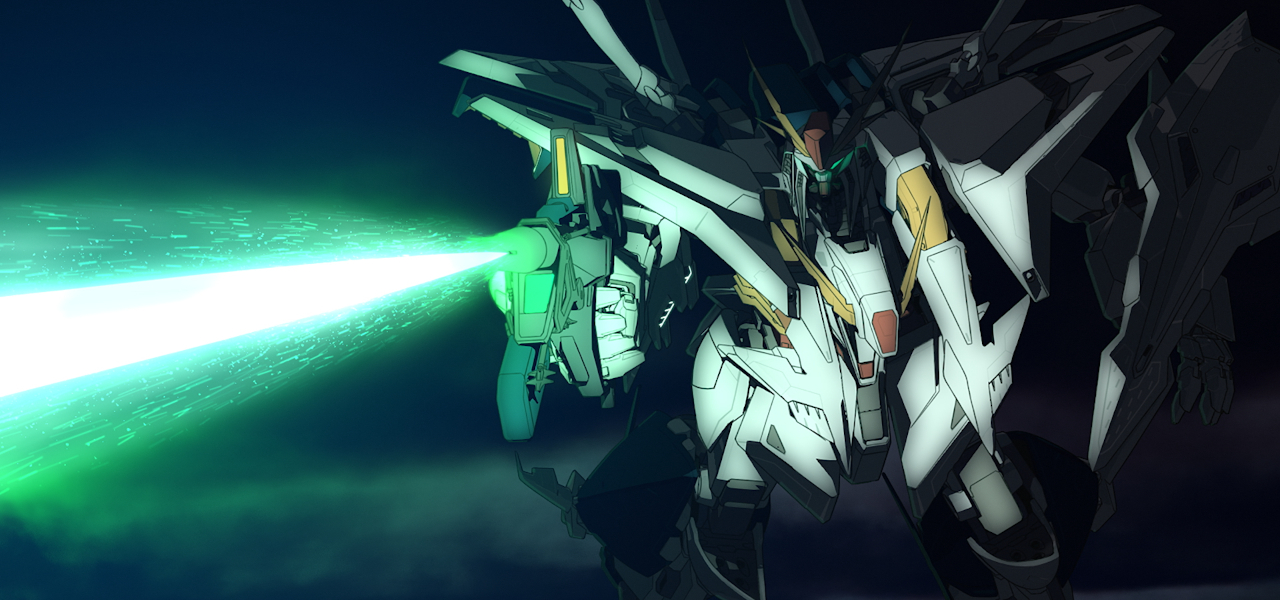
Taking five years to make, Mobile Suit Gundam Hathaway: The Sorcery of Nymph Circe is an even more ambitious hybrid animated film, integrating 2D and 3D animation into every frame. The film also raises the bar with its highly detailed Gundam suits and intricate HUD interfaces. Cartoon Brew recently had the opportunity to speak with Murase-san, alongside translator Rei Takeda, about his animation ambitions for Mobile Suit Gundam Hathaway: The Sorcery of Nymph Circe, which opens in U.S. theaters on May 15, 2026.
Cartoon Brew: As you started development on this second chapter of the trilogy, did you discuss with art director Kin’ichi Ôkubo and cinematographer Kentarô Waki anything you specifically wanted to change or advance in the look of the film?
Shūkō Murase: In the production process, we brought in CG at an early stage to work on the lighting, and that was something I decided on. I wanted to implement lighting that was a little more realistic than in the first film, and that was the image I had in mind. The challenge was how to reflect that in the art style.
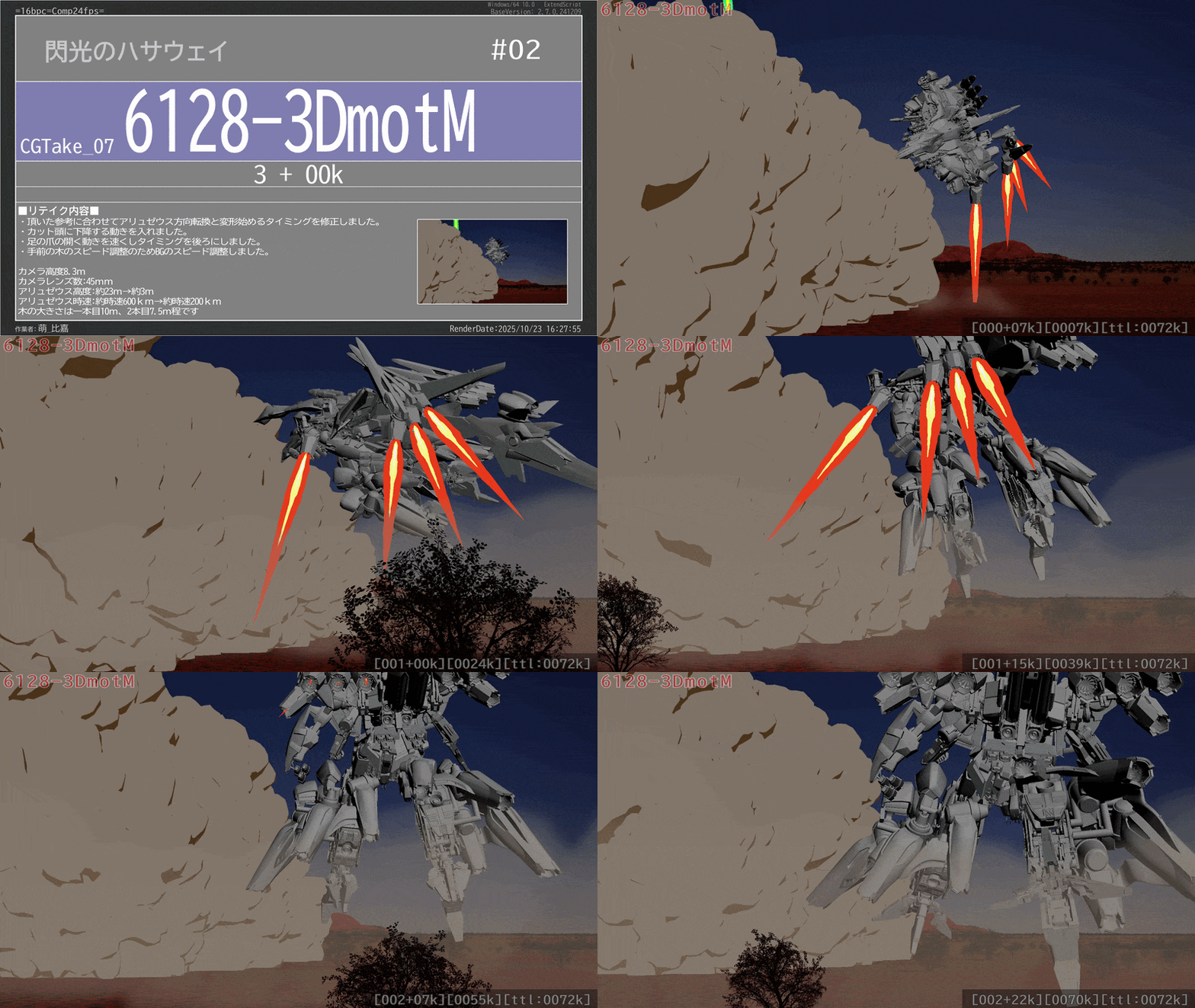
Usually, the source of light, where the light is coming from, is very vague. Each division of production creates what they’re responsible for, and then we put it all together at the end. But if we specify where the light is coming from, all of those sections have to keep that in mind, and it becomes a very complicated process. Implementing CG made that more possible.
I don’t know if it’s an evolution from the first movie, but it was definitely something new that we wanted to try. I think the lighting, art, and cinematography were very challenging. But everyone in the art department and on staff, including Ôkubo-san, worked really hard to achieve something that wasn’t outdone by the CG.
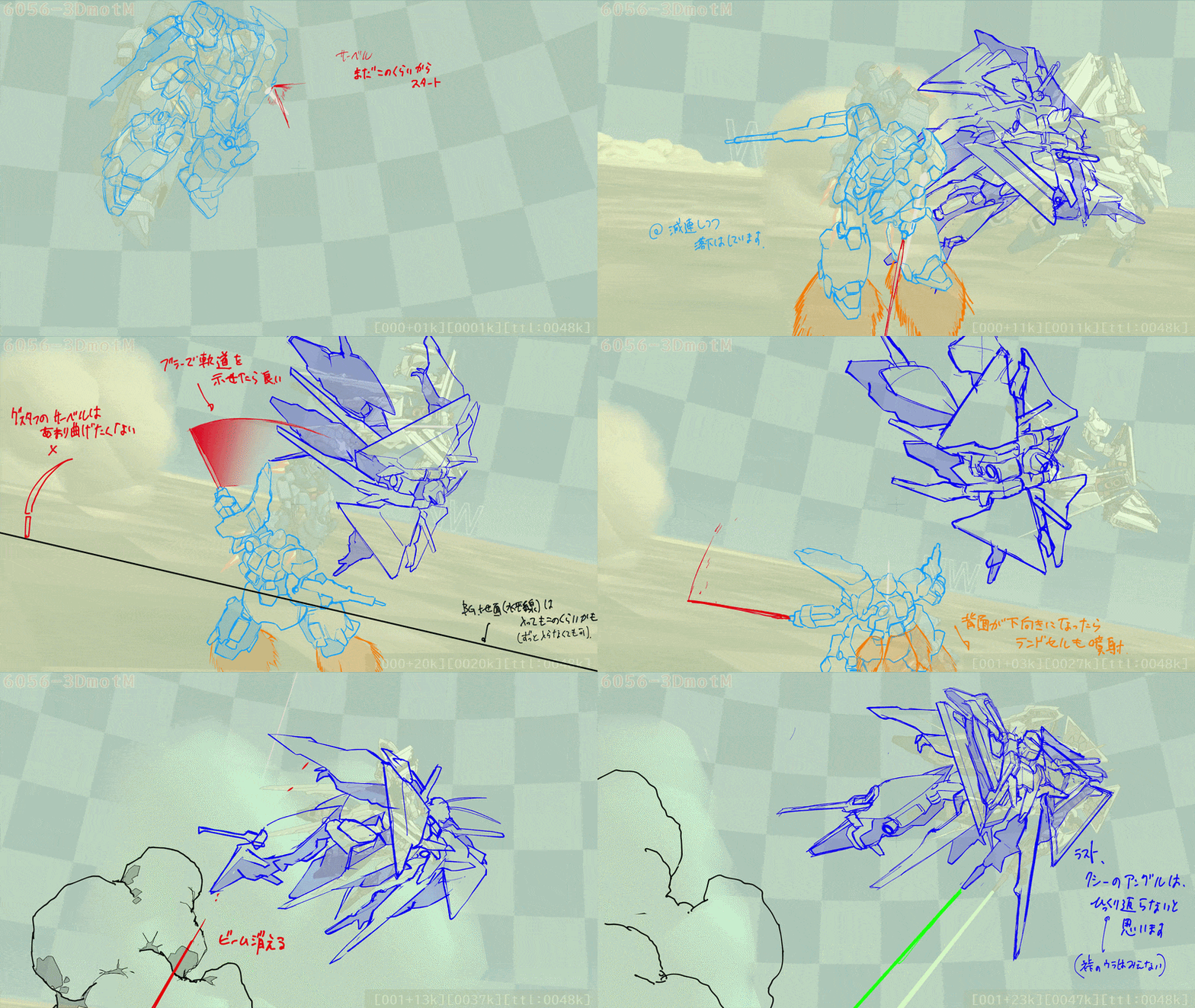
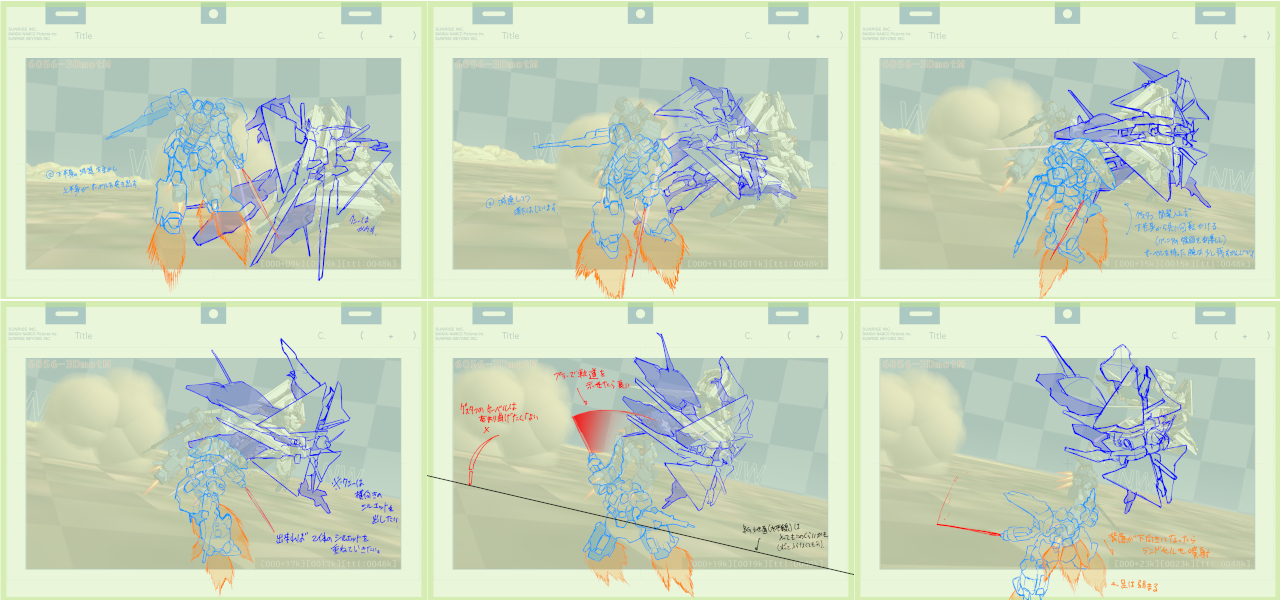
The film features a stunning mix of CG and 2D animation. Were there rules for how you made those decisions to create balance and not pull the audience’s eye?
This time around, we used CG for the layouts, whereas last time the layouts were done mostly by hand. There were a lot of scenes in the first film that did not use CG or 3D at all.
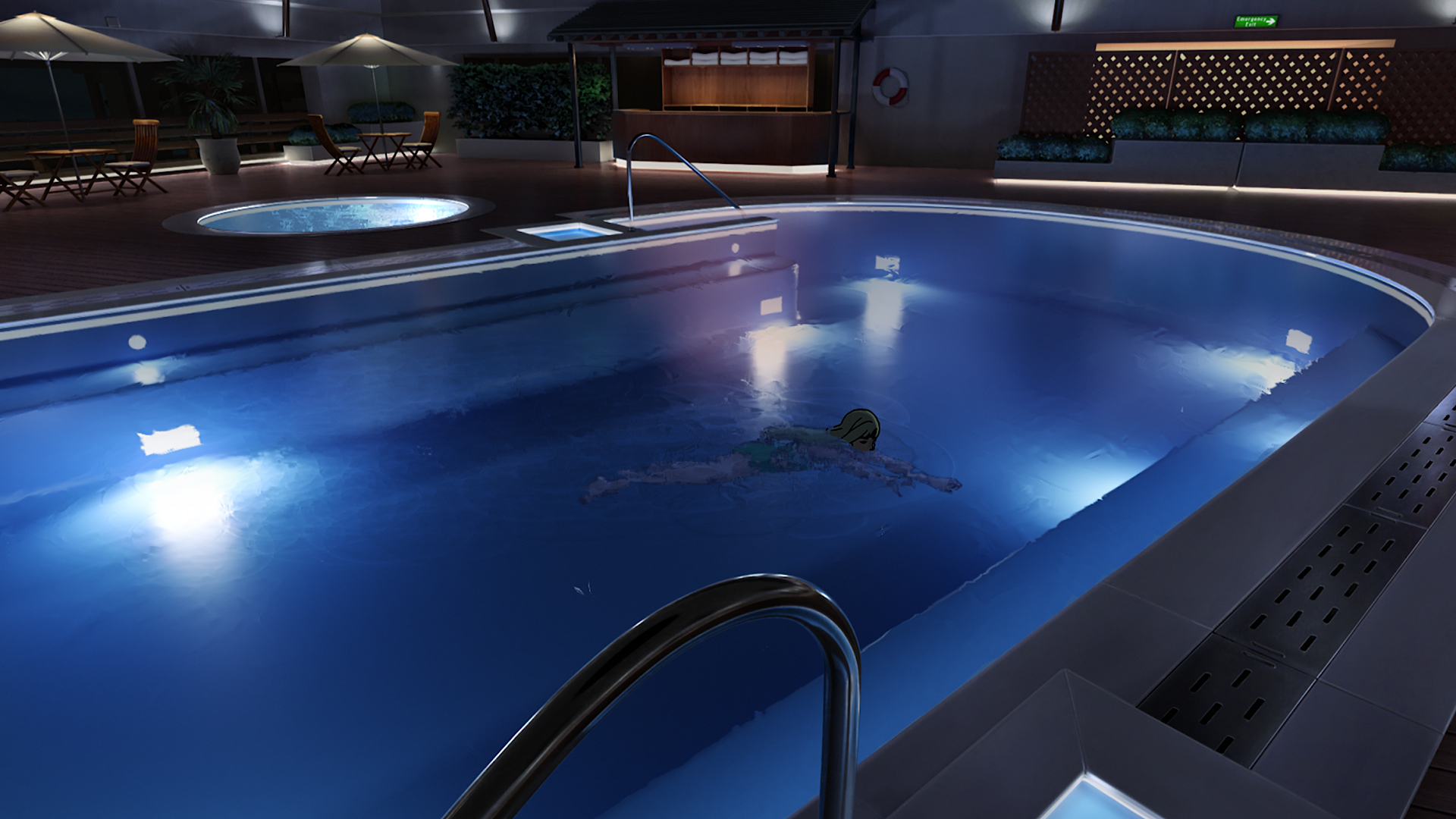

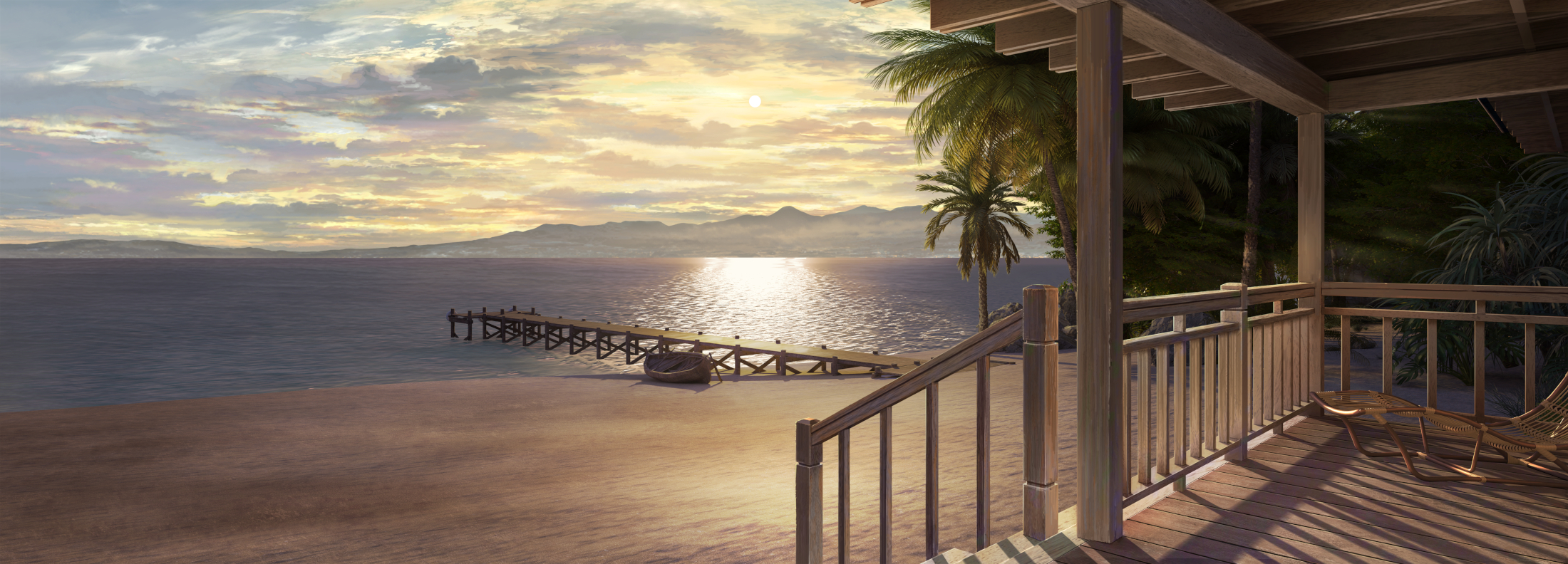
Most of the time, we used character guides to create the art and backgrounds. But there’s a lot of freedom in drawing by hand. Even though we use 3D guides for the characters, some artists prefer not to use them. But we specifically asked them, “Please believe that the guides are there for a purpose, and draw around them.” The artists worked within those parameters, so the backgrounds and art style would match what we had laid out.
In the five years between chapter one and chapter two, were there any technological advancements in software or processes introduced into the pipeline that made this production easier to accomplish?
I think what 3D is capable of doing has definitely increased over the last five years. In terms of creating background art, there are a lot more tools we can use. I think the level of expression CG software can achieve has definitely evolved compared to the technology from 10 or 20 years ago.
What used to be considered expert techniques can now be utilized by people who are just starting to learn. So I think CG is much smoother, the quality is much higher, and those results are easier to achieve. But at the same time, that makes it harder to combine CG with 2D elements, so I think that’s something that will continue to be challenging over the next few years.
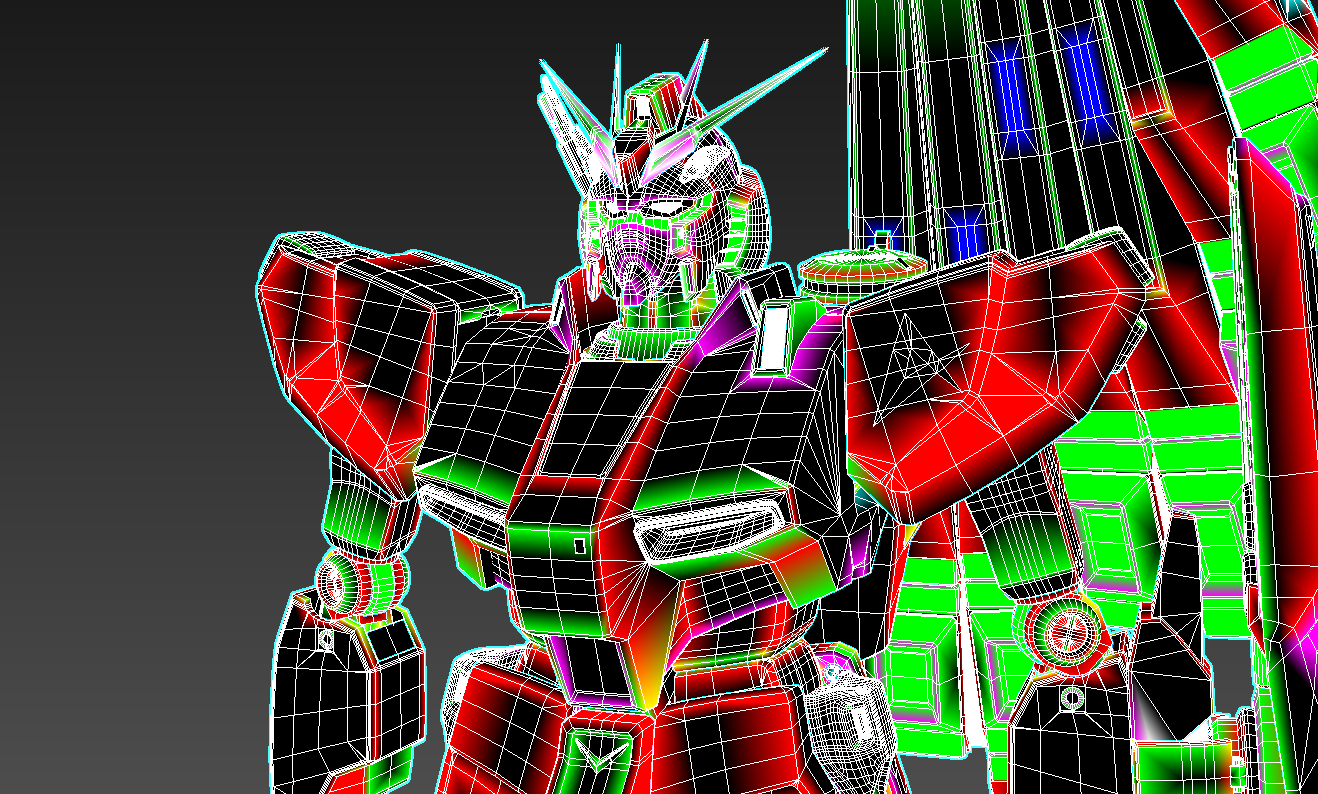
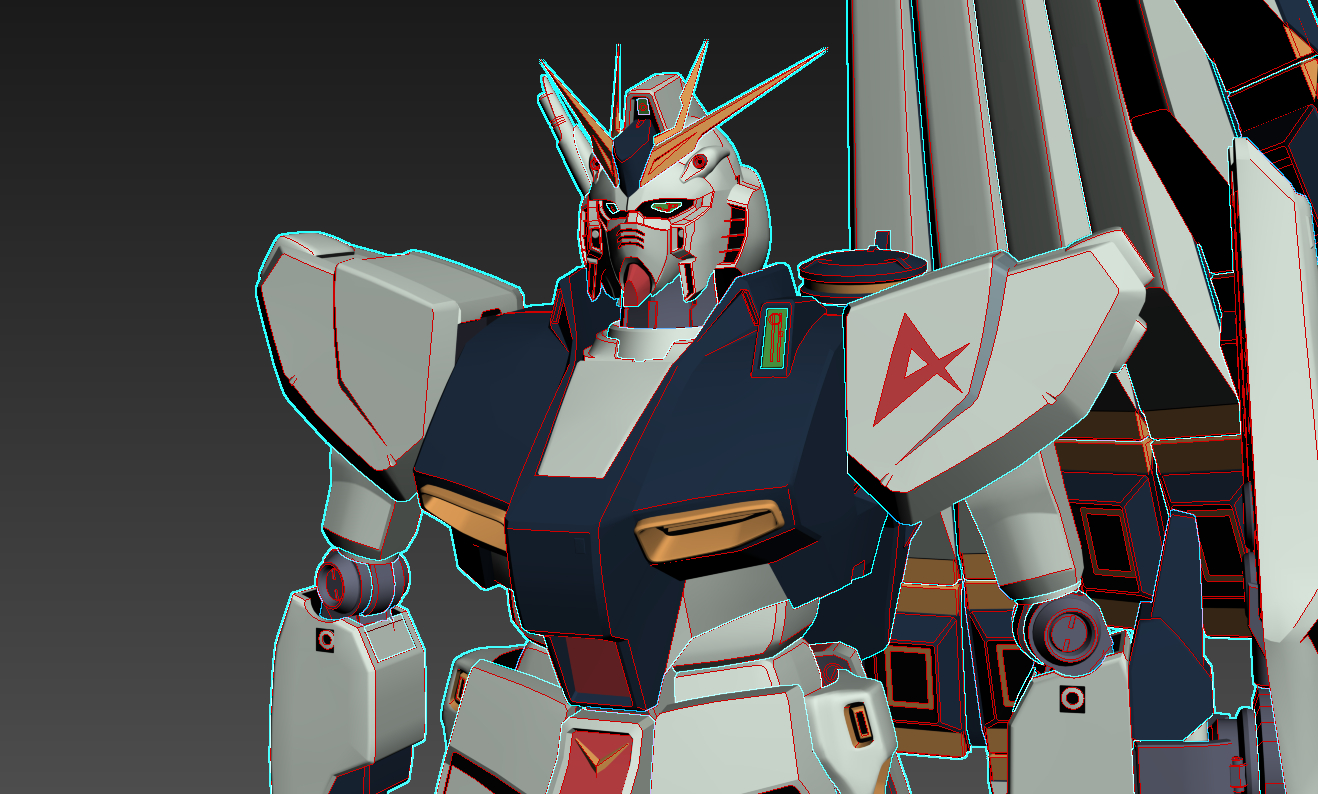
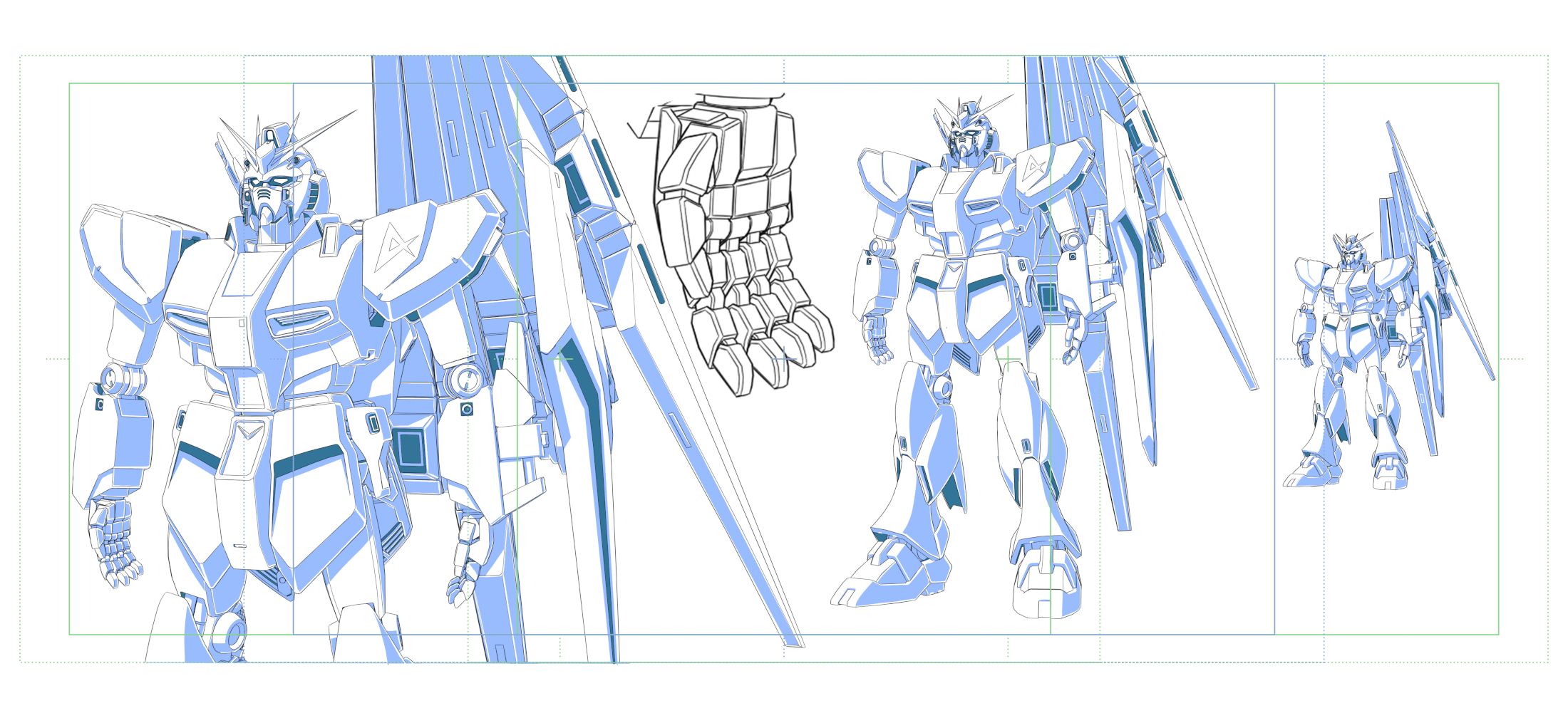
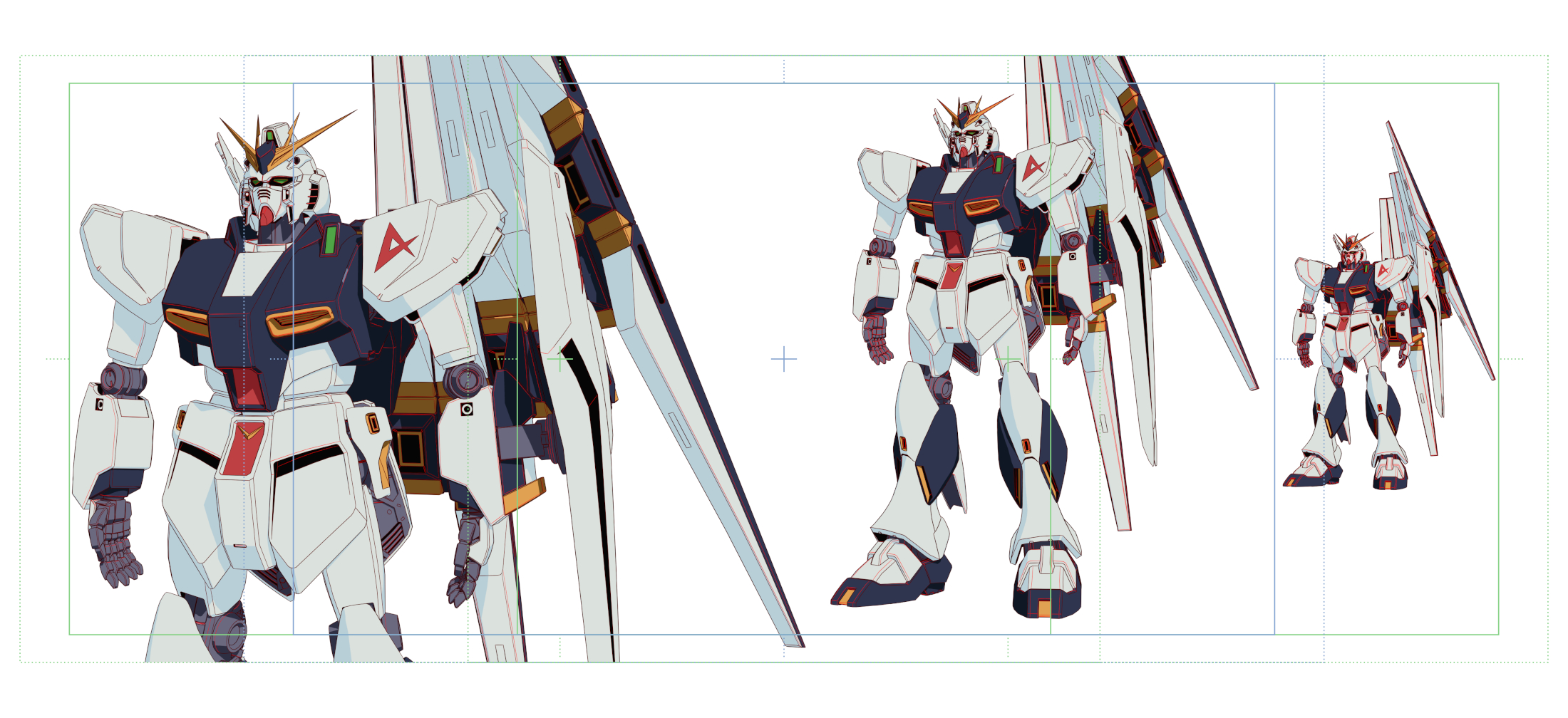
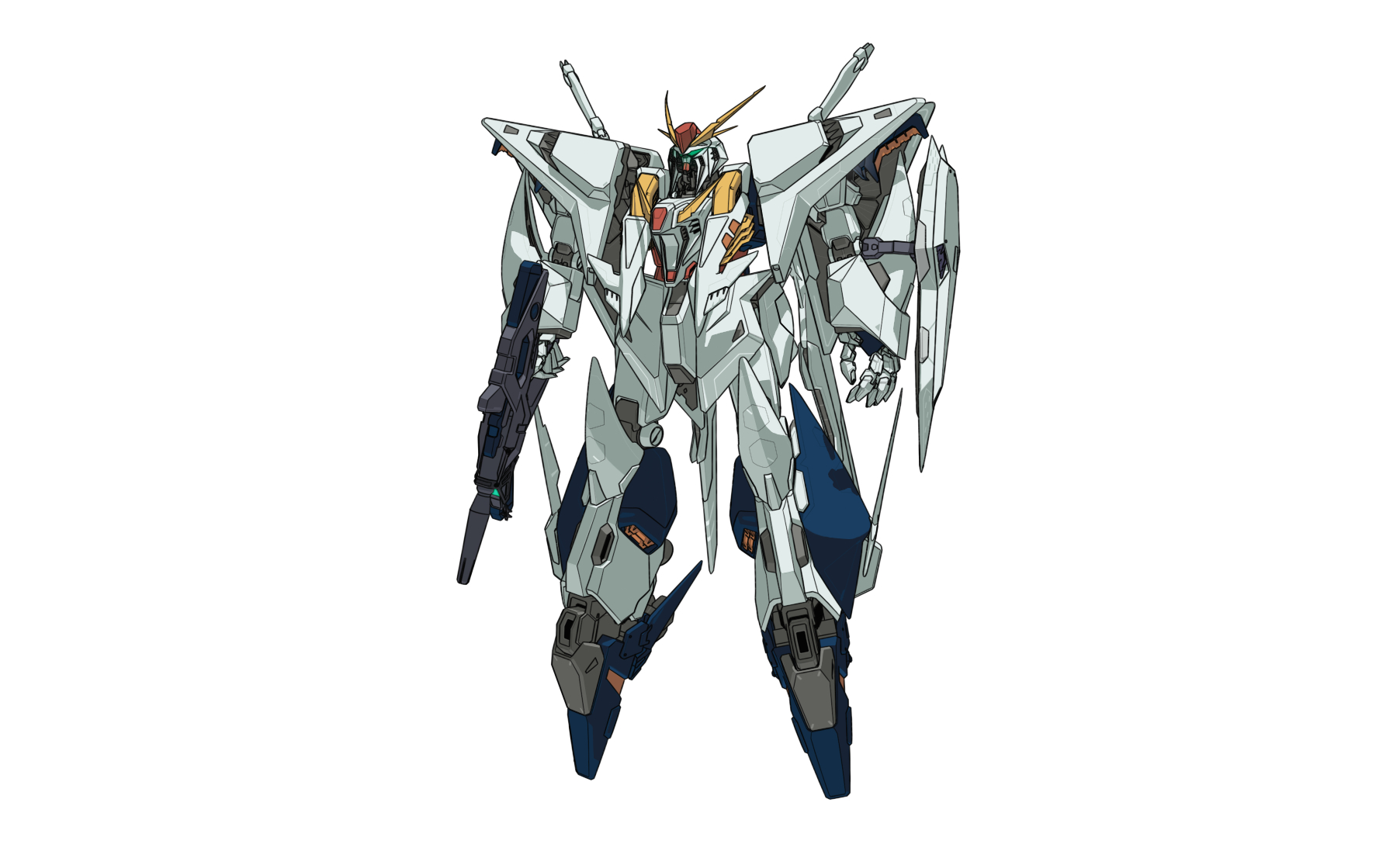
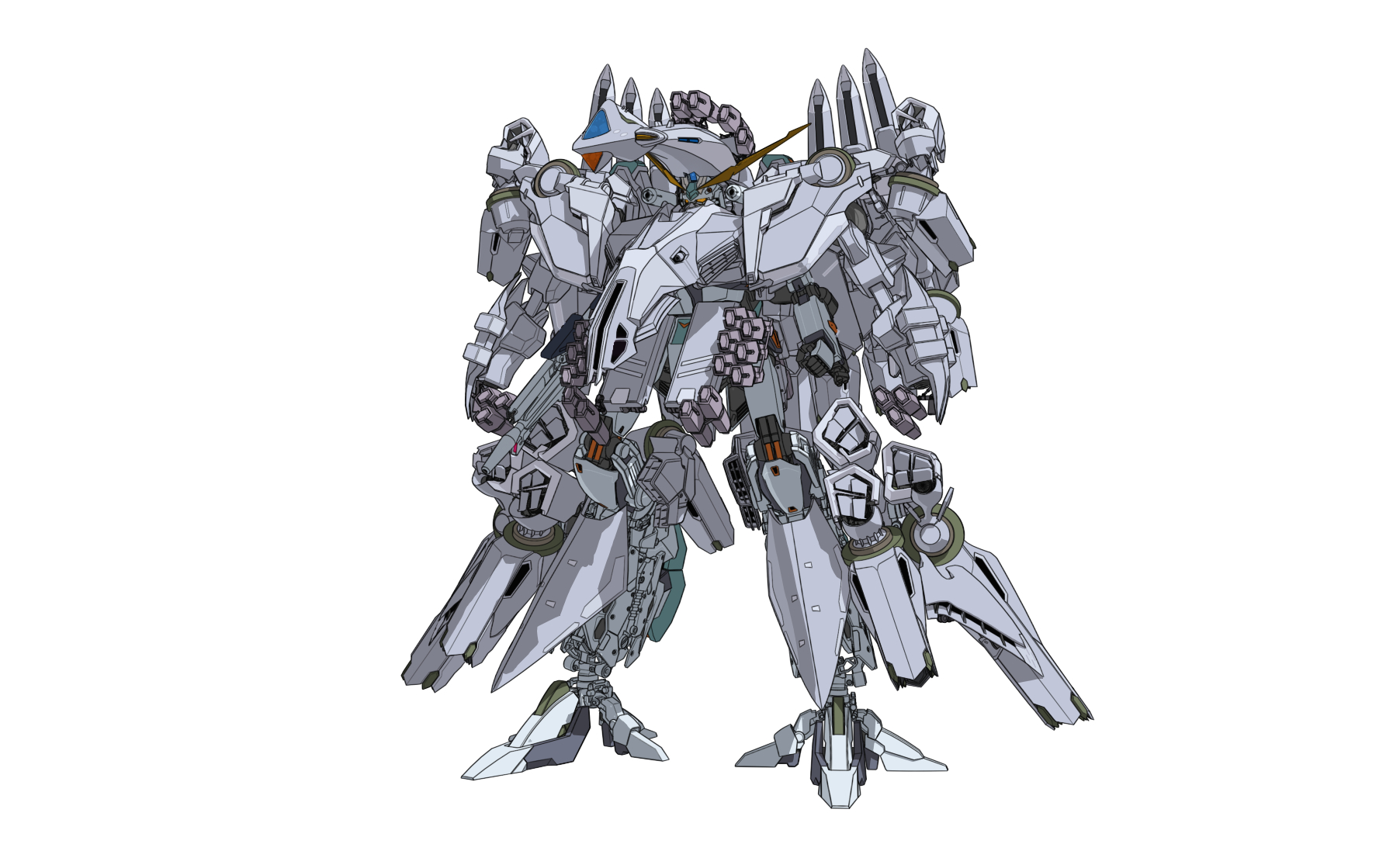
When you start a chapter knowing you’re going to design a new Gundam suit, how do you approach the design? Do you think of the suit as a character, or as a machine?
In the Gundam series, it’s definitely considered a character. Obviously, it’s treated like a character, and there are the designer’s intentions behind it. They also become plastic models, and they’re turned into 3D objects that get delivered to fans, so I think that’s a huge element of it. Without a doubt, I consider them to be characters.
However, in this series, we toned down that character aspect and really used them more as weapons or vehicles. The reason is that this story is about war and contains many political elements as well. We felt that treating the Gundams and machines as characters didn’t fit the story. To emphasize that aspect of the story, we wanted to treat them more as vehicles. But it was definitely a balance between the two.
The reception for the film when it was released last January was very positive. Is there a sequence you’re most proud of, or one you’re especially pleased audiences responded well to?
From a Gundam standpoint, I think the scale and weight of the mobile suits is definitely an accomplishment in some sense. There are some scenes and sequences that I thought turned out really well, but I’m going to keep those a secret.