.png)

Against The Clock And The Odds: How ‘Out of the Nest’ Survived Being Shut Down To Become An Awards Season Hopeful
Stay informed with free updates
Sign up to get our news digest — delivered directly to your inbox twice a week.
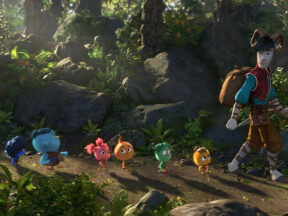
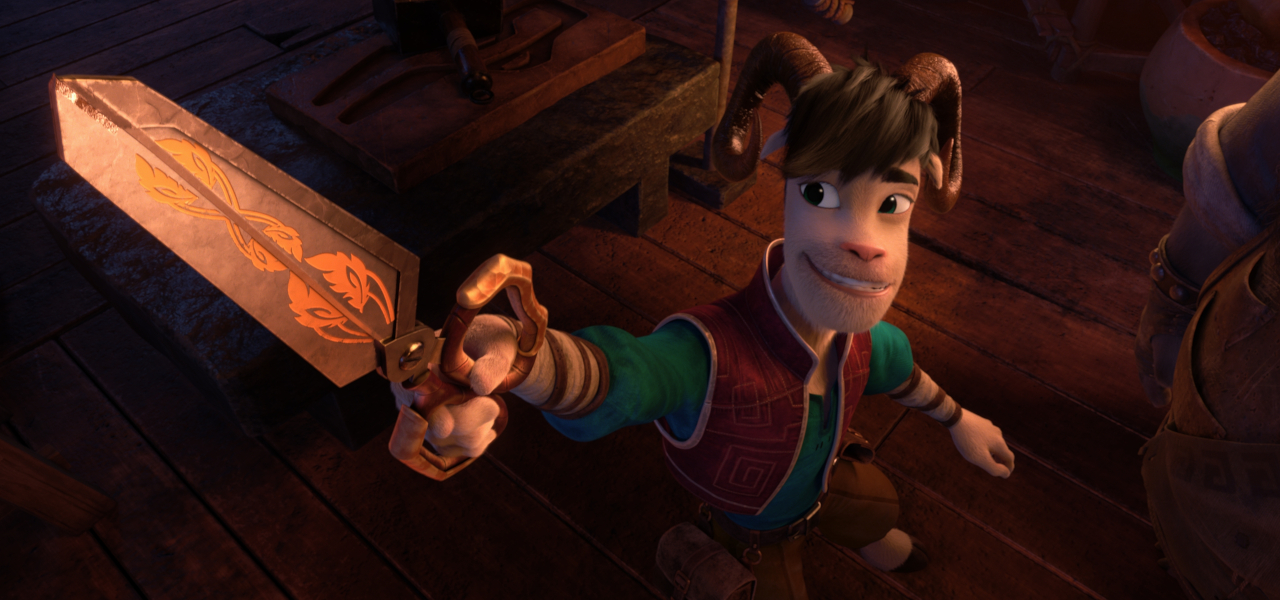
As Academy voters consider Out of the Nest this week, they’ll recognize an animated adventure with the polished finish of a big studio feature. Its highly detailed animal kingdom, clever sound design, and classical adventure structure suggest a production that knew exactly where it was going from the word go.
But according to director Arturo Hernandez, the road to prestige festival screenings and Awards season aspirations was never so smooth. What audiences now see as a cohesive, four-quadrant animated adventure almost never made it out of production.
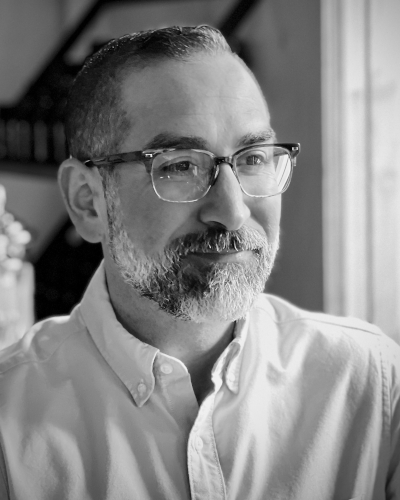
Hernandez was brought on as director when the movie was about 30% finished. Explaining further, he said it was an example of “what often happens in animation, where movies, however long into the production they may be, suddenly blow up… And that’s exactly what happened with this.”
The project, originally developed in Bangkok with the studio Riff, had been conceived as a Chinese-Thai co-production meant for a theatrical release in those markets. But after significant progress had already been made, the film failed to secure Chinese government approval, forcing its producers to rethink the project from the ground up.
“They were already well underway in Bangkok… And they didn’t get [approval],” Hernandez explained. “And so the panic then became, okay, how do we reboot? What do we do? how do we tell a story that is going to resonate not just for the Chinese community, the Thai community, but worldwide… something that was going to be, as I like to put it, a little more… universal specificity.”
By that point, about a third of the movie was entirely completed, all the way through final animation. “They were moving forward on sequences, like completely finished… final animation, lighting, texture, all of it. And they backed themselves into a corner,” Hernandez said. “So it was one of those things where, like, okay, how do we move forward? How do we take what’s already done, try not to abandon as much as possible, and then get our story to work?”
Daunting, sure, but that challenge is part of what drew Hernandez, a studio vet with decades of experience across Disney, Warner Bros., and Sony, to the job. Recruited through longtime colleague Andrew Gordon, he stepped into a film that had to be carefully restructured without undoing months of already-rendered work. “I think where I really found a lot of satisfaction with this was in getting it back on track. It’s that puzzle,” he said. “Okay, what do we do? How do we move things around? How do we keep what’s there?”
Uncanny timing made the situation even more surreal. Hernandez began rebooting the film just weeks before the COVID-19 lockdowns. “This was literally right before the pandemic,” he recalled. “And so in lots of ways, I joked that this was kind of my pandemic hobby,” he laughed, remembering the feeling of stasis that millions around the world felt when their home and work lives suddenly became one and the same.
From his home in Los Angeles, Hernandez led a remote story crew while animation continued in Asia, turning the entire production into a rolling 24-hour relay. “We were working on a 24-hour clock,” he said. “So while they were sleeping, I was reviewing, and while I was sleeping, they were toiling away.”
That global pipeline became the film’s unexpected strength. Hernandez credits the artists in China and Thailand with elevating the movie’s carefully considered details in ways that might never have emerged from a purely Western studio, especially when it came to culturally specific plot points and aesthetics – the architecture in the film is particularly fun, a mix of ancient Chinese styles and animal habitats.
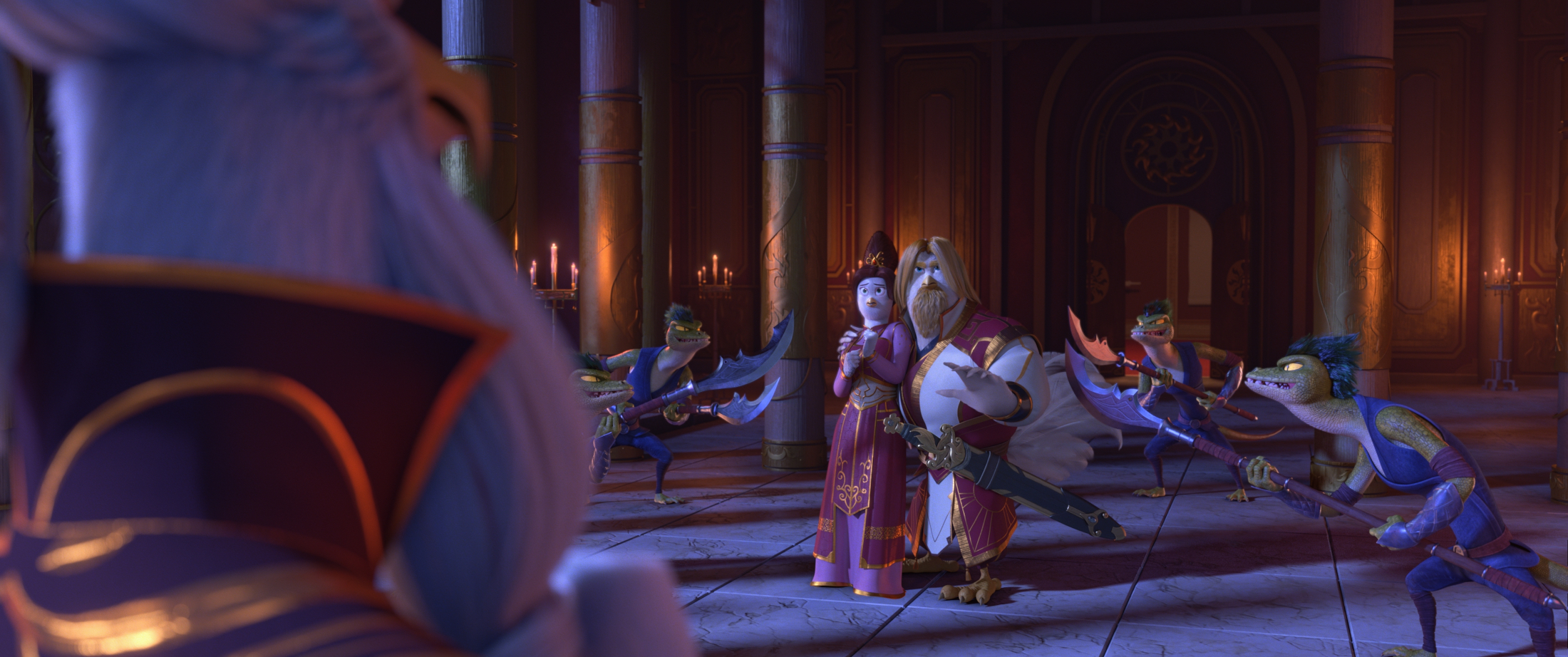
“The fact that it was being done out of China and Bangkok, it meant that for the little details, it was more personal to them,” he said. “They were things in there that I feel like couldn’t have been done by another studio… little things that they would be just as a source of pride to be able to get those details in there.”
When the initial production deteriorated, the Thai producers moved animation work from Riff to Base FX, a larger China-based studio capable of handling the updated schedule and scale. “We were on a constraint, a time crunch, and we needed a studio that could handle something like that,” Hernandez said.
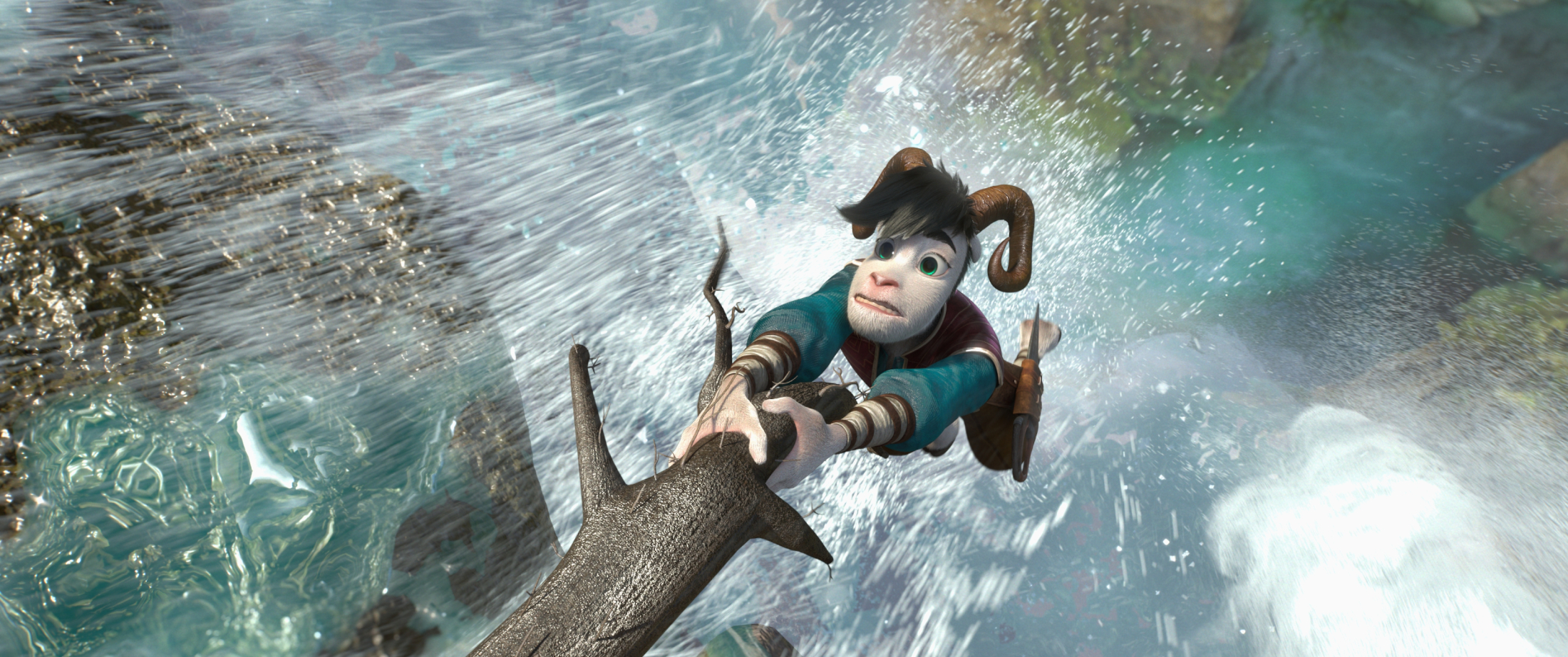
The necessity of reusing finished footage forced creative compromises and inspired inventive problem-solving. Hernandez cites one pivotal example: a daytime river-raft sequence that had to become a night scene to fit the revised story.
“That whole raft journey… was all lit for day. But the only way to make the changes that we wanted… was to move that forward, make it a nighttime scene,” he said, pointing out the tremendous amount of work that was required. “It’s not like flipping a light switch. But what they were able to do, you wouldn’t be able to tell that was a daytime scene… They did such a fantastic job.”
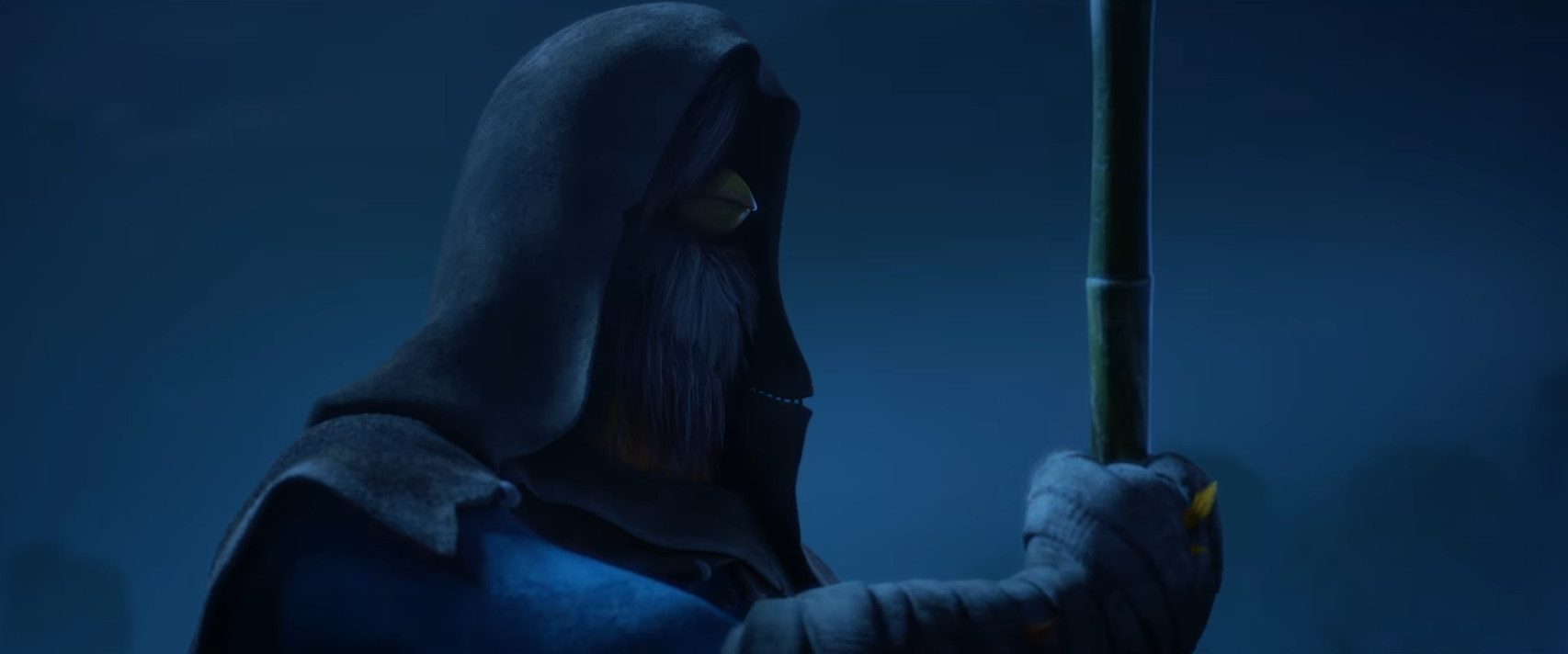
Other changes required more compromise. The film’s original climax was a massive, effects-heavy chase through a destroyed city. “It was such a great sequence in the storyboards,” Hernandez said. “But at the end of the day, the clock was ticking. And with budget constraints, we could not execute that.” The team instead re-imagined the finale within an existing palace set, preserving what Hernandez called “the spirit of what we want” without breaking the production.
For a filmmaker whose career was built on U.S. studio work, the project became a crash course in independent survival. “Part of the benefit that I had… was I had spent years working for Disney Tunes where our budgets were a lot smaller… and so I got very comfortable with finding creative ways of getting what we needed without sacrificing too much,” he said.
That pragmatism extended beyond production into Hernandez’s own career strategy. During Out of the Nest, he was also voice-directing My Little Pony: A New Generation from home and developing The Cat in the Hat at Warner Bros. “For the last 12 or 13 years, my career has been determined by mergers and acquisitions,” he half-joked, echoing a sentiment that is surely relatable to most people working in the industry today. “What helps keep me sane is spinning lots of different plates.”
Given all that instability, the film’s festival success has been an especially welcome surprise. Out of the Nest premiered at Annecy in 2024 before touring festivals across Europe and North America, a fate few could have predicted when production was scrambling for survival.
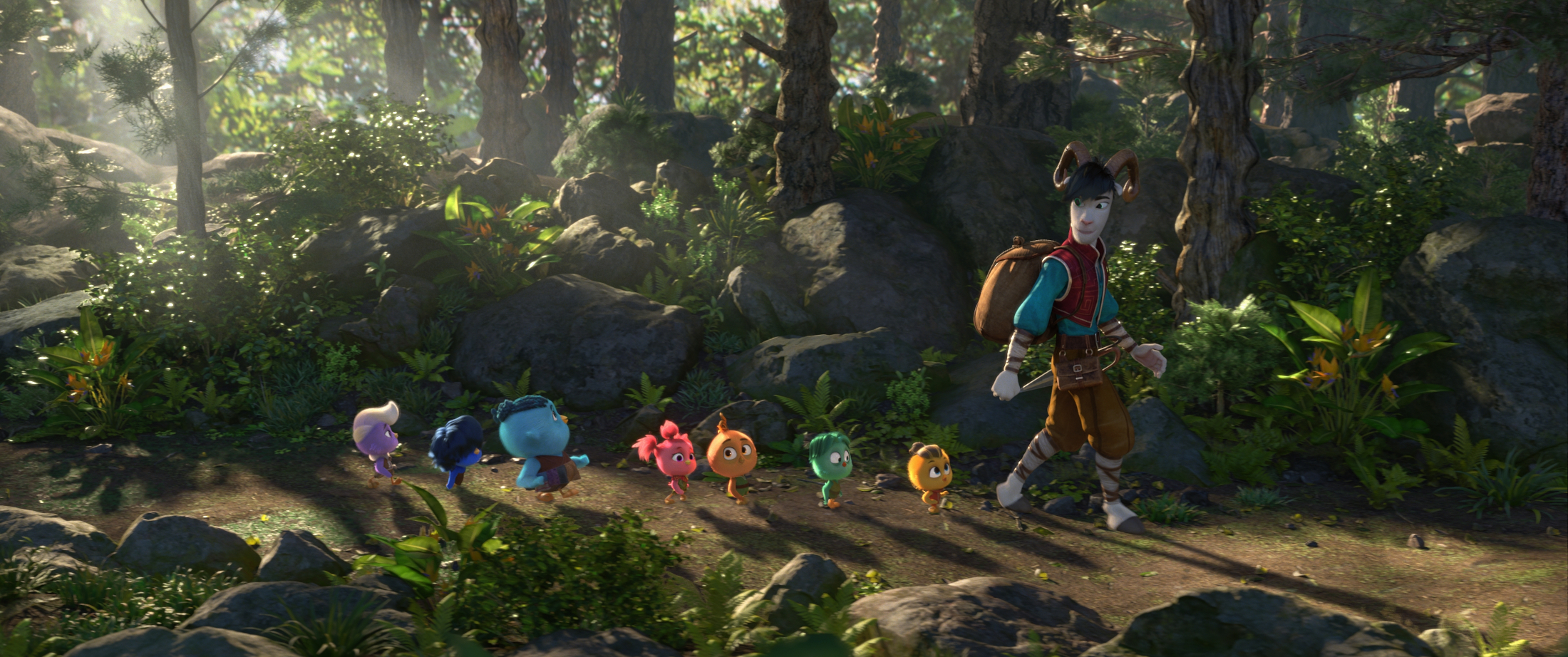
“I would say the best word for it is surreal,” Hernandez said. “I was just so close to it for so long, working on it in somewhat of an isolated way. Then, you know, the fact that it is being seen by all those people, that’s where the surreal quality comes in.”
To Hernandez, the film’s international journey mirrors the crew that made it. “It really is a very, very international team that worked on it,” he said. “So I think it’s… another silver lining that we proved that we could work on something very internationally and put out something that was a lot of fun.”
In an industry that has become increasingly defined by consolidation and cancellation, Out of the Nest stands as a reminder that sometimes perseverance and global collaboration can still overcome the odds. What began as a triage assignment ultimately became a cross-continental success story, delivered to screens around the world by artists who refused to let it die.