‘The Rose of Versailles’ Director Ai Yoshimura On Turning A Manga Classic Into A Musical
Stay informed with free updates
Sign up to get our news digest — delivered directly to your inbox twice a week.
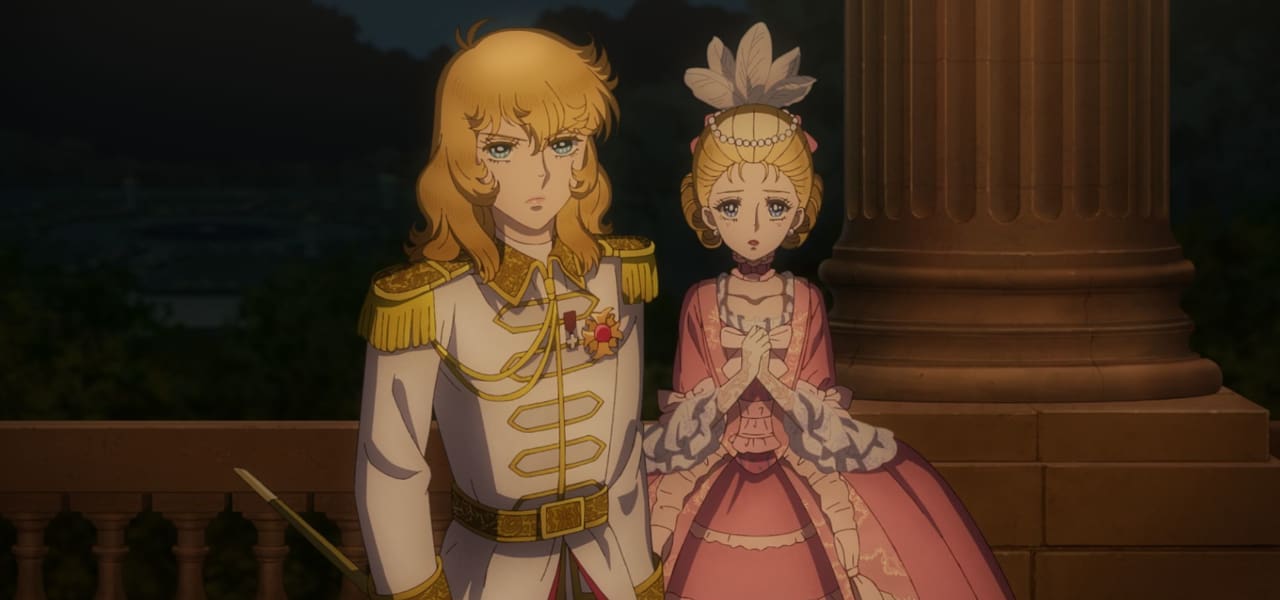
Marie Antoinette is an Austrian princess, newly arrived in Versailles to become queen of France. As we sweep down into the streets, fusing 2D and CG 3D, Antoinette surveys the scene that she sees from her carriage. She spies one face that catches her interest. “France has such beautiful lords,” she comments to her aide. But the ‘lord’ in question, Oscar, is a lady.
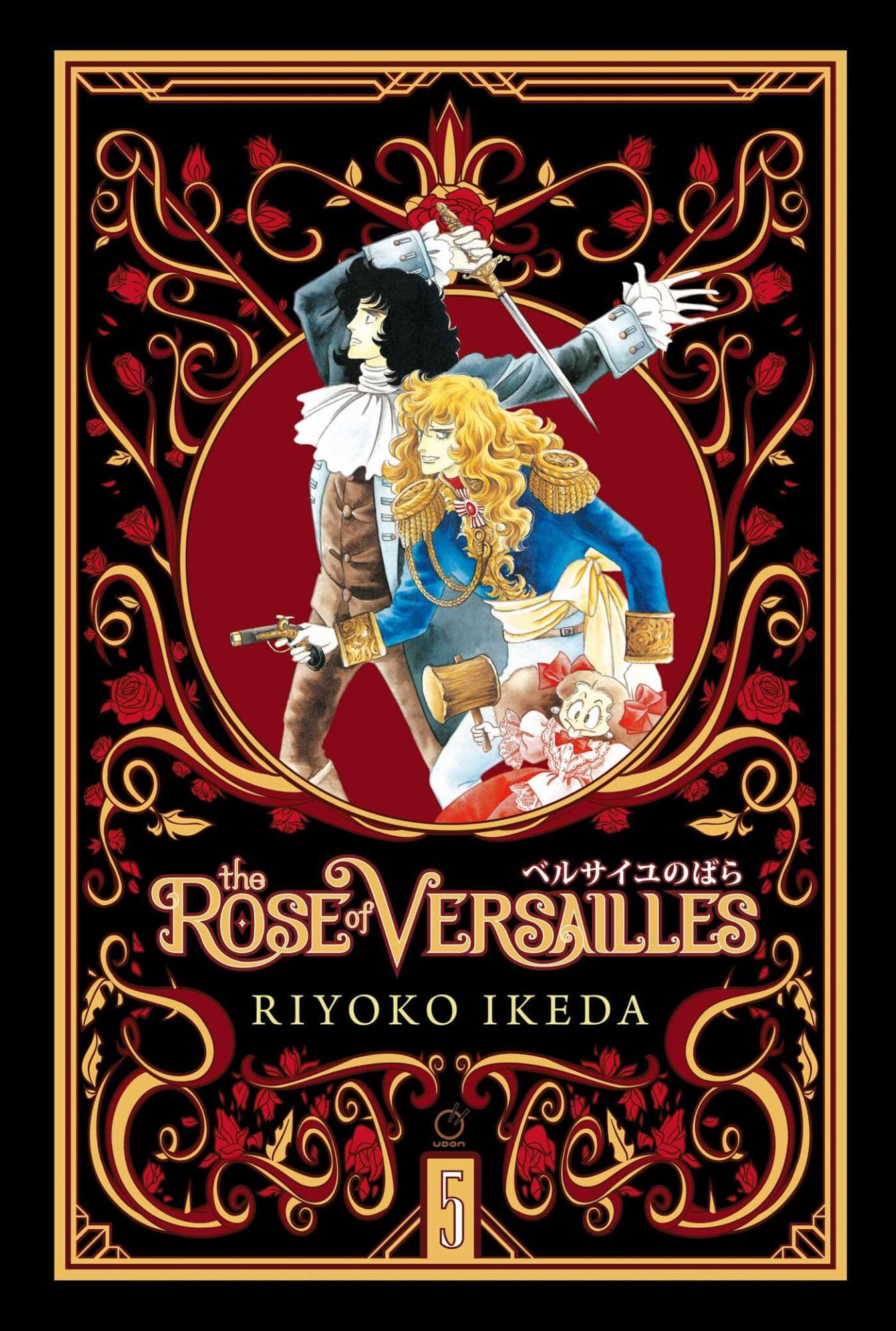
Riyoko Ikeda’s 1972 manga The Rose of Versailles is legendary. A historical drama for young female readers, set in 18th-century France around the time of the Revolution, it follows the magnetized destinies of two women, and the suitors and challengers that orbit them. Ostensibly a heterosexual story, yet rich in subtext of impossible love and androgynous gender presentation, The Rose of Versailles paved the way for many other seminal shojo anime and manga series such as Revolutionary Girl Utena and Le Chevalier D’Eon.
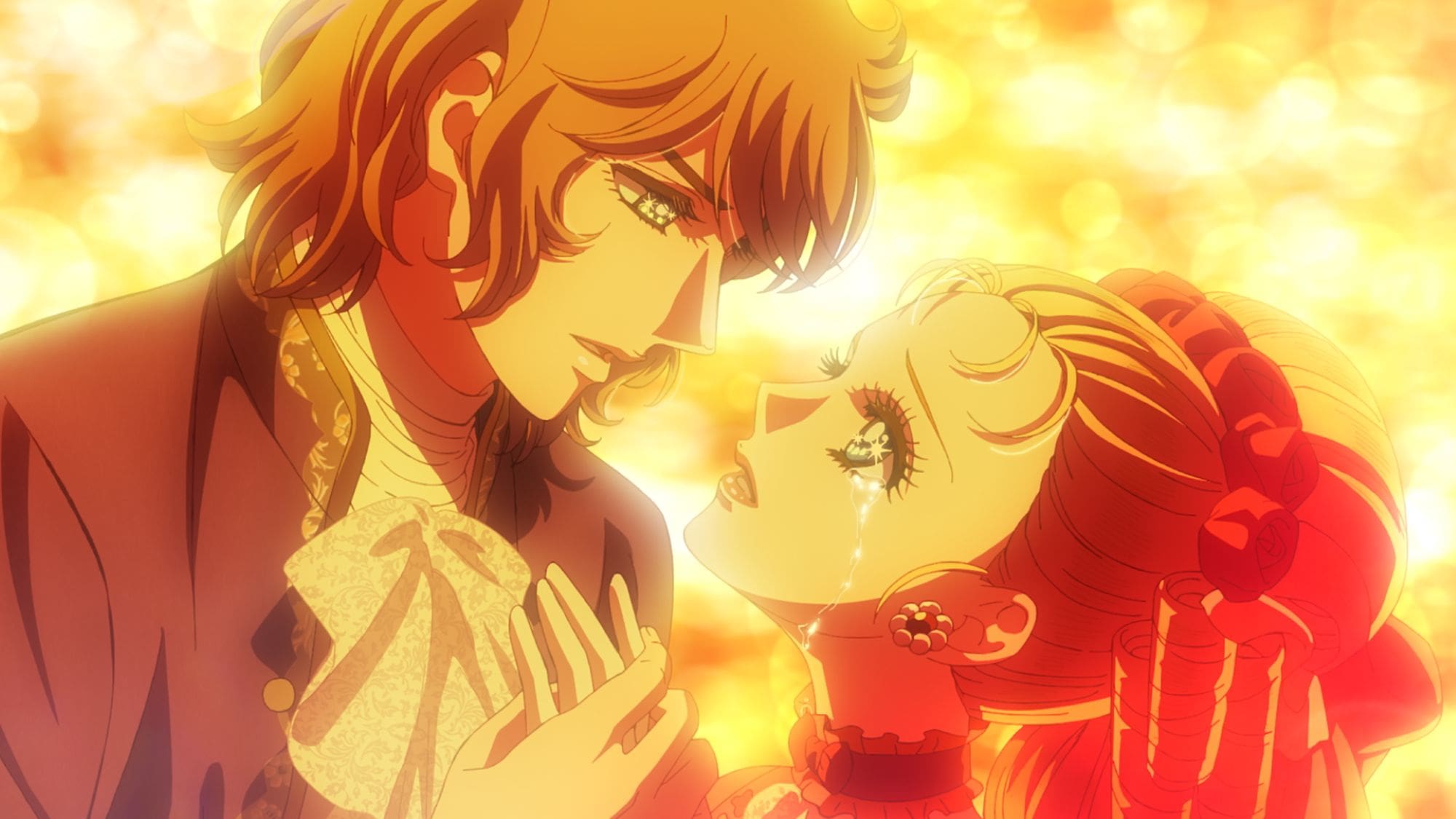
In 2025, studio MAPPA produced a new anime feature adaptation of The Rose of Versailles, which was distributed by Toho Next and Avex Pictures, and later licensed by Netflix. The film surprised audiences by being a full-fledged musical, boasting fifteen vocal numbers in total. These tracks are accompanied by kaleidoscopic, gleefully melodramatic music video set pieces – moments akin to anime opening and ending animations, but multiplied.
The adaptation’s director, Ai Yoshimura, worked at Sunrise before launching a successful freelance career. Her other directorial credits include Ao Haru Ride and Dance with D. As her film screened at this year’s Tokyo International Film Festival – celebrated in a retrospective screening as part of the Women Directors: Diverse Visions sub-strand – Yoshimura was kind enough to answer our questions about adapting a storied manga classic.
Cartoon Brew: How did you come to work on this project?
Ai Yoshimura: I had previously worked with the producer from Avex on another project. After that wrapped up, they asked me what kind of project I’d like to tackle next. That’s when I stepped forward and said, “I’d love to do The Rose of Versailles!”
Did you grow up reading the original manga? What makes The Rose of Versailles special to you?
I remember finding the manga on my older cousin’s bookshelf when I was a child and getting completely absorbed in it. Back then, I just loved the pretty dresses and how cool Oscar was. Reading it again as an adult changed my perspective. I found myself deeply captivated by French history and the human drama of the people living in that era.
The musical numbers are some of the film’s most elaborate and exhilarating sequences. They resemble the opening and closing sequences of a TV anime, but you get to do this over and over in a single film. How did you approach directing them?
Incorporating songs into the structure was part of the plan from the very beginning. In the context of the story, the songs emphasize certain moments. They signal to the audience, “Pay close attention here. This is an important moment.”
For the visuals, we took an approach much like an opening or closing sequence. Instead of building the visuals around characters singing, I felt there was much more creative freedom in editing shots together to prioritize the music and the emotional imagery of the scene. We also had to consider the cost of hand-drawn animation.
How did you combine 2D and CG animation in the film?
We incorporated 3D to really bring the world of The Rose of Versailles to life, adding depth to show the kinds of people living there and the richness of the scenery. In the scene right before the title card, we used dynamic camerawork to capture a bustling crowd at the Palace of Versailles, giving the audience a sweeping look at the entire world right from the start.
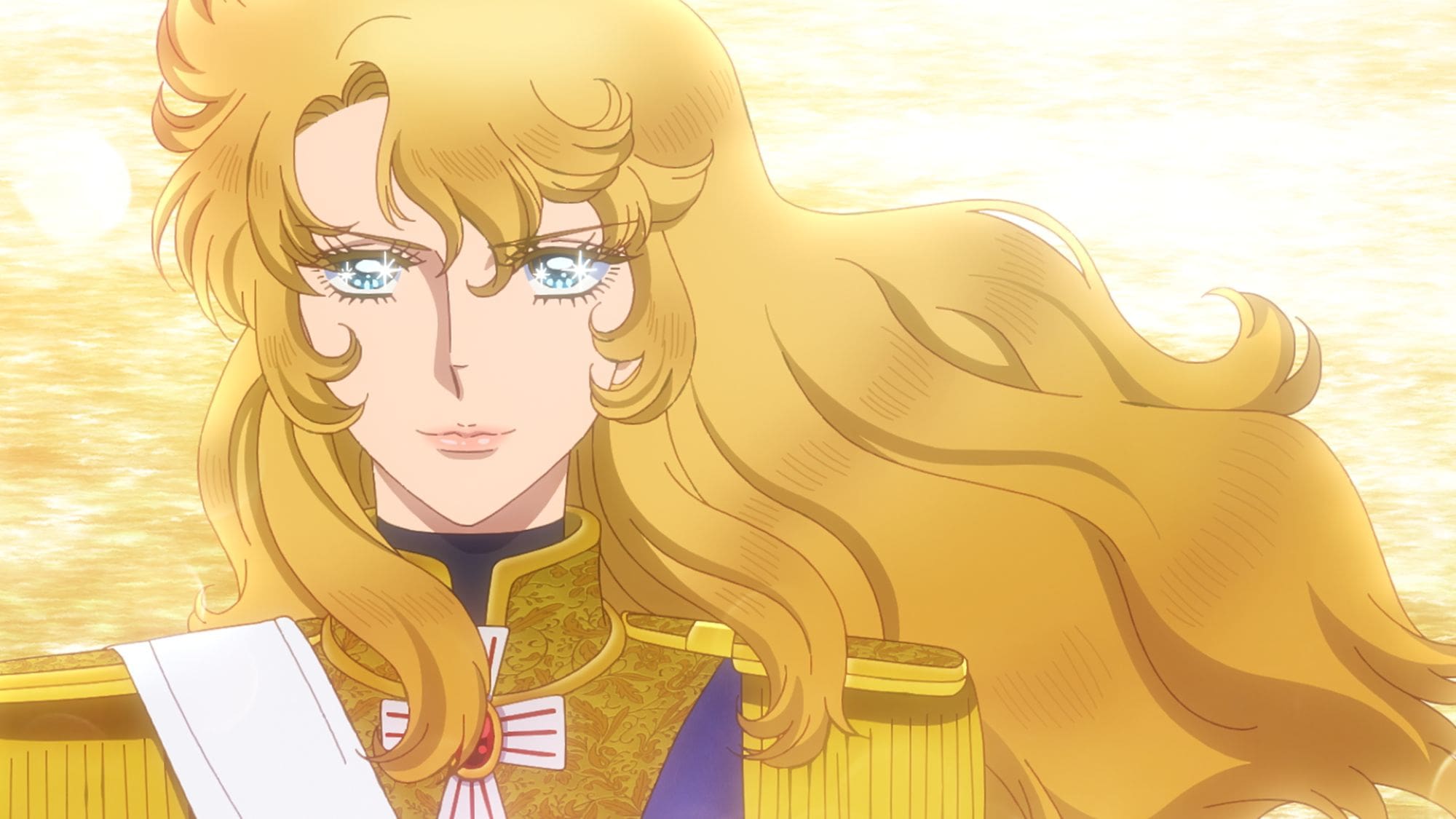
You stay close to the manga’s character designs, especially those large, sparkling eyes, and keep the characters’ faces relatively still. Did the expressiveness of the original designs let you keep facial movement to a minimum?
When it came to character design, we focused on staying as faithful to the original work as possible. Even the highlights in their eyes were meticulously crafted by Oka-san, our character designer, to capture that original look. There are definitely parts where the acting is a bit more subtle and the focus is on the intricate details of the hair and costumes. Since the character models themselves have a lot of visual presence and volume, I feel that the performances still come across as convincing even with limited movement.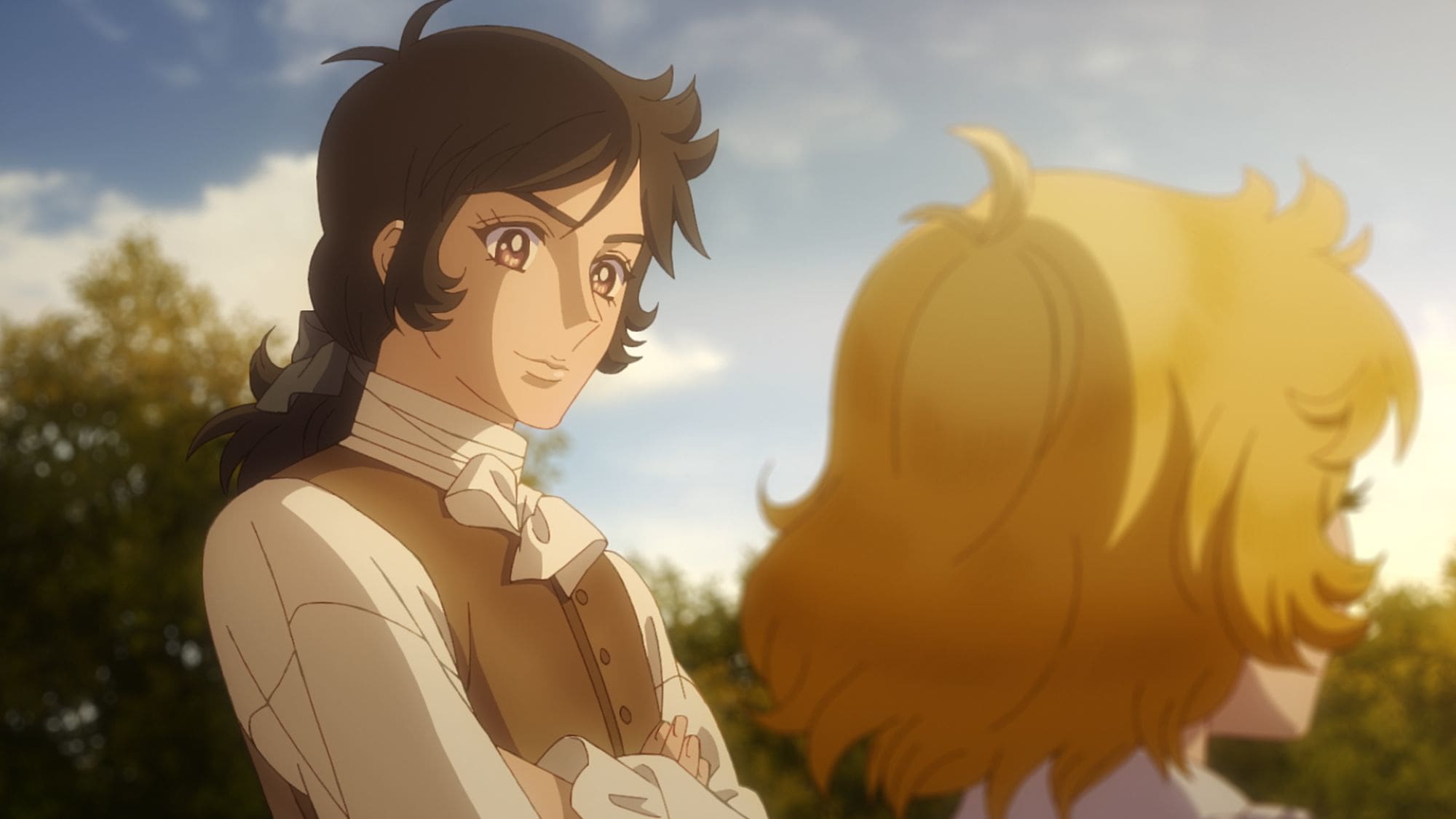
The manga is celebrated for its playfulness with gender presentation and androgyny. Do you think manga and animation give you a particular freedom to explore the fluidity and ambiguity of gender?
Manga and animation are works of imagination, so there’s a real sense of freedom to them, and I think the boundless possibilities they offer are what make them so fascinating. In The Rose of Versailles, the story really captures how characters constrained by the gender norms of their time establish their own identities and make their own choices. I think that’s where the true sense of liberation comes from.
Did you draw any inspiration from anime influenced by the original manga, such as Revolutionary Girl Utena or Le Chevalier D’Eon?
I was only familiar with the title of that anime, so it didn’t particularly influence me this time. As a fan of the series myself, I definitely took inspiration from the original TV anime, the Takarazuka Revue stage productions, and the live-action film. Some of those influences are pretty niche, so it’s hard to tell you exactly where they are, but I really hope fans of each adaptation will spot them and enjoy finding those little touches.
What do you hope a new audience takes away from your version of The Rose of Versailles?
The Rose of Versailles has been loved in so many different forms in the 54 years since its serialization began. I’m truly happy and deeply moved that this theatrical anime adaptation has become a new chapter in that long history. Along with enjoying this film, I hope audiences will also explore the past adaptations and come to love the original manga even more. It would be an honor if people continued to hold The Rose of Versailles close to their hearts forever.