.png)
Cult Spanish Comic ‘Solo’ Comes To Brutal Life In Hampa Studio’s Proof-of-Concept Trailer (EXCLUSIVE)
Stay informed with free updates
Sign up to get our news digest — delivered directly to your inbox twice a week.
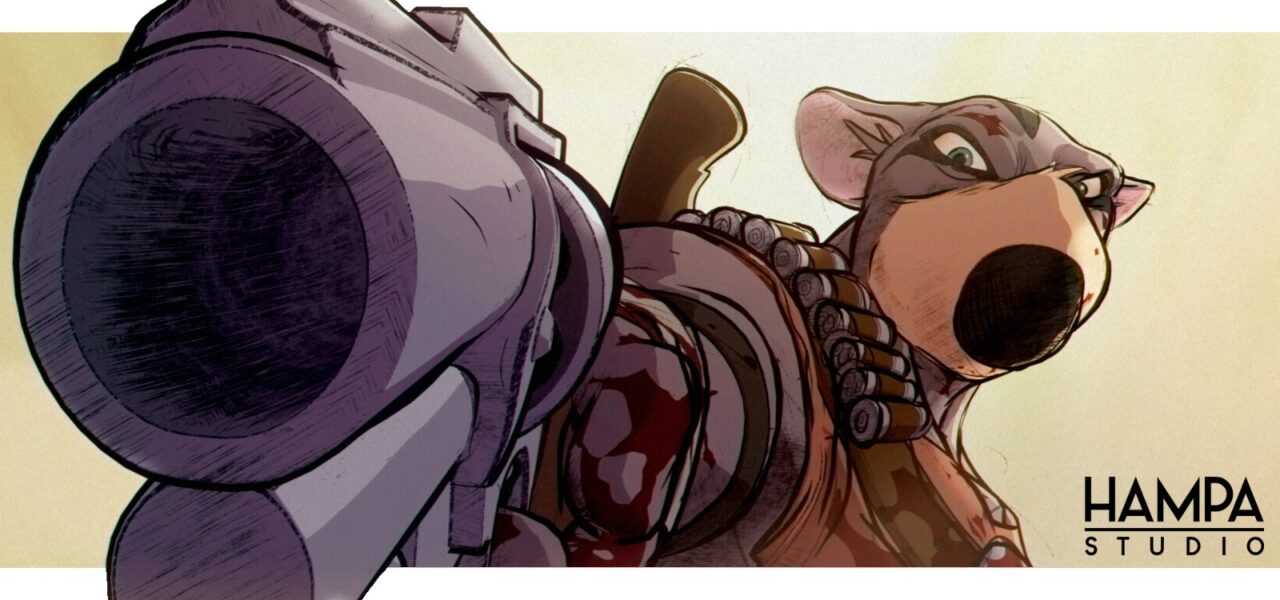
Spanish animation outfit Hampa Studio has given Cartoon Brew exclusive access to a striking proof-of-concept trailer for a proposed feature adaptation of Solo, the Spanish cult comic created by Oscar Martín.
The project builds on Hampa’s growing reputation for distinctive, creator-driven work. The Madrid-based studio has previously collaborated with filmmaker Jorge R. Gutiérrez on La Vengaza Rodriguez and comic artist Roc Espinet on Girl and Wolf, among others, carving out a niche that blends bold visual experimentation with strong authorial voices. With Solo, the studio is taking on one of the most recognizable Spanish comic properties of the last two decades.
Producer Álvaro García tells us the team is approaching the adaptation with a clear mandate to respect the source material while shaping it into a feature-length narrative.
“Having such a well-known IP from the comic world, we want to be as faithful as possible to the original work, especially when the project already has such a strong fan base,” García explains. “Adapting a comic into a film is always a big challenge. There are things that work on paper but not in a more classical 90-minute narrative.”
To navigate that tension, Hampa is working closely with Martín himself. “We are working hand in hand with Oscar, the author, to ensure that the adaptations remain true to the ‘soul’ of Solo,” García says.
While the Solo universe spans multiple books, the film will initially focus on a single volume, with selective elements from others if needed to support the story. García acknowledges the franchise potential but emphasizes a measured approach. “The IP undoubtedly has the potential to become a saga, but for now, we are going to focus on one of the books.”
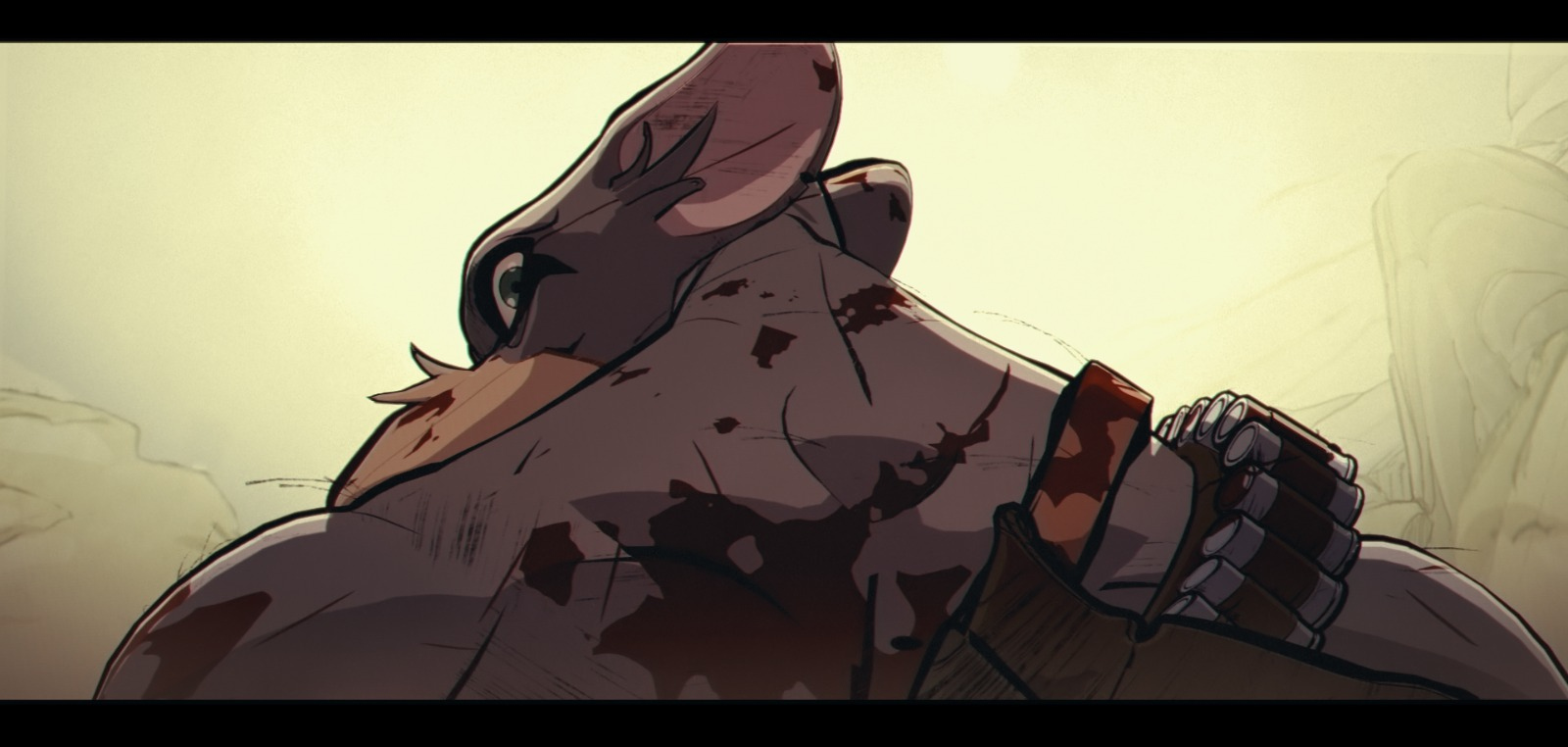
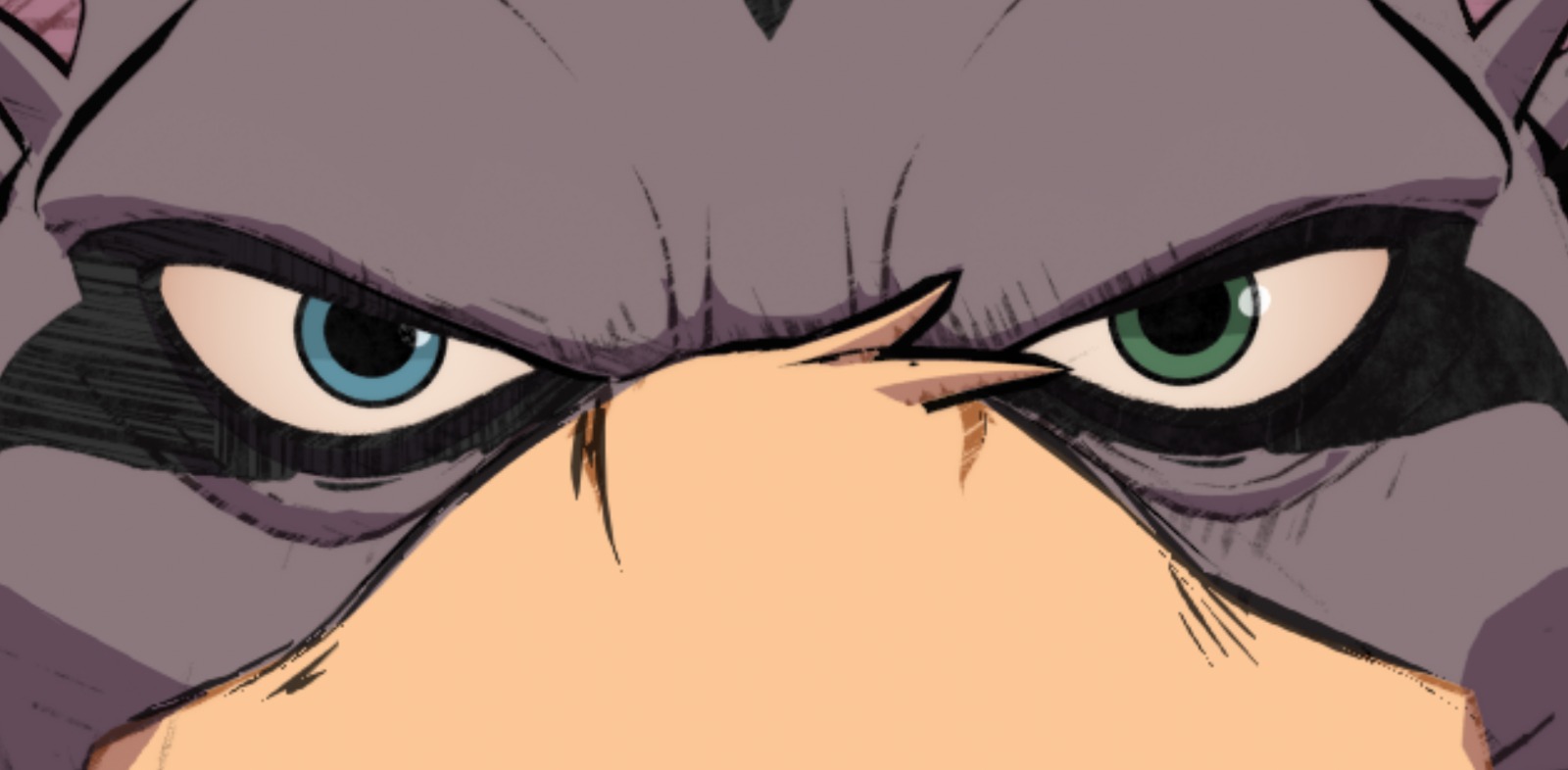
Visually, the project is already well advanced. Director Toni Mortero has led the development of a stylized approach that aims to preserve Martín’s graphic identity while leveraging 3D tools.
“It was the main objective,” Mortero tells us. “As an NPR animation exercise, it wasn’t just about simulating a 2D medium with 3D tools, but about translating Oscar Martín’s aesthetic to the screen as faithfully as possible.”
Achieving that look proved technically and creatively demanding. Mortero spent nearly three years developing the trailer, largely in his spare time, pushing through a process defined as much by uncertainty as by experimentation.
“One of the biggest challenges was making 3D animation look 2D,” he says. “That required a lot of testing and research, learning from other projects and artists pursuing the same goal. Most of the resources I found were useful for still images, but very few addressed how to put all that into motion without losing the 2D illusion.”
At a certain point, the process became intuitive. “It turned into a leap of faith that, fortunately, seems to have worked.”
Beyond the technical hurdles, there was also the pressure of adapting a beloved property. Mortero was acutely aware of the expectations surrounding Solo and delayed showing the work to Martín until late in the process.
“I showed it to Oscar during a comic signing near my home,” he recalls. “Seeing his reaction, and that of the fans who were there, was incredible. The reception was great, and from that moment on, Oscar became a key supporter in the final stage of the project.”
Martín’s involvement extended to providing background artwork and connecting the team with sound designer David Flores, further grounding the trailer in the original comic’s sensibility.
For Hampa, the next phase is turning this proof of concept into a full production
“The project already has its visual development completed thanks to Toni, who really carried it forward and created an impressive style,” García said. “This year we need to work on the final script while continuing financing efforts and searching for partners to close the budget.”
If successful, Solo could mark a significant step for Spanish animation, demonstrating how a deeply local comic property can be reimagined with global ambitions while staying rooted in its original voice.