.png)
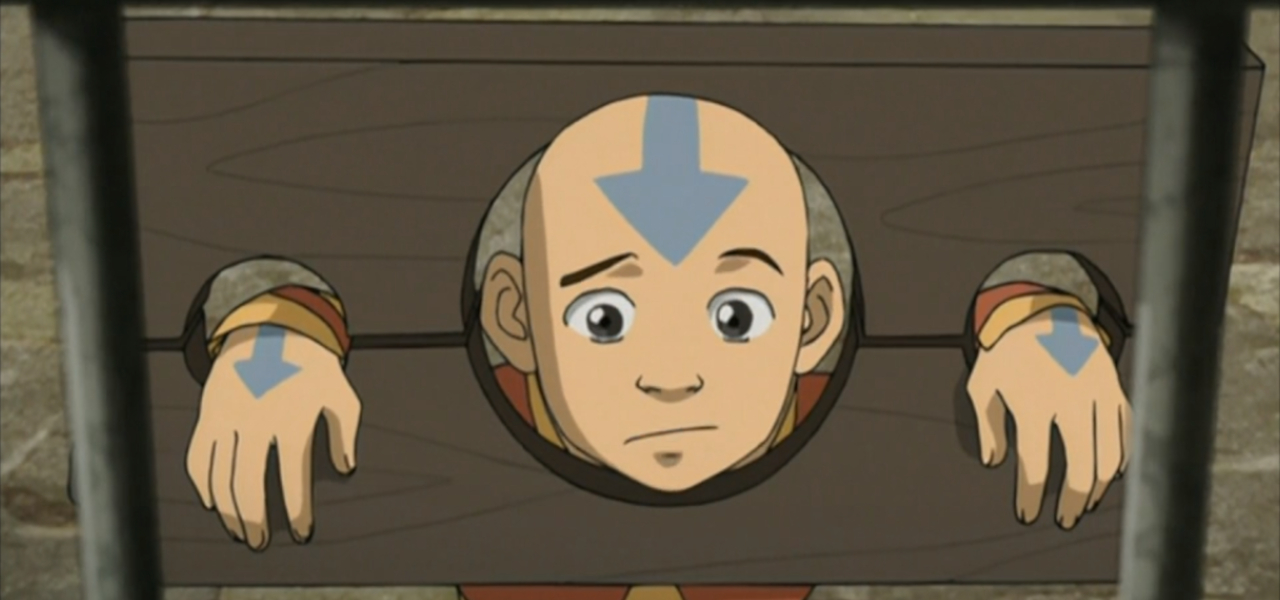
Alleged ‘Avatar’ Leaker Arrested, Faces A Potential Seven-Year Sentence
Stay informed with free updates
Sign up to get our news digest — delivered directly to your inbox twice a week.
The online leak of Paramount’s upcoming The Legend of Aang: The Last Airbender has taken a serious turn into real-world consequences. Singapore police have arrested a 26-year-old man accused of hacking into a media server, pulling down the unreleased film, and helping kick off one of the most widely circulated animation leaks in recent memory.
Apparently, Paramount and Nick didn’t just email it to a random guy. Go figure.
According to The Straits Times, the suspect allegedly gained unauthorized remote access to a content server, downloaded a high-quality version of the completed film, and posted portions of it online, where it quickly spread across social media and piracy sites. Authorities say they were alerted after clips began circulating in mid-April, identified the suspect within a day, and later recovered a copy of the film from his devices.
The leak itself disseminated quickly. Early clips appeared on X (formerly Twitter), accompanied by claims that the film had been accidentally sent out, before copies of the full feature began circulating elsewhere within days. By the time takedowns started, the damage was already done. The film, originally planned for theatrical release before shifting to Paramount+, is still scheduled to debut later this year on the platform.
For animation artists, the fallout has been immediate and personal. Work that was meant to be unveiled in a controlled environment (which should have been cinemas, but that’s not what this piece is about) ended up being dissected frame by frame online, stripped of context, and often in unfinished or compressed form. Social media platforms were flooded with lamentations from people who spent months and years on the film, justifiably outraged by the leak.
The legal consequences are now catching up to the lightspeed pace of unregulated internet distribution. The suspect is being investigated for unauthorized access to computer material, an offense that carries significant penalties under Singapore law, including up to seven years’ jail time, a $50,000 fine, or both.
For studios, the lesson remains familiar yet unresolved. As animation production becomes more decentralized and digitally accessible, the gap between collaboration and exposure continues to narrow. It seems unlikely that this will be the last big Hollywood leak anytime soon.