.png)


Disney, Universal ‘Cannot Have It Both Ways’: Midjourney Slams Studios For Suing While Using GenAI
Stay informed with free updates
Sign up to get our news digest — delivered directly to your inbox twice a week.
AI image-generation platform Midjourney has officially denied copyright infringement claims brought against the company by Disney, Marvel, Lucasfilm, Universal, and others, arguing that its technology operates under fair use protections and enhances rather than harms the creative ecosystem.
In documents filed this week in federal court and shared by Variety, Midjourney calls the studios’ lawsuit both “mischaracterized” and hypocritical. The company contends that many employees and vendors tied to the studios themselves actively use Midjourney’s tools, including for ideation, set design, and concept art.
“Plaintiffs cannot have it both ways,” the company stated in its filing, pointing out that Disney’s CEO recently called technology “an invaluable tool for artists.”
Midjourney insists its platform is not a vending machine for unauthorized copies, but a tool that helps artists synthesize new images based on statistical patterns, much like a human artist learns by studying others. It emphasized that the output is generated from scratch, not pulled from a database of existing images.
At the heart of Midjourney’s defense is the argument that training its models on publicly available imagery qualifies as fair use. The company compared the process to “highly transformative” uses upheld in recent federal court decisions.
As for the creation of AI-generated images resembling famous characters, Midjourney argues that it cannot automatically determine whether any image is infringing and notes that legitimate uses – like parody, fan art, or critique — exist and deserve protection.
Rather than using standard copyright takedown procedures, Midjourney claims the studios chose to make sweeping allegations without specifying infringing works or giving users a chance to respond.
“This case isn’t about infringement,” Midjourney said. “It’s about whether media giants can stop others from using even elements of their works in transformative, expressive, and innovative ways.”
The outcome of the case could set major precedents for how AI tools are developed and used across creative industries, including animation, VFX, and gaming, where generative platforms are becoming ubiquitous.
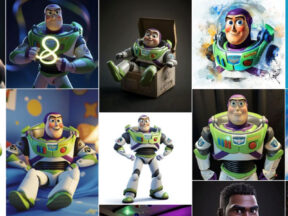
Pictured at top: An example provided by Disney in the original lawsuit.