.png)
‘We Wanted To Show Why This World Was Worth Saving’: Showrunner Adam Muto On ‘Fionna and Cake’s’ More Grounded, City-Based Second Season
Stay informed with free updates
Sign up to get our news digest — delivered directly to your inbox twice a week.
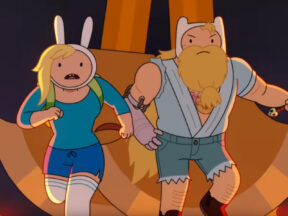
The second season of Adventure Time: Fionna and Cake is now airing on HBO Max, and according to showrunner Adam Muto, it marks a shift in both tone and texture for the grown-up spinoff. After a first season that bounced through the multiverse in a kaleidoscope of realities, Season 2 brings Fionna and her companions back down to earth, literally.
“We kind of committed to keeping this version of the world mostly non-magical,” Muto told Cartoon Brew. “So the challenge was: what can we do here that we couldn’t do in Ooo? What problems would Fionna face that Finn never would?”

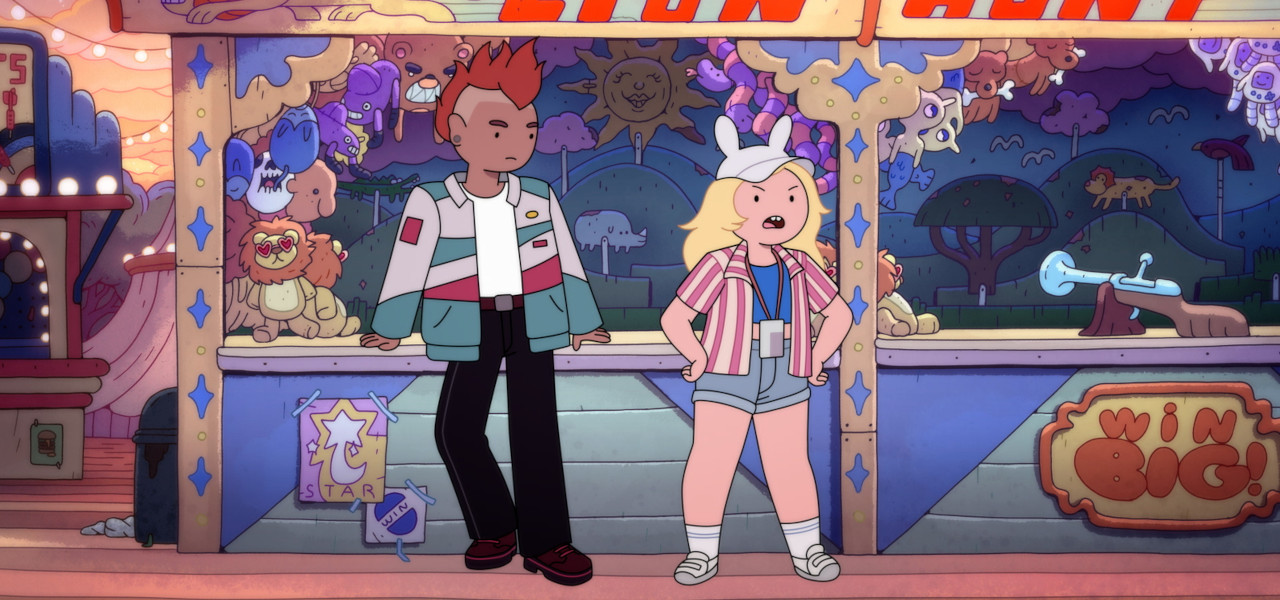
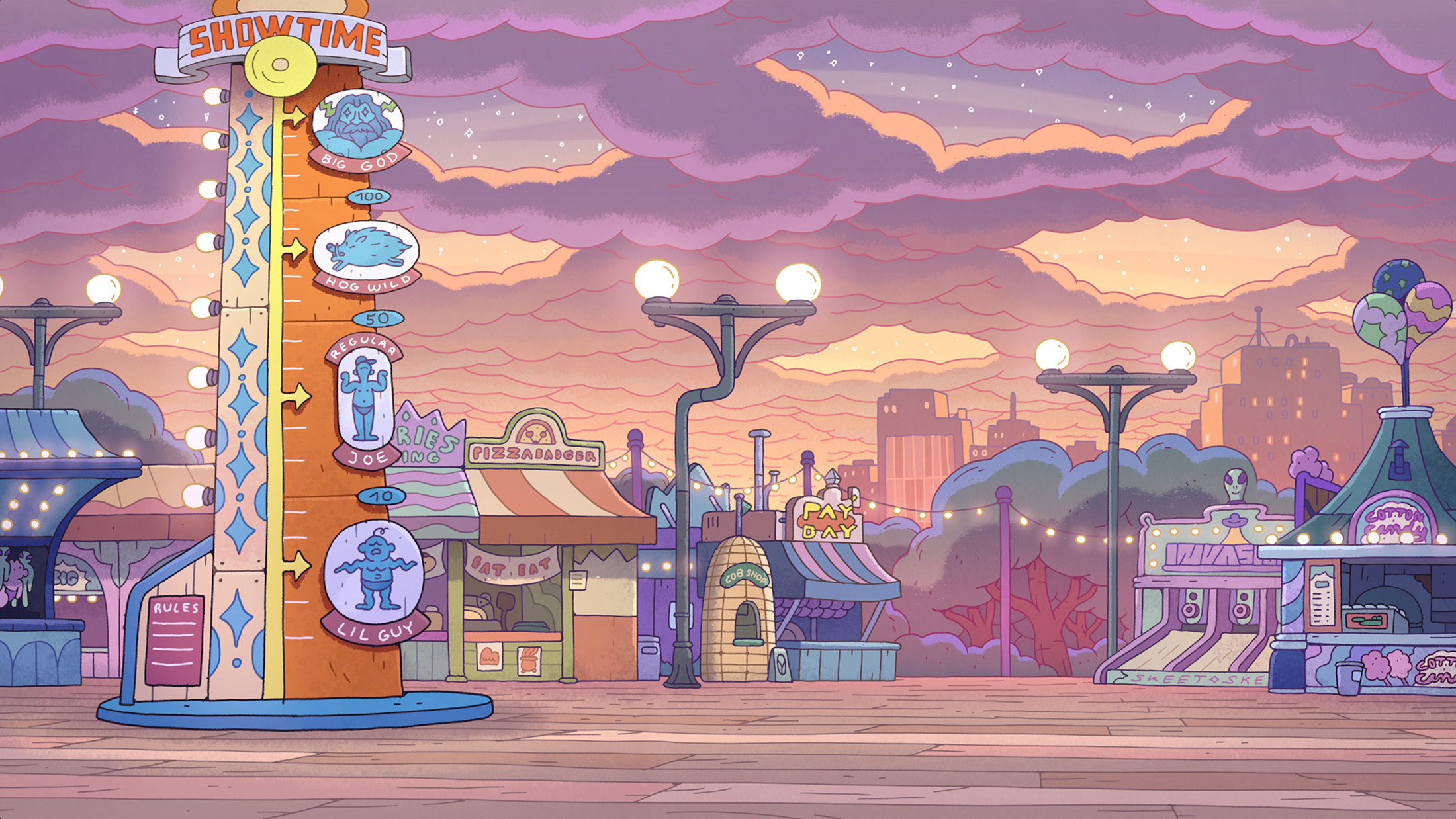
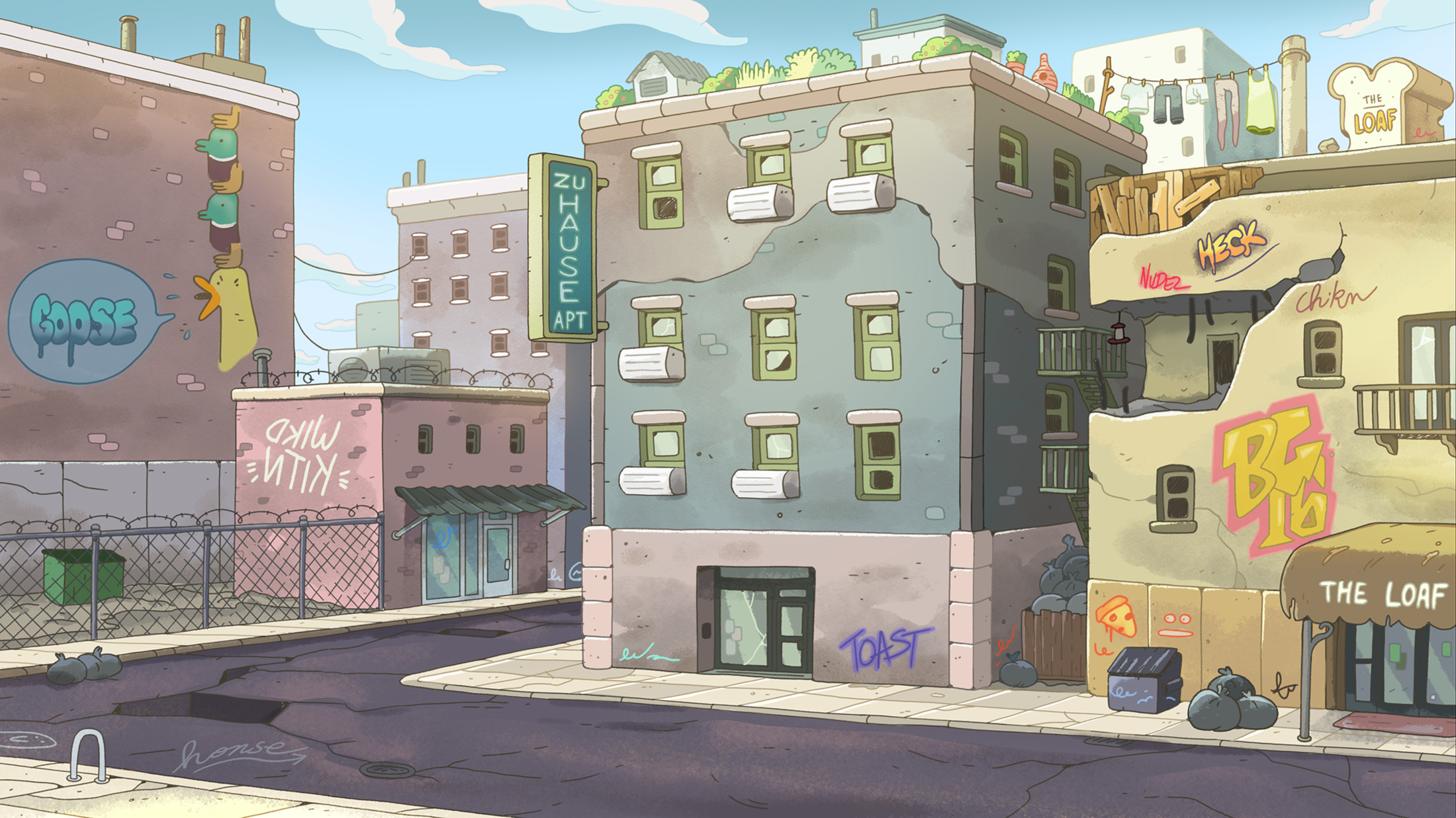
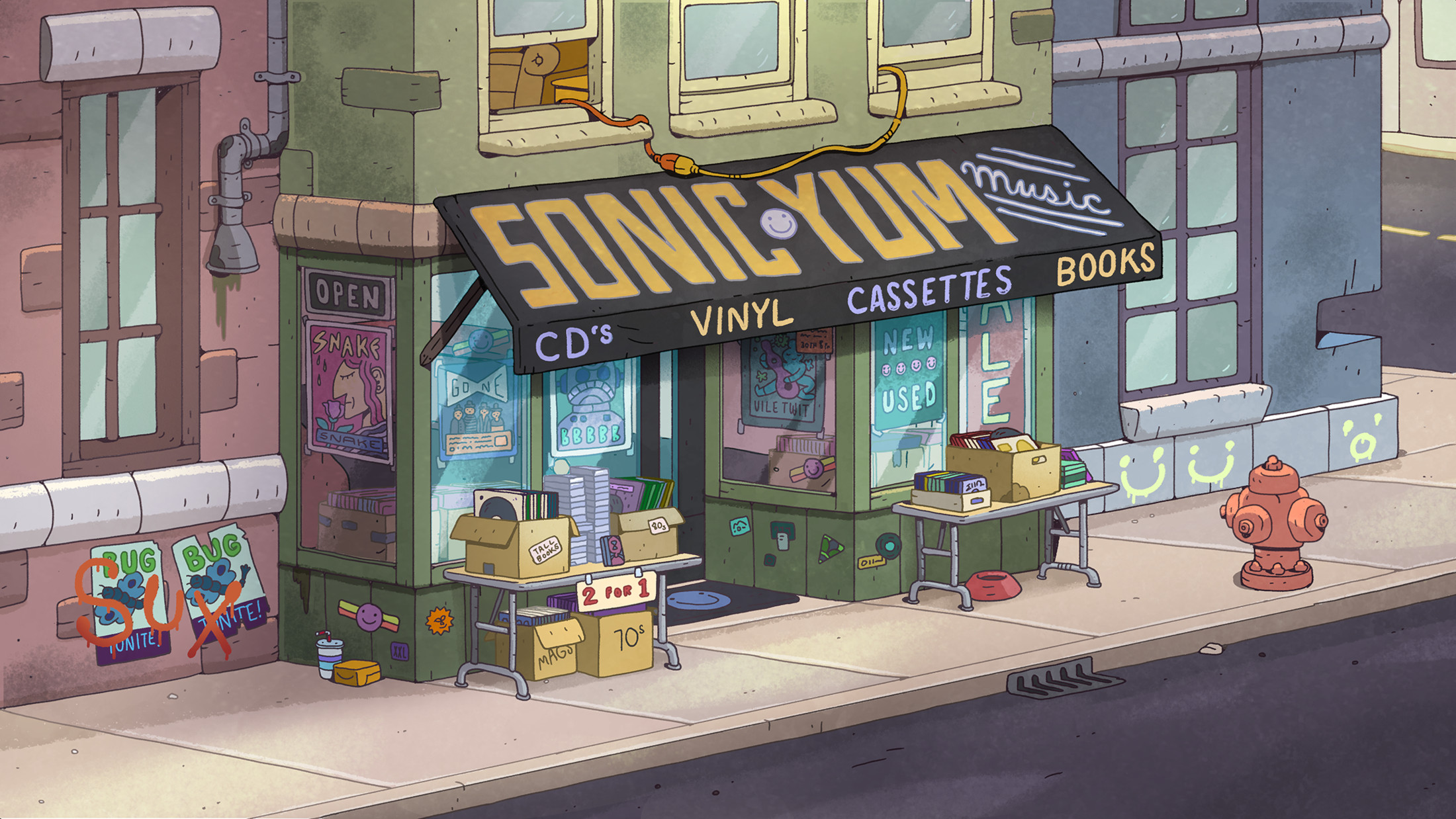
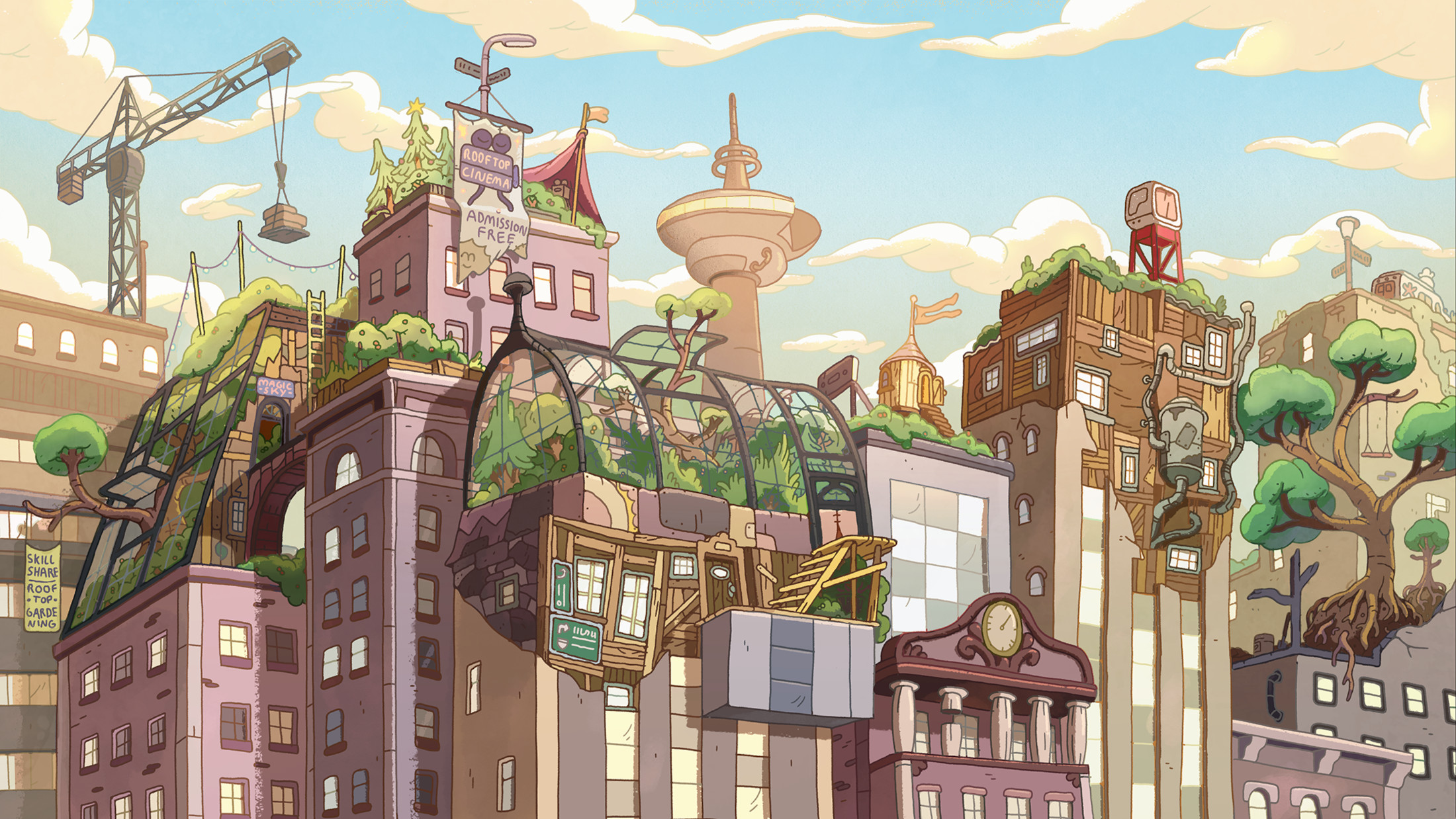
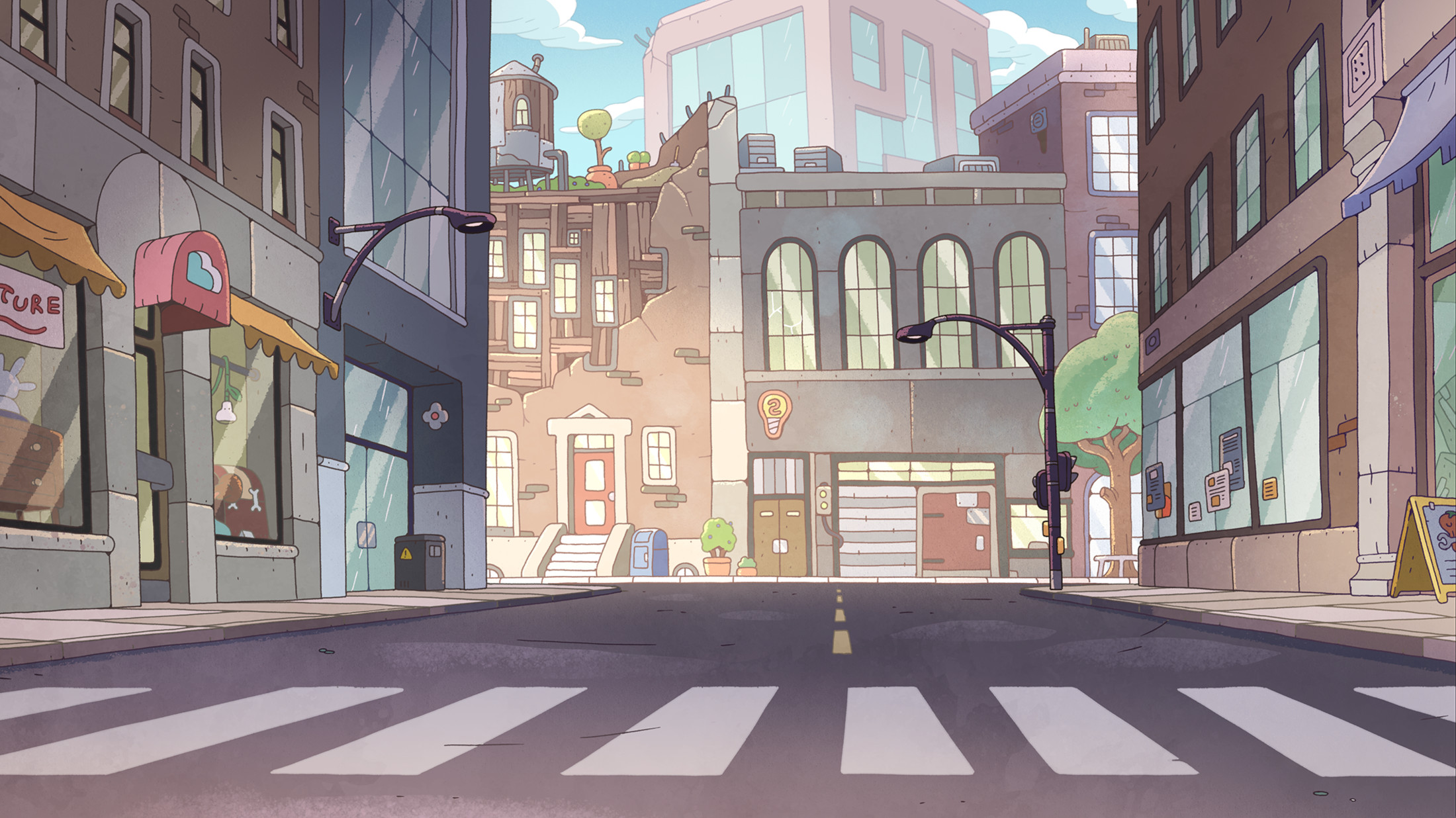
While there is still some Adventure Time-esque fantasy fun to be had, the new season’s grounding, both emotional and visual, defines its aesthetic. Although spending more time in the “real” world didn’t necessarily make the crew’s jobs any easier. Quite the contrary, actually, as Muto says, spending more time in a highly populated city requires more attention to detail and careful attention to continuity.
“It means a lot more city backgrounds, which are very line-heavy,” he explained. “We wanted to show why this world was worth saving, not just have her open another portal and escape again.”
Finding the Magic in the Mundane
Despite its urban setting, Fionna and Cake still carries the surreal DNA of Adventure Time. Muto and his team worked to make “a normal world feel magical,” layering moments of stylistic surprise throughout. “We didn’t want ten episodes of cityscapes feeling repetitive,” he explained. “So we look for opportunities to shift style, sometimes dramatically, for variety’s sake.”
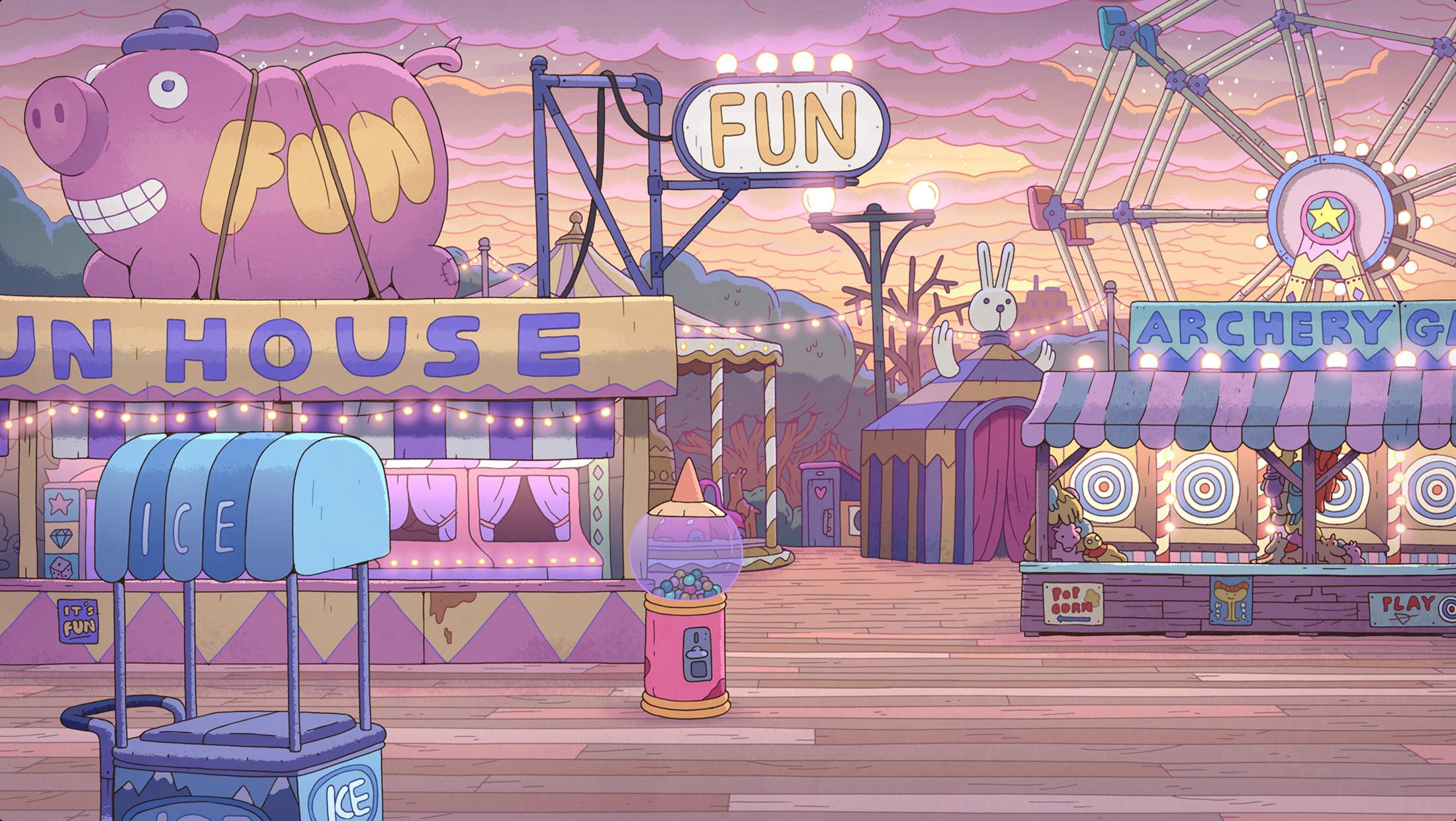
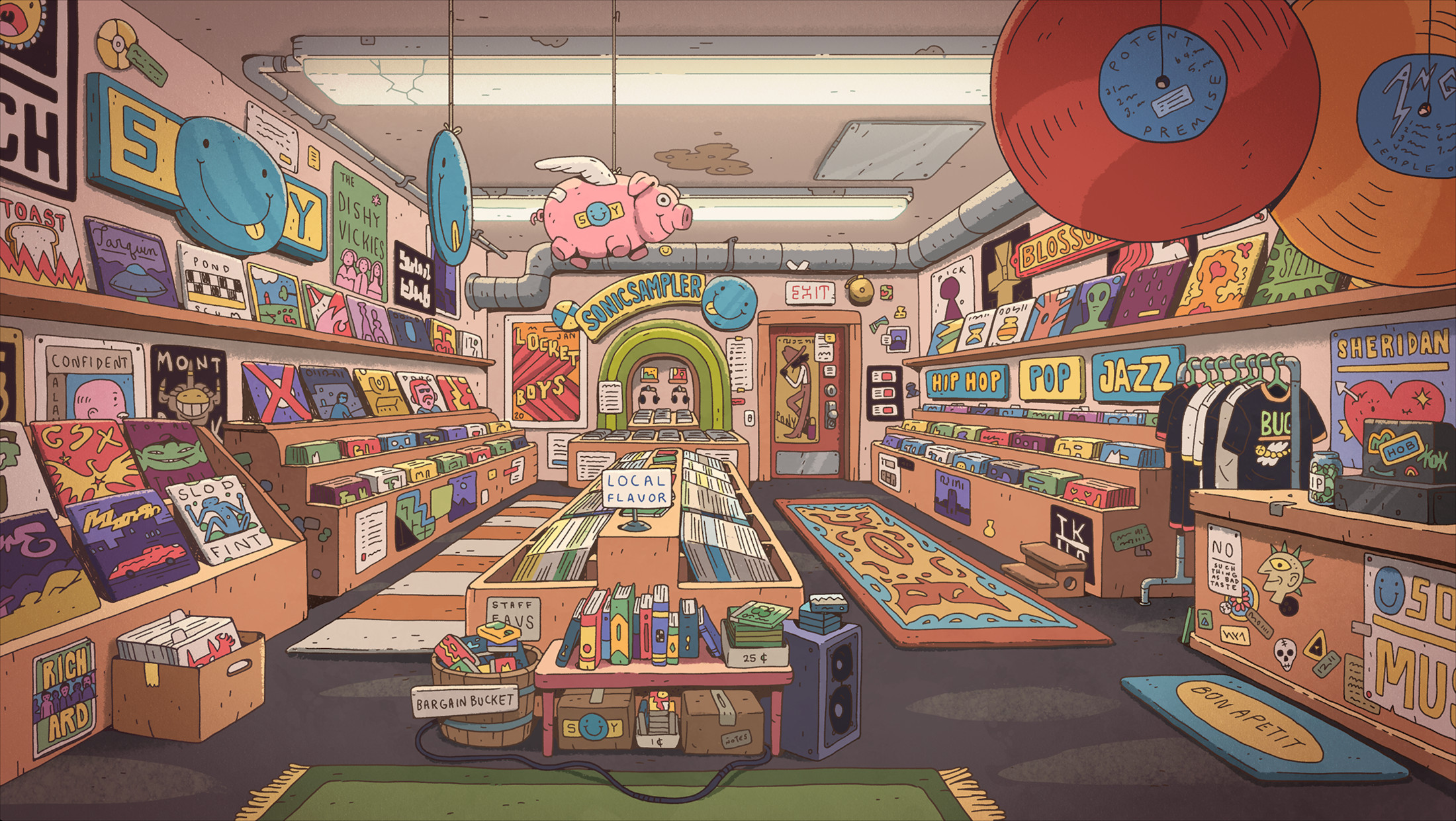
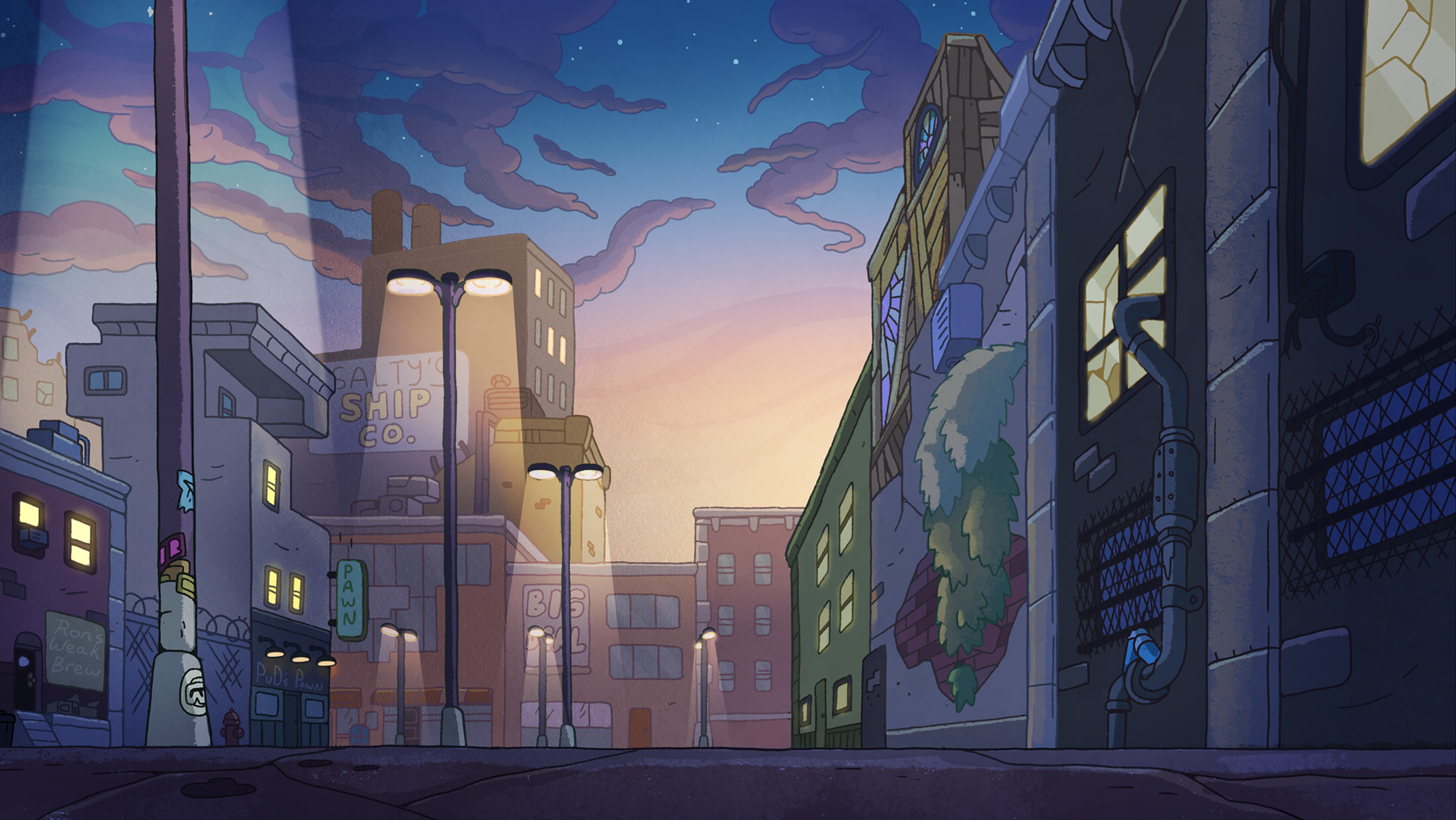
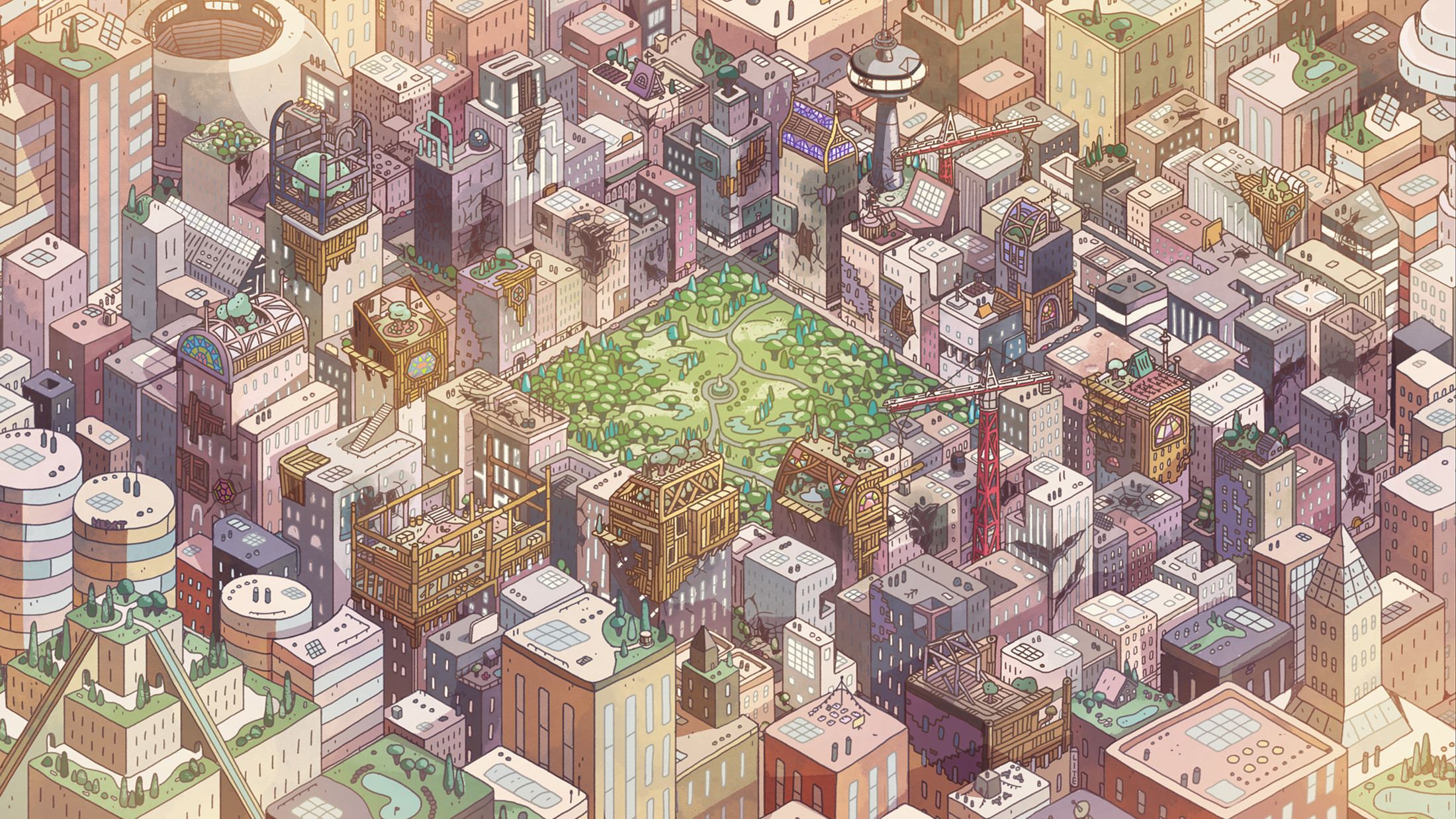
Season 2 also features new guest-directed sequences, continuing a tradition that dates back to Adventure Time’s earliest seasons. “We always liked how different board artists could take wildly different visual approaches,” Muto said. “That’s harder to pull off in today’s production pipelines, but we still try to carve out those moments.”
The opening sequence itself was handed to the indie collective Small Boo, fresh off an Emmy win for their work on Season 1. The team brings a fresh visual voice to the show’s new chapter.
Growing Up with the Audience
The thematic evolution mirrors a generational one, for both characters and viewers. Muto notes that when Adventure Time first aired, it targeted Cartoon Network’s 6-to-11 demographic. Those original viewers are now adults, and Fionna and Cake acknowledges that maturation.
“The characters aged up, and the audience aged up,” he said. “We didn’t have to make it a hard-R show, just follow the natural inclinations of these characters as they got older.”
That means confronting more adult concerns: jobs, rent, and identity crises, all filtered through the playful design language of Adventure Time. “It’s fun seeing these soft, round, cartoony characters dealing with real adult problems,” Muto said. “That juxtaposition is part of what makes it work.”
From Heroics to Humanity
Season 1 closed on an upbeat, seemingly final note, but Muto says Fionna’s story isn’t as tidy as it looked. “She saved the day, but her life hasn’t really changed,” he said. “She had a huge transformative experience, but she hasn’t dealt with who she is as a person yet. If you’re called a hero, what does that mean in this world?”
That introspection drives the new episodes, trading cosmic stakes for more personal ones. It’s still Adventure Time, but quieter, more reflective, and more human.
And while the series may have started as an alternate-universe curiosity, Fionna and Cake has clearly found its own footing. “The first season could’ve ended there,” Muto said. “But this one shows why it’s worth continuing, why this world, and these characters, still matter.”
All photos courtesy of Warner Bros. Discovery