.png)

Behind The Scenes Of ‘The Simpsons’ Fashion-Forward Season 37 Premiere
Stay informed with free updates
Sign up to get our news digest — delivered directly to your inbox twice a week.
The Simpsons will do a little turn on the catwalk, yeah, on the catwalk, this weekend when the iconic series returns for its 37th season on Sunday, launching the first of a four-season renewal that will take the show through 2029.
The new season will launch with an episode that blends nostalgia, satire, and heartfelt family dynamics in a way only The Simpsons, with its nearly four decades on TV, can.
A Story Pulled From Real Life
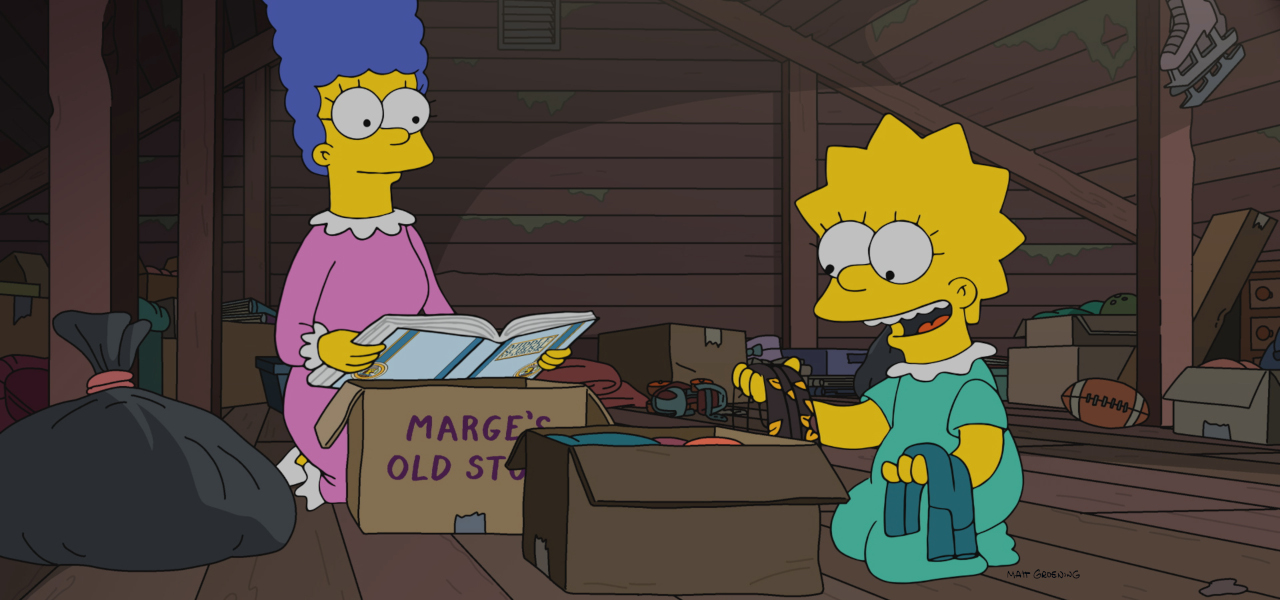
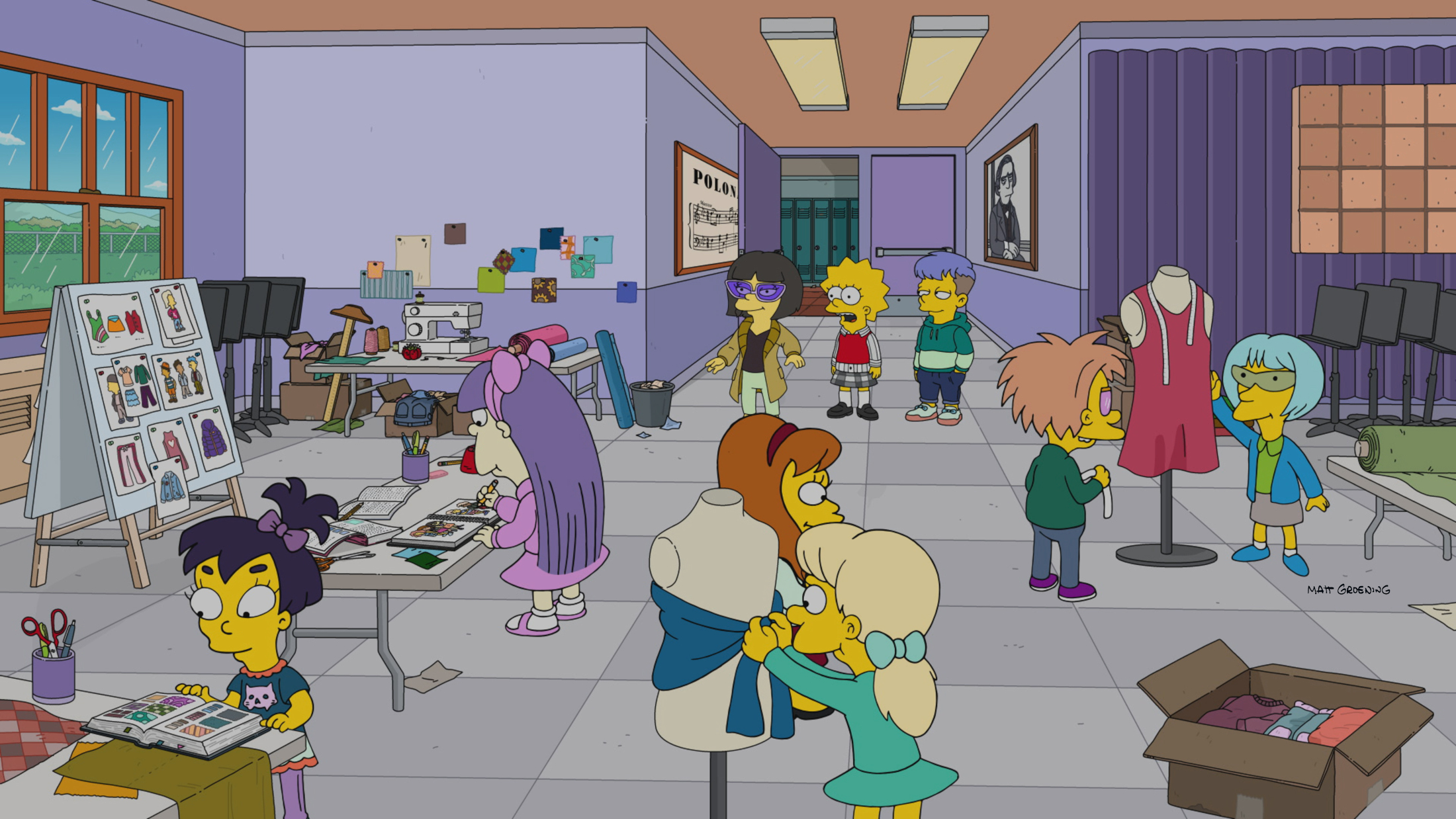
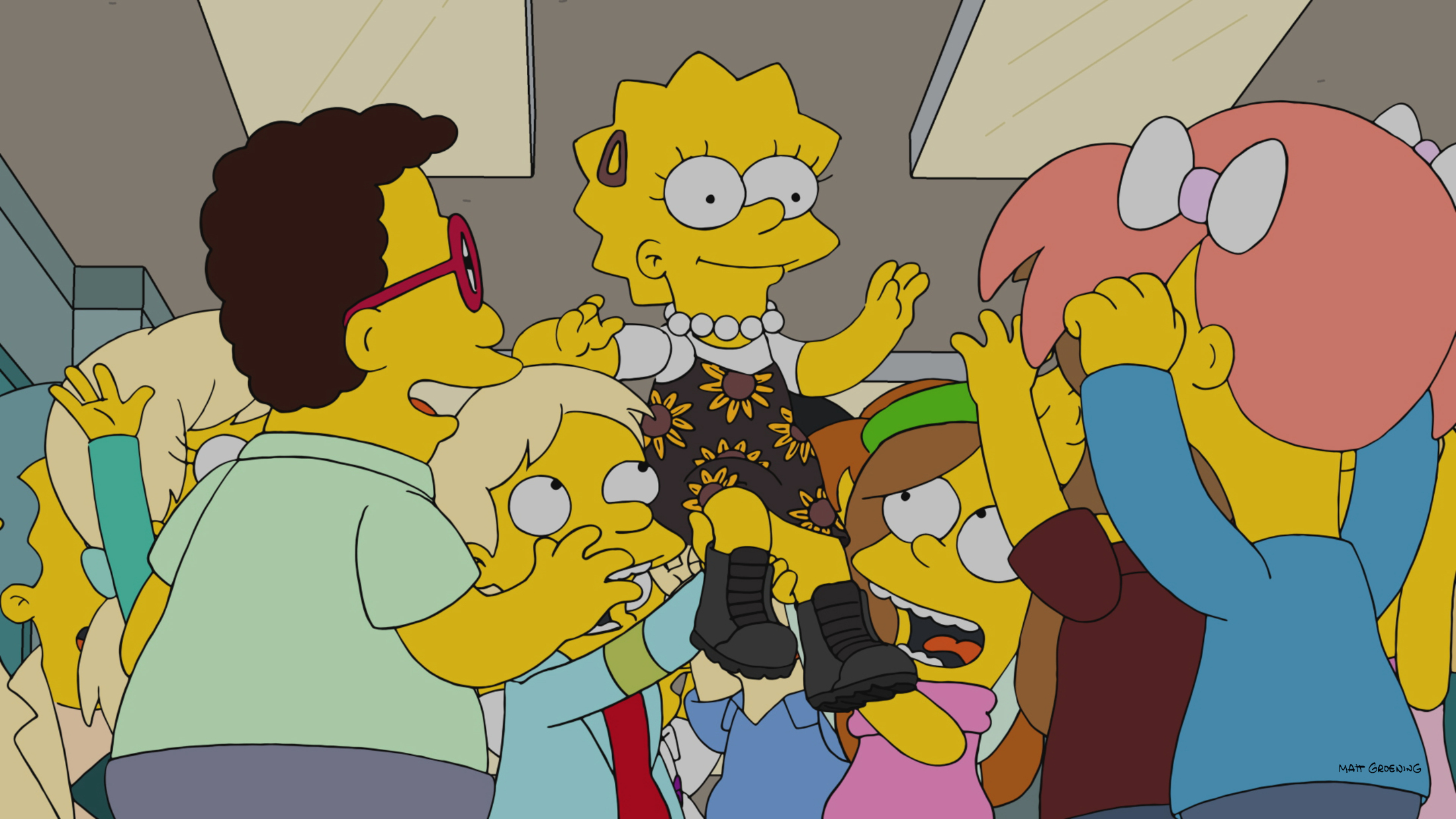
The season premiere, titled “Thrifty Ways to Thieve Your Mother,” puts Lisa in the spotlight when she discovers Marge’s vintage ‘90s wardrobe. What begins as an innocent raid of her mother’s closet quickly propels Lisa into Springfield Elementary’s ultra-elite fashion club. But when the supply of retro looks runs thin, things take a turn.
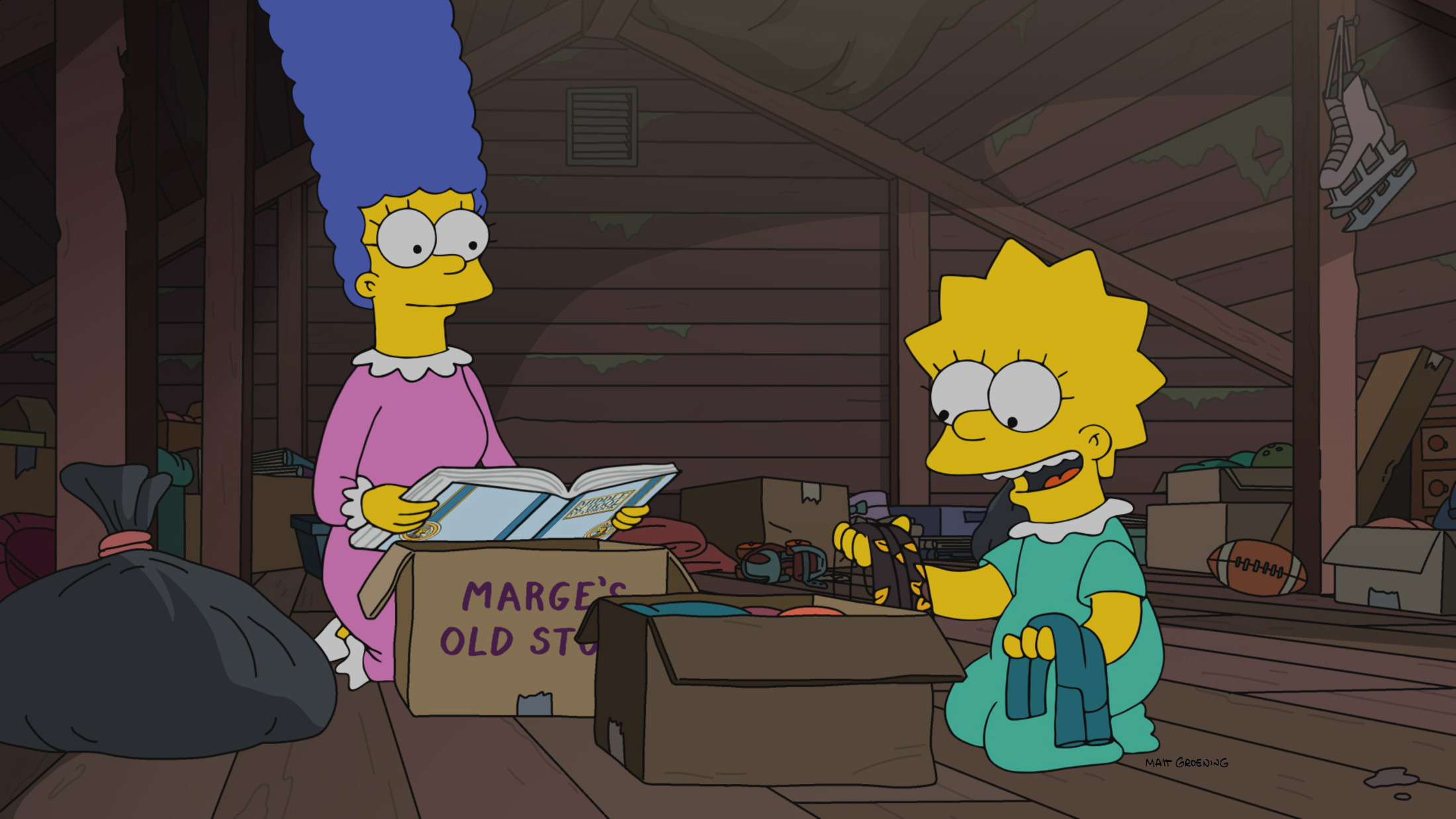

Writer and producer Jessica Conrad, who penned the episode, admits the idea came straight from her own teenage experiences. “I used to wear my mom’s clothes all the time, and it felt so cool when they came back in style,” Conrad shared. “This episode gave me the chance to bring that to Lisa in a way that also comments on how the show constantly fudges its timeline of what counts as ‘retro.’”
Dressing Springfield in ‘90s Cool
Because The Simpsons characters have been wearing the same outfits for more than three decades, a fashion-centric story presented unusual challenges and opportunities.
“It was probably the most fun part of the production for me,” Conrad said. “We worked with the animators to pull together all these different looks for Lisa and the new characters, while also poking fun at the fact that Sherri or Terri never change outfits, even in a fashion club.”
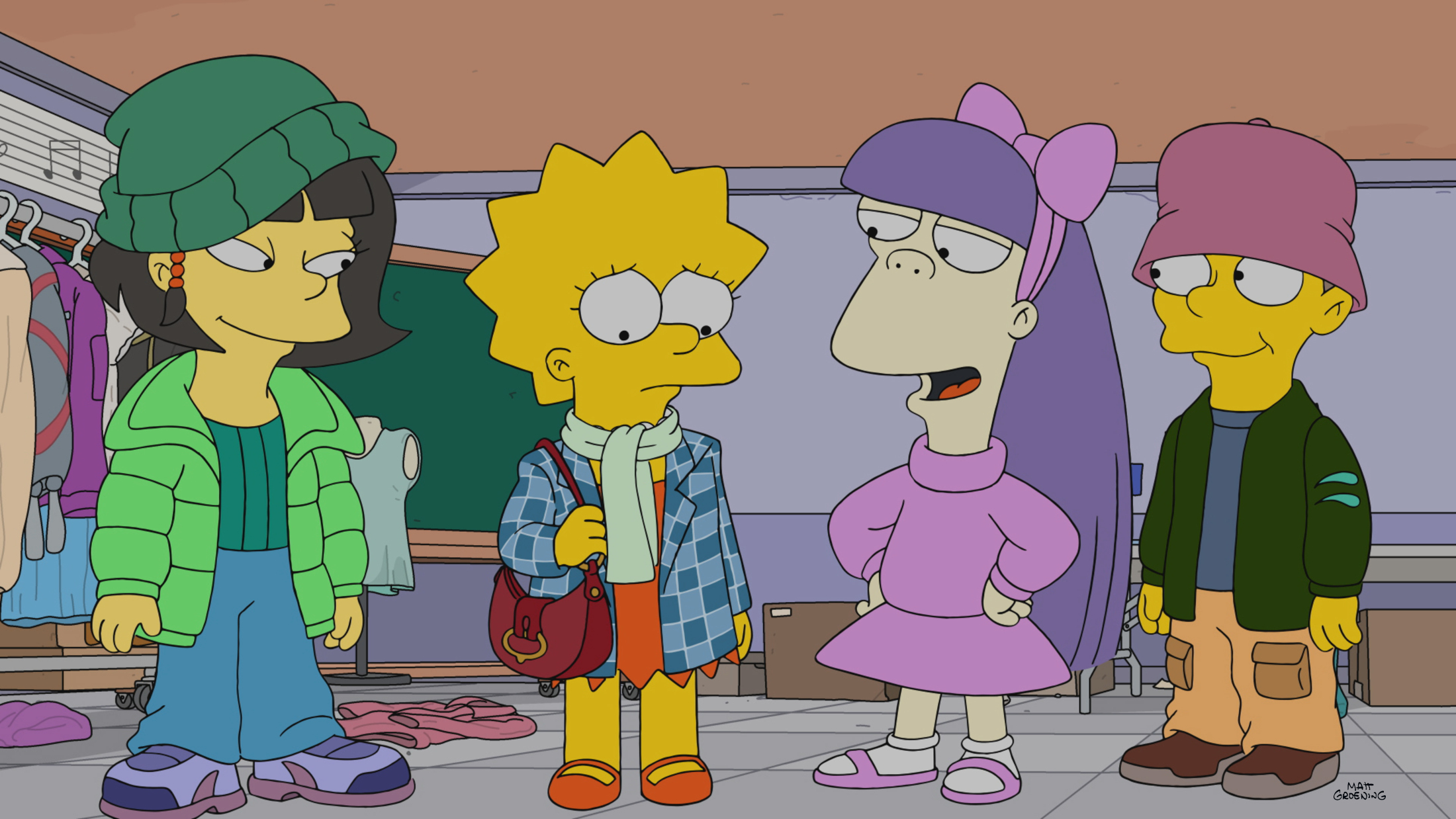
Her references ranged from old Delia’s catalogs to iconic teen dramas like Dawson’s Creek. “It was about capturing that late ‘90s, early 2000s feel while also making it resonate with what kids are wearing now,” she added.
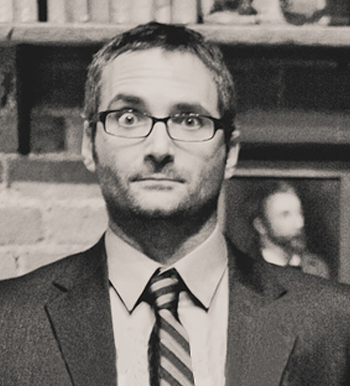
Director Gabriel DeFrancesco faced the task of juggling numerous costume changes and visual gags. “There are some incredibly funny bits that don’t even deal with fashion, but the sheer number of wardrobe swaps was the big challenge,” he said.
Coincidentally, the director also found himself living the storyline at home while working on the episode: “My wife’s mother kept sending boxes of her old clothes to my kids… suddenly our house was filled with grunge shirts and JNCO pants.”
Reinvention
Despite its longevity, The Simpsons continues to push for fresh stories while staying grounded in its core family dynamic. Conrad, who has been with the show for nearly six years, sees that as one of the biggest creative challenges.
“It’s about finding new genres to parody, new character backstories to explore, while keeping it rooted in reality. That’s what makes it so rewarding.”
DeFrancesco agrees: “On the art end, it’s like a family. You always come back to it. Even if you work elsewhere, you want to return because of the storytelling freedom and the collaborative spirit here.”
How a Simpsons Episode Comes Together
Though The Simpsons is now a well-oiled machine, both Conrad and DeFrancesco say every episode brings its own hurdles and surprises. Once a script is table-read by the cast and crew, production moves quickly into storyboarding.
“It’s extraordinarily collaborative,” DeFrancesco explained. “You’re with the writers from the table read all the way to the end of the episode. My job is to serve the script but also bring cinematography to it, and Jessica will throw in a lot of ideas along the way. We’re constantly listening and adjusting.”
Rewrites and improvisation remain a key part of the process well after the initial storyboard phase.
“Even when we have an animatic, we’ll tweak jokes, add background sign gags, or adjust timing,” Conrad said. “Once it’s in color, there’s less we can change because of budget constraints, but we’re always looking for ways to make it funnier or sharper.”
Why Directors Keep Coming Back
While some animation directors bounce from series to series, DeFrancesco says The Simpsons has a unique pull. “We have a joke that The Simpsons are golden handcuffs,” he said with a laugh.
He’s taken on other opportunities over the years, but the combination of stability and creative freedom keeps drawing him back.
“With new shows, the scripts can be hit or miss, and you don’t always have the assets or tools for ambitious storytelling,” he explained. “Here, the writers deliver really solid ideas, and visually you can get away with more — cinematic shots, complex staging — because the infrastructure’s been built over decades.”
That history also creates a strong sense of community. “On the art end, it’s like a big family,” DeFrancesco said. “Even if you step away for a bit, you want to return because you know the world, you know how to tell these stories, and it’s just fun to draw.”