.png)

‘Charamuscas’ Marks A Mexican Animation Milestone As Guanajuato’s First Original Animated Series For Broadcaster TV4
Stay informed with free updates
Sign up to get our news digest — delivered directly to your inbox twice a week.
Mexico’s Mr. Machin is best known for its adult-aimed original IPs, but the studio has now entered new territory this year with the animated kids’ series Charamuscas, a co-production with TV4, the public broadcaster of Guanajuato. The milestone is equally significant for the network, which bills Charamuscas as its first original animated series, a milestone that could prove significant for Mexico’s animation industry if successful.
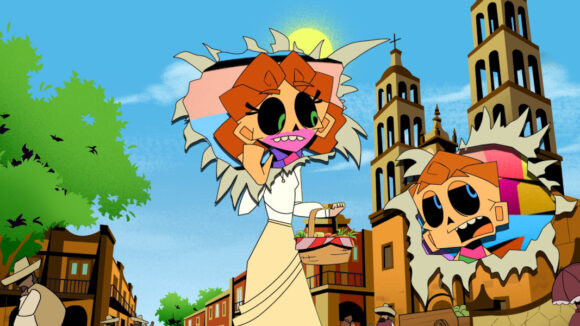
Charamuscas is a 2D family show that reimagines 12 local legends with humor, light scares, and distinctly Mexican flavor. Based on an original idea by TV4 director Rafael Gutiérrez Mercadillo, the series was developed entirely in-house at Mr. Machin under the direction of Roi Contreras, blending cut-out and hand-drawn animation to bring iconic tales like El Callejón del Beso and La Llorona to life for a new generation of viewers.
At first glance, the show might look like a playful romp through folklore. But Charamuscas is much more: a daring blend of tradition, comedy, and horror crafted for both kids and adults, with a style as distinctive as the charamusca candies from which it takes its name.
PG Legends
The show’s creative team faced an immediate challenge during development: how to adapt chilling tales like La Llorona or El Callejón del Beso for family audiences without losing their edge. “These legends are originally about very dark themes, such as death and betrayal,” the creators explain. “The biggest challenge was adapting them while maintaining the essence of the protagonists and the narrative structure of the legend, where some protagonists, despite being evil, often behave in a very silly way.”

Their solution was a careful balance of tension and humor. Each story is narrated by Yeyo — hyperactive, curious, and obsessed with storytelling — and his sister Lola, who would rather bury her face in her phone than chase down another ghost story. Together, they clash, joke, and break the fourth wall while guiding viewers through 12 of Guanajuato’s most famous legends. “We relied on the two friendly hosts, who bring humor, make jokes and use puns, but also tell the complete legend. Of course, the sound production is another key element, both to create the atmosphere of each legend and to break the tension and return to the comedy of the Charamuscas.”
The result is a storytelling format that honors the darkness of Guanajuato’s oral tradition, while still being accessible to children and entertaining for parents.
Animation Meets Tradition
Visually, Charamuscas is as inventive as its storytelling. The series combines two animation techniques: cut-out for the main characters and hand-drawn animation for the supernatural figures who haunt them.
“The decision was made primarily considering the goal to produce 12 episodes in six months,” the team reveals. “We opted for a combination of cut-out and full animation to give the series a unique and versatile style.” Yeyo and Lola’s cut-out animation ensures consistency and efficiency, while the legendary characters—Lucifer, witches, ghost monks, even dinosaurs ridden by warriors—burst to life in fully animated sequences. “This combination not only optimized the available resources but also created a distinctive visual language that reinforces the narrative of each story.”


That visual identity is no accident. The art team, Mr. Machin’s Robot-Skull Patrol, traveled across Guanajuato to capture the city’s unique atmosphere: its tunnels, markets, plazas, and mummies. “Some artists had never seen a Guanajuato mummy or tasted a charamusca,” the producers laughed, “so the trip helped them understand how to interpret the spirit of each legend.”
Local Flavor, Global Reach
For Contreras, the series’s director and writer, the project is deeply personal. A native of Guanajuato, he grew up wandering its alleys at night, haunted by visions of witches disguised as owls. That childhood fear became fuel for the series’ authenticity. “This series was a very natural and exciting thing for him,” the team says.
But authenticity was only one side of the equation. The show needed to resonate beyond Guanajuato, or even Mexico. Here, contemporary and universal themes provided the bridge: Lola’s obsession with becoming a social media star, Yeyo’s unrequited crushes, and the everyday sibling rivalry that makes their banter so believable. “This speaks to teenagers around the world about this strange and beautiful stage of life,” the writers note.

A New Era for Mexican Animation
One of Charamuscas’ most impressive achievements lies not in its candy-coated protagonists, but in what it could represent for Mexican animation. The collaboration between TV4, a regional broadcaster, and Mr. Machin, an independent studio with experience working for Disney+ and Warner, marks a bold step for local storytelling and could mark a shift in how local productions are commissioned and produced.
“This series is definitely a new direction for animation in Mexico,” the creators say. “It’s very significant that a Mexican television channel has opted for an animated production like this, trusting in our writing, directing, and producing work, and recognizing the importance of strong storytelling in each episode.”
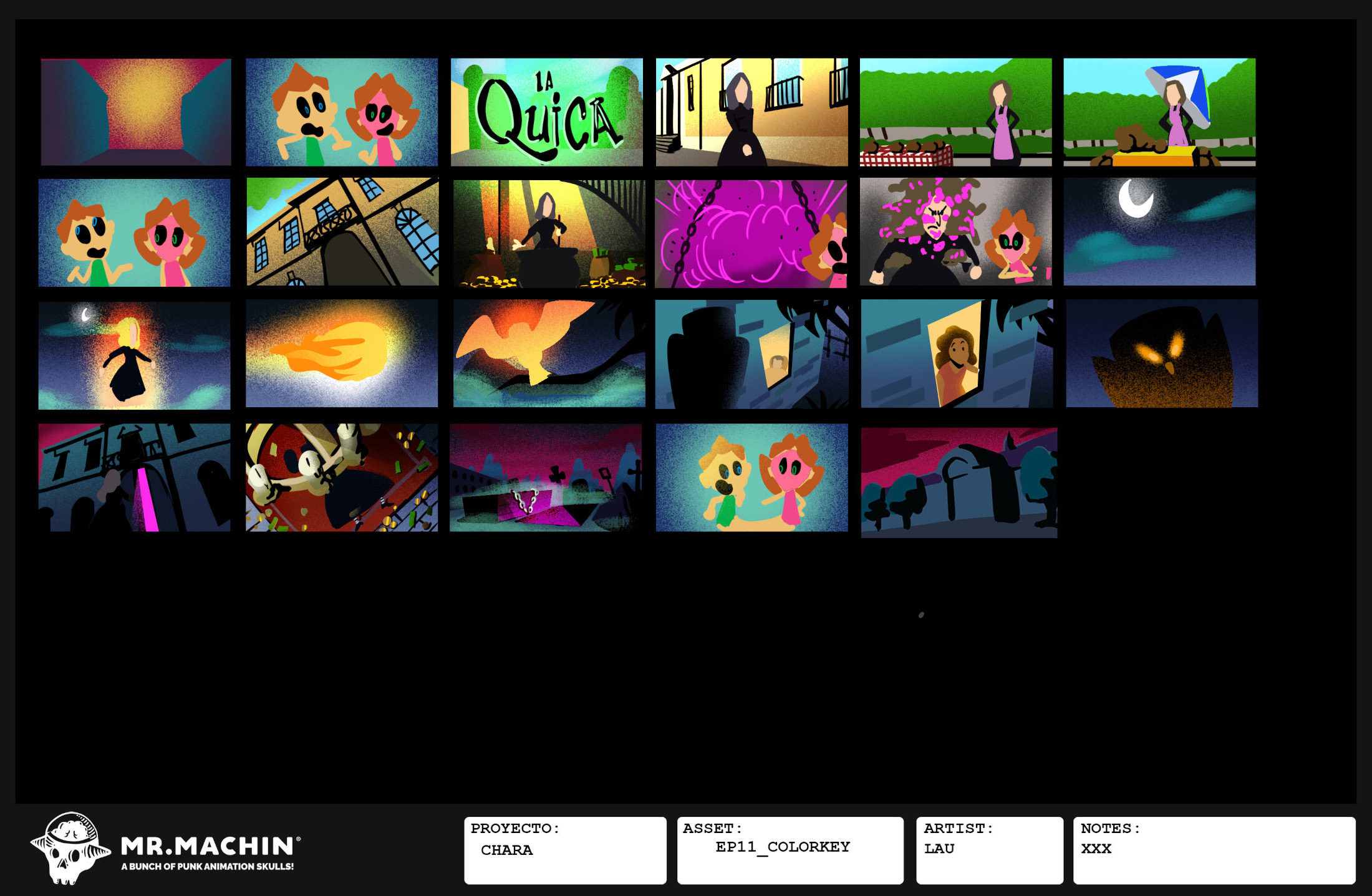
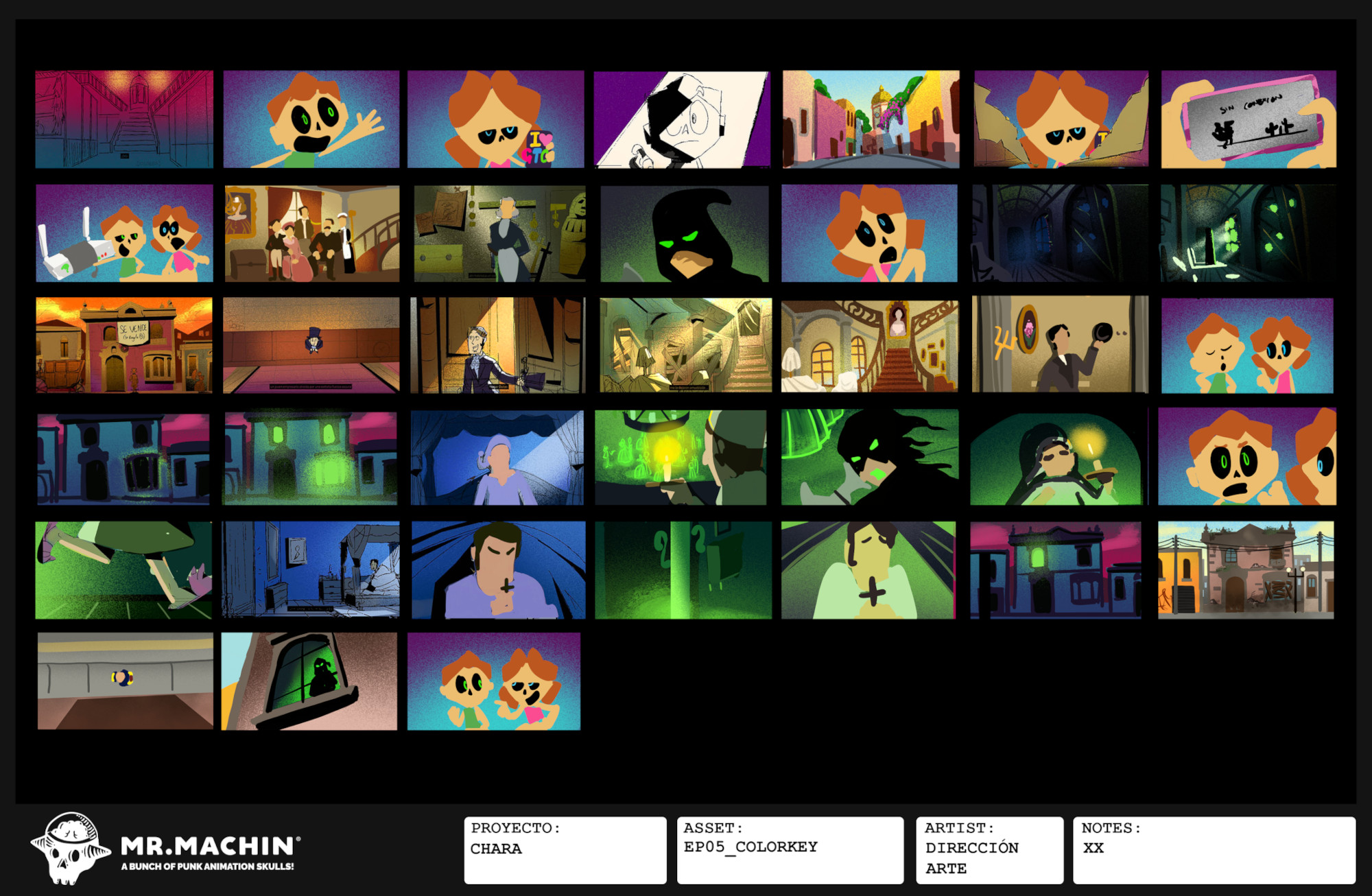 Gutiérrez Mercadillo, TV4’s director, championed the project from the start. The partnership demonstrates that Mexican animation can rival global productions when given the chance. “It reflects that, when there is a willingness to produce locally, Mexico has the talent necessary to generate new scenarios in animation and open up innovative spaces on national television,” the producers emphasize.
With the support of Red México and alliances with international networks, Charamuscas already has guaranteed national and international reach. And if the creators have their way, this first season will be just the beginning. “We would love to produce a second season: the legends of Guanajuato and throughout Mexico offer vast material for telling stories adapted to these new formats. Mexico has an enormous cultural wealth and a broad audience eager to see their own stories on screen.”