.png)
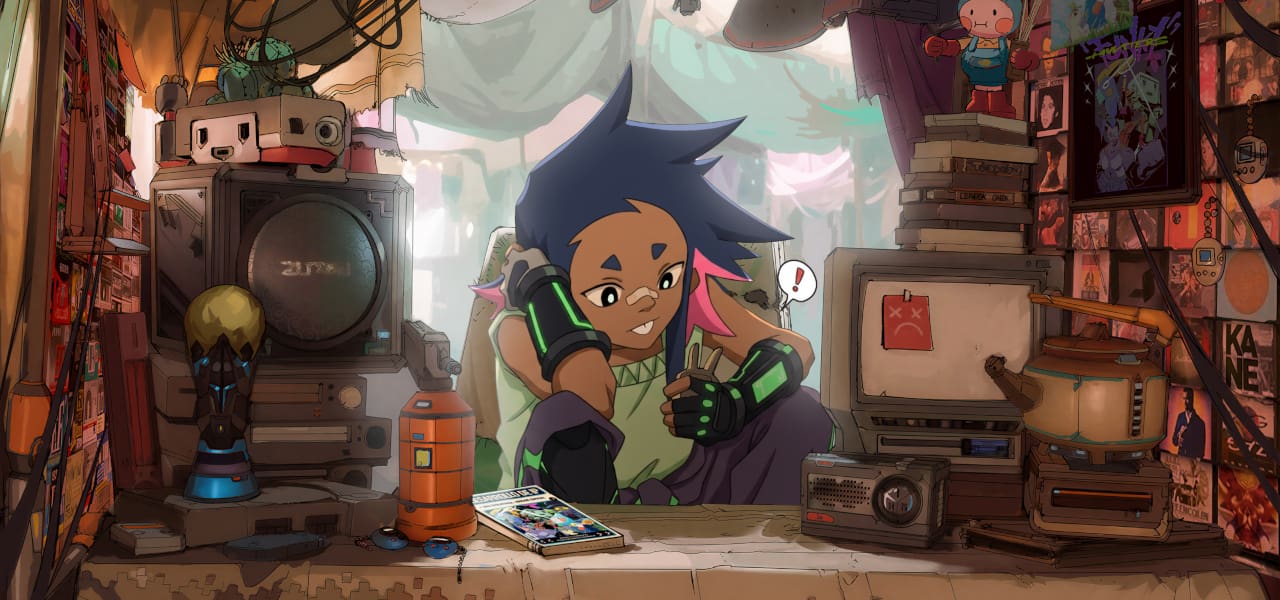
Buenos Aires Studio Bellolandia Drops First Story Trailer for South American Anime Series ‘Electro Andes’ (EXCLUSIVE)
Stay informed with free updates
Sign up to get our news digest — delivered directly to your inbox twice a week.
Two weeks ago at Cannes, Toei Animation’s general manager Asama Yosuke told Variety: “The era when anime was something made only by Japanese people is over. From now on, we aim to create entertainment works rooted in local cultures together with creators from around the world.” It was a headline statement from one of anime’s oldest and most powerful institutions.
A paradigm shift is underway. The animation industry is pivoting toward the creation of more complex, more mature genre storytelling in series and feature-film form. Anime has been the Trojan horse that has transformed global attitudes toward what “cartoons” mean and, more importantly, who can enjoy them. Anime, a medium, not a genre, runs through global animators’ DNA like Brighton through a stick of rock.
One of the most vivid examples of what Toei’s GM is talking about can be found in a 30-minute pilot sitting on a server inside a studio more than 11,000 miles from Tokyo. Inside an unpretentious workspace in Buenos Aires, Argentina, roughly 100 people have spent the past 24 months creating it. They are a dedicated group of artists who have coined their own word for what they do, and today, they dropped the first story trailer.
Electro Andes is an ethno-cyberpunk anime series set in Arcadia Iruyana, a dystopian future where pre-Columbian gods and Incan iconography coexist with surveillance states, resource exploitation, and cybernetic augmentation. The pilot follows Cal and Pietro, two brothers who infiltrate the depths of the mountain searching for their missing grandfather. Cal wants revenge. Pietro still hopes to find him alive. It’s a premise of elegant, timeless simplicity that carries the full weight of South American political and mythological reality beneath it.
The studio behind it is Bellolandia Studio, founded in 2018 in Buenos Aires and previously operating as Arquenciel. The company will bring the Electro Andes pilot to the Annecy International Animation Film Festival as part of the MIFA Studio Focus Panel, to be held on Friday, June 26, 2026. The panel, titled “The Rise of South American Anime,” will include a special screening of Electro Andes.
[Sidebar: If you can’t wait for the MIFA panel, Bellolandia is hosting an unofficial theatrical world premiere at Les Nemours Cinema at 2 p.m. on June 24. Admission is on a first-come, first-served basis.]
There most definitely is a South American anime scene, even if some of the key players in it are not necessarily aware of one another. The dexterity and panache of the execution suggest a creative talent pool with deep ties to the Japanese industry itself, as well as an intense familiarity with the medium that can only come from decades of immersion and exposure. Over the past six months alone, this writer’s feed has been clogged with Latin American PVs for pilot series that blend local language, customs, and folklore with anime stylings and narrative flair. For Bellolandia, it has been four years of patient MIFA relationship-building to get to this point.
When the first Electro Andes clip landed, courtesy of Catsuka, a few months ago, the immediate assumption was that we were enjoying the handiwork of an experienced Japanese boutique studio. Those assumptions were wrong.
Bellolandia is a commercial animation studio with clients that include Riot Games, Nickelodeon, Nike, and Dream Games. They produce high-end anime-style promotional videos that, for some clients, are targeted specifically at the Japanese video game market. During peak production on the pilot, they assembled close to 100 people across seven countries: Argentina, Mexico, Ecuador, Russia, France, Spain, the U.S., and Canada. Unlike some of their regional peers, they have never worked inside the Japanese production system. Their generation has been shaped by anime as the formative medium of their cultural adolescence. For Bellolandia, anime is not a borrowed vocabulary. It is simply part of who they are.
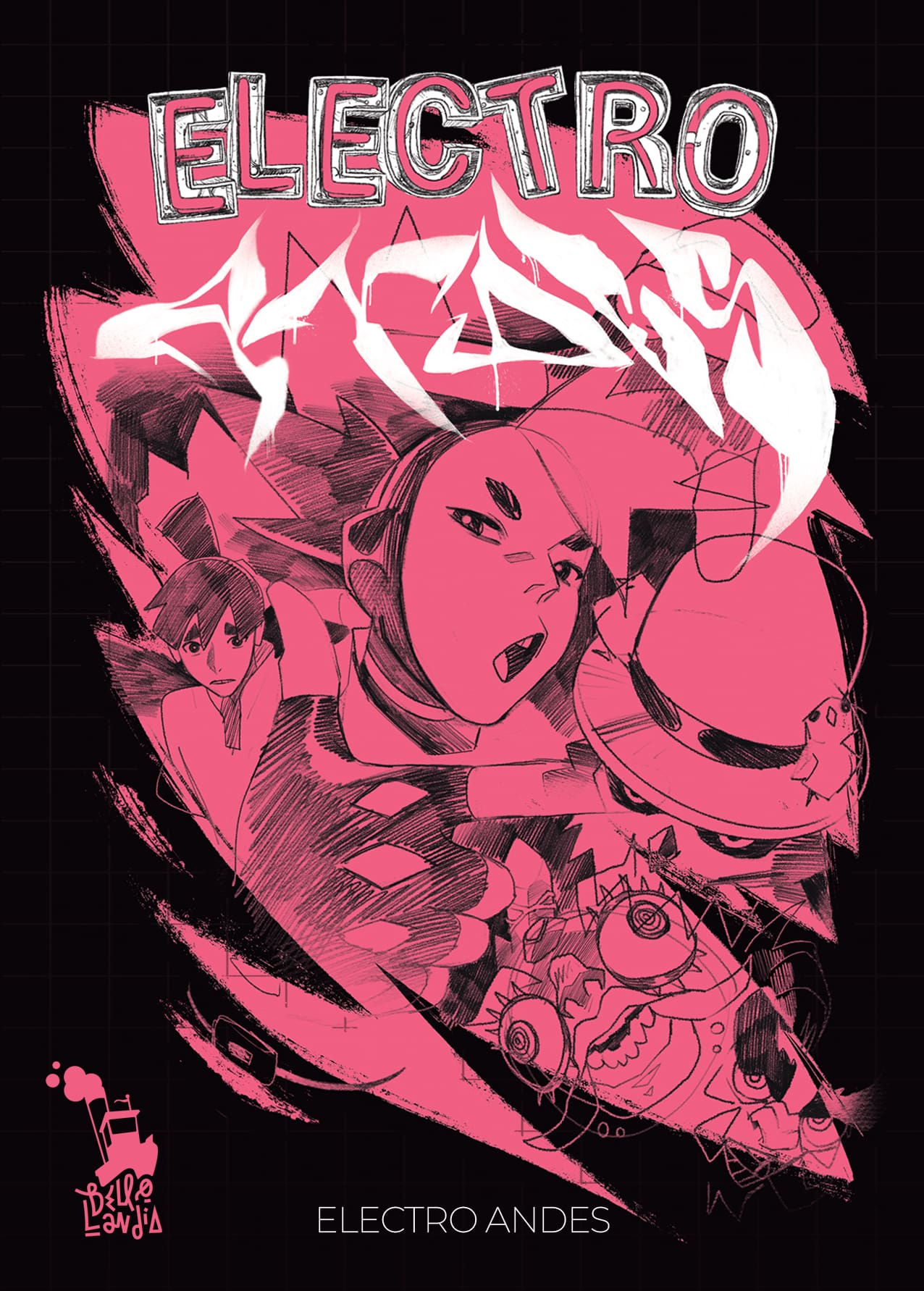
They coined a term for what they do: Sudakuga. A portmanteau of Sudaca, the colloquial, often derogatory term for Latin Americans, and sakuga, the Japanese word for sequences of especially high-quality, expressive animation. Those moments in an episode when a show really moves. They have reclaimed the slur and fused it with the highest technical aspiration of the craft to create an aesthetic identity and a statement of intent.
“There’s always a funny controversy about whether we’re doing anime. Tell me about it.” — Nacho Malter, Director & EP, Bellolandia Studio
The thematic DNA of Electro Andes will be instantly recognizable to any serious anime fan. Akira‘s urban dread and Ghost in the Shell‘s interrogation of the posthuman are mixed with the kinetic visual ambition of Studio Trigger. All of it is mapped onto South American geopolitical realities that give it a narrative weight that would be difficult to emulate anywhere else.
The resource exploitation storyline isn’t the usual generic dystopian backdrop. In 2024, Argentina’s poverty rate peaked at 52.9% while the government simultaneously repealed legal protections shielding Indigenous communities from forced eviction off the lithium deposits the world needs to power its electric vehicles. The history of the Andes is one of colonialism, extractive economies, and the displacement of communities for profit. The surveillance state in Arcadia Iruyana reflects real, contemporary South American political experience rendered in sakuga.
In a conversation with Nacho Malter, co-creator, co-writer, and co-director alongside executive producer Chris Yamao, he addressed the themes and tone of Electro Andes:
Heavy resource exploitation at the cost of the human population and the displacement of communities. Those are elements of our region, but they’re also global, because we’re not the only side of the world where that’s going on.
The tone Malter describes as “a spicy PG-13” lives in the same young-adult register as early Trigger works like Gurren Lagann and Kill la Kill: action sequences with genuine stakes and moral weight. Animation that hasn’t been softened for an imaginary broadcast committee. The series format gives it room to breathe and experiment. The pilot, produced in partnership with Buenos Aires tech company LambdaClass, runs approximately 30 minutes.
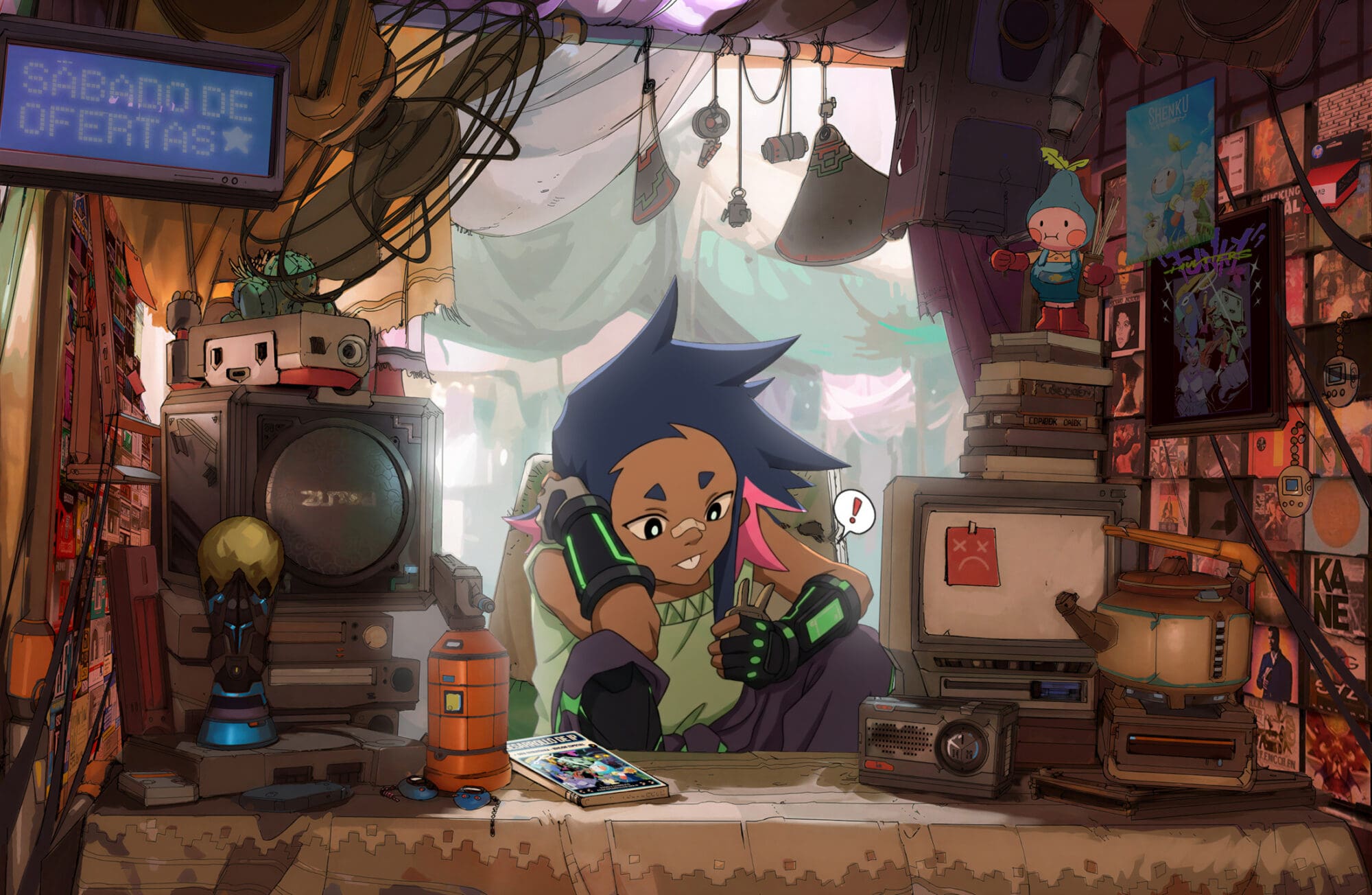
Bellolandia’s relationship with Annecy is a case study for emerging studios to follow. Their first visit was in 2019, when an early project called Jordan was selected for the official program. They returned in 2023 with Electro Andes, planting their flag and declaring intent. In 2024, they returned in recruiting mode, seeking international talent for the pilot. In 2025, they were too deep in production to attend. And here we are in June 2026, with an exclusive first look at the story trailer and a world premiere in three weeks.
“We consider what we’re doing an anomaly. You don’t get to see much anime coming from South America.” — Nacho Malter
What the team says about the mechanics of MIFA reveals how well they understand the market: a long game of relationship building rather than a venue for instant buyers. A co-production rarely happens at the first pitch. At Annecy, it is just as likely to happen casually during the third conversation on the third evening over a late-night beer at The Captain, if at all. Bellolandia has had four years of those conversations. European co-production is their declared next priority: incentive structures, credits, talent pipelines. Their approach mirrors the logic of the Japanese production committee, where you need an anchor distributor before the committee assembles.
Bellolandia did not emerge in isolation. Across Latin America, a generation of animators has been quietly building the infrastructure of a scene. Elite freelance key animators from Mexico, Brazil, Argentina, Peru, and Chile are now regular credits on flagship productions at MAPPA and Toei. Boutique studios are aggregating that talent into organized pipelines capable of taking on direct production packages from Tokyo desks.
The pipeline has visibly shifted in the past three years from individual freelance contribution to something that looks and functions like a genuine regional industry. It is this small-scale industrialization of anime outsourcing and “animesque” commercial work that is creating the right conditions for these creators and teams to reinvest in their own original IP. What Bellolandia represents within that picture is its logical creative apex: a studio that has absorbed the technical discipline of sakuga, built a commercially viable infrastructure around it, and turned the full weight of both toward a completely original world of its own making.
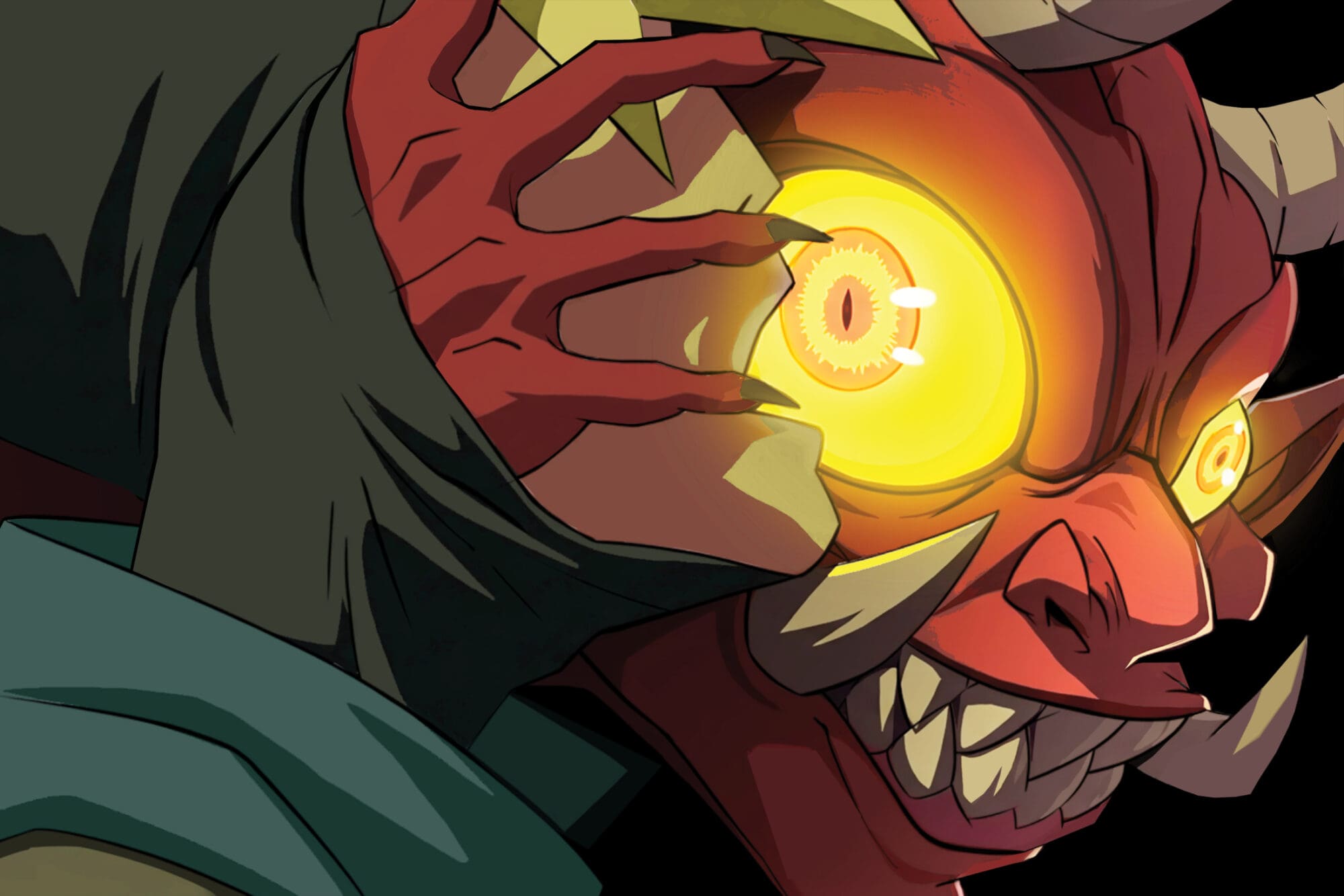
There is a telling detail from the production that speaks to how seriously they take that ownership. At peak production, while running a distributed international pipeline across seven countries, they simultaneously reestablished a Buenos Aires physical studio housing as many as 40 people under one roof across three floors.
“We wanted to bring back the importance of physical space. The difference in workflow is complete.” — Nacho Malter
That’s a countercultural position in an industry that reflexively treats distributed production as the natural state of things. Based on the evidence of the story trailer, it was the right call.
Back at Cannes, Asama Yosuke said the era of anime being made only by Japanese people is over. The Electro Andes story trailer is out today, and its world premiere is in three weeks at Annecy. It is one of the most persuasive arguments I’ve seen so far that he may be onto something.