.png)
‘Hopefully It’ll Outlive Me’: Emily Brundige On ‘Strawberry Vampire’ And Why She’s Done Handing Her IP To Studios
Stay informed with free updates
Sign up to get our news digest — delivered directly to your inbox twice a week.
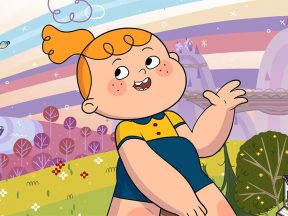
Emily Brundige has done the studio thing. She story edited on Hilda, developed a Harvey Comics reboot, and earned two Emmy nominations for Goldie, the Apple TV+ series that grew out of her acclaimed short of the same name. After more than a decade inside that system, she has arrived at a very clear position on what comes next for her.
“I’m so grateful to have had that experience,” she says of selling Goldie to a giant global platform. “But I’m like, never going to do that again with my own IP. I’m done.”
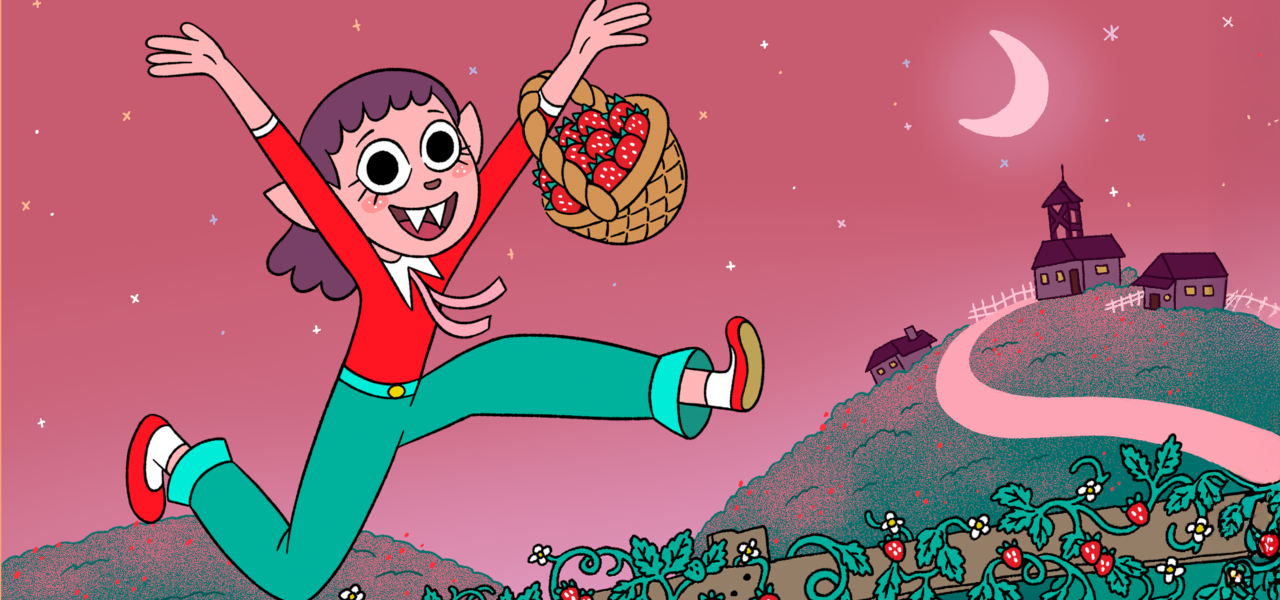
That clarity fuels Strawberry Vampire, the indie animated series for which she recently wrapped a second successful Kickstarter to continue funding. The first one, last year, was a modest friends-and-family round of around $8,000 to produce a pilot, mostly animatic with a bit of finished animation.
That pilot dropped on YouTube on Halloween, racked up 60,000 views in 48 hours on a channel with just 2,000 subscribers, and turned what could have been a personal short into a property with a fanbase. The new campaign is funding two additional episode animatics, a format choice the audience voted for over going back and finishing the rest of the pilot in full animation.
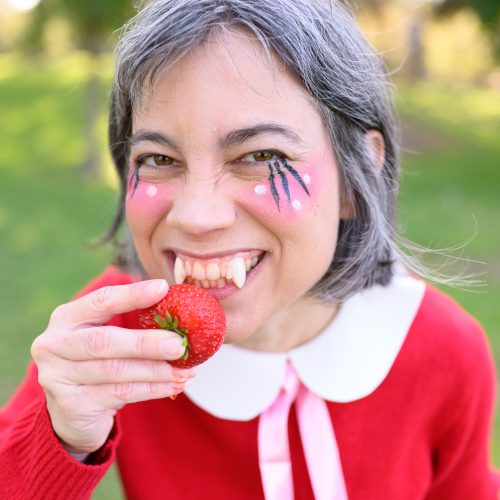
We caught up with Brundige to talk about the show, the rollercoaster of running a public crowdfunding campaign, why she thinks the studio system has lost the plot on how IP actually grows, and what it means to make a love letter to your Holocaust-survivor grandparents in the form of a comedy about cartoon vampires.
A Leap Of Faith
Brundige is candid that making Strawberry Vampire is actually the easy part of what she’s doing now. The hard part is asking the public to finance it.
“Thankfully for me, the least daunting thing is making it. Maybe because of my experience,” she says. “For me, the Kickstarter was like the craziest roller coaster ride of emotions.”
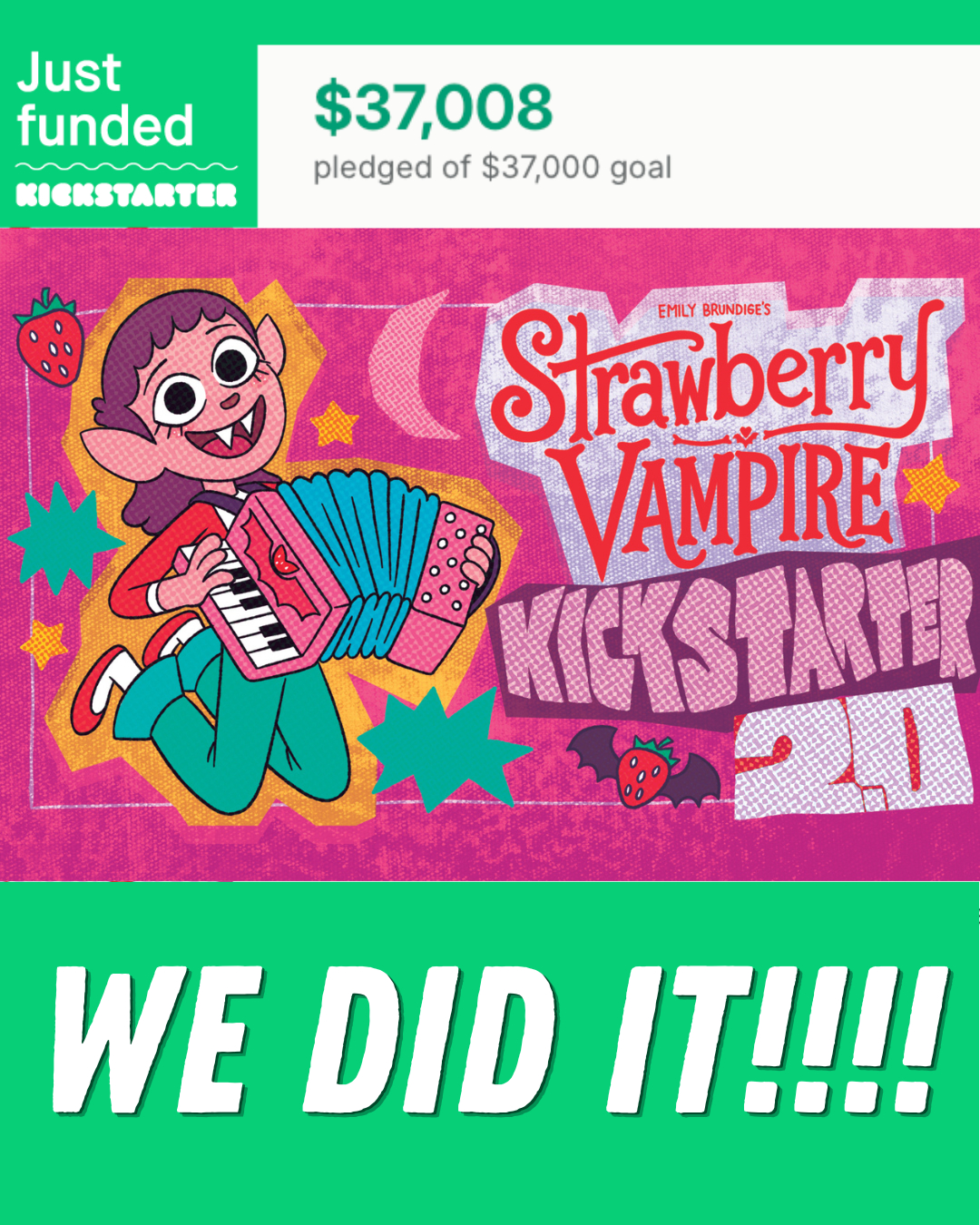
She describes the self-doubt that arrives when setting a number and then being forced to wait. “There’s some self-doubt that seeps in when you say, ‘Okay, I think I can raise this much so I can pay everyone. I think the fans will show up.’ You know? But you just kind of have to do it. It is like a leap of faith.”
The fans did show up, and the campaign hit its goal, even inspiring a very LinkedIn-style AI-written post predicting that Strawberry Vampire would become a billion-dollar franchise that would outlive its creator. The next Gabby’s Dollhouse, it claimed.
“I’ve never been so aware of my own mortality, you know?” she laughs. But she also took the absurd press in stride. “I was like, I’m going to lean into this because like studio heads and people with money like believe AI LinkedIn posts more than they do me.”
A Family Love Letter, A Kids’ Vampire Show
The show’s premise is more personal than its title might suggest if one has only seen the pilot. Brundige’s grandparents were Hungarian Jews who survived the Holocaust; her grandmother, her grandmother’s sister, and her mother were in Auschwitz. Her grandfather lost his first wife in the camps. The two grandparents met after the war, married, and made their way to Southern California, where their kids grew up in Hawthorne alongside the Beach Boys.
For years, Brundige wanted to honor that history through her native medium, which is comedy animation. The way to do that had always eluded her.
“It felt hard to do. I couldn’t find the way in because it was so dark,” she says. Then a few things clicked at once.
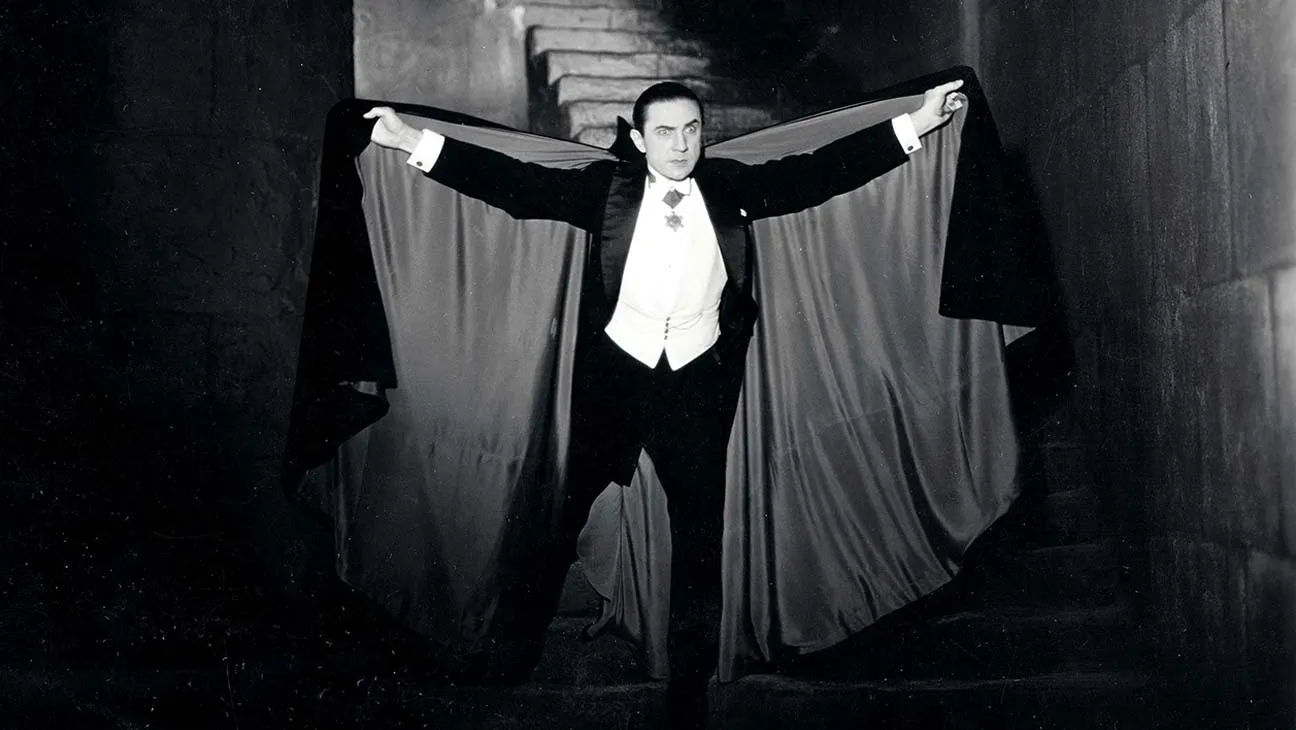
“My whole family on that side sounds like vampires, like Dracula. Like Hollywood gold era. Bela Lugosi was Hungarian. So, you know, he established the accent of Dracula, basically. And so that was like an obvious kind of metaphor that clicked.”
The strawberries came next, since blood was a non-starter for a comedy aimed at younger audiences. “Honestly, strawberries and vampires felt like such a cute kind of sweetened way in. And also, I grew up with Bunnicula, who, you know, drained carrots for carrot juice. So that clicked.”
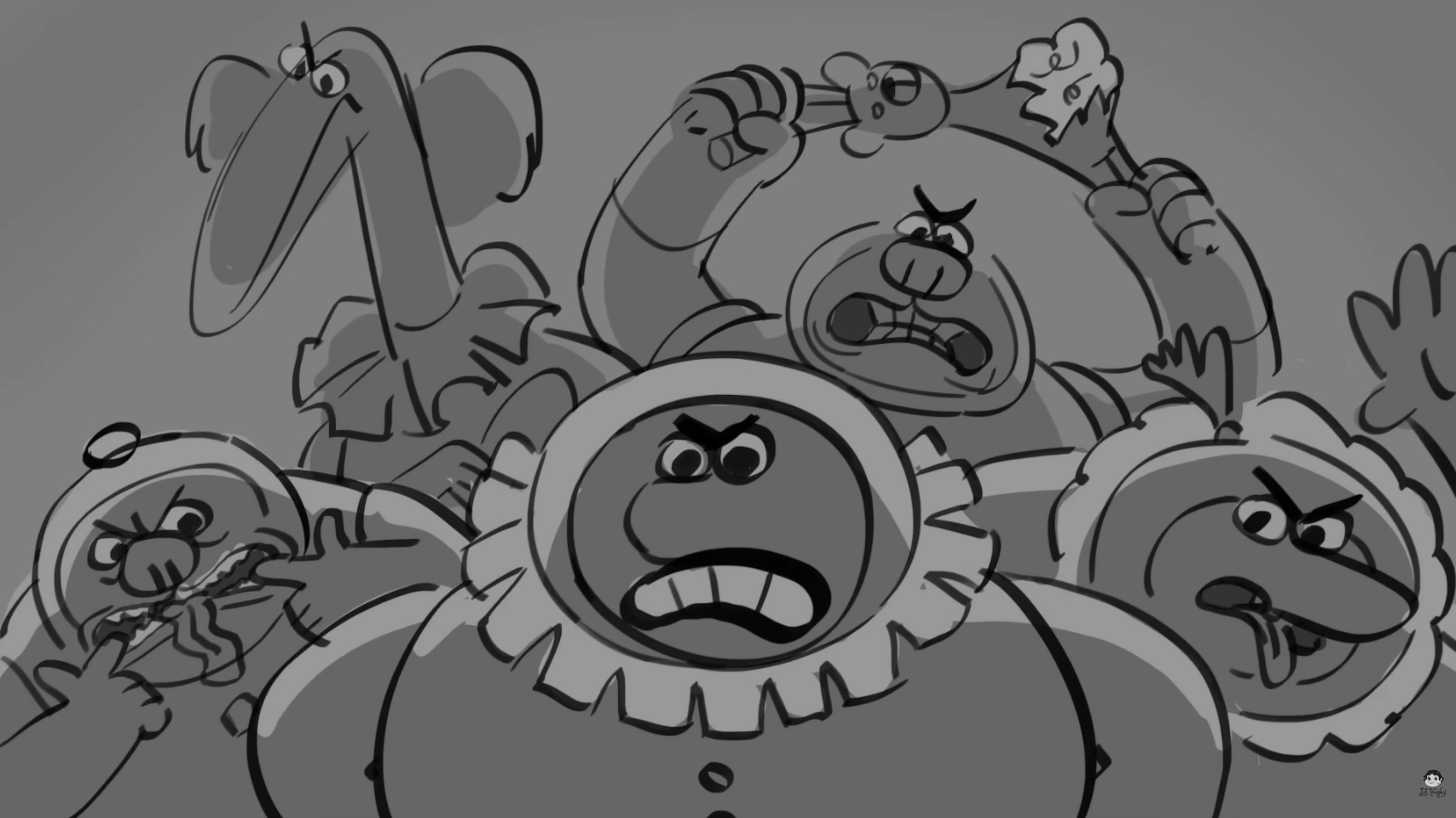
The Nazis posed a different problem. How do you put fascists in a kids’ show without traumatizing the audience? Brundige found her answer in an iconic 1968 Beatles film. “I thought about Yellow Submarine and the blue meanies, and I was like, oh, they’re horrible, but they’re goofy as heck.”
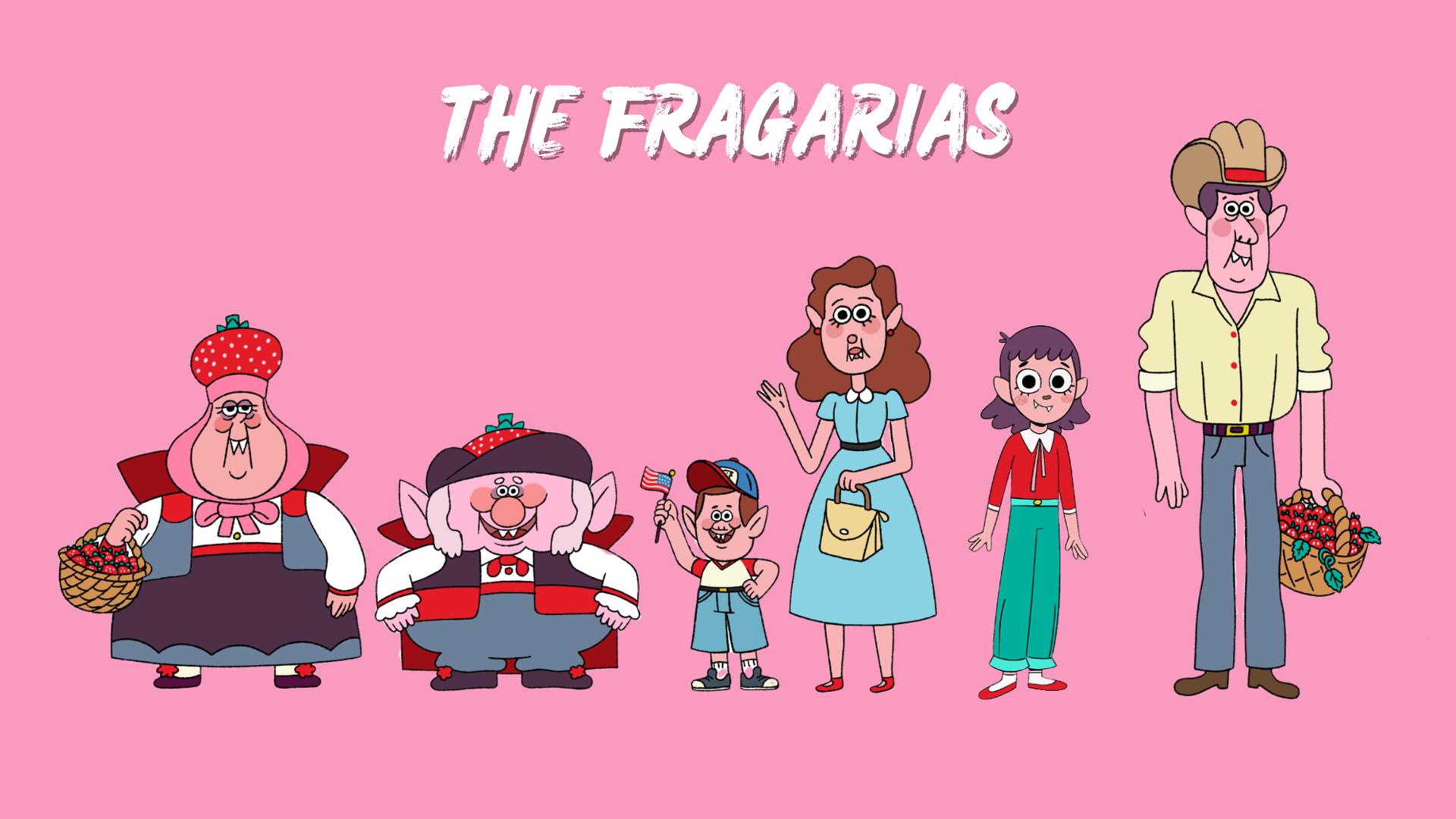
Working with art director Germán Orozco, who designed the Goldie short with his wife, Brundige developed the antagonists as the “sour grumpires,” cartoon stand-ins for the people who forced her grandparents out of Hungary.
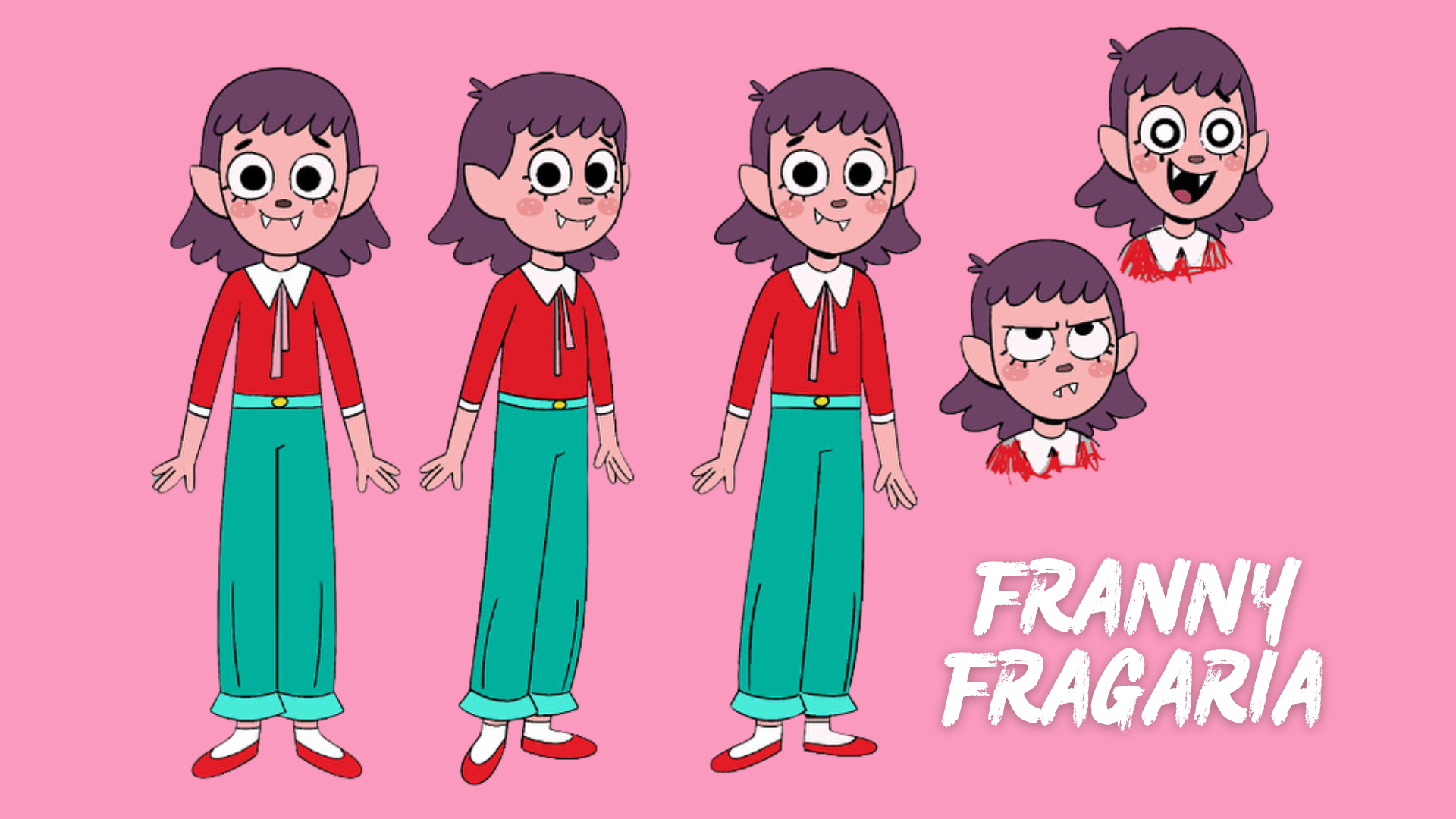
The hero of the show is Franny, a 113-year-old vampire based on Brundige’s mother’s cousin Marika, who immigrated from Hungary as a child. Brundige interviewed the distant relative for inspiration.
“She told me about how she struggled with spelling and English and didn’t get the same references from television shows that other kids had. And then she also said her teacher humiliated her one day when he said, ‘If Marianne [her aunt’s name was changed to Marianne when she moved to America] spells one word correctly, I’ll jump out the window.’ When I heard that, I was like, for this episode, this pilot, that is her motivation. It’s like my mom’s cousin’s immigrant revenge story.”
She didn’t set out to make a politically resonant show, although politics did eventually find her. “As things got worse in America, you know, it became even more important to have a show like this. And that’s why it resonates with a lot of people who come from immigrant families, who are immigrants, who are dyslexic, or who struggle with English. It’s really spoken to a lot of people, which is what I hoped for.”
Designing Outside of the Studio
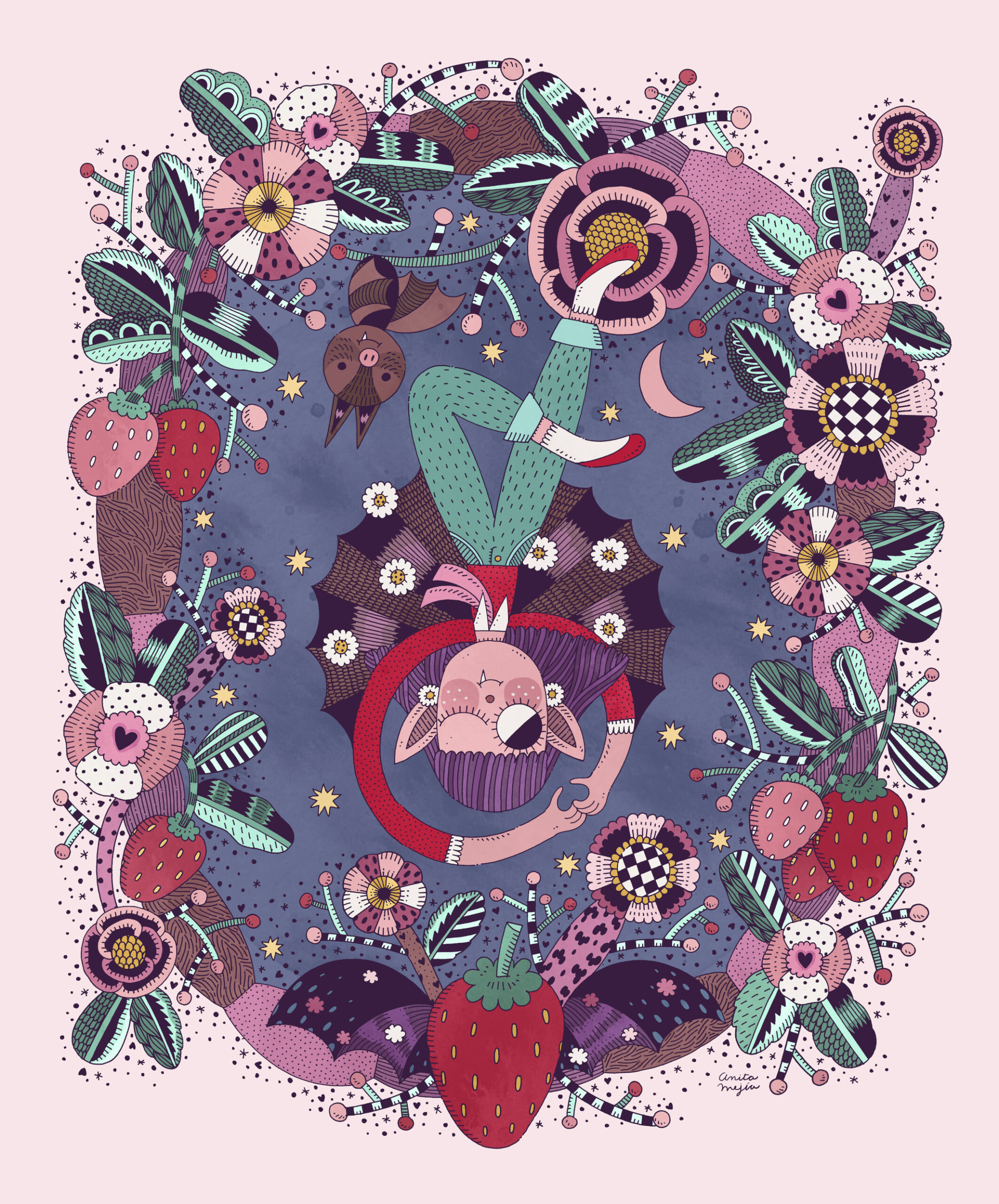
“I have this freedom to dig into just my taste, my aesthetic taste more than ever, just because I could do whatever I wanted,” Brundige says of SV’s strawberry-coded designs. “I have been working with Germán Orozco for a few years, and he just has such an outside-the-box way of designing. He’s really kind of a genius.”
She points out that her aesthetic instincts have always leaned toward the past. “I’m kind of an old soul, and I always like to kind of set the aesthetic in retro times, like the ‘50s or ‘70s.” Her stated influences are the two Ps. “My biggest inspirations are actually the two P’s, Pippi Longstocking, and Pee-Wee Herman.” Artwork of both hung on the wall behind her during our interview.
Within the studio system, those instincts often hit a wall. She brings up her experience trying to develop the Harvey Comics girls for Harvey Girls Forever!. “I originally wanted them to keep their iconic outfits. And that went out the window very fast. They were like, no, we have to make them contemporary. And then I feel like at that point, it’s like, why not just make a new show about three girls?”
On Strawberry Vampire, no one is filing notes asking her to update the wardrobe of a 113-year-old Hungarian vampire.
YouTube As the New Test Screening
When her original pilot pulled in 60,000 views in 48 hours, Brundige was finally convinced she had developed something worth chasing further. She sees YouTube as a more honest and diverse version of the studio testing process she experienced firsthand.
“In a studio, they used to do all this testing with kids and stuff, right? And it was really prejudiced, like, because these kids were trained to give feedback, and it was really small samples.”
Comments under her own video, by contrast, were unfiltered, unmoderated, and global. “There was so much passion for it. In the comments, it was stuff like, ‘My God, this is just what I would have liked to watch.’ Or, ‘This is the best immigrant cartoon show I’ve ever seen.’”
She doesn’t let fan feedback steer the ship, but she does pay attention to how the audience feels. Ahead of her second Kickstarter, she ran a poll asking backers a direct question. Should she try to fully animate the existing pilot or fund two new episode animatics instead?
“70% of them said they’d rather have more stories than rehash the story they’ve already seen.”
Even the trolls get a shrug and a thank-you from Brundige. “When a troll trolls me in the comment section and is like, ‘This is the worst thing I’ve ever seen.’ ‘Someone cancel this project immediately.’ I love that stuff. First of all, it’s hilarious, but it brings traction to my YouTube channel. It’s all trying to get my attention in a negative way, like how kids sometimes try to get negative attention. And I’m not going to give that to them, but I’m going to allow them to freely spew their free marketing for me.”
“I Think of This as a Long Game”
A recurring thread through our conversation is Brundige’s belief that the studio system has forgotten how successful animated IP actually grows, and is far too quick to end properties that are just finding their footing. She’s quick with examples.
“If you look at any huge IP, like SpongeBob or even Bluey, Bluey took two seasons to really hit with the public. And the way that studios are looking at shows now, my show or other original shows, they give them a 90-day window. And they’re like, ‘If this doesn’t prove a smash hit in 90 days, that means it’s not going to be successful. We’re not going to put more money behind it.’”
Her own Goldie experience is a perfect cautionary tale. She recalls attending the Emmys but knowing that the honors meant little to nothing for the show’s future. “Goldie was nominated for two Emmys, and I got to go to the Emmy Awards. It was a lot of fun. But it was also kind of funny, like it’s totally gone. But yay.”
That experience changed her thinking on what success even looks like for an indie show. A long-form, fully animated series is no longer the only acceptable outcome.
“My end goal isn’t necessarily to have a full animated series with this. My goal is to create a universe. And that could be long-form animated episodes, fully animated shorts, or a video game. I don’t have any specific end goal that’s so limited like that anymore.”
She is also clear on why YouTube is the platform that makes this possible. “The great thing about YouTube is not the revenue, really. It’s that everybody’s on there. And that’s the way to look at it. Then you can do other things once you grow a fandom and momentum around your project.”
Lifting The Veil
Brundige, like most studio artists, didn’t always operate in the public eye. After more than a decade in the industry on shows that audiences lovingly attached themselves to, she was never a recognizable name to the viewers.
“I’ve been working in animation professionally for over a decade, and I’ve been on some pretty popular shows. I was a story editor on Hilda and worked on a lot of great projects, but no one knew who I was. Even when I had Goldie, no one saw me.”
What changed was a deliberate decision to put herself alongside the work she was producing. She self-published an e-book called A Guide to Developing Handmade Shows and started doing podcast interviews. “I made myself known for the first time in the public eye. That was very powerful.”
She says willingness to be visible is one key thing that separates indie animation from the legacy studio model right now. “Sharing is part of indie animation’s success. Part of the joy that the fans have is watching the person behind the project and going on this journey with them. And it creates excitement and momentum, and it kind of gives the project a beating heart.”
She acknowledges that this kind of visibility doesn’t come naturally to most animators. “I know it’s hard for animators because we’re all introverts. It’s not our normal muscles that we’re flexing. But just know that there’s no shame. You can be your freaky self, and someone will love you for it.”
Knowing Your Worth
The flipside of being public, Brundige says, is that it invites a flood of free-labor requests and tone-deaf DMs. She recently posted about this on LinkedIn.
“I was being inundated with messages. Not to be mean, but they’re a little tone deaf. Like, ‘Hey, can you explain how you did this?’ And it’s like, dude, first of all, no, I’m so busy. I’m overworked. And I have a kid and aging parents. But also, if you’re a fan of mine, you must know I have a Substack and all these things. And then in addition, I offer one-on-one consultations for a price.”
The same principle applies to the people doing the actual animation. Studios have long neglected their artists, imposing a dream-job tax on talented fans who will do almost anything to work in the industry they love so dearly. She’s also familiar with the online forum-style appeals from would-be creators seeking free animators to “collaborate” on someone else’s idea.
For Brundige, a reverse approach is far more appealing. Recently, a fan of hers posted a hand-drawn animation of Franny playing the accordion, and rather than just thanking them, Brundige reached out to hire them.
“I was like, ‘This is so good. Would you want to do more shorts with me? And I could pay you.’ And now I’m collaborating with the person. Not only am I paying them, but they’re learning how to use certain programs. I’m encouraging them to learn to use Harmony and rigs and stuff to make it easier on them to do the work.”
Her advice to people hoping to get a creator’s attention is similar. “It’s good to show your love for something. It’s always appreciated. Don’t expect anything back, but you never know. If you’re talented, it could lead to a collaboration. But don’t ask people for free work if you don’t know them.”
What’s Next
The latest Kickstarter funds two additional episode animatics, expanding the world that fans first met on Halloween. Brundige is also producing vertical shorts, working with composer connections from her studio days (her Big Nate composer, Frederik Wiedmann, who happens to be Eastern European, is scoring the show), and contemplating more SV merch options.
Whatever shape Strawberry Vampire eventually takes, Brundige is no longer interested in the version where someone else owns the outcome. “With my project now, I’m in it for the long haul and for ownership.”