.png)
Kevin Gillis Looks Back On 40 Years Of Canadian Classic ‘The Raccoons’ And Ahead To Its Return
Stay informed with free updates
Sign up to get our news digest — delivered directly to your inbox twice a week.
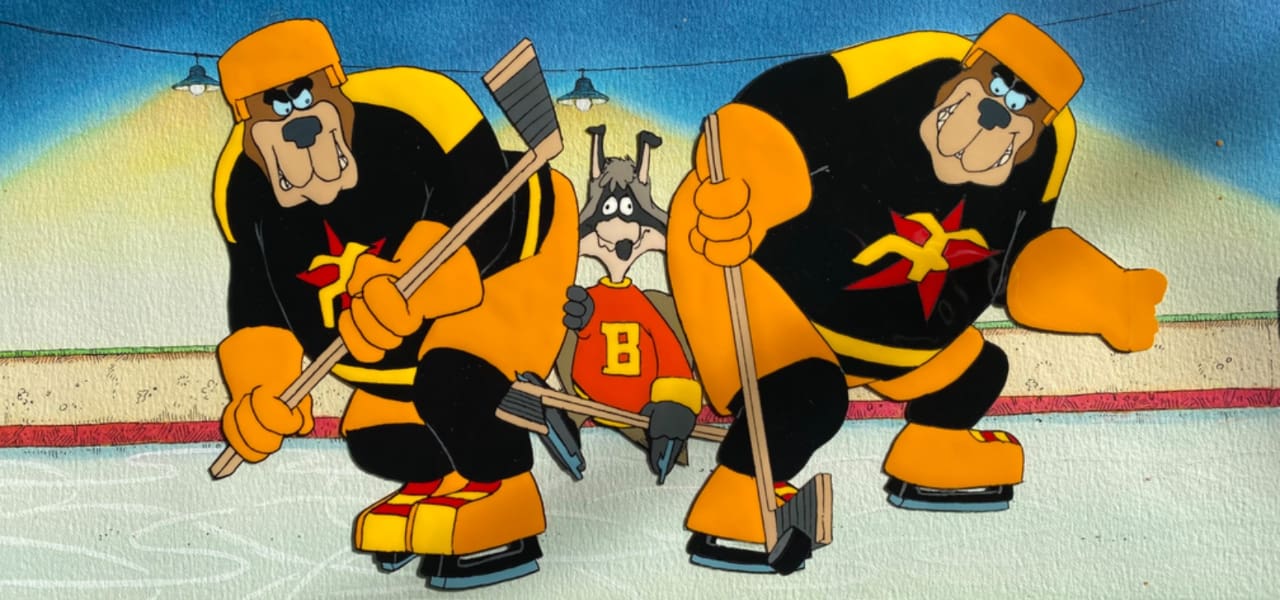
One of Canada’s great animated exports is celebrating a major milestone and eyeing a revival. Last year, The Raccoons turned 40, an occasion marked by the release of 4K restorations of the show’s specials and five seasons, preserving the foggy watercolor backgrounds that were a huge part of its appeal.
Music was another defining element, and the closing song, “Run With Us,” became a favorite among the show’s global fanbase. This year, “Run With Us,” and numerous other songs from the series are finally being released digitally after years of being available only on the original vinyl pressings.
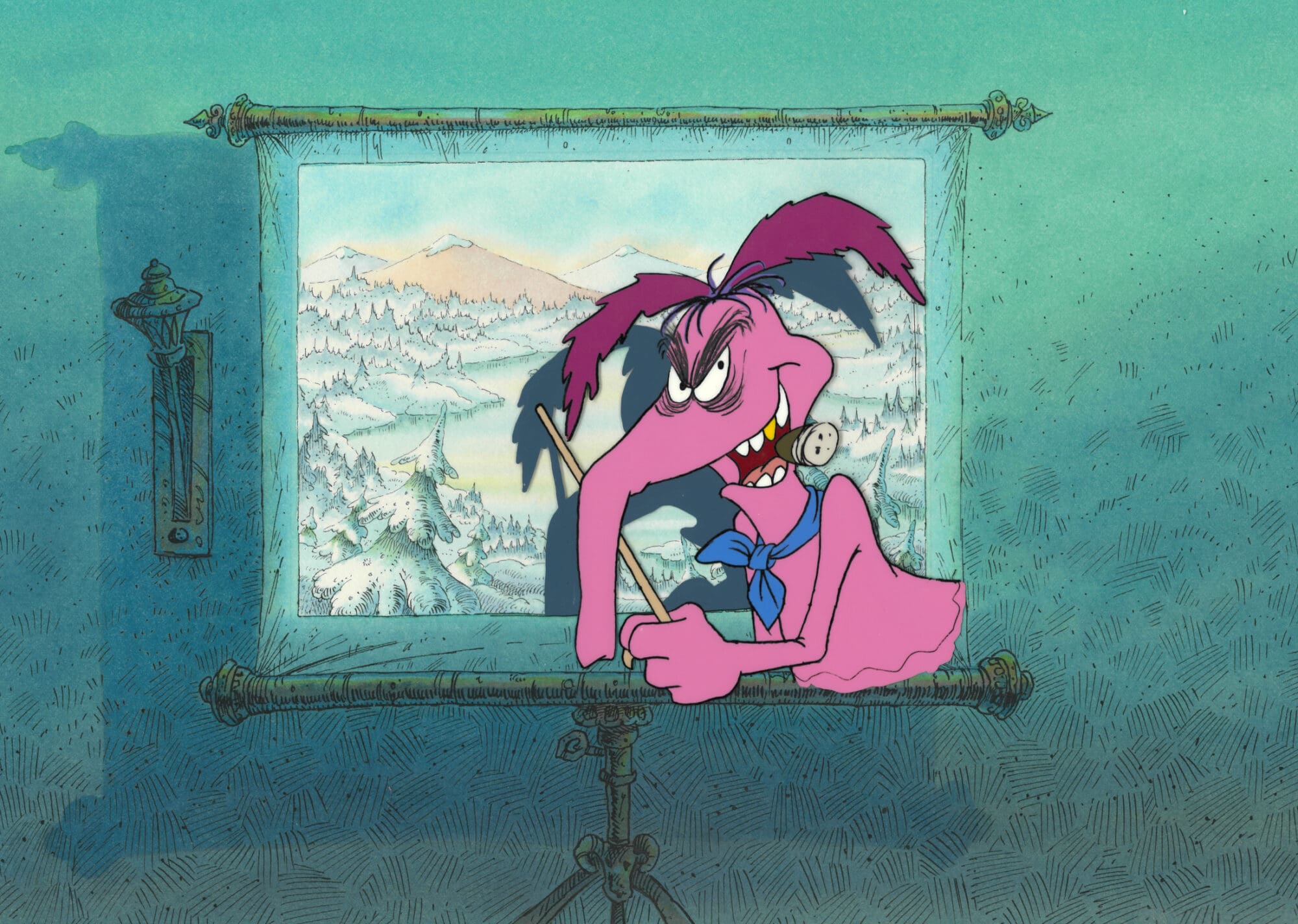
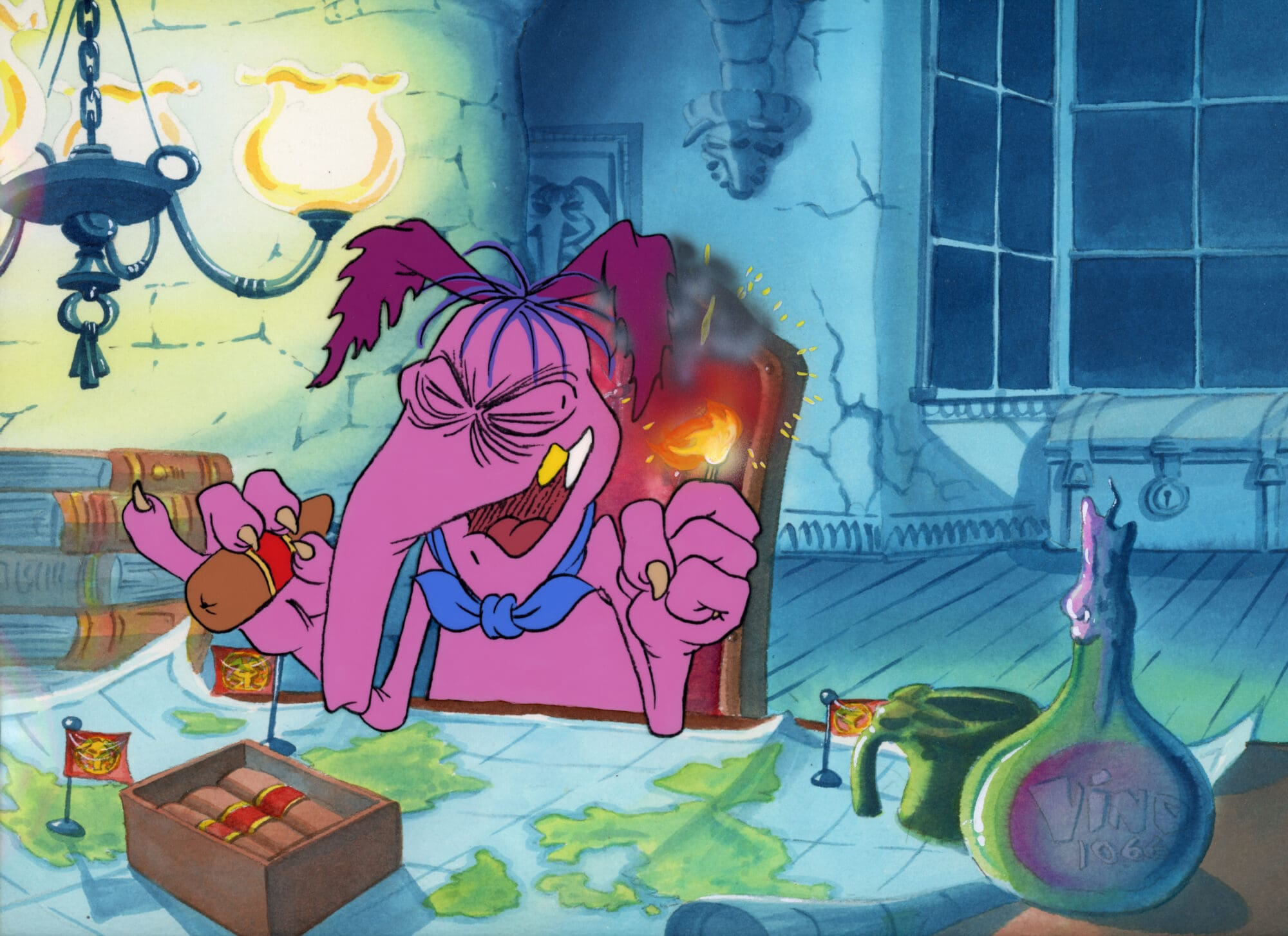
Both elements became iconic thanks to the deep sincerity running through The Raccoons. Despite the outlandish character designs, including aardvark villain Cyril Sneer, and his cartoonishly bourgeois castle, the show had a big heart and a desire to tackle complex topics such as environmentalism and capitalism. Many of its memorable characters and storylines came from the real life of creator Kevin Gillis.
We sat down with Gillis for a chat about all things Raccoons. He was just as enthusiastic about looking back on the show’s lasting cultural impact as he was about considering what a reboot might look like.
Your route into animation was unconventional. How did you get into the industry, and how did The Raccoons come about?
I was originally a singer-songwriter, not a very good one, but I had some good mentors. I wrote a lot of songs, did some scoring for different television shows, and ended up hosting a couple of them. I was working on a cooking show and, besides eating up all the leftovers, would come up with ideas for TV series with Gary Dunford, who was a writer. One of the ideas was a live-action Christmas Raccoons. We decided that the star of the cooking show would be Dan the Ranger and all the raccoon characters would be puppets.
The genesis of the idea was that my parents had a cottage in the Upper Ottawa Valley, and my father ended up with a raccoon stuck in the chimney. We took that concept and spun it out from there. Unfortunately, Gary went on to write for a well-known newspaper in Canada and didn’t have the time, but I happened to see an animated special called The Point and went, “Wow, this is really cool.” I didn’t know much about animation at the time, but I thought the world would be more imaginative and colorful. It was more expensive, but it was a good decision. The plan was to do only one special, and we ended up doing four specials and then 60 half-hour episodes.
Was it daunting to direct people who were much more versed in animation than you were?
I originally teamed up with a gentleman named John Bianchi, and he did the early character designs. I obviously gave him direction, but my skill at the time was writing. I loved to write and tell stories that were meaningful in my life. A lot of the characters were based on people I knew, and many of the stories were ones I grew up with. The Raccoons on Ice was based on a fairly true story. Mr. Willow was based on the general store manager near us. Cyril was based on an individual who was, in many ways, like Cyril in his desire to grow his empire. He was a major entrepreneur pushing the limits of environmentalism at the time. I ended up having some run-ins with him about deforestation.
 What were the biggest changes in going from making specials to producing a series?
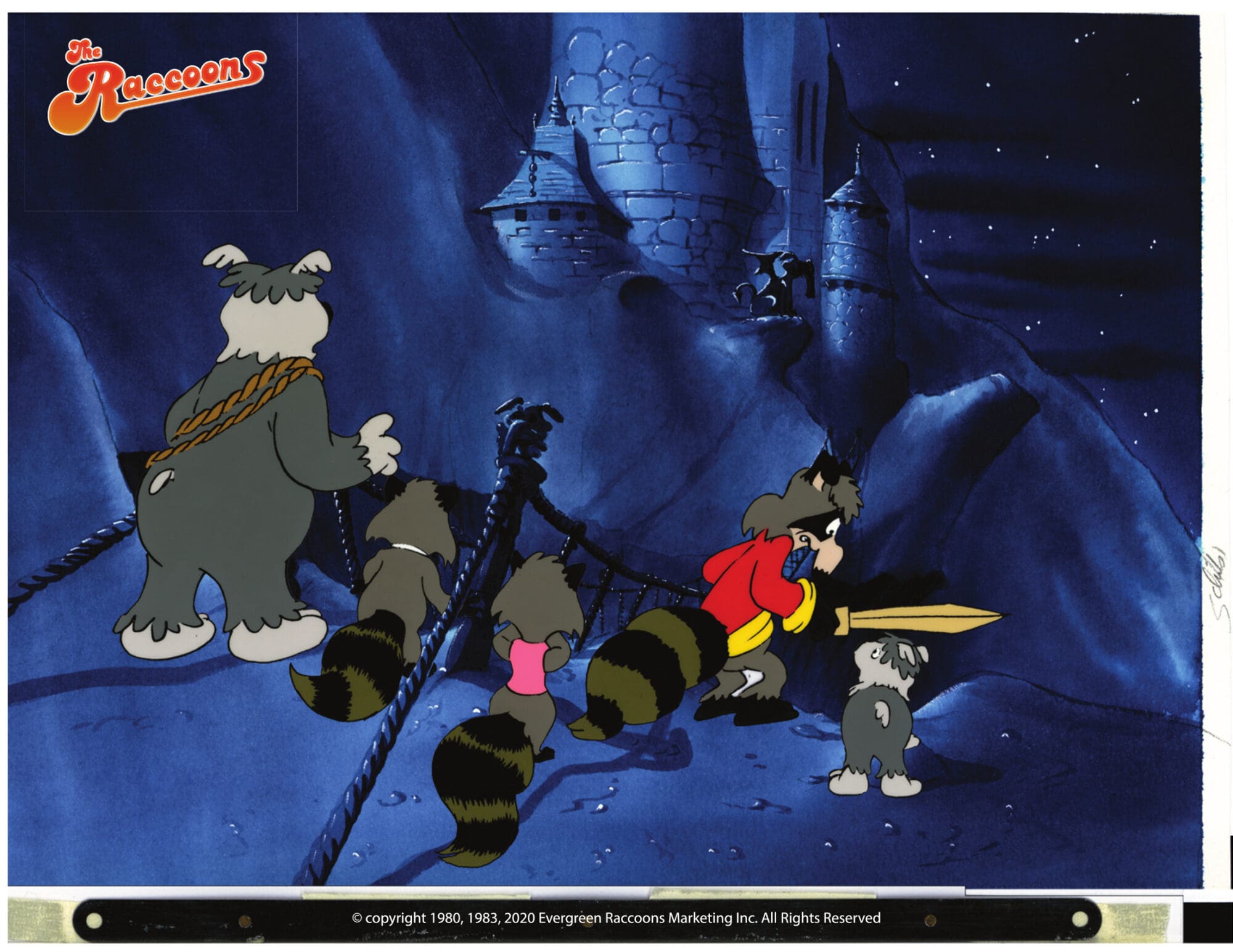
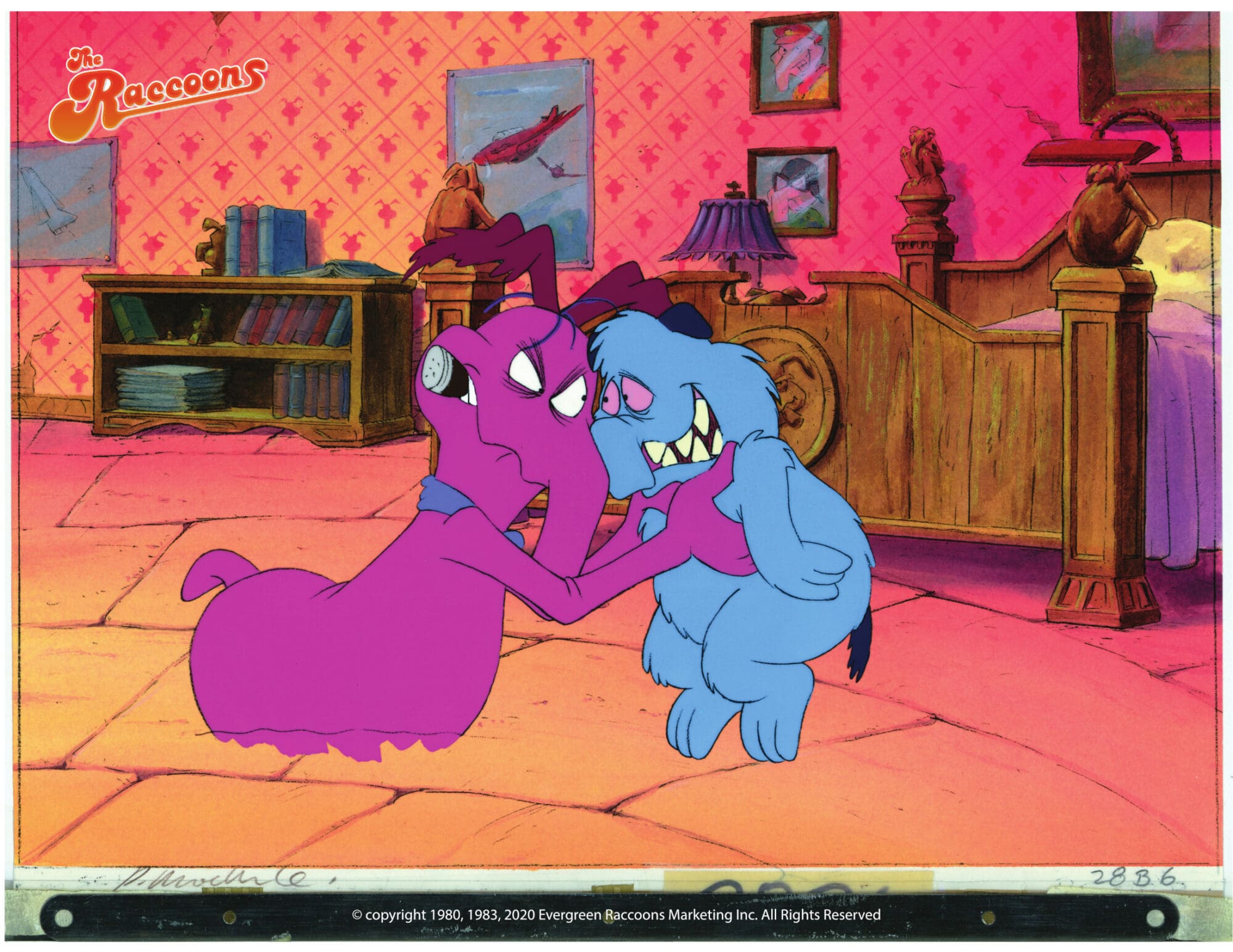
The biggest decision we made was to do a one-hour special with the third installment, The Raccoons and the Lost Star. We wanted to test new characters and new ideas. It was set in a dream that took place in a far-off land where Cyril existed, but he hadn’t yet come to Earth to try to take it over. I wanted to see whether the whole show should take place on Earth. It was a good thing that we pushed the limits of where these characters could go because that set the stage for what the series would be.
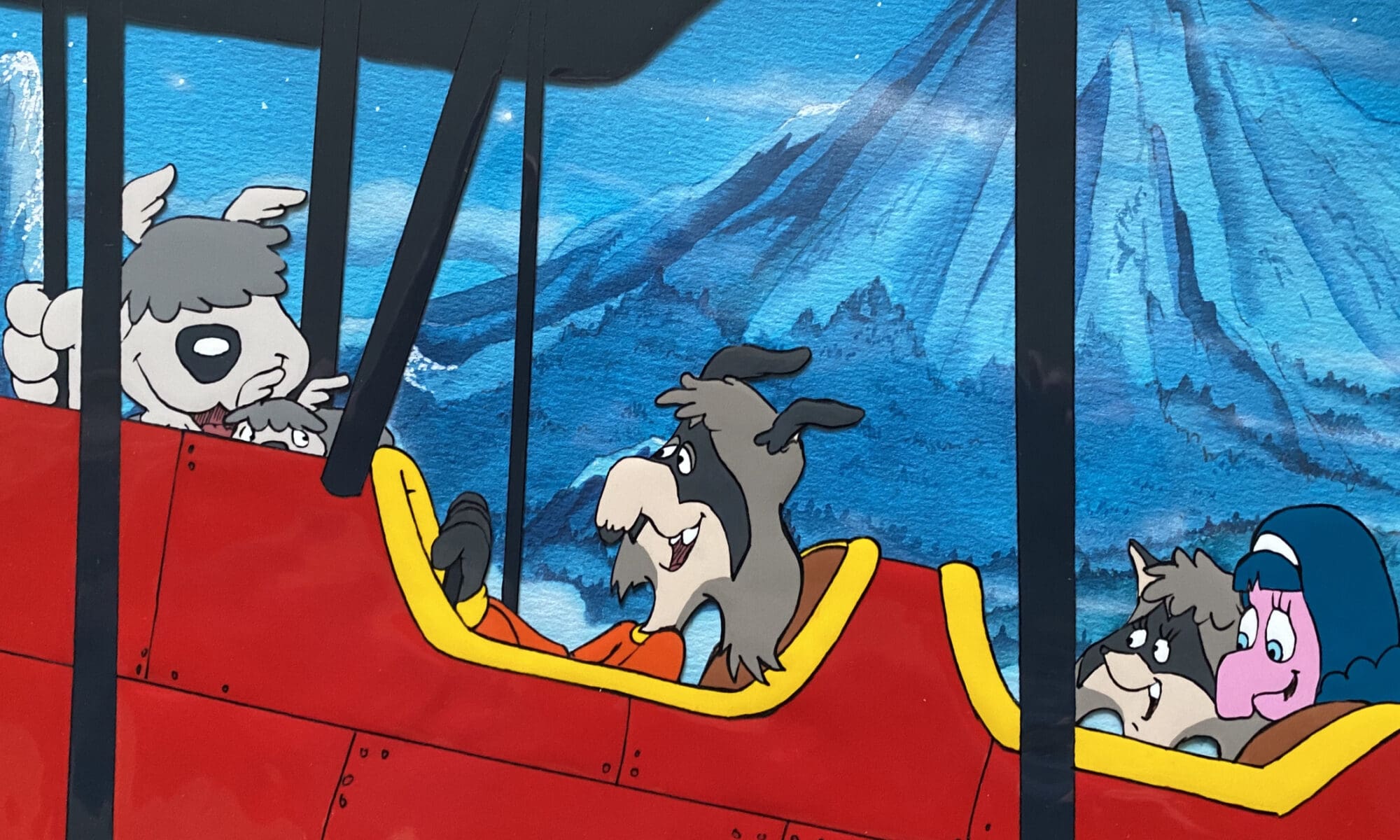
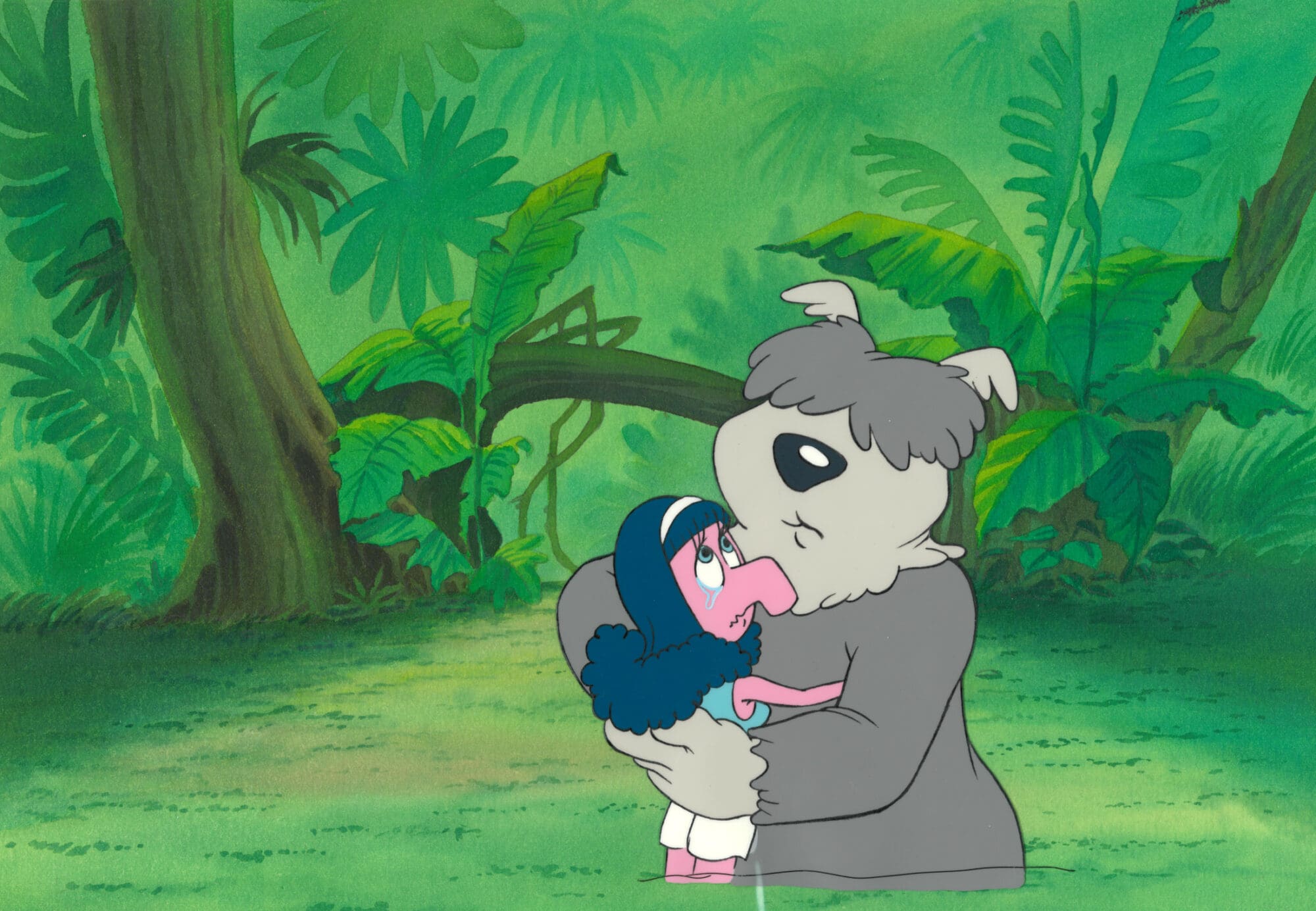
The biggest design change was moving away from the crosshatching used in the first two specials. It gave the show an almost illustrative look, but we decided to drop it because our animation director, Paul Schibli, thought we had to bring the budget to a manageable and financeable level. We spent all this time and money on the beautiful crosshatching, but then tried using highly detailed watercolors, and it didn’t take away from the beauty.
It’s great that you had a testing ground to try all these things, something contemporary shows don’t really get. How much do you think today’s landscape would have changed the way The Raccoons was made?
That’s a very timely question. We’ve been testing a number of different styles for both a potential series and a feature we’ve been developing. You have to go with the look that’s going to land best with your audience, and ours is very interesting. I would say the core audience is millennials and the kids they introduce to the show. I hear a variety of opinions, but we haven’t gone so far as to put out a poll because I’m too nervous about people coming back and shutting everything down. Last year, at the Ottawa International Animation Festival, they did a 40th-anniversary presentation of The Raccoons, and I showed a CGI test we had made. A lot of people reacted very positively to it, but afterward, I would hear from someone in the audience who said, “Well, I’m not so sure.”
The jury is still out on whether we’re going to use CGI. We’re in the scripting process now. My personal feeling is that a 2D-3D hybrid serves the characters best, and I hope it would serve the audience best as well. We did a 2D-3D test, and I think it really hit the mark. However, CGI is probably more recognizable to a younger audience. I just worry about the core audience who have been there all these years. They are very loyal and outspoken. They let you know what they like and don’t like. One of the biggest comments I’ve heard is that if we’re going to do it today, we would have to make it faster-paced.
I think the audience might be changing. There may be room for something with the slower pace of the original Raccoons.
I’ve certainly heard that. We were very fortunate. We had a half-hour to tell our stories, and in a half-hour, you don’t need really quick dialogue. I’ve gone back and looked at the episodes to see what connects with people, and I do think pacing was a big part of it. But you have to make sure the show appeals to an audience that never knew The Raccoons at all.
What do you remember about developing the show’s music?
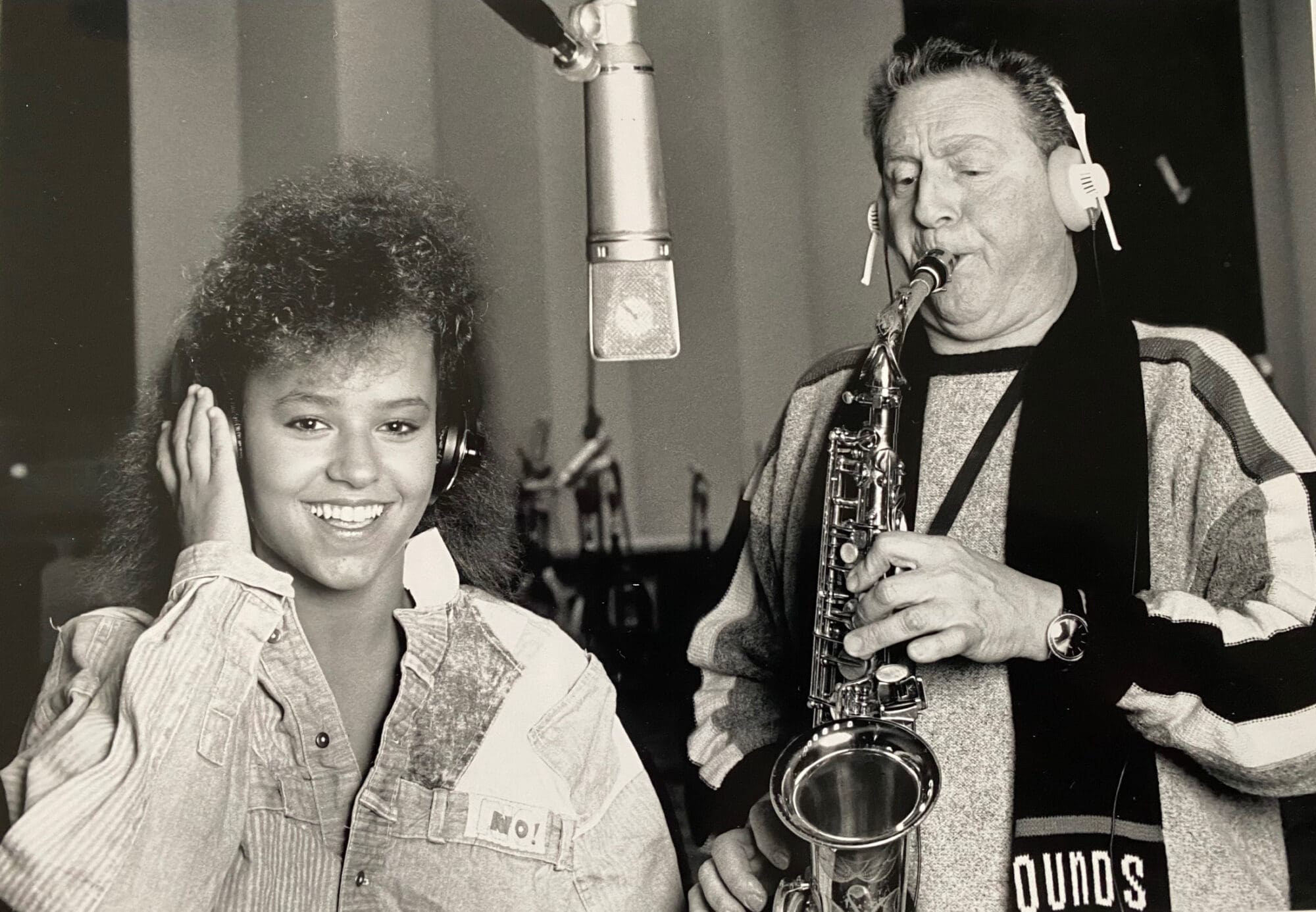
We had songs in the specials performed by the voice actors, and that naturally continued into the show. My thinking was that it wasn’t a musical; it was more like a music video. We used the songs to advance the story or the character rather than spending a lot of shoe leather on exposition. But the music was also a way to heighten the emotion and take you somewhere else. People really remember those songs now. “Run With Us” has been recorded by more than 30 people in different styles. It’s an anthem for people saying, “You’re not alone. You can come with us.” There’s a line in there, “When you pick up the telephone and there’s no one on the line,” that told me it had to be the theme. It definitely struck a chord.
Do you think it’s more difficult for creators today to infuse their personalities into their work the way you did?
We were very fortunate in that our broadcasters mostly left us to our own devices. You’d get the odd note, but they were mostly about showing another side of an argument, and in most cases, we were in alignment with them. But I’ve been doing animation projects right up until now, and I see some of the notes that directors have to deal with, and it’s just like, who’s producing the show? I think that’s a hurdle these days. The creative community is very often not given the full opportunity to express its vision. That’s not to say that broadcasters and streamers don’t have a say or a vision as well. They do, and that’s why they order the show. But sometimes it’s like, why did you order the show? To me, the best shows are those where the creative driving force is given the opportunity and encouraged to explore as much as possible.