.png)
‘Robots, Aliens, And Humans? Sign Me Up’: Director Carlos Baena On His High-Stakes Episodes For ‘WondLa’s’ Final Season
Stay informed with free updates
Sign up to get our news digest — delivered directly to your inbox twice a week.
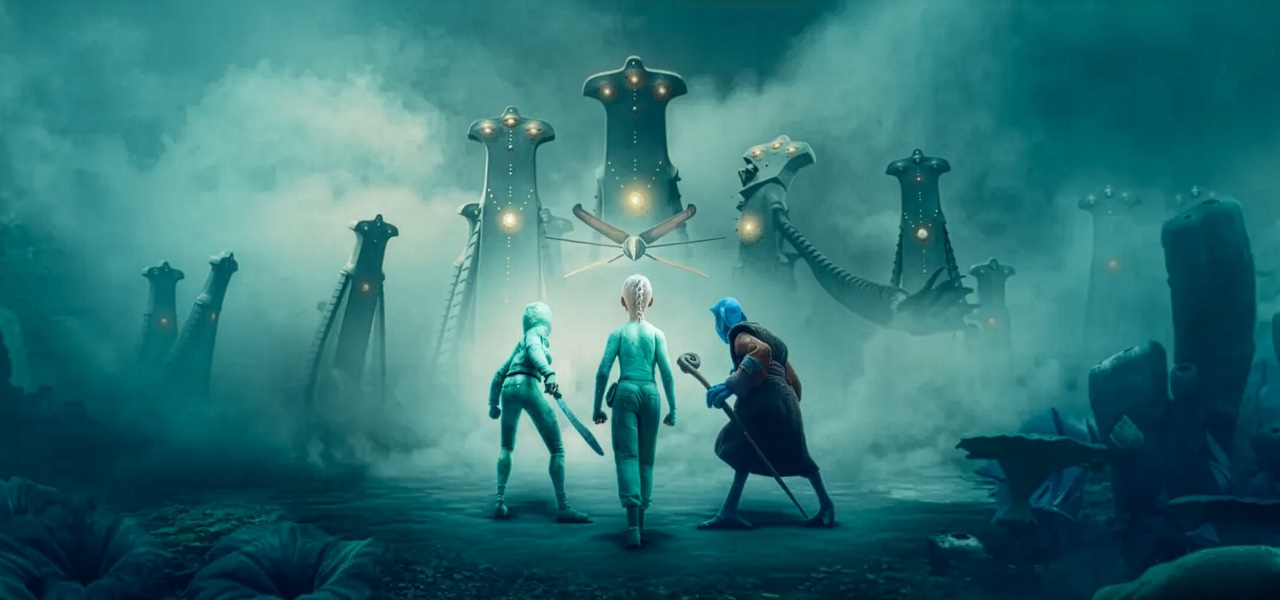
As WondLa reaches its third and final season on Apple TV+, Skydance Animation’s ambitious sci-fi epic ends with a scale and intensity that even its own directors didn’t foresee at the beginning.
For filmmaker and longtime animator Carlos Baena, who helmed two episodes in S3, the finale represents a rare opportunity in contemporary TV/streaming animation: a chance to finish a story the way it was meant to end.
A Spanish transplant working on the West Coast, Baena is an animator and director whose career spans major studio features, television, and acclaimed independent shorts. As a Pixar animator, he contributed to the iconic “Spanish Buzz Lightyear” sequence in Toy Story 3, infusing his own cultural background into the iconic character’s movements.
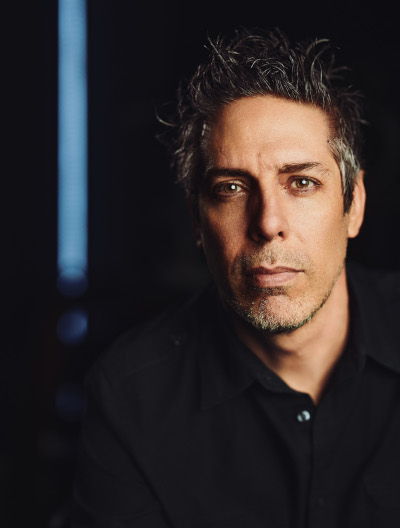
He later transitioned into directing, creating the award-winning horror short La Noria. Baena has worked across studios, including Pixar, Paramount Animation, and Skydance Animation. In addition to his studio work, he is actively developing new projects, including a feature for Skydance and an independent horror anthology with Spain’s Abel & Baker. His background also includes work in live-action VFX, with contributions to Star Trek projects, and he is currently developing an original series for another major streamer.
A massive fan of genre cinema, Baena didn’t come onto WondLa expecting to direct. “I was just going to help on animation and pre-production,” he tells us. But the setting hooked him immediately. “Robots, aliens, and humans? Like, yeah, sign me up.” He saw it as a chance to work in a space he had long been craving. “Even if the look is still a little mainstream for my own taste, that’s fine.”
Everything changed when Skydance asked whether he’d be willing to direct an episode in Season 2. He initially resisted. “I was a little burned from a previous studio job I had done, and wanted to enjoy time with my family,” he laughs, recalling thinking to himself at the time: “I don’t want to deal with directing right now.”
But he took the assignment, and the result was more than he ever could have hoped for.
“They Let Me Take Some Chances.”
Baena was surprised by how much freedom Skydance and Apple gave him, especially considering that this was the end of the entire series.
“They let me take some chances,” he says. “There were certain things that they were like, don’t go too dark, don’t go too adult… but I did that anyway in the storyboards, thinking that either Skydance or Apple would cut it, but they didn’t!”
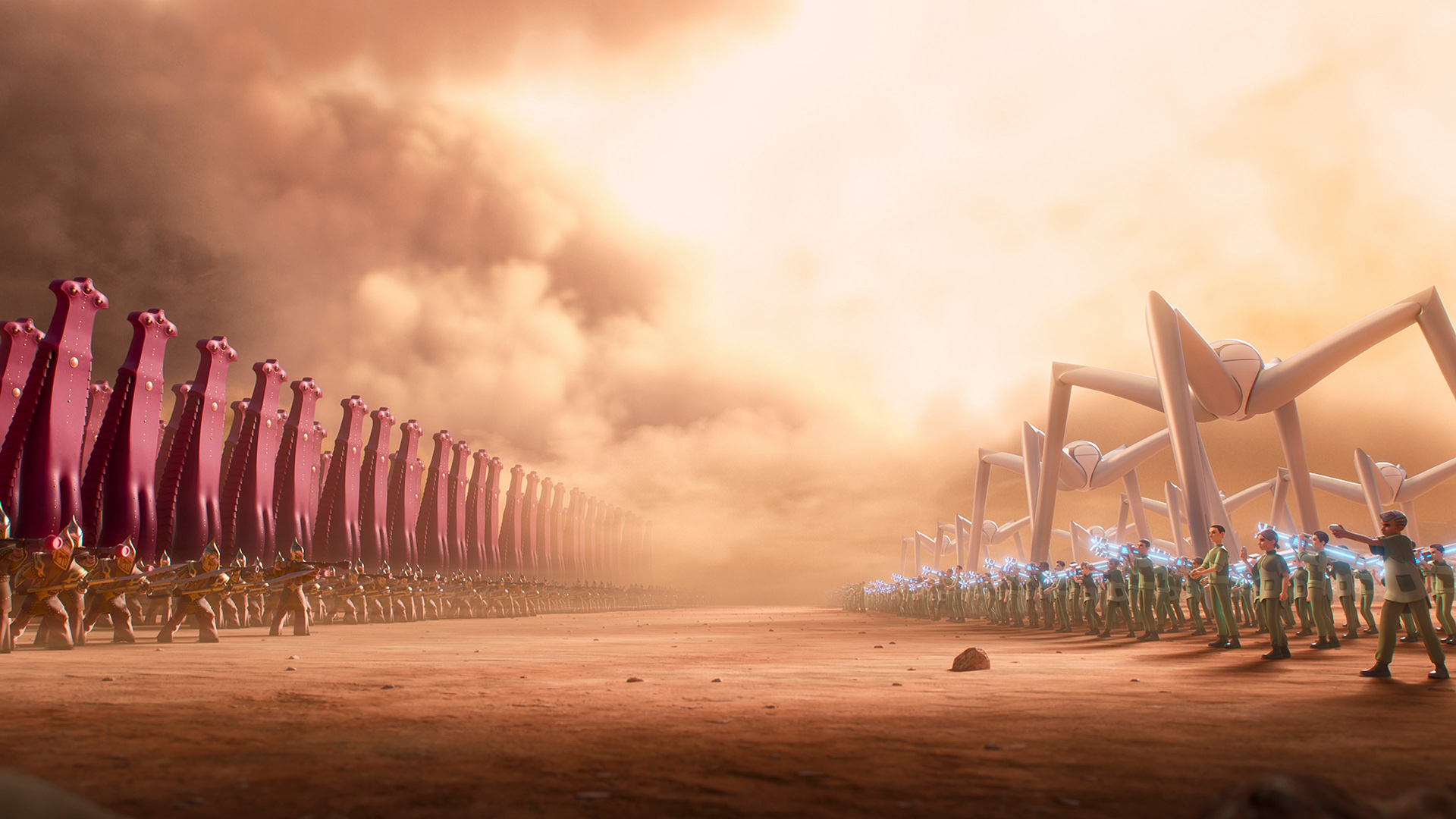
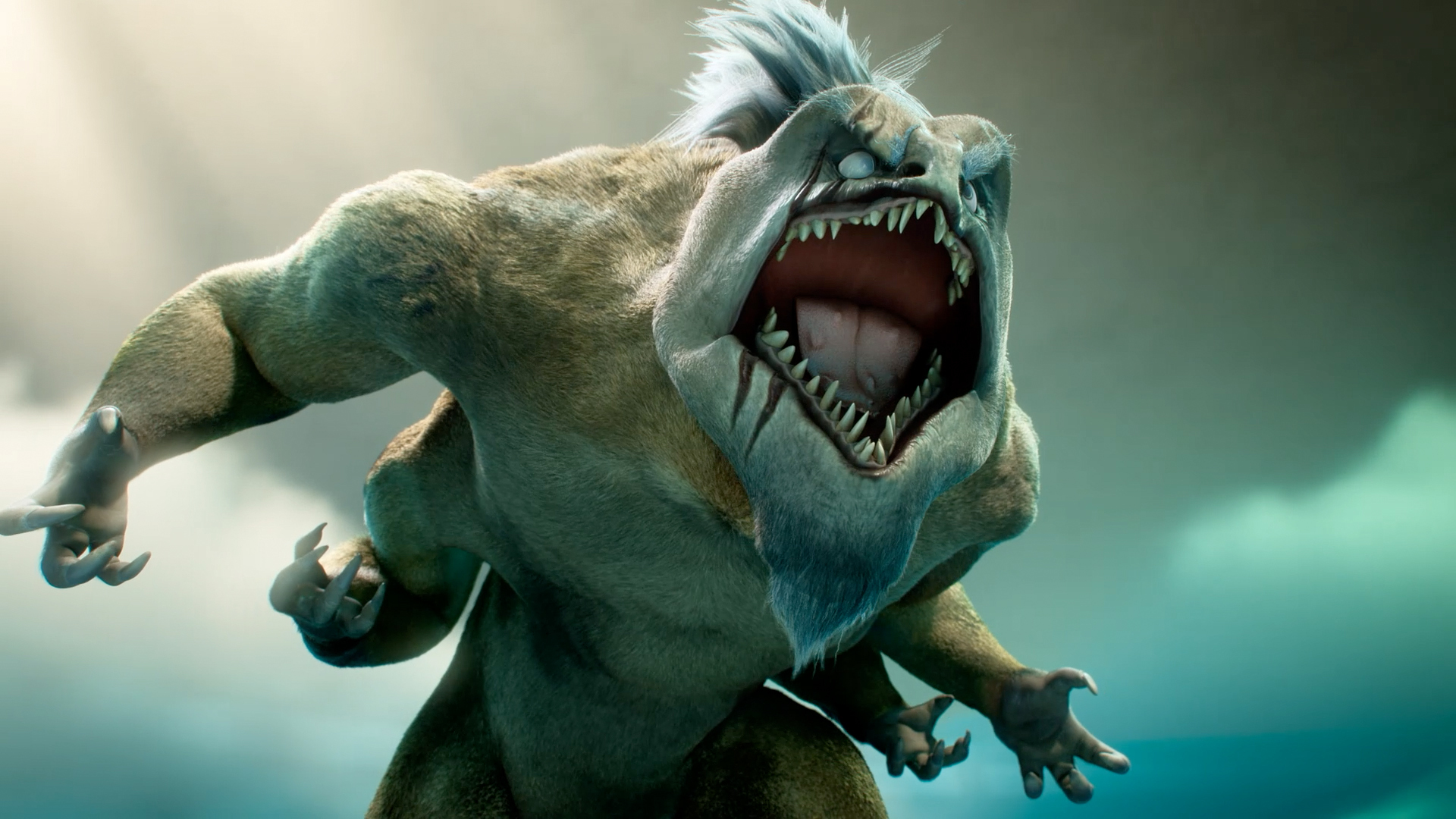
That freedom shaped the tone of the two episodes he directed. The penultimate chapter, which Baena describes as the biggest and most chaotic battle in the entire series, draws heavily from the genre films he favors. “I was going for Dune, Blade Runner, and Fury Road,” he says. He even told his artists to keep Junkie XL’s Mad Max: Fury Road score on loop: “It’s all I’m listening to as I’m giving notes.”
His finale also leans into darker territory, a direction he believes audiences are more than ready for. “[The industry] is treating audiences dumb again and not giving them what they want,” he argues. “My dream would be to do more mature stuff in animation, even if it’s for younger audiences. They get it, and kids always want to watch stuff aimed at older audiences.” He cites the success of his favorite animated films – The Nightmare Before Christmas, Iron Giant, Spirited Away, and Memories – as evidence to back his claim.
Grounding Sci-Fi Spectacle In Human Emotion
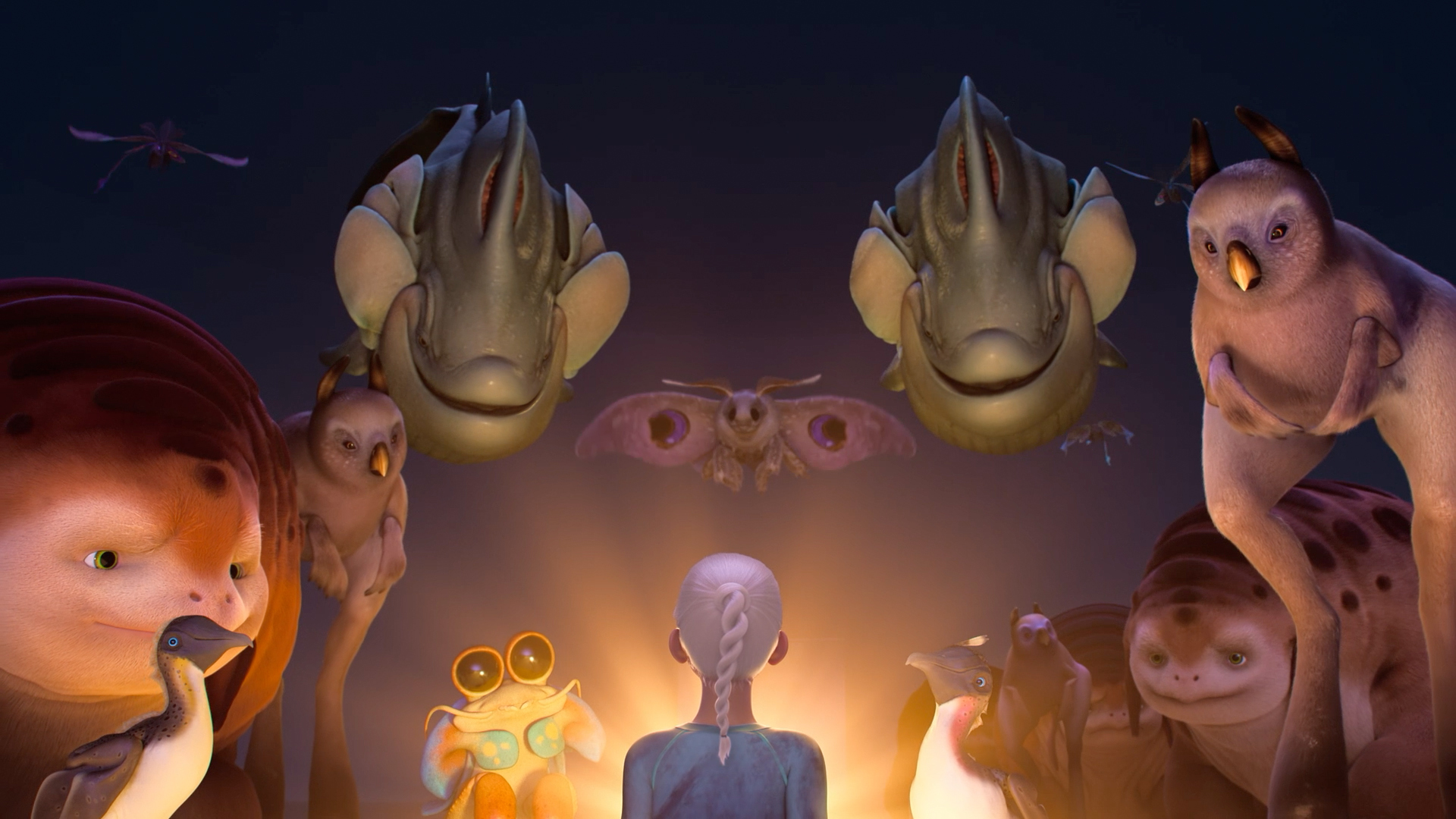
Despite the epic battles and large-scale action, Baena views WondLa’s emotional core as the most important element of the show. When invited into the writers’ room, the first time he’d ever sat in one, he clicked immediately with the team.
What mattered most to him was grounding the series’ high-concept science fiction in relatable human experience. “At the end of the day, you’re dealing with a human story,” he says. “I cannot relate to science fiction because I’m not on another plane, I can’t relate to horror because nobody is chasing me with a knife, but I can relate to the feelings and emotions that these characters have with one another.”
Baena also brought his animation expertise to bear on character refinement. Rowender’s original foot design, for example, would have been difficult to animate consistently for three seasons. So, although the show was in its second season already when he started directing, his visual fingerprint can be found in its designs.
TV Animation, Feature Quality
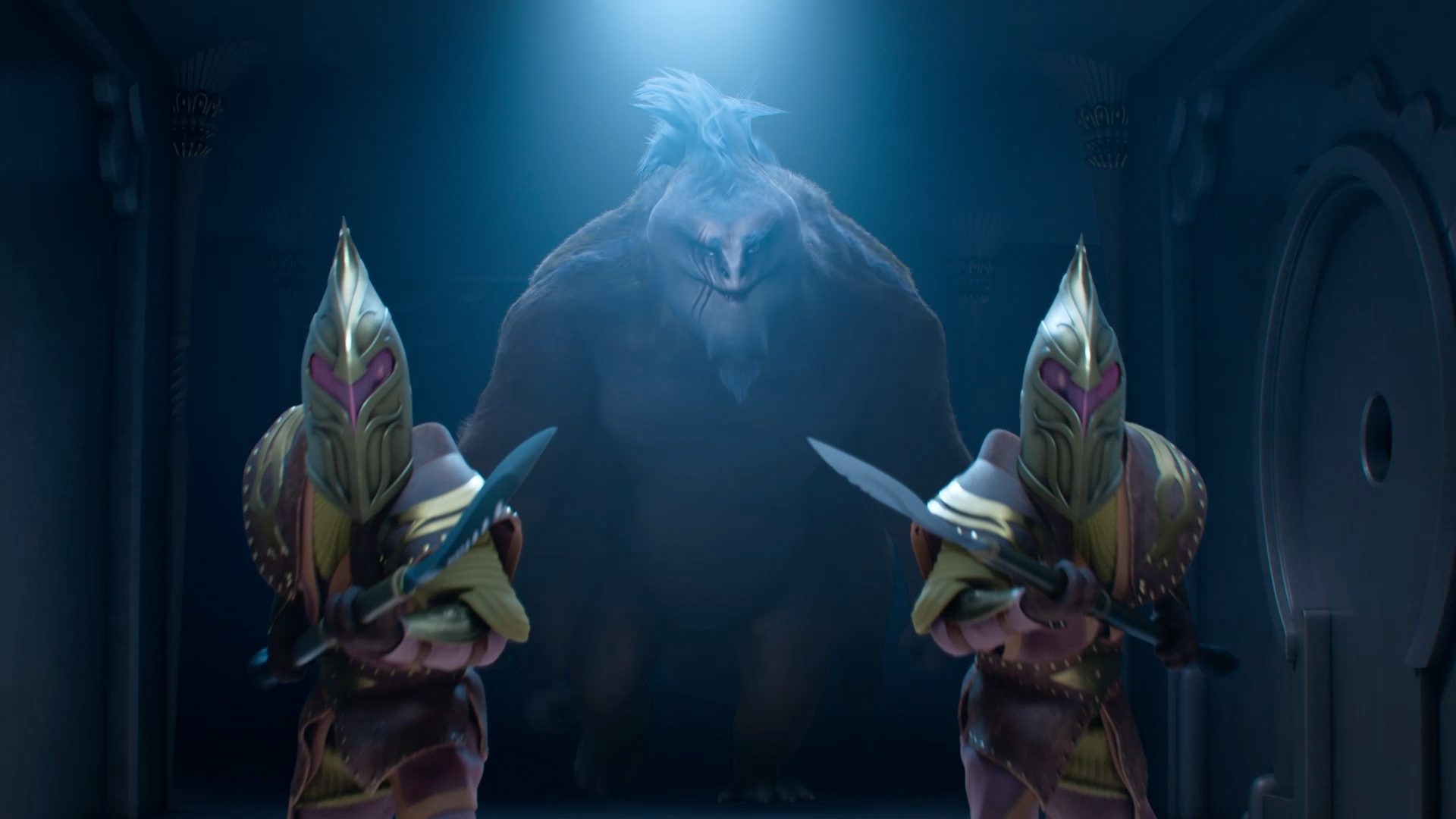
The animation for Season 3 was produced at Icon Creative Studio in Vancouver, and Baena speaks highly of the studio’s contribution. “Icon did a really great job,” he says. “We tried to push them as much as we could to get as close as we could to feature film quality.”
Satisfied with the result, he says, “Considering that this is TV, you don’t always have the biggest budget or the schedule… I still feel like they did a tremendous job.”
A theatrical screening of the final episodes at the wrap party validated that effort. “To be able to see it that large… it was one of the greatest moments in my career,” he said.
Tuning Out Industry Noise
The last stretch of production unfolded amid public transitions as Skydance’s distribution relationships shifted from Apple to Netflix and then toward Paramount. Baena said it was impossible to ignore, “because it’s in every single news outlet, you cannot avoid it,” but none of it changed his approach.
“This industry is so unpredictable these days,” he said. “Sometimes, for me, it helps me to work on something, thinking that it might be the last thing that I get to work on.” That mindset drove him to give “200% the whole time.”
“The last thing I want to do is waste people’s time watching something that I directed,” he added. “Whether it’s a short film, a TV series, or a feature film.”
A True Ending
WondLa stands out in the current animation landscape because it can end on its own terms. Many contemporary animated series are cancelled mid-narrative, often without warning. Here, Baena and the rest of the team were able to build toward the conclusion from the moment Season 3 began.
Season 1 set the foundation. “It’s very four-quadrant,” he said. Season 2 pushed deeper: he described its finale as “great” and a key transitional piece. And Season 3, he said, is where the team finally had permission to fully evolve the tone — much like how the Harry Potter film series darkened over time. “You cannot do a Harry Potter 3… before having done Harry Potter 1 or 2,” he said. “Now the kids who watched Season 1 and Season 2 are getting a little older, and we need to mature with them.”
For Baena, the conclusion represents not only the end of the story but a point of personal growth, a bridge between his work in shorts, features, independent filmmaking, and now serialized storytelling.
And most of all, he hopes the ending feels worth the audience’s time.