.png)
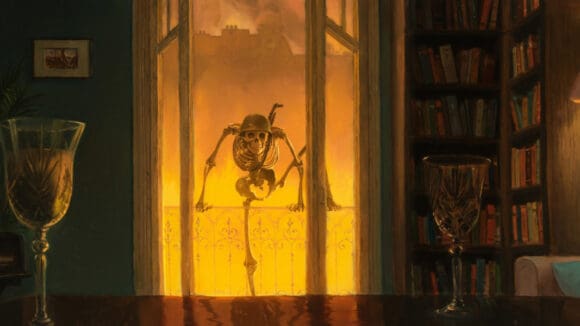
75 Oil Paintings, 30+ Artists, 4 Countries: Hisko Hulsing’s 11-Year ‘Danse Macabre’ Journey (EXCLUSIVE TRAILER)
Stay informed with free updates
Sign up to get our news digest — delivered directly to your inbox twice a week.
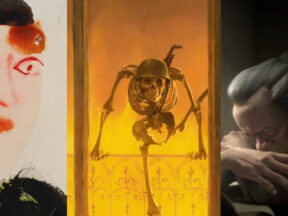
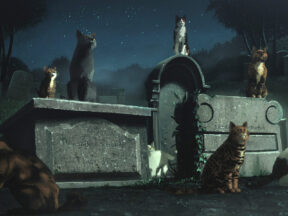
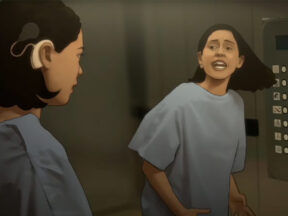
Hisko Hulsing has spent much of the last decade working on big-name titles for major Hollywood studios. The Amsterdam-born filmmaker directed both seasons of Undone, which won Annecy’s Jury Award in 2020, helmed the acclaimed “A Dream of a Thousand Cats” episode of Netflix’s The Sandman, and created the animated sequences for Brett Morgen’s Kurt Cobain documentary Montage of Heck.
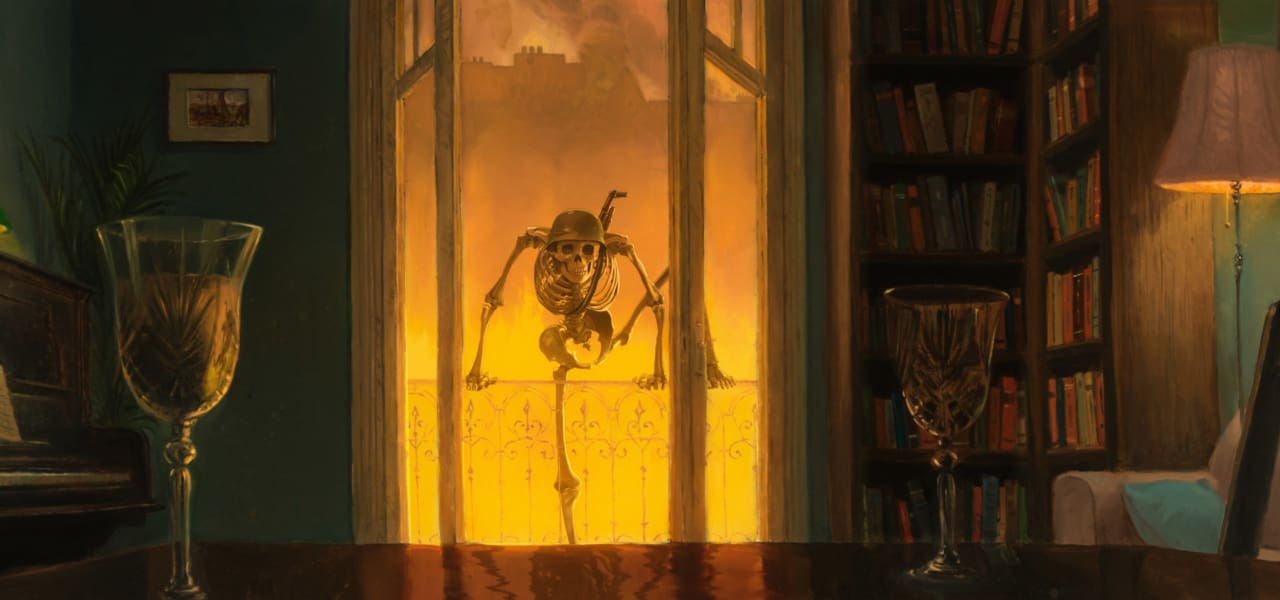
Now, Hulsing returns to independent filmmaking with Danse Macabre, a four-and-a-half-minute animated short set to the second movement of Dmitri Shostakovich’s Tenth Symphony. The film transforms a seemingly orderly procession of skeleton soldiers, angelic musicians, and religious figures into an escalating vision of chaos, death, and war. Its imagery feels both historical and contemporary, evoking fascist rallies, military parades, religious iconography, and modern conflicts without ever tying itself to a specific nation or historical event.
We’re excited to debut the film’s trailer and a new behind-the-scenes video (near the end of this article) ahead of its world premiere at the Annecy International Animation Film Festival later this month.
A Decade in the Making
“I started 11 years ago, actually,” he told us, ahead of the film’s Annecy debut. “I had this one piece of music from Shostakovich that I always had very vivid images and ideas about. So, I started using that music as the basis for the film instead of writing a script.”
That unconventional approach shaped every stage of the production that followed. Rather than beginning with a traditional screenplay, Hulsing spent years listening to the music and developing imagery inspired by its rhythms and emotional shifts, creating a highly detailed storyboard and animatic to pitch to production partners and financiers.
“The storyboards were so detailed that they were almost layouts for the paintings,” he recalled, which can be seen in the animatic, linked below.
“Every day I was listening to the music, coming up with images that were inspired by the music, and then developing my ideas for the film,” he said. “The film is very clear-headed now when you see it, but it started entirely from the music.”
The result is a film whose structure follows the composition rather than conventional dramatic beats. The film doesn’t follow a traditional three-act structure because the musical climax happens halfway through the four-minute piece. Developing in such a non-linear way created its own challenges.
“I had this atomic explosion,” Hulsing recalled with a laugh. “And then, how do I go out from there? I was completely stuck for many months.”
The breakthrough came, as so many do, with an unmovable deadline.
“My producer called me and said, ‘What are you doing? We have a deadline in two weeks.’ Then suddenly the rest came out. Deadlines are very good for that,” he laughed.
Painting a Foundation
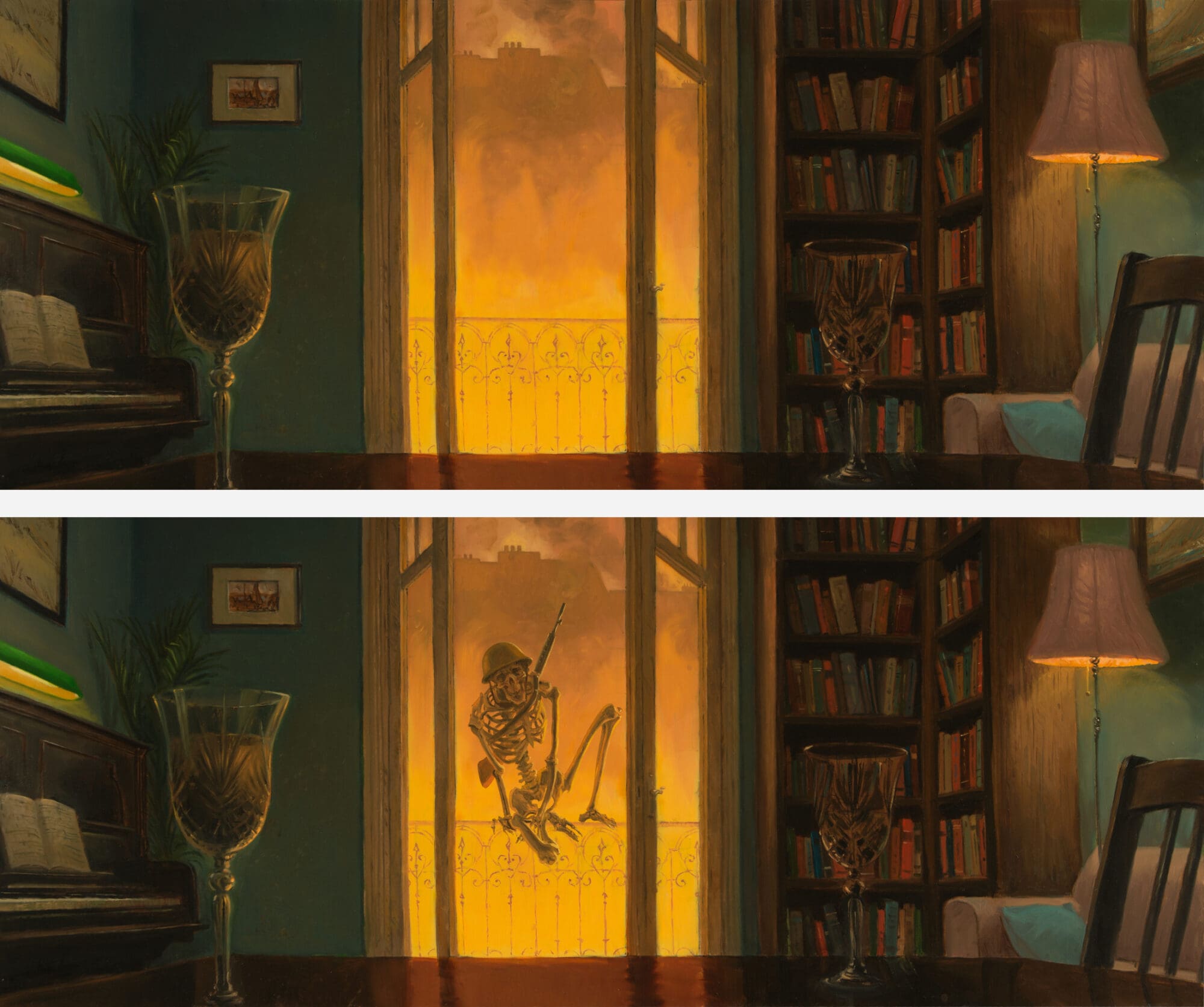
Years before production began, Hulsing was already creating the world of Danse Macabre in massive oil paintings that would later serve as the short’s backgrounds. In total, he estimates creating around 75 paintings for the project. The scale of the paintings is evident in the film’s behind-the-scenes materials, emphasizing the tremendous undertaking this short film required before other artists and animators ever got their hands on it.
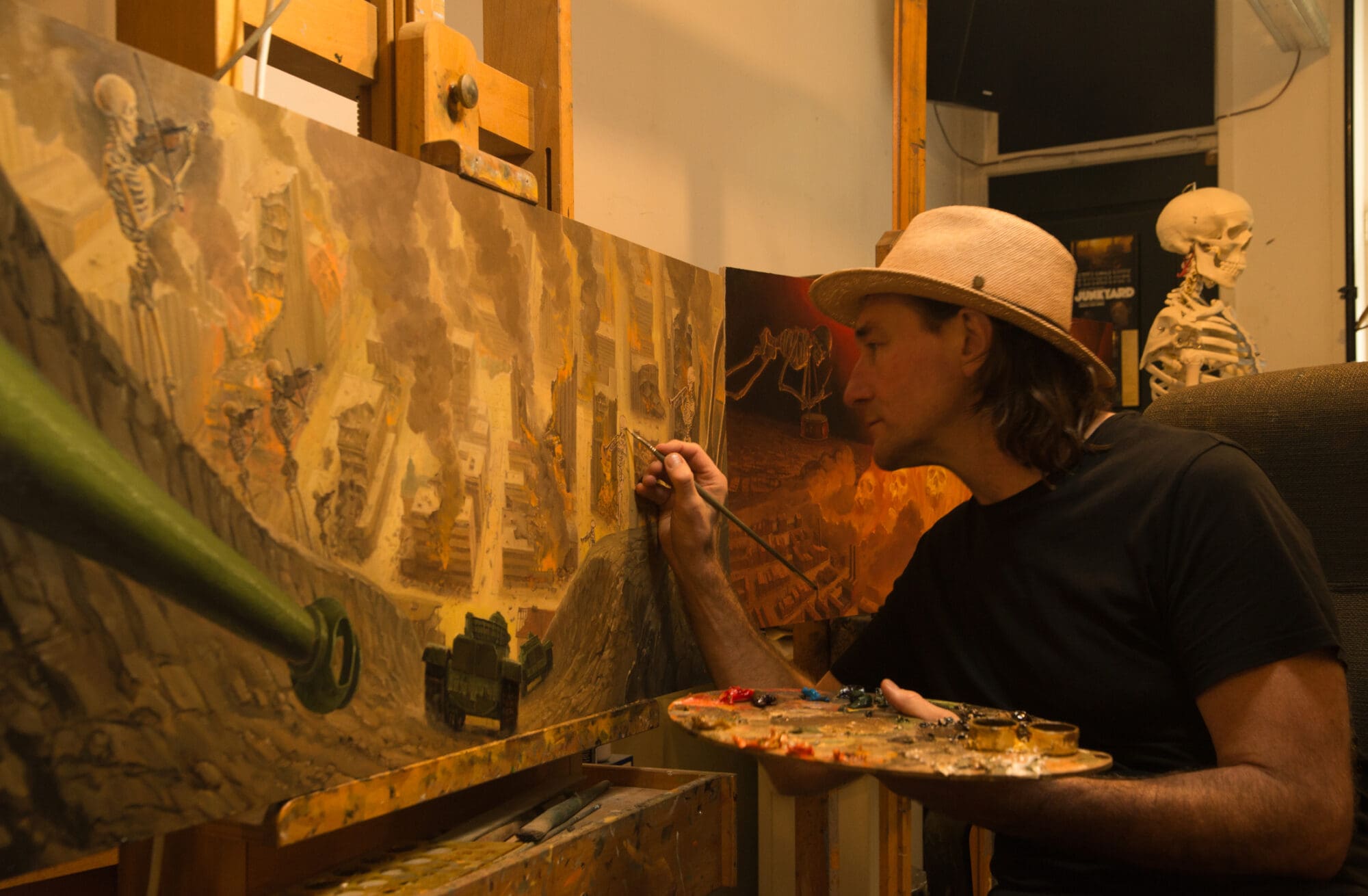
“The film is very layered, and I’m not expecting people to see all the layers when they see it the first time, but they’re in there,” Hulsing explained of the tremendous detail and symbolism that can be found in nearly every frame of the short.
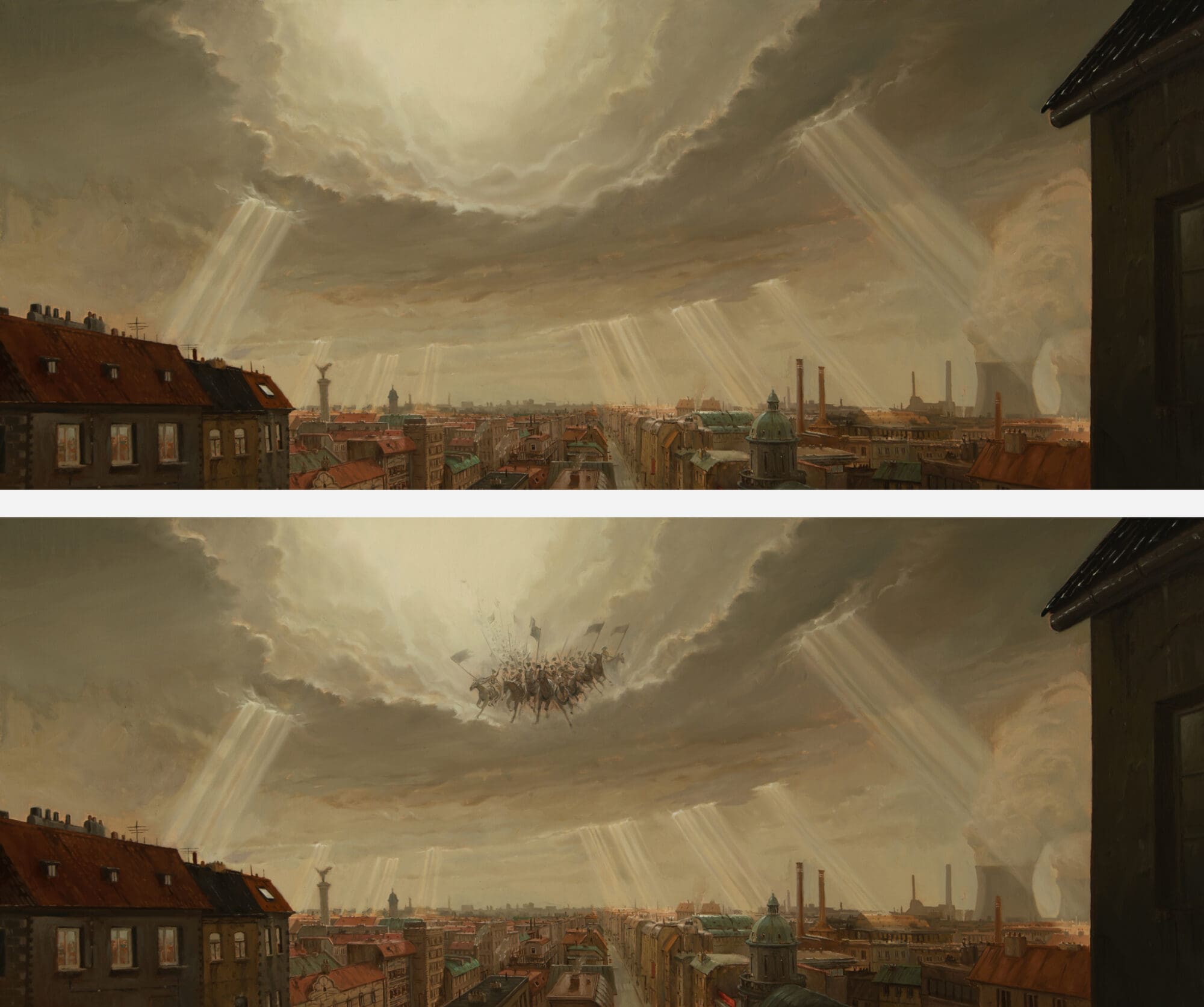
The film is also very literally layered, in that Hulsing painted the backgrounds, then painted in the characters, as demonstrated by several before and after images he shared with us, seen throughout this article.
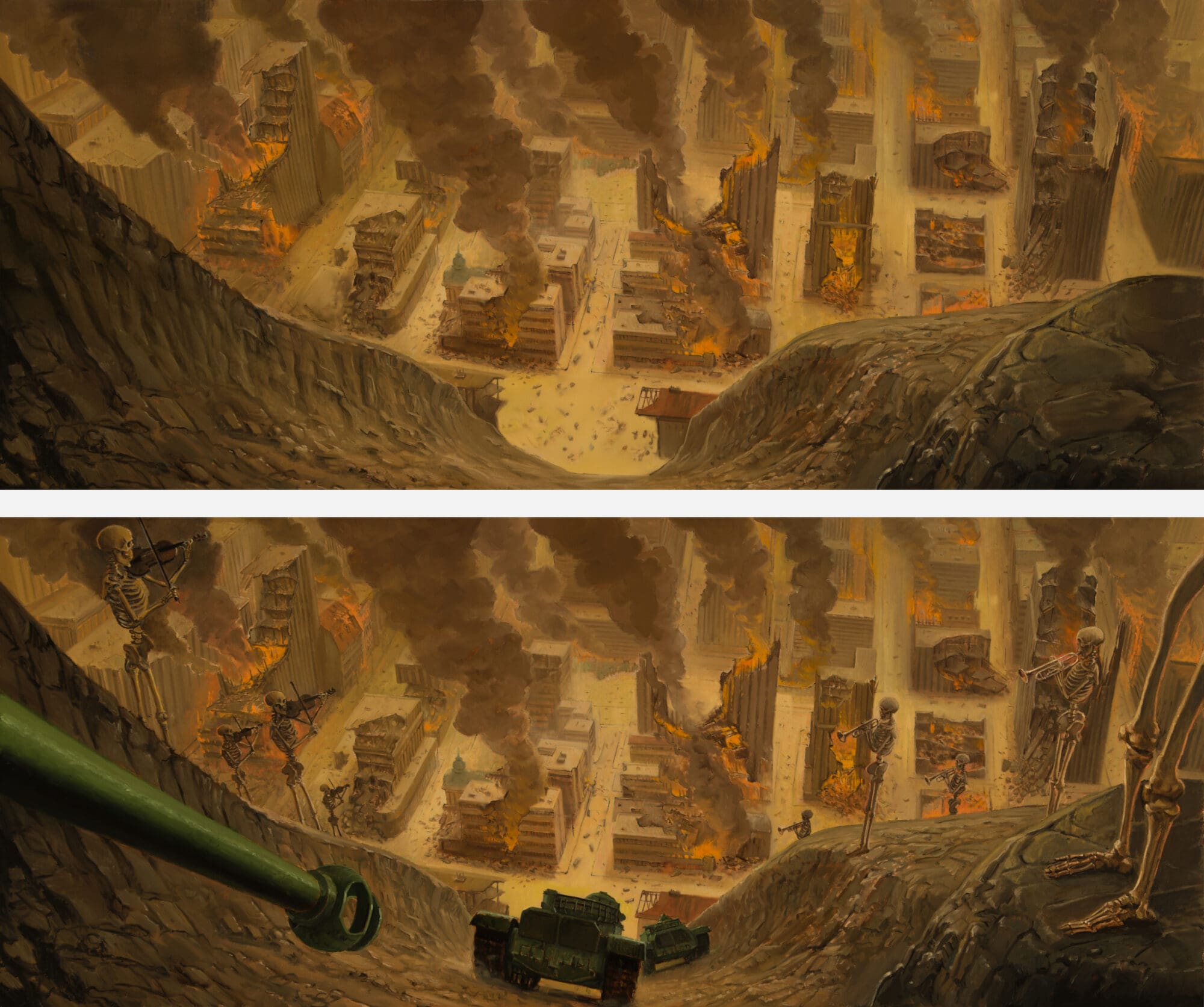
The paintings became the foundation for a production pipeline that eventually involved more than 30 artists spread across France, Hungary, Belgium, and the Netherlands. Production brought together teams from Valk Productions, Autour de Minuit, Vivi Film, and Cinemon Entertainment, with animation work handled across several studios.
Storyboards as Screenplay
One of the most revealing artifacts of Danse Macabre is the animatic. It is remarkably detailed, containing much of the film’s final detail years before animation began.
That level of specificity was necessary because the storyboard was functioning as more than a planning tool.
“I didn’t have a script,” Hulsing said. “The storyboard was the script.”
The drawings served both creative and practical purposes. They allowed him to continue developing ideas while also helping secure support from producers and partners.
“For me, the directing is mostly in storyboarding,” he said, explaining that storyboarding work has long been how he’s paid the bills and supported his personal work. “The visual storytelling happens there.”
The production process became even more elaborate once animation began. Rather than relying solely on animatics and layouts, Hulsing shot the entire film in live action as reference material.
“We shot the whole film on a green-screen stage with actors and musicians,” he said. “Then I edited it. It looks terrible because it’s green screen, but it already moves fluidly.”
The footage was never intended for direct use in the finished film. Danse Macabre doesn’t feature any rotoscoping. Instead, it served as a performance reference for the multi-national team of animators.
The musicians received special attention, with Hulsing even casting performers capable of accurately playing the instruments shown onscreen, including his son, Dario Hulsing, on violin.
“I wanted to be very respectful to the music,” he said. “If you see violin players in the film, I wanted the finger positions and movement to be correct.”
March Toward Catastrophe
The imagery of Danse Macabre is monumental in scale and repetition. Endless formations of skeletons advance across landscapes while crowds stretch toward the horizon. The need for such overwhelming imagery came, like the film’s narrative, from Hulsing’s interpretation of Shostakovich’s music.
“It starts like a very well-organized march,” he said. “A march toward the light. And of course it descends into complete chaos.”
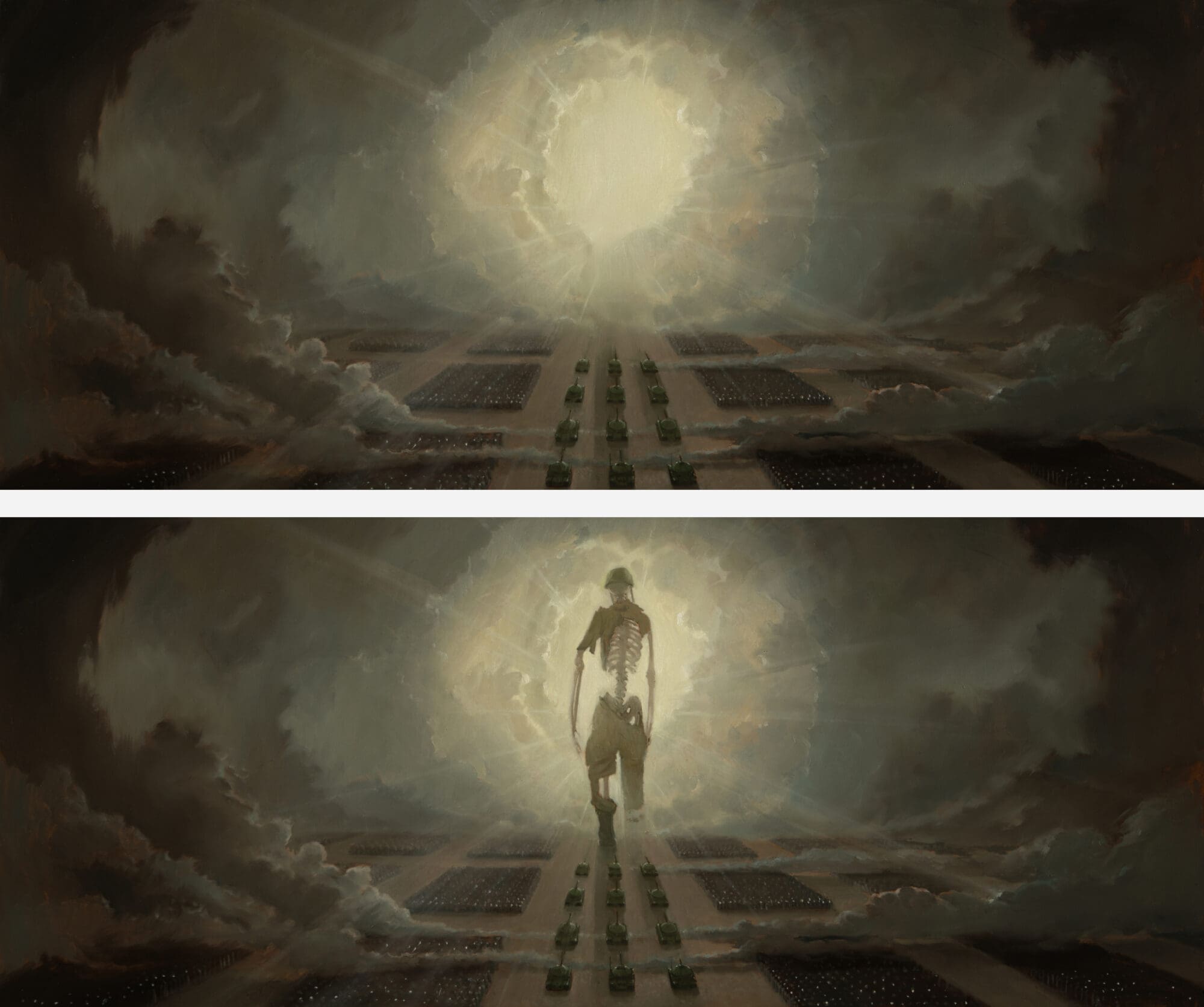
He traces much of the film’s emotional foundation to Shostakovich’s documented experiences living and composing in Soviet Russia under Joseph Stalin.
“A lot of people think the piece is a horrifying portrait of Stalin,” Hulsing said. “When I heard it, I thought, well, it’s clearly about terror and war and panic and chaos and hysteria and death.”
Although Stalinist Russia was a main influence on Hulsing’s work, the film intentionally avoids identifying any soldiers or political systems. There are no sickles and hammers, no swastikas, and the geography is reminiscent without being exact.
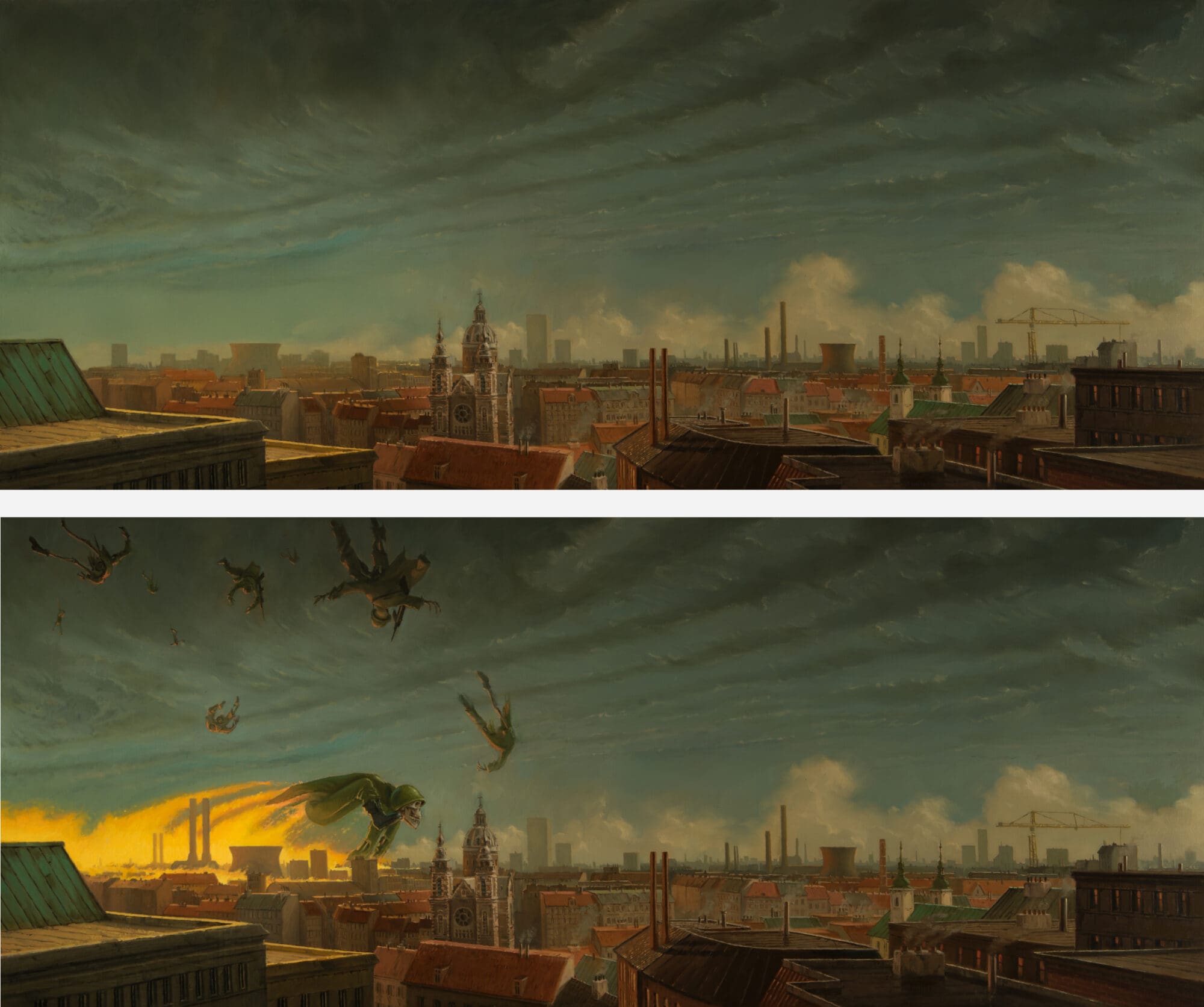
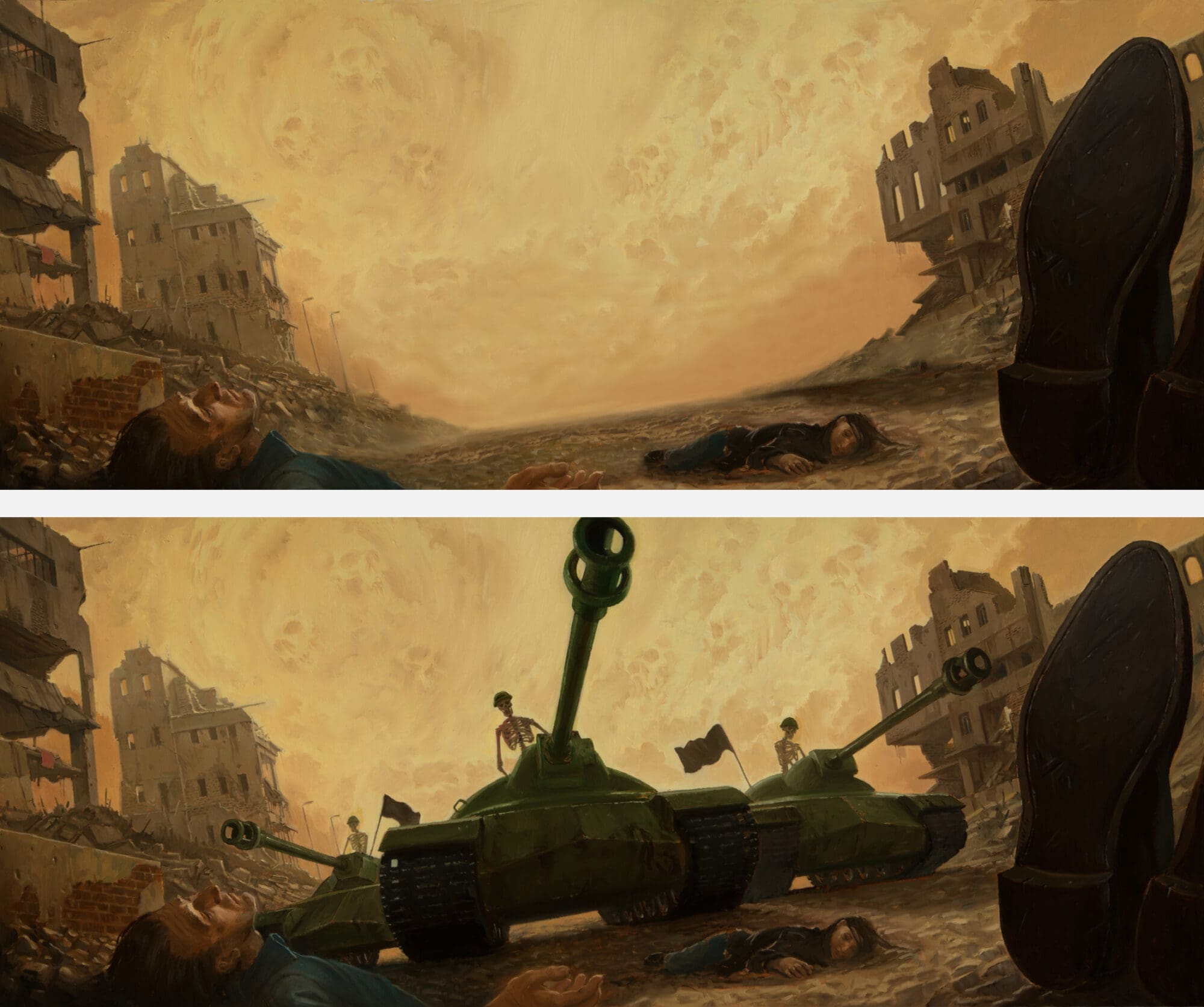
“I wanted it to be non-specific,” he explained. “It could be any country.”
That universality became increasingly relevant as world events evolved during the film’s long development.
“When I started the film, I already saw a resurrection of fascism in Russia,” Hulsing said, noting that the timing of production and Russia’s invasion of Ukraine are not entirely coincidental. “Now it’s everywhere.”
The project was originally even titled Resurrection, a reference to what Hulsing saw as the recurring return of authoritarianism throughout history. The title was eventually changed during development, though the underlying concern remains embedded in its imagery.
Nailing the Look
As stated earlier, Hulsing had never been completely content with how his work translated into animation; the tools just weren’t there yet to create a like-for-like recreation of his still work. He says he got close with both Undone and his special animated episode of Netflix’s The Sandman, but close wasn’t good enough for this short.
So, in Danse Macabre, every frame was animated and overlaid on the oil paintings he’d produced, combining 2D and CG techniques.
“Every frame that people see is being animated by animators,” he said. “Not just by 3D animators. I did a lot of animation myself in 2D.”
To achieve the final look, the production used a suite of digital tools trained on Hulsing’s artwork. The original idea was to use projection mapping, but Hulsing says that it created an almost video-game-like look that did not match the film’s tone or the aesthetic he was chasing.
Instead, all of his oil paintings, both backgrounds and characters, were fed into a suite of tools that created a custom set of shaders which mirrored those originals. That filter was then used to touch up the finished character animation, creating greater visual fidelity between the animation and the oil paintings. Even after months of programming, the results still required a heavy human hand for polishing. After the shaders were applied, Hulsing went through nearly every frame of the short and touched it up, resulting in a look that resembles a moving oil painting rather than a video game cinematic.
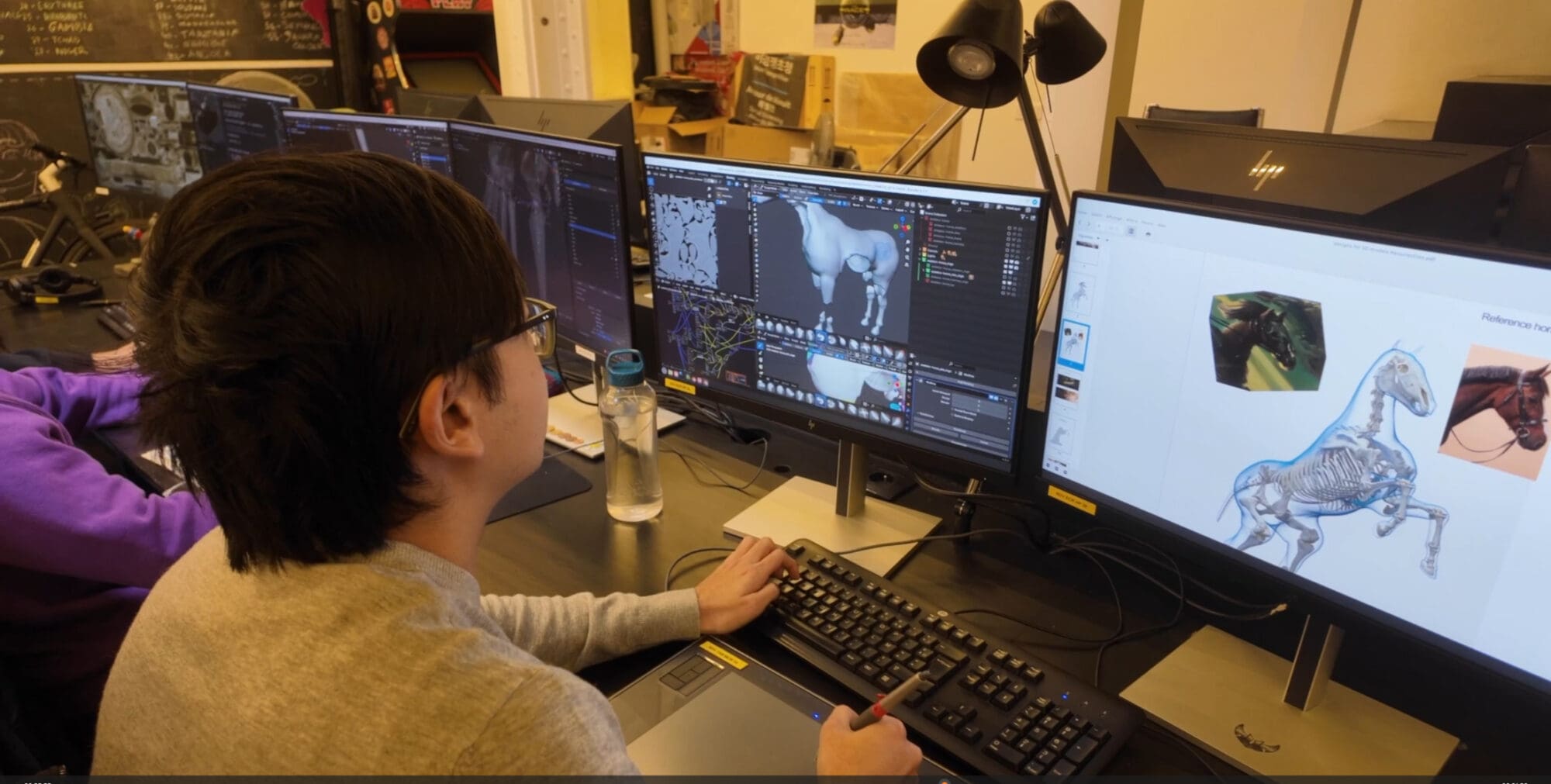
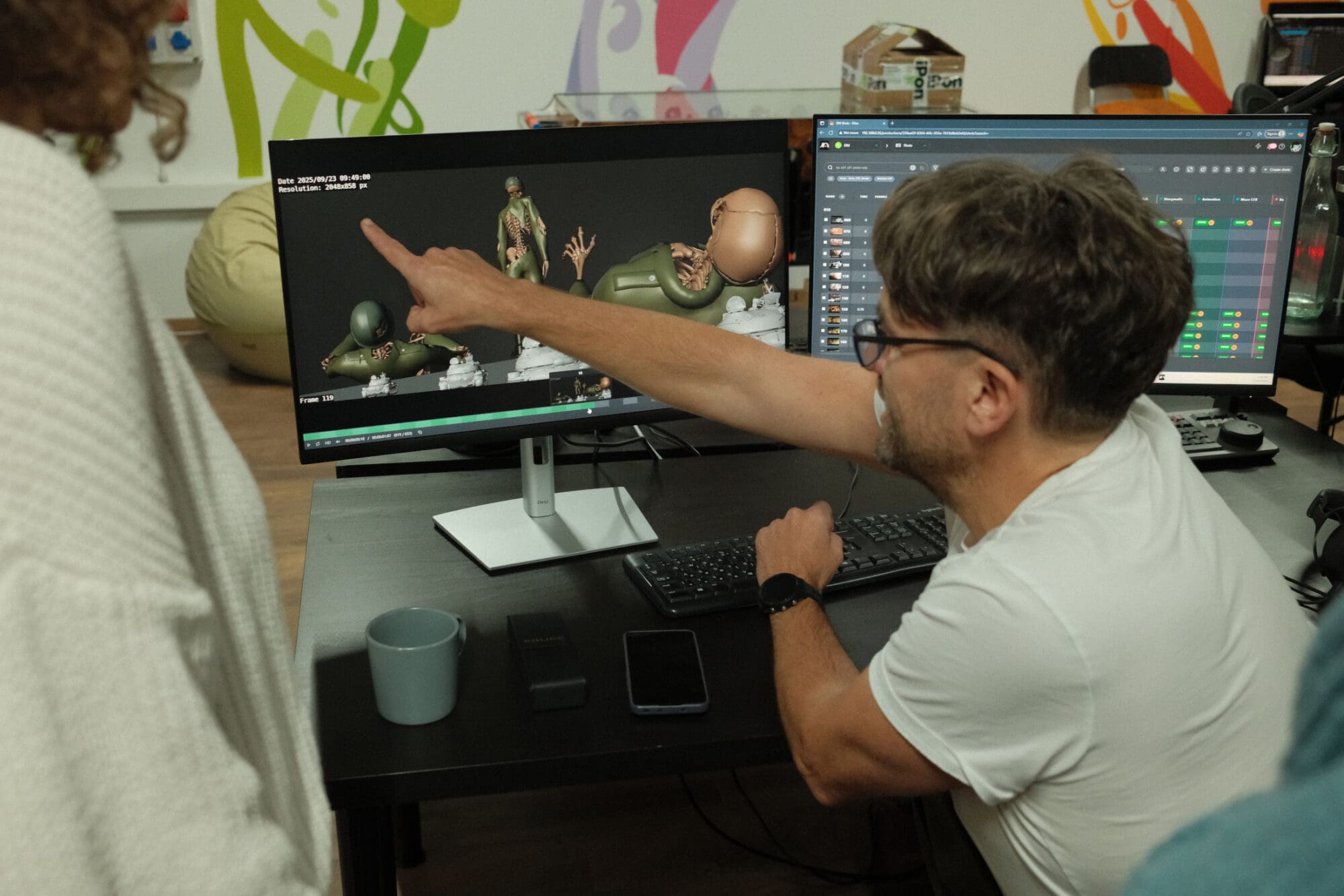
“It was a very precise way of working,” he said. “We kept programming and programming throughout two years until we had something that looked like my paintings.”
Hulsing describes the process as exhausting, but one that got him closer than he’s ever been to a look he’s chased for years.
Annecy audiences will soon get their first chance to experience the result in full. For now, the new trailer will have to suffice.