.png)
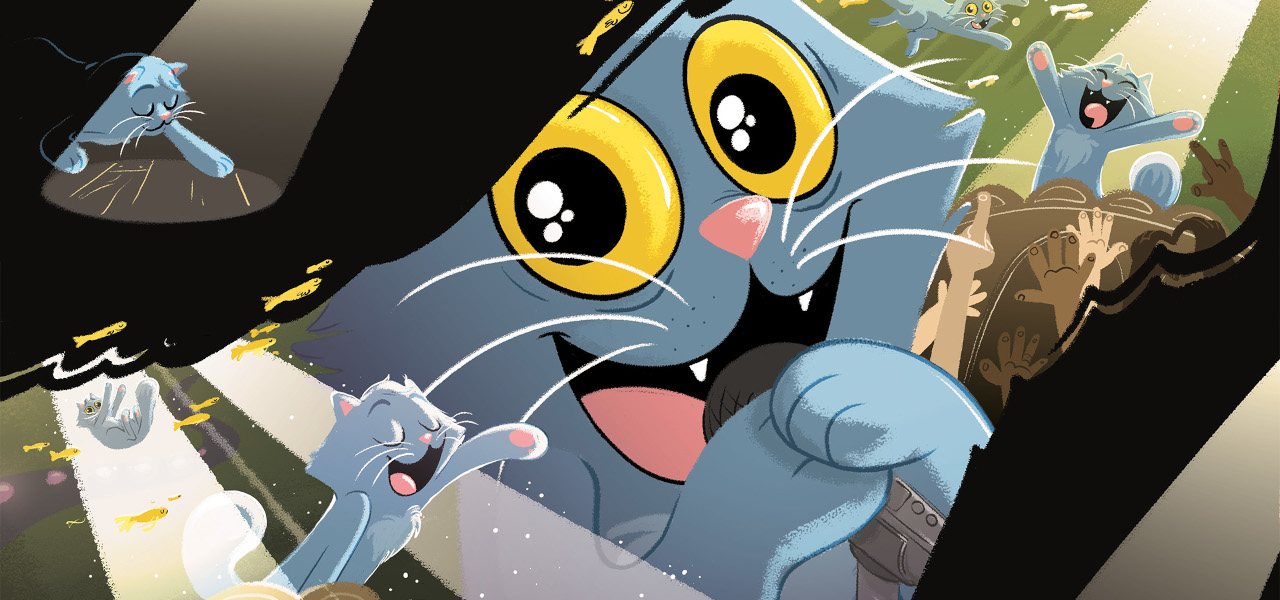
Nathan Little Hand-Animated Sydney the Song Cat For Four Years, Then YouTube Demonitized It As ‘Inauthentic Content’ (EXCLUSIVE)
Stay informed with free updates
Sign up to get our news digest — delivered directly to your inbox twice a week.
Nathan Little has been making Sydney the Song Cat shorts and music videos in Toon Boom since 2022 from his home in Halifax, where he lives with his wife and three kids. He’s a Sheridan grad with credits on shows like The Loud House, The Casagrandes, Iggy Arbuckle, and Grossology. His Sydney videos have racked up millions of views across TikTok, Instagram, and YouTube.
Despite that resume and years of original output, on April 12, YouTube told him his channel had been demonetized for “inauthentic content.”
This is Little’s account of how Sydney got made in the first place, and why he says it’s as authentic as anything he’s ever done. The demonetization isn’t the whole story, but it’s where he is right now, and it’s something more indie creators are having to reckon with as they try to carve out their corner of the animation landscape.
Demonitization
The email hit Little’s inbox on a Saturday morning. He’d been part of YouTube’s Partner Program for years and reread the site’s policies just in case.
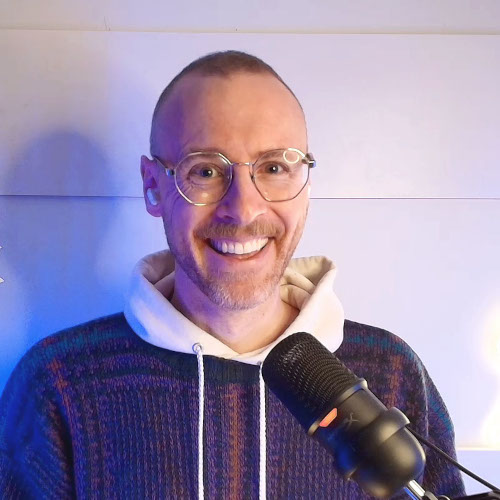
“Like, am I missing something? Maybe in the past four years I’ve missed something. Who knows?”
The appeal form didn’t work, so he went to creator support and reached, through a chatbot, either a person or someone presenting as one, who told him they would escalate it. A few days later, a template email turned up in his junk folder, full of catch-all phrases that didn’t point to any specific violation. When he wrote back to ask if it had come from her, he says she copied and pasted the same language back. He asked plainly whether a human had actually looked at his account, and was told the decision was final and the case was closed.
“I went back to the channel, and I’m like, do I start deleting stuff? Is that the path forward? I started to delete, and I got like two or three videos in and thought, ‘This is crazy. There’s no way this is being flagged under these policies.'”
He went back to YouTube and asked again whether anyone could point him to anything specific so he could fix it. He got another reply a few days later in the same template with a different name attached.
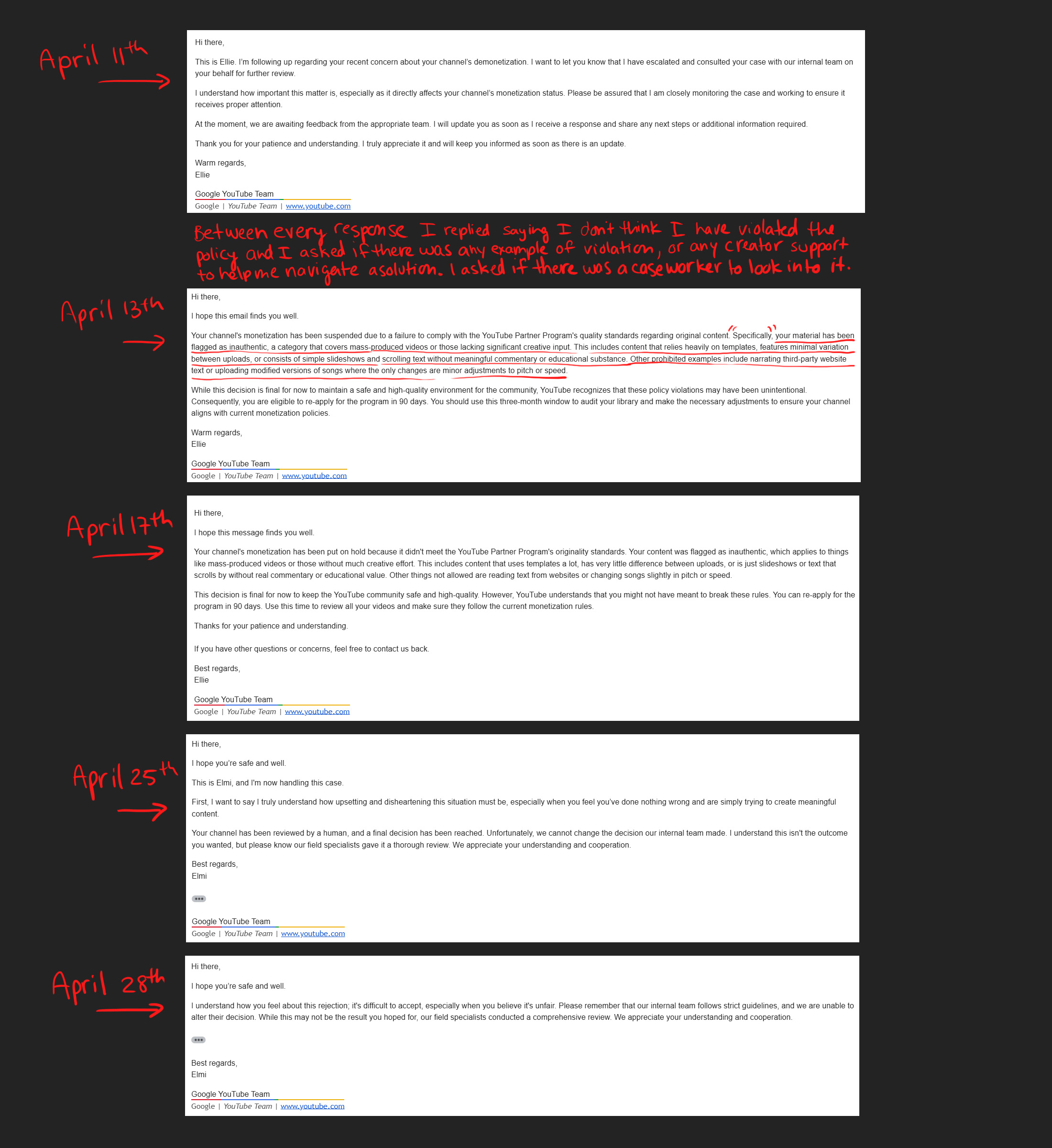
“The language was identical. ‘Hello, I hope you are safe and well’ in both titles. ‘I understand that you are frustrated, but the decision is made.’ I’m sure it’s still being cut and pasted because there wasn’t an interaction with what I was actually asking. If it really was a human, it wasn’t genuine customer service.”
Little has no copyright strikes and no community guidelines strikes. Individual videos have, over the years, been flagged for things like kids’ content categorization or regional music restrictions, but he chalks those up to normal YouTube friction. This time, the full Sydney channel, four years of work, has been relegated to a “fix it in three months and reapply” stasis, with nobody willing or able to point at what allegedly broke the rule.
Defining “Inauthentic”
Little is careful to point out that his alleged infraction was not an accusation of AI use, and that channels with hundreds of AI-generated videos have been left alone. YouTube’s “inauthentic content” category, as he summarizes it, is meant to flag mass-produced uploads or content with minimal creative input, things like template slideshows, narrated scrapes, and sped-up reuploads of other people’s songs.
“I think you could have a full AI channel and they would be okay with that,” Little said. “That’s not what this is saying.”
What he supposes YouTube is saying is “you are repackaging other people’s stuff,” but Sydney is a 2D cat that one guy rigs in Toon Boom and animates by hand in his living room. The audio isn’t always original, but the video always is. The closest he’ll come to a guess is that something transferred over from TikTok, where the Sydney videos originally started, and got picked up differently by YouTube’s systems.
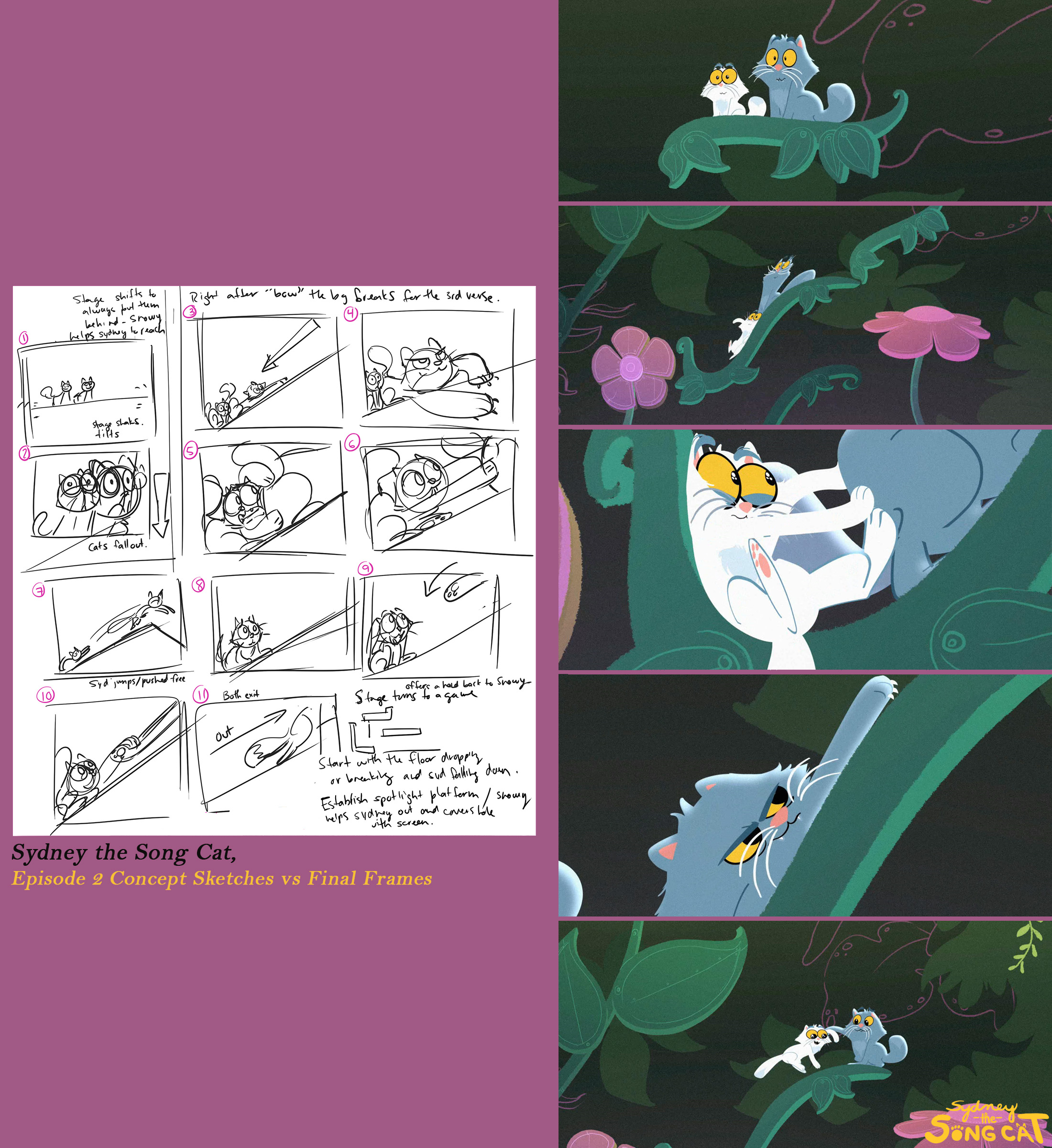
He isn’t the only one in this position. Since he posted about it on Instagram, other animators have reached out with similar stories, some with books or shows in development that depend on the audience YouTube has been helping them build.
“How do you work with something that’s that unstable, when you rely on that as part of the proof or validation of your audience?”
A Cat’s Tale
Sydney started in 2022 as a question Little put to himself at his kitchen table: could he realistically post hand-drawn 2D animation often enough to keep a channel alive? He’d been supervising on quick-turnaround TV productions for years, and by his estimation, he’d need to animate at least two posts a week for several years if Sydney was going to take off, so he simplified the process from the start with a quick cat rig in Toon Boom and Photoshop backgrounds.
The early version of Sydney didn’t even have a tail, a deliberate choice while Little learned how to animate the rest of her to music. He started with a single happy mouth shape and added a sad one only after he was comfortable, slowly building out her full facial range.
“I could only do kind of happy songs at the start. Slowly, these additions made it easier and faster to be able to work through it.”
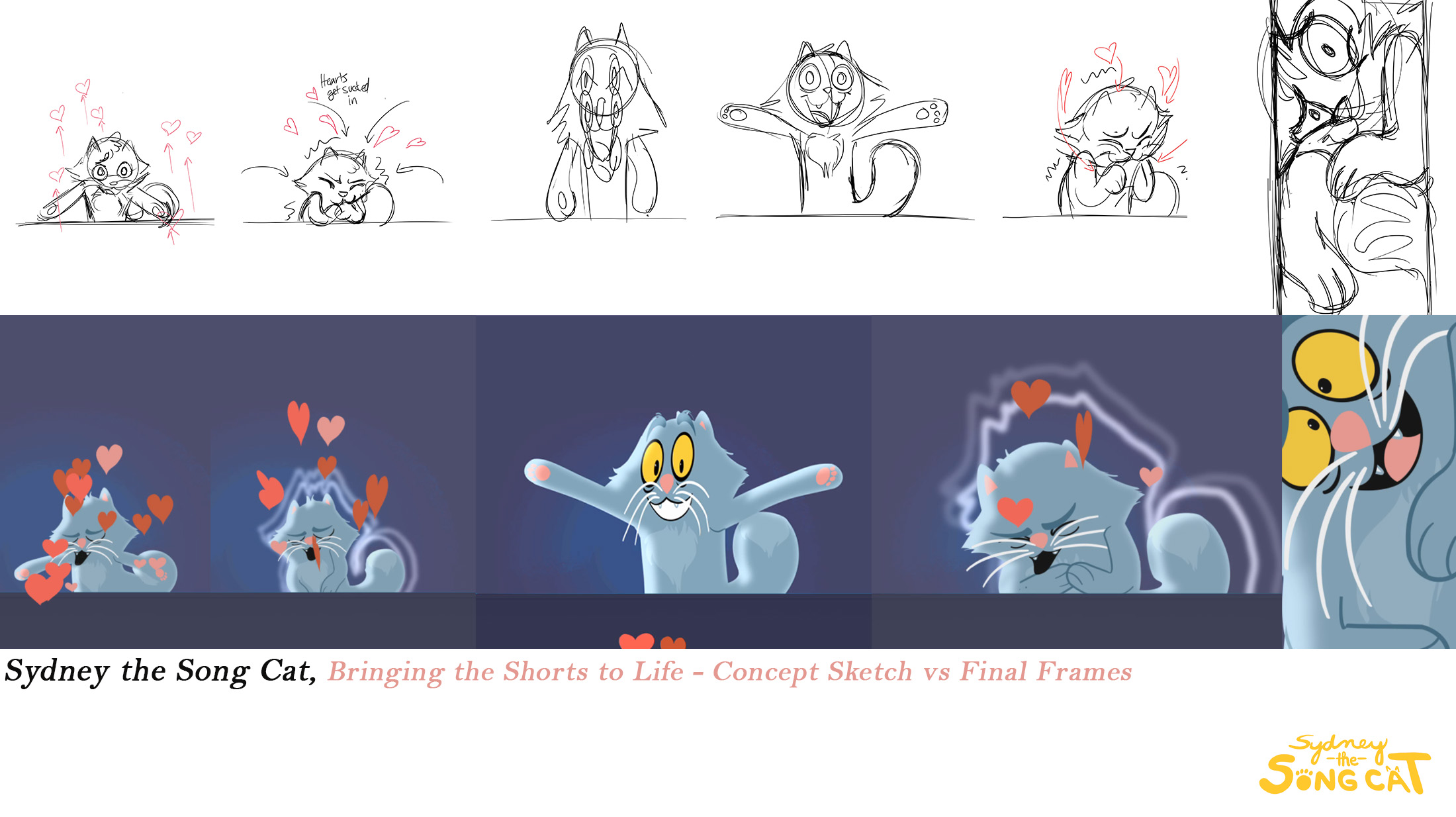
The whole channel is a study in what one person can produce by hand on a self-imposed schedule, with the rig getting more capable as the maker does. Little is reusing assets, of course, but that’s standard practice in pipelines of any size.
“Multi-million dollar studio productions will reuse assets constantly. There are little bits of animation that I can use as a core beginning point, but every single video I need to adjust to new music, I need to put in lip sync, and many of the videos are fully from scratch.”
A Cat of His Own
Little had been a TV supervisor for a long time and, like a lot of supervisors, was missing the physical act of animating his own work. He could feel the industry shifting underneath him, and he wanted something he could own.
“I want to control more of what I do. I want to have a character, honestly, even if it never reaches anything beyond, I get to control it for three hours every night and animate what I want to animate with it.”
He’d also noticed an industry change that opened up new production possibilities. When he was a student in 2004, sourcing sounds and music for a film was, in his words, “crazy,” but by 2022, TikTok had quietly built an inexhaustible sound library open to creators, and YouTube quickly followed.
Designing the cat herself was more straightforward, given that cats and the internet have been ideal dance partners since the dawn of dial-up. More than that, Sydney gives Little a chance to do the things he doesn’t want to do himself, at least not in front of an audience.
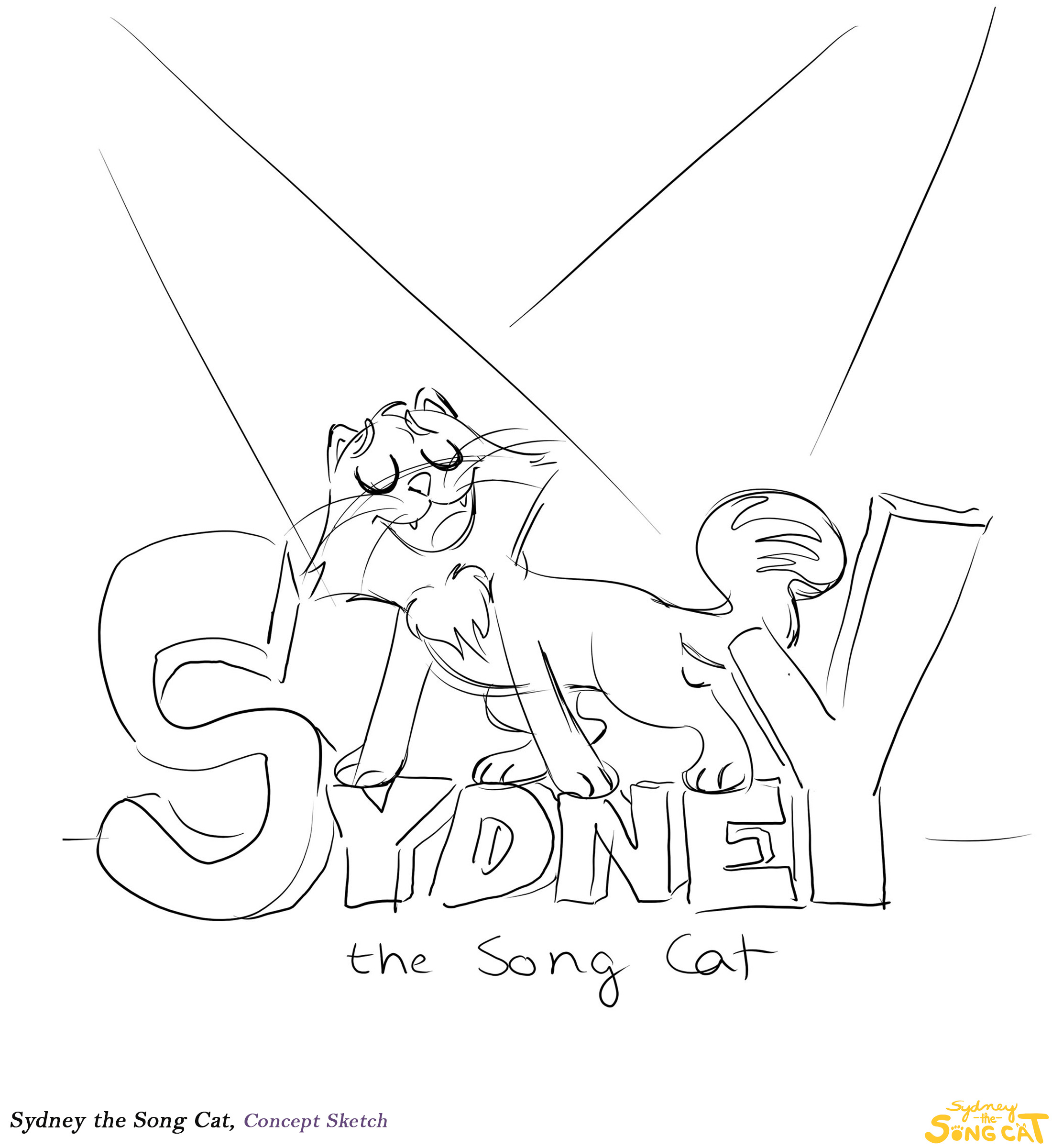
“I’m an actor on the inside. I just don’t want to be in front of the camera doing it. So it is rewarding to me to be able to participate in these trends in ways that I think are funny, but not with my face. It’s with Sydney doing it.”
Behind the Curtain
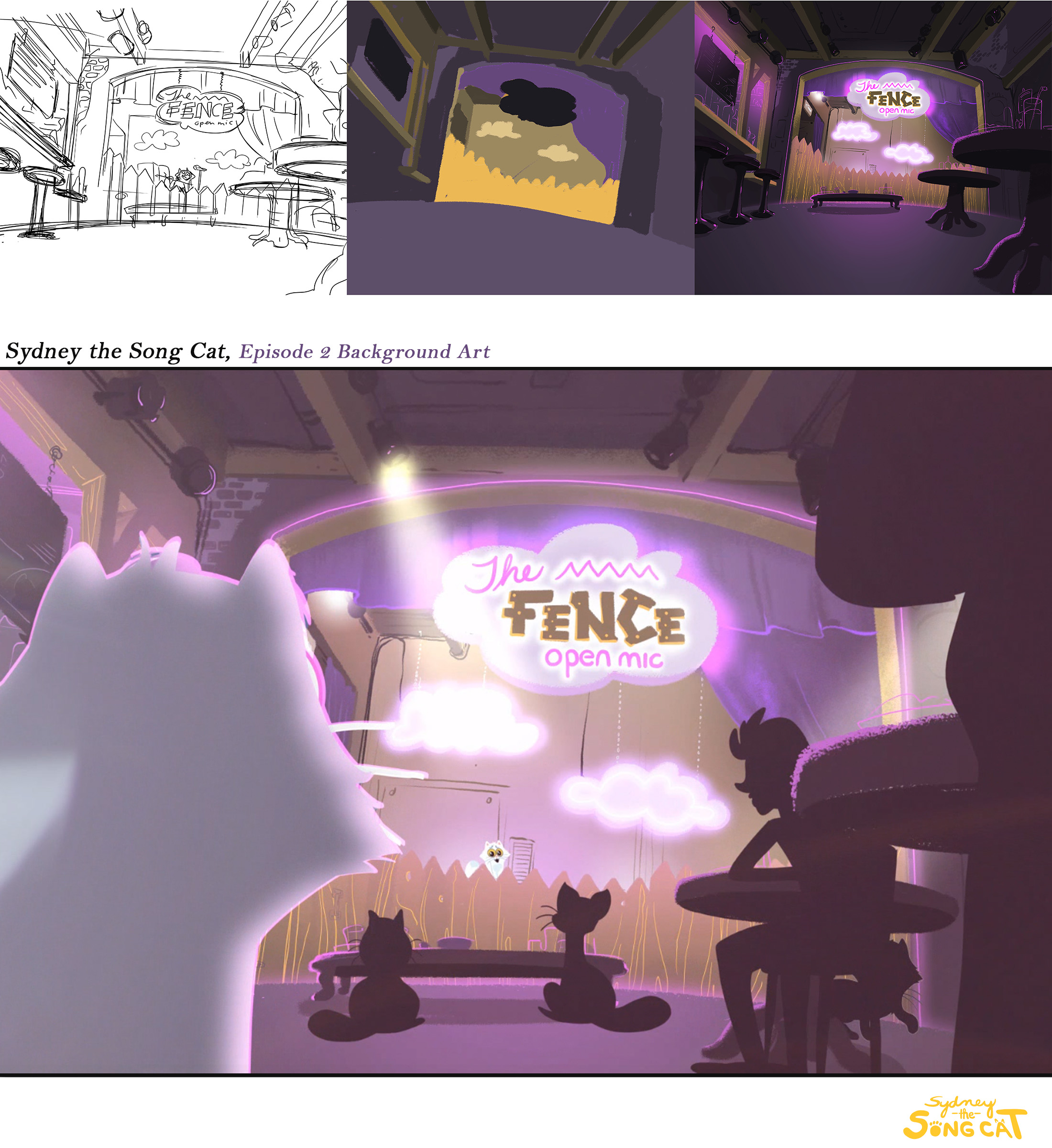
Even so, Little understands the importance of maintaining a human connection with the audience, which is why he posts behind-the-scenes and process videos alongside the shorts.
“I’ve put myself on there just to show there’s a human creator. I’ve put creator edits of my pilot episode just to show there are storyboards and there’s sound recordings and these are my voice actors, like all of that behind it.”
That last point lands hardest in light of the demonetization. The Sydney channel contains years of behind-the-scenes proof that a real person is making this work by hand, one video at a time.
Little is still posting twice a week, and pilot episodes are progressing on Patreon. In July, he can reapply to have his YouTube channel re-monetized. By then, Sydney will have evolved a little more, the way she always does. Whether YouTube’s systems, or anyone behind them, will recognize that work as authentic is a question a growing number of indie animators are now asking themselves.